The Magic of Tweed Amps: A Journey Through Guitar Tone History

By Gear Experts

By Gear Experts
Table of Contents

Equipboard
Equipboard is the world's largest community of artists and their gear. Read our review process.
We are reader-supported. When you buy through links on our site, we may earn an affiliate commission. Learn more.
Introduction: Why Tweed Amps Matter
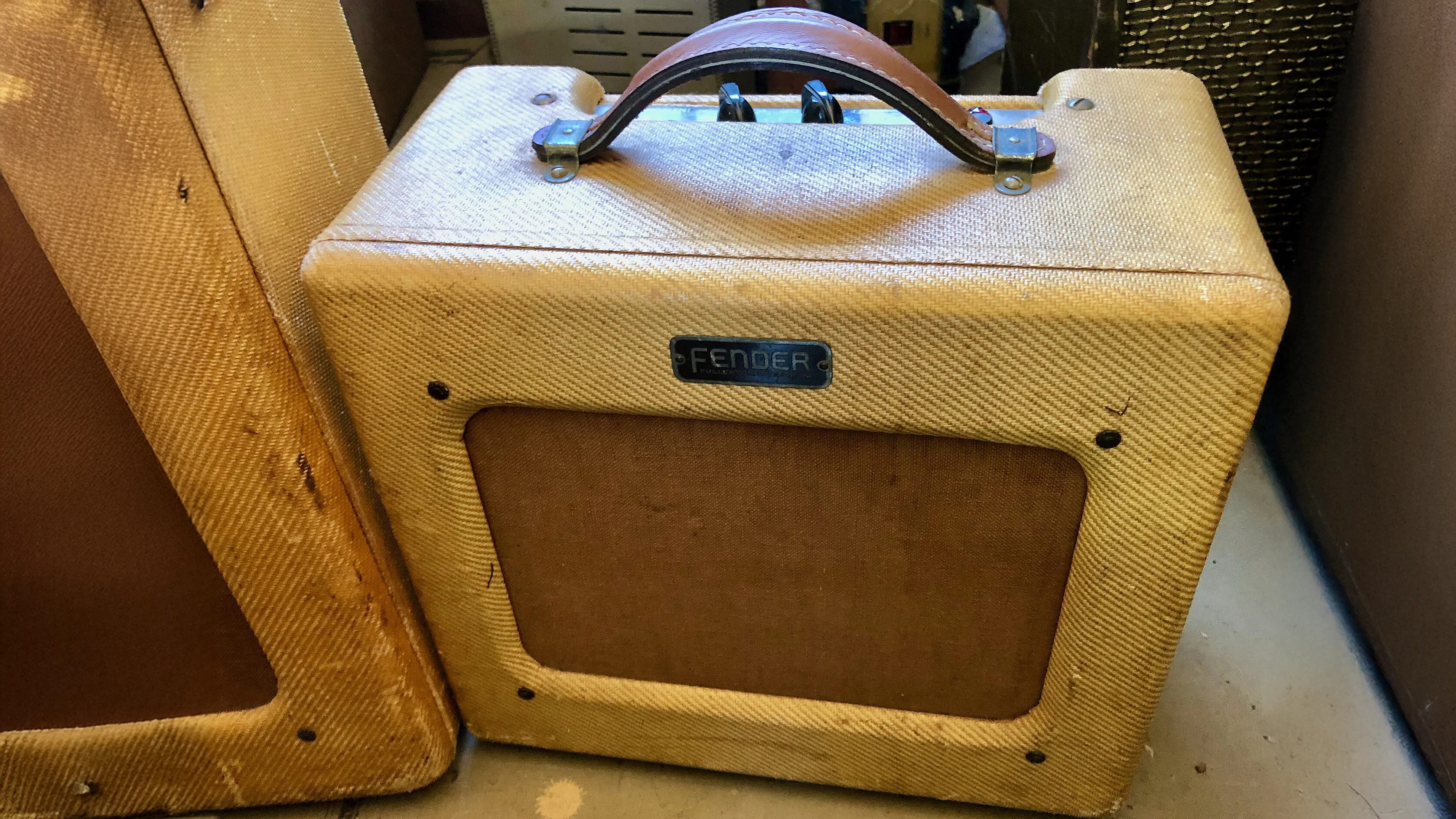
The story of Tweed amplifiers is inseparable from the birth of rock ‘n’ roll and blues. Crafted by Fender in the late 1940s and 1950s, these amplifiers became a cornerstone for musicians seeking raw, dynamic tones with a unique character. Named after their durable tan cotton twill covering, Tweed amps deliver:
- Warm and responsive tones: Ideal for blues, rock, and country.
- Natural compression and “sag”: A touch-sensitive quality that feels alive.
- Dynamic range: Effortlessly transitions from clean to gritty overdrive.
Even in today’s world of advanced modeling amps and digital gear, Tweed amplifiers remain a sought-after piece of musical history, continuing to influence guitarists and amp designers alike.
The Birth of Tweed Amps
Tweed amplifiers emerged from Leo Fender’s workshop in the late 1940s. Fender’s vision was clear: build amplifiers that could handle the dynamics of electric guitars while offering a musical and versatile tone. Early designs like the Champion 800 and Deluxe 5E3 introduced groundbreaking features such as:
- Interactive tone controls: Allowed unique tonal shaping.
- Cathode-biased circuits: Enhanced natural compression.
- “Saggy” power supplies: Provided a distinctive, touch-sensitive response.
By the 1950s, models like the Bassman 5F6A redefined amplifier design, influencing British companies like Marshall and Vox.
The Iconic Tweed Sound

The Tweed sound is more than just a tone; it’s a musical experience. Here’s what makes it legendary:
Natural Compression
Tweed amps respond to playing dynamics with remarkable nuance. Play softly, and they remain clean. Dig in, and the amp compresses and distorts beautifully. This “sag” is thanks to their power supply design. The preamp design in Tweed amplifiers creates a distinctive midrange focus that cuts through any mix. Unlike later Blackface circuits, Tweed amps compress naturally as you push them harder. This happens because of the specific relationship between the preamp stage and output section. The preamp tubes begin to saturate early, creating subtle harmonics that enhance the guitar's natural tone.
At higher volumes, the output stage begins to saturate in a uniquely musical way. Power supply sag introduces a natural compression that makes these amps feel alive and responsive. The output transformers, often running near their limits, add their own character to the sound. This creates the famous "bloom" effect, where notes seem to swell slightly after being struck.
Warm Midrange Focus
Unlike later Fender Blackface amps, Tweeds emphasize midrange frequencies, helping guitars cut through the mix without sounding harsh. The frequency response of Tweed amps isn't flat, and that's integral to their sound. They exhibit a natural midrange focus with rolled-off extreme highs and lows. Bass frequencies remain tight and controlled, never becoming boomy or undefined. The high end sparkles without becoming harsh, thanks to the natural filtering effect of the output transformer and speaker combination. This creates what recording engineers call the "sweet spot" where guitars naturally sit in a mix without fighting other instruments.
Dynamic Overdrive
The way Tweed amps transition from clean to overdriven tones remains unmatched. Starting with clean settings, these amps exhibit a slight compression even before obvious distortion occurs. As you increase the volume, the first stage of overdrive introduces subtle even-order harmonics, adding warmth without losing note definition. This happens around 3-4 on the volume dial in most models.
Push the amp further, and the character becomes more complex. Between 5-7 on the dial, you enter what many players consider the sweet spot. Here, the preamp and power amp sections work together to create harmonically rich overdrive. Play softly, and the tone cleans up remarkably. Dig in with your pick, and the amp responds with increased saturation and sustain.
Harmonic Interaction
Many Tweeds, like the Deluxe 5E3, feature interactive volume controls. Adjusting one channel affects the other, unlocking unique tonal possibilities. At lower volumes, Tweed amps exhibit their famous "sparkle and chime." The Jensen speakers commonly used in these amps contribute significantly here. Clean tones have a three-dimensional quality, with remarkable note separation even when playing complex chords.
As volume increases, the power supply's behavior changes dramatically. Under heavy load, voltage sag becomes more pronounced. This creates a natural compression effect that recording engineers particularly value.
Famous Tweed Amp Models
Each Tweed model offers a unique character, making it essential to know which one suits your needs:
Champ 5F1
The first model that helped establish Fender's reputation was deceptively simple. The 5F1 Champ featured just a single volume control and a power output of around 5 watts through an 8-inch speaker. Its straightforward circuit design included a single-ended output stage using a 6V6 power tube. This apparent simplicity created one of the most recorded amplifiers in history.

What made the Champ special was its ability to produce rich, harmonic overdrive at manageable volumes. The small output transformer saturated easily, while the single-ended design produced primarily even-order harmonics, creating a particularly musical distortion. The 8-inch Jensen speaker added its own compression, making it ideal for recording.
- Specs: 5 watts, single 6V6 tube.
- Tone: Rich, saturated overdrive at low volumes.
- Best For: Recording and practice.
Deluxe 5E3
The 5E3 Deluxe represented a sweet spot in the Tweed lineup. Rated at around 15 watts through a 12-inch speaker, it offered more clean headroom than the Champ while maintaining similar saturation characteristics at higher volumes. Its distinct dual-channel design and volume interaction created tonal possibilities that made it a studio favorite.
The Deluxe's power supply design, output transformer specification, and cathode-biased 6V6 power tubes worked together to create its signature sound. Under heavy playing, the circuit exhibits a natural sag that compresses without losing note definition. The preamp design allows for considerable tonal variation through careful adjustment of both volume controls.
- Specs: 15 watts, 12-inch speaker.
- Tone: Warm cleans and harmonically rich overdrive.
- Best For: Studio sessions and small gigs.
Bassman 5F6A
The 5F6A Bassman transformed guitar amplification forever. Originally designed for bass guitar, its four 10-inch speakers and 40-watt output section established a new benchmark for power and clarity. The circuit design was revolutionary: a complex preamp section featuring presence control and middle frequency adjustment, paired with fixed-bias 6L6 power tubes for enhanced headroom.
What made the Bassman unique was its remarkable balance of clean headroom and musical overdrive. The cascading gain stages in the preamp section allowed for precise control over distortion characteristics. The fixed-bias output stage maintained better low-end response under heavy playing compared to cathode-biased designs. This combination created an amplifier that could handle any musical situation, from country to blues to early rock and roll.
- Specs: 40 watts, 4x10-inch speakers.
- Tone: Powerful, punchy clean tones and tight overdrive.
- Best For: Larger venues and full bands.
Twin
The Tweed Twin was the pinnacle of high-powered Tweed design. Its dual 12-inch speakers and powerful output section delivered clean headroom that smaller Tweeds couldn't match. The 80-watt output section used four 5881 power tubes, creating massive clean headroom while maintaining the organic compression characteristic of Tweed designs when pushed hard.
The Twin's preamp design incorporated additional refinements, including separate tone controls for each channel and a more sophisticated phase inverter circuit.
- Specs: 80 watts, 2x12-inch speakers.
- Tone: Massive clean headroom with controlled compression when pushed.
- Best For: Professional gigging and loud stage setups.
Icons Who Shaped History with Tweed Amps

From Buddy Holly to modern guitar heroes, Tweed amps have powered iconic sounds:
- Buddy Holly: Used a Tweed Pro on hits like “Peggy Sue.”
- Neil Young: His 5E3 Deluxe, “Old Black’s Companion,” shaped classics like “Down by the River.”
- Keith Richards: Recorded “Exile on Main St.” using a Tweed Champ and Harvard.
- John Fogerty: Relied on a Tweed Deluxe for Creedence Clearwater Revival's early recordings. Studio documentation from Fantasy Records confirms the amp's use on "Suzie Q" (1968) and "Proud Mary" (1969).
- Mike Campbell of Tom Petty and the Heartbreakers used a 1959 Tweed Deluxe extensively on "Damn the Torpedoes" (1979). Producer Jimmy Iovine's session notes confirm the amp was paired with a Shure SM57 microphone slightly off-axis for the signature sound on "Refugee."
The 1990s Rediscovery
Billy Gibbons' use of small Tweed amps during ZZ Top's "Antenna" (1994) sessions is verified through producer Joe Hardy's detailed equipment logs. A stock 1958 Champ was used for the album's lead tracks, with the volume set consistently at 6.5 to achieve power tube saturation at manageable volumes.
Daniel Lanois' production work on Bob Dylan's "Time Out of Mind" (1997) featured extensive use of a Tweed Deluxe. Studio documentation reveals specific settings: normal channel volume at 4.5, bright channel at 5, tone at 6. The amp was recorded simultaneously through two microphones: a Shure SM57 and a RCA 44BX ribbon microphone.
Modern Era (2000-Present)
Joe Bonamassa's carefully documented use of Tweed amps includes a modified 1950s Twin verified by his longtime technician Mike Hickey. The amp features specific modifications to the phase inverter stage and custom-matched 5881 power tubes, used extensively on "Blues of Desperation" (2016).
Gary Clark Jr.'s early recordings, particularly "Blak and Blu" (2012), featured a 1960s Princeton that was modified with a 12-inch speaker, as documented by producer Mike Elizondo. Studio notes reveal specific microphone techniques: a Royer R-121 ribbon microphone paired with a Shure SM57, both positioned slightly off-axis.
Contemporary Applications (2010-Present)
Dan Auerbach's work with The Black Keys has extensively utilized Tweed amps, specifically documented during the "El Camino" (2011) sessions. Producer Paul Hamann's studio notes detail the use of a 1958 Tweed Deluxe run through a 1x12 cabinet loaded with an original Jensen P12Q speaker. Microphone placement included a Neumann U67 at four inches from the grille cloth, confirmed through session photographs.
Derek Trucks' approach to Tweed amps is thoroughly documented through the Tedeschi Trucks Band's live recordings. His main stage amp since 2015 has been a carefully maintained 1959 Fender Vibrolux, modified with matched Tung-Sol 6V6 power tubes. Front-of-house engineer Bobby Tis confirmed the amp runs at exactly 115 volts through a Variac transformer for consistent performance.
Rich Robinson's work on The Black Crowes' reunion tours (2019-present) features a documented setup including two 1959 Tweed Twins running in parallel. Tech Roger Gibbons' detailed notes show specific bias settings: power tubes running at 68% of maximum plate dissipation for enhanced touch sensitivity. The amps are kept at consistent 117-volt operation through dedicated Furman voltage regulators.
Getting the Most from Your Tweed
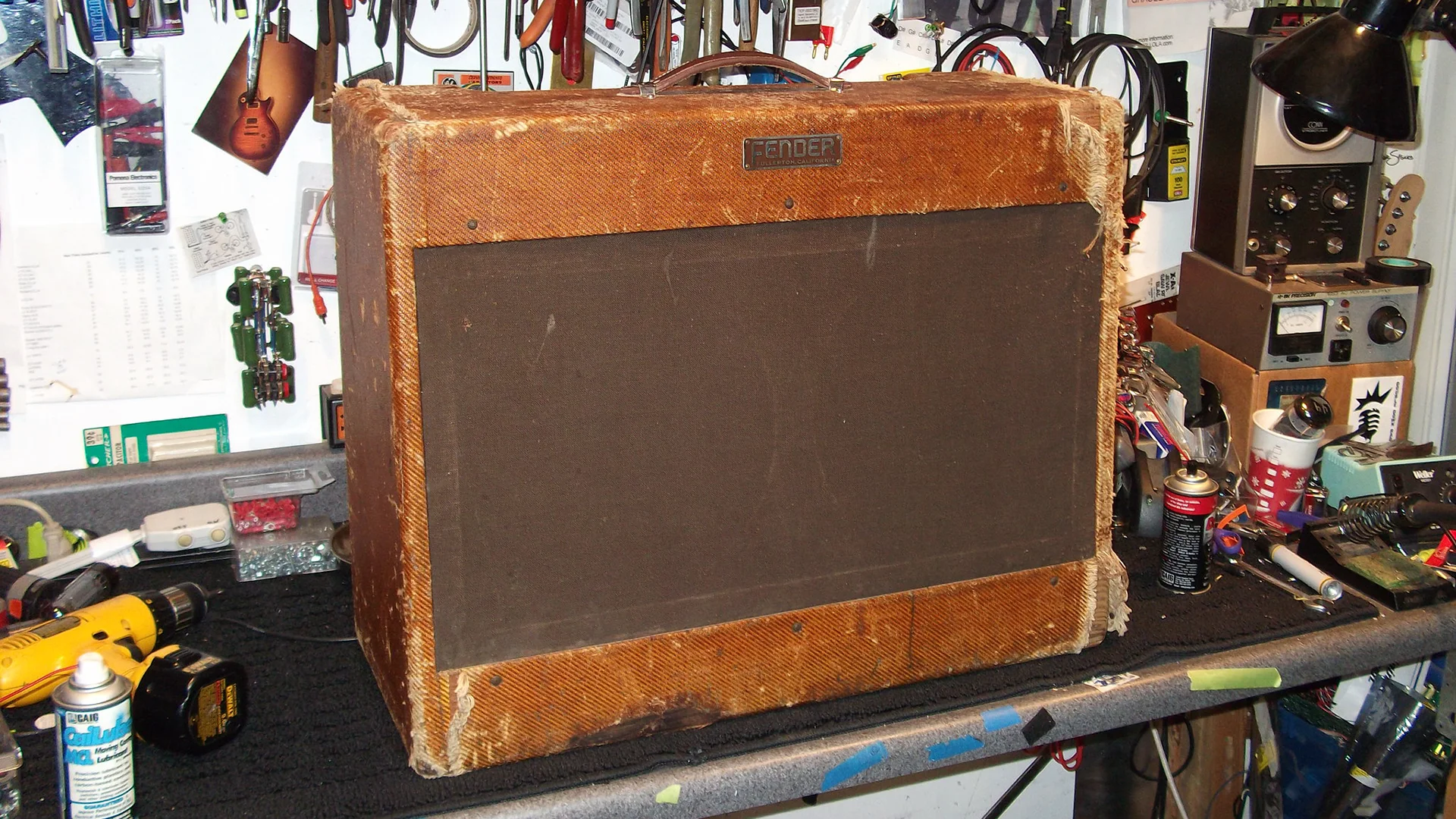
Understanding how to choose, set up, and maintain a Tweed amplifier can mean the difference between good tone and legendary tone. These amps require specific knowledge to realize their full potential.
Making the Right Choice
Selecting the right Tweed model involves understanding both technical requirements and practical considerations. The output power rating tells only part of the story. A 5-watt Champ can sound massive in a recording studio but might struggle in a band context. Conversely, a Twin's clean headroom comes at the cost of requiring higher volumes to achieve its sweet spot.
Consider your primary use case. Recording engineers often prefer smaller Tweeds like the Deluxe or Princeton for their earlier breakup characteristics. The natural power tube compression these amps generate at lower volumes makes them ideal for capturing dynamic performances. Gigging musicians might lean toward a Bassman or Twin for their additional headroom and stronger low-end response.
Setup Essentials
Proper bias setting critically affects a Tweed amp's performance. Fixed-bias models like the Bassman require periodic adjustment as tubes age. The bias setting influences both tone and tube longevity. Most Tweed amps sound their best when biased slightly hot, trading some tube life for improved dynamics and harmonic content.
Speaker choice dramatically impacts the overall sound. While Jensen P12Q and P12R speakers were original equipment, modern replacements can enhance specific characteristics. Some players prefer the tighter bass response of contemporary speakers, while others maintain that vintage-style alnico speakers better complement the Tweed circuit's natural compression.
Maintenance Fundamentals
Maintaining a Tweed amp requires attention to detail and preventive care. The filter capacitors, crucial to the power supply performance, typically need replacement every 10-15 years. Original capacitors significantly influence the amp's feeling and response. When replacing them, choosing the correct voltage rating and capacitance value matters more than brand name.
Regular tube maintenance extends beyond simple replacement. Power tubes should be matched pairs or quartets, depending on the model. The phase inverter tube particularly influences the amp's character; many technicians recommend NOS (New Old Stock) tubes for this position due to their superior plate current handling.
Optimal Signal Chain
Tweed amps interact differently with various guitars and pickups. Single coil pickups, especially in the 5.5k to 7.5k range, provide enough output for rich harmonics while maintaining clarity. Humbuckers require careful volume control adjustment to prevent overwhelming the preamp stage. The input sensitivity of most Tweed amps means they respond best to guitar volume controls set between 7 and 9.
Effect placement requires strategic thinking. Time-based effects like delay and reverb typically perform better through a clean amp, but Tweed circuits create unique textures when these effects hit an already overdriven preamp.
Temperature and Environment
Tweed amps perform optimally after reaching proper operating temperature. The first 15-20 minutes of operation allows components to stabilize, improving touch sensitivity and dynamic response. Environmental factors like humidity can affect the amp's performance and longevity. Proper ventilation remains crucial, as these amps generate significant heat during operation.
Recreating the Tweed Magic

The magic of Tweed tone can be captured at various price points using modern equipment. Let's explore practical setups that can deliver authentic Tweed characteristics, whether you're just starting out or ready for professional-grade gear.
Budget-Conscious Rig
At this level, we focus on capturing the fundamental Tweed characteristics: mid-forward tone, natural compression, and touch sensitivity. The Monoprice 15-Watt Guitar Combo serves as the foundation, offering surprising touch sensitivity for its price point. Adding a JHS Crayon preamp/overdrive pedal effectively mimics the preamp saturation of a Tweed Deluxe. For direct recording situations, the Joyo AC Tone preamp pedal provides convincing cabinet simulation.
Mid-Range Setup
This level offers significantly more authentic Tweed characteristics with greater reliability and flexibility. The Fender Blues Junior Tweed forms the core of this rig, delivering genuine Fender dynamics and touch response. A Catalinbread Formula No. 55 adds the harmonically rich characteristics of a pushed 5E3 circuit. For recording, the Universal Audio Dream '65 plugin through a Two Notes Torpedo Captor X captures studio-quality Tweed tones while maintaining neighbor-friendly volume levels.
Professional Grade
At the professional level, we're looking at equipment that delivers the most authentic Tweed experience with maximum versatility for studio and stage. The Fender '57 Custom Deluxe is the gold standard, offering genuine hand-wired circuitry and premium components. For those seeking an alternative, the Victoria 5112 provides its own take on the classic circuit with modern refinements. The Strymon Iridium serves as both backup and silent recording solution, while a Palmer PDI-03 Speaker Simulator captures the full range of speaker characteristics. For players wanting modern reliability with classic tone, the Tone King Imperial MKII delivers Tweed-inspired sound with contemporary appointments.
Dialing In The Tone

Budget Rig Architecture
The Monoprice 15-Watt combo serves as our foundation. Despite its modest price, this amp captures several key Tweed characteristics when set properly. The preamp section particularly excels at replicating early Tweed compression traits.
Primary Settings:
Start with volume at 4, treble at 6, and bass at 5. The master volume should sit around 3.5, providing crucial headroom for pedals. This creates our platform tone: pushed but not saturated, allowing the natural dynamics to shine through.
The JHS Crayon functions as our primary tone sculptor. It's designed specifically to replicate the preamp behavior of a 5E3 Deluxe. The gain staging here requires careful consideration. For clean Tweed chime, set volume at unity (12 o'clock) with gain at 9 o'clock. Classic breakup emerges with volume at 1 o'clock and gain at 1 o'clock. Lead tones sing with volume at unity and gain pushed to 3 o'clock. The tone control proves critical; 11 o'clock maintains proper midrange focus without becoming harsh.
The Joyo AC Tone provides final tone shaping and cabinet simulation for direct recording. Its normal channel works best with level at noon and voice at 2 o'clock. The speaker simulation becomes crucial here: set low cut at 10 o'clock to maintain proper bottom end response while preserving the characteristic Tweed mid-push. Single coil pickups benefit from the bright switch, while humbuckers generally work better with it disengaged.
Mid-Range Configuration
The Fender Blues Junior Tweed requires precise settings to capture authentic response. Begin with master volume at 4 and preamp volume at 6. This creates the sweet spot where power tube compression begins to emerge without overwhelming the preamp stage.
The Catalinbread Formula No. 55 adds another layer of complexity. Its gain staging must complement rather than dominate the amp's natural character. Volume at 1 o'clock provides proper pushing power, while gain at 10 o'clock adds harmonics without muddying the fundamental tone. The presence control at 2 o'clock opens up the top end in a way that's remarkably similar to an original Tweed's natural response.
Professional Grade Implementation
The Fender '57 Custom Deluxe represents the pinnacle of modern Tweed reproduction. Understanding its interactive volume controls unlocks its true potential. The normal channel volume set at 4 establishes your foundational tone. The bright channel volume at 4.5 creates subtle harmonic enhancement through the shared phase inverter. This interaction produces the complex harmonics Tweeds are famous for.
Critical Settings:
For recording, push both volumes between 5-6. This creates rich harmonic intermodulation while maintaining note definition. The tone control works best at 6, allowing natural speaker compression to round off any excessive highs.
The Victoria 5112 takes a different approach to the same territory. Volume 1 set at 4 provides the foundation, while Volume 2 at 5 adds harmonics and compression. The bias setting proves crucial here: set slightly hot at 65-70% of maximum plate dissipation. This enhanced touch sensitivity captures the "bloom" characteristic of vintage Tweeds.
For modern convenience, the Strymon Iridium provides backup and silent recording options. Select the Deluxe model with gain at 2 o'clock. The room control requires careful adjustment: 9 o'clock maintains proper ambience without washing out the fundamental tone. This setup particularly shines when recording direct.
The Palmer PDI-03 adds another dimension for recording. Its filter frequency set at 4.5kHz recreates the natural roll-off of vintage speakers. The Tone King Imperial MKII rounds out the professional rig, offering modern reliability with vintage tone. Set volume at 4, engage mid-bite, and use the attenuator at -12dB for optimal power tube saturation.
FAQs: All About Tweed Amps
What makes Tweed amps different from Blackface amps?
Tweed amps emphasize warm midrange and natural compression, while Blackface amps focus on clarity, scooped mids, and headroom.
Can I use Tweed amps for high-gain tones?
While not designed for high-gain, Tweed amps take overdrive and distortion pedals exceptionally well, making them versatile for modern genres.
What’s the best Tweed amp for home use?
The Champ 5F1 is ideal for home use due to its low wattage and ability to produce full saturation at manageable volumes.
How do Tweed amps handle pedals?
Tweed amps excel as pedal platforms, particularly with overdrives, delays, and reverbs. Their touch sensitivity and open tone complement effects beautifully.
What causes my Tweed amp to lose volume suddenly?
Most often, this results from power tube aging or bias drift. In 6V6-equipped amps like the Deluxe, power tubes typically need replacement every 1-2 years with regular use. The cathode-biased design means you won't need a technician for tube replacement, but proper matched pairs remain essential.
Why does my amp sound different from day to day?
Tweed circuits are particularly sensitive to power line voltage fluctuations. The component interaction in these amps means that even small voltage changes affect their response. Many professional studios use voltage regulators to maintain consistent performance.
Is it normal for my amp to take time to "warm up"?
Yes. Tweed amps typically need 15-20 minutes to reach optimal operating temperature. During this period, the bias point stabilizes and components settle into their ideal operating range. This affects both tone and response.
Can I use modern replacement speakers?
Modern speakers can work well in Tweed amps. The Weber Speakers line specifically voices their replacements for Tweed circuits. However, remember that speaker efficiency ratings matter. Original Jensens were typically rated at 95-97dB sensitivity; matching this range maintains proper response. Fat Jimmy and Jupiter Speakers are also popular options.
How do I prevent my amp from becoming too bright?
Tweed amps, particularly the Deluxe, can sound bright with modern guitars. The interactive tone stack means reducing the bright channel volume often works better than adjusting the tone control. Also consider heavier gauge strings, which provide fuller fundamental frequencies.
Why does my amp sound different at low volumes?
The power supply design in Tweed amps contributes significantly to their tone through voltage sag under load. At lower volumes, this compression effect doesn't engage fully. Many players use attenuators to achieve power supply compression at manageable volumes.
Modern Applications of Tweed Amps
Tweed amps remain a staple in modern studios and live rigs:
1. Recording Studios: Tweed amps excel in recording because their natural compression and harmonic richness require minimal processing.
2. Boutique Revival: Brands like Victoria and Tone King reimagine Tweed designs with modern reliability while maintaining vintage tone.
3. Pedal Platforms: Tweed amps pair exceptionally well with overdrives and fuzz pedals, enhancing the pedals’ natural tones instead of overpowering them.
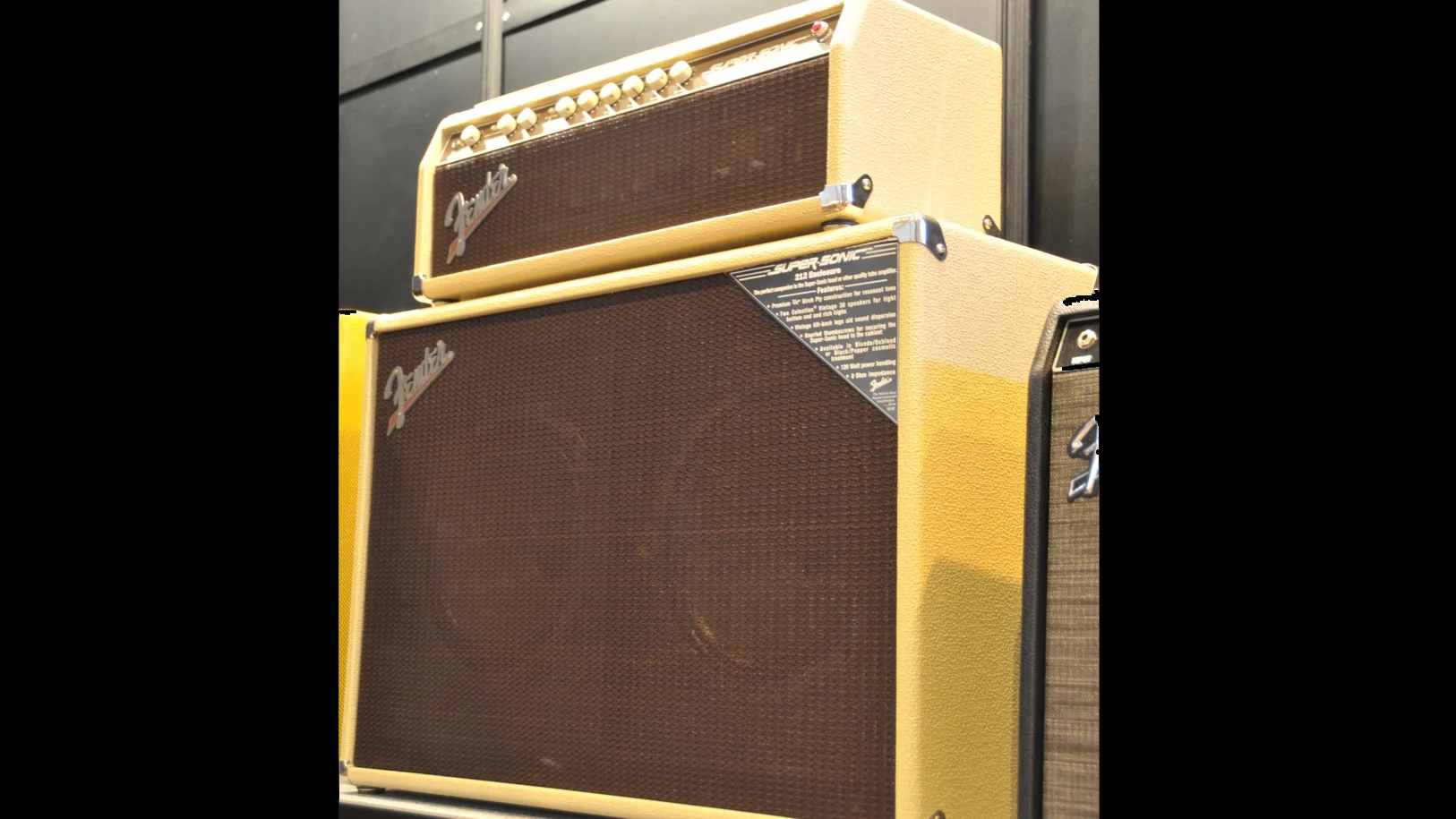
Looking Forward

Seven decades after Leo Fender wrapped his first amp in that distinctive cloth, Tweed circuits continue to captivate guitarists, producers, and engineers. What started as a practical way to house guitar amplifiers has become a testament to getting things right the first time.
Modern boutique builders still spend countless hours studying these circuits, not to simply copy them, but to understand the magic in their simplicity. The natural compression, minimal negative feedback, and intentionally saggy power supplies have influenced generations of amp designs. But these elements only scratch the surface of what makes these amps special.
Recording studios keep their Tweeds close at hand because they solve problems that modern equipment often creates. In an age of perfect digital reproduction, the way these amps breathe and respond to playing dynamics feels more vital than ever. They make guitars sit perfectly in dense mixes without requiring extensive processing, adding an organic quality that's become increasingly rare.
The future of guitar amplification will likely continue drawing from the Tweed era's insights. These amps remind us that great tone comes from musical circuit design rather than technical specifications. Their enduring influence speaks to something deeper than nostalgia - they represent an approach to amplification that prioritizes feel and musicality above all else.
Perhaps the real legacy of Tweed amps is how they changed our understanding of what makes an amplifier musical. In an age of modeling and digital processing, they continue teaching us about dynamic response, harmonic interaction, and those ineffable qualities that make certain pieces of equipment feel alive under your fingers. That's a lesson worth carrying forward.
Conclusion: Why Tweed Amps Endure
Tweed amps are more than just a piece of gear - they’re a piece of history. Their ability to blend simplicity with unparalleled tone makes them a timeless choice for players of all styles. Whether you’re chasing classic rock tones or modern soundscapes, a Tweed amp is your ticket to inspiring guitar tone.
What’s your Tweed story? Share your experiences in the comments below. Whether it’s a vintage Bassman or a modern reissue, we’d love to hear how Tweed amps have shaped your sound.
About the authors
Michael R. Pierce is the co-founder of Equipboard and a lifelong musician with over 25 years of experience as a guitarist and gear enthusiast. He blends solid music theory chops (thanks to formal training in guitar, piano, and trumpet) with real-world experience, always exploring and experimenting across genres like rock, blues, and hip-hop. Michael launched Equipboard in 2013 after graduating from The University of Texas at Austin, leveraging his unique blend of musical passion, technological acumen, and community building. His current go-to rig features a Fender American Original ‘50s Telecaster, Analogman King of Tone, Strymon Flint, and a Fender ‘57 Custom Champ. Read more