This page about Apple Logic Stereo Delay is a stub. You can help improve it:


Pricing and availability


* Product prices and availability are updated by Equipboard every 24hrs and are subject to change. Equipboard may receive compensation for purchases made at participating retailers linked on this site. This compensation does not affect what products or prices are displayed, or the order of prices listed. For more information, please refer to our affiliate disclosure.
Description
Transform your sound with the Apple Logic Stereo Delay, a versatile and powerful delay plugin designed for musicians and producers looking to add depth and texture to their tracks. This plugin offers an intuitive interface that simplifies the process of crafting complex delay effects, making it ideal for both beginners and seasoned audio engineers. With its ability to create everything from subtle echoes to intricate rhythmic patterns, the Stereo Delay is an essential tool for anyone looking to enhance their audio production.
The Apple Logic Stereo Delay stands out for its precise control over delay parameters, allowing you to adjust time, feedback, and mix levels with ease. Its stereo capabilities offer a wide soundstage, giving your music a professional and polished edge. Whether you're working on a lush ambient track or a driving rock anthem, this plugin provides the flexibility and precision you need to achieve the perfect sound.
Compatible with Logic Pro, the Stereo Delay integrates seamlessly into your workflow, ensuring that you spend more time creating and less time troubleshooting. Its low-latency performance ensures that you can use it in real-time without any noticeable lag, making it perfect for live performances and studio sessions alike.
Key Features:
- Intuitive interface for easy navigation and control
- Precision control over delay parameters: time, feedback, and mix
- Stereo capabilities for enhanced soundstage
- Seamless integration with Logic Pro
- Low-latency performance ideal for live and studio use
- Suitable for a wide range of genres and styles
Videos

Martin Wolfinger
3 Stereo Delay Tips in Logic Pro X (für Anfänger) || Besser abmischen Tutorial
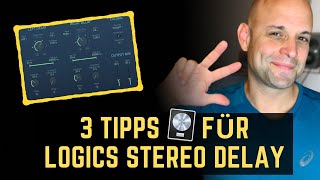
3 Stereo Delay Tips in Logic Pro X (für Anfänger) || Besser abmischen Tutorial
Martin Wolfinger
Reviews
Owner Insights
We analyzed real musician discussions from forums and Reddit to find what players love, question, and tweak about Apple Logic Stereo Delay.
Features and functionality
-
Each delay channel can be adjusted individually for timing, EQ shape, feedback, and mix, offering more flexibility than delays that simply alternate channels.
Source -
Logic's Stereo Delay can be routed through a stereo bus to apply stereo effects on a mono source without needing a physical splitter, enhancing workflow flexibility.
Source -
When using sends for effects, set the plugin's "Dry/Wet" or "Mix" knob to 100% to maintain original signal integrity and control effect levels via the bus slider.
Source
Comparisons
-
Users find Logic's Stereo Delay more versatile than H-Delay due to its independent left and right delay adjustments.
Source
User experience
-
Owners with third-party plugins note potential CPU savings by using more of Logic's stock plugins like Stereo Delay and Space Designer.
Source -
Applying EQ and compression directly on the original mono track before sending it to a bus ensures individual track processing, beneficial for complex vocal chains.
Source
Use cases and applications
-
Some users prefer using multiple compressors with small gain reductions for vocals, rather than heavy compression, to manage artifacts effectively.
Source -
Sending effects like reverb and delay to a stereo bus is recommended for beginners, allowing for more control over the mix without altering the original track.
Source
Critic Reviews
4.0 out of 5
Based on 0 Reviews and 1 Rating
Artist usage
Add artist

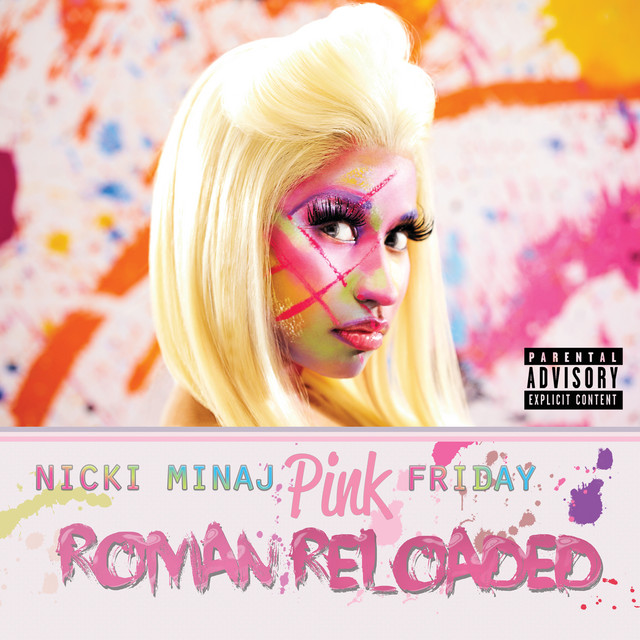
Mentioned by sound engineer Trevor Muzzy in this Sound on Sound interview about the production of "Starships".
"You can see that the pre-chorus and chorus vocals have a lot of timing and comp edits. They were imported directly from the session I cut the vocals in. I did not merge or consolidate them, they just are the way they are. There's quite a lot going on with the vocals. I tried to create a nice basic vocal sound using the inserts, and once they sat well in the track, most of the sonic variations between the sections came from the sends. There was no tuning on the rapping, but the sung vocals in this track had a fair amount of tuning with the Logic Pitch Corrector plug-in on the inserts. The tuning is part of the sound of the record, with vocals needing to be very, very precise. In some cases, we pitched them up or down for vocal effects. Logic Pitch Corrector is a little harder-sounding than Auto-Tune, but it has its own distinct sound that we liked for the vocals in this track. It really fits the song.
"The other inserts on most of the vocals were all Waves: the C1 compressor, SSL Channel, Renaissance Channel, De-Esser, Renaissance Compressor, API 2500, and the Logic Channel EQ. The C1 compressor is the first in line on several lead vocals, and it does the same Pensado trick I used on the guitars, which is to compress a specific band — in the case of the verse lead vocal, around 2849Hz — focusing on notes that sounded a little harsh. It smooths this problem out more elegantly than using an EQ. Then the signal goes through the R Channel with some basic EQ, cutting significantly at 281Hz. Again, it was a matter of removing some less pleasant things to let the nice aspects shine. I bypassed the compressor in the R Channel. I needed a bit of de-essing, and the Waves De-Esser is a great all-purpose de-esser, in this case working at 5634Hz with the side-chain set to high-pass.
"There were two more compressors on her vocal. There was no science behind this, it was just a matter of experimenting to find a unique sound. The first is the Renaissance Compressor, which I love and which is set to a fast attack time and takes off about 6dB, so quite subtle, not too intense. The API 2500 is set pretty aggressively and you can hear it pumping a little bit on the vocal. It was already in the session — it had been used on the demo vocal. I pulled it over to Nicki's channel and liked what it was doing, so I adjusted it to fit her vocal. Finally, the Channel EQ notches quite a lot around 600Hz and a little bit more around 235Hz, just carving out some low-mids to make the vocal sit better in the track.
"Regarding the sends, there are some really distinct things happening here. The main lead vocal was similar throughout the song, but I tweaked it as it went along. The pre-chorus and chorus vocals all have Bus 1, which went to the same Altiverb effect that I had on the drums, to add some ambience to the vocal. The rap verses are much drier. Bus 35 is the Waves Doubler, which gives a bit of spread to the lead vocal — I used this on the rap as well as on the sung vocals. Bus 4 is the Waves CLA with a drastic telephone effect. That was another effect that was there from the demo version and added a cool quality. Bus 50 is the [Sound Toys] Echo Boy, which is the main plug-in I use for delay throws, whenever I want to repeat a word. In this case it's on a quarter-note Echoplex setting. It's a single, mono echo that I panned a little bit to the side. Bus 7 has the Waves VX1 Maserati Vocal Enhancer, and that was, again, a plug-in I inherited. It is set to a very compressed, bright vocal sound that I brought in and out to add some sparkle to the sound when necessary.
"Bus 6 has the main reverb in the track, which you are hearing in the pre-chorus and chorus, and which is a Lexicon Plate plug-in on the 'VocalPlate2' preset. It's a really bright, over-the-top plate sound that is not trying to blend in but that's actually brightening the vocal up a lot. It's loud and wet. Busses 16 and 29 are different stereo delays: the Waves SuperTap was already in the session and I kept it, and the other is a standard Logic stereo delay that I use all the time on vocals. Bus 3 is the Logic Bitcrusher, which gives the vocals a grainy sound. The vocals already had an aggressive sonic quality to them because of the 251-TG2-1176 chain, and the Bitcrusher enhanced that. It's nasty, there's nothing nice about a bit-crusher, and it adds a bit of attitude. I used it on some of the background vocals as well, like in the second verse, where you have the pitch effects. You can hear it in the very processed harmony vocals that come in. That was something we added when we were doing the final vocal comp and arrangement. It gave that second verse some more life and helped the track build. The background vocals are a very big part of the hook vocal sound as well, and, for example, track 140 has many effects on it. That actually contains the vocals of the demo singers. Nicki's lead and background vocals are dominant, but in the chorus the background vocals from Mohombi and Wayne Hector added to the crowd feeling. The chorus vocals are really big in this track, and they were part of that.”


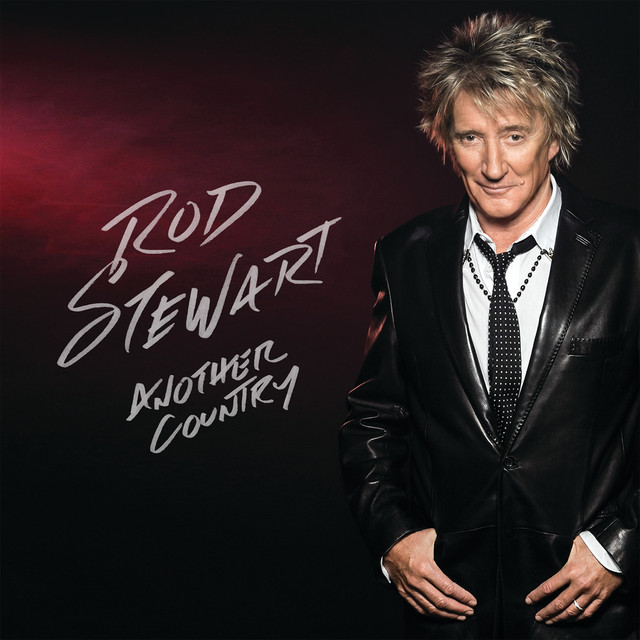
Used for vocals on Another Country, as stated by mix engineer Kevin Savigar in this February 2016 Sound on Sound interview.
"I did very little to Rod’s lead vocals during the mix. I just had the CLA Vocals plug-in on him, with a bit of ‘spank’ compression and some reverb, and a Waves De-Esser, and that was it. I used the same plug-ins on his harmony vocal, where he sings a third above his lead vocal. I think it’s the first time he has ever done a harmony vocal with himself. It’s a great sound. The backing vocals also have the CLA Vocals plug-in, on the ‘Start Me Up’ preset, plus the Tape Delay on the ‘ohs’, and they’re all sent to an effect track with the Logic Stereo Delay and Space Designer. The latter had a ‘Vocal Delay’ preset, which adds some air and room to the backing vocals."
Album Usage
The Apple Logic Stereo Delay has been featured on the following albums:
Genre Usage
Based on how artists on Equipboard use this gear, it is most commonly found in the following genres.
Used With
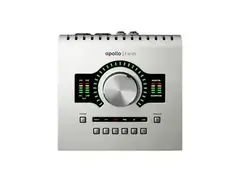
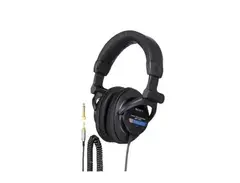
Based on how musicians on Equipboard use Apple Logic Stereo Delay, it is most commonly used with the following gear.




-s.webp?v=1784556118)

More Apple Delay Plugins


-m.webp?v=1784624893)
$69.00 - $199.00
in Delay Plugins Rank


$32.00 - $34.99
in Delay Plugins Rank


$139.00 - $149.00
in Delay Plugins Rank

.jpeg?v=1784574735)

-m.webp?v=1784612528)
$80.00 - $99.00
in Delay Plugins Rank
.jpg?v=1784591665)


$138.00 - $149.00
in Delay Plugins Rank


$29.99 - $30.00
in Delay Plugins Rank


$0.00 - $40.00
in Delay Plugins Rank


$19.00 - $89.00
in Delay Plugins Rank


$50.00 - $99.00
in Delay Plugins Rank


$0.00
in Delay Plugins Rank

$30.00 - $50.00
in Delay Plugins Rank

-m.webp?v=1784455253)
$53.00 - $89.00
in Delay Plugins Rank

$66.00 - $69.00
in Delay Plugins Rank


$29.99 - $34.99
in Delay Plugins Rank


$69.00
in Delay Plugins Rank


$25.00
in Delay Plugins Rank


$0.00
in Delay Plugins Rank

$99.00
in Delay Plugins Rank


$49.00
in Delay Plugins Rank


$0.00
in Delay Plugins Rank

$63.00 - $69.00
in Delay Plugins Rank


Community setups


Similar


Most Popular Delay Plugins
Most Popular Brands
-
Added to Equipboard on by
 thagerty
GearIQ 122
-


