Table of Contents

Equipboard
Equipboard is the world's largest community of artists and their gear. Read our review process.
We are reader-supported. When you buy through links on our site, we may earn an affiliate commission. Learn more.
Our Picks

Auralex 2" Studiofoam Charcoal Gray Wedges
Best Entry-Level Solution: These iconic foam panels provide an accessible starting point for acoustic treatment, offering noticeable improvements in room sound while remaining budget-friendly for home studios just beginning their acoustic journey.
Read more


UA Acoustics Sound Absorption-Diffuse Acoustic Panel, "Wave" (Nut)
Premium Hybrid Solution: These innovative panels combine absorption and diffusion properties in one elegant design, perfect for studios seeking a more nuanced acoustic environment without installing multiple treatment types.
Read more
Best for Professional Studios: These commercial-grade panels deliver exceptional performance with details that matter to working studios. Their robust construction and reliable absorption characteristics make them a favorite for spaces where audio quality can't be compromised.
Read more
Auralex LENRD 1x1x2 foot Studiofoam Bass Trap - Charcoal (8-pack)
Best Entry-Level Bass Trap: These affordable yet effective corner treatments target low-frequency problems without requiring significant space or budget. Their clever design maximizes performance while minimizing visual impact.
Read more
Vicoustic Wavewood Ultra Lite Hybrid Acoustic Panel - Matte Black, 8-pack
Best for Recording Rooms: The perfect balance of absorption and aesthetics for spaces where sound quality and visual appeal must coexist. These panels create a controlled yet natural environment ideal for capturing detailed performances.
Read more

Vicoustic Cinema Round Premium Reference 04A Black
Best for Control Rooms: These sophisticated acoustic panels deliver precision frequency control ideal for mixing environments where accurate monitoring is paramount. Their technical performance matches their premium appearance.
Read more

Vicoustic Flat Panel VMT Acoustic Absorption Panel - Concrete, 4-pack
Best Minimal Visual Impact: These sleek, low-profile panels deliver substantial acoustic performance while maintaining a clean, architectural appearance. Perfect for studios where aesthetics are as important as acoustics.
Read more
Vicoustic Super Bass Extreme Ultra Low-frequency Absorption Panel - Natural Oak, 2-pack
Best Pro-Level Bass Trap: These specialized low-frequency absorbers deliver exceptional performance for studios struggling with bass management. Their technical design addresses the most challenging aspect of room acoustics with remarkable efficiency.
Read moreIf you've ever recorded a vocal take that sounded like it was captured inside a bathroom, or mixed a track that somehow sounds completely different on every playback system, your room acoustics might be the culprit. The good news? You don't need an expensive studio renovation to dramatically improve your sound.
Acoustic panels might just be the most underrated piece of "gear" in music production. While we all obsess over the latest synthesizers, microphones, and plugins, the simple truth is that proper acoustic treatment can transform an average setup into a professional recording and mixing environment.
In this guide, we'll cut through the technical jargon and help you understand which acoustic panels actually work for musicians, where to place them, and how to get studio quality sound without breaking the bank.
What to Know Before Buying Acoustic Panels
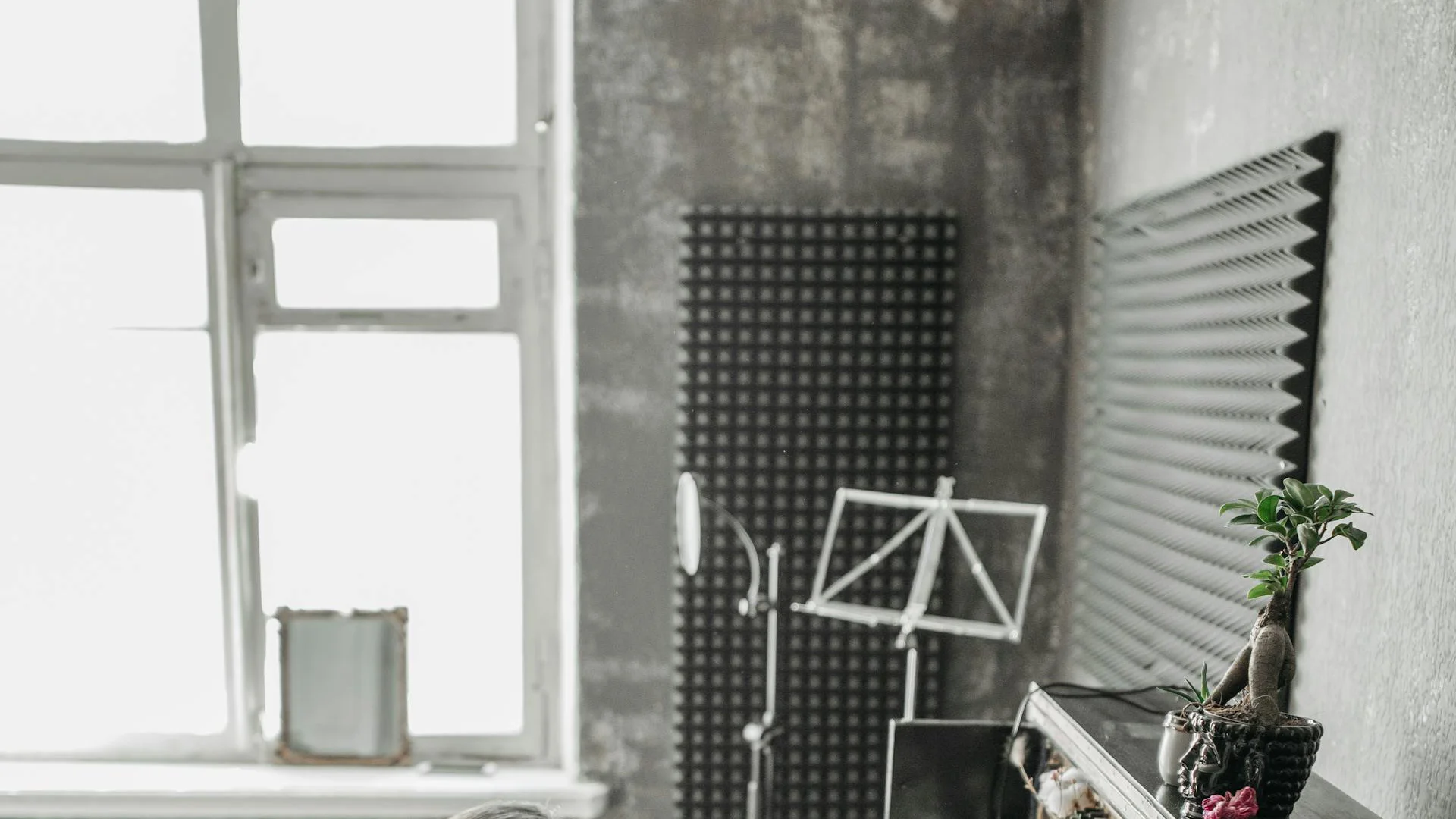
Before talking about specific product recommendations, let's cover some fundamentals that will help you make informed decisions about acoustic treatment for your space.
Absorption vs. Diffusion
When treating a room acoustically, you'll encounter two main approaches:
Absorption panels capture sound energy and convert it to heat, reducing reflections and echo. This is typically where you'll want to start, especially in smaller rooms. Absorption panels help tame excessive reverb and control primary reflections that can color your sound.
Diffusion panels scatter sound in different directions, creating a more natural ambience without deadening the room. While absorption makes a room "drier," diffusion maintains a sense of space and air without the problematic reflections.
Foam vs. Fiberglass/Mineral Wool
Not all acoustic panels are created equal, and the material makes a significant difference:
Acoustic Foam is affordable and lightweight, making it a popular starting point. However, it primarily absorbs high frequencies while having limited effect on mid and low frequencies. This can result in an unbalanced room sound if used exclusively.
Fiberglass or Mineral Wool panels offer broader frequency absorption, addressing everything from vocal range to low-mid frequencies. They're typically wrapped in fabric and provide more comprehensive treatment. This is what professional studios typically use for a reason.
The thickness of the panel plays a crucial role in which frequencies it absorbs. Generally, thicker panels (4 inches vs. 2 inches) perform better with lower frequencies, which are typically the most problematic in home studios.
Standard Sizes
Most commercial acoustic panels come in standard sizes:
2' × 4' (two feet by four feet) is the most common and versatile size 2' × 2' panels work well in smaller spaces Bass traps (for corners) often come in triangular shapes or 4' tall panels
Thickness varies, but 2 inches is standard for wall panels, while 4 inches or thicker is ideal for bass traps.
Where to Place Panels
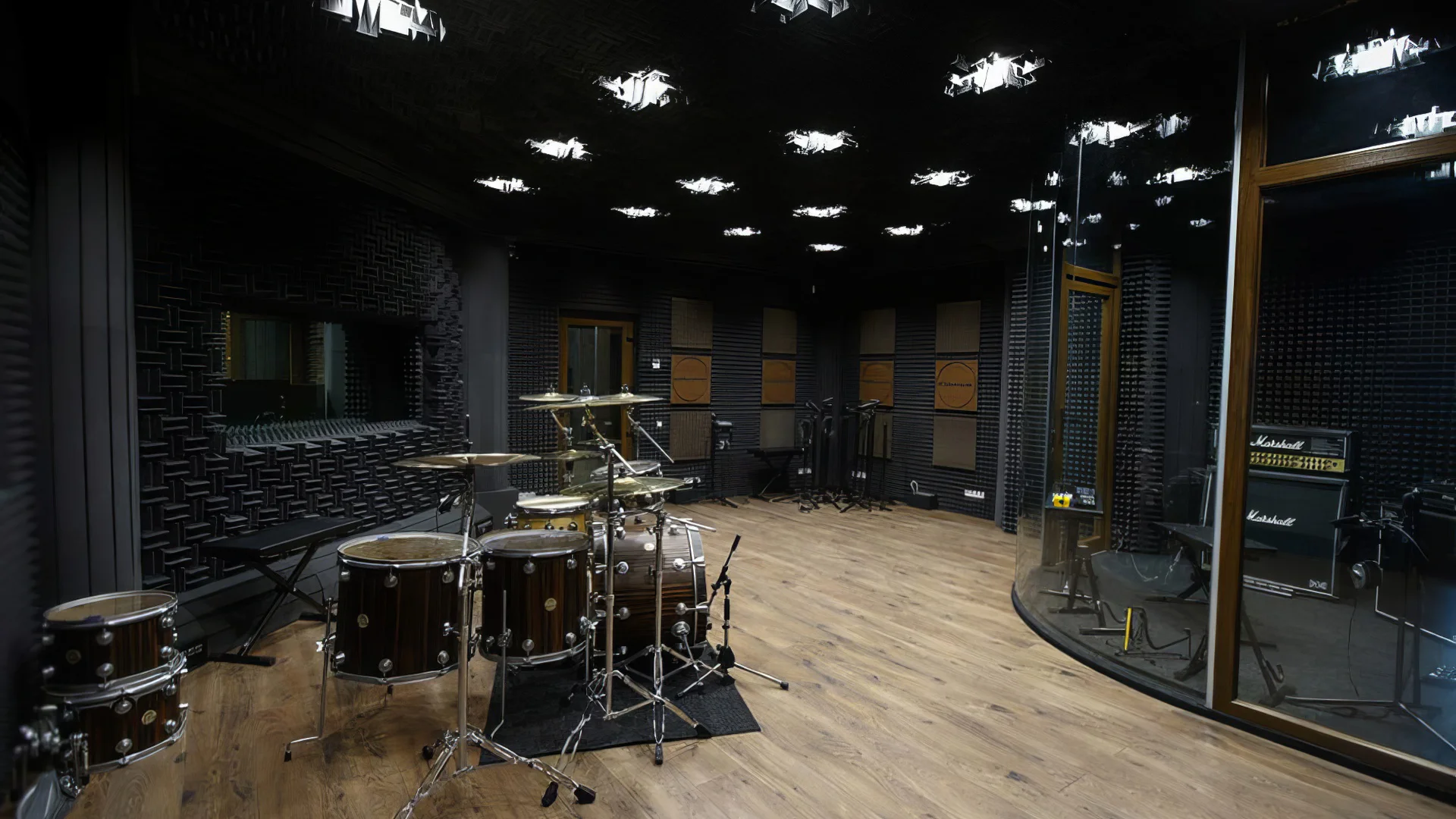
Strategic placement is just as important as the panels themselves:
First reflection points on side walls, ceiling, and rear wall Behind your listening position to prevent rear wall reflections Behind monitors/speakers to prevent sound bouncing off the front wall Corners for bass traps (low-frequency build-up occurs in corners) Behind recording positions for vocalists and acoustic instruments
How Many Panels Do You Need?
This is where many musicians get overwhelmed, but the approach is actually quite straightforward. Begin by focusing on the most critical areas: first reflection points and corners. For a typical home studio room, an effective starting foundation consists of several key placements. You'll want to position two to four panels on the side walls where sound first reflects, placing them at ear level for maximum effectiveness. Add a pair of panels behind your listening position to tame rear wall reflections that can cloud your perception of the stereo image. For low-frequency control, install two to four bass traps in the room corners, prioritizing the corners closest to your listening position. If your ceiling height allows, consider mounting one or two additional panels at the reflection points overhead.
This foundation of approximately seven to twelve strategically placed panels provides the best return on your acoustic investment. The beauty of this approach is its scalability - you can always introduce additional treatment later to address more subtle acoustic issues as your ears and equipment reveal them.
Top Acoustic Panels for Musicians
Let's explore the top acoustic treatment options available this year, with options for every budget and need.
Auralex 2" Studiofoam Charcoal Gray Wedges
4.5 (6)
Studio Foam That Started It All







- Significantly reduces high-frequency buildup, standing waves, and flutter echo
- Easy installation with various adhesives or nail gun
- Durable and long-lasting, maintaining quality over years
- Enhances sound quality noticeably in home studios
- See 6 more
- Original mounting instructions may damage walls, requiring alternative methods
- Adhesives sold by the manufacturer are not recommended for mounting
- Difficult to remove or relocate without damage if directly glued
- Limited effectiveness on low frequencies, requiring additional bass traps
Classic Wedge Design
The distinctive wedge pattern of Auralex's 2" Studiofoam isn't just for show. This time-tested design increases the effective surface area compared to flat panels, enhancing absorption efficiency without requiring additional depth. The mathematical precision of these wedges ensures consistent performance across the frequency spectrum.
Many recording artists have grown up seeing these panels in professional studios, and their signature look has become synonymous with acoustic treatment. Their visual appeal adds a professional studio aesthetic that many musicians appreciate as a bonus beyond the acoustic benefits.
Mid-High Frequency Control
These panels excel at taming flutter echo and high-frequency reflections that can make recordings sound harsh or unprofessional. By absorbing these problematic reflections, they create a noticeably cleaner recording environment for vocals, acoustic guitars, and other instruments.
The 2-inch thickness provides effective absorption starting around 500Hz and above, addressing the frequency range where most instruments and vocals reside. While they won't solve deep bass problems, they significantly improve overall room acoustics for recording and critical listening.
Versatile Application
Available in multiple sizes and colors, these panels adapt easily to various studio configurations and aesthetic preferences. Their lightweight construction allows for simple installation using the included mounting tabs or optional spray adhesive for temporary setups.
Many producers create portable vocal booths by arranging these panels in a semi-circle around microphones. This flexibility proves especially valuable for home studios where permanently dedicating a room to recording isn't practical. The panels can be reconfigured as needs change or when moving to a new space.


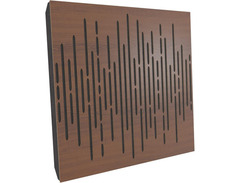
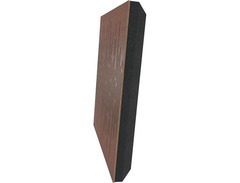
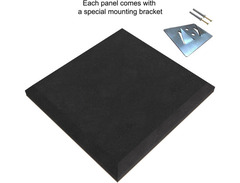
UA Acoustics Sound Absorption-Diffuse Acoustic Panel, "Wave" (Nut)
Sound Waves That Look The Part

- Attractive, professional design with beveled edges for LED lighting effects
- Effective mid-to-high frequency absorption improves acoustic clarity
- Budget-friendly alternative to major acoustic panel brands
- Easy installation with simple push pins or adhesive
- See 3 more
- Some customers report difficulty with perfect alignment using provided hooks
- Minor surface defects like bubbles on the MDF may occur
- MDF thickness lighter than expected by some users
- Installation hardware not included with all purchases
Unique Dual-Function Design
The distinctive wave pattern isn't just for show. This thoughtful design creates a surface that both absorbs and diffuses sound simultaneously. The thicker portions provide solid absorption while the curved elements scatter remaining reflections.
This dual functionality makes the Wave panels particularly effective in smaller studios where space is limited, as they perform the work of two different treatment types. The result is a room that feels natural and controlled rather than completely deadened.
Stunning Aesthetics
Let's be honest: many acoustic treatments look utilitarian at best. The Wave panels break this pattern with their sculptural appearance that enhances rather than detracts from your space.
Available in multiple wood finishes, these panels can become a design feature rather than something to hide. For musicians who record video content or host clients, this professional appearance sends the right message about your studio's quality.
Strategic Middle-Ground Performance
While purely absorptive panels can sometimes create an unnaturally dry environment, and pure diffusers don't address reverb problems, these hybrid panels strike a careful balance. They control enough problematic reflections while maintaining a sense of space and air.
This makes them particularly well-suited for recording spaces where some natural room sound is desirable, such as for acoustic instruments or dynamic vocal performances. Many engineers find this middle-ground approach creates a more musical environment than pure absorption.
Primacoustic Broadway Broadband Absorber Beveled-edge Acoustic Wall Panels - 2 feet x 4 feet, Black, 6-pack
The Pro Studio Standard-Bearer

Recording Studio Standard
There's a reason these panels appear in professional studios worldwide. The Broadway Broadband Absorbers use high-density 6lb per cubic foot fiberglass, providing superior absorption properties compared to standard panels.
The beveled edges create a more finished appearance while also increasing the effective surface area for absorption. This subtle design enhancement contributes to their exceptional performance across the frequency spectrum.
Installation Flexibility
The included mounting hardware allows for various positioning options, including flat against walls, spaced for enhanced low-frequency performance, or even suspended from ceilings as clouds.
For studios that frequently reconfigure for different recording scenarios, these panels can be mounted on stands or positioned as temporary gobos around instruments. This flexibility proves invaluable for adapting to diverse recording situations.
Long-Term Durability
The Broadway panels feature robust micromesh facing beneath the outer fabric, preventing fiberglass particles from escaping over time, a common issue with cheaper panels. This construction detail extends their functional lifespan significantly.
The proprietary fabric covering stands up to years of studio use without sagging or tearing. For working studios where treatments see daily use, this durability translates to lower long-term costs despite the higher initial investment.
Auralex LENRD 1x1x2 foot Studiofoam Bass Trap - Charcoal (8-pack)
Corner Killers for Bass Control

- Dramatically improves room acoustics, especially in small spaces
- Larger and denser than expected, enhancing performance
- Uncompressed foam allows for immediate installation
- Effective in reducing noise and echoes in modern interiors
- See 3 more
- High price point due to market monopoly
- Initial odor requires airing out to dissipate
- Incompatible with some adhesives; requires careful selection for mounting
Focused Low-End Control
The LENRD (Low-End Node Reduction Device) bass traps specifically target the corner buildup of bass frequencies that plague many home studios. Their triangular shape fits perfectly in corners, addressing the very spot where bass issues concentrate.
By treating the corners first with these specialized tools, you'll immediately notice tighter bass response and more accurate monitoring. This focused application gives you maximum impact for minimum investment.
Space-Efficient Design
Unlike some bass traps that require significant corner real estate, the LENRD's compact profile extends just 12 inches from the corner junction. This space-efficient design makes them practical even in smaller rooms where floor space is at a premium.
Their vertical orientation allows placement from floor to ceiling, treating the entire corner without wasting valuable wall space. For bedroom producers or apartment studios, this efficient use of space proves particularly valuable.
Stackable Versatility
These modular units can be stacked vertically to treat corners from floor to ceiling. This scalability allows you to start with treating the most problematic areas and expand coverage as budget permits.
Many engineers start with treating the corners behind their monitors and gradually add more units to other room corners. This incremental approach makes acoustic treatment more financially accessible while still delivering immediate benefits.
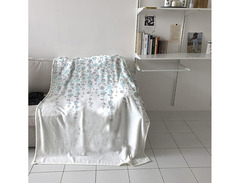
Vicoustic Wavewood Ultra Lite Hybrid Acoustic Panel - Matte Black, 8-pack
Where Art Meets Acoustic Science

Advanced Acoustic Engineering
The Wavewood panels feature a sophisticated design that combines scientific acoustic principles with beautiful form. The specialized pattern provides controlled absorption in the mid and high frequencies while maintaining a natural room sound.
This balanced performance creates recording environments that flatter acoustic instruments and vocals without sounding artificially dead. Many engineers note that recordings made with Wavewood treatment require less processing and reverb during mixing.
Architectural Integration
Unlike utilitarian acoustic panels, the Wavewood Ultra Lite series integrates seamlessly into professional environments. Their distinctive wood pattern creates visual interest while performing their acoustic function.
For studios that double as client meeting spaces or appear on video, these panels enhance rather than compromise the room's aesthetic. The matte black finish offers a contemporary look that complements modern studio designs.
Lightweight Installation
Despite their substantial appearance, the Ultra Lite version weighs significantly less than traditional wood treatments. This makes ceiling mounting and temporary installations much more practical.
The reduced weight doesn't compromise performance but dramatically simplifies installation for DIY studio builders. Each panel includes mounting hardware specifically designed for secure attachment without specialized tools.
Vicoustic Cinema Round Premium Reference 04A Black
5.0 (1)
The Mastering Engineer's Secret Weapon

Precision Frequency Response
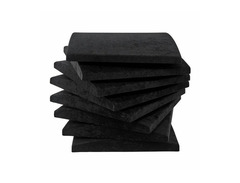
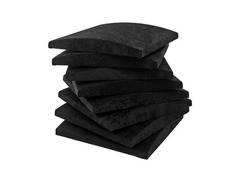
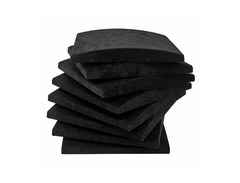
The Cinema Round Premium panels feature carefully engineered perforation patterns combined with internal acoustic materials to deliver remarkably flat frequency absorption. This technical precision creates a more accurate listening environment for critical mixing decisions.
Unlike basic panels that might over-absorb high frequencies, these balanced absorbers maintain a natural top end while controlling problematic reflections. Many engineers report hearing deeper into their mixes after installing these treatments.
Reference-Grade Performance
Designed for professional cinema and mastering facilities, these panels meet stringent acoustic standards. Their performance consistency from panel to panel ensures predictable results when treating your space.
This reference-grade quality makes them particularly valuable for studios producing commercial work where mixes must translate accurately to other playback systems. The investment pays dividends in fewer mix revisions and more confident decision-making.
Elegant Professional Appearance
The round perforation pattern and premium black finish create a sophisticated aesthetic appropriate for high-end studios. The overall effect is one of purpose-built precision rather than temporary treatment.
For studios hosting clients or appearing in production videos, these panels convey professionalism and attention to detail. Their understated elegance works well in both modern and traditional studio environments.
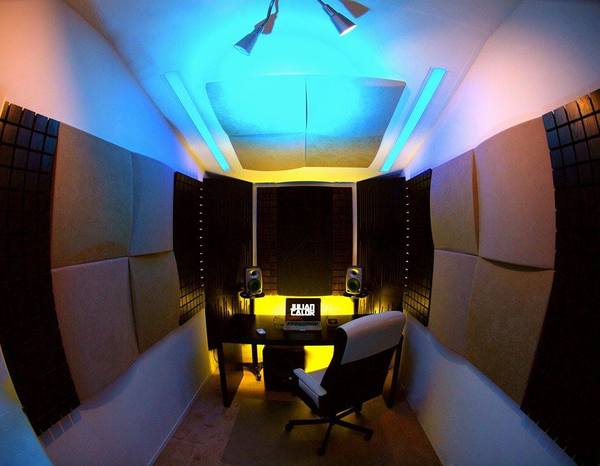
See how artists use this



.jpg)
Vicoustic Flat Panel VMT Acoustic Absorption Panel - Concrete, 4-pack
Invisible Sound Treatment

Discreet Effectiveness
The Flat Panel VMT achieves something remarkable: significant acoustic absorption without drawing attention to itself. The minimal 1-inch profile and seamless construction allow these panels to blend into walls rather than dominate them.
This visual restraint makes them ideal for multipurpose spaces or studios with careful design considerations. Despite their subtle appearance, they provide meaningful absorption across the vocal and instrument range.
Concrete Aesthetic
The concrete finish offers a contemporary industrial look that complements modern studio designs. This unique visual approach stands apart from traditional fabric-wrapped panels for spaces seeking something distinctive.
The textured surface creates subtle visual interest while maintaining a neutral presence that won't distract from other design elements. For architecturally-minded studio owners, this balance of form and function holds particular appeal.
Modular Arrangement
The square format enables creative arrangement patterns that can become design features themselves. Whether arranged in grid formations, scattered patterns, or geometric designs, these panels adapt to your aesthetic vision.
This flexibility allows studio designers to incorporate acoustic treatment as an intentional design element rather than a necessary compromise. The result is a space that performs exceptionally while looking purposefully designed.
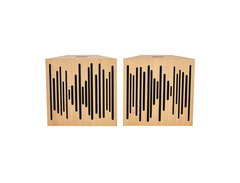
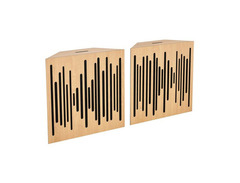
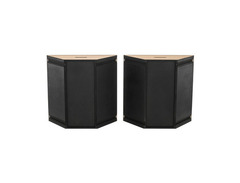
Vicoustic Super Bass Extreme Ultra Low-frequency Absorption Panel - Natural Oak, 2-pack
The Low-End Leviathan

Deep Bass Control
The Super Bass Extreme Ultra targets the most challenging acoustic problem in smaller rooms: low-frequency buildup. Using a combination of membrane technology and precision-tuned air gaps, these panels capture and control bass frequencies that standard treatments can't touch.
This specialized performance can transform a boomy, inconsistent mixing environment into a space where bass decisions can be made with confidence. For producers working in bass-heavy genres, this improvement alone can transform the quality of their output.
Corner Optimization
Designed specifically for corner placement where bass accumulates, these traps maximize absorption exactly where it's most needed. The tapered design fits perfectly in corners without wasting valuable studio space.
This targeted approach delivers more impact than covering entire walls with less specialized treatment. Many engineers find that just two or four of these units strategically placed can dramatically improve their room's low-end response.
Furniture-Grade Construction
Crafted with natural oak facing and premium internal components, these bass traps double as furniture-quality studio fixtures. This level of finish makes them appropriate even in high-end studios where appearance matters.
The investment in quality construction ensures decades of performance without degradation. For professional studios, this longevity makes them a sound business investment despite their premium pricing.
DIY Champion of the Budget-Conscious
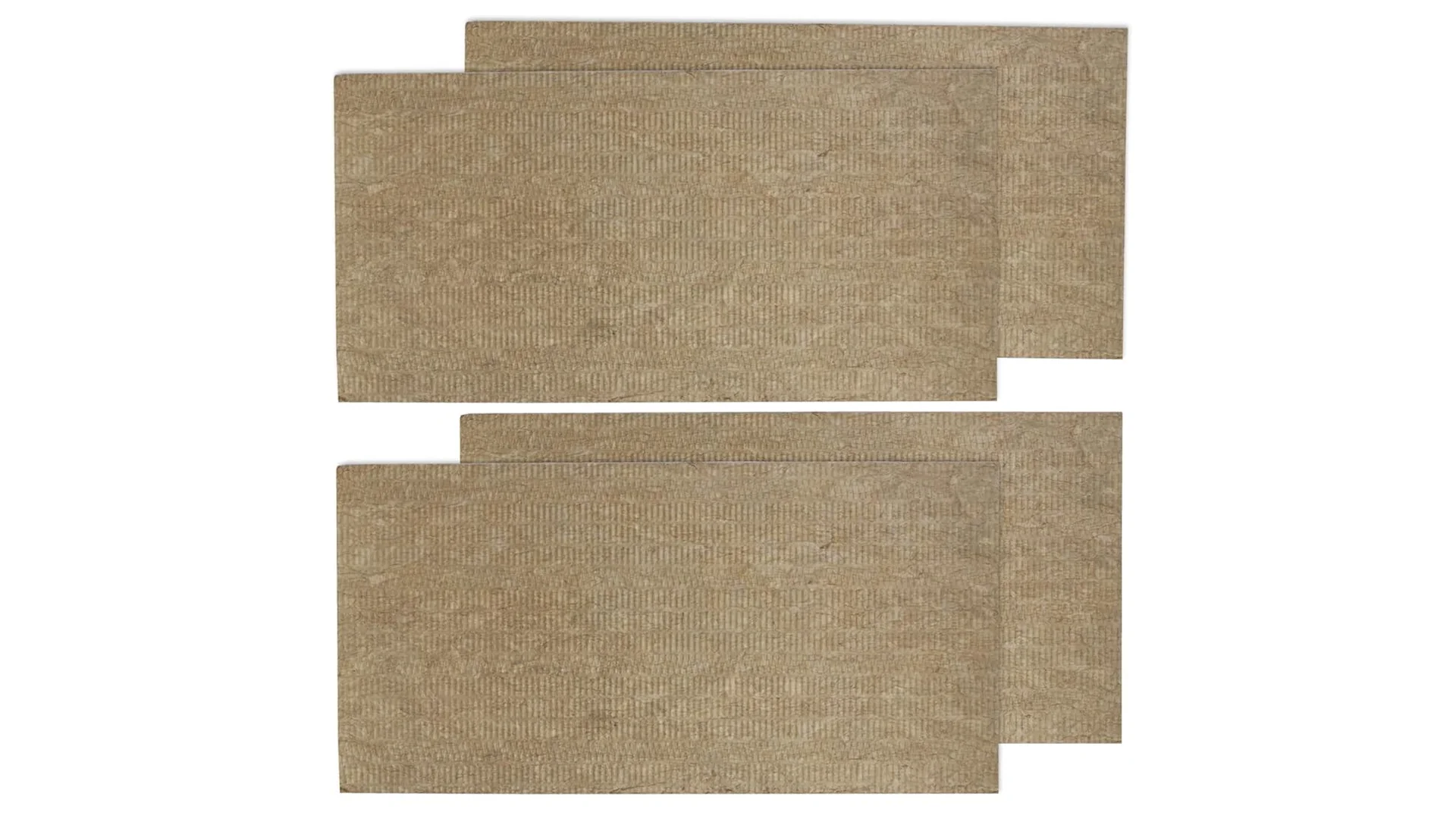
For musicians with more time than money, building your own panels using Roxul Rockboard (mineral wool) offers exceptional performance at a fraction of commercial prices. With basic tools and a weekend of work, you can achieve results rivaling professional treatments.
Professional Materials, DIY Pricing
Roxul Rockboard is the same mineral wool material used in many commercial acoustic panels, available at building supply stores for a fraction of the cost of finished panels. This rigid insulation provides excellent broadband absorption from bass through treble.
The DIY approach typically reduces costs by 60-70% compared to pre-made panels of similar quality. For musicians establishing their first studio, this cost efficiency allows for more comprehensive treatment within limited budgets.
Customization Opportunities
Building your own panels allows complete control over sizes, thicknesses, and fabric choices. This customization enables treatment tailored specifically to your unique space and requirements rather than adapting pre-sized commercial options.
Many DIY builders create extra-thick panels (4-6 inches) for enhanced low-frequency performance or craft custom sizes for unusual spaces. This flexibility proves valuable in non-standard rooms or when addressing specific acoustic challenges.
Learning Experience
The process of building your own acoustic treatment provides valuable insights into acoustic principles and room treatment strategies. This hands-on education helps musicians better understand how sound behaves in their space.
The skills developed transfer to other studio projects and foster greater overall acoustic awareness. Many professional engineers started with DIY treatments before graduating to commercial options as their careers advanced.
Where to Place Acoustic Panels
Proper placement is just as important as choosing the right panels. Strategic positioning maximizes the effectiveness of your acoustic treatment investment and addresses the specific acoustic issues in your space.
First Reflection Points
The most critical locations for acoustic panels are the points where sound from your speakers first bounces off walls before reaching your ears. These early reflections significantly color what you hear and can create comb filtering that distorts your perception of the mix.
First reflection points typically include:
Side walls: The areas where sound from your left speaker reflects off the right wall and vice versa create the most problematic reflections. Treating these points often provides the most immediate and noticeable improvement in sound clarity.
Ceiling: In rooms with standard ceiling heights, reflections from overhead can significantly color your perception of frequency balance. If ceiling mounting is possible, placing absorption directly above your listening position reduces these reflections.
Rear wall: Sound reflecting from behind your listening position arrives with more delay, causing potential phase issues and confusion in the stereo image. Panels behind your chair help create a cleaner monitoring environment.
The Mirror Trick
The mirror trick is the most reliable method for finding exact first reflection points without complex measurements or acoustic modeling software. Here's how to perform it:
Sit in your listening position and have a friend hold a small mirror flat against the side wall. As they slide the mirror along the wall, mark any spot where you can see either of your speakers in the reflection. These marks indicate precise first reflection points where acoustic panels will have maximum impact.
Repeat this process for both side walls, the ceiling (if possible), and the wall behind your listening position. This technique ensures that you're treating the specific reflection points unique to your room and setup rather than placing panels based on general guidelines.
Behind Speakers and Instruments
Sound radiating from the back of speakers can reflect off the front wall and return to your ears slightly delayed, causing phase issues and unclear bass response. Similarly, when recording vocals or acoustic instruments, reflections from hard surfaces behind the performer can create unwanted room sound in your recordings.
Monitor wall treatment: Place absorption panels on the wall behind your speakers, focusing on the area directly behind each monitor. This prevents sound from reflecting back and interfering with the direct sound from your speakers.
Recording positions: Mount panels behind your typical vocal microphone position and instrument recording areas. For vocalists especially, a panel placed behind them can dramatically reduce room reflections captured by cardioid microphones.
Bass Management with Corner Traps
Low frequencies build up in room corners due to the physical properties of sound waves. This creates boomy, uneven bass response that can mask details in your mix and cause poor translation to other listening environments.
Vertical corners: Place bass traps in as many room corners as possible, prioritizing the corners nearest to your speakers and listening position. Floor-to-ceiling treatment yields the best results.
Wall-ceiling junctions: These areas, sometimes called "tri-corners," are particularly problematic for bass accumulation. If budget allows, treating these corners further improves low-frequency response.
Behind listening position: The wall-floor corner behind your listening position often contributes significantly to bass issues. Placing bass traps here can improve low-frequency clarity.
Strategic Spacing Considerations
The effectiveness of acoustic panels can be enhanced through proper mounting techniques:
Air gaps: Mounting panels with a small air gap (1-2 inches) between the panel and the wall increases their low-frequency absorption without requiring thicker materials. This simple technique can significantly improve the performance of standard panels.
Panel density: Rather than spreading panels thinly throughout a room, concentrate treatment at the most critical areas first. A few properly placed panels offer more benefit than many panels randomly distributed.
Frequently Asked Questions
How many acoustic panels do I need for my room?
For a typical home studio (10×12 feet), start with 8-12 panels. Place 4-6 panels at first reflection points, 2-4 bass traps in corners, and 2 panels behind your speakers. This configuration addresses the most critical issues while remaining budget-friendly. Larger rooms require proportionally more coverage.
What's the difference between acoustic panels and soundproofing?
Acoustic panels improve sound quality within a room by reducing reflections and controlling resonances. Soundproofing prevents sound from entering or leaving a room and requires different materials like mass-loaded vinyl, decoupled construction, and sealed air gaps. Most acoustic panels provide minimal soundproofing benefits. See our full in-depth guide to soundproofing a room for more.
Do foam panels actually work?
Foam panels work for high frequencies but offer limited effectiveness for mid and low frequencies. They can reduce room "ring" and flutter echo but won't create a truly balanced acoustic environment. For serious studios, mineral wool or fiberglass panels provide more comprehensive treatment.
Where should I place acoustic panels in a small studio?
In small spaces, prioritize first reflection points on side walls, the front wall behind monitors, and at least two corners for bass trapping. Even minimal treatment in these critical areas significantly improves monitoring accuracy and recording quality in compact studios.
Are bass traps necessary?
Yes, bass traps are essential for accurate monitoring. Low-frequency issues cause the most significant problems in untreated rooms and are the hardest to control. While standard panels help with mid and high frequencies, dedicated bass traps are necessary for managing the low end that otherwise causes boomy, muddy sound.
Conclusion
Investing in quality acoustic treatment might just be the most significant upgrade you can make to your music production setup. Unlike the endless cycle of gear acquisition, properly chosen and placed acoustic panels deliver permanent improvements to every recording and mix you create.
For overall performance, the ATS Acoustic Panels offer exceptional value, while the UA Acoustics Wave Panels provide a premium hybrid solution. Professional studios often choose the Primacoustic Broadway Absorbers for their commercial-grade quality and consistent performance.
Bass management is crucial, with options ranging from the affordable Auralex LENRD Bass Traps to the high-end Vicoustic Super Bass Extreme Ultra. For studios concerned with aesthetics, the Vicoustic Wavewood Ultra Lite offers advanced acoustic engineering with beautiful form, while the Vicoustic Cinema Round Premium delivers precision frequency control. The Vicoustic Flat Panel VMT provides substantial acoustic performance with minimal visual impact for design-conscious studios.
Remember that acoustic treatment is a journey rather than a destination. Start with the most critical areas, notice the improvements, and gradually expand your treatment as budget allows.
Top Ranked Acoustical Treatments on Equipboard


About the authors

S. Jino is an accomplished multi-instrumentalist and music producer based in Kolkata, India, distinguished by his self-taught mastery and unique blend of technical acumen and musical performance. His extensive experience was forged through hands-on dedication, starting with the full restoration of a broken guitar. Jino's capabilities span keyboards, pedals, and advanced digital production, reflecting a comprehensive skill set developed independently. As a significant contributor to the music scene, Jino regularly performs with worship bands and college ensembles. He has also established himself as a reliable and authoritative professional in freelance mixing, mastering, and original music creation. Inspired by the innovative sounds of Brian May and David Gilmour, and influenced by Kolkata's vibrant metal community, Jino is committed to the intricate art of vintage gear restoration and the continuous exploration of music and technology fusion. His current professional setup, featuring a meticulously restored nameless guitar, a Fender Player Strat, and a Boss Katana 50. Read more
New in Acoustical Treatments


$191.00 - $209.00
in Acoustical Treatments Rank


$359.00 - $789.00
in Acoustical Treatments Rank

$287.00 - $549.00
in Acoustical Treatments Rank


$364.00 - $789.00
in Acoustical Treatments Rank