Table of Contents

Equipboard
Equipboard is the world's largest community of artists and their gear. Read our review process.
We are reader-supported. When you buy through links on our site, we may earn an affiliate commission. Learn more.
Imagine you've just finished recording your latest musical masterpiece. The raw tracks are bursting with potential, but something's missing – that polished, professional sound you hear on your favorite albums. This is where the crucial processes of mixing and mastering come into play, transforming your rough diamond into a gleaming gem ready for the world to hear.
At first glance, mixing and mastering might seem like interchangeable terms, but they're distinct stages in the audio production process, each with its own set of techniques, tools, and objectives. Understanding the difference between these two vital steps is essential for anyone involved in music creation, from bedroom producers to seasoned professionals.
Mixing is the art of blending individual tracks into a cohesive whole, balancing levels, adjusting tones, and adding effects to create a harmonious soundscape. Mastering, on the other hand, is the final touch – the process that ensures your mixed track sounds its best across all playback systems and prepares it for distribution.
In this comprehensive guide, we'll delve into the intricacies of mixing and mastering, exploring their unique roles, techniques, and the impact they have on the final product. Whether you're a budding musician looking to understand the production process or an experienced engineer seeking to refine your skills, this article will provide valuable insights into these essential aspects of music production.
What Is Mixing?
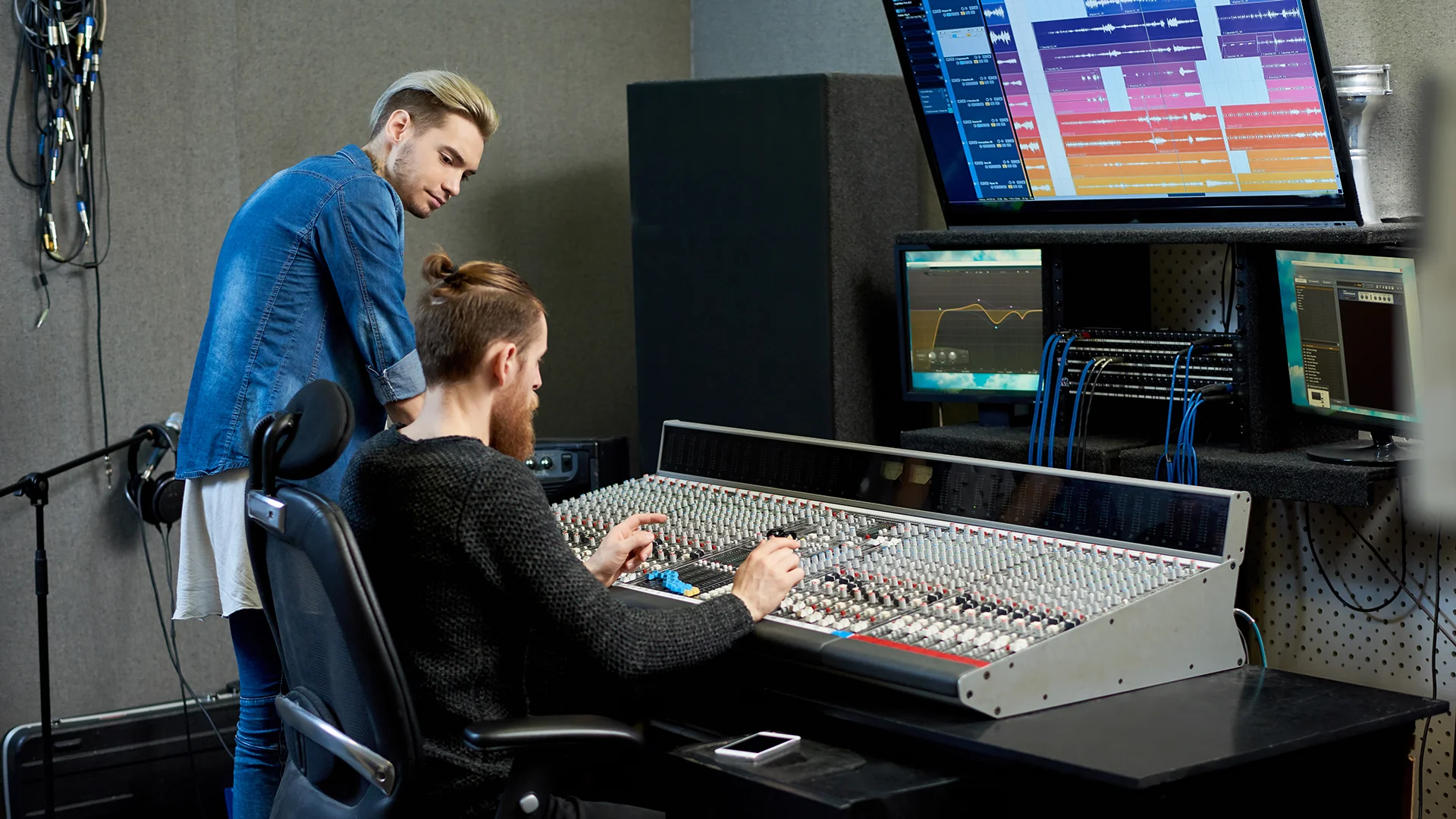
Mixing is the almost alchemical process that transforms a collection of individual recorded tracks into a cohesive, polished musical piece. It's where the raw elements of a song come together, each finding its place in the sonic landscape. It is similar to a bunch of raw ingredients coming together to create something delicious.
At its core, mixing is about balance and enhancement. A mixing engineer works to ensure that each instrument and vocal sits perfectly in the mix, neither overpowering nor disappearing into the background. This delicate balancing act requires both technical skill and artistic intuition.
Key Tasks in Mixing
The mixing process involves several crucial tasks that shape the sound of a track:
Level Balancing: This fundamental step involves adjusting the volume of each track relative to the others. A skilled mix engineer knows how to create a hierarchy of sounds, emphasizing the most important elements while supporting them with complementary parts. For example, in a pop song, the lead vocal might be set as the loudest element, followed closely by the kick drum and snare, with background vocals and atmospheric synths set at a lower level to provide support without overshadowing the lead.
Panning: By positioning sounds in the stereo field, from left to right, mixing creates width and space in a recording. Effective panning can separate competing elements and create a sense of dimension in the music. For instance, in a rock mix, the kick drum, bass, and lead vocal might be centered, while rhythm guitars could be panned slightly left and right. Stereo keyboard parts might be spread wide across the stereo field, and backing vocals could be arranged to create a sense of space around the lead vocal.
Equalization (EQ): EQ is used to shape the tonal balance of individual tracks and the overall mix. By boosting or cutting specific frequencies, an engineer can help each element find its own space in the frequency spectrum, reducing muddiness and enhancing clarity. For example, a mix engineer might cut some low frequencies (around 100 Hz) from a guitar to prevent it from competing with the bass, boost the high-mids (around 3-5 kHz) of a snare drum to help it cut through the mix, or apply a high-pass filter to backing vocals to prevent them from cluttering the low end.
Dynamics Processing: Compression, limiting, and other dynamics tools help control the volume envelope of sounds. This can add punch to drums, even out vocals, or glue elements of the mix together. For instance, a mix engineer might use a compressor with a fast attack and release on a bass guitar to even out its level, apply heavy compression to a room mic on the drums to bring out the room sound, or use a limiter on a lead synth to prevent it from overloading the mix during loud passages.
Effects Application: Reverb, delay, and other time-based effects add depth and interest to a mix. Modulation effects like chorus or flanger can add width and movement to instruments. For example, a short plate reverb might be applied to a snare drum to give it some space without pushing it too far back in the mix. A rhythmic delay could be used on a guitar to create a sense of movement. A chorus effect might be applied to a clean electric guitar to give it more width and richness. In electronic music, a flanger effect on a synth pad can create an evolving, spacey sound that adds interest to the background of a mix.
Tools Used in Mixing
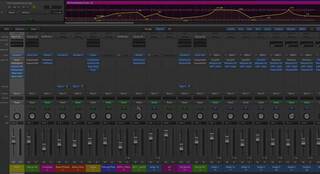
Modern mixing typically takes place in a Digital Audio Workstation (DAW) such as Pro Tools, Logic Pro, or Ableton Live. These software platforms host a variety of plugins that emulate hardware processors or offer unique digital processing capabilities.
Key mixing tools include:
- Channel strip plugins for basic processing
- Specialized EQ and dynamics plugins
- Software emulations of classic hardware compressors and EQs
- Digital reverb and delay plugins
- Virtual instruments and samplers for adding or replacing sounds
While many mixes are completed entirely "in the box" (within a computer), some engineers still incorporate hardware processors or summing mixers for their unique sonic characteristics.
Mixing Outcomes
The goal of mixing is to create a version of the song that sounds polished and professional, with all elements working together harmoniously. A well-mixed track should:
- Have clarity and definition, with each element easily discernible
- Possess a sense of depth and dimensionality
- Maintain a consistent overall level while preserving dynamic range
- Translate well across different playback systems, from earbuds to club sound systems
A great mix brings out the best in a recording, enhancing the emotional impact of the music and ensuring that the artist's vision is fully realized. It's the crucial step that prepares a track for the final stage of audio production: mastering.
Typical Mixing Workflow
A typical mixing workflow begins with preparation. The mixing engineer organizes tracks, creating groups or busses for similar instruments (e.g., drums, vocals, guitars). They'll also set up auxiliary sends for shared effects like reverb or delay.
The process usually starts with balancing levels. The engineer will begin with the core elements of the song, often the drums and bass, setting appropriate volumes for each track. They'll then bring in other instruments and vocals, adjusting levels to create a balanced mix.
Next comes panning, where each element is positioned in the stereo field. This step helps create width and separation in the mix. After panning, equalization (EQ) is applied to shape the tonal balance of individual tracks and ensure each element has its own space in the frequency spectrum.
Dynamics processing follows, with compression applied to control volume fluctuations and shape the transients of various sounds. This stage might also include using tools like gates or expanders.
The engineer then adds effects such as reverb, delay, or modulation to create depth and interest. These are usually applied via auxiliary sends to maintain control and reduce CPU load.
Finally, the mix goes through several rounds of refinement. The engineer will loop sections of the song, making micro-adjustments to automation, effects, and levels. They'll reference the mix on different playback systems and compare it to professional releases in the same genre.
What Is Mastering?
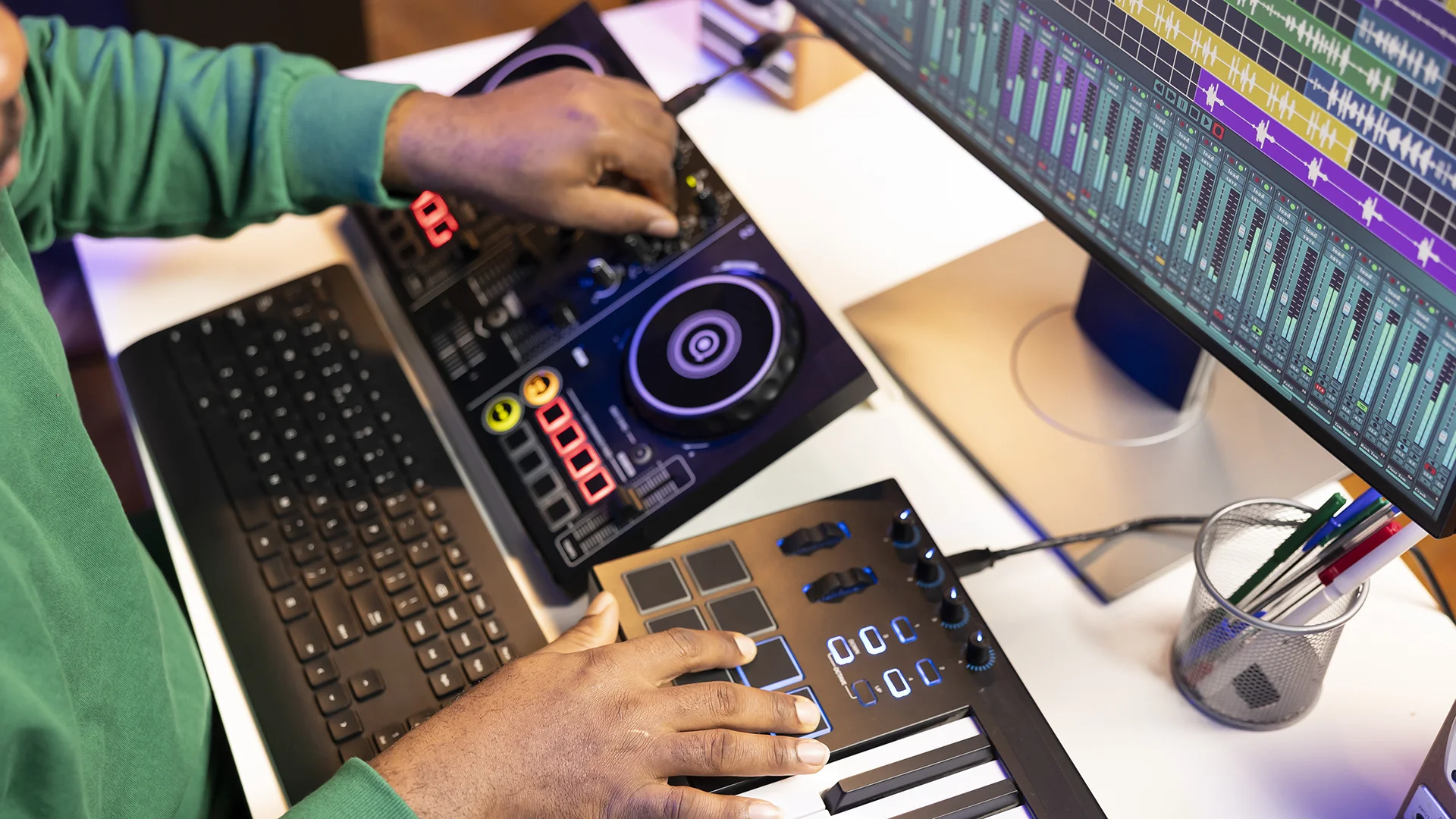
Mastering is the final step in audio production, serving as the bridge between mixing and distribution. It's a process that refines and enhances the overall sound of a track or album, ensuring consistency and optimal playback across various systems and formats.
While mixing focuses on the relationship between individual elements within a song, mastering takes a broader view, considering how the track sounds as a whole and how it fits within the context of an album or alongside other contemporary releases.
Key Tasks in Mastering
Mastering involves several critical processes that polish and prepare audio for release:
Tonal Balance Adjustment: Mastering engineers use precise equalization to fine-tune the overall frequency balance of a track. This might involve subtle boosts or cuts to enhance clarity, warmth, or presence. For example, a mastering engineer might apply a gentle 1-2 dB boost around 10 kHz to add some "air" to a mix that sounds a bit dull, or a slight cut around 200-300 Hz to reduce muddiness in a bass-heavy track.
Stereo Enhancement: Techniques like mid-side processing can be employed to adjust the width and depth of the stereo image, creating a more immersive listening experience. For instance, a mastering engineer might slightly boost the "sides" of a mix to create a wider stereo image, or reduce the sides in the low frequencies to ensure mono compatibility for club systems.
Dynamics Processing: Careful application of compression and limiting helps achieve a professional loudness level without sacrificing dynamic range or introducing distortion. A mastering engineer might use a gentle 1.5:1 ratio compressor to subtly control dynamics, followed by a limiter set to catch only the highest peaks, allowing them to raise the overall level of the track by 2-3 dB without causing distortion.
Noise Reduction: Any residual noise or unwanted artifacts from the mixing stage can be addressed during mastering. For example, a mastering engineer might use spectral repair tools to remove a faint hum at 60 Hz, or apply de-essing to tame overly sibilant vocals that weren't fully addressed in the mix.
Sequencing and Spacing: For albums, mastering involves arranging tracks in the optimal order and setting appropriate gaps between songs to create a cohesive listening experience. A mastering engineer might decide to place an energetic track at the start of an album to grab the listener's attention, and use shorter gaps (like 1-2 seconds) between upbeat songs while allowing longer pauses (3-4 seconds) after more emotional or complex pieces.
Loudness Normalization: Ensuring consistent volume levels across an album or in relation to contemporary releases is a crucial aspect of mastering. For instance, a mastering engineer might aim for an integrated loudness of -14 LUFS for streaming platforms, while ensuring that no song on an album is perceived as significantly louder or quieter than the others.
Format Preparation: Mastering engineers create the final files for various distribution formats, including high-resolution digital files, streaming-optimized formats, and physical media like CDs or vinyl. This might involve creating a 16-bit/44.1kHz version for CD, a 24-bit/96kHz version for high-resolution digital release, and working with a vinyl cutting engineer to ensure the master translates well to vinyl, perhaps reducing extreme stereo information or very low frequencies that could cause issues in the vinyl format.
Tools Used in Mastering
Mastering requires highly specialized tools and a carefully calibrated listening environment:
Mastering-Grade Equalizers: High-precision EQs, often with linear phase options, allow for subtle yet impactful tonal adjustments.
Multiband Compressors: These tools enable dynamic control of specific frequency ranges without affecting the entire spectrum.
Limiters: High-quality limiting is essential for achieving competitive loudness without introducing distortion.
Stereo Processing Tools: Specialized plugins or hardware for adjusting the stereo image and correcting phase issues.
Metering Tools: Accurate metering for levels, stereo balance, and loudness standards compliance is crucial in mastering.
Many mastering engineers combine digital tools with analog hardware, leveraging the strengths of both worlds to achieve the best possible results.
Mastering Outcomes
A well-mastered track or album should:
- Have a polished, professional sound that competes with commercial releases
- Maintain consistency in tone and volume across all tracks
- Translate well across various playback systems and environments
- Meet technical specifications for the intended distribution formats
- Enhance the emotional impact and clarity of the mix without altering its fundamental character
Mastering is often described as the final creative step in music production, adding that extra layer of refinement that helps a recording truly shine. It's the process that ensures your music is ready to make the best possible impression on listeners, whether they're experiencing it through high-end studio monitors or smartphone speakers.
Typical Mastering Workflow
A typical mastering workflow begins with preparation and assessment. The mastering engineer imports the mixed tracks into their DAW or dedicated mastering software. They'll listen critically to each track, taking notes on any issues that need addressing and considering the overall sound and flow of the album if working on a multi-track project.
The first technical step often involves adjusting the stereo balance and width. This might include using mid-side processing to make subtle adjustments to the stereo image without affecting the fundamental mix.
Next, the engineer applies equalization. Unlike mixing EQ, mastering EQ is typically very subtle, often involving broad, gentle boosts or cuts to enhance the overall tonal balance. The goal is to create consistency across all tracks while ensuring the music translates well across different playback systems.
Dynamics processing follows. This usually involves both compression and limiting. Mastering compression is generally gentler than mixing compression, aiming to add cohesion and control dynamics without squashing the life out of the mix. Limiting is applied to raise the overall level of the track without introducing distortion.
If working on an album, the mastering engineer will adjust the relative levels of different tracks to create a consistent listening experience. They'll also set the appropriate gaps between tracks.
The final technical step involves preparing the audio for distribution. This includes dithering (if reducing bit depth), setting metadata, and exporting in various formats required for different distribution channels.
Throughout the process, the mastering engineer will be referencing the audio on different speaker systems and comparing it to relevant commercial releases. They'll also be checking technical aspects like peak levels, average loudness, and stereo correlation.
Key Differences Between Mixing and Mastering
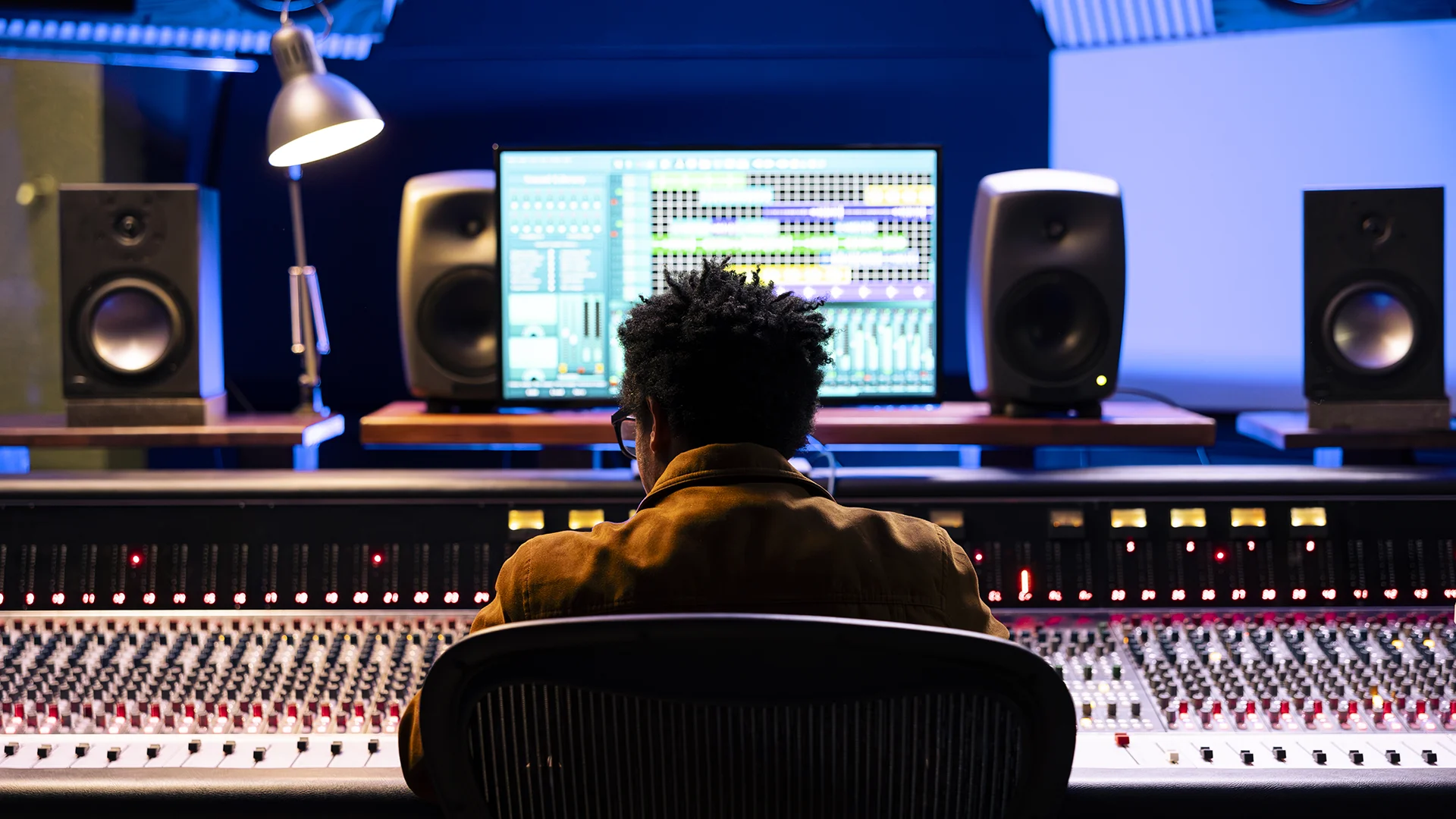
While both mixing and mastering are crucial steps in the audio production process, they serve distinct purposes and involve different approaches. Understanding these differences is key to appreciating the unique value each stage brings to a musical project.
Scope
The scope of work in mixing and mastering differs significantly:
Mixing deals with individual tracks within a song. A mixing engineer works with separate audio files for each instrument and vocal, balancing and blending these elements to create a cohesive whole. The focus is on the internal relationships between different parts of the song.
Mastering, in contrast, works with the finished stereo mix as a single unit. The mastering engineer considers the track in its entirety, making global adjustments that affect the overall sound. When working on an album, mastering also involves ensuring consistency across multiple songs.
Tools and Techniques
While there may be some overlap in the types of tools used, the application and precision of these tools differ between mixing and mastering:
Mixing often involves more dramatic and creative use of effects. Engineers might use heavy compression on a drum bus, apply distinctive reverb to vocals, or use automation to create dynamic changes throughout a song. The tools are applied to individual tracks or groups of tracks.
Mastering typically employs more subtle and precise adjustments. The processing is applied to the entire mix, requiring a delicate touch to avoid unintended consequences. Mastering engineers often use specialized versions of common tools, such as linear phase EQs or multiband compressors, which offer more transparent processing.
End Goals
The objectives of mixing and mastering, while complementary, are distinct:
Mixing aims to: - Create a balanced, clear, and engaging arrangement of all the song's elements - Enhance the emotional impact of the performance - Realize the creative vision of the artist and producer
Mastering seeks to: - Ensure the track translates well across all playback systems - Achieve a commercial-grade loudness level without sacrificing quality - Create consistency across an album or within an artist's catalog - Prepare the audio for various distribution formats
The Mixing to Mastering Transition
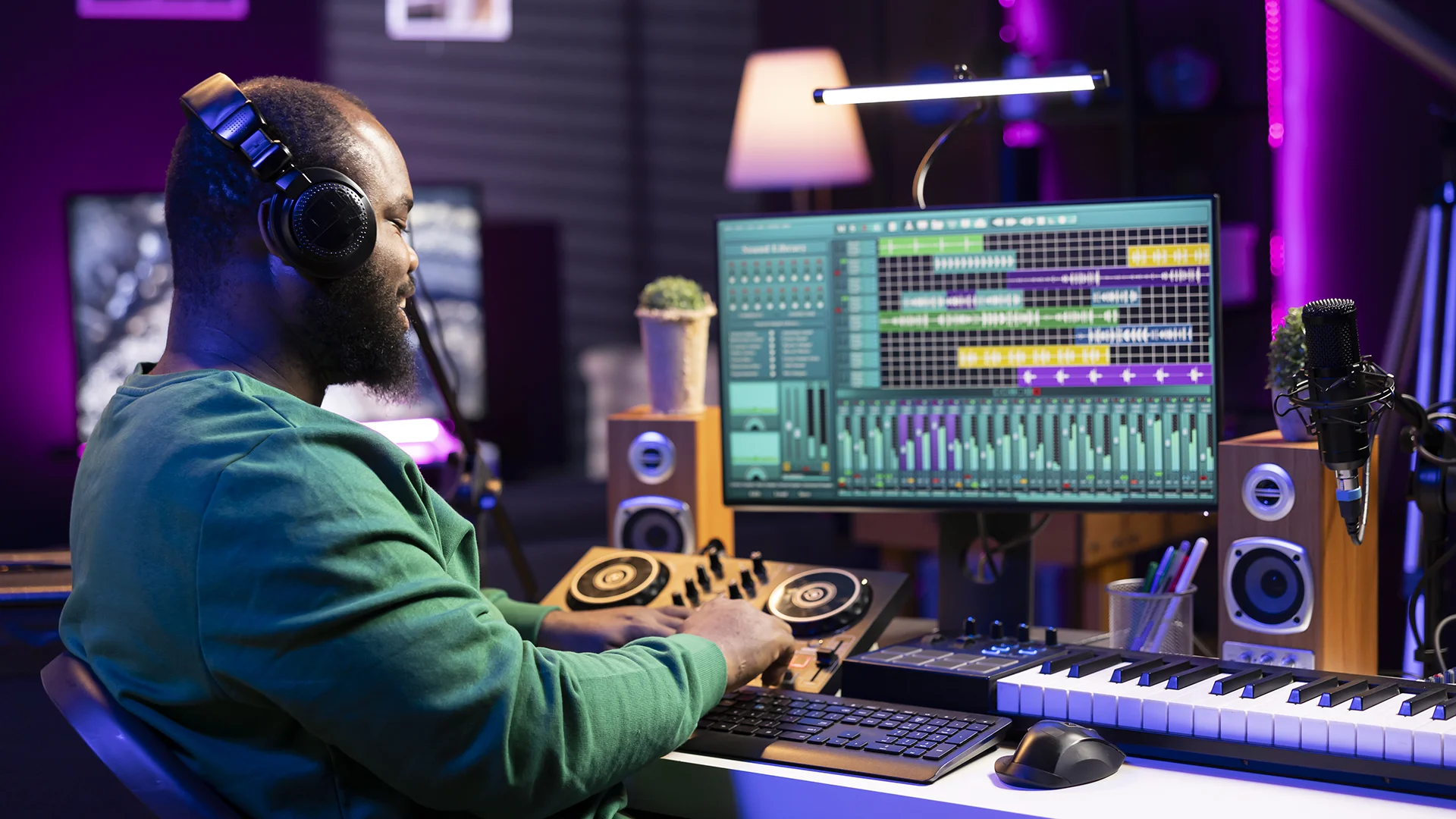
The transition from mixing to mastering is a crucial juncture in the music production process. It's the point where the focus shifts from crafting individual songs to considering how these songs will sound in the wider world of music consumption.
Clear Boundaries
Understanding where mixing ends and mastering begins is essential for achieving the best possible results in both stages:
Mixing Endpoint: A mix should be considered complete when all elements of the song are balanced, effects are finalized, and the overall sound achieves the desired creative vision. At this stage, the mix should sound good on its own, but it may not yet be optimized for commercial release.
Mastering Starting Point: Mastering begins with a finished stereo mix. Ideally, this mix should have some headroom (typically 3-6 dB) to allow the mastering engineer room to work without risking distortion.
It's crucial to avoid the temptation to apply "mastering-style" processing during mixing. Excessive compression or limiting on the master bus during mixing can severely limit the mastering engineer's ability to improve the track. Similarly, mastering should not be used as a fix for mixing issues – problems like poorly balanced instruments or excessive sibilance should be addressed in the mix.
Collaborative Handoff
The transition between mixing and mastering often involves collaboration between different professionals, each bringing their expertise to the project:
Communication is Key: Clear communication between the mixing engineer, mastering engineer, and artist/producer is vital. The mixing engineer should provide details about any processing on the master bus and any specific concerns or goals for the mastering stage.
Reference Mixes: Providing reference tracks or a rough master can help communicate the desired sound to the mastering engineer. This can include commercial releases with a similar sound or previous versions of the track.
Technical Specifications: The mastering engineer should be informed about the intended distribution formats and any specific technical requirements, such as streaming platform loudness standards.
Revisions and Feedback: It's common for there to be some back-and-forth during the transition. The mastering engineer might request mix adjustments if they encounter issues that are best addressed at the mixing stage.
Preserving Alternatives: It's often beneficial to preserve alternative mix versions, such as an a cappella or instrumental mix, which can be useful for future remixes or alternative releases.
The transition from mixing to mastering represents a shift in perspective from the micro to the macro. While mixing is about crafting the internal world of a song, mastering considers how that song will exist in the broader context of the listener's world.
The Necessity of Mixing and Mastering
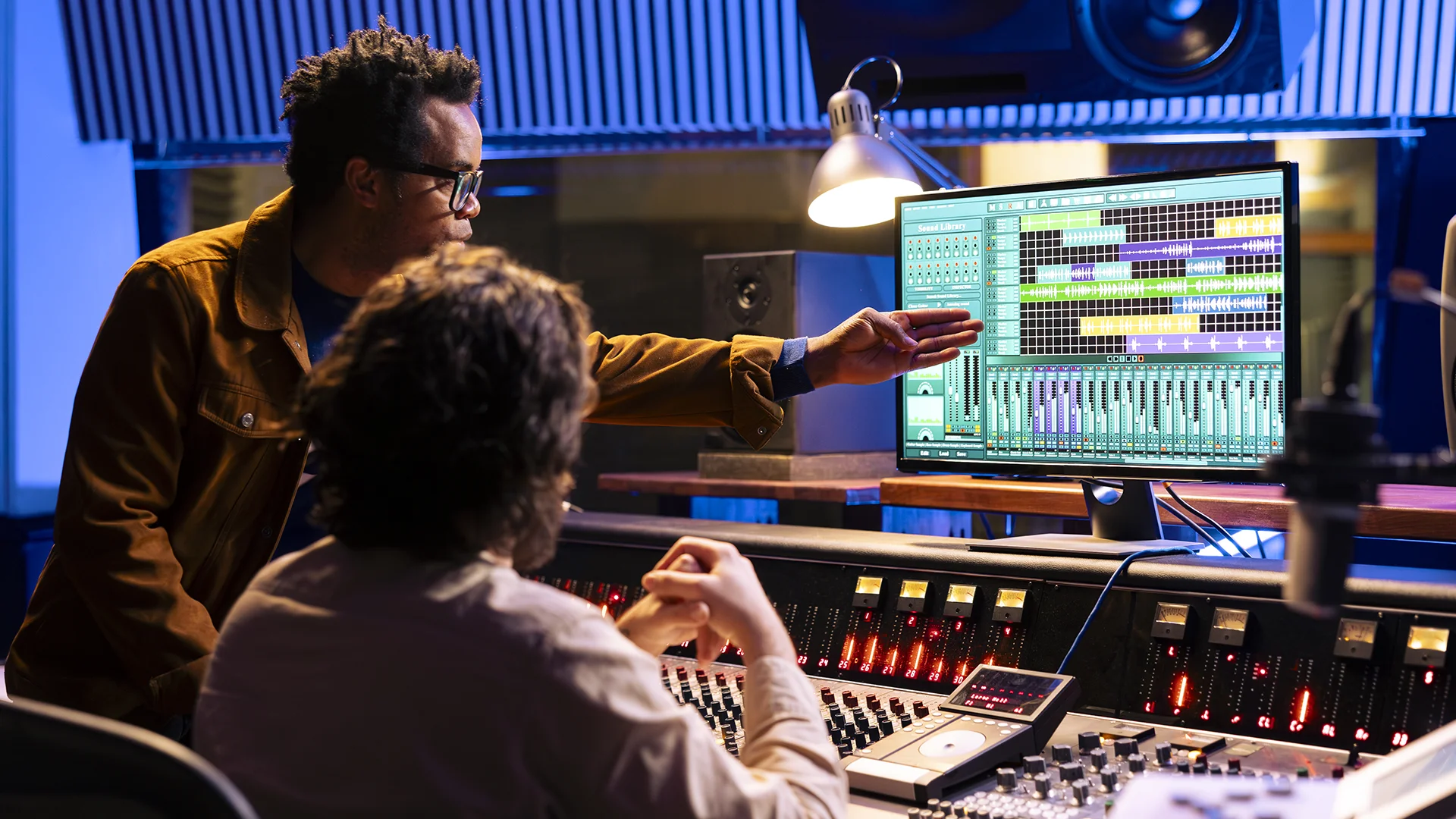
In the world of music production, both mixing and mastering play vital roles in creating professional-quality recordings. However, the approach to these processes can vary depending on the project's scale, budget, and goals.
Professional vs DIY Approaches
The decision between professional services and DIY methods often comes down to several factors:
Budget Considerations: Professional mixing and mastering services can be a significant investment. For major label releases or professional independent artists, this investment is often crucial for competing in the commercial market.
Project Scope: Full albums or EPs intended for wide release typically benefit most from professional services, ensuring consistency across tracks and meeting industry standards.
Genre Expectations: Some genres, like classical music or jazz, often require the nuanced touch of experienced professionals to capture their full dynamic range and tonal qualities.
Technical Expertise: Professional engineers bring years of experience and highly trained ears to the process, often catching and correcting issues that might be missed by less experienced producers.
Equipment Quality: Professional studios are equipped with high-end gear and acoustically treated rooms, providing optimal conditions for critical listening and processing.
For smaller projects, home recordings, or artists working with limited budgets, a DIY approach can be a viable option:
Learning Opportunity: Mixing and mastering your own music can be an excellent way to develop your skills and understanding of the production process.
Creative Control: Some artists prefer to maintain complete control over their sound from start to finish.
Cost-Effective: For demos, rough releases, or projects with very limited budgets, DIY methods can be a practical solution.
Tips for DIY Mixing and Mastering
If you're tackling mixing and mastering on your own, here are some key tips to keep in mind:
Invest in Your Listening Environment: Treat your room acoustically as much as possible and invest in the best monitors or headphones you can afford.
Use Reference Tracks: Regularly compare your mix to professional releases in similar genres to ensure you're on the right track.
Take Breaks: Fresh ears are crucial. Take frequent breaks to avoid ear fatigue and maintain objectivity.
Less is More: When in doubt, err on the side of subtlety, especially in mastering. It's easy to over-process and lose the natural dynamics of your mix.
Educate Yourself: Take advantage of online resources, tutorials, and courses to improve your skills continually.
Consider Hybrid Approaches: You might choose to mix your own tracks but have them professionally mastered, combining DIY efforts with professional finishing touches.
Whether opting for professional services or taking the DIY route, understanding the importance of both mixing and mastering is crucial.
Iconic Examples in Mixing and Mastering

Throughout the history of recorded music, certain albums and tracks have become renowned for their exceptional mixing or mastering quality. These recordings not only showcase technical excellence but also demonstrate how skilled mixing and mastering can elevate the emotional impact and artistic expression of music.
Mixing Masterpieces
The Beatles - "Sgt. Pepper's Lonely Hearts Club Band"
This groundbreaking album is often cited as a milestone in mixing creativity. Engineer Geoff Emerick's innovative techniques, such as close-miking instruments and using compression as an effect, helped create the album's distinctive sound. The mix of "A Day in the Life" particularly stands out for its dynamic range and creative use of studio effects.
Steely Dan - "Aja"
Known for its pristine sound quality, "Aja" exemplifies meticulous mixing. The album's clarity, depth, and precise instrument placement set new standards for audio production. The title track showcases a perfect balance between complex arrangements and individual instrument definition.
Daft Punk - "Random Access Memories"
This modern classic demonstrates how contemporary mixing techniques can create a sound that's both nostalgic and futuristic. The mix seamlessly blends electronic and live instruments, with tracks like "Get Lucky" highlighting the album's warm, analog-inspired sound while maintaining digital clarity.
Mastering Marvels
Pink Floyd - "The Dark Side of the Moon"
Mastered by Alan Parsons, this album is legendary for its dynamic range and sonic clarity. The mastering enhances the album's conceptual flow, with seamless transitions between tracks and a consistent tonal balance that has stood the test of time.
Radiohead - "In Rainbows"
This album is noted for its mastering approach that prioritizes dynamics over loudness. The result is a recording with breath and space, allowing the intricate arrangements to shine. Tracks like "Nude" demonstrate how masterful mastering can preserve a mix's emotional intensity without resorting to excessive compression.
Kendrick Lamar - "To Pimp a Butterfly"
The mastering of this album successfully balances the warmth of its jazz and funk influences with the power of modern hip-hop production. The dynamic mastering approach allows the album's diverse sonic palette to shine, from the punchy beats to the subtle musical nuances.
Debunking Common Misconceptions

In the world of audio production, several myths and misconceptions surround mixing and mastering. Let's address some of these to provide clarity and improve understanding of these crucial processes.
Mixing vs Mastering Myths
Myth: Mastering Can Fix a Bad Mix
This is perhaps the most pervasive myth in audio production. While mastering can enhance a good mix, it cannot salvage a poor one. Mastering engineers work with the stereo mix as a whole and can't isolate or significantly alter individual elements.
Reality: Mastering is about refining and optimizing an already solid mix. Major issues like unbalanced instruments, poorly recorded tracks, or excessive noise should be addressed during the recording and mixing stages.
Myth: Louder is Always Better
The "loudness war" has led many to believe that a louder master is inherently better. This misconception often results in over-compressed, fatiguing recordings that lack dynamics and depth.
Reality: While appropriate loudness is important for commercial competitiveness, preserving dynamic range is crucial for musical expression and listener enjoyment. The best masters strike a balance between loudness and dynamics.
Myth: Mixing and Mastering are Interchangeable
Some believe that mixing and mastering are essentially the same process, just applied at different stages.
Reality: While both processes involve similar tools (EQ, compression, etc.), they have distinct goals and approaches. Mixing focuses on balancing individual elements within a song, while mastering considers the song as a whole and how it translates across different playback systems.
Myth: You Don't Need Mastering for Digital Releases
With the rise of digital distribution, some argue that mastering is unnecessary for tracks released only on streaming platforms.
Reality: Mastering remains crucial for digital releases. It ensures consistency across different tracks, optimizes audio for various streaming platforms' algorithms, and helps your music stand up alongside professional releases.
Myth: Automated Mastering is Just as Good as Professional Mastering
The emergence of AI-powered mastering services has led some to believe that human mastering engineers are no longer necessary.
Reality: While automated services can be useful for quick references or budget projects, they lack the nuanced decision-making and artistic interpretation that an experienced mastering engineer brings to a project.
Myth: You Should Master Your Own Mixes
Some producers believe that since they know their mix best, they should also handle the mastering.
Reality: Fresh ears are invaluable in mastering. A separate mastering engineer can provide objective perspective, catch issues you might have become deaf to, and apply specialized expertise to optimize your tracks for release.
Essential Tools for Mixing and Mastering

The art and science of mixing and mastering rely heavily on a combination of software and hardware tools. While the specific gear used can vary widely based on personal preference and budget, there are some fundamental tools that form the backbone of most professional setups.
Mixing Equipment
Digital Audio Workstation (DAW)
At the heart of modern mixing is the DAW. Popular options include:
- Pro Tools: Widely considered the industry standard, especially in professional studios.
- Logic Pro: A favorite among Mac users, known for its intuitive interface and built-in instruments.
- Ableton Live: Popular in electronic music production, with unique features for live performance.
Monitoring System
Accurate monitoring is crucial for making informed mixing decisions:
- Studio Monitors: High-quality speakers designed for flat frequency response.
- Headphones: Used for detailed work and checking mixes in an isolated environment.
- Acoustic Treatment: Essential for creating a reliable listening environment.
Plugins
A wide array of software plugins are used to shape and enhance audio:
- Equalizers (EQ): For tonal shaping and frequency balance.
- Compressors: To control dynamics and add character.
- Reverb and Delay: For creating space and depth in a mix.
- Saturation and Distortion: To add warmth and character.
Analog Hardware
While many mixes are completed entirely "in the box," some engineers incorporate analog gear:
- [Outboard Compressors]: For their unique sonic characteristics.
- Hardware EQs: Prized for their musical sound and hands-on control.
- Summing Mixers: Used to combine digital tracks in the analog domain.
Mastering Equipment
Specialized DAWs
Some mastering engineers prefer DAWs tailored for mastering work:
- Steinberg WaveLab: Offers specialized tools for mastering and audio restoration.
- iZotope RX: Powerful for audio repair and restoration tasks.
High-End Converters
Mastering often involves working with high-resolution audio, requiring top-quality digital-to-analog and analog-to-digital converters.
Mastering-Grade Plugins
- Linear Phase EQs: For precise tonal adjustments without phase issues. - Multiband Compressors: To control dynamics in specific frequency ranges.
- Limiters: For achieving competitive loudness without distortion.
- Stereo Enhancement Tools: For adjusting the width and depth of the stereo field.
Metering Tools
Accurate metering is crucial in mastering:
- Loudness Meters: For ensuring compliance with broadcast standards.
- Spectrum Analyzers: For visualizing frequency content.
- Phase Correlation Meters: To check stereo compatibility.
Analog Mastering Chain
Some mastering engineers incorporate high-end analog equipment:
- Mastering-Grade EQs: Known for their smooth, musical sound.
- Analog Compressors: Prized for their ability to "glue" a mix together.
- Analog-to-Digital Converters: To capture the warmth of analog processing.
While these tools are important, it's crucial to remember that the skills and ears of the engineer are always the most vital component. The best equipment in the world can't replace experience, taste, and a deep understanding of music and sound.
Glossary of Terms
EQ (Equalization): A process of adjusting the balance between frequency components in an audio signal. It allows you to boost or cut specific frequencies to shape the tonal quality of a sound.
Compression: An effect that reduces the dynamic range of an audio signal by attenuating loud parts and amplifying quiet parts. It helps even out volume levels and can add character to sounds.
Limiting: An extreme form of compression with a very high ratio, designed to prevent audio signals from exceeding a specified threshold. It's often used in mastering to increase overall loudness without causing distortion.
Reverb: An effect that simulates the natural reflections of sound in a space, adding depth and ambiance to audio.
Saturation: A subtle form of distortion that adds harmonics to a signal, often used to add warmth or character to sounds.
DAW (Digital Audio Workstation): Software used to record, edit, mix, and produce audio files. Examples include Pro Tools, Logic Pro, and Ableton Live.
MIDI (Musical Instrument Digital Interface): A protocol that allows electronic instruments and other digital musical tools to communicate with each other.
Panning: The distribution of a sound signal into a stereo or multi-channel sound field, allowing placement of sounds left to right in the stereo image.
Masking: Occurs when one sound makes it difficult to hear another sound in the same frequency range, often requiring careful mixing to avoid.
Bit Depth: Measures the resolution of digital audio, with higher bit depths allowing for more dynamic range and detail in the sound.
Sample Rate: The number of samples of audio carried per second, measured in Hz. Higher sample rates can capture higher frequencies.
Automation: The process of recording the movements of controls like volume faders or effect parameters, allowing for dynamic changes throughout a track.
Sidechain: A technique where the output of one track is used to control a processor on another track, often used for ducking or pumping effects.
Multiband Compression: A type of compression that splits the audio into multiple frequency bands and compresses each independently.
Clipping: Occurs when an audio signal exceeds the maximum level that can be accurately represented in a digital system, resulting in distortion.
Common Measurement Units in Mixing and Mastering
dB (Decibel): A unit used to measure the intensity of a sound or the power level of an electrical signal by comparing it with a given level on a logarithmic scale.
dBFS (Decibels relative to Full Scale): A unit of measurement for amplitude levels in digital systems, where 0 dBFS represents the maximum possible digital level.
LUFS (Loudness Units relative to Full Scale): A standardized measurement used to gauge the perceived loudness of audio material over time, taking into account human hearing sensitivity.
Hz (Hertz): A unit of frequency, representing one cycle per second. Used to measure the pitch of sounds and the sample rate of digital audio.
SPL (Sound Pressure Level): Measured in dB SPL, this unit quantifies the local pressure deviation from the ambient atmospheric pressure caused by a sound wave.
dB(A): A weighted measurement of sound pressure level that takes into account the varying sensitivity of the human ear to different frequencies.
RMS (Root Mean Square): A method of measuring the average level of an audio signal over time, often used in conjunction with peak level measurements.
Top Tools for Mixing and Mastering
Digital Audio Workstation (DAW): Software like Pro Tools, Logic Pro, or Ableton Live for recording, editing, and mixing audio.
EQ Plugin: For shaping the frequency content of tracks. Popular options include FabFilter Pro-Q and stock DAW EQs.
Compressor Plugin: For controlling dynamics. Examples include the UAD 1176 emulation or stock DAW compressors.
Limiter Plugin: For maximizing loudness in mastering. iZotope Ozone Maximizer and FabFilter Pro-L are widely used.
Reverb Plugin: For adding space and depth. Options like Valhalla Room or stock DAW reverbs are common.
Multiband Compressor: For more precise dynamic control across different frequency ranges. iZotope Neutron or Waves C6 are popular choices.
FAQs

Q: Can I master a track in my DAW?
A: Yes, it's possible to master tracks in your DAW. Most DAWs come with the necessary tools for basic mastering, including EQ, compression, and limiting. However, professional mastering often involves specialized tools and a treated listening environment for optimal results.
Q: What's the difference between mixing and mastering?
A: Mixing focuses on balancing individual tracks within a song, while mastering is the final step that prepares the entire song or album for distribution. Mastering ensures consistency across tracks and optimizes the overall sound for various playback systems.
Q: How loud should I master my tracks?
A: The ideal loudness depends on the genre and intended distribution platform. For streaming services, aim for an integrated loudness around -14 LUFS. However, always prioritize sound quality over pure loudness.
Q: Do I need expensive gear to mix and master?
A: While high-end gear can be beneficial, it's not essential, especially for beginners. Focus on learning to use your DAW's stock plugins effectively. As you progress, you can gradually invest in more specialized tools.
To Sum Things Up!
Understanding the distinct roles of mixing and mastering is crucial for anyone involved in music production, from aspiring bedroom producers to seasoned professionals. These two stages, while interconnected, serve unique purposes in the journey from raw recordings to polished, release-ready tracks.
Mixing is the art of balance and creativity, where individual elements are sculpted and combined to form a cohesive whole. It's where the vision for a song takes shape, with each instrument and vocal finding its place in the sonic landscape. The mixing stage is about making creative decisions that enhance the emotional impact of the music, using tools like EQ, compression, and effects to bring out the best in each track.
Mastering, on the other hand, is the final refining touch that prepares a mix for the world. It's about seeing the bigger picture, ensuring that a track not only sounds great on its own but also stands up alongside other professional releases across various playback systems. Mastering engineers apply subtle yet critical adjustments to optimize overall tonal balance, stereo image, and loudness, while also preparing the audio for various distribution formats.
The transition between mixing and mastering is a critical juncture that requires clear communication and understanding between all parties involved. A well-executed handoff ensures that the mastering engineer has the best possible foundation to work with, preserving the creative intentions established in the mix while elevating the overall quality of the recording.
While professional mixing and mastering services offer unparalleled expertise and equipment, the rise of accessible technology has also opened doors for DIY approaches. Whether choosing a professional route or tackling these processes yourself, understanding the principles and goals of mixing and mastering is essential for achieving the best possible results.
As we've seen through iconic examples, exceptional mixing and mastering can define the sound of an era and create timeless recordings. However, it's important to dispel common misconceptions and understand the limitations of each process. Mastering can't fix fundamental issues in a mix, and the loudest master isn't always the best.
Ultimately, the goal of both mixing and mastering is to serve the music, enhancing its emotional impact and ensuring that the artist's vision is fully realized. By appreciating the unique contributions of each stage and utilizing the appropriate tools and techniques, we can create recordings that not only sound professional but also connect deeply with listeners.
About the authors

S. Jino is an accomplished multi-instrumentalist and music producer based in Kolkata, India, distinguished by his self-taught mastery and unique blend of technical acumen and musical performance. His extensive experience was forged through hands-on dedication, starting with the full restoration of a broken guitar. Jino's capabilities span keyboards, pedals, and advanced digital production, reflecting a comprehensive skill set developed independently. As a significant contributor to the music scene, Jino regularly performs with worship bands and college ensembles. He has also established himself as a reliable and authoritative professional in freelance mixing, mastering, and original music creation. Inspired by the innovative sounds of Brian May and David Gilmour, and influenced by Kolkata's vibrant metal community, Jino is committed to the intricate art of vintage gear restoration and the continuous exploration of music and technology fusion. His current professional setup, featuring a meticulously restored nameless guitar, a Fender Player Strat, and a Boss Katana 50. Read more