Table of Contents

Equipboard
Equipboard is the world's largest community of artists and their gear. Read our review process.
We are reader-supported. When you buy through links on our site, we may earn an affiliate commission. Learn more.
Our Picks

Best Entry-Level Professional: The BeatStep Pro delivers exceptional versatility in a compact package, serving as the perfect bridge between beginners and professionals seeking hands-on control without complexity.
Read more


-l.webp?v=1781280234)
Best for Live Performance: The Octatrack MKII combines powerful sampling with flexible sequencing in a performance-ready package designed for spontaneous creativity and dynamic live sets.
Read more


Best for Immediate Creativity: The Polyend Play removes technical barriers with its approachable grid-based workflow, enabling swift pattern creation while maintaining surprising depth beneath its minimalist exterior.
Read more
-l.webp?v=1781281151)
Best All-in-One Solution: The MPC One+ transcends mere sequencing, delivering a comprehensive production environment with sampling, synthesis, and arrangement capabilities in a standalone package that eliminates the need for a computer.
Read more

Best Analog Sequencer: The Dark Time embraces vintage sequencing philosophy while incorporating modern refinements, delivering authentic analog control with unmistakable character and hands-on immediacy.
Read more
Best for DJ/Producer Hybrid Setups: The MX-1 uniquely bridges production and performance disciplines, offering sequenced mixing capabilities that transform static arrangements into dynamic, evolving performances.
Read more
There's something magical about stepping away from the computer screen and interacting with your music physically. As producers increasingly seek to break free from the digital constraints of DAWs, hardware sequencers have surged in popularity, offering tactile control and a refreshing approach to music creation. Whether you're sketching beats on the couch, programming complex melodies for your synthesizers, or performing live without a laptop, hardware sequencers provide a unique workflow that can transform your creative process.
What Makes a Great Hardware Sequencer?
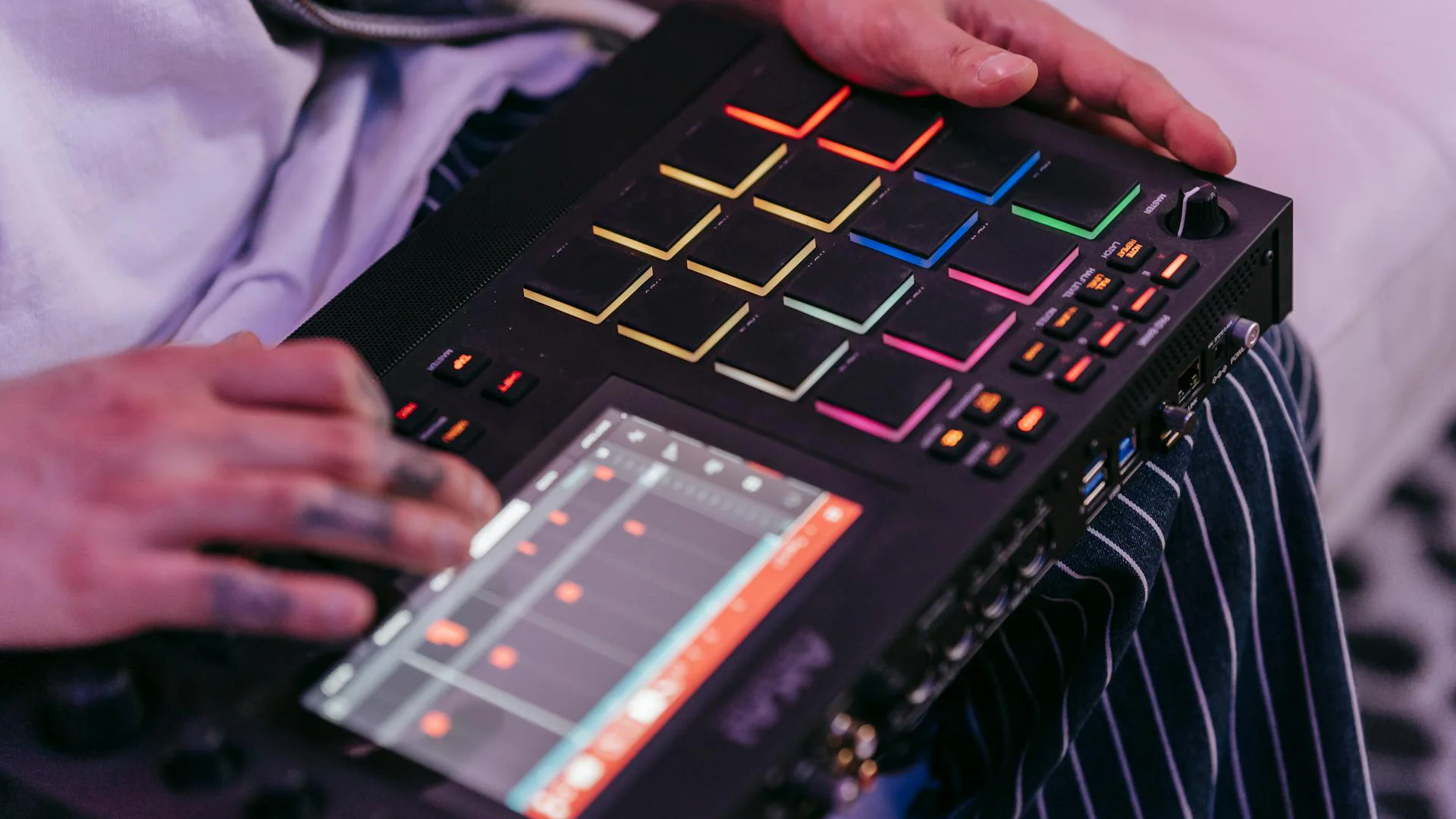
Let's start by exploring what features and specifications truly matter when selecting a hardware sequencer. Understanding these fundamentals will help you make an informed decision based on your unique needs.
Connectivity Options
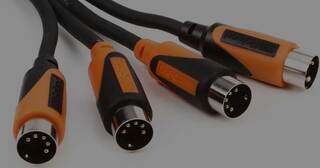
These form the backbone of any sequencer's integration capabilities. The most versatile units offer multiple MIDI ports (both DIN and USB), allowing you to control everything from vintage gear to modern virtual instruments. For modular enthusiasts, CV/Gate outputs are essential for interfacing with Eurorack systems and other analog equipment.
Workflow Design
Some sequencers use grid-based interfaces reminiscent of the iconic TR-808 and TR-909 drum machines, while others employ piano roll visualization or rotary encoders. Consider whether you prefer real-time recording, step sequencing, or a combination of both approaches.
Sequencing Depth
Basic units might offer simple 16-step patterns, while advanced sequencers provide polyrhythmic capabilities, parameter automation, probability features, and expansive song modes. Storage capacity also matters, especially for performers who need to recall complex arrangements instantly during live sets.
Physical Design
Compact sequencers can travel easily but might sacrifice hands-on control, while larger units offer dedicated controls at the expense of mobility. Build quality becomes particularly important for touring musicians who need equipment that can withstand rigorous use.
Power Options
Battery-powered units enable music creation anywhere, while AC-powered devices typically offer more features and connectivity but tether you to an outlet.
Sequencer Types Explained
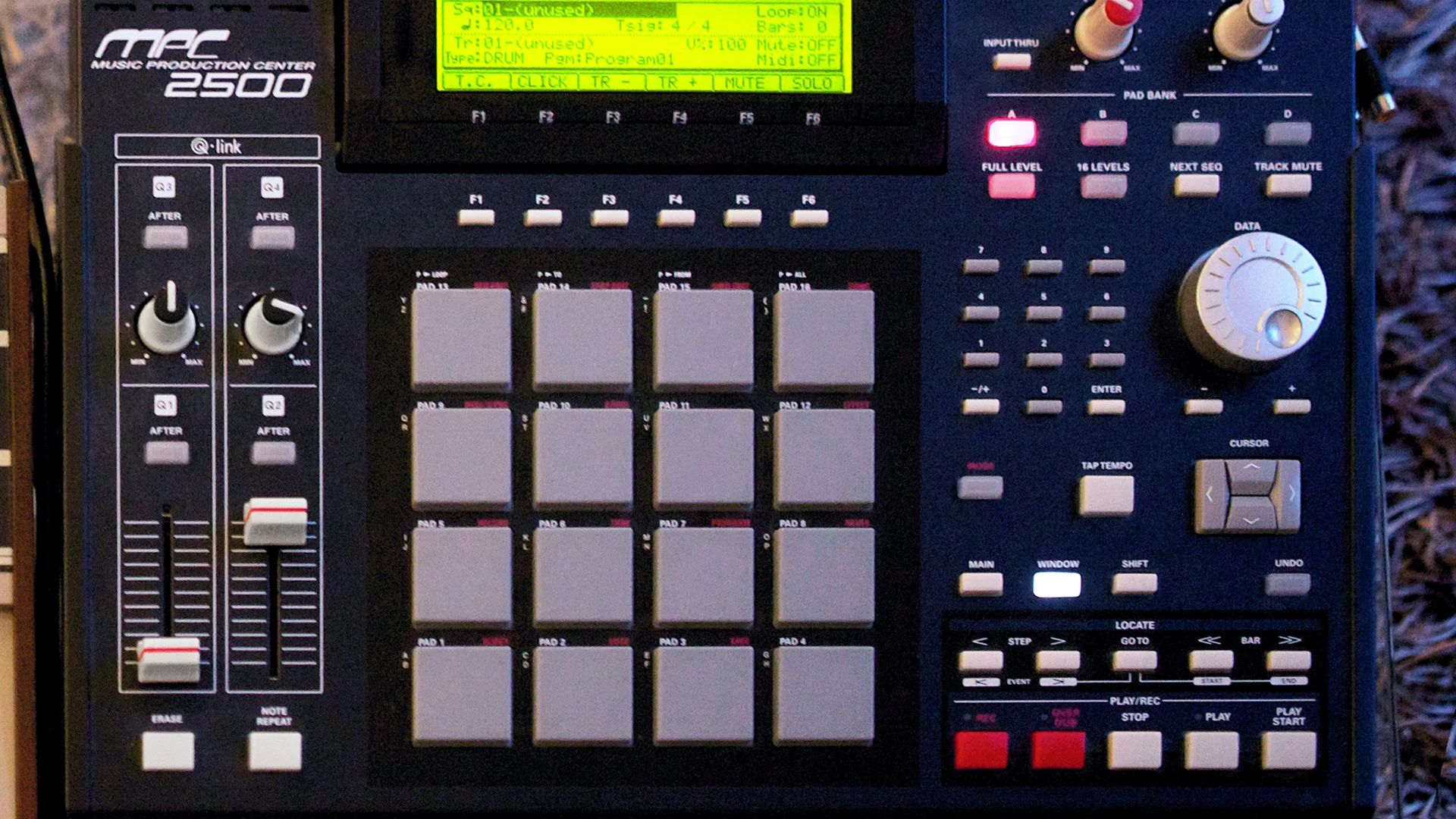
Hardware sequencers come in several distinct categories, each offering different advantages depending on your workflow preferences and existing setup. Understanding these categories will help narrow your search for the perfect device.
Dedicated MIDI/CV Sequencers
These pure sequencing "brains" focus exclusively on pattern creation and control, without built-in sounds. They excel at driving external gear through various protocols and typically offer deeper sequencing capabilities than all-in-one units. Dedicated sequencers shine in studios with existing sound sources and for musicians who prioritize sequencing depth over integrated sounds.
Most dedicated sequencers feature comprehensive connectivity options, including MIDI (DIN and USB), CV/Gate outputs for modular systems, and clock synchronization ports.
Grooveboxes & Sampler-Sequencers
For those seeking all-in-one production tools, grooveboxes combine sequencing capabilities with built-in sound engines. These versatile units allow you to create complete tracks without additional equipment, making them ideal for beginners and mobile producers. Modern grooveboxes frequently include sampling capabilities, synthesis engines, effects processing, and mixing functions alongside their sequencing features.
While their sequencers might not match the depth of dedicated units, grooveboxes compensate with immediacy and integration.
Synths with Strong Sequencers
Some synthesizers transcend simple note recording, featuring sequencers powerful enough to merit consideration in their own right. These integrated sequencer-synths offer elegant simplicity, combining sound generation and pattern creation in a single device. Their sequencers often tailor specifically to the instrument's architecture, enabling deeper sound design automation than generic controllers.
While typically less flexible for controlling external gear, these instruments excel at creating self-contained musical ideas and can serve as both sound sources and pattern generators within larger setups.
The Best Hardware Sequencers
After extensive research into the current marketplace, we've identified the standout hardware sequencers that deserve your attention. Each offers a unique approach to electronic music creation, with strengths tailored to different workflows and musical styles.
Arturia BeatStep Pro
4.5 (124)
The Command Center








- Robust construction with a metal chassis inspires confidence
- Seamlessly integrates with both analog and digital setups
- Supports multiple connectivity options: CV/gate, MIDI, USB, and DIN sync
- Features two melodic sequencers and one drum sequencer for versatile use
- See 6 more
- USB connection is prone to becoming loose, potentially requiring soldering
- Lack of printed documentation; users must rely on lengthy PDF manual
- No song construction tools for chaining patterns together
- Initial setup can be cumbersome due to software complexity and learning curve
- See 1 more
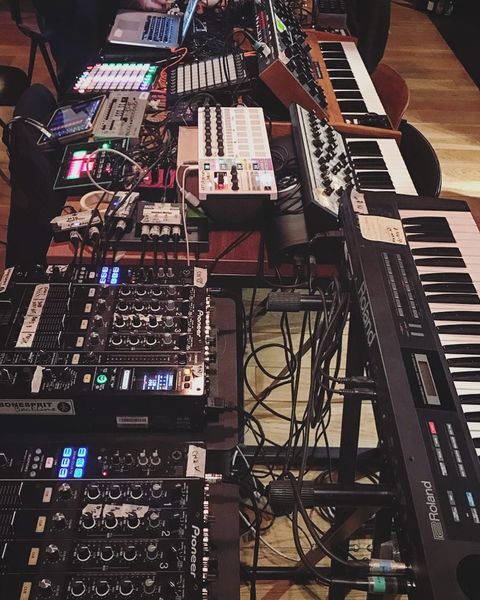
The Arturia BeatStep Pro continues to impress as one of the most accessible yet powerful sequencers on the market. This compact controller packs remarkable functionality into a travel-friendly format, making it an excellent entry point for hardware sequencing while remaining useful enough for professional applications.
Design and Build
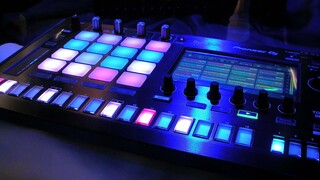
The BeatStep Pro features a straightforward layout centered around 16 velocity-sensitive pads with RGB illumination. The build quality impresses with a metal chassis and satisfying encoders that inspire confidence during performance. Despite its modest footprint, it manages to avoid feeling cramped, with logical grouping of controls and clear visual feedback through color-coded LEDs.
Physical dimensions remain modest enough for backpack transport while providing enough space for comfortable finger drumming and pattern programming. The rugged construction handles regular transport between studio and stage with minimal wear, maintaining both functionality and appearance over extended use.
Connectivity
Connectivity stands out as one of the BeatStep Pro's greatest strengths. It features MIDI in/out via standard 5-pin DIN connections, USB MIDI for computer integration, and eight CV/Gate outputs for controlling analog synths and modular systems. This comprehensive I/O suite allows the BeatStep to serve as a central hub for hybrid setups combining vintage gear, modern hardware, and computer-based instruments.
The thoughtful inclusion of clock inputs and outputs enables seamless synchronization with other tempo-based equipment, from drum machines to effects processors. This extensive connectivity transforms the BeatStep Pro from a simple controller into a genuine command center for diverse electronic music setups.
Sequencing Capabilities
The BeatStep Pro offers two melodic sequencers and one drum sequencer, each with 64 patterns that can be chained into songs. The melodic sequencers provide up to 64 steps with note, velocity, gate time, and randomization options, while the drum sequencer controls up to 16 different percussion sounds simultaneously.
Real-time recording, step input, and pattern editing feel intuitive thanks to the straightforward encoder-based parameter adjustments. While not as deep as some high-end competitors, the sequencing engine hits an ideal balance between accessibility and creative potential. Pattern randomization features deserve special mention, allowing for happy accidents and inspiration when you're feeling stuck.
Who It's For
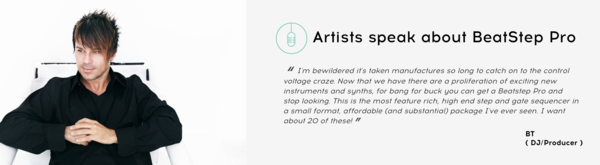
The BeatStep Pro particularly suits musicians bridging the gap between software and hardware workflows. Its plug-and-play compatibility with DAWs means it integrates easily with existing computer-based setups while encouraging hands-on interaction. For live performers, its reliable build quality and straightforward interface enable confident performance without technical distractions.
Beginners appreciate the logical workflow and included tutorials, while experienced producers value the efficient control it provides over multiple devices simultaneously.
See how artists use this



.jpg)




Elektron Octatrack MKII
5.0 (33)
The Performance Powerhouse
-s.webp?v=1781280234)

Average Price: $1,483
High-end/Boutique
$249
$700+
Budget
Standard
High-end
- Allows for computer-free music creation, recording, and performance
- Deep, versatile machine with significant sound design capabilities
- 3 LFOs per track with custom shape creation enhances sound modulation
- Excellent MIDI integration, elevating the performance when paired with other gear
- See 5 more
- Initial learning curve can be steep, not suitable for immediate jamming
- Some users find the workflow complex and less intuitive compared to other samplers
- Monophonic tracks and limited function automation may restrict performance
- Could benefit from more MIDI ports or CV connectivity for enhanced control
The Elektron Octatrack MKII has achieved legendary status among electronic performers for good reason. This distinctive sampler-sequencer hybrid delivers a uniquely powerful approach to manipulating audio and MIDI in real time, enabling performances that blend composition and improvisation seamlessly.
Sampling Meets Sequencing
Unlike pure sequencers, the Octatrack combines sophisticated audio sampling capabilities with an equally impressive sequencing engine. Eight audio tracks can sample, slice, time-stretch, and manipulate sounds while eight dedicated MIDI tracks control external gear. This integration creates a unified environment where audio and control signals interact in musical ways.
Sample manipulation through the Octatrack's real-time stretching, pitch shifting, and granular processing transforms static audio into dynamic performance elements. The crossfader further enhances performance possibilities, allowing dramatic scene changes with a single gesture.
Sequencing Approach
The Octatrack's sequencer employs Elektron's renowned "trig conditions" system, where each step can be programmed to play only under specific circumstances. Combined with parameter locks that store unique settings per step, this approach creates sequences that evolve organically over time while maintaining musical coherence.
Pattern chaining and sophisticated scene management enable complex arrangements while remaining adaptable to live situations. The sequencer balances structural stability with improvisational freedom, making it particularly valued by performing artists who prefer guided improvisation to rigid playback.
Build and Interface
Built like a tank with a metal chassis and industrial-grade components, the Octatrack withstands the rigors of regular touring. The interface employs Elektron's distinctive workflow with context-sensitive encoders and a data entry wheel for precise control. While initially intimidating, this approach ultimately enables remarkably fast operation once mastered.
Backlit buttons provide clear status indication in dark performance environments, while the crisp OLED screen delivers essential information without overwhelming detail. The carefully designed interface balances complexity with usability, rewarding practice with increasingly efficient operation.
Who It's For
The Octatrack MKII particularly suits performers seeking a central brain for electronic music performances. Its ability to sequence external gear while processing and manipulating audio creates a uniquely powerful hub for dynamic live sets. DJs interested in moving beyond mixing appreciate its capacity to reshape tracks in real-time, while hardware-focused producers value its sequencing depth and audio processing capabilities.
See how artists use this

.jpg?v=1780946502)





Polyend Play
4.0 (1)
The Intuitive Grid Sequencer



Average Price: $547
Standard/Professional
$399
$900+
Budget
Standard
High-end
- Unmatched sequencing capabilities
- Fun and engaging performance mode
- Advanced randomization and chance functions
- Portable, can be powered by a powerbank
- See 6 more
- Midi part can be problematic, needing updates
- Basic sound design toolset, lacks LFOs/Envelopes
- No sample streaming; relies on internal memory
- Limited sample editing capabilities (no slicing, ADSR)
- See 5 more
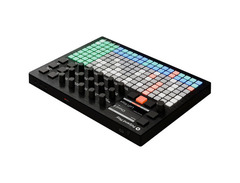
Polyend has established itself as a creator of thoughtfully designed music tools that balance innovation with usability. The Play exemplifies this philosophy with its streamlined approach to grid-based sequencing, offering immediate accessibility without sacrificing creative potential.
Streamlined Interface
The Play centers around a vibrant 8x32 RGB pad grid that provides both visual feedback and tactile control. This unified interface eliminates the complexity found in many competing sequencers, allowing users to focus on musical ideas rather than technical operation. Supporting the grid, minimal but thoughtfully chosen physical controls provide access to essential functions without cluttering the workflow.
Color-coding plays a crucial role in the interface design, using visual cues to represent different instruments, sequence types, and pattern variations. This approach speeds up operation while reducing cognitive load during creative sessions.
Creative Sequencing Features
Despite its apparent simplicity, the Play offers sophisticated sequencing capabilities. Eight instrument tracks can control both internal and external sound sources, with up to 128 patterns available for complex arrangements. The step sequencer supports automation of velocity, probability, note repeat, and other parameters on a per-step basis.
Randomization tools deserve special mention, allowing controlled variation that inspires new musical directions. From subtle groove fluctuations to complete pattern transformations, these features encourage experimentation while maintaining musical coherence. The balance between predictability and surprise makes the Play particularly valuable for overcoming creative blocks.
Connectivity
The Play offers comprehensive MIDI implementation through both USB and traditional DIN connections, making it equally comfortable with vintage hardware and modern controllers. MIDI mapping provides detailed control over how the sequencer interacts with external gear, from simple note data to complex CC automation.
Clock synchronization options ensure the Play integrates smoothly with existing setups, either as a primary controller or as part of a larger synchronized system. This flexibility allows the device to grow alongside your expanding studio.
Who It's For
The Polyend Play particularly suits producers seeking a more intuitive approach to electronic music creation. Its grid-based workflow feels familiar to users of software step sequencers but provides the focus and tactile feedback only hardware can deliver. Beginners appreciate its approachable design, while experienced producers value its efficiency for rapid idea development.
Live performers find the Play's reliable operation and clear visual feedback invaluable in performance situations, especially in challenging lighting conditions. For anyone frustrated by menu diving and complex procedures, the Play offers a refreshing return to music-first creation.
Akai Professional MPC One+
5.0 (1)
The Complete Production Studio
-s.webp?v=1781281151)

Average Price: $658
Standard/Professional
$399
$900+
Budget
Standard
High-end
- Excellent quantizing feature improves rhythm accuracy for those with poor pad-tapping skills
- Intuitive workflow that accommodates both beginners and experienced users
- Functions as a standalone DAW, offering comprehensive music production capabilities
- High-quality sound clarity and responsive touch screen enhance user experience
- See 6 more
- Inconsistent pad stiffness; some units reported as too stiff, causing discomfort
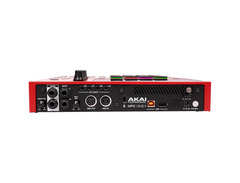
- Limited output options, which may restrict more advanced setups
- Some users report subpar DA converters, suggesting the need for an external audio interface
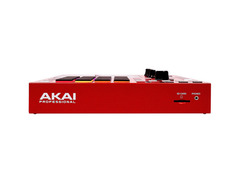
The legendary MPC series continues its evolution with the MPC One+, maintaining Akai's celebrated workflow while incorporating modern technology. This compact powerhouse represents the culmination of decades refining the intersection of sampling, sequencing, and production.
Comprehensive Production Environment
Unlike dedicated sequencers, the MPC One+ provides a complete music creation ecosystem. Its powerful sampling engine, virtual instruments, effects processing, and mixing capabilities enable start-to-finish production without additional equipment. The large touch screen supports intuitive interaction, complemented by physical controls for crucial functions.
Project management features facilitate organized workflows, from initial idea capture through arrangement and final mixing. The ability to export stems and projects to DAWs creates a seamless bridge between hardware inspiration and software finalization when needed.
Sequencing Philosophy
The MPC's sequencing approach combines immediacy with depth. The iconic 4x4 pad grid (expanded to 16 pads) facilitates rhythmic programming with its renowned feel, while piano roll and list editors enable detailed melodic work. Timing operations like swing, quantization, and groove extraction reflect the MPC heritage of merging technical precision with human feel.
Track count extends well beyond most hardware competitors, supporting complex arrangements with numerous instruments. The 64-track sequencer handles both internal sounds and external MIDI gear, making the MPC suitable as both a standalone instrument and a studio controller.
Sound Design Capabilities
Sound design capabilities extend far beyond basic sampling. The MPC One+ includes comprehensive sample editing, slicing, and manipulation tools alongside synthesis engines that cover analog emulation, FM, physical modeling, and other techniques. This sonic versatility eliminates the need to switch devices when pursuing different sound aesthetics.
Effect processing deserves particular mention, with studio-quality reverbs, delays, dynamics processors, and creative effects that rival dedicated plugins. The ability to process both internal and external audio through these effects transforms the MPC into a capable audio processor beyond its sequencing duties.
Who It's For
The MPC One+ particularly suits producers seeking a computer-free workflow without sacrificing production capabilities. Hip-hop, trap, and beat-focused creators appreciate its legendary drum programming heritage, while electronic musicians value its comprehensive feature set. For studios with limited space or musicians tired of screen-based workflows, it provides remarkable production power in a focused package.
While its price exceeds dedicated sequencers, the MPC One+ justifies this investment by potentially replacing numerous devices in your setup. For many, it represents not merely a sequencer but an alternative production methodology centered on tactile interaction rather than mouse clicks.
.jpg?v=1781088920)

Korg SQ-1
4.0 (99)
The Pocket Powerhouse



- Compact and sturdy design, ideal for live performances and portability.
- Wide compatibility with CV, MIDI, and USB, suitable for diverse setups.
- Offers multiple sequencing modes, including linear, zig-zag, and random.
- Allows real-time parameter tweaks, enhancing live performance flexibility.
- See 6 more
- Tiny tuning knobs make precise adjustments challenging.
- Lacks memory to save sequences, requiring manual reprogramming.
- Fixed velocity limits dynamic expression.
- No display for pitch feedback complicates note programming.
- See 6 more
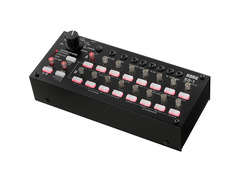
In a market often dominated by increasingly complex and expensive equipment, the Korg SQ-1 stands out for its refreshing minimalism and accessibility. This diminutive sequencer packs surprising capability into a package smaller than most paperback books, becoming a favorite among budget-conscious producers and modular enthusiasts alike.
Compact Design
The SQ-1's physical design embraces elegant simplicity. Its metal chassis houses 16 step buttons, mode selectors, and eight rotary knobs for parameter adjustment. Despite its small footprint, the interface remains usable with logically arranged controls and clear visual feedback through multi-color LEDs.
Portability features make the SQ-1 uniquely appealing for mobile music creation. Battery power supports hours of operation away from outlets, while the lightweight construction makes it genuinely pocket-sized. This mobility encourages impromptu music sessions in unconventional locations, sparking creativity through environmental change.
Analog Connectivity
Where the SQ-1 truly shines is in its connectivity options for analog systems. Dual CV/Gate output channels control pitch, gate, and modulation for analog synthesizers, while dedicated sync in/out ports connect with vintage drum machines and other clock-based equipment. USB connectivity adds MIDI sequencing capabilities for digital instruments.
The thoughtful inclusion of both Hz/V and V/Oct scaling accommodates vintage Japanese synthesizers alongside Eurorack and other modern equipment. This versatility makes the SQ-1 a remarkably effective bridge between diverse gear from different eras.
Sequencing Approach
The sequencing engine balances simplicity with musical flexibility. Two 8-step sequences can operate independently or combine into a single 16-step pattern. Step values adjust via dedicated knobs, providing immediate visual feedback of the sequence shape. Various playback modes including forward, reverse, alternating, and random create rhythmic variation from simple patterns.
Active step functionality allows selectively skipping steps to create polyrhythms and odd time signatures without complex programming. This feature particularly benefits experimental musicians seeking unconventional rhythmic structures with minimal technical overhead.
Who It's For
The Korg SQ-1 particularly suits beginners exploring hardware sequencing for the first time, budget-conscious producers adding sequencing to existing setups, and modular synthesists seeking affordable CV control. Its plug-and-play simplicity enables immediate creativity without sacrificing depth for more experienced users.
For many musicians, the SQ-1 serves as a gateway into hardware sequencing that remains useful even as their setups grow more sophisticated. Its specific focus on doing one thing exceptionally well exemplifies how thoughtful design constraints can actually enhance creativity rather than limiting it.
See how artists use this



.jpg)


Doepfer Dark Time
4.5 (14)
The Analog Purist


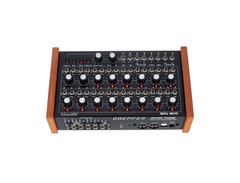
- Robust build quality with durable steel case and classic wood sides
- Intuitive interface with knobs, buttons, and toggle switches
- Seamless integration with Akai MPC and other synths
- Versatile with 16 steps, 8-step sequences, and tunable gate length
- See 5 more
- Knobs calibration inconsistency affects note accuracy
- USB connection issues on Windows 10
- Incomplete instruction manual and unhelpful tech support
- Basic functionality for the price, lacking sound production
- See 1 more
Doepfer's reputation for uncompromising analog quality extends beyond their famous modular systems into standalone equipment like the Dark Time. This sequencer celebrates the fundamentals of pattern-based electronic music creation with a purist approach that prioritizes tactile control and sonic integrity.
Analog Heritage
The Dark Time draws clear inspiration from pioneering sequencers of the 1970s while incorporating contemporary reliability. The all-analog signal path maintains pristine CV/Gate transmission, resulting in exceptionally tight timing and smooth parameter changes. This approach delivers a distinctively organic quality to sequenced phrases, particularly noticeable when controlling vintage synthesizers.
Audio rate capabilities distinguish the Dark Time from many competitors, allowing it to function not just as a note sequencer but as a modulation source capable of generating complex control signals at sonic frequencies. This versatility extends its utility far beyond simple pattern programming into experimental sound design territory.
Hands-On Interface
The interface celebrates direct interaction, with dedicated knobs for every sequence step and clearly labeled function switches. Unlike screen-focused alternatives, every parameter remains constantly visible and accessible, enabling intuitive operation even in challenging performance environments. The deliberate absence of menus or hidden functions ensures operation remains fluid and distraction-free.
Backlit buttons provide essential status information while maintaining the focused aesthetic. The sequencer prioritizes immediate tweakability over feature density, encouraging active participation in the evolving sequence rather than set-and-forget programming.
Expanded Functionality
While honoring analog tradition, the Dark Time incorporates thoughtful modern features that expand its musical potential. MIDI integration enables synchronization with contemporary equipment, while the transpose input allows external control over sequence pitch. Various playback directions and clock divisions create rhythmic variation from simple patterns.
Multimode operation enables using the two 8-step rows either independently or combined, supporting both longer sequences and complex polyrhythmic patterns. These enhancements respect the analog ethos while preventing the limitations that sometimes plagued vintage equipment.
Who It's For
The Doepfer Dark Time particularly suits musicians seeking authentic analog sequencing character, especially those working with modular systems and vintage synthesizers. Its hands-on approach appeals to performers who prefer direct physical control over deep menu systems, while its distinctive signal path attracts producers seeking alternatives to the clinical precision of digital sequencers.
For studios focused on creating music with organic character and subtle variation, the Dark Time provides sequencing that complements rather than standardizes the natural qualities of analog sound sources.
See how artists use this




Roland AIRA MX-1
4.5 (62)
The Performance Mixer-Sequencer

- Functions as a mixer, audio interface, and MIDI controller
- Step sequenced FX for unique sound manipulation
- Seamless integration with Ableton Live
- 18 mappable channels for diverse setups
- See 6 more
- Lacks a comprehensive EQ and compression features
- Limited sequencing capabilities
- High price point compared to feature set
- Insufficient output options for complex setups
- See 1 more
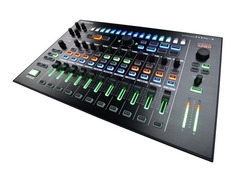
Roland's AIRA series reimagines electronic music tools for contemporary creators, and the MX-1 Mix Performer applies this philosophy to the intersection of mixing, effects processing, and sequencing. Unlike conventional mixers or sequencers, the MX-1 creates a new category of performance tool that sequences the mix itself.
Performance-Focused Design
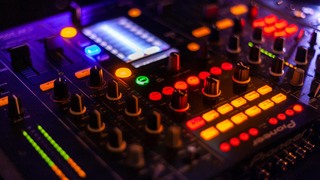
The MX-1's design clearly targets live electronic music performance, with a layout optimized for intuitive operation under pressure. Channel faders, transport controls, and effect triggers arrange logically for simultaneous manipulation, while multicolor illumination provides essential status information at a glance. The sturdy metal chassis withstands stage rigors while maintaining professional appearance.
Form factor considerations reflect real-world performance scenarios, with angled controls that remain accessible in crowded booth setups and illumination visible under varied lighting conditions. These thoughtful details help performers maintain focus on musical expression rather than technical operation.
Mix Sequencing
The innovative mix sequencing capabilities define the MX-1's unique identity. Beyond conventional pattern sequencing, it records and reproduces fader movements, effect activations, and other mix parameters. This approach enables programming complex mix evolutions that would require multiple hands to perform manually, creating dynamic arrangements that develop organically over time.
Beat effects synchronize precisely to incoming clock signals, ensuring consistent rhythmic results regardless of tempo fluctuations. This rhythmic integration transforms effects from simple processors into compositional elements that enhance musical structure rather than merely decorating it.
Connectivity Hub
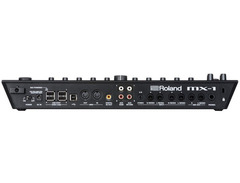
Comprehensive connectivity establishes the MX-1 as a genuine performance hub. Analog inputs accommodate traditional hardware, AIRA Link streamlines connection with other Roland equipment, and USB audio handles computer integration without additional interfaces. This versatility supports hybrid setups combining diverse equipment into cohesive performance systems.
Format conversion features deserve special mention, translating between analog, digital, and USB audio streams while maintaining signal integrity. This capability eliminates common compatibility headaches when combining vintage and modern equipment, allowing performers to focus on musical results rather than technical troubleshooting.
Who It's For
The Roland AIRA MX-1 particularly suits electronic musicians bridging production and performance disciplines, especially those working in dance music genres where dynamic mixing forms a central creative element. DJs incorporating production elements benefit from its intuitive performance controls, while producers transitioning to live performance appreciate its familiar workflow.
For artists seeking to transform static arrangements into evolving performances without sacrificing reliability or sound quality, the MX-1 offers a specialized tool that enhances both creative possibilities and operational confidence in demanding performance situations.
See how artists use this


.jpg)


.jpg)


How to Choose the Right Sequencer
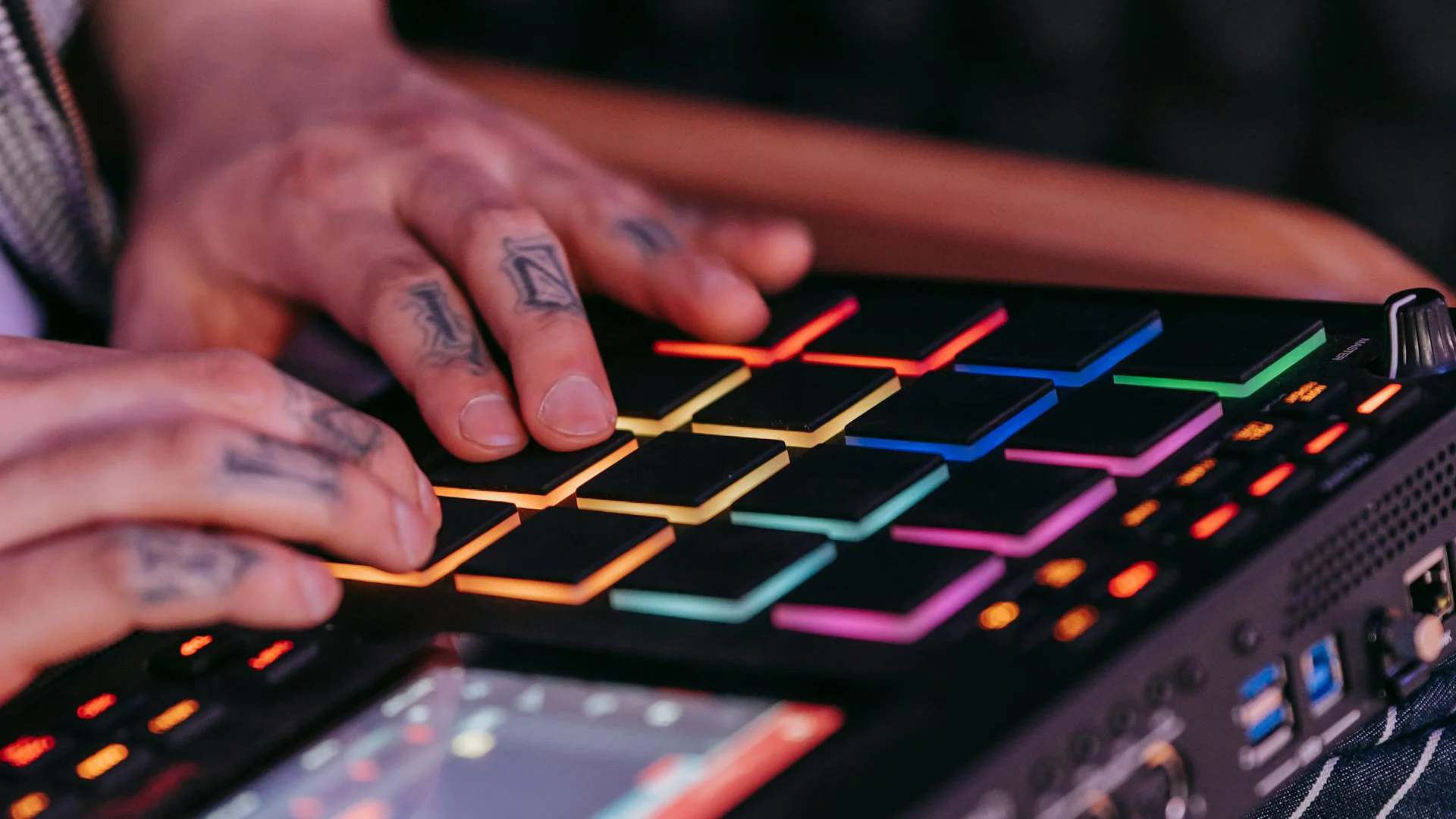
Selecting the ideal hardware sequencer requires honest assessment of your needs, workflow preferences, and existing equipment. Consider these key factors to guide your decision-making process.
Workflow Compatibility
Your preferred creative approach should dictate sequencer selection above all else. If you enjoy programming precise patterns note by note, sequencers with detailed editing capabilities excel at this. For those who prefer capturing live performances, devices with strong real-time recording and quantization like the MPC series offer better compatibility. Workflow alignment matters more than specifications, as even the most feature-rich sequencer will frustrate you if its operation contradicts your natural creative process.
Integration Requirements
Your existing equipment significantly impacts sequencer suitability. Studios centered around analog synthesizers require comprehensive CV/Gate implementation, while MIDI-focused setups benefit from multiple DIN ports and robust MIDI implementation. Ecosystem compatibility becomes particularly important when incorporating a sequencer into established configurations.
Beyond simple connectivity, consider timing stability, clock options, and synchronization behavior. Sequencers designed specifically for eurorack integration offer different strengths than those optimized for controlling vintage drum machines or modern software instruments.
Complexity Balance
Be honest about your technical inclinations when assessing sequencer complexity. Deep devices like the Octatrack reward time investment with unprecedented flexibility but demand significant learning commitment. Conversely, straightforward options like the SQ-1 support immediate creativity but may eventually reveal limitations as your skills advance.
Mobility Requirements
Your physical production environment dictates practical sequencer considerations. Compact studios benefit from space-efficient designs, while frequent travelers should prioritize durability and battery power. Portability factors include not just physical dimensions but also setup time, reliability in varied environments, and independence from specific accessories.
Budget Realities
While premium sequencers offer undeniable advantages, budget constraints needn't limit creative potential. The Korg SQ-1 delivers remarkable functionality at entry-level pricing, while mid-range options like the BeatStep Pro provide professional capability without flagship costs. Value assessment should consider not just feature lists but longevity, reliability, and resale potential.
Sequencer Workflow Tips
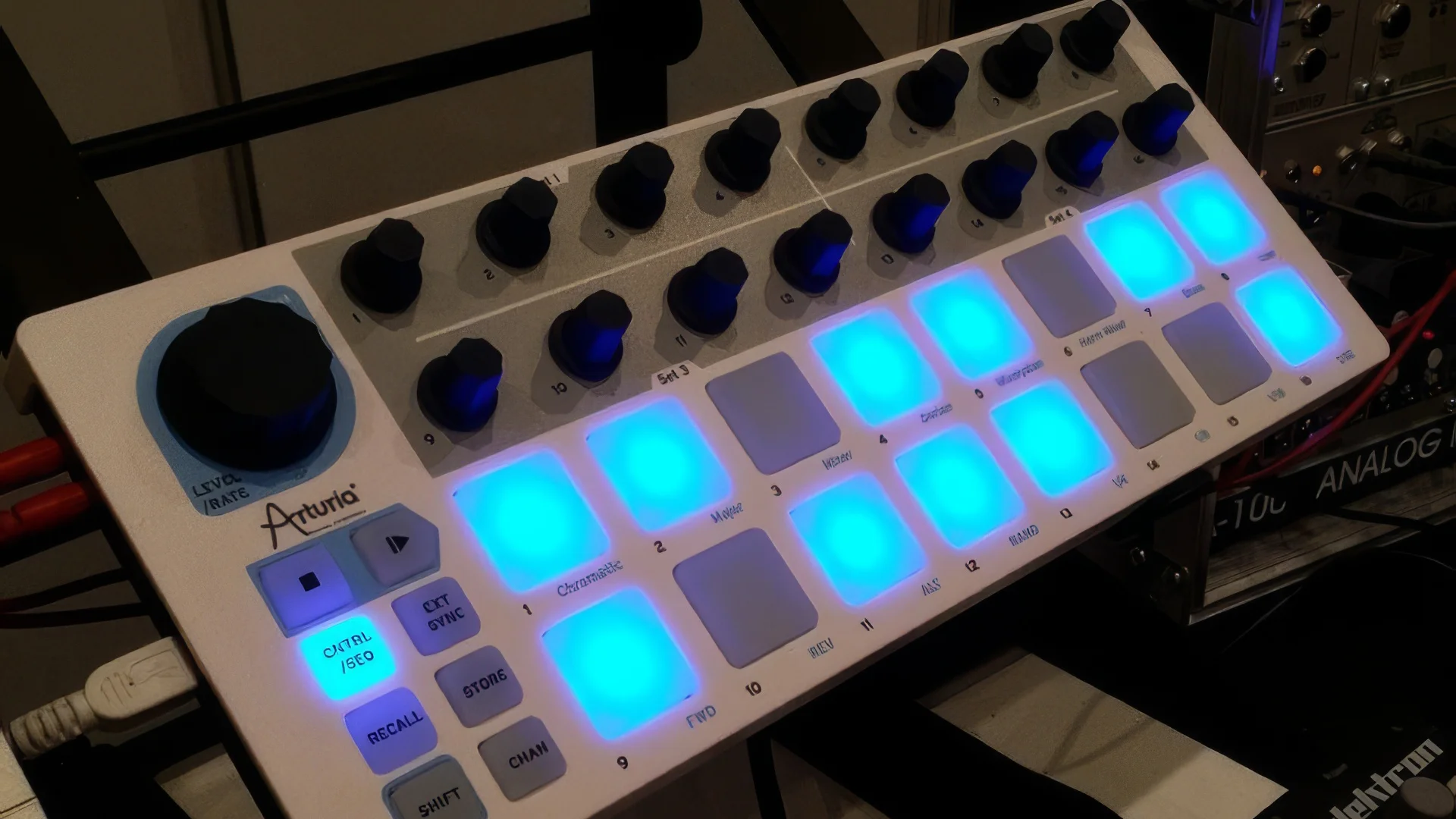
Regardless of which hardware sequencer you choose, these practical techniques will help you maximize its creative potential and integrate it effectively into your music production process.
Hybrid DAW Integration
Combining hardware sequencers with DAWs creates powerful hybrid workflows leveraging the strengths of both approaches. Use hardware for intuitive pattern creation and happy accidents, then record MIDI data into your DAW for detailed editing and arrangement. This integration preserves the tactile inspiration of hardware with the visual precision of software.
Configure your DAW to send clock signals to your hardware, maintaining perfect synchronization while recording. For maximum flexibility, record both MIDI data and audio simultaneously, providing options for both editing and capturing the authentic sound of hardware processing. This redundancy supports flexible workflows that adapt to each project's specific needs.
Creative Limitation Techniques
Counterintuitively, deliberate limitation often sparks greater creativity than unlimited options. Try restricting yourself to a single sequence length, limited note ranges, or specific rhythmic subdivisions for an entire track. These constraints force innovative solutions that might never emerge from unrestricted experimentation.
External Processing Chains
Expand your sequencer's sonic palette by controlling external processing chains. Beyond synthesizers and drum machines, try sequencing parameters on guitar pedals, sending CV to analog filters, or triggering outboard effects. This approach transforms static processors into dynamic instruments that evolve throughout your composition.
Performance Preparation
Prepare thoroughly for live hardware performances by developing consistent setup procedures and backup strategies. Create clear documentation of patch settings, cable connections, and power requirements for each piece of equipment. This preparation minimizes technical challenges during performances when problem-solving capacity is limited by time pressure.
Frequently Asked Questions
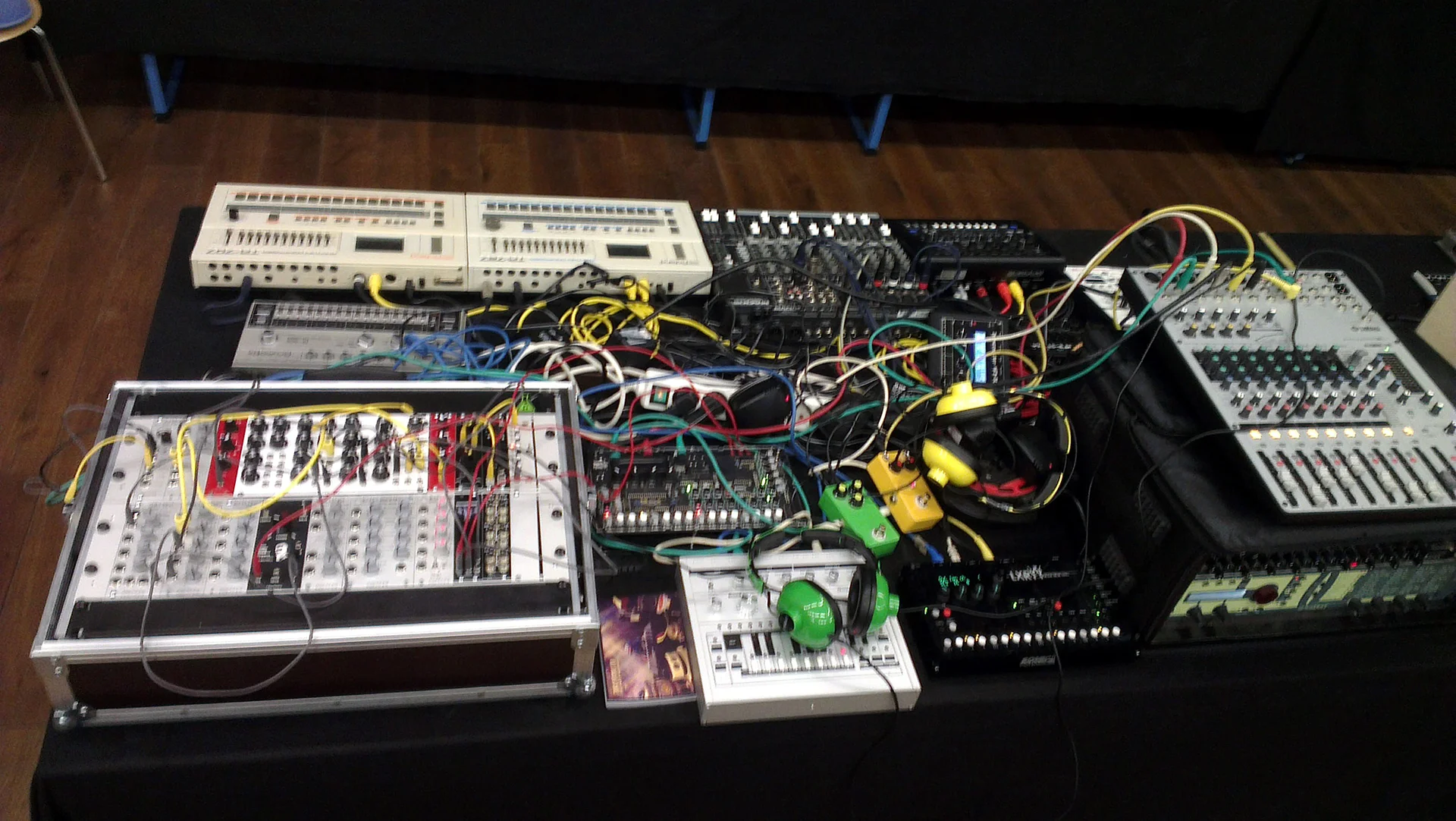
Do I need a hardware sequencer if I already use a DAW?
Hardware sequencers complement DAWs by offering tactile interaction, unique workflows, and creative constraints that inspire different musical approaches. Many producers find that hardware sequencing suggests ideas they wouldn't discover through mouse clicks alone. Additionally, hardware provides freedom from screen fatigue and can operate independently in live situations where computer reliability concerns exist.
What's the difference between CV/Gate and MIDI?
CV/Gate uses continuous voltage signals to control analog equipment, with separate wires for pitch, trigger, and modulation signals. This analog approach delivers exceptionally tight timing and smooth parameter transitions. MIDI is a digital protocol transmitting note data and controller information in discrete steps. While MIDI offers greater complexity and compatibility with digital equipment, many producers prefer CV's organic feel for controlling analog synthesizers.
Can these sequencers be used in live performance?
Most hardware sequencers excel in live performance, offering reliability and tactile control often preferred over computer-based alternatives. Live-focused features to seek include pattern chaining for creating arrangements, quick access to pattern variations, robust build quality, and clear visual feedback visible under stage lighting.
Is a groovebox a type of sequencer?
Yes, grooveboxes incorporate sequencing capabilities alongside sound generation, effects, and sometimes sampling. They represent all-in-one production tools rather than dedicated sequencers. While their sequencers might offer less depth than specialized units, grooveboxes compensate with immediate sound results and integrated workflows.
Conclusion
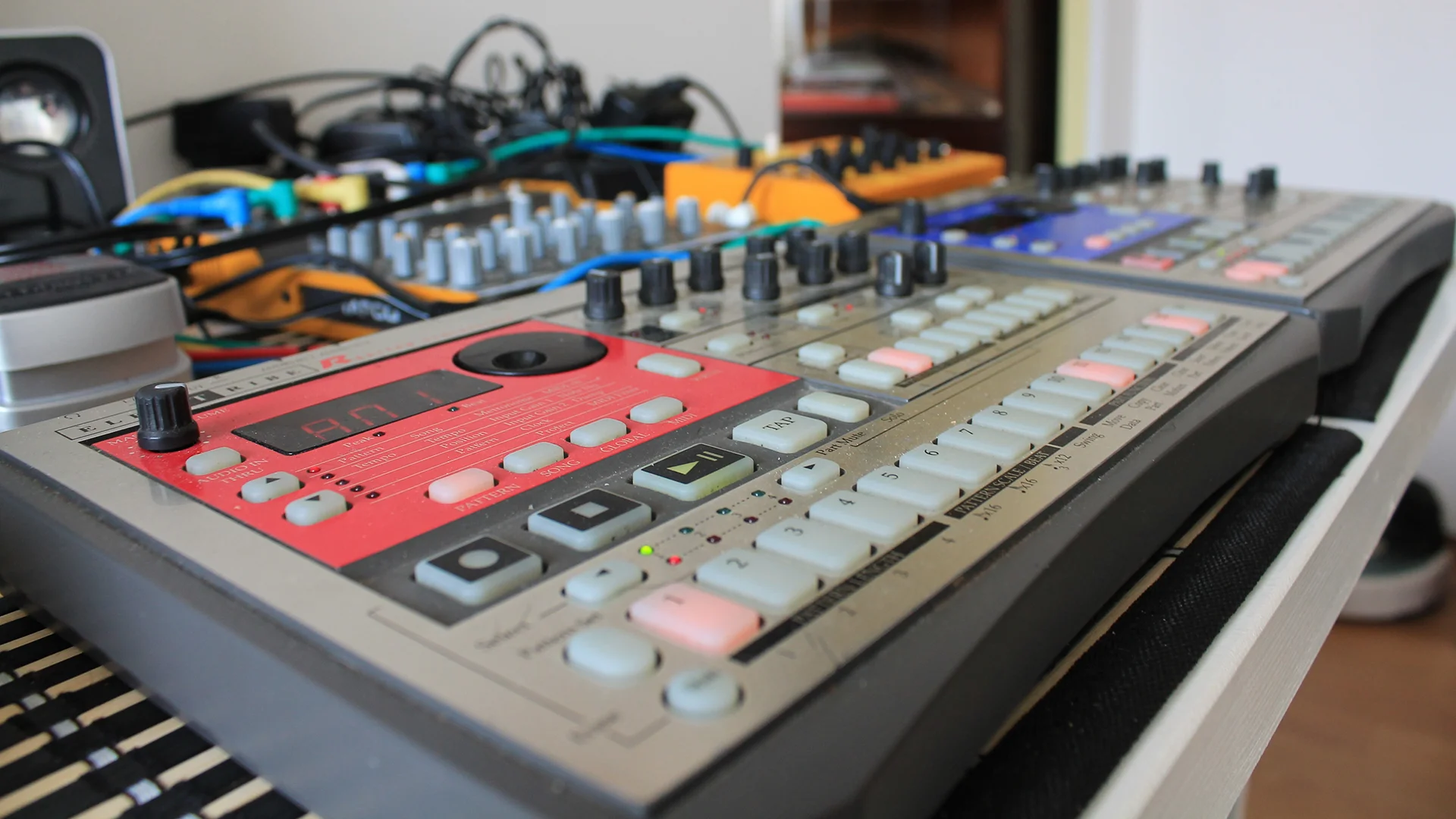
Hardware sequencers have evolved from simple pattern generators into sophisticated music creation tools that fundamentally shape how we approach electronic composition. Whether you choose the accessible versatility of the Arturia BeatStep Pro, the performance-oriented design of the Elektron Octatrack MKII, the comprehensive production environment of the Akai MPC One+, or the analog purity of the Doepfer Dark Time, today's hardware offers unprecedented creative possibilities outside the computer screen.
The resurgence of hardware sequencing reflects broader desires for tactile interaction, focused creativity, and distinctive workflow character in an increasingly digital world. Compact options like the Korg SQ-1 prove that effective hardware control doesn't require massive investment.
As you consider incorporating hardware sequencing into your music production process, focus on finding the device that complements your existing workflow while gently expanding your creative horizons. The Polyend Play offers an intuitive approach for immediate results, while the Roland AIRA MX-1 blends mixing and sequencing for dynamic performances. Each sequencer represents not just a different feature set but a distinctive philosophy about how electronic music can be created.
The best hardware sequencer isn't necessarily the one with the most features or highest price tag, but rather the one that inspires you to create music consistently and joyfully.
Top Ranked Audio Sequencers on Equipboard


About the authors

S. Jino is an accomplished multi-instrumentalist and music producer based in Kolkata, India, distinguished by his self-taught mastery and unique blend of technical acumen and musical performance. His extensive experience was forged through hands-on dedication, starting with the full restoration of a broken guitar. Jino's capabilities span keyboards, pedals, and advanced digital production, reflecting a comprehensive skill set developed independently. As a significant contributor to the music scene, Jino regularly performs with worship bands and college ensembles. He has also established himself as a reliable and authoritative professional in freelance mixing, mastering, and original music creation. Inspired by the innovative sounds of Brian May and David Gilmour, and influenced by Kolkata's vibrant metal community, Jino is committed to the intricate art of vintage gear restoration and the continuous exploration of music and technology fusion. His current professional setup, featuring a meticulously restored nameless guitar, a Fender Player Strat, and a Boss Katana 50. Read more