Table of Contents

Equipboard
Equipboard is the world's largest community of artists and their gear. Read our review process.
We are reader-supported. When you buy through links on our site, we may earn an affiliate commission. Learn more.
Our Picks


-l.webp?v=1784473034)


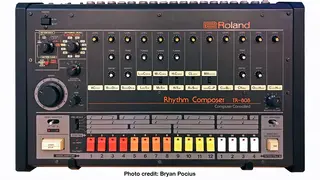
If the TR-808 was Roland's rhythmic revolution, the JUPITER-8 was its crown jewel. A statement of analog perfection that defined 1980s pop, funk, and electronic music. Unlike the 808, whose cult status came through commercial failure, the JUPITER line embodied success: a flagship designed with no compromise that became the sonic benchmark for every polyphonic synth that followed.
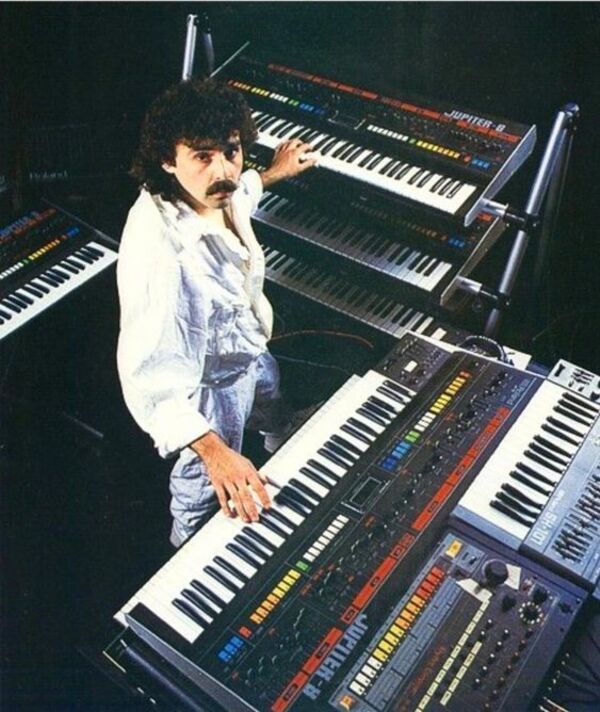
When you heard those Jupiter pads in the early '80s, it sounded like seeing color for the first time after you’ve lived in a monochrome world until then. From Michael Jackson's Thriller to Harold Faltermeyer's "Axel F," from Marvin Gaye's sparse electronic soul to Duran Duran's shimmering new wave anthems, the JUPITER series carved out a sonic territory that remains unchallenged decades later.
The Genesis of the King
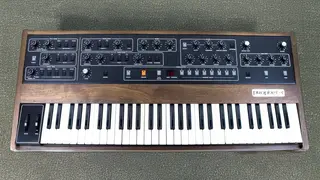
The late 1970s saw synthesizer manufacturers locked in a polyphonic arms race. Sequential Circuits had just introduced the Prophet-5 in 1978, the first fully programmable polyphonic synthesizer with patch memory.
The Compuphonic Revolution
Roland's first salvo arrived with the JUPITER-4 in 1978. Marketed as a "Compuphonic" synthesizer, this term represented Roland's approach to merging digital control with analog sound generation. While the oscillators, filters, and amplifiers remained purely analog, a microprocessor handled patch storage and parameter recall, offering musicians something revolutionary: consistency.
The JUPITER-4 introduced features that would become synonymous with Roland's flagship line. The JP-4 arpeggiator became a signature sound in early 1980s synth-pop, including notable use by Duran Duran-era setups. That juddering, rhythmic pulse came directly from the JP-4's arpeggiator, with keyboardist Nick Rhodes exploiting its up, down, up/down, and random modes to create patterns that felt alive and unpredictable.
Engineering for Perfection
While Sequential's Prophet-5 had introduced programmability, early polyphonic synthesizers suffered from a persistent problem: tuning instability. Analog oscillators drifted with temperature changes, and maintaining eight voices in perfect harmony across a keyboard was nearly impossible without constant manual adjustment.
Roland's engineering team attacked this problem with obsessive precision. Roland focused heavily on tuning stability, using calibration and compensation techniques to keep the oscillators reliable in performance conditions. Roland used digital control to enable precise parameter recall and stable performance. The result was rock-solid tuning that remained stable through hour-long performances under hot stage lights, a reliability that professional musicians desperately needed.
The Competitive Landscape
By 1981, when the JUPITER-8 finally launched, the synthesizer market had exploded with options. Sequential's Prophet-5 had established the programmable polysynth category. Oberheim's OB-Xa offered eight voices with a distinctly American character. But Roland's vision went beyond mere voice count or patch storage. They wanted to build something that sounded pristine, controlled, and unmistakably hi-fi, a synthesizer that could hold its own in the most demanding studio environments.
JUPITER-8: The Analog Masterpiece
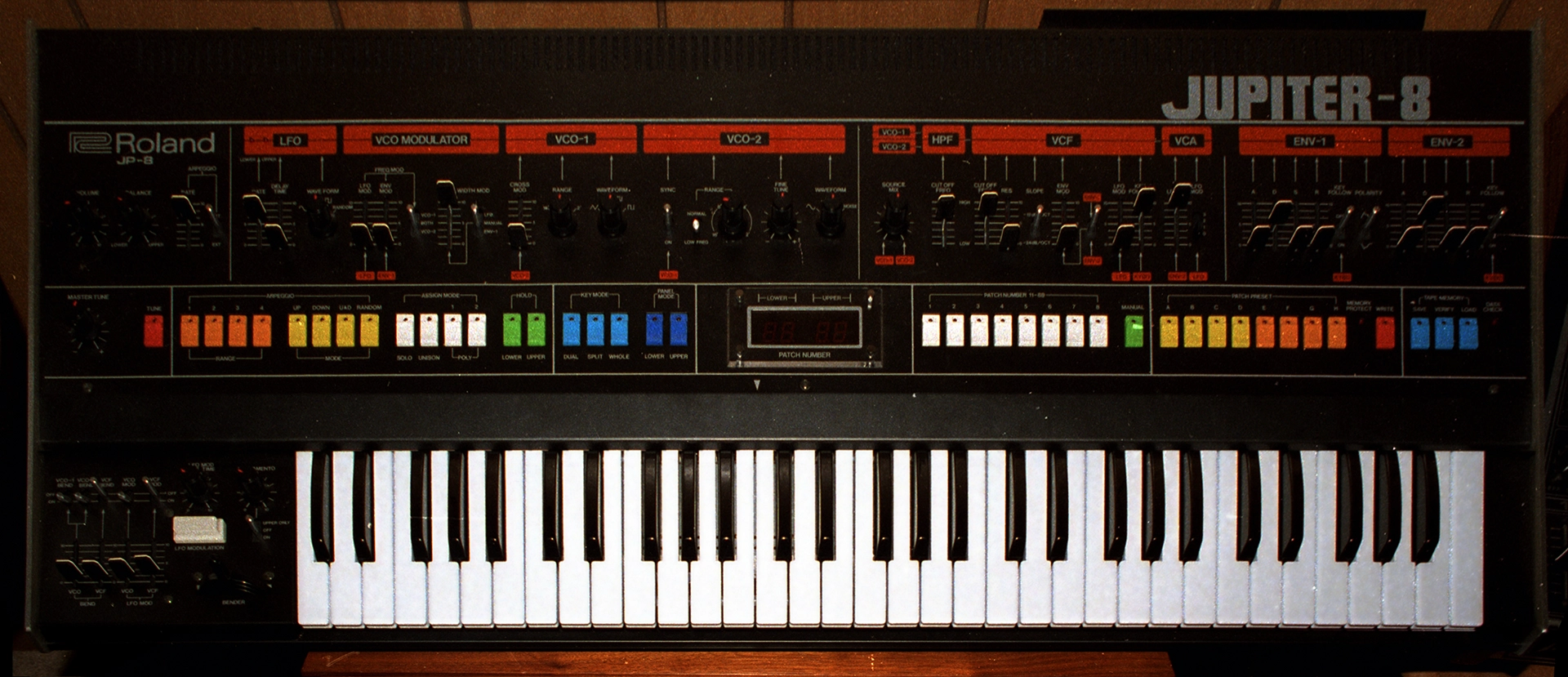
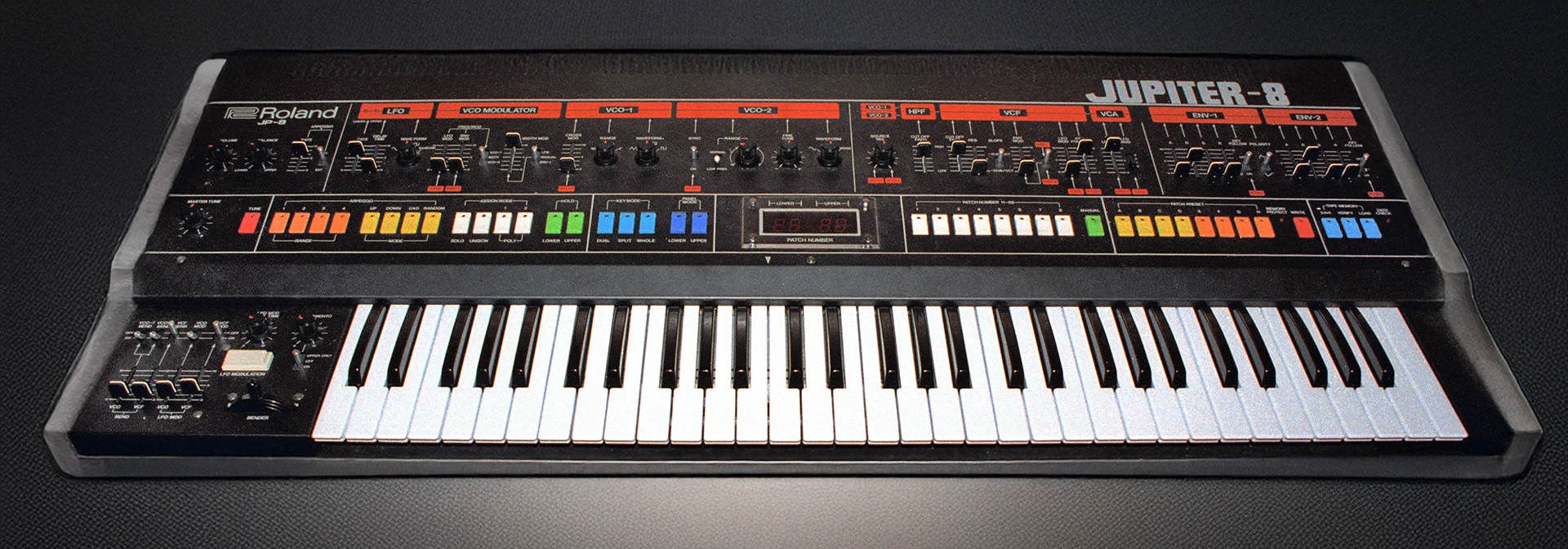
The JUPITER-8 represented everything Roland had learned about synthesis, wrapped in a sleek 61-key package weighing just under 50 pounds. Eight voices of polyphony. Full programmability. Dual oscillators per voice. And a filter section that would become the instrument's most recognizable sonic signature.
The Sound of Clarity
What separated the JUPITER-8 from its competitors came down to filter design. Each voice featured a resonant low-pass filter with a selectable slope: 2-pole (12 dB/octave) or 4-pole (24 dB/octave). This switchable configuration gave players unprecedented tonal flexibility. The 2-pole setting delivered a gentler, more open sound perfect for pads and strings, while the 4-pole mode provided the steep, classic analog sweep that worked brilliantly for bass and lead sounds.
But Roland added something unusual: a separate non-resonant high-pass filter with its own cutoff control. This dual-filter architecture meant you could carve out precise frequency ranges, creating sounds with crystalline clarity that cut through dense mixes. While Moog filters offered thick, warm character and Prophet filters provided woody American grit, the JUPITER-8 delivered pristine, hi-fi gloss.
Architectural Sophistication
The JUPITER-8's voice architecture went beyond simple polyphony. Dual oscillators per voice meant 16 oscillators total, each capable of generating sawtooth, square, and pulse waveforms. The pulse width could be modulated for subtle or dramatic timbral shifts. Cross-modulation allowed one oscillator to modulate another, creating metallic, aggressive tones. Oscillator sync produced the sharp, cutting leads that became a staple of '80s pop production.
Perhaps most impressive was the dual-patch mode. The JUPITER-8 could split its eight voices into two separate four-voice synthesizers, each with independent sound programming. You could layer two completely different patches across the keyboard or split the keyboard into distinct zones. This effectively gave you two synthesizers in one, a level of flexibility unheard of in 1981.
Control and Expression
Beyond sound generation, the JUPITER-8 offered comprehensive performance controls. A dedicated LFO section with multiple waveforms could modulate pitch, filter, or pulse width. Two envelope generators per voice (one invertible) provided precise control over amplitude and filter behavior. Portamento allowed smooth gliding between notes, essential for expressive lead playing.
The arpeggiator featured multiple modes and could sync to external clock sources at various note divisions. The rear panel included balanced XLR outputs alongside standard quarter-inch jacks, acknowledging that this instrument belonged in professional recording environments. And then there was DCB.
The Digital Control Bus
The JUPITER-8 arrived just before MIDI became the universal standard. Instead, it featured Roland's proprietary DCB (Digital Control Bus) connector, designed to interface with Roland's MC-4 and MC-8 microcomposers. These sequencers could control the JUPITER-8's parameters with a precision that foreshadowed what MIDI would accomplish just two years later.
While DCB never achieved widespread adoption (MIDI debuted in 1983 and quickly became universal), it demonstrated Roland's forward-thinking approach. The JUPITER-8 wasn't just an instrument for hands-on performance.
The Modern Echo
Contemporary producers continue discovering what made the JUPITER-8 special. Artists like Tame Impala, Floating Points, and Jacob Collier use JUPITER-8 hardware when they can find it, or rely on Roland Cloud's ACB recreations that model the original circuits with remarkable accuracy. Software emulations from Arturia and others attempt to capture that characteristic shimmer, but vintage JP-8 owners will tell you there's still something magical about the original circuits.
The sonic character remains instantly recognizable: lush without being muddy, bright without harshness, capable of both delicate pad work and aggressive lead tones. Where the Prophet-5 offers warm, woody character and the Oberheim OB-Xa provides wide stereo richness, the JUPITER-8 delivers clean, hi-fi gloss that sits perfectly in modern productions without sounding dated.
The Short-Lived Successors
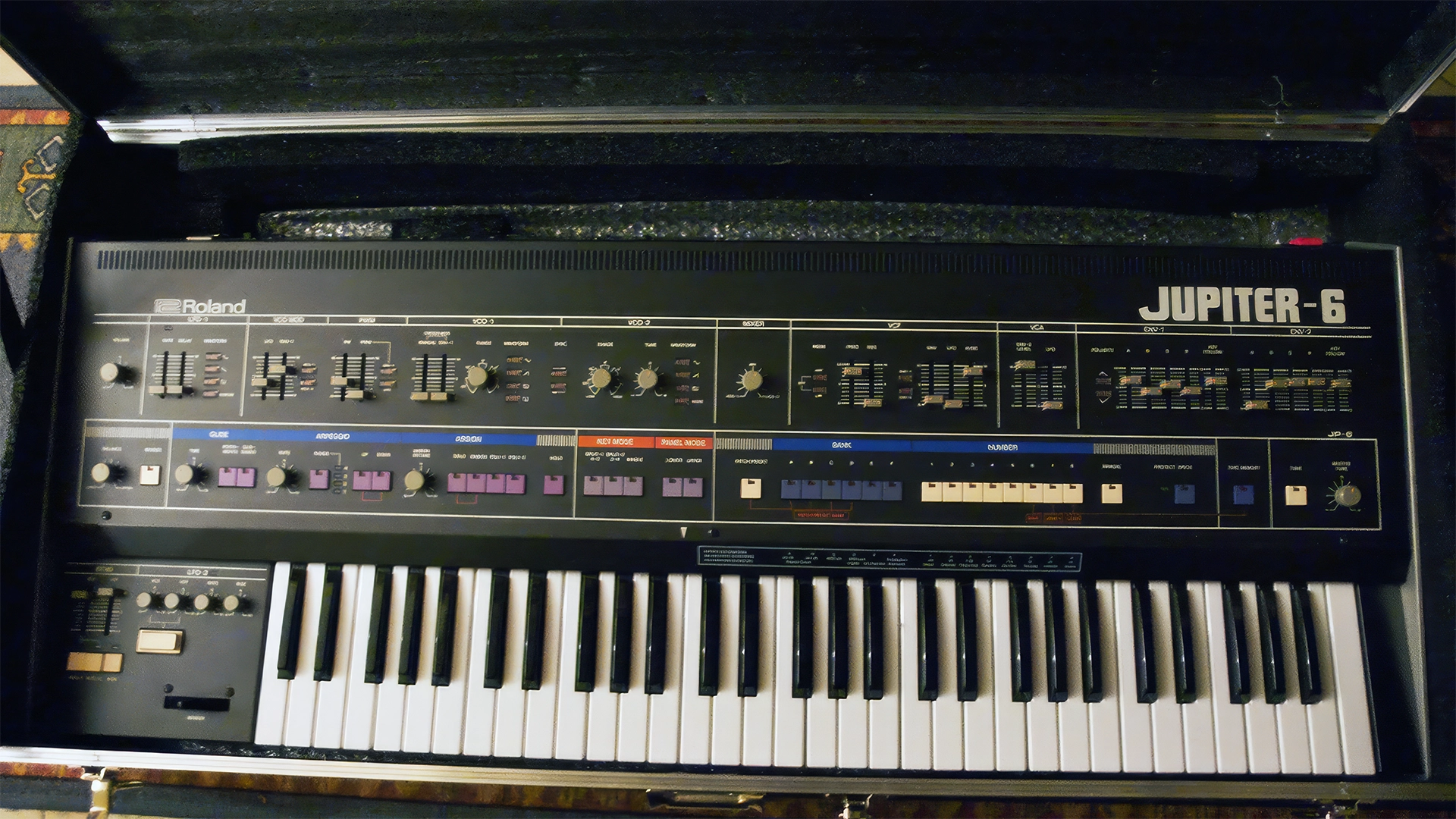
The JUPITER-8 reigned for barely two years before Roland began rethinking its flagship strategy. Market pressures and technological shifts forced difficult decisions about the future of analog synthesis.
JUPITER-6: Compromise and Evolution
In 1983, Roland released the JUPITER-6, a scaled-down sibling that made strategic concessions. Polyphony dropped from eight to six voices. The hand-built discrete VCO circuits gave way to Curtis (CEM) voice chips, the same components used in Sequential's Prophet-5. This shift reduced manufacturing costs and improved tuning stability even further, but many musicians felt the CEM chips sounded colder, lacking the organic warmth of the JP-8's discrete oscillators.
The JUPITER-6 did bring important innovations. It featured one of the very first MIDI implementations (alongside the Sequential Prophet 600), though the execution was rudimentary. There was no way to select MIDI receive channels directly on the instrument, and pitch bend and modulation wheel data weren't transmitted. Third-party developers eventually created the Europa firmware upgrade, which transformed the JP-6 into a thoroughly modern MIDI synthesizer with comprehensive controller implementation and an expanded arpeggiator.
The filter section gained a multi-mode design, allowing low-pass, high-pass, and band-pass operation from a single filter circuit. This versatility appealed to sound designers, but the overall sonic character felt more clinical than the JP-8's lush warmth.
The Juno Shift
Behind the scenes, Roland was already planning a strategic pivot. The JUPITER line represented the pinnacle of analog craftsmanship, with hand-calibrated circuits and premium components. But the market was demanding more affordable instruments with similar capabilities.
The Juno series answered this need. The Juno-6, Juno-60, and especially the Juno-106 used single-oscillator voice chips and simplified filter designs to dramatically reduce costs. These instruments couldn't match the JUPITER-8's layered complexity, but they offered their own character: warm, slightly dark tonality perfect for pads, strings, and bass. The Juno-106 became one of Roland's best-selling synthesizers, proving that the market wanted accessibility over elite craftsmanship.
This shift reflected Roland's recognition that the era of expensive, hand-built analog synthesizers was ending. The company needed products that could sell in volume, not just statement pieces for top-tier professionals and studios.
Digital Dominance
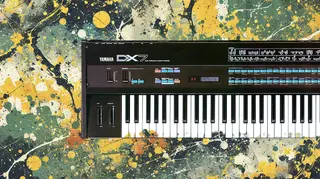
The death blow to analog's golden age came from an unexpected source. In 1983, Yamaha released the DX7, a fully digital synthesizer based on frequency modulation (FM) synthesis. Its sound was entirely different from analog: crystalline bells, electric pianos with perfect consistency, metallic textures impossible to create with subtractive synthesis.
The DX7 cost less than a JUPITER-8, offered 16-voice polyphony, held 32 patches in memory, and never went out of tune. Musicians and producers embraced it immediately. Suddenly, the lush analog pads and sweeping filter effects that defined early '80s pop sounded dated. The mid-to-late '80s would be dominated by DX7 electric pianos, crystalline FM bells, and digital clarity.
Roland responded with the D-50 in 1987, combining samples with synthesized waveforms to create a hybrid digital instrument that dominated the late '80s and early '90s. The age of flagship analog polysynths was over, replaced by digital technology that promised perfect reliability and endless sonic possibilities.
Cultural Impact & Essential Listening
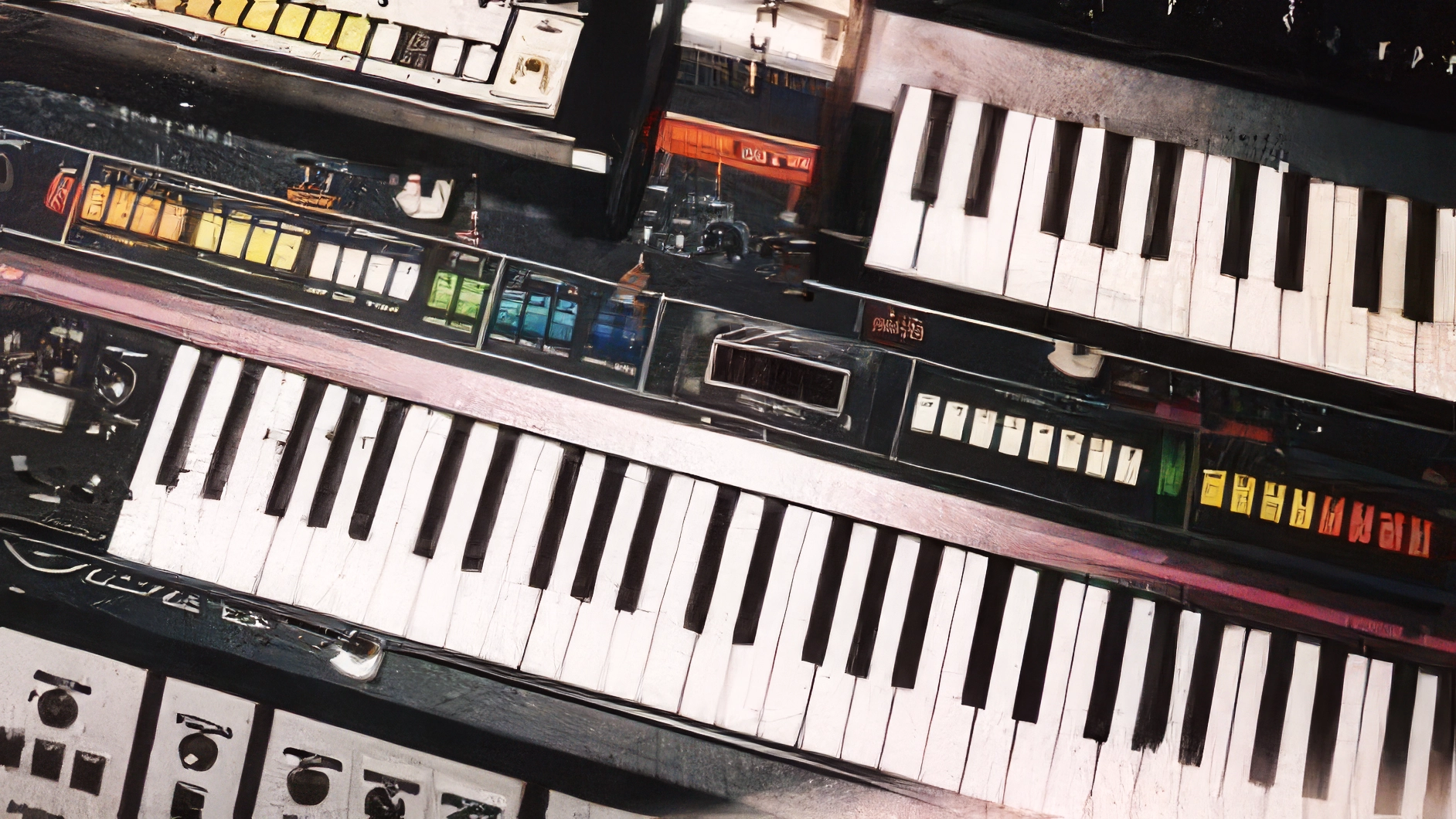
The JUPITER-8's reign may have been brief, but its influence on popular music was profound. From chart-topping pop to underground electronic experimentation, the JP-8's voice became synonymous with a particular moment in musical history.
Pop and Funk Icons
Michael Jackson's Thriller album showcases the JUPITER-8 throughout. Synth programmer Anthony Marinelli used a JP-8 for the iconic opening pads on "Thriller" itself, layering them with Yamaha CS-80 patches to create those unforgettable, cinematic textures. The Jupiter patches were detuned and panned right, providing the shimmer that defined the track's supernatural atmosphere.
Marvin Gaye's "Sexual Healing" tells a different story. Recorded in Belgium in 1982, Gaye brought a JUPITER-8 and TR-808 into the studio for sessions that would produce Midnight Love. The combination of 808 beats and JP-8 basslines and pads gave the track an alien, sparse dimension, a starkness completely unlike traditional soul production. Gaye played all the JUPITER-8 parts himself, despite not being particularly technical with synthesizers. The result was a track that sounded simultaneously intimate and futuristic.
Harold Faltermeyer's "Axel F" became the definitive showcase for the JUPITER-8's lead capabilities. Faltermeyer used the JP-8's cross-modulation and detuning features to create that modulated, aggressive lead that defined the Beverly Hills Cop theme. In interviews, he explained how the Jupiter-8's crossfeed button allowed him to force one oscillator to interact with another, creating the unique timbral movement that made the melody so instantly recognizable.
New Wave and Synth-Pop
Duran Duran built much of their sound around Roland synthesizers, with Nick Rhodes using both the JUPITER-4 and JUPITER-8 extensively. "Hungry Like the Wolf" features stacked JP-4 and JP-8 layers creating those lush, shimmering pads that defined new romantic aesthetics. Rhodes has repeatedly named the JUPITER-8 as his favorite synthesizer, praising its intuitive interface and warm sound. In his words, if he could imagine a noise in his head, chances were he could make it with the Jupiter.
Heaven 17, Vince Clarke, and Howard Jones all incorporated the JUPITER-8 into their production workflows. The instrument's ability to create both aggressive lead tones and delicate pad textures made it indispensable for synth-pop production, where every element needed to sit perfectly in dense electronic arrangements.
Film and Television
While Vangelis famously used the Yamaha CS-80 as his primary instrument for Blade Runner, the JUPITER-8 also appeared in various film and television soundtracks throughout the early '80s. Jan Hammer's Miami Vice theme showcased the Jupiter's ability to create both rhythmic patterns and atmospheric textures that defined the show's neon-soaked aesthetic.
The JUPITER-8's pristine sound quality made it ideal for soundtrack work where clarity and presence were essential. Its sounds could cut through dialogue and sound effects without becoming harsh or fatiguing, a characteristic that producers quickly recognized and exploited.
Essential Tracks
"Hungry Like the Wolf" by Duran Duran showcases the JUPITER series at its most lush and shimmering, with stacked JP-4 and JP-8 layers creating the massive pad sound that carries the verses.
"Separate Ways" by Journey demonstrates the JUPITER-8's brassy poly-lead capabilities, delivering that stadium-sized tone that cut through arena PA systems with authority.
"Axel F" by Harold Faltermeyer defines the JP-8's aggressive edge, with modulated lead patches that remain one of the most recognizable synthesizer sounds in popular music.
"Sexual Healing" by Marvin Gaye proves the instrument's versatility, showing how sparse Jupiter basslines and pads could create intimate, emotional spaces far removed from bombastic pop production.
The JUPITER Renaissance
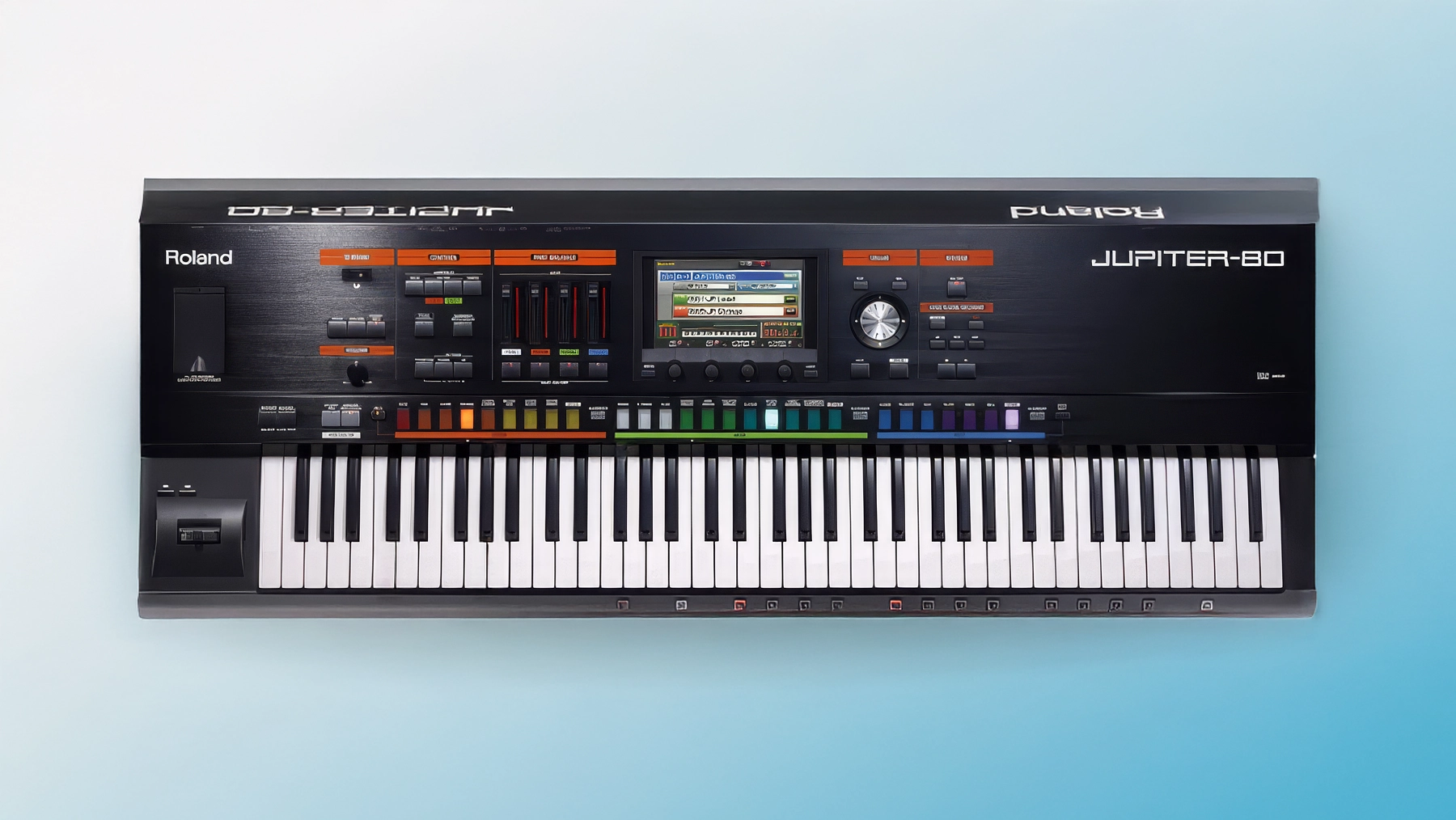
For nearly three decades, the JUPITER-8 remained frozen in time. Used instruments commanded increasingly astronomical prices as working units became scarce. Roland had moved on to digital synthesis, sample-based workstations, and modeling technology. But the company never forgot its analog heritage.
SuperNATURAL and the JUPITER-80
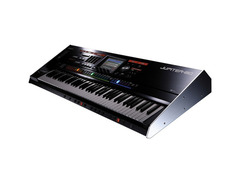
In 2011, Roland revived the JUPITER name with the JUPITER-80, a digital flagship built around Roland's SuperNATURAL sound engine. This wasn't simple sample playback. SuperNATURAL technology modeled both the sonic characteristics of acoustic instruments and their behavioral response to performance nuances.
The JUPITER-80 featured 256 voices of polyphony, allowing complex layering that would be impossible with analog circuitry. Its Live Set architecture organized sounds into Upper, Lower, Solo, and Percussion parts, with dedicated effects processors for each section. The interface featured a large touchscreen for deep editing, moving away from the knob-per-function approach of vintage analog instruments.
While the JUPITER-80 excelled at acoustic modeling and could create lush pads and atmospheric textures, it didn't specifically target the vintage JUPITER-8 sound. Instead, it represented Roland's vision of what a modern flagship synthesizer should be: versatile, powerful, and focused on real-time performance control.
[notebox:The Jupiter 80 found its audience among keyboard players who needed comprehensive sound palettes for live performance, though vintage synth enthusiasts didn't embrace it as a true JUPITER successor.
ZEN-Core and the JUPITER-X
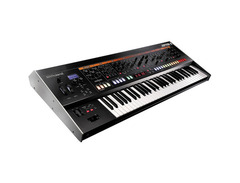
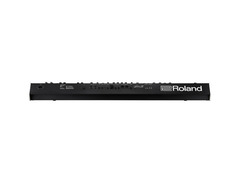
Everything changed in 2019 with the JUPITER-X and its more compact sibling, the JUPITER-Xm. These instruments marked Roland's most serious attempt to bridge vintage analog character with modern digital flexibility.
At the heart of the JUPITER-X sits ZEN-Core, Roland's next-generation synthesis engine that integrates advanced PCM and Virtual Analog technologies. But the real magic comes from specific expansions to the base engine. ACB (Analog Circuit Behavior) modeling, previously featured in Roland's Boutique series and Cloud software, simulates the actual analog circuits found in vintage Roland synthesizers with remarkable accuracy.
The JUPITER-X takes a hybrid approach. Its Model Bank feature uses ABM (Analog Behavior Modeling) to recreate multiple vintage Roland synthesizers, including the JUPITER-8, JUPITER-4, JUNO-106, SH-101, and others. Unlike ACB, which requires intensive processor power and limits polyphony, ABM captures the essential behavioral characteristics of analog circuits while allowing much higher voice counts and complex layering.
ACB vs. ABM: Different Approaches, Similar Goals
ACB focuses on simulating the exact analog circuits found in vintage instruments, modeling component-level interactions down to individual transistors and capacitors. This intensive approach delivers extraordinary accuracy for single patches and simple layers, but requires significant computing resources.
ABM takes a different path, modeling the key elements that contribute to analog character without simulating every circuit component. This allows the JUPITER-X to offer high polyphony and complex multi-layered performances, essential for modern production and live performance.
Both technologies sound excellent, and the choice between them becomes more about polyphony needs than tonal accuracy. For solo lead sounds and simple pads, ACB recreations (available through Roland Cloud) offer slightly more authentic circuit behavior.
The Modern Verdict
The JUPITER-X and JUPITER-Xm represent Roland's most comprehensive attempt to honor its legacy while embracing modern capabilities. These instruments can model vintage JUPITER-8 patches with convincing accuracy, then layer them with Juno strings, SH-101 basslines, and contemporary ZEN-Core sounds in ways the original hardware never could.
For musicians who never experienced the original JUPITER-8, these modern instruments offer access to those legendary sounds without the maintenance challenges, tuning instability, and astronomical costs of vintage hardware. For those who remember the original, the JUPITER-X provides a best-of-both-worlds solution: vintage character when you want it, modern flexibility when you need it.
| Model | Year | Engine | Voices | Key Features | Verdict |
|---|---|---|---|---|---|
| JUPITER-8 | 1981 | Analog VCO | 8 | Layer/Split, DCB | Benchmark warmth |
| JUPITER-6 | 1983 | Analog CEM | 6 | MIDI, multi-mode filter | Versatile but colder |
| JUPITER-80 | 2011 | SuperNATURAL | 256 (digital) | Layer engine, acoustic modeling | Modern flagship |
| JUPITER-X | 2019 | ZEN-Core + ABM | High (digital) | Models JP-8, Juno, SH-101 | Best of both worlds |
Frequently Asked Questions
Why is the Roland JUPITER-8 so expensive?
The JUPITER-8 commands premium pricing because of its hand-calibrated analog circuits, increasingly rare components, and unmatched build quality. Produced in limited numbers in the early 1980s, working units have become increasingly scarce, and working units become scarcer each year as components age. The combination of legendary status, limited supply, and genuine sonic superiority creates a market where collectors and professionals are willing to invest significant sums.
What's the difference between the JUPITER-8 and JUPITER-X?
The JUPITER-8 is a fully analog synthesizer with discrete oscillators, analog filters, and hand-wired circuitry from 1981. The JUPITER-X is a modern digital instrument that models the JP-8 using ZEN-Core synthesis and ABM (Analog Behavior Modeling) technology. While the JUPITER-X offers remarkable versatility, modeling multiple vintage synthesizers and providing high polyphony, it achieves this through digital processing rather than analog circuits.
Which famous songs use the JUPITER-8?
The JUPITER-8 appears throughout 1980s popular music, including "Rio" and "Hungry Like the Wolf" by Duran Duran, "Axel F" by Harold Faltermeyer, "Thriller" by Michael Jackson, and "Sexual Healing" by Marvin Gaye. The instrument's versatility meant it could handle everything from aggressive lead lines to delicate pad work, making it indispensable for pop, new wave, and electronic production throughout the decade.
What replaced the JUPITER series?
The Juno line and later the D-50 marked Roland's shift away from expensive flagship analog synthesizers toward more affordable instruments and digital synthesis. The Juno-106 became one of Roland's best-selling products, offering simplified analog synthesis at accessible pricing. The D-50, released in 1987, combined samples with synthesized waveforms to create the hybrid digital sound that dominated the late '80s and early '90s.
Can modern software accurately recreate the JUPITER-8 sound?
Roland's own ACB (Analog Circuit Behavior) technology in Roland Cloud comes remarkably close to the original JUPITER-8 sound by modeling individual circuit components. Third-party developers like Arturia also offer convincing emulations. While vintage enthusiasts can hear subtle differences, modern software recreations have reached a level of accuracy where they're entirely usable for professional production, offering the additional benefits of perfect stability and unlimited polyphony.
Conclusion
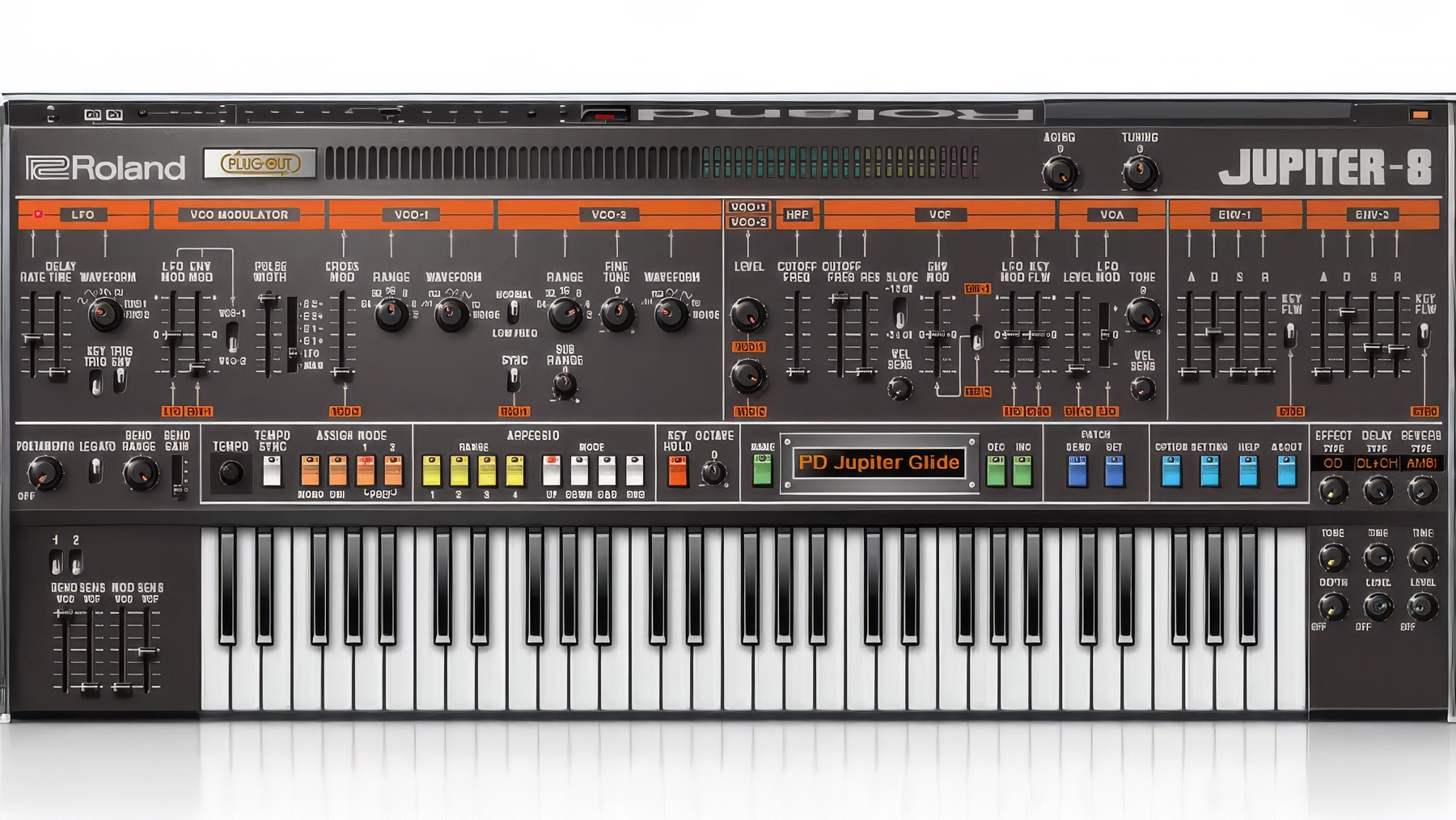
The JUPITER-8 remains one of the most sought-after vintage synthesizers ever produced, with working instruments commanding substantial investment from collectors and professionals alike. Its combination of unparalleled craftsmanship, hands-on control, and distinctive sonic character created a sound that remains the definition of high-end analog tone more than four decades after its introduction.
Roland's engineering team achieved something remarkable with the JUPITER-8: they created an instrument that sounded immediately identifiable yet never became dated. That pristine clarity, the way filters swept without harshness, the sheer weight of eight-voice polyphony properly layered, these qualities transcended the specific musical trends of the early '80s to become timeless benchmarks of synthesizer excellence.
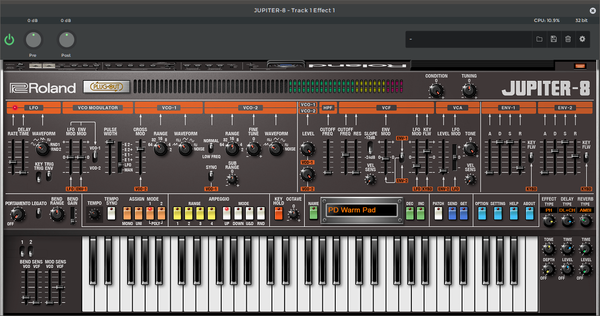
For those seeking to capture the classic JUPITER-8 sound today, Roland offers the JUPITER-8 plugin through Roland Cloud. This official software synth faithfully reproduces the original’s analog circuitry using Analog Circuit Behavior (ACB) technology. It features 8-voice polyphony, dual oscillators per voice, authentic filter behavior, and modern enhancements like tempo-synced arpeggiators and onboard effects. With compatibility across major DAWs and plug-out support for Roland's SYSTEM-8 hardware, it provides an accessible, maintenance-free way to bring the legendary Jupiter sound into any production or live setup.
The JUPITER legacy continues through modern instruments like the JUPITER-X, which brings vintage character into contemporary workflows with modeling technology that would have seemed impossible in 1981.
Roland Jupiter-8
5.0 (43)




- Majestic sound quality, often regarded as the best sounding poly synth
- Unique cross modulation function for creative sound design
- Recognizable, distinct character unmatched by imitations
- Intuitive and unpredictable for spontaneous creativity
- See 4 more
- Requires pairing with specific effects for certain classic sounds
- Maintenance and repairs can be challenging due to rare custom chips
- High cost, especially for vintage units in good condition
- Memory and modding issues may require professional servicing
See how artists use this



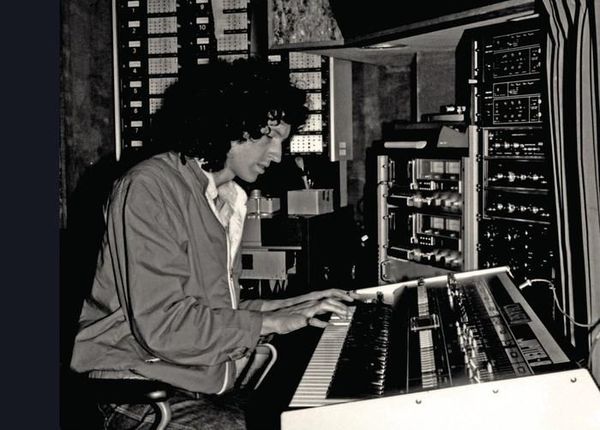


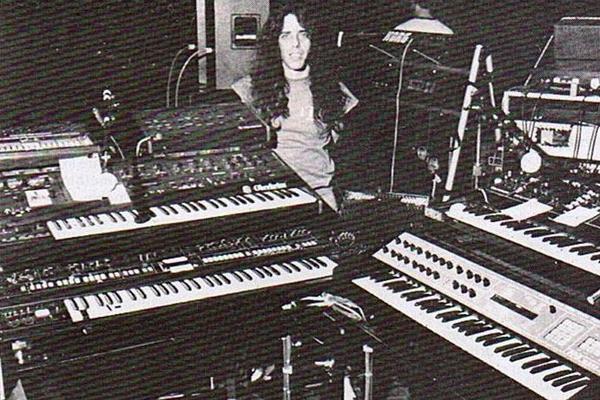

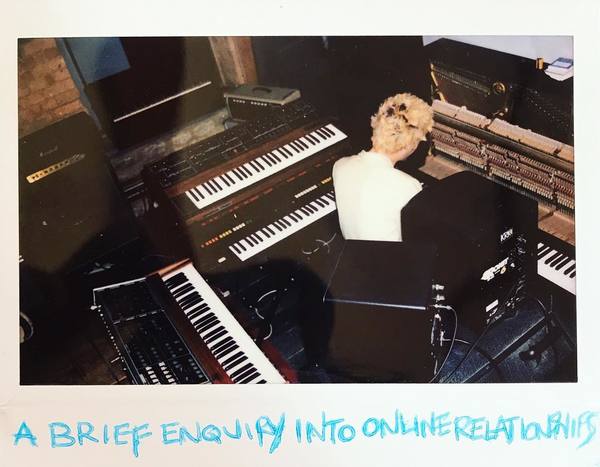
Roland Cloud Jupiter-8
4.5 (6)






- Exceptional sound reproduction nearly identical to the original Jupiter-8
- Offers incredible arpeggiator and authentic 80s sound presets
- Includes a "condition" knob for vintage character customization
- Seamless USB integration with physical keyboards
- See 3 more
- GUI could use modernization and refinement
- Initial learning curve in configuring with some DAWs
See how artists use this







Roland Jupiter-6
4.5 (37)
- Intuitive layout/interface allows for full creative control
- Capable of very complex evolving pads and aggressive, spiky sounds
- Built like a tank, durable and reliable
- Multimode filter (HPF, BPF, LPF) with unique sound characteristics
- See 6 more
- Does not sound like its sibling, the Jupiter-8; less "creamy" and "lush"
- Harder to fit into mixes due to buzziness of top end
- Some parts are nearly 40 years old and expensive to repair
- Overpriced on the secondhand market due to hype
- See 3 more
See how artists use this








Roland Jupiter-80 76-Key Synthesizer
4.5 (19)



Average Price: $1,545
High-end/Boutique
$500
$1501+
Budget
Standard
High-end
- Huge, full sound without note dropouts
- Unique digital sound with distinct character
- Versatile patch programming for fast, creative workflows
- Massive 256 voice polyphony for complex soundscapes
- See 5 more
- Market may have underestimated its value and potential
See how artists use this



.jpeg?v=1784399641)






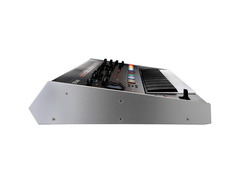
Roland Jupiter-X 61-key Synthesizer
5.0 (4)



Average Price: $2,921
High-end/Boutique
$500
$1501+
Budget
Standard
High-end
- Outstanding sound quality, including analog emulations
- Diverse sound engines and polyphony options
- High-quality keybed and build
- Real-time control over sounds
- See 6 more
- Requires external sequencing; not a standalone workstation
- Initial setup can be cumbersome, including mandatory updates via Roland's Cloud
- Some reported issues with USB stick formatting
- Limited direct control over certain parameters (e.g., PWM destination, portamento time)
- See 6 more
See how artists use this


.jpg?v=1784473994)


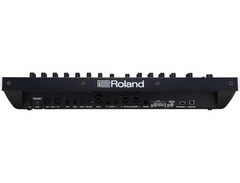
Roland Jupiter-Xm Portable Synthesizer
4.5 (7)



Average Price: $1,694
High-end/Boutique
$500
$1501+
Budget
Standard
High-end
- Superior build quality with an all-metal chassis
- Impressive emulation of vintage synths with adjustable aged sounds
- Built-in speakers offer convenience and portability
- Highly versatile with over 1,000 preset sounds
- See 6 more
- Steep learning curve due to complexity and deep menu diving
- Mini keys may limit playability for some
- Some users find the digital sound engine lacks analog warmth
- User interface and small controls can be challenging to navigate
- See 4 more
See how artists use this






.jpg)
Roland Juno-106
5.0 (191)
-s.webp?v=1784473034)
- "106 sound" brings unique happiness and inspiration
- Lush, warm analog sound with classic Roland chorus
- Simplicity of programming interface enables quick sound crafting
- Extremely versatile across genres from 80s pop to modern sounds
- See 5 more
- Original voice chips prone to failure, require replacement
- Limited features compared to similar synths (e.g., no arp, limited PWM)
- High cost for reliably serviced units
- Original circuits require regular maintenance and repairs
- See 2 more
See how artists use this



Roland Boutique JP-08
4.0 (69)
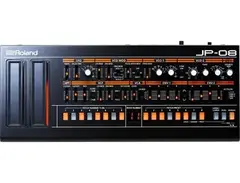
- Compact size ideal for traveling musicians
- Solid build quality
- Adds new waveforms and delay effect not found on the original Jupiter 8
- Capable of producing huge, lush sounds
- See 4 more
- Limited to 4 voice polyphony, less lush than original
- Small sliders can be challenging to use
- No MIDI cc for sliders
- Step sequencer and patch selection can be obtuse
- See 4 more
See how artists use this


.jpg)


.jpg)



Roland Juno-6
4.5 (41)
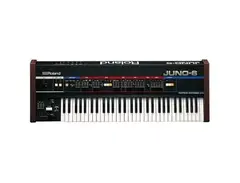
- Pure layout encourages deep learning of synthesis
- Robust faders and build quality; built to last
- Iconic 80s vintage sound with versatile sound creation
- Continuous high pass filter offers nuanced sound shaping
- See 6 more
- Lack of patch memory can be limiting for some users
- No MIDI or Roland's din sync technology in its original form
- Chorus effect can be overly pronounced and unsubtle
- Some units may require maintenance due to age
- See 1 more
See how artists use this




.jpg)


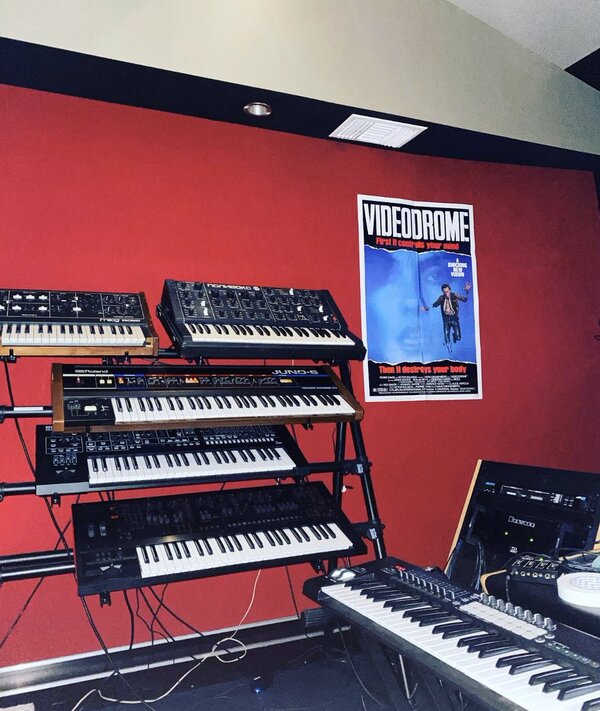

Roland Juno-60
5.0 (91)

- Has a strong sentimental value and remains a firm favorite
- Unmatched raw analog sound and 80s vibe
- Arpeggiator and transpose function add to its simplicity and charm
- Iconic, instantly recognizable sound with addictive feel
- See 5 more
- No MIDI interface in the original configuration
- Extremely limited functionality and sound variety
- Lacks basic tools and features found in other synths
- High market prices not justified by sound quality alone
- See 1 more
See how artists use this






About the authors

S. Jino is an accomplished multi-instrumentalist and music producer based in Kolkata, India, distinguished by his self-taught mastery and unique blend of technical acumen and musical performance. His extensive experience was forged through hands-on dedication, starting with the full restoration of a broken guitar. Jino's capabilities span keyboards, pedals, and advanced digital production, reflecting a comprehensive skill set developed independently. As a significant contributor to the music scene, Jino regularly performs with worship bands and college ensembles. He has also established himself as a reliable and authoritative professional in freelance mixing, mastering, and original music creation. Inspired by the innovative sounds of Brian May and David Gilmour, and influenced by Kolkata's vibrant metal community, Jino is committed to the intricate art of vintage gear restoration and the continuous exploration of music and technology fusion. His current professional setup, featuring a meticulously restored nameless guitar, a Fender Player Strat, and a Boss Katana 50. Read more
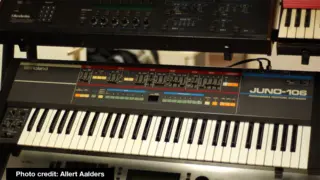








.webp)