Why the Roland Juno-106 Became the Most Approachable Analog Synth Ever Made

By Gear Experts

By Gear Experts
Table of Contents

Equipboard
Equipboard is the world's largest community of artists and their gear. Read our review process.
We are reader-supported. When you buy through links on our site, we may earn an affiliate commission. Learn more.
Our Picks

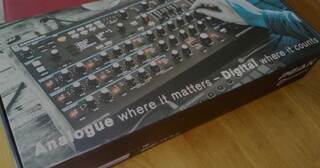
Best Hardware Recreation: The Roland Boutique JU-06A represents Roland's official answer to recreating the Juno experience in modern, compact form. This miniature powerhouse uses digital modeling to capture both Juno-6 and Juno-106 characteristics within a portable package that fits in a backpack.
Read more


Roland System-8 Plug-Out Synthesizer
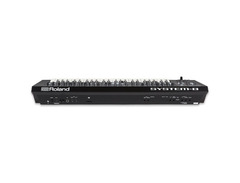
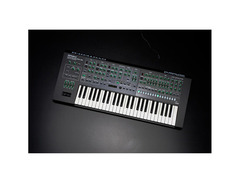
Best Multi-Model Hardware: The Roland AIRA System-8 takes a different approach, offering a powerful modern synthesizer engine that can load authentic Roland Plug-Out models, including the Juno-106. This flexibility makes it appealing for players who want multiple classic Roland sounds in one instrument.
Read more
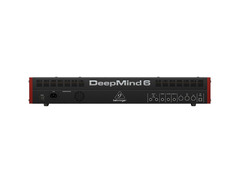
Best Modern Analog: The Behringer DeepMind series brings genuine analog circuitry and Juno-inspired architecture to accessible territory. Available in both 12-voice and 6-voice configurations, these instruments expand on the basic Juno formula while maintaining recognizable character.
Read more
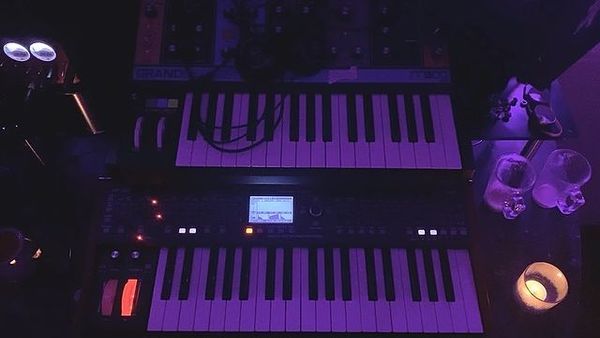
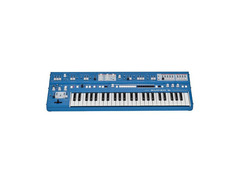
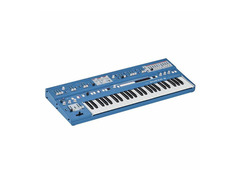
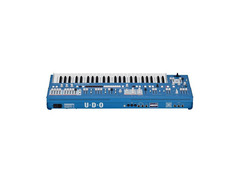
Best Premium Alternative: The UDO Super 6 occupies a different market segment entirely, offering a sophisticated binaural voice architecture that combines analog and digital synthesis. While not explicitly a Juno clone, it channels similar energy through warm, musical character and immediate playability.
Read more



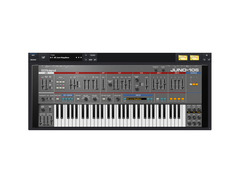
Best Software Emulation: Roland Cloud JUNO-106 delivers official emulation backed by access to original hardware and engineering documentation. This plugin aims for forensic accuracy rather than creative reinterpretation, making it the closest software alternative to actual vintage hardware.
Read more
Togu Audio Line TAL-U-NO-LX Software Synthesizer
Best Value Software Emulation: TAL-U-NO-LX stands as the most capable value Juno-106 emulation available. Togu Audio Line's plugin captures the essential character while adding useful modern features.
Read more

Best Standalone Alternative: Arturia JUN-6 V takes a different approach than some competitors, modeling the Juno-6 rather than the 106 specifically. The earlier Juno lacked MIDI but offered slightly different sonic characteristics that some prefer.
Read more
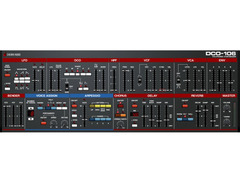
Best Affordable Software: Cherry Audio DCO-106 offers another take on Juno emulation with its own sonic character and workflow choices. The developers balanced accuracy with their own vision of what a modern Juno-style instrument should offer.
Read more
TAL-Togu Audio Line TAL-Chorus-LX
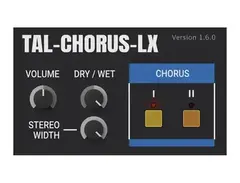
Best Free Effect Plugin: TAL-Chorus-LX focuses specifically on replicating the Juno-106 chorus circuit. This free plugin doesn't emulate the entire synthesizer but captures that crucial effect that defines so much of the Juno character.
Read moreThere's a reason producers keep coming back to the Juno-106, even four decades after its release. This unassuming six-voice polysynth has earned a reputation as the instrument that "never sounds bad." Whether you're dialing in lush pads, punchy bass lines, or shimmering leads, the 106 delivers results with remarkable consistency. Its warm, wide sound has defined countless records across genres, from '80s synthpop to modern house, synthwave, and bedroom indie.
What makes the Juno-106 special isn't raw power or endless features. Instead, it's the synth's approachability and musical immediacy. One-knob-per-function layout means no menu diving. Stable tuning means less time tweaking, more time playing. And that legendary chorus circuit transforms even basic patches into something that feels expensive and three-dimensional. For many keyboardists and producers, the Juno-106 represents their first serious encounter with analog synthesis, and it rarely disappoints.
Today, the 106 remains relevant not just as a vintage collector's piece but as an active studio tool. Its sound cuts through mixes without fighting for space. It layers beautifully with modern soft synths. And whether you're tracking a Detroit techno bassline or scoring an indie film, the Juno-106 delivers a character that digital emulations can only approximate. This guide explores everything that makes this synth a timeless classic, from its revolutionary architecture to practical patch recipes you can use today.
Birth of a Classic: Why Roland Built the 106
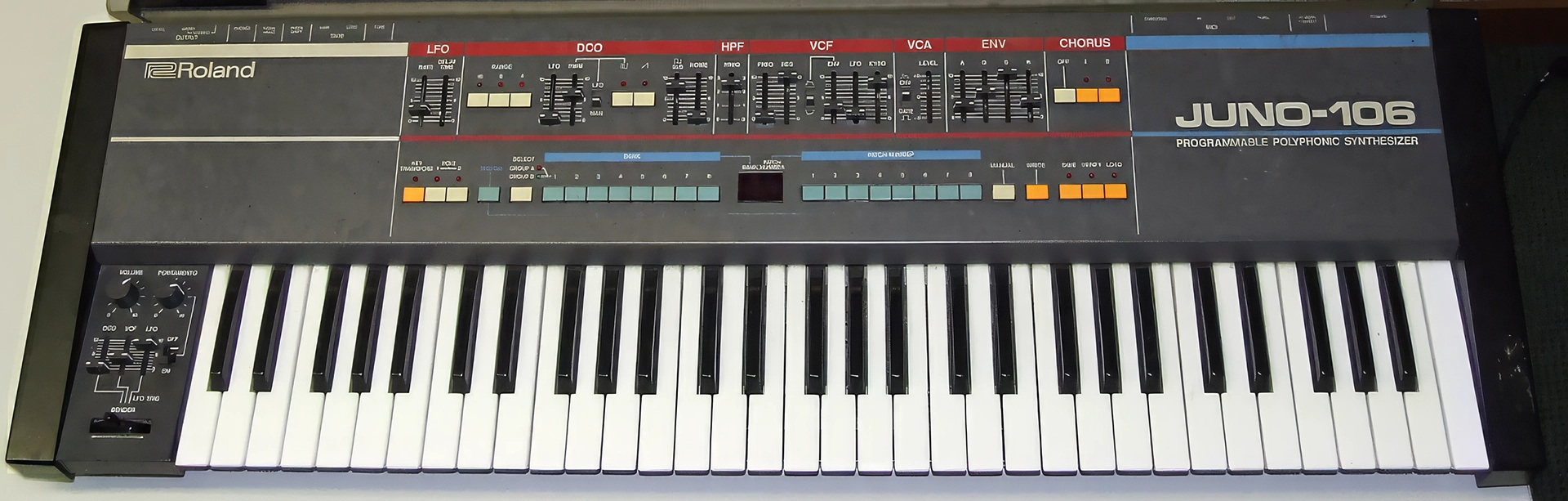
The early 1980s presented a challenge for synthesizer manufacturers. Analog polysynths sounded gorgeous but came with frustrating limitations. Voltage-controlled oscillators drifted out of tune constantly, requiring musicians to stop mid-rehearsal for adjustments. Multiple oscillators per voice drove manufacturing costs skyward, putting true polyphonic instruments out of reach for most players. Roland needed a solution that preserved analog warmth while solving these practical problems.
Their answer arrived in the form of digitally controlled oscillators. Unlike traditional VCOs that relied entirely on analog voltage to determine pitch, DCOs used digital circuitry to maintain tuning stability. The actual sound generation remained analog, preserving the warmth and character that musicians valued, but a microprocessor kept everything locked in tune. This hybrid approach proved revolutionary, allowing Roland to build affordable polysynths that stayed playable without constant maintenance.
The Juno-106 launched in 1984 as the refined successor to the Juno-6 and Juno-60. It arrived at a perfect moment in music technology. MIDI had just been standardized the previous year, and the 106 shipped with full MIDI implementation from day one.
The Rise and Fall and Rise Again
Initial reception was strong. Session players appreciated the reliable tuning. Home studio owners loved the professional sound at a manageable price point. Pop producers discovered that the onboard chorus created instant radio-ready textures. By the mid-1980s, the Juno-106 had become ubiquitous in recording studios worldwide, appearing on countless hit records without always receiving credit.
Roland discontinued the 106 in 1988, shifting focus to digital synthesis and sample-based instruments. For the next decade, used units sold cheaply as the market chased newer technology. But musical tastes proved cyclical. As electronic music experienced a renaissance in the late '90s and early 2000s, producers began rediscovering vintage analog gear. The Juno-106, with its distinctive chorus and approachable interface, suddenly found itself in demand again.
This revival came with a complication. Many units from the original production run suffered from a design flaw in the voice chips. The 80017A chips, responsible for generating envelopes and controlling the filter, used adhesive that degraded over time. As these chips failed, voices would drop out or produce distorted audio.
Cultural Context and Market Position
The 106 arrived when electronic music was transitioning from experimental underground movements to mainstream pop dominance. Artists needed instruments that could deliver lush, modern textures without requiring an engineering degree to operate. The Juno-106 fit this need perfectly. While competitors offered more complex routing or additional oscillators, few matched the 106's combination of sound quality, ease of use, and MIDI integration at its price point.
What Makes the Juno-106 Sound Like Juno?
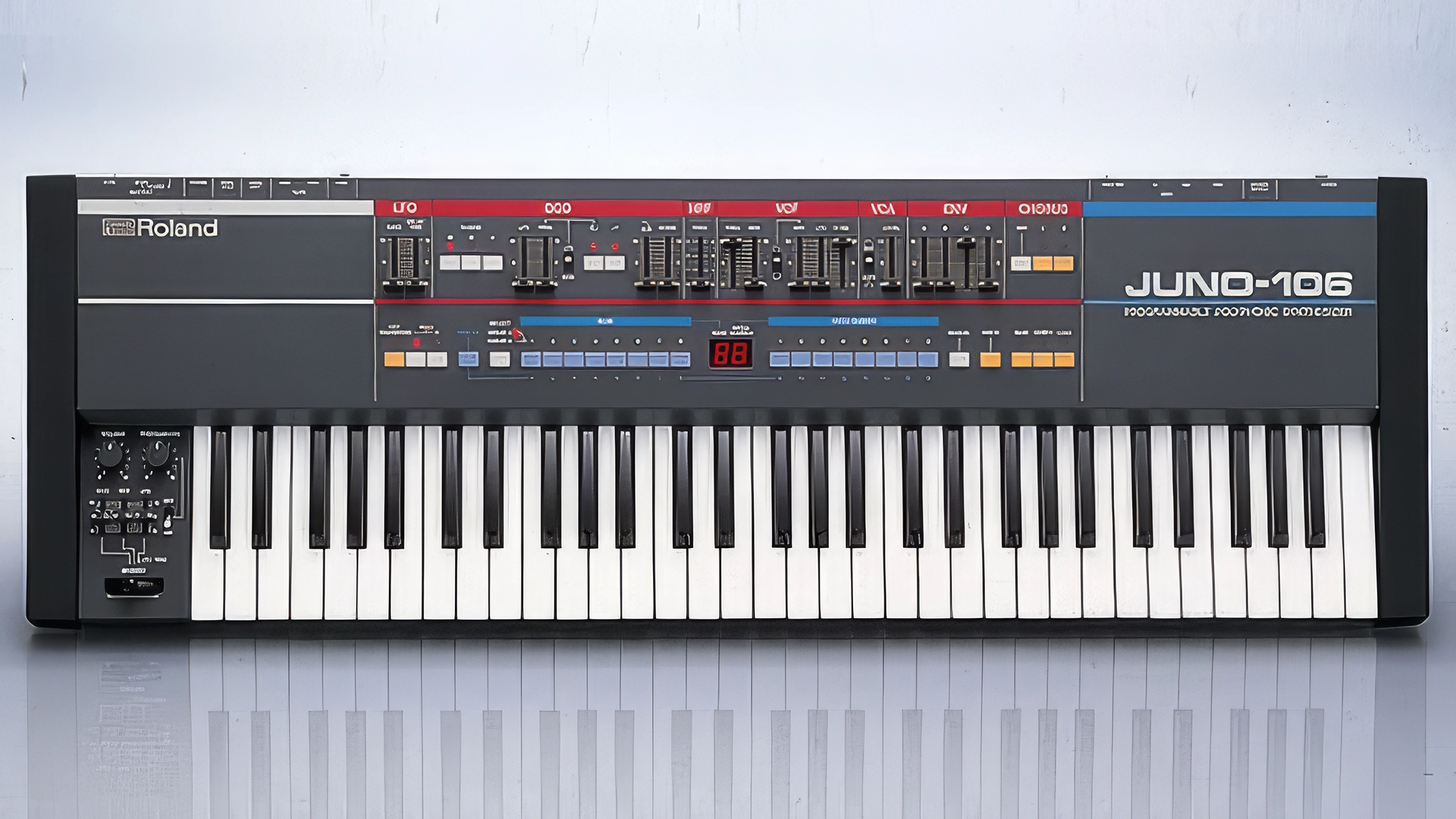
The Juno-106's voice structure follows classic subtractive synthesis principles but implements them with specific choices that create its signature character. Each of the six voices contains identical signal paths, ensuring consistent behavior across the keyboard range.
Oscillators: The DCO Foundation
Each voice generates sound using a single digitally controlled oscillator. Unlike earlier analog polysynths with multiple VCOs per voice, the 106 relies on one oscillator supplemented by a sub-oscillator for thickness. The DCO produces two primary waveforms: sawtooth and pulse, with the pulse wave featuring pulse width modulation controlled by the LFO or envelope.
The sawtooth wave provides bright, harmonically rich tones perfect for leads and brass sounds. Its sharp attack and full harmonic content cut through dense mixes without sounding harsh. The pulse wave, especially when modulated, creates those hollow, evolving textures that define '80s synthpop and modern synthwave. Set the pulse width narrow for thin, reedy tones, or wider for fuller, more present sounds.
The sub-oscillator adds crucial weight to patches. Running one octave below the main oscillator, it reinforces the fundamental frequency and adds low-end presence. This proves especially valuable for bass sounds and pads where solid foundation matters more than complex harmonic movement. Mixing the sub-oscillator with the sawtooth wave creates immediately thick textures that sound expensive and full.
The Filter: Warm and Musical
The Juno-106 employs a 24dB resonant low-pass filter that shapes the oscillator's raw waveforms into musical sounds. This four-pole design removes high frequencies as you turn the cutoff knob down, creating everything from warm pads to aggressive bass tones. The filter resonates without becoming shrill or whistling at extreme settings, maintaining musicality across its range.
One underappreciated feature lives on the left side of the panel: the high-pass filter slider. While most players focus on the resonant low-pass section, this simple HPF control offers powerful mixing capabilities. Sliding it upward removes low frequencies, allowing Juno pads and strings to sit in arrangements without competing with bass instruments. This proves invaluable for creating layered textures that maintain clarity rather than turning into muddy sonic soup.
The filter envelope determines how the cutoff frequency changes over time. The 106 provides standard ADSR controls that respond quickly enough for plucky, percussive sounds while offering slow, evolving sweeps for atmospheric patches.
Modulation and Movement
The LFO serves as the primary modulation source, capable of affecting three destinations: oscillator pitch for vibrato effects, pulse width for timbral movement, and filter cutoff for rhythmic wah sounds. The LFO offers two waveforms: triangle for smooth, musical modulation, and square for stepped, dramatic changes. Rate control spans from glacially slow evolving textures to fast, tremolo-like effects.
The amplifier envelope controls volume over time with independent ADSR settings. This section responds quickly, making the 106 suitable for bass lines and leads despite its reputation as a pad machine.
The Chorus: Defining Character
No discussion of Juno-106 sound would be complete without addressing the onboard chorus. This BBD analog circuit does more to define the instrument's character than any other single feature. The chorus uses analog bucket-brigade delay chips to create short delays with slight pitch modulation, thickening the sound and creating the illusion of width and depth.
The 106 offers two chorus modes via dedicated buttons. Chorus I provides subtle thickening suitable for leads and bass lines where you want presence without excessive wash. Chorus II delivers deeper, more obvious modulation that transforms even simple sawtooth waves into lush, expensive-sounding textures.
A less documented feature involves engaging both chorus buttons simultaneously. This "secret mode" combines elements of both chorus types, creating an even denser, more complex modulation. The effect proves particularly useful for massive pad sounds where maximum width and depth matter more than pristine clarity. However, this stacked chorus also introduces more background noise, which some producers embrace as part of the aesthetic while others avoid in modern productions.
The chorus circuit operates in stereo, with modulated and dry signals appearing at separate outputs. This stereo operation proves crucial for the 106's three-dimensional quality. Single patches suddenly occupy space in the stereo field, making them feel larger than their actual sonic footprint would suggest. Critical mixing tip: While chorus enhances pads and leads beautifully, bass sounds typically benefit from bypassing the effect entirely.
Cultural Impact and Essential Listening
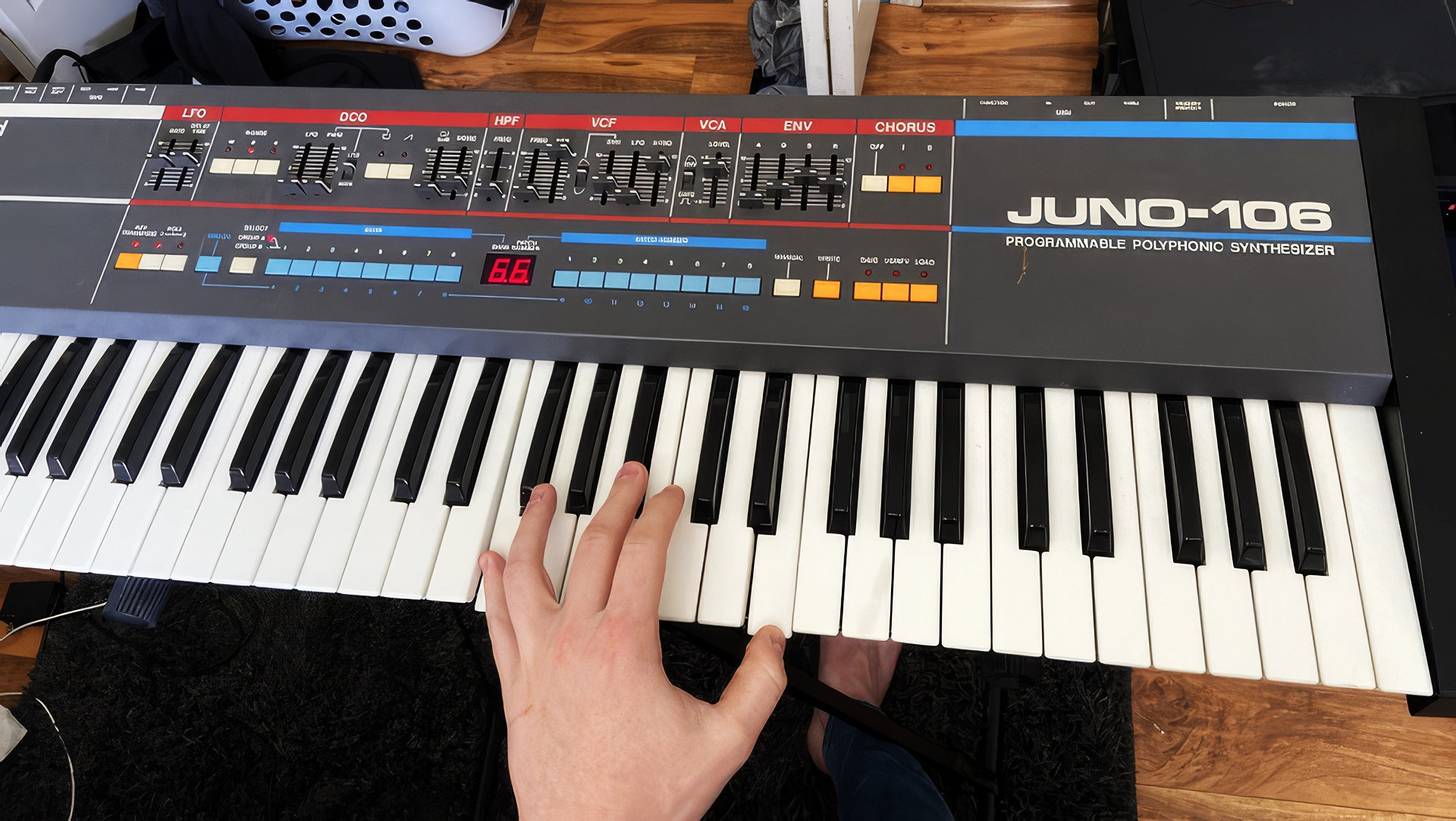
The Juno-106's influence spans multiple genres and generations of electronic music. Its sonic signature appears on so many records that cataloging them all would prove impossible. Instead, examining key moments where the 106 played a defining role reveals how this synth shaped popular music across four decades.
Synthpop and New Wave Foundations
The mid-1980s belonged to synthesizers, and the Juno-106 became one of the decade's defining voices. A-ha crafted "Take On Me" using multiple synthesizers, but the Juno-106 contributed crucial pad and texture elements. The song's production, sophisticated yet accessible, demonstrated how electronic instruments could create emotionally resonant pop music rather than cold, sterile experiments. This accessibility proved central to the 106's appeal. Unlike more complex instruments that required deep technical knowledge, the Juno invited musical exploration.
House Music and Electronic Dance Roots
As house music emerged from Chicago and techno developed in Detroit, the Juno-106 found a new calling. Producers working with limited budgets appreciated the synth's affordability and immediate results. The 106 could deliver thick bass lines, shimmering pads, and percussive stabs all from a single instrument. Its MIDI implementation meant it integrated seamlessly with the drum machines and sequencers driving these new genres.
Daft Punk brought Juno sounds back to prominence with their debut album "Homework" in 1997. "Voyager" showcases classic 106 characteristics: that liquid, filtered bass line and the bright, punchy lead sounds. The French duo's retro-futuristic aesthetic helped spark renewed interest in vintage synthesizers, pushing Juno-106 prices upward as producers sought to capture similar tones.
Modern Revival and Bedroom Production
The 2000s and 2010s witnessed electronic music's continued evolution, but vintage sounds maintained their appeal. Tame Impala brought psychedelic synth textures back to indie rock, with the Juno-106 contributing to tracks like "Eventually." Kevin Parker's production style, mixing vintage gear with modern techniques, demonstrated that the 106 remained relevant decades after its introduction.
Boards of Canada helped define the sound of nostalgic, lo-fi electronic music. While their exact gear choices remain somewhat mysterious, the Juno aesthetic permeates their work. Those detuned, slightly degraded synth textures and warm pad sounds reflect the 106's influence even when the actual hardware might not have been used. Com Truise similarly channels Juno energy throughout his catalog, creating thick, chorus-heavy synthscapes that pay homage to the '80s while pushing forward.
Genre Crossing and Lasting Relevance
What explains the Juno-106's persistence across such diverse musical contexts? Part of the answer lies in its sonic neutrality. The 106 doesn't impose a strong character on every patch. Yes, the chorus adds signature texture, but the basic oscillator and filter sound relatively clean and versatile. This allows the instrument to adapt to different genres rather than stamping everything with an immediately recognizable fingerprint.
The other factor involves timing and market penetration. The 106 appeared in so many studios during the pivotal mid-'80s period that it became deeply embedded in our collective sonic memory. When modern producers want to evoke that era or capture those feelings, Juno sounds provide instant recognition and emotional connection. This created a feedback loop where new music using 106 textures reinforces the instrument's iconic status, keeping it relevant for subsequent generations.
Hands-On: Patch Recipes
These patch recipes provide starting points for classic Juno tones. Each recipe assumes you're starting from an initialized patch with all settings at their default positions.
| Patch Name | Oscillator | Filter | Filter Envelope | Amp Envelope | LFO | HPF | Chorus | Playing Tip |
|---|---|---|---|---|---|---|---|---|
| Classic Juno Pad | Sawtooth wave Sub: 50% Pulse: Off PWM: Off | Cutoff: 60% Resonance: Low (10-15%) Env Amount: 20% | Attack: 40% Decay: N/A Sustain: Full Release: 50-60% | Attack: 40% Decay: N/A Sustain: Full Release: 50-60% | Off | 30-40% | Chorus II | Play gently with sustained chords. Let notes overlap slightly for wash of harmony. Slow attack prevents harsh transients. |
| Chorus Bass | Pulse wave only Sub: Maximum PWM: 30% (Env mod) | Cutoff: 40% Resonance: 50% Env Amount: 60-70% | Attack: Fast Decay: 40% Sustain: 40% Release: Short | Attack: Fast Decay: 0 Sustain: Full Release: Fast | Off | Minimum | Off | Hit notes firmly for maximum filter opening. Play gently for controlled, darker tones. Keep lines simple and rhythmic. |
| Classic House Stab | Sawtooth wave Sub: Off Pulse: Off | Cutoff: 70% Resonance: 40-50% Env Amount: 80% | Attack: Fast Decay: 20-30% Sustain: 20% Release: Very short | Attack: Fast Decay: Short Sustain: 20% Release: Short | Off | 20-30% | Chorus I (optional) | Best as rhythmic accents played as chords. Try minor/major seventh voicings spread across two octaves. |
| Sequenced ARP/Plucks | Pulse wave Sub: 30% PWM: 40% (no mod) | Cutoff: 60% Resonance: 30% Env Amount: 70% | Attack: Fast Decay: 30% Sustain: 50% Release: Short | Attack: Fast Decay: Short Sustain: 60-70% Release: Short | Off | 30% | Chorus I (optional) | Shine when sequenced or arpeggiated. Keep note lengths short (1/16th notes). Don't overlap notes for clarity. |
| Slow Attack Strings | Saw + Pulse (50% each) Sub: Off PWM: 20% (LFO mod) | Cutoff: 50% Resonance: 10-15% Env Amount: 40% | Attack: 60-70% Decay: N/A Sustain: Full Release: 60% | Attack: 60-70% Decay: N/A Sustain: Full Release: 60% | Triangle wave Very slow rate PWM: 30-40% | 40% | Chorus II | Play chords and hold them. Let slow attack create natural dynamics. Work as background texture. |
| Wobbly Vibrato Lead | Sawtooth wave Sub: 40% Pulse: 20% (optional) | Cutoff: 70% Resonance: 40% Env Amount: 60% | Attack: Fast Decay: 40% Sustain: 60% Release: Medium | Attack: Fast Decay: Medium Sustain: 70% Release: Medium | Triangle wave Moderate rate Pitch: 40-50% Filter: 30% (optional) | 20% | Chorus I (optional) | Play melodic lines with varied note lengths. Use longer notes to showcase vibrato, shorter notes stay tight. |
Juno-106 in Modern Production
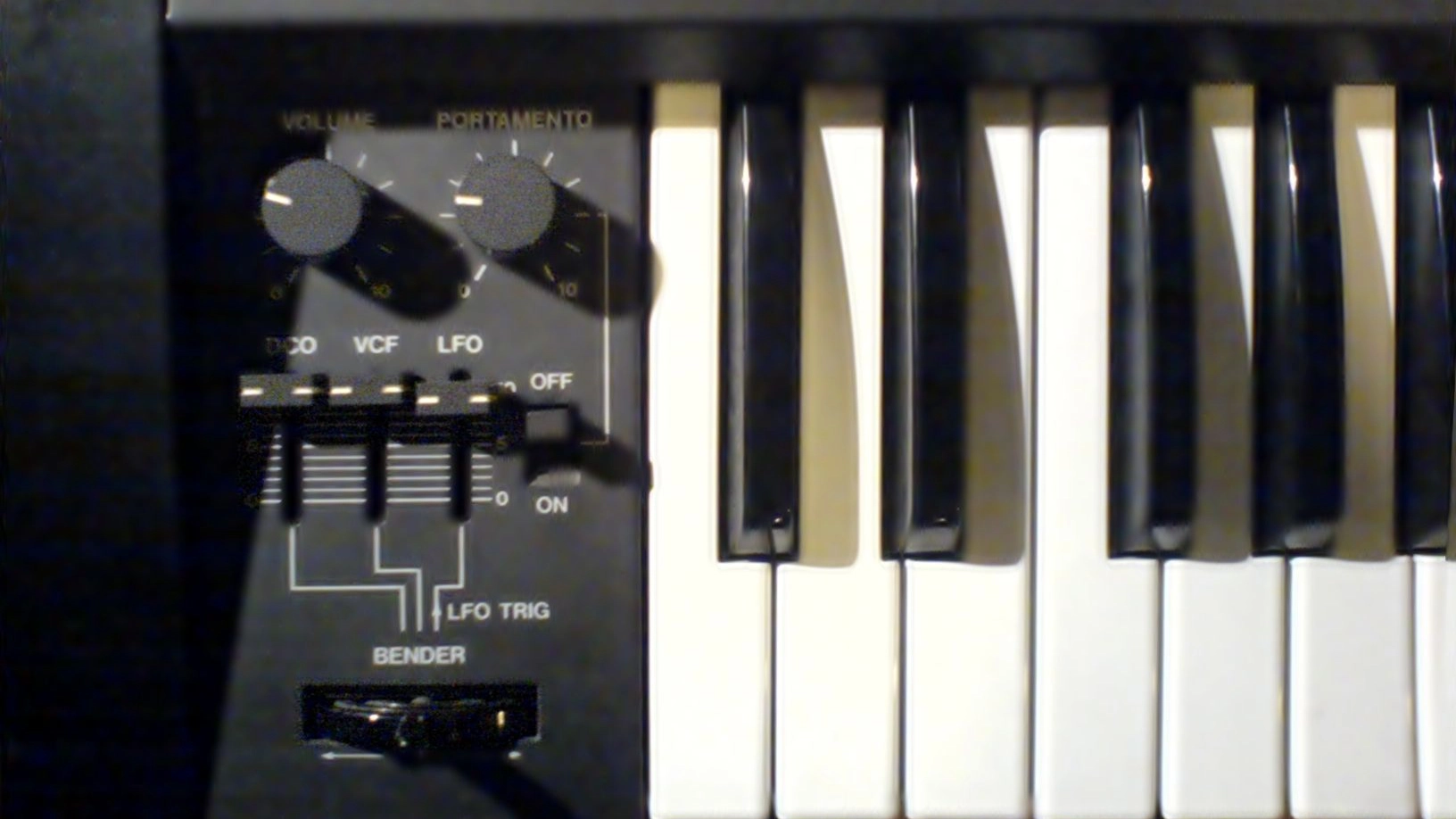
Understanding how to integrate the Juno-106 into contemporary productions requires thinking beyond the synth in isolation. Whether using hardware or software emulations, specific techniques help these vintage sounds sit properly in modern mixes while maintaining their character.
Stereo Width and Mix Placement
The chorus circuit creates beautiful stereo width, but dense arrangements require careful management. Use the high-pass filter aggressively, sliding it up to 50 percent or higher to remove low frequencies where stereo information causes phase issues. This keeps the pad's width in the mid and upper frequencies where it enhances rather than conflicts. Modern mixing technique: If your DAW allows mid-side processing, narrow the low frequencies while keeping the highs wide.
Taming Chorus Noise
The analog chorus adds subtle background noise that becomes noticeable in quiet passages. Break up sustained pads with rests or shorter phrases to reduce noise exposure. Gentle high-frequency roll-off above 8-10 kHz removes hiss while preserving tone. Noise gates work well when Juno parts play alongside other elements, maintaining vintage character during musical passages while providing clean silence between them.
Layering and Modern Integration
The Juno-106 excels when layered with other synthesizers. Layer a bright digital pad beneath Juno patches at 60-70 percent volume for hi-fi clarity with vintage warmth. For bass, use a modern sub-bass synthesizer below 100 Hz while the Juno handles harmonic content from 100 Hz to 800 Hz.
Granular processing works particularly well with Juno textures, creating evolving soundscapes that maintain organic quality. Saturation adds thickness to pads and aggression to leads without destroying character. Flangers, phasers, and rotary speaker emulations expand sonic possibilities beyond the onboard chorus, offering different flavors while respecting the 106's basic signature.
What to Buy Instead (If You Want the Juno Sound)
The original Juno-106 delivers authentic vintage tone but comes with practical challenges: limited availability, potential voice chip issues, and prices that continue climbing. Fortunately, numerous alternatives capture the essential Juno character while offering modern reliability and features.
Roland Boutique JU-06A
5.0 (12)
The Contemporary Chorus King









Average Price: $448
Budget/Beginner
$500
$1501+
Budget
Standard
High-end
- Accurate analog modeling of Juno 106 and 60
- Includes original factory presets, arpeggiator, and sequencer
- Compact size, solid build, and portable with battery option
- Easy to use and program, even for beginners
- See 6 more
- 4-voice polyphony limit vs. original 6-voice
- Small controls can be challenging for those with larger hands
- Built-in audio interface not compatible with Linux
- Some find the K25M keyboard dock overpriced
- See 2 more
Sound Quality and Features
The JU-06A's sound engine impresses with its attention to detail. The oscillators capture that stable DCO character, while the filter modeling reproduces the warmth and musical resonance of the original. Most importantly, the chorus algorithm sounds convincingly analog, with that characteristic width and subtle imperfection that defines the Juno aesthetic. You won't mistake it for actual hardware in every situation, but in the context of modern productions, the differences become academic rather than practical.
The interface shrinks the original's one-knob-per-function layout into miniature controls that require adjustment. The tiny knobs and sliders feel less immediate than the full-size 106, though everything remains accessible without menu diving. Roland includes both headphone and line outputs, USB audio interface functionality, and battery operation for portable use. These modern conveniences offset the compromised ergonomics.
Four-voice polyphony represents a step down from the original's six voices. This limitation affects complex chord voicings and layered patches but rarely causes problems in typical usage. Most chord progressions and bass lines work fine within four voices. If you regularly play dense jazz voicings or classical arrangements, the voice limitation might frustrate, but for electronic production and pop contexts, four voices suffice.
Practical Considerations
The JU-06A serves different needs than original hardware. Studio producers who want authentic Juno sounds for recording will find it delivers those textures reliably. Live performers working in electronic or synth-pop contexts benefit from the portability and dependability. Keyboardists wanting authentic vintage tone without maintenance concerns find a practical solution.
The miniature size proves both advantage and disadvantage. It travels easily and occupies minimal desk space but feels cramped during extended playing sessions. Consider pairing it with a full-size MIDI controller if you plan on serious programming or performance use. The small interface works fine for tweaking presets and minor adjustments but frustrates when building patches from scratch.
See how artists use this

.jpg)



.jpg)



Roland System-8 Plug-Out Synthesizer
5.0 (28)
The Shapeshifter's Juno Soul


Average Price: $1,887
High-end/Boutique
$500
$1501+
Budget
Standard
High-end
- Sounds remarkably analog; rich and warm tones
- Includes ACB recreations of famous Roland synths, adding versatility
- Intuitive interface, easy for beginners to learn and use
- Lightweight and portable design
- See 6 more
- Some find the keybed not very enjoyable to play
- Limited number of presets compared to expectations
- Only one LFO, which may limit sound design capabilities
- Envelope generators cannot loop, reducing flexibility
- See 2 more
Versatile Architecture
The System-8 functions as a sophisticated modern polysynth in its own right, with multiple oscillators per voice, extensive modulation routing, and powerful effects processing. When you load the Juno-106 Plug-Out, the synthesis engine reconfigures to accurately model the classic architecture, oscillators, filter, and all. This dual nature provides both vintage authenticity and contemporary sound design capabilities.
The built-in effects extend well beyond the original chorus circuit. Reverbs, delays, distortion, and modulation effects integrate seamlessly, eliminating the need for extensive outboard gear. The arpeggiator and step sequencer enable pattern creation directly on the hardware. Vocoder functionality adds yet another creative option absent from vintage instruments.
Eight-voice polyphony exceeds the original's six voices while remaining manageable for the synthesis engine. The voices sound rich and full, whether running Juno emulations or the native System-8 engine. Aftertouch and velocity sensitivity add expressive control that the original hardware lacked.
Performance and Studio Integration
The System-8 excels in both live and studio contexts. The full-size keyboard with aftertouch feels responsive and playable during extended sessions. The solid construction and professional appearance suit stage use while the comprehensive MIDI implementation and USB audio interface streamline studio integration.
The ability to switch between different synthesis modes makes the System-8 particularly valuable for keyboardists covering diverse musical ground. Load a Juno-106 model for synthwave tracks, switch to Jupiter-8 emulation for progressive rock sounds, then use the native engine for modern EDM leads. This versatility reduces the need for multiple instruments while maintaining authentic character across different sonic territories.
See how artists use this


.jpeg?v=1784574735)



Behringer DeepMind 6
5.0 (11)
Analog Power at Juno's Spirit



Average Price: $629
Standard/Professional
$500
$1501+
Budget
Standard
High-end
- Easy to learn and understand for beginners
- Generates a wide range of fantastic sounds
- Offers powerful analog poly sound capabilities
- Mod Matrix opens up extensive modulation possibilities
- See 6 more
- Screen quality compared to modern alternatives is lacking
- Sliders may feel flimsy and prone to breaking
- Oscillator section could offer more flexibility
- Audio outputs can be a bit noisy
- See 1 more
Architecture and Sound
The DeepMind employs analog oscillators, filters, and signal path throughout, matching the 106's pure analog approach while adding modern features. Each voice includes dual oscillators instead of the Juno's single DCO, providing detuning possibilities and unison modes that thicken sounds beyond what the original offered. The filter circuit deliberately references the Juno's warm, musical character while adding resonance behavior suitable for modern production demands.
Built-in effects extend far beyond the simple chorus of the original. Multiple chorus algorithms, reverbs, delays, and modulation effects live inside the DeepMind, eliminating the need for extensive outboard processing. Some purists argue this abundance of options contradicts the Juno's focused simplicity, but producers appreciate having complete sound design tools in one package.
The interface balances hands-on control with modern functionality. Most common parameters get dedicated knobs or sliders, maintaining the immediacy that made the original Juno approachable. Deeper features hide in menus accessed via the central display, a compromise between simplicity and capability. You can still dial in basic patches quickly, but complex modulation routing and effect programming requires more attention.
Expanded Capabilities
Behringer includes features that transform the DeepMind into something more than a Juno clone. The arpeggiator and step sequencer enable pattern-based composition directly on the instrument. Eight modulation sources can affect numerous destinations, creating movement and evolution that the simple Juno LFO couldn't achieve. Aftertouch response adds expression impossible with the original 106.
WiFi connectivity and software editor integration represent thoroughly modern additions. From a computer or tablet, you access every parameter simultaneously, making complex programming faster than manipulating hardware controls. Patch management becomes trivial compared to the original's limited preset storage. These conveniences matter more in studio contexts than live performance, where direct hardware manipulation remains fastest.
The 12-voice version provides polyphony exceeding the original's six voices, enabling richer chord voicings and layered sounds. The 6-voice version matches the 106's voice count while adding all the modern features. Both include genuine analog signal paths that some ears prefer over digital modeling, regardless of how accurate the modeling might be.
See how artists use this

.jpg)



UDO Audio Super 6
5.0 (2)
The High-End Hybrid

Average Price: $2,203
High-end/Boutique
$500
$1501+
Budget
Standard
High-end
- Exceptionally good at producing pad and bass sounds
- Solid build and nice heftiness, enhancing durability
- Prominent for its buttery, silky sound quality
- Encourages creativity with its design, lacking a preset focus
- See 4 more
- Jog wheel design could be improved for better functionality
- Occasional boot-up issue due to a hardware bug
- Handling of files and features requires significant improvement
- Lack of a screen complicates operation with multi-function controls
- See 2 more
Innovative Architecture
The Super 6 employs a unique binaural engine where each voice consists of paired analog and digital oscillators. This hybrid approach allows classic analog warmth blended with digital precision and extended harmonic possibilities. The result delivers textures reminiscent of vintage polysynths while offering contemporary capabilities that exceed what '80s technology could achieve.
The filter section provides multiple modes beyond simple low-pass operation. Band-pass, high-pass, and notch filters expand tonal shaping options. The resonance behaves musically across its range, adding character without becoming harsh or whistling. Multiple filter routing options allow series or parallel configurations, creating complex timbral possibilities.
Modulation capabilities far exceed the basic Juno LFO. Multiple envelopes, LFOs, and modulation sources can affect nearly any parameter. The modulation matrix, while more complex than the Juno's focused approach, remains logical and accessible. This depth enables evolving, dynamic patches that maintain interest over extended listening.
Premium Build and Performance
The Super 6 feels substantial and professional in ways that justify its premium positioning. The keybed responds with excellent feel and aftertouch sensitivity. The knobs and switches operate smoothly with satisfying tactile feedback. The overall construction quality suggests an instrument built for decades of use rather than planned obsolescence.
The binaural output creates an immersive stereo field that exceeds even the Juno's famous chorus width. Headphone listening proves particularly impressive, with sounds appearing to occupy three-dimensional space. This characteristic makes the Super 6 exceptional for ambient, cinematic, and experimental music where spatial depth matters as much as tonal quality.
Six-voice polyphony matches the original Juno-106, adequate for most musical contexts while keeping the synthesis engine manageable. The voice architecture's complexity means each voice delivers substantial sonic content, making six voices feel richer than simpler architectures with more voices. Dense chord voicings sound full and satisfying rather than thin or empty.
See how artists use this







Roland Cloud Juno-106
5.0 (5)
Digital Accuracy Meets Modern Workflow



- Warm and clear tone that rivals original hardware
- Comprehensive FX section expands sonic palette
- Sounds better than the hardware after recent updates
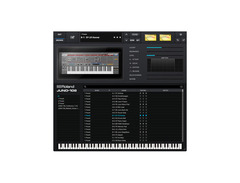
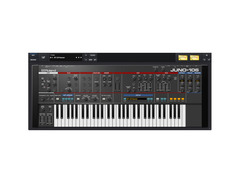
- Indistinguishable from original when recorded
- See 4 more
Modeling Approach
Roland's Analog Circuit Behavior technology analyzes component-level circuit behavior rather than simply copying surface characteristics. This approach captures subtle interactions between oscillators, filters, and chorus circuits that simpler modeling misses. The result sounds convincingly like hardware, with all the warmth and slight imperfections that define the vintage experience.
The plugin interface exactly replicates the original hardware layout, making translation between software and any physical Juno-106 seamless. If you've worked with hardware or studied 106 tutorials online, the plugin requires zero learning curve. Every control sits exactly where you expect it, maintaining the original's one-knob-per-function philosophy that encouraged exploration and experimentation.
Performance proves efficient enough for multiple instances in typical projects. You won't run dozens simultaneously on modest systems, but several instances playing different parts rarely causes problems. The plugin integrates with any DAW via VST, AU, or AAX formats, providing compatibility across production environments.
Subscription Considerations
Roland delivers the JUNO-106 plugin through their Cloud subscription service rather than standalone purchase. This model provides access to extensive Roland instrument collections but requires ongoing payments. For producers who regularly use multiple Roland synths, the subscription offers value. Those wanting only the 106 might prefer alternatives available through traditional one-time purchases.
The subscription includes regular updates and additions to the Roland Cloud library. New instruments and features appear regularly, expanding the value beyond the initial offerings. However, if you stop subscribing, access to all plugins disappears. This differs from traditional software purchases that remain functional regardless of future payment decisions.
See how artists use this





Togu Audio Line TAL-U-NO-LX Software Synthesizer
4.5 (70)
The Budget Champion

- Authentic Juno sound that rivals the original hardware
- User-friendly controls make sound design straightforward
- Excellent chorus effect that enhances overall sound
- Great for synthwave enthusiasts and synthesizer fans
- See 4 more
- Sound may feel slightly 2D and sterile compared to the real Juno
- Stock libraries are considered standard and not exceptional
Core Sound and Interface
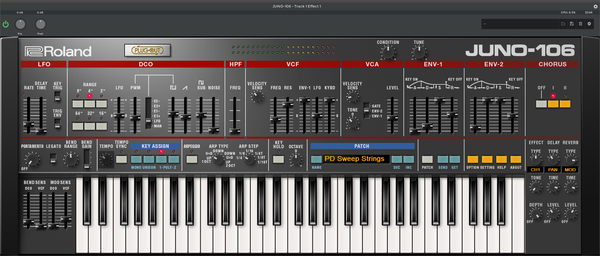
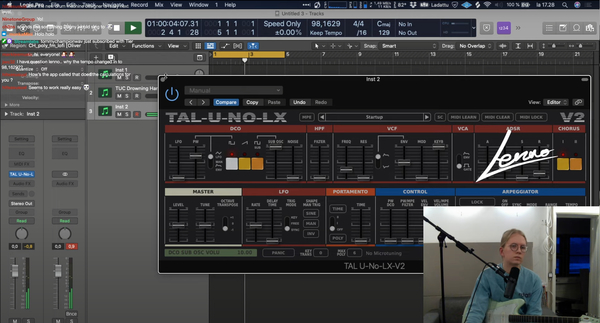
The oscillators closely model the DCO behavior, including the characteristic stability and clean tone. The filter convincingly reproduces the warmth and musical resonance that makes Juno sounds appealing. Most crucially, the chorus algorithm captures that magical width and dimension, the feature that defines Juno patches more than any other single element.
TAL wisely retains the original single-page interface while improving visual clarity. Everything remains visible simultaneously, preserving the original workflow advantages. The graphics appear cleaner and more modern than hardware, making parameters easier to read on computer displays. Additional features integrate without cluttering the layout, maintaining simplicity despite expanded capabilities.
Voice modes extend beyond the original's straightforward polyphony. Unison modes stack voices for massive leads and bass sounds. Chord memory captures complex voicings for playback with single keys. A simple arpeggiator enables pattern creation without external sequencing. These additions transform the plugin into something slightly more versatile than hardware while respecting the basic character.
Modern Production Integration
Built-in effects expand sonic possibilities beyond the hardware chorus. Reverb, delay, and additional modulation options live inside the plugin, reducing the need for external processing chains. EQ and filter controls allow final tone-shaping before the signal leaves the plugin. This integrated approach speeds workflow without forcing you to use features you don't need.
Preset management surpasses the original hardware's limitations dramatically. Save unlimited patches, organize them by category, browse presets without interrupting playback, and share patches with other users. These conveniences matter more than they might initially seem, encouraging experimentation and making session recall instant and reliable.
CPU efficiency proves remarkable. Multiple instances run simultaneously without taxing modern systems excessively. The developers optimized the code carefully, making TAL-U-NO-LX practical for actual production rather than just occasional special use.
See how artists use this




Arturia Jun-6 V
5.0 (2)
The Purist's Choice

Historical Accuracy
Arturia focused on the Juno-6 deliberately, capturing its character rather than the later 106's refinements. The oscillators behave slightly differently, the filter responds with subtle variations, and the overall tone sits in a marginally different space. These differences don't make it worse, just distinct. Some producers prefer the rawer, slightly more aggressive character of the earlier model.
Arturia includes multiple chorus types and extensive effects processing, far exceeding what hardware offered. You can still achieve classic 106 chorus sounds, but you also gain access to creative alternatives and modern processing options.
Advanced features transform the basic Juno architecture into something more ambitious. Extended modulation routing enables complex evolving patches impossible with hardware. Additional LFOs, envelopes, and modulation sources expand creative possibilities while remaining completely optional. Ignore the advanced features and it still delivers straightforward Juno simplicity. Dive deeper and sophisticated sound design awaits.
Interface and Workflow
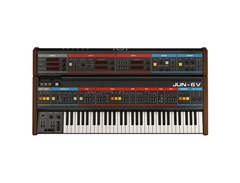
Arturia's interface blends vintage appearance with modern functionality. The main panel replicates original hardware aesthetically while improving readability and precision. Additional panels access extended features through tabs that appear and disappear as needed. This design maintains simplicity for basic tasks while making advanced functions available without overwhelming users.
Preset browsing integrates sophisticated filtering and searching. Find sounds by type, character, or genre rather than scrolling through alphabetical lists. Tags and favorites help organize personal libraries. These database-style features might seem trivial but dramatically improve efficiency when working under time pressure or searching for specific tones.
See how artists use this



Cherry Audio DCO-106
4.5 (2)
Another Software Contender

- Authentic 80s sound, perfect for retro enthusiasts
- Solid preset library offering a direct and expected vibe
- Highly CPU-efficient for smooth operation
- Affordable price for quality sound and features
- See 5 more
- Limited synthesis and modulation options compared to other synths
- Some Juno emulations sound closer to the original
Sound Design Philosophy
Cherry Audio doesn't claim perfect hardware replication. Instead, they aimed for capturing the spirit and musicality of the original while making choices that benefit modern production. The oscillators deliver that stable DCO quality. The filter sounds warm and musical. The chorus creates width and dimension. All the essential elements appear, but with Cherry Audio's interpretation rather than forensic accuracy.
The plugin includes useful additions absent from hardware. Effects section provides standard fare but integrates smoothly. Modulation options expand beyond the simple LFO without becoming overwhelming. Polyphony extends well beyond six voices, eliminating concerns about voice stealing during complex passages.
Interface design prioritizes clarity and efficiency over hardware replication. Controls feel appropriately sized for computer displays rather than mimicking vintage aesthetics. The layout remains intuitive for anyone familiar with subtractive synthesis, requiring minimal learning curve while offering quick access to all parameters.
Value Proposition
Cherry Audio positions DCO-106 affordably, making it accessible for producers exploring Juno sounds without major investment. The company frequently offers sales and bundle deals that reduce cost further. For bedroom producers or students on budgets, this removes financial barriers to accessing these classic tones.
CPU usage ranks among the most efficient of all Juno emulations. Multiple instances play simultaneously even on modest systems. This efficiency matters in complex projects where dozens of software instruments might run concurrently. You can layer multiple DCO-106 patches or run it alongside numerous other plugins without performance concerns.
TAL-Togu Audio Line TAL-Chorus-LX
4.5 (33)
Extending the Chorus Sound
- Emulates classic Roland stereo chorus sound authentically
- Continuously variable stereo spread control for custom sound
- Mix control similar to Boss CE1 for added versatility
- Free to use, making it accessible for all producers
- See 6 more
Dedicated Chorus Modeling
TAL analyzed the original BBD circuitry carefully, modeling the analog behavior including the characteristic imperfections and subtle noise that contribute to vintage charm. The plugin reproduces both Chorus I and Chorus II modes, plus that hidden combined mode that hardware users discovered. Even the subtle background noise appears if you want that authentic vintage quality.
Use TAL-Chorus-LX to add Juno-style width and dimension to any sound source. Non-Juno synthesizers benefit from the characteristic modulation. Sampled instruments gain vintage warmth. Even vocals and guitars can receive subtle Juno-inspired processing. This flexibility extends the classic chorus effect beyond its original context.
The interface remains extremely simple, offering just the essential controls without unnecessary complexity. Choose between chorus modes, adjust intensity, and control mix level. That's it. This simplicity speeds workflow and encourages experimentation. You spend time listening and tweaking rather than studying documentation.
Practical Applications
Combining TAL-Chorus-LX with non-Juno synthesizers creates hybrid sounds that blend different character sources. A bright, aggressive digital synth gains warmth and dimension through Juno-style chorus processing. Thin, reedy tones become thick and luxurious. Sharp, percussive sounds develop subtle movement and interest.
The plugin proves equally valuable when working with samples and audio. Vintage drum machines benefit from subtle chorus thickening. String samples develop more authentic ensemble character. Synth loops recorded without effects gain dimension and space. This versatility makes TAL-Chorus-LX useful far beyond dedicated Juno emulation scenarios.
See how artists use this








Buying a Real Juno-106: Pros, Cons, Cautions
Acquiring authentic vintage hardware offers undeniable appeal, but buying a Juno-106 requires careful consideration of practical realities.
The Voice Chip Challenge
The infamous 80017A voice chips represent the primary concern when evaluating vintage Juno-106 units. These custom integrated circuits handle envelope generation and VCA control, but the adhesive used during manufacturing degrades over time, causing chip failures that result in dead voices, distorted output, or crackling sounds.
When evaluating potential purchases, ask sellers directly about voice chip condition. Request audio or video demonstrating all six voices playing clearly across the keyboard range. Several companies offer replacement voice chips manufactured using modern, reliable processes. Many sellers service units before listing them, installing new chips and performing complete maintenance. These serviced instruments command higher values but offer peace of mind that unserviced units cannot provide.
Other Maintenance Considerations
Beyond voice chips, vintage Juno-106 units face typical analog synthesizer aging issues. Capacitors drift out of specification, potentiometers become scratchy, and slider contacts oxidize. A complete service addresses these concerns through capacitor replacement, control cleaning, and general refurbishment. Professional technicians charge varying rates depending on work required. Factor these potential costs into purchase decisions, especially when considering units sold without service history.
Market Values and Practical Alternatives
Juno-106 prices vary widely based on condition, service history, and market fluctuations. Units with documented service history and replacement voice chips command premium values. Unserviced units sell for less but carry greater risk. Geographic location and market cycles also affect pricing substantially.
Practical Alternatives to Ownership
For many producers, vintage hardware ownership brings more complications than benefits. Modern alternatives deliver similar sounds without maintenance concerns, stability issues, or storage requirements. Software emulations cost a fraction of hardware while offering perfect recall, unlimited voices, and complete integration with digital workflows.
| Budget Tier | Options Available | What You Get | Best For |
|---|---|---|---|
| Free | TAL-U-NO-LX plugin, TAL-Chorus-LX effect | Convincing Juno-106 emulation with extended features and modern conveniences | Beginners exploring synthesis, producers on tight budgets, anyone wanting to experiment before investing |
| Entry Level | Cherry Audio DCO-106, Arturia JUN-6 V | Professional software emulations with extended features and excellent sound quality | Serious producers wanting professional results without hardware investment |
| Professional Software | Roland Cloud JUNO-106 subscription | Official Roland emulation with component-level modeling and exact interface replication | Producers wanting maximum accuracy and access to multiple Roland instruments |
| Modern Hardware | Roland JU-06A, Behringer DeepMind 6 | Physical instruments with Juno-inspired sound and modern reliability | Players wanting hands-on control, live performers, those preferring hardware workflow |
| Premium Hardware | Behringer DeepMind 12, UDO Super 6 | Full-featured analog polysynths with Juno character plus extensive modern capabilities | Serious keyboardists and producers wanting flagship analog instruments |
| Vintage Original | Authentic Roland Juno-106 | The actual instrument with all its character, quirks, and potential maintenance needs | Collectors, purists, those wanting genuine vintage experience regardless of practical concerns |
Conclusion
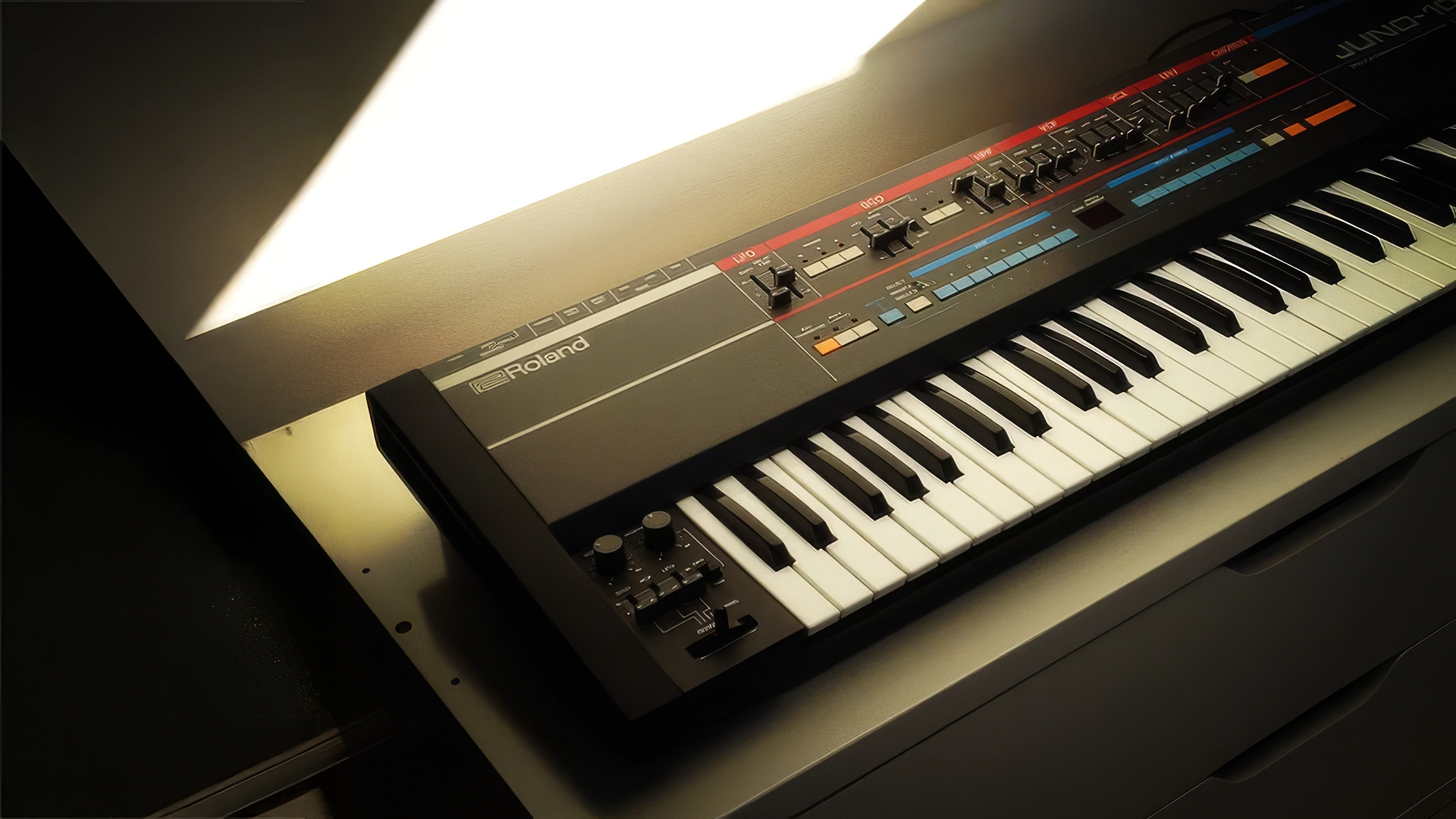
The Roland Juno-106 earned its place in synthesizer history through a combination of timing, design decisions, and musical utility that transcended its modest intentions. Roland created an instrument meant to democratize poly synthesis, making analog warmth and professional sounds accessible to musicians who couldn't afford flagship instruments. What they actually created was something more enduring: a synth that defined an era's sound while remaining relevant decades later.
On paper, it offers nothing extraordinary. Single oscillator per voice, simple filter, basic modulation options. Yet those limitations became strengths, forcing clarity and focus that resulted in immediately musical results. The inclusion of that analog chorus circuit transformed simple patches into lush, expensive-sounding textures that worked in countless musical contexts.
Today's producers face vastly different circumstances than musicians in 1984. Digital audio workstations provide unlimited tracks and perfect recall. Software synthesizers offer thousands of presets and complex modulation routing that vintage hardware couldn't approach. Yet the Juno-106 sound remains in demand, whether accessed through vintage hardware, modern recreations like the Roland JU-06A and AIRA System-8, expanded interpretations like the Behringer DeepMind and UDO Super 6, or software emulations including TAL-U-NO-LX, Roland Cloud JUNO-106, Arturia JUN-6 V, Cherry Audio DCO-106, and even the dedicated TAL-Chorus-LX effect plugin.
Regardless of which path you choose, the essential Juno qualities remain accessible. That warm filter, characteristic chorus, and immediate musical response work as well in modern productions as they did in 1984.
About the authors
Giulio Chiarenza is the co-founder of Equipboard and a lifelong multi-instrumentalist with a deep passion for music gear. Born in Italy and raised in the U.S., he holds a Computer Science degree from The University of Texas at Austin and blends technical acumen with decades of hands-on experience across guitar, piano, drums, and electronic production. Early in his career, Giulio was signed to a San Francisco-based EDM label, releasing both remixes and original tracks. These days, he helps steer Equipboard’s vision while personally testing and reviewing gear. He's never too far from his go-to guitar: a vintage 1978 Fender Telecaster Custom. Read more






.webp)