The Complete Guide to Hybrid Guitars: Master Acoustic and Electric Tones in One Instrument

By Gear Experts

By Gear Experts
Table of Contents

Equipboard
Equipboard is the world's largest community of artists and their gear. Read our review process.
We are reader-supported. When you buy through links on our site, we may earn an affiliate commission. Learn more.
Our Picks

Best Electric-First Hybrid: Taylor's T5z Classic offers electric guitar comfort combined with nuanced acoustic blending, perfect for players transitioning between styles or integrating fingerstyle acoustic tones. Its smooth fretboard and balanced tone engine make it a versatile performer.
Read more


Fender American Acoustasonic Stratocaster
Best High-End Hybrid: This guitar masterfully blends Fender's legendary Stratocaster playability with authentic acoustic modeling, delivering flawless tone switching on stage and in the studio. Its dynamic, responsive voice provides multi-genre flexibility for discerning professionals.
Read more

Best Mid-Range Hybrid: The Godin A6 Ultra brings solid, organic acoustic tones and warm electric voices tailored for live gigs and studio sessions alike. It excels in feedback resistance and tonal adaptability across genres.
Read more
-l.webp?v=1784958378)
Best Budget Nylon-String Hybrid: The Godin Multiac Nylon SA delivers exceptional nylon-string tone with synth-ready electronics, feedback resistance, and electric guitar playability. It's the ideal gateway into hybrid nylon guitars for steel-string players seeking classical warmth with modern versatility.
Read more
Fender Acoustasonic Player Telecaster
Mid-Range Versatile Player: The Fender Acoustasonic Player Telecaster fuses timeless Telecaster character with advanced acoustic modeling, yielding a versatile tool for quick tone changes on stage. It's lightweight yet powerful, fitting many musical styles effortlessly.
Read more
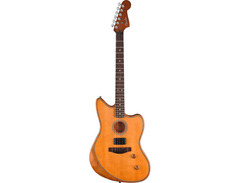
Fender Acoustasonic Standard Jazzmaster Acoustic-electric Guitar
Budget-Friendly Hybrid Option: The Fender Acoustasonic Standard Jazzmaster delivers Fender's hybrid versatility in an iconic alternative body shape, giving players unique tone options that suit indie and alternative styles.
Read moreHybrid guitars represent a giant leap for musicians who crave versatility without compromise. With the push of a switch, these instruments let you shift from sparkling electric leads to lush acoustic strums - all in the span of a single song. No longer do gigging musicians, session players, or adventurous songwriters have to juggle multiple rigs and setups just to capture the perfect tone; hybrid guitars bring rich sonic diversity and feedback-free performance to center stage.
Beneath their sleek exteriors, today’s hybrids blend carefully engineered bodies, innovative pickup systems, and intuitive electronics, giving you a toolkit of voices for any genre or mood. Whether your musical journey takes you from studio to festival, or from polished pop to intricate fingerstyle passages, these guitars redefine what’s possible with just one instrument in your hands.
Definition and History of the Hybrid Guitar
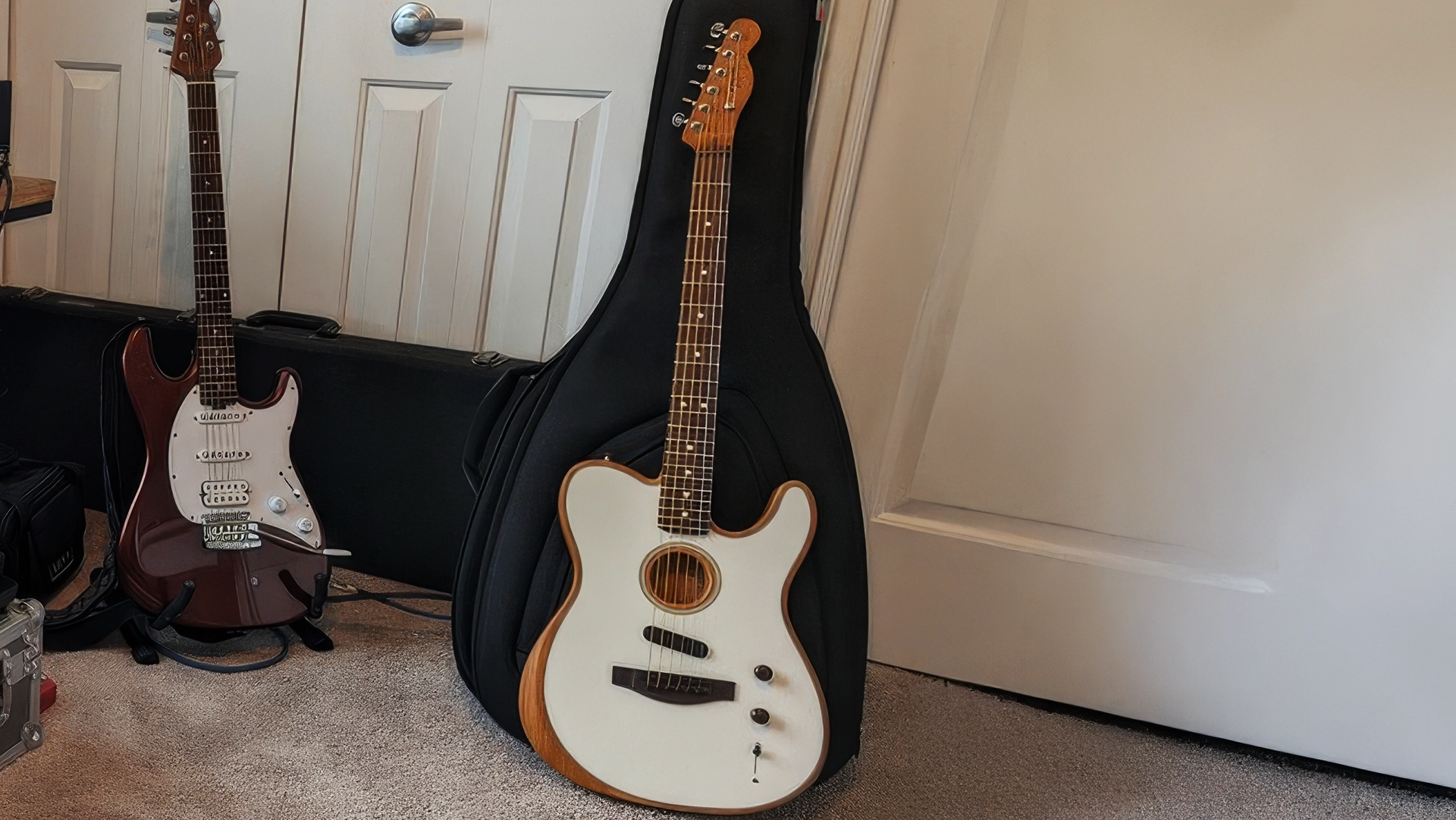
Simply put, a hybrid guitar is an instrument designed to produce both electric signals and high-quality amplified acoustic tones with ease, fast switching, and minimal trade-offs. Unlike traditional acoustic-electric guitars, hybrids incorporate sophisticated pickups and electronics that allow seamless transitions between electric and acoustic modes.
The roots of hybrid guitars trace back to the 1970s and 1980s, when piezo pickup experiments first began to add acoustic-like qualities to electric guitars. The technology was in its infancy but planted seeds for future hybrid designs.
In the 1990s, Godin revolutionized the hybrid guitar concept with its Multiac series. These chambered guitars combined piezo pickups and soundboard sensors engineered for stage use, dramatically reducing feedback and providing natural amplified acoustic tones. Guitarists like Al Di Meola favored the Multiac for its blend of versatile tone and stage reliability.
Taylor further evolved hybrids with the T5 and T5z models launched in the mid-2000s. These introduced multiple pickup types combined in an electric-style body, enhanced by semi-hollow construction and five-way switching. This gave players intricate control over electric and acoustic blends, expanding sonic possibilities.
Fender’s Acoustasonic series, unveiled in 2019, marked the latest hybrid leap by integrating their proprietary String Instrument Resonance System (SIRS). Coupled with advanced digital modeling, this system simulates acoustic resonance while preserving Fender’s iconic electric guitar feel. These guitars offer intuitive switching and tonal variety ideal for live performers.
The Hybrid Guitar Checklist. The Core Framework Every Buyer Needs
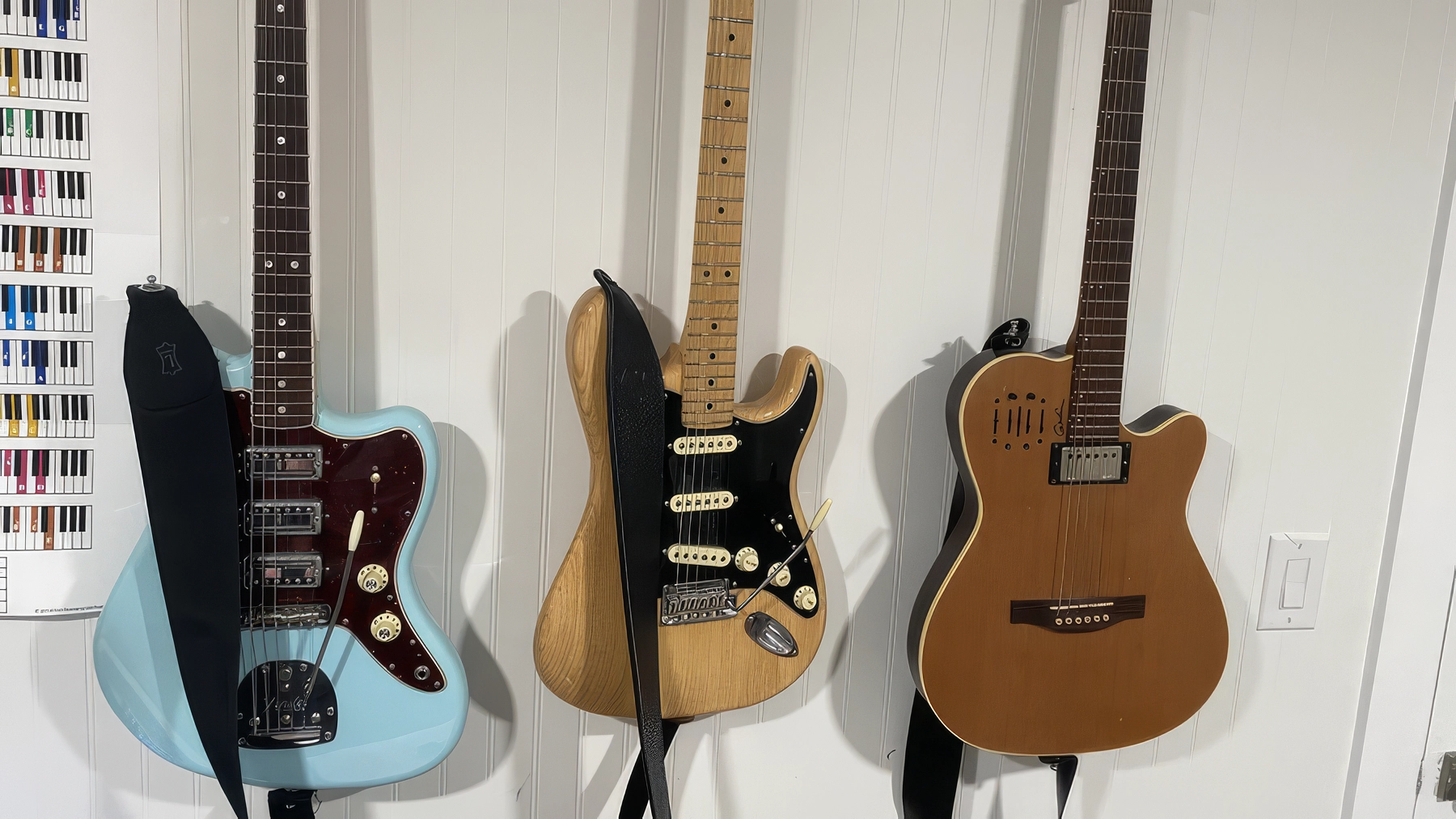
Choosing a hybrid guitar is about balancing design priorities and technical features that suit your musical goals. This checklist covers the essentials.
Acoustic Engine vs Electric DNA
Hybrids typically fall into two categories: those built around an acoustic-first design and those built around an electric-first framework.
Acoustic-first hybrids, like many Fender Acoustasonic models, emphasize authentic acoustic tonality, often featuring chambered bodies and resonant systems to replicate natural acoustic response.
Electric-first designs, such as the Taylor T5z, focus on comfortable electric guitar necks and scale lengths and body shapes. They prioritize electric playability and then incorporate acoustic elements.
This initial orientation influences tone, feel, and stage use. Acoustic-first guitars often feel more like amplified acoustics, while electric-first hybrids have a more familiar electric guitar action.
Electronics, Modeling Quality, and Tonal Blending
At the heart of any hybrid guitar are its pickups and electronics.
Piezo pickups under the saddle capture string vibrations translating into acoustic tones. The best hybrids combine piezos with body sensors or internal microphones to improve realism and reduce piezo “quack.”
Advanced digital modeling engines simulate the acoustic body’s resonant qualities that piezos alone cannot reproduce, adding warmth and depth.
Equally important is how these pickups blend with magnetic pickups to shape the electric tone or mixed tones. Quality preamps and signal routing enable smooth, noise-free transitions between electric, acoustic, and blended sounds.
Neck Profile and Playability
Playability defines live comfort and workflow. Hybrids usually feature electric-style neck radii and scale lengths, which provide fast fretting, easier string bending, and familiar feel for electric players used to solid-body guitars. Well-executed fretwork and neck finishes add to the ease of playing long sets.
Such neck profiles help stage players switch styles without needing separate guitars.
Feedback Resistance
Acoustic guitars traditionally suffer from feedback when amplified loudly. Hybrids minimize this issue with chambered or semi-hollow designs that preserve body resonance while controlling feedback.
Some models employ internal baffling and active feedback suppression electronics. These design elements allow players to push volume onstage without unwanted noise or tone disruptions.
Outputs and Connectivity
Modern hybrids offer versatile output options. Some have separate outputs for piezo and magnetic pickups, allowing stereo connections or dual-amp setups.
Others maintain a simpler single-jack system for straightforward stage rigs. Stereo outputs or dedicated blending controls give flexibility to suit various live and studio setups.
Red Flags. Common Pitfalls to Avoid
Avoid hybrids that fall short with the following flaws:
- Acoustic mode relying solely on piezo pickups without body sensors or modeling, resulting in thin, harsh sound.
- Solid electric body hybrids without chambering, which lack acoustic resonance.
- Overly complex, proprietary switching systems that require special cables, external power, or confusing layouts.
- Budget models under $500 usually fail to deliver decent electric or acoustic performance.
- Weak onboard preamps prone to distortion, noise, or brittle tone.
The Compromise and the Advantage. Real World Sound and Tone
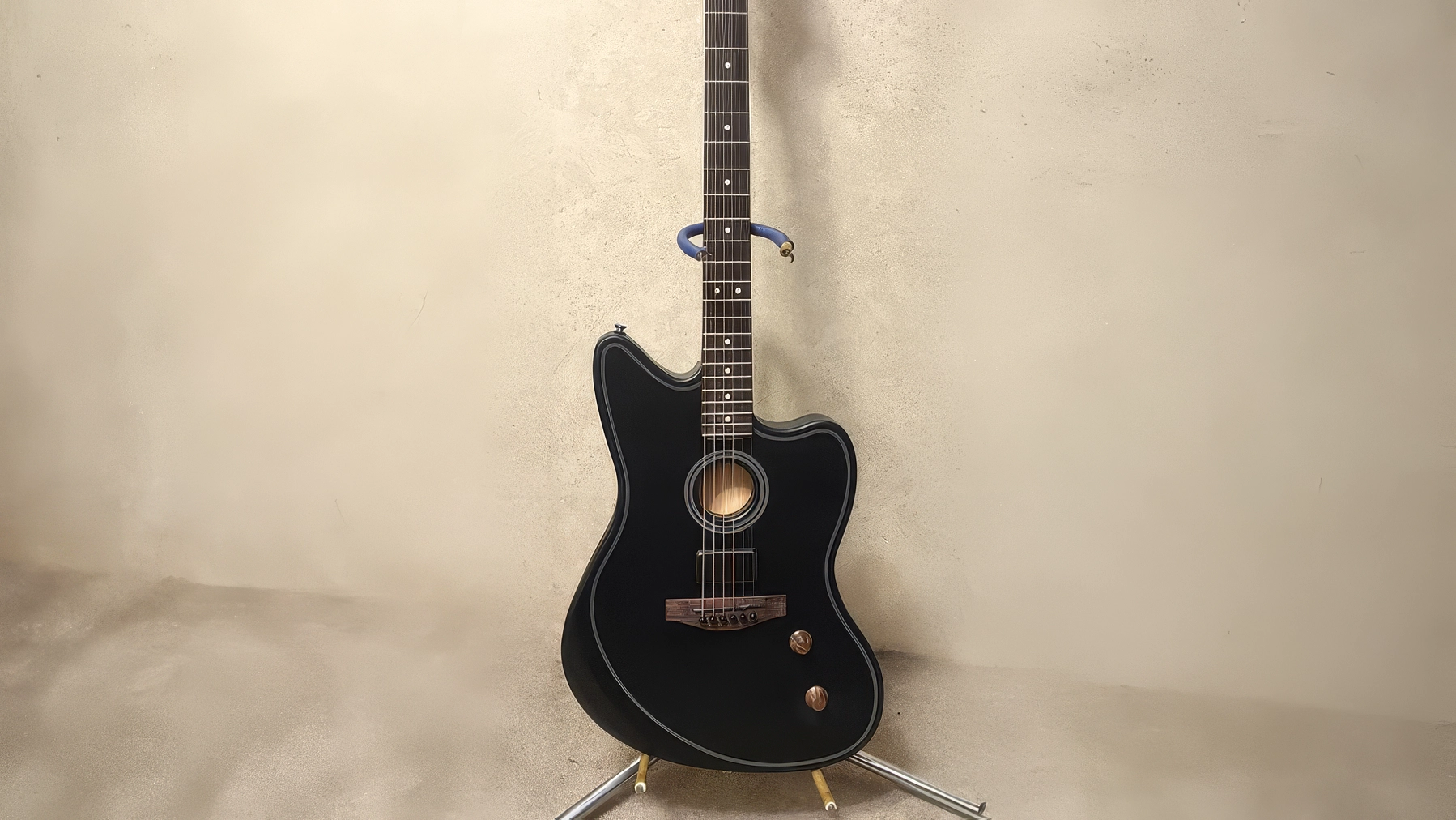
Understanding hybrids means acknowledging their inherent compromises. They are not substitutes for high-end dreadnought acoustics or pure Stratocaster electrics. Instead, they excel at delivering clean, mid-gain electric sounds and acoustic simulations with quick switching.
Acoustic realism is mostly digital modeling supplemented by piezos, so while warm and convincing, it won’t perfectly mimic fully hollow acoustics unplugged.
On the electric side, hybrids produce strong clean signals, but high-gain distortion with complex harmonic overtones can be less nuanced than dedicated electric guitars.
The key advantages lie in live consistency, feedback resistance, and effortless tone shifts - critical for gigging musicians.
Hybrid vs Acoustic-Electric. The Core Difference
| Feature | Acoustic-Electric | Hybrid Guitar |
|---|---|---|
| Tone Authenticity | Natural acoustic tone unplugged and amplified | Modeled acoustic tone with lower unplugged volume |
| Neck and Body | Traditional thicker necks and acoustic bodies | Comfortable electric necks with semi-hollow or chambered bodies |
| Feedback Control | Prone to feedback on loud stages | Designed to eliminate feedback |
| Core Identity | Acoustic instrument with electronics added | Integrated electric and acoustic system |
| Unplugged Volume | High acoustic volume unplugged | Low acoustic volume unplugged |
The Best Hybrid Guitars
Now that you understand how hybrids differ from traditional acoustic-electrics and which player profiles benefit most from each, it's time to examine the specific models worth your consideration. The following reviews break down the best hybrid guitars across different price ranges, exploring their tonal characteristics, build quality, and real-world performance to help you make an informed decision.
Taylor T5z Classic
5.0 (1)
The Electric Player's Acoustic Dream





Average Price: $2,178
High-end/Boutique
$200
$1001+
Budget
Standard
High-end
- Lightweight design makes it easy to handle and play for long sessions
- Versatile tone options with three pickups and multiple settings
- High-quality build and finish, offering a premium feel
- Smooth neck with jumbo frets for comfortable playability
- See 6 more
- Lacks a dedicated volume knob for easy on-the-fly adjustments
- Price may seem high compared to perceived value
- Accessibility up the neck could be improved with additional frets
- Neck balance might be off, causing it to drop when playing standing up
Build Quality and Construction
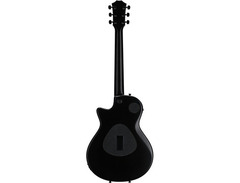
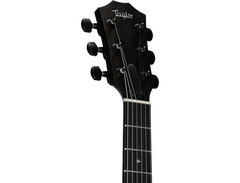
Taylor's T5z features a semi-hollow chambered mahogany body with a carved maple top, creating acoustic resonance while maintaining electric guitar ergonomics. The 24 ⅞-inch scale neck offers Taylor's signature smooth playing experience with a slim profile optimized for both electric and acoustic techniques. The body's dual chambers provide natural acoustic projection without feedback issues, while the sleek design keeps weight manageable for long performances.
Electronics and Switching System
The T5z utilizes a sophisticated multi-source pickup system including three Taylor-designed pickups: a body sensor for acoustic tones, a hidden neck humbucker, and a visible bridge humbucker for electric sounds. The five-way switch provides extensive tonal options from pure magnetic electric to pure acoustic piezo, with three blended positions in between. A master volume plus dedicated bass and treble controls let you fine-tune your tone across all five switch positions. The preamp system is carefully voiced to maintain natural dynamics across all switching positions, with impedance matching that works seamlessly with standard guitar amps or acoustic-specific systems.
Ideal User
Electric guitarists wanting the comfort and familiarity of a slim neck profile but also needing authentic acoustic voice capabilities will find the T5z irresistible. It suits players who primarily think in electric terms but need convincing acoustic tones for studio work or live acoustic sections.
Tonal Characteristics
Expect bell-like acoustic clarity with warm resonance thanks to the chambered body and body sensor technology. The acoustic voice avoids synthetic characteristics, delivering organic warmth often missing from piezo-only systems. Electric tones range from smooth jazz humbucker warmth to brighter single-coil articulation, ideal for clean passages, blues, folk, and mid-gain rock. The blended positions offer unique textural possibilities, perfect for creating atmospheric layers or country-inflected leads with acoustic shimmer underneath.
Situational Performance
The T5z excels in both studio and live settings where quick tone changes and seamless blending matter most. Its feedback resistance makes it reliable on loud stages, while the natural resonance translates beautifully when mic'd in the studio. Fingerstyle players particularly appreciate how it captures both electric articulation and acoustic warmth simultaneously, making it ideal for hybrid playing styles that mix techniques.
See how artists use this







Fender American Acoustasonic Stratocaster
5.0 (3)
The Pinnacle of Hybrid Versatility



Average Price: $1,629
High-end/Boutique
$200
$1001+
Budget
Standard
High-end
- Versatile sound, seamlessly shifts from acoustic to electric tones
- Lightweight design makes it easy to handle and play
- Excellent craftsmanship with a stunning finish and innovative design
- Wide range of sound options, similar to a Swiss Army knife
- See 6 more
- Some units have reported loose pickups causing unwanted noise
- Does not fully capture vintage Strat or Tele electric tones
- Hard string tension may require adjustment for some players
- Occasional need for professional setup for optimal playability
- See 1 more
Build Quality and Construction
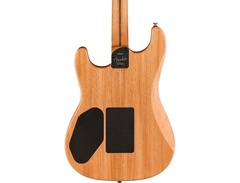
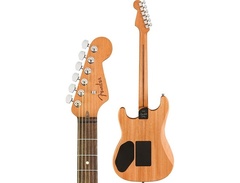
The American Acoustasonic Stratocaster features a mahogany body with a solid Sitka spruce top, utilizing Fender's patented Stringed Instrument Resonance System (SIRS) that includes an internal sound port acting like a speaker horn. The 25.5-inch scale mahogany neck has a modern C profile with a 12-inch radius ebony fingerboard and 22 narrow tall frets. The Graph Tech TUSQ nut measures 1.6875 inches, providing comfortable string spacing. Sealed gear tuners and a satin urethane finish complete the package, with the guitar weighing in at just 5 pounds, making it remarkably light for extended playing sessions.
Electronics and Switching System
This hybrid packs three distinct pickup systems working together. A Fishman undersaddle piezo transducer captures string vibrations, while a Fishman Acoustasonic Enhancer body sensor adds organic resonance and percussive elements. The Fender N4 Noiseless magnetic pickup in the bridge position delivers classic Strat electric tones. The five-way selector switch offers ten distinct voices (two per position), with a mod knob blending between A and B voicings. Position one delivers electric tones from clean to dirty Strat sounds, position two blends acoustic and electric, position three focuses on percussion and enhanced harmonics, and positions four and five offer core acoustic and alternative acoustic voices. The system runs on a rechargeable lithium-ion battery accessed via a mini-USB port in the output jack.
Ideal User
Perfect for touring professionals and session players who demand stage-ready reliability with the ability to seamlessly transition from acoustic ballads to punchy electric rhythm parts without changing guitars. If you favor electric guitar neck feel but need access to authentic acoustic voices, this instrument excels.
Tonal Characteristics
The acoustic simulations are surprisingly warm and organic, avoiding the harsh piezo quack common in lesser hybrids. The Engelmann spruce dreadnought voice in position two offers rich low-end, while the auditorium models provide bell-like clarity. Electric pickups deliver classic Strat brightness and chimey character, perfect for blues, rock, country, and pop. The blended positions create expressive layered tones ideal for fingerstyle passages. While unplugged volume is modest compared to full-size acoustics, it's sufficient for practice and songwriting.
Situational Performance
On stage, the zero-feedback design and instant mode switching shine in full-band contexts. The body sensor captures slapping and percussive techniques with clarity, eliminating the need for external percussion. In the studio, it records clean acoustic and electric layers with minimal setup, perfect for overdubbing and quick takes. The mod knob's blending capability allows fine-tuning tones to sit perfectly in any mix.
See how artists use this








Godin A6 Ultra
4.5 (9)
The Reliable Workhorse with Rich Acoustic Soul


Average Price: $1,573
High-end/Boutique
$200
$1001+
Budget
Standard
High-end
- Excellent for acoustic/electric crossover with great sound from piezo and humbucker
- Versatile hybrid design handles both acoustic and electric parts seamlessly
- Chambered body and piezo bridge pickup deliver realistic acoustic sound
- Lightweight and easy to handle, even for extended playing
- See 6 more
- Requires professional setup for optimal playability
- Unplugged sound can be toy-like due to composite back
- Plastic battery casing and tuner heads feel cheap
- Some players prefer a fuller body for percussive playing
Build Quality and Construction
Godin's A6 Ultra features a chambered mahogany body with dual internal chambers that enhance acoustic resonance while maintaining electric-style ergonomics. The solid spruce top adds natural acoustic projection, and the mahogany neck with rosewood fingerboard provides familiar playability. Godin's attention to detail includes excellent fretwork and a satin finish that feels broken-in from day one. The semi-hollow construction keeps the guitar light enough for extended gigging without sacrificing structural integrity.
Electronics and Switching System
This hybrid combines Godin’s proprietary piezo bridge system with a custom neck humbucker, giving you both convincing acoustic tones and warm electric voices. The electronics feature separate outputs for acoustic and electric signals, allowing players to run both to different amplifiers or effects chains simultaneously. Onboard controls include individual volume knobs for acoustic and electric voices, plus tone shaping for the magnetic pickups. The preamp delivers clean gain staging that prevents distortion or noise, even when pushing volume on stage.
Ideal User
Touring musicians and working players seeking a dependable, roadworthy hybrid with excellent feedback control and wide tonal range suitable for blues, folk, jazz, and rock will find this guitar reliable night after night.
Tonal Characteristics
The acoustic side boasts a rich, resonant tone enhanced by the dual chambering system, delivering organic feel both unplugged and amplified. The magnetic pickups provide warm, round electric sounds that hold up well under moderate gain, with enough clarity for clean jazz chords and enough bite for blues leads. The ability to blend both voices creates unique sonic textures perfect for layered rhythm parts or ambient soundscapes.
Situational Performance
This guitar functions equally well in demanding live band settings and intimate recording studios. The dual output configuration enables splitting acoustic and electric signals for versatile amp combinations or effects routing, giving players flexibility rarely found at this price point. Its feedback resistance makes it trustworthy for high-volume environments, while the natural acoustic resonance captures beautifully in studio miking scenarios.
See how artists use this







.jpg)


Godin Multiac Nylon SA
5.0 (12)
The Nylon-String Hybrid Pioneer
-s.webp?v=1784958378)

Average Price: $2,155
High-end/Boutique
$200
$1001+
Budget
Standard
High-end
- Strong, sweet tone that cuts through the mix effortlessly
- Synth Access model offers unique tonal possibilities
- Radiused fingerboard and thin profile for fast, comfortable play
- Hex pickup tracks better than many competitors
- See 6 more
- Requires a battery; unplug to conserve life
- Limited documentation and customer support from Godin
- High E string may slip off fretboard during pull-offs
- Not suitable for traditional classical guitarists
- See 1 more
Build Quality and Construction
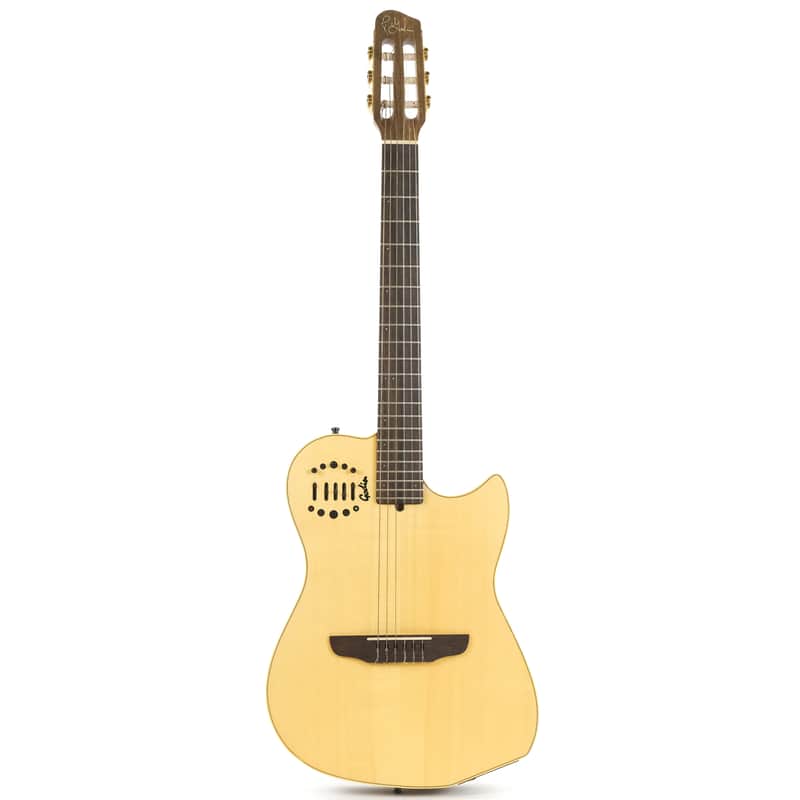
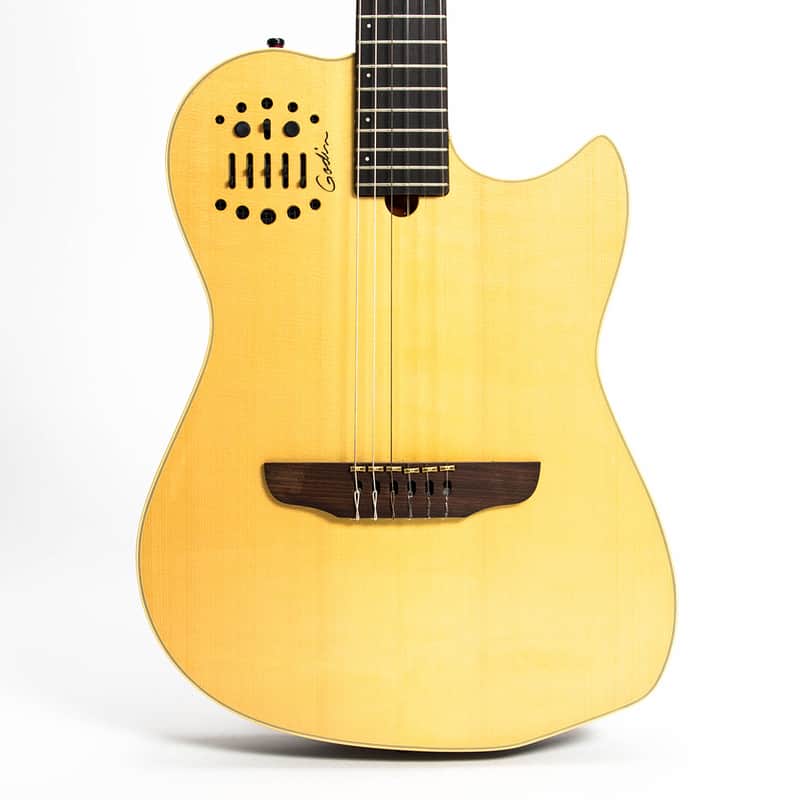
The Multiac Nylon SA features a chambered silver leaf maple body with a solid spruce top, providing acoustic resonance while maintaining the lightweight, ergonomic feel of a solid-body electric. The two-inch thick body incorporates strategically placed chambers that enhance acoustic projection without sacrificing feedback control. The bolt-on mahogany neck with ebony fingerboard offers a 25.5-inch scale length and 1.875-inch nut width, striking a balance between classical nylon-string spacing and steel-string familiarity. Godin's proprietary Ergocut shaping technique creates a 16-inch fingerboard radius, beveling the frets and fingerboard edges toward the center for enhanced comfort. The semi-gloss natural finish and slot-head tuning machines maintain classical aesthetics while the overall construction feels remarkably solid yet lightweight.
Electronics and Switching System
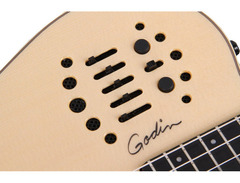
This guitar incorporates RMC Poly-Drive electronics with individual piezo pickups under each saddle, delivering exceptionally accurate note tracking perfect for MIDI applications via the 13-pin output. The active three-band EQ features high, mid, and low frequency sliders with center detents for flat response starting points. A two-position switch adjusts the mid-frequency center between 700Hz and 1,200Hz, allowing precise tone sculpting for different musical contexts. The upper bout control panel includes separate volume sliders for guitar and synth signals, enabling real-time blending without floor pedals. The system provides both 1/4-inch and 13-pin outputs simultaneously, with the unprocessed guitar signal carried through the 13-pin cable.
Ideal User
Perfect for steel-string players transitioning to nylon strings, jazz guitarists seeking warm nylon tones with electric playability, and world music performers needing MIDI synth access alongside authentic nylon-string voice. The narrower neck compared to traditional classical guitars makes adaptation easy for electric players.
Tonal Characteristics
The amplified nylon-string tone is remarkably warm and full, considered one of the best piezo-amplified nylon sounds available. The RMC pickup system captures nuanced fingerstyle articulation with clarity and depth, avoiding the thin, quacky character common in lesser piezo systems. Unplugged, the chambered body provides enough acoustic volume for comfortable home practice without disturbing others, though it won't match the projection of full hollow-body classical guitars. The three-band EQ offers smooth, musical tone shaping that helps the guitar sit perfectly in ensemble mixes, whether in studio recordings or live band contexts.
Situational Performance
Excels on stage thanks to zero-feedback design even at high volumes, making it ideal for Latin, jazz, world music, and fusion performances where traditional classical guitars would howl. The hexaphonic analog signal capabilities open creative doors for layering synthesized textures with acoustic nylon tones in real time. In the studio, it delivers consistent, professional nylon-string sounds that record beautifully without extensive mic placement experimentation. The comfortable playability supports extended performance sessions without the fatigue often associated with wider classical necks, and the guitar maintains excellent tuning stability even with aggressive playing or alternate tunings.
See how artists use this







Fender Acoustasonic Player Telecaster
4.5 (2)
Classic Twang Meets Acoustic Flexibility

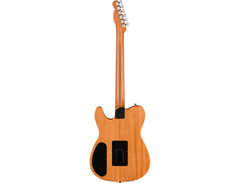
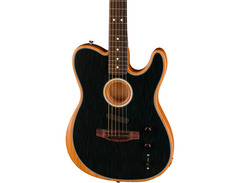
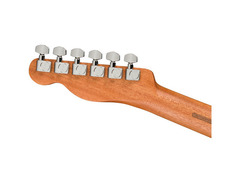
Average Price: $1,057
High-end/Boutique
$200
$1001+
Budget
Standard
High-end
- Highly versatile with acoustic and electric tones for diverse musical styles
- Lightweight and comfortable, making it ideal for long gigs
- Slim Tele neck enhances playability and ease of movement
- Attractive design with attention to detail in fit and finish
- See 6 more
- Some models shipped with poor setup, requiring significant adjustments
- Thicker gauge strings may affect playability for some users
- Magnetic pickup lacks traditional Telecaster "twang"
- Battery compartment may not fit all 9V batteries without modification
- See 2 more
Build Quality and Construction
This Player series Acoustasonic features a mahogany body with solid spruce top, utilizing Fender's SIRS system in the iconic Telecaster body shape. The modern deep C-shaped mahogany neck with 22-fret pau ferro fingerboard offers comfortable playability. At under 6 pounds, it's noticeably lighter than many acoustics while maintaining the classic Tele aesthetic. The polyester satin finish provides a smooth, natural feel without excessive gloss.
Electronics and Switching System
The Player Telecaster incorporates Fishman-designed piezo pickups with acoustic modeling and a Fender Noiseless magnetic pickup for electric tones. The three-way blade switch selects different acoustic and electric voice pairs, while the blend control lets you fade between them within each position. The simplified control layout makes live adjustments intuitive, even in dark stage environments. A standard 9V battery powers the system, giving you many hours of playing time before replacement.
Ideal User
Players who love a Telecaster's twang and ergonomics but want instant access to well-rounded acoustic tones for multi-genre gigs without the hassle of switching instruments between songs.
Tonal Characteristics
Its acoustic simulation offers pleasingly crisp articulation with balanced midrange, particularly effective for country, folk, and singer-songwriter material. The electric pickups capture the Tele's renowned bright, punchy voice with cutting treble and snappy attack perfect for rhythm parts. Blended positions create unique tones that work beautifully for indie rock and alternative styles where texture matters as much as pure acoustic or electric authenticity.
Situational Performance
Excellent for multi-genre gigging where performers need quick access to a broad tonal palette without complex switching. The familiar Telecaster body shape and control layout reduce the learning curve. It shines in country and pop settings where both twangy electric and strummed acoustic sounds are essential, and the lightweight construction makes it comfortable for three-hour sets.
See how artists use this











Fender Acoustasonic Standard Jazzmaster Acoustic-electric Guitar
3.0 (1)
Affordable Hybrid Flair with Jazzmaster Style

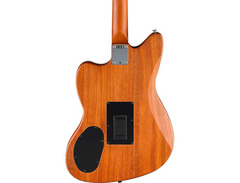
Average Price: $605
Standard/Professional
$200
$1001+
Budget
Standard
High-end
Build Quality and Construction
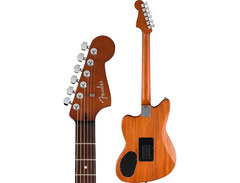
The Acoustasonic Standard Jazzmaster features a nyatoh body with solid spruce top in the distinctive offset Jazzmaster shape beloved by indie and alternative players. The modern deep C nyatoh neck with 22-fret fingerboard maintains Fender's playability standards. This more affordable model uses some cost-saving measures in finish and hardware compared to the American series but retains the core SIRS technology and hybrid functionality.
Electronics and Switching System
The Acoustasonic Standard Jazzmaster pairs a Fishman under-saddle transducer with a Fender Acoustasonic Shawbucker humbucker. Fender and Fishman’s analog electronics use a simple master volume and blend control to let you fade between acoustic and electric voices, rather than the more complex multi-voice Acoustic Engine system found on the American series. While the voicing presets differ slightly from higher-tier models, the core functionality remains intact, delivering versatile hybrid performance at a more accessible price.
Ideal User
Musicians seeking a versatile, affordable hybrid guitar that balances unique Jazzmaster aesthetics with practical tonal flexibility. Ideal for indie, alternative, and experimental players who want hybrid capabilities without premium pricing.
Tonal Characteristics
Features bold, snappy electric Jazzmaster tones with characteristic warmth and midrange presence, plus modeled acoustic sounds that are convincingly warm and reliable. The acoustic simulations work particularly well for indie and folk applications where slightly colored tone adds character. Electric voices capture the Jazzmaster's distinctive voice with enough clarity for effects-heavy processing.
Situational Performance
Great for smaller venues, rehearsal spaces, and players wanting a secondary hybrid instrument with personality. The Jazzmaster body shape and visual aesthetic appeal to alternative and indie musicians, while the hybrid functionality makes it practical for cover bands and multi-genre performers working on tighter budgets.




Player Profiles. Who Should Buy and Who Should Avoid
Gigging musicians benefit from hybrids’ fast switching and tone variety. Session players appreciate covering many styles with one instrument. Singer-songwriters enjoy electric guitar comfort with acoustic stage presence.
Acoustic purists seeking true unplugged resonance should look elsewhere. Players focused on tight high-gain metal tones might find hybrids less optimal. Beginners might find the technology complex, and budget buyers often get better results buying dedicated guitars.
| Ideal For | Reason | Not Ideal For | Reason |
|---|---|---|---|
| Gigging Musicians | Quick- switching, diverse tone needs | Acoustic Purists | True acoustic resonance prioritized |
| Session Players | Wide tonal range in one guitar | High Gain Rock/Metal | Less suited for heavy distortion |
| Singer-Songwriters | Electric comfort, acoustic realism | Strict Budget Buyers | Hybrids under $500 lack quality |
| Worship/Cover Band Players | Need fast tone changes | Beginners | Technology complexity unnecessary |
FAQs
Are hybrid guitars good for beginners?
Hybrid guitars offer impressive versatility but can be complex for newcomers. Beginners typically benefit more from starting with either a dedicated acoustic or electric guitar to develop fundamental technique and understand each instrument's character. Once you've built solid foundational skills, a hybrid becomes a powerful tool for expanding your tonal range without the need to master two separate instruments.
Do hybrid guitars work well with modeling amps?
Yes, hybrid guitars and modeling amps complement each other exceptionally well. Since both use digital technology to simulate different sounds, pairing them creates an extensive tonal palette. The hybrid's ability to blend acoustic and electric voices combines beautifully with a modeling amp's ability to recreate various amp types, giving you studio-quality versatility on stage.
Can a hybrid replace both my acoustic and electric guitars?
For many players, yes. Hybrids are specifically designed to cover a wide tonal range and often eliminate the need to carry two guitars to gigs or sessions. However, some trade-offs exist. If you need authentic unplugged acoustic resonance or high-gain metal tones, dedicated instruments still outperform hybrids in those specialized areas.
How does the Acoustasonic compare to the Taylor T5 in a live setting?
The Acoustasonic emphasizes acoustic realism through advanced modeling and focuses on quick, intuitive tone switching with Fender's familiar electric feel. The Taylor T5 leans more electric-first with smooth acoustic blending capabilities and five-way switching for nuanced tonal control. Both excel at feedback resistance and stage reliability, but your choice depends on whether you prioritize acoustic authenticity or electric guitar comfort with acoustic versatility.
Conclusion and Reader Takeaway

Hybrid guitars deliver unmatched convenience, stage-ready flexibility, and exceptional tonal versatility for modern musicians who refuse to compromise. The right choice ultimately depends on your specific playing style, performance environment, and whether you prioritize electric guitar comfort or acoustic realism in your sound.
High-end models like the Fender American Acoustasonic Stratocaster and Taylor T5z Classic showcase the pinnacle of hybrid technology, offering professional-grade performance with sophisticated electronics and seamless tone switching. These instruments justify their premium pricing through superior build quality, authentic modeling, and reliable stage performance.
The Godin Multiac Nylon SA lands firmly in the premium nylon-string hybrid category, offering class-leading nylon acoustics with synth-ready electronics and feedback-resistant performance. Its quality and features cater to niche players seeking electrified classical tone with modern versatility.
For players seeking excellent value in the mid-range, the Godin A6 Ultra stands as a workhorse instrument built for touring, while the Fender Acoustasonic Player Telecaster brings Fender's hybrid innovation to a more accessible price point without sacrificing core functionality.
Budget-conscious musicians can explore the Fender Acoustasonic Standard Jazzmaster for hybrid versatility with distinctive style. The Multiac particularly stands out for players seeking warm classical tones with electric guitar playability and feedback resistance.
Whether you're a gigging musician tired of managing multiple instruments, a session player needing maximum tonal flexibility, or a singer-songwriter wanting electric playability with acoustic stage presence, hybrid guitars solve real-world performance challenges. Visit Equipboard's artist pages to see which hybrids your favorite musicians trust for their unique sonic signatures, and explore each model's page for current availability across retailers.
Top Ranked Acoustic-Electric Guitars on Equipboard


$366.00 - $549.00
4.5 (48)
4.5 (48)

$399.99 - $499.99
4.5 (35)
4.5 (35)


$499.00 - $666.00
4.5 (84)
4.5 (84)
About the authors
Michael R. Pierce is the co-founder of Equipboard and a lifelong musician with over 25 years of experience as a guitarist and gear enthusiast. He blends solid music theory chops (thanks to formal training in guitar, piano, and trumpet) with real-world experience, always exploring and experimenting across genres like rock, blues, and hip-hop. Michael launched Equipboard in 2013 after graduating from The University of Texas at Austin, leveraging his unique blend of musical passion, technological acumen, and community building. His current go-to rig features a Fender American Original ‘50s Telecaster, Analogman King of Tone, Strymon Flint, and a Fender ‘57 Custom Champ. Read more
New in Acoustic-Electric Guitars


$1,196.99 - $1,399.99