.jpg)


By Gear Experts
Table of Contents

Equipboard
Equipboard is the world's largest community of artists and their gear. Read our review process.
We are reader-supported. When you buy through links on our site, we may earn an affiliate commission. Learn more.
Our Picks
-l.webp?v=1785150075)
The RAT 2 carries on Pro Co’s legendary line of distortion. Its thick fuzz-like rock tones have inspired guitarists for decades.
Read more


The Boss DS-1 is a legend. It plays well with other pedals & a wide variety of amps. Its tone has graced thousands of recordings in every genre from classic rock to metal.
Read more
Three gain stages coupled with 7 generous tone shaping options give this pedal a ton of breadth for a pedal that does high gain so well.
Read more
MXR M75 Super Badass Distortion
Truly badass distortion pedal with an incredible range, from boost to overdrive to full-on distortion. Incredibly useful and responsive EQ knobs are a game changer. Unbelievable value.
Read more
This signature pedal from Metallica's Kirk Hammett features amazing high gain metal tones and an incredibly useful built in noise gate.
Read more


If modern high gain distortion is the name of your game, we have yet to find one we like more than this huge-yet-articulate sounding boutique pedal.
Read more
Delivers dual gain engines that each have tone and gain controls that can be blended or stacked.
Read more

EarthQuaker Devices Acapulco Gold V2
Deceptively simple, but capable of producing amazing tones, this Sunn Model T amplifier in a box is incredibly fun.
Read more
A Marshall JCM800 in a box that is very versatile thanks to a wide EQ and creamy gain tones.
Read more

Superb boutique LM308 RAT clone with more bass.
Read more

Premium boutique distortion pedal based on the RAT's LM308 chip with 3 compression options.
Read more
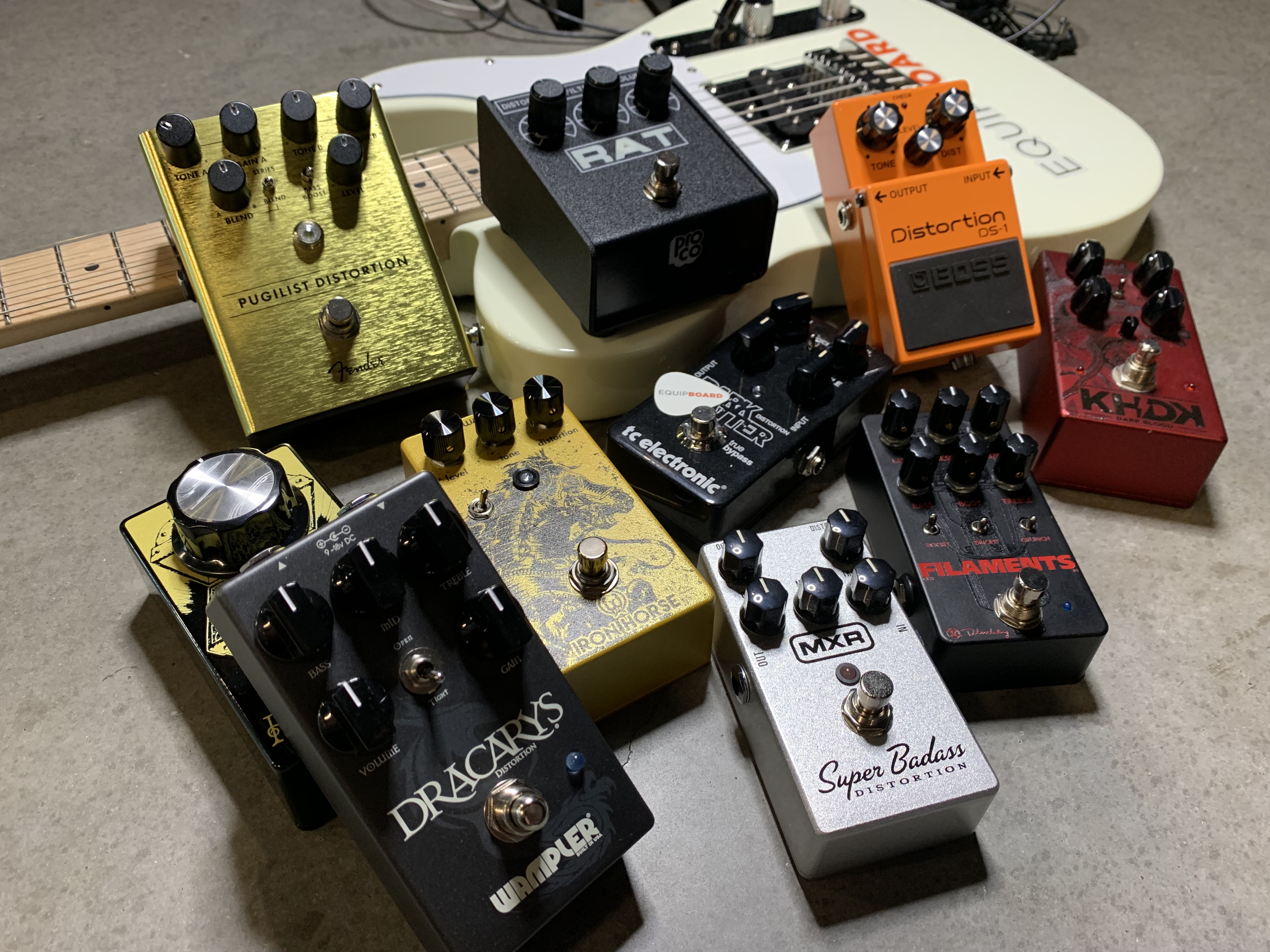
A distortion pedal drives your guitars signal and saturates your tone more than a standard overdrive does. This effect has a distinctive tone that is predominant in many genres of music and it is one of the most popular types of guitar pedals. Here are the best distortion pedals available.
We curate a selection from classic gain distortions to modern pedals with several gain stages and multiple EQ parameters to make sure we help you find your perfect pedal. Whether you are looking for a relatively lighter classic rock crunch or the heaviest metal riffing machine, we have you covered.
Pro Co RAT 2
4.5 (473)
A classic distortion that delivers thick saturated tones.
-s.webp?v=1785150075)








Average Price: $84
Standard/Professional
$80
$181+
Budget
Standard
High-end
- Versatile, from smooth overdrive to full distortion
- Works well with both single-coil and humbuckers
- Flexible tone control with low-pass filter
- Doesn't alter tone when adjusting output volume
- See 5 more
- Tone control extremes can be too harsh or muffled
- Not all units consistently deliver the preferred sound
- Doesn't play well with some other pedals
- Can be noisy, especially with older circuit designs
- See 6 more
| Bypass | true bypass |
| Analog/Digital | analog |
| Power | 9V |
The Pro Co RAT2 has always held a pretty special place in guitarists' hearts. The Original RAT was introduced in 1978 and found immediate success. Despite being one of the first dedicated distortion pedals, its current incarnation, the RAT2, is still one of the best.
The thick chewy sound we love from the RAT2 sounds incredibly full with tons of bottom end but feels balanced enough to still really let the upper registers sing. It’s essentially half fuzz and half distortion, offering a really interesting mix between the two. To know exactly what we're talking about, reference Blur's brilliant Song 2, which was made using a RAT2.
This pedal is spartan, extremely easy to dial in, and built like a tank. You get 3 control knobs - DISTORTION , FILTER , and VOLUME - and a footswitch. The control knobs feature a rubberized grip that feel great to the touch. The knobs adjust smoothly and have indicators that glow in the dark so adjusting the pedal in the dark is easy to do on the fly.
The RAT2 has rubberized feet that keep it about a quarter inch off the floor. This makes space for the “no tools necessary” thumbscrew that secures the battery access door. The 9V DC input is located on the top of the box between the input and output, but be aware it does not include a power supply.
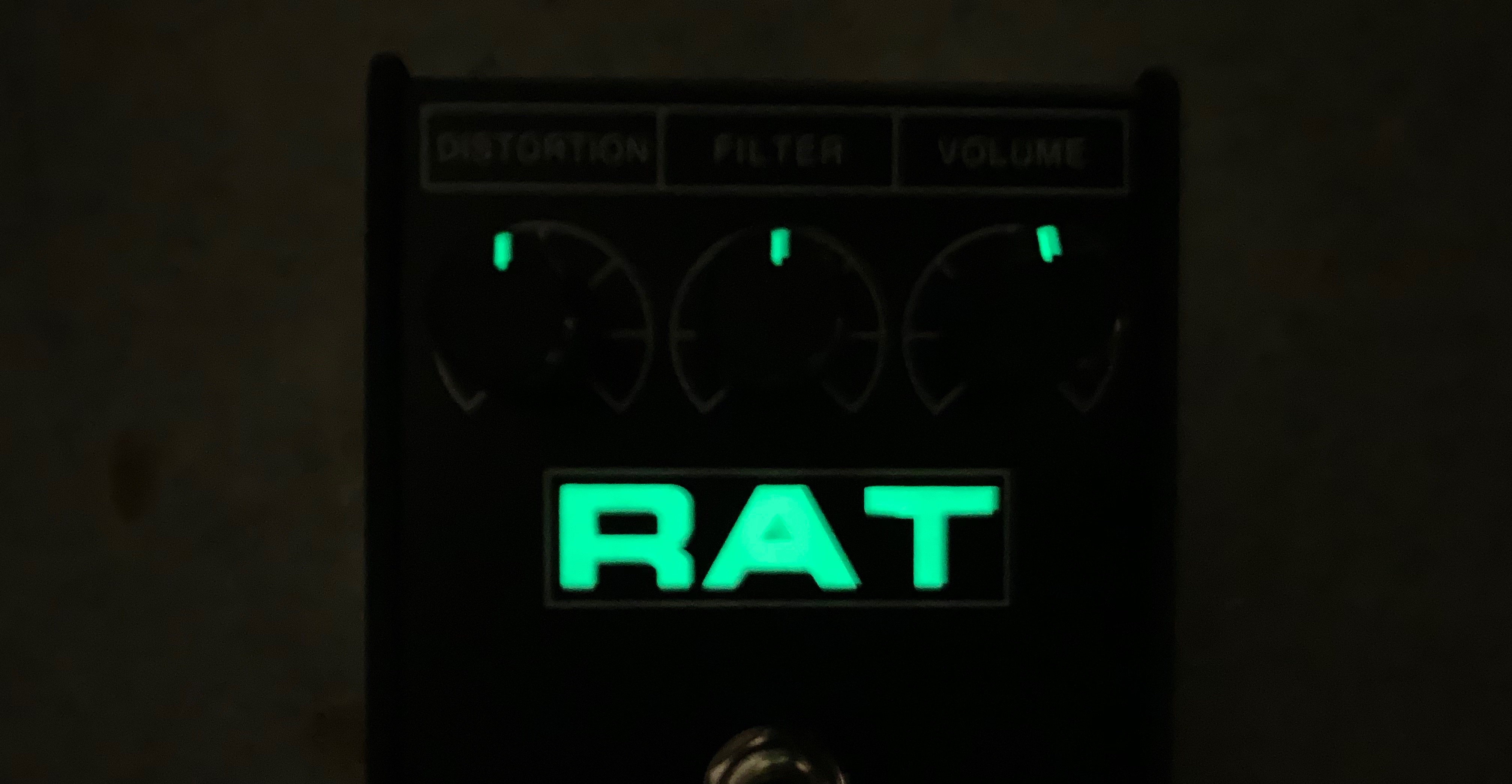
Thick aggressive tones are our favorite tones with the RAT2, but we also love it because of its versatility. Used sparingly, this pedal can function as an overdrive. Roll on the filter while paring back the distortion and you have a killer overdriven tone that rivals a tube screamer. Dial up the distortion, and you've got capable distortion that set the standard for thrash metal in the 1980s.
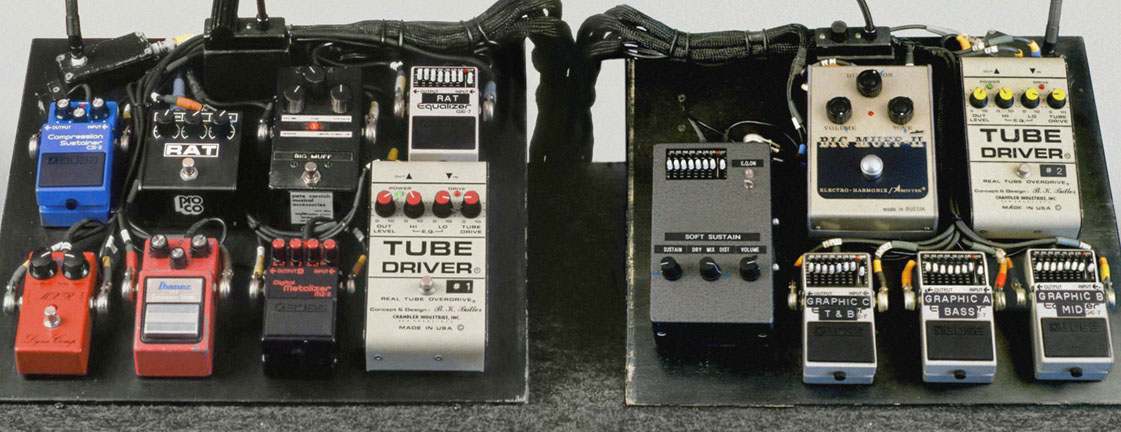
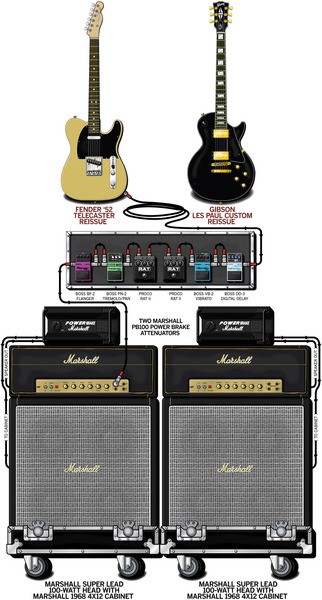
It lacks the granular controls of some of the other options on this list, but whether for hard rock, metal, or smoother/warmer blues soloing needs, the RAT2 can dial it in perfectly making the RAT series from Pro Co modern classics. Hugely influential guitarists like David Gilmour, James Hetfield, Dave Grohl, and a slew of other monumental artists have used it.
Bottom Line: The RAT2 is a classic that delivers overdrive, distortion, and fuzz in one box. The sweet spot for this pedal is a thick and saturated distorted tone.
See how artists use this







Boss DS-1 Distortion
4.0 (1139)
The quintessential distortion pedal.

Average Price: $64
Budget/Beginner
$80
$181+
Budget
Standard
High-end
- Wide range of distortion tones from mellow to harsh
- Versatile for genres like punk, grunge, and classic rock
- Tone control significantly alters sound
- Great value for money
- See 5 more
- High tone settings can produce unwanted buzz
- Lacks bass on certain settings
- Some find it too bright or tinny at higher settings
- May not be suitable for metal genres without modifications
- See 1 more
| Bypass | buffered bypass |
| Analog/Digital | analog |
| Power | 9V |
| Current Draw | 10ma |
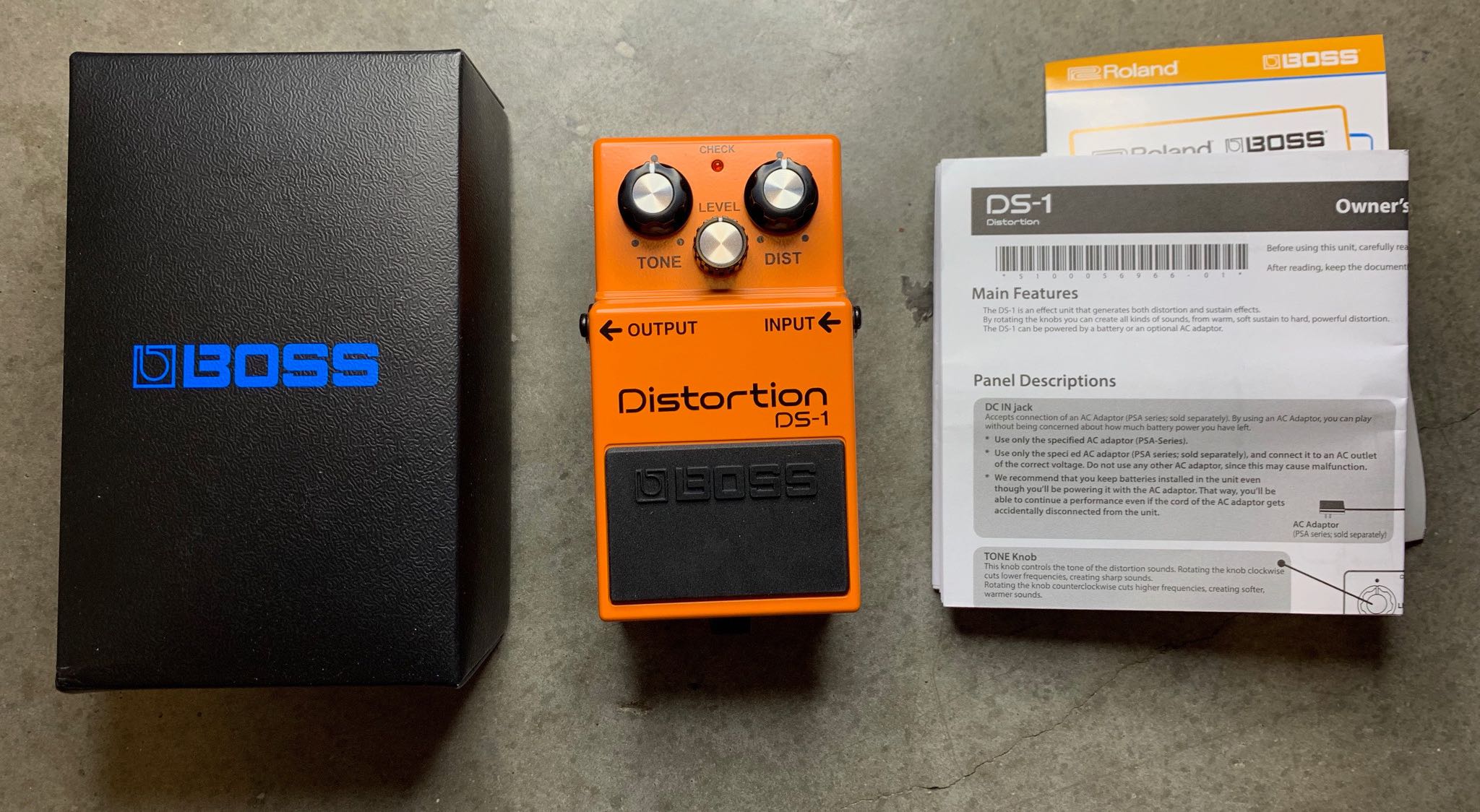
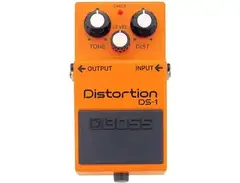
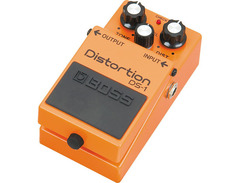
The Boss DS-1 is the most popular distortion pedal on the planet. Introduced in 1978, the little orange box is the first distortion pedal Boss made and has become an icon.
The controls on the DS-1 are simple. It has TONE , LEVEL , and DISTORTION.
The tone knob adjusts the treble. Or specifically, turning the tone knob clockwise cuts bass and going counterclockwise higher frequencies.
Level adjusts volume. We did notice the DS-1 is not as loud as most of the other pedals on this list.
Distortion is straightforward and controls gain and sustain.
This is not a specialty metal pedal, so it is not a high-gain drive. It generally breaks up before getting super modern metal sounds. Be aware of that, but virtually any other type of distorted music you can think of the DS-1 handles like a champ.
This pedal is a relatively bright sounding distortion. It can do crunch to hard rock really well. Boss even includes eight suggested settings in the user manual for a great way to get to some good tones for specific genres.
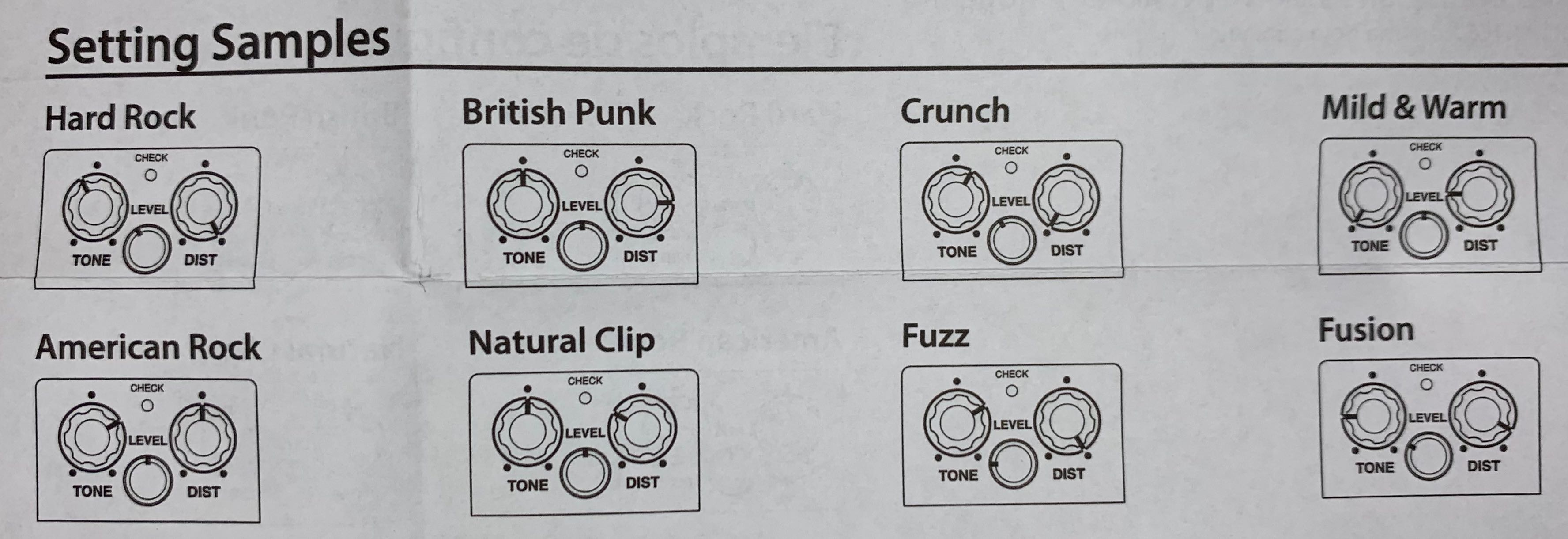
The way this pedal cuts through a mix is pure rock and roll perfection. Our favorite application for this pedal is rock and roll, plain and simple. Kurt Cobain, Steve Vai, and Joe Satriani are among the long list of well-documented DS-1 users.
To hear the Boss DS-1 in action, make sure to check out our Demo + Review video:
Bottom Line: The DS-1 has a great classic rock distortion tone. It is extremely affordable and it will last a lifetime.
See how artists use this

.png)






Keeley Filaments
5.0 (5)
3 gain stages and a full featured EQ give this pedal the ability to sound great from low to high gain.


Average Price: $179
High-end/Boutique
$50
$176+
Budget
Standard
High-end
- Exceptional tone shaping capabilities for versatile sound
- Wide range of distortion, from classic rock to metal
- Amp-like distortion sound quality, between Marshall and Orange
- Effective mini toggle switches for gain versatility
- See 6 more
- Can produce too much gain for some preferences
- May require time to find the optimal setting
- Lacks a dedicated mids knob, though EQ adjustments compensate
- Feedback can be an issue with high gain settings
- See 1 more
| Bypass | true bypass |
| Analog/Digital | analog |
| Power | 9V, 12V, 18V |
| Current Draw | 10ma |
The Keeley Electronics Filaments is marketed as a "high-gain" pedal. To be fair, it is great at high gain tones. We just find that calling this drive a high-gain distortion pigeonholes what is a versatile drive that sounds excellent at lower gain settings as well.
Robert Keeley is no stranger to dirt. His company makes some of our favorite drives on the market, so while the Filaments can go into higher gain territory than their other offerings, we still feel that calling it a high gain is a misnomer because of its versatility.
The Filaments has three stacked gain stages that interact on the signal and even sound warm and inviting at some of the lower settings on the pedal. Once you roll up the gain the sound stays tight as the signal gets saturated.
The tone is incredibly easy to adjust given since you have 7 methods of EQ shaping at your fingertips. The controls are laid out logically and are easy to use. These include PRESENCE , BASS , BODY , and TREBLE knobs as well as toggle switches to adjust the BOOST , BRIGHT (for "more shine"), and CRUNCH (chugging rhythm versus searing solo tones).
In our review, it was hard to find a setting where the Filaments produced a bad sound. All the controls give you optionality to micro sculpt your tone, but you can quickly dial in everything from some light gain drive to chugging metal.
The pedal looks the part too, with a black on black art scheme of a glossy tube on the matte case. The bold red lettering really sets off the look, and the LED is a bright blue.
The Filaments can draw power from 9 or 18 volts (sounding louder at 18) and is true bypass. However, it does not have the ability to run off a battery, so be aware of that limitation.
Bottom Line: It is too restrictive to call this only a high-gain drive, although it produces nuanced metal tones brilliantly. Its tone shaping options give it a versatility that makes it a compelling option no matter what genre you play. All things considered, this is one of the most versatile modern drives with a range that will satisfy anyone wanting serious distortion.


MXR M75 Super Badass Distortion
4.5 (105)
Versatile with many EQ options that lets you customize your tone.



Average Price: $120
Standard/Professional
$80
$181+
Budget
Standard
High-end
- Highly versatile with a wide range of distortion tones
- Simple yet effective 3-band EQ for tone shaping
- Maintains clarity and note definition at high gain settings
- Responds well to guitar volume changes for dynamic playing
- See 6 more
- High gain settings can sound too "sizzly" or harsh on highs with some setups
- Some users find it lacks character or is not exceptional in a specific sound
- Not suitable for extreme metal genres without additional effects
- Tone controls can be perceived as limited by some, leading to muddy or unrefined sounds at extreme settings
- See 1 more
| Analog/Digital | analog |
| Power | 9V |
| Current Draw | 10ma |
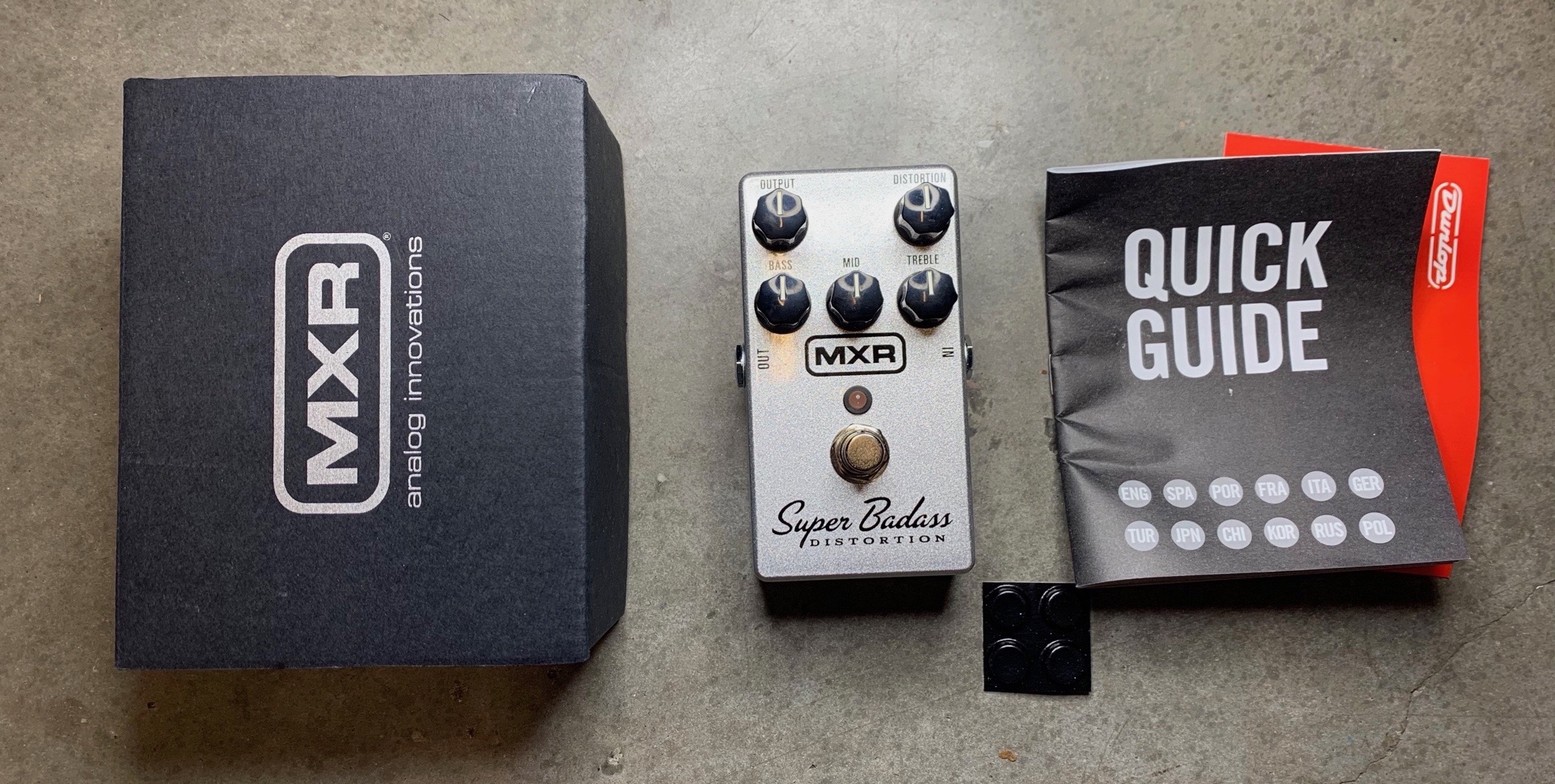
The MXR M75 Super Badass Distortion is one of the best sounding distortion pedals MXR has made. The distortion has an incredible range , it's easy to dial in, and it's an outrageous value for the money.
The 3 EQ knobs are its marquee feature. They allow you to sculpt your tone no matter what guitars, amps, or other pedals you're using.
And that's where our dilemma with the M75 is. If you wanted ONE pedal to cover all your dirt needs, this would be hard to beat , especially given the price. It does clean boost -> gentle breakup -> hard rock distortion -> metal.
It's not our favorite sounding in any single category, but it can handle them all extremely well. If you are limited to a single drive pedal or want to put together a minimal pedalboard, this is a great option.
The knobs are super simple: OUTPUT knob controls the volume; DISTORTION knob does the heavy lifting. The 3 EQ knobs - BASS, MID, and TREBLE - serve to sculpt your tone. The pedal features True Bypass and is a rugged and attractive little thing with a metallic silver finish.
With the distortion set all the way down, the M75 is a serviceable little clean boost. As you dial up the distortion you approach a nice crunchy overdrive, and with the knob cranked all the way and the mids cut back you'll achieve a modern metal tone.
Bottom Line: True to its name, the MXR M75 truly is a badass pedal with an incredible range. The 3-band EQ on it really seals the deal. If you want a dirt box that can pretty much do it all, or you frequently switch pickup types and amps you'll really value the tone-sculpting options the M75's EQ gives you.
See how artists use this

.jpg)



.jpg)



KHDK Dark Blood Distortion
4.5 (4)
Great for metal, high-gain distortion with a built-in noise gate.

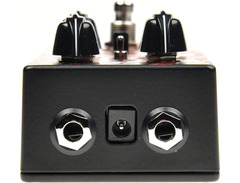
Average Price: $200
High-end/Boutique
$80
$181+
Budget
Standard
High-end
- Versatile, sounds natural, like distortion "should be"
- Built-in noise gate enhances sound clarity
- Provides excellent, chunky distortion for power chords
- Easy to dial in desired sound, great for heavy distortion needs
- See 4 more
- May require noise gate usage on some amps due to noise levels
- Darker voice may not suit all tastes or expectations
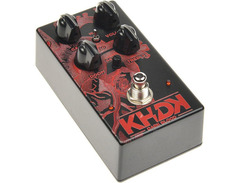
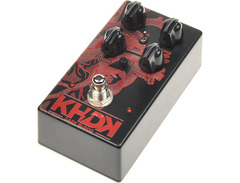
The KHDK Electronics Dark Blood is one of Metallica's Kirk Hammett's signature pedals. The company was co-founded by Kirk Hammett (KH) and David Karon (DK) in 2012. If you're interested, you can read more of the company's story here.
The pedal feels and looks great in hand (We tested the Limited Edition version of the pedal in Candy Apple Red). The knob controls are GAIN , VOLUME , DOOM (The pre-distortion EQ that controls low-end), and TREBLE. The knobs are chicken head style so they are easy to read and adjusting them is smooth as silk. There is also a Hi/Lo selector switch for compression and sustain and a subtle GATE knob , which controls noise reduction.
While the pedal can hold it's own with high gain treble leads, the real surprise was how good the low-end tones sounded when you turn the Doom knob past twelve o'clock. The pedal sounds remarkably full and impressive. We tip our hats to chief engineer of KHDK Antonin Salva, who has done an amazing job with the EQ of this pedal. Having said that, it doesn't sound terrific at low gain levels, but as Kirk said, this was designed to be,
...the ultimate pedal for gain freaks.
In addition to the magical "Doom" knob, the other aspect that really sets this pedal apart is the onboard noise gate. With a simple twist of the knob, you can eliminate unwanted feedback completely. We were really impressed how well the simple noise gate worked at cutting feedback, even with noisy single coils. The ideal gate level varied quite a bit across the guitars we tested this pedal with, but having the ability to adjust the signal definitely added a useful capability to this pedal.
Bottom Line: This made in Kentucky pedal delivers terrific metal tones for both soloing and rhythm playing due to its impressive EQ and built-in noise gate.
See how artists use this




.jpg)


Wampler Dracarys
4.5 (7)
Built for chugging, the Dracarys is all about heavy.

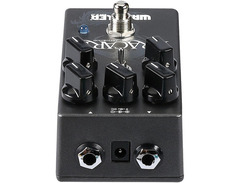
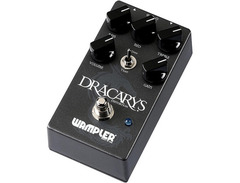
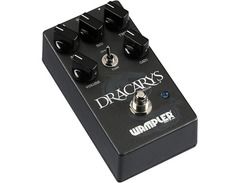
Average Price: $180
Standard/Professional
$80
$181+
Budget
Standard
High-end
- Achieves modern metal tone effectively
- Versatile with a 3-band EQ and tight toggle for sound shaping
- High-quality build and silent switch operation
- Maintains note definition even with heavy distortion
- See 6 more
- EQ settings may behave unexpectedly
- Can sound fizzy if not dialed in correctly
- Primarily a high-gain pedal, not for light overdrive
- Might be too specialized for some, lacking versatility beyond distortion
| Bypass | true bypass |
| Analog/Digital | analog |
| Power | 9V, 12V, 18V |
| Current Draw | 29ma (9v), 31ma (18v) |
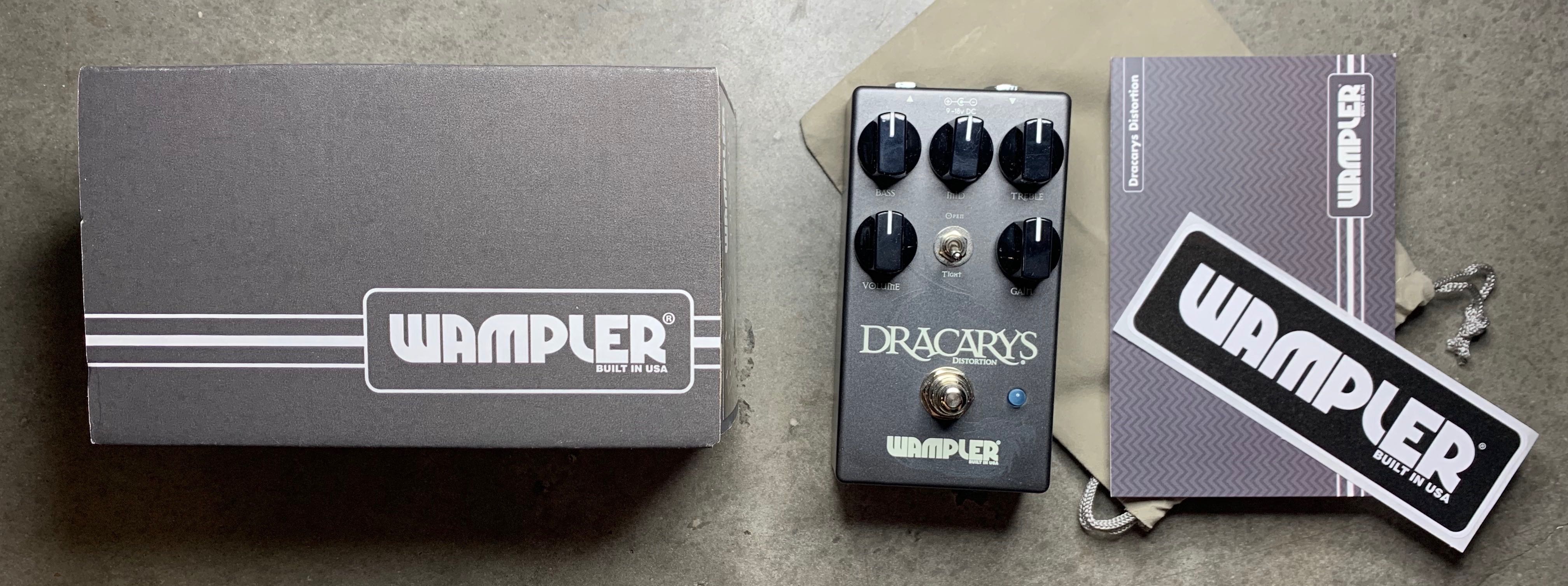
It would be remiss of us to not include our favorite high gain distortion pedal. We tried many, and we can confidently say the Wampler Dracarys Distortion is very good.
The Dracarys is a boutique, true bypass pedal made in the USA by Brian Wampler and company, and was inspired by the playing style of Swedish guitarist Ola Englund.
This thing is a monster (or a dragon, as it were). Forget about "transparent" drive pedals, the Dracarys will absolutely decimate a clean channel with huge distortion. The controls are familiar - three EQ knobs; BASS , MID , TREBLE , a VOLUME knob, and GAIN knob. The toggle switch in the middle lets you go between Open and Tight (less and more compression, respectively).
If you back off the gain, you can absolutely get modern rock tones out of the Dracarys. Still, we would strongly recommend it for people who tend to play heavier genres. This pedal will chug and djent beautifully, sounding huge yet still very articulate.
Bottom Line: This is one of the finest high gain distortion pedals we've had the pleasure to test. It's super easy to dial in and the EQ controls are very useful. For sweet sounding modern, high gain distortion, we wholeheartedly recommend trying out the Wampler Dracarys.
See how artists use this


.jpg)


Fender Pugilist Distortion
4.5 (13)
Great sounding dual gain engine drive that lets you independently adjust each and blend or stack the drives.



Average Price: $122
Standard/Professional
$80
$181+
Budget
Standard
High-end
- Versatile with series and blend switch for various sounds
- Dual gain channels enhance tone customization
- Offers both OD and Distortion characters, suitable for different genres
- Solid build quality and attractive design
- See 6 more
- Higher gain settings may lose detail
- May not suit guitars with humbuckers as well as single coils
- Some sharp edges on the pedal can be a safety hazard
- Knobs have uneven resistance when adjusting
- See 3 more
| Bypass | true bypass |
| Analog/Digital | analog |
| Power | 9V |
| Current Draw | 88ma |
The Fender Pugilist surprised us with how good it is. In the past, with few exceptions, Fender’s effect pedals have underwhelmed us. It felt as if the company was testing the waters by dipping a toe in the pedal market without being committed. This time, judging by the Pugilist, they are all in.
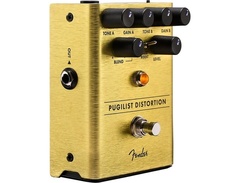
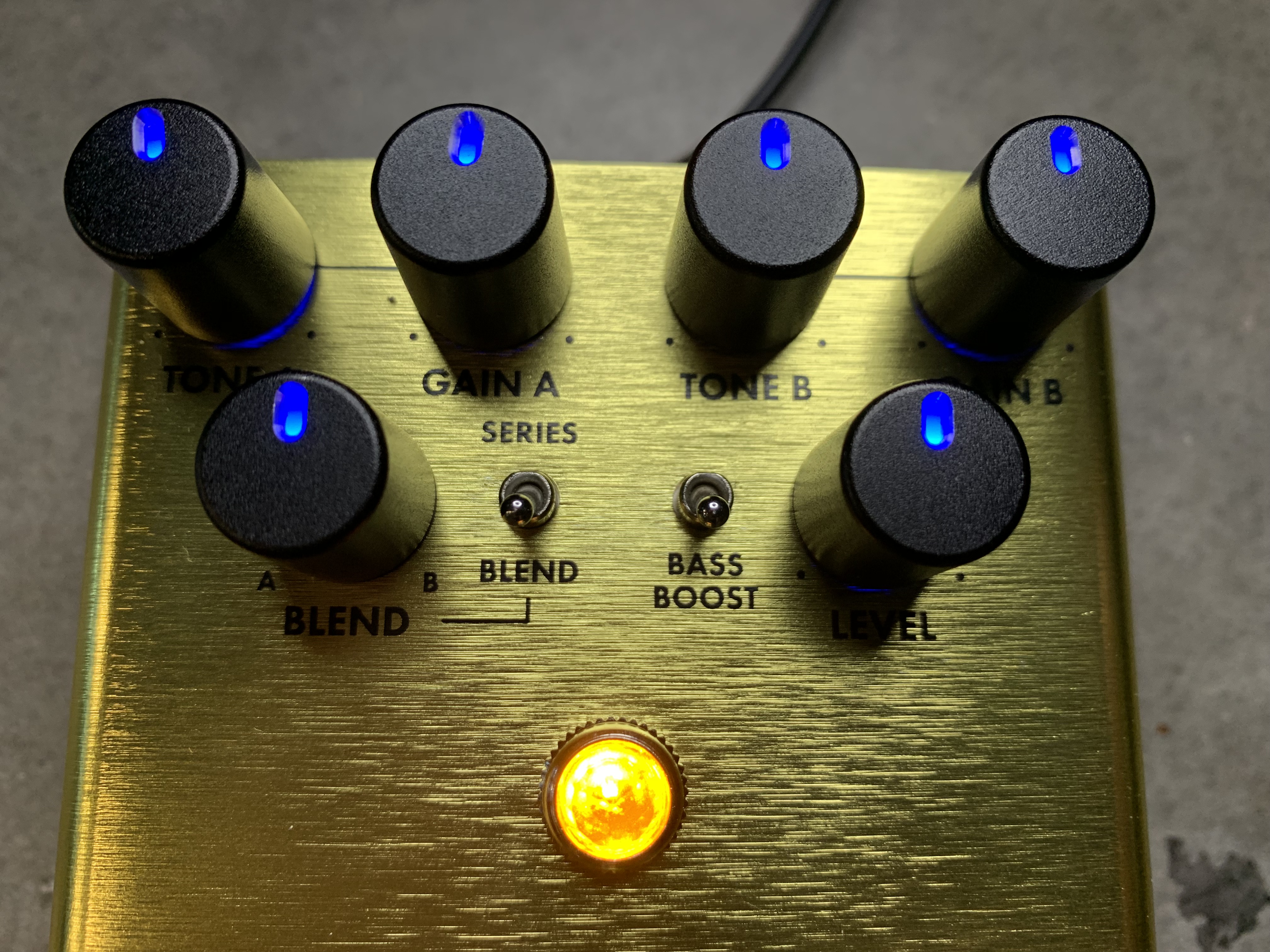
The distortion tones, features, and build quality of the Pugilist had us in disbelief how far Fender has come with effect pedals. The Pugilist has a well-designed gold anodized aluminum chassis and features magnetically latched 9V battery door that is spring loaded so you can reach the battery without even taking the pedal off your board. The cleverest design feature though is the control knobs are illuminated with blue LEDs, giving the pedal an easy to read sapphire glow, which can be switched off if its not your thing. All this attention to detail and the golden Fender amp-style jewel indicator light combine to make a gorgeous minimalist pedal.
In terms of construction, we could only produce two nit picks about the Pugilist. The first is the foot switch on our unit was tough to depress and made a very audible click when engaged. Second, we wish the input and output jacks were top mounted to save some space on the pedalboard. Aside from these minor things, Fender really nailed it when designing this distortion.
Crucially, Fender’s attention to detail wasn’t confined to aesthetics. It sounds great too. This distortion features two gain engines that can each be independently controlled with TONE and GAIN knobs.
However, the more interesting control on the Pugilist is the BLEND knob, which lets you determine the mix of the gain engines. We found “Gain B” more aggressive and bass heavy than “Gain A.” Dialing them in for several guitar and amp combinations was a pleasure and we could always find great tones no matter the signal chain. In fact, it was difficult to find a tone we didn’t like.
You also have the option to stack the drives in a series if you prefer that option to blending them via a toggle switch. Finally, there is a BASS BOOST toggle as well to give the bottom end more oomph. All these shaping options give the pedal a wide sonic range.
Bottom Line: We love it for light distortion to hard rock, as its sweet spot stops a little short of metal. Having said that, the tones the Pugilist makes rival pedals twice its price, and the versatility and range of the pedal make it really impressive for anyone looking for a rock-focused powerhouse.
See how artists use this

.jpg)




EarthQuaker Devices Acapulco Gold V2
4.5 (49)
A recreation of an iconic amp in a pedal with simple controls.



Average Price: $129
Standard/Professional
$80
$181+
Budget
Standard
High-end
- Ideal middle ground between fuzz and distortion
- Enhances guitar control through tone and volume knobs
- Constantly on pedal, volume control dictates distortion level
- Produces thick, powerful distortion without excessive fizziness
- See 6 more
- Not very versatile, primarily a one-trick pony
- Can be too intense for some players or musical styles
- Sound quality heavily dependent on amplifier used
- Limited control options with only a volume knob
- See 2 more
| Bypass | true bypass |
| Analog/Digital | analog |
| Power | 9V |

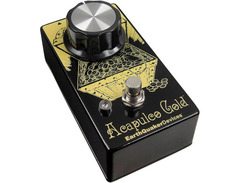
The EarthQuaker Devices Acapulco Gold is interesting. One glance will tell you that. In addition to some beautiful artwork the form factor of this pedal puts its uniqueness on display from the moment you first lay eyes on it.
The pedal is essentially a footswitch, a brilliant white LED indicator, some beautiful black and gold artwork, and one big honking knob. What’s weirder, it somehow all makes sense.
I’ll let EarthQuaker Devices explain their reasoning:
Since tone is in the hands, we decided to keep the controls of the Acapulco Gold as simple as possible. The footswitch turns the pedal on and off, and the giant knob controls the output volume. That’s it. ... Want less gain? Turn down your guitar’s volume knob. Need a darker rhythm tone? Roll back your guitar’s tone control. Easy, right?
We can’t argue with that. This pedal was designed to simplify your distortion options and redirect the focus to just picking up, plugging in, and playing guitar.
The Acapulco Gold is based on power amp distortion. Specifically, it is modeled after a dimed Sunn Model T distortion. For those uninitiated, Sunn Model Ts have a cult following by those that love huge, over the top overdrive. However, unlike a Sunn head, which go for well north of $2K on the used market, this pedal is easy to find, transport, and doesn’t require maintenance.
This pedal fits the bill if you like this somewhat specific maxed out tube amp sound. No question, this is pure driven amp rock and roll distortion. The bottom end is too big and unruly for metalheads, and the dimed amp sound is something that is a specialized sound since adjusting the Acapulco Gold is limited by your guitars knobs. That limits the Acapulco Golds versatility compared to some of the other distortions here, but if you like the sound of this produces, this is a very attainable way to get an amazing tone.
And we mean it when we say the tone is amazing. It is really popular with doom and stoner rockers for it’s saturated expressive crunch. And despite having a really booming low end, the treble sustains you can achieve with this distortion are great. Check out this video of Andy putting it through its paces if you’re interested in hearing how it sounds.
One word of caution: this pedal is LOUD! When we plugged in with our guitar volume up, we couldn’t get past 11 o’clock on the gigantic knob before we were shaking our windows.
Bottom Line: The Acapulco Gold delivers the sounds of a Sunn Model T amp with everything turned up to 10. No more, no less. The downside is you are giving up versatility by not having EQs and other tone shaping features, the upside is you have legendary amp tone in a stomp box. If you love that driven tube amp on the verge of exploding sound, this may be the distortion for you.
See how artists use this

.jpg)




.jpg?v=1785156690)


JHS Angry Charlie V3
4.5 (27)
A Marshall JCM 800 with an outstanding EQ and creamy gain tones.

Average Price: $190
High-end/Boutique
$80
$181+
Budget
Standard
High-end
- Emulates classic Marshall tones accurately
- Wide range of gain, from 70s rock to modern metal
- Sustain and legato runs are effortless
- 3-band EQ allows precise tone shaping
- See 6 more
- Can sound boxy and thin to some users
- Limited treble range with certain amps
- Becomes noisy without signal cut when not playing
- High gain settings may be too much for some
- See 1 more
| Bypass | true bypass |
| Analog/Digital | analog |
| Power | 9V, 12V, 18V |
| Current Draw | 100ma |
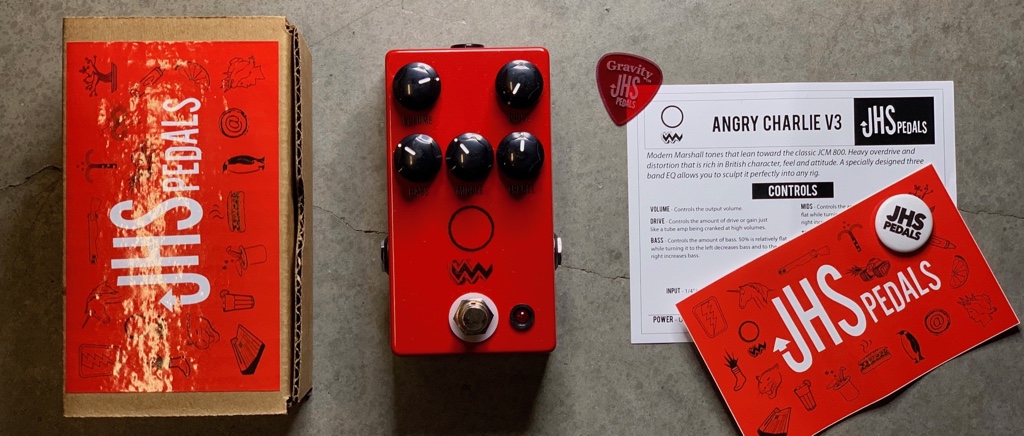
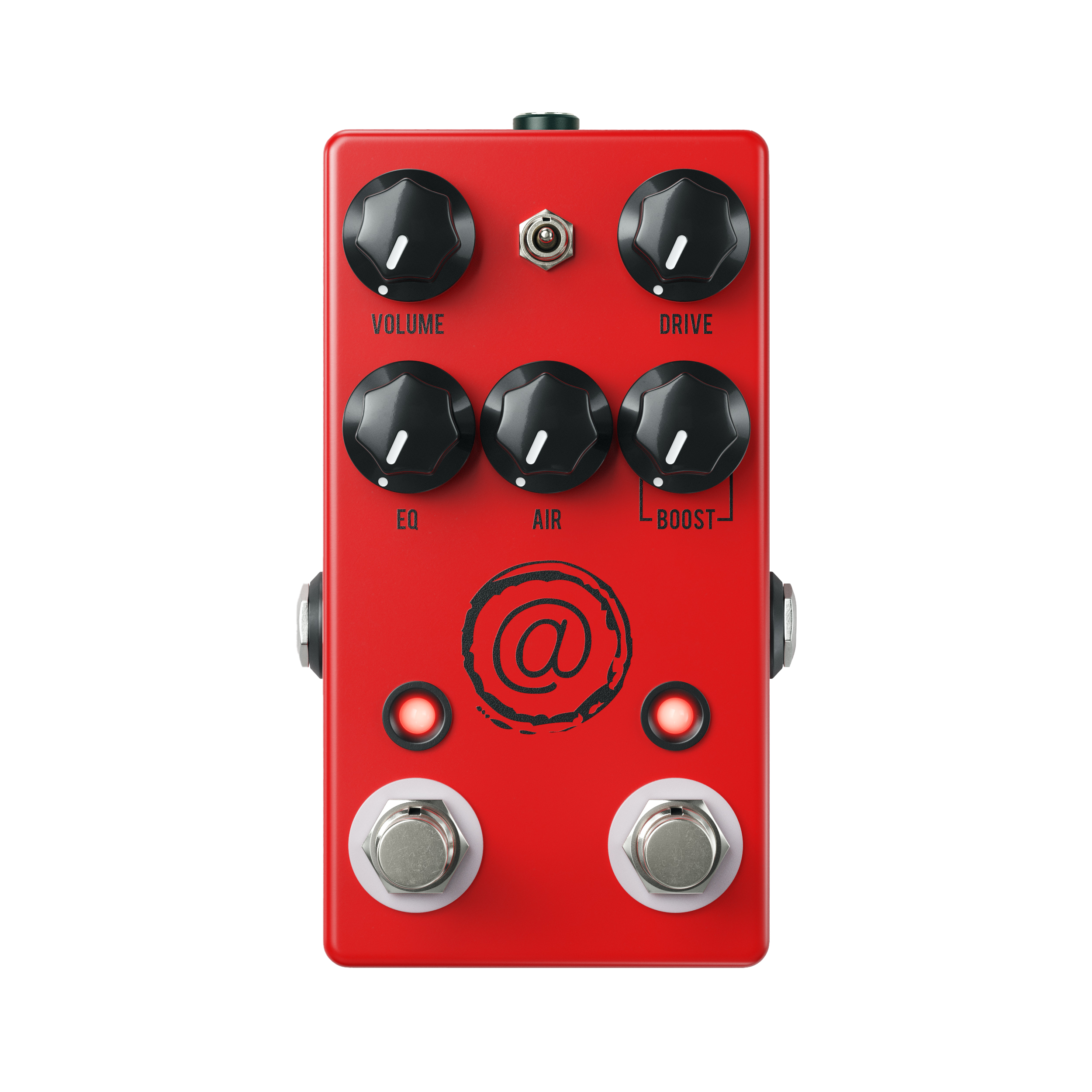
The JHS Angry Charlie started off as a Marshall-in-a-box attempt; specifically an eighties rock defining JCM 800. That means you get really chunky mids with plenty of gain on tap. Thanks to wide EQ options, JHS really made this pedal sound great at a light crunch setting to searing solos.
The pedal is powered through a standard 9V negative center and draws 11 mA. Controls include Volume , which is a master output control, Drive , and a tone stack with Bass , Middle , and Treble. The EQ has a wide frequency range and is flat at 12 o’clock so you can relatively cut or boost each range. The EQ is also really sensitive and even small changes result in a large sonic change, so this pedal can cover a lot of ground. In fact, this EQ is one of the best we’ve seen on a distortion pedal. We were impressed by how JHS voiced this distortion so that despite the wide range, it was hard to make a bad sound in our testing.
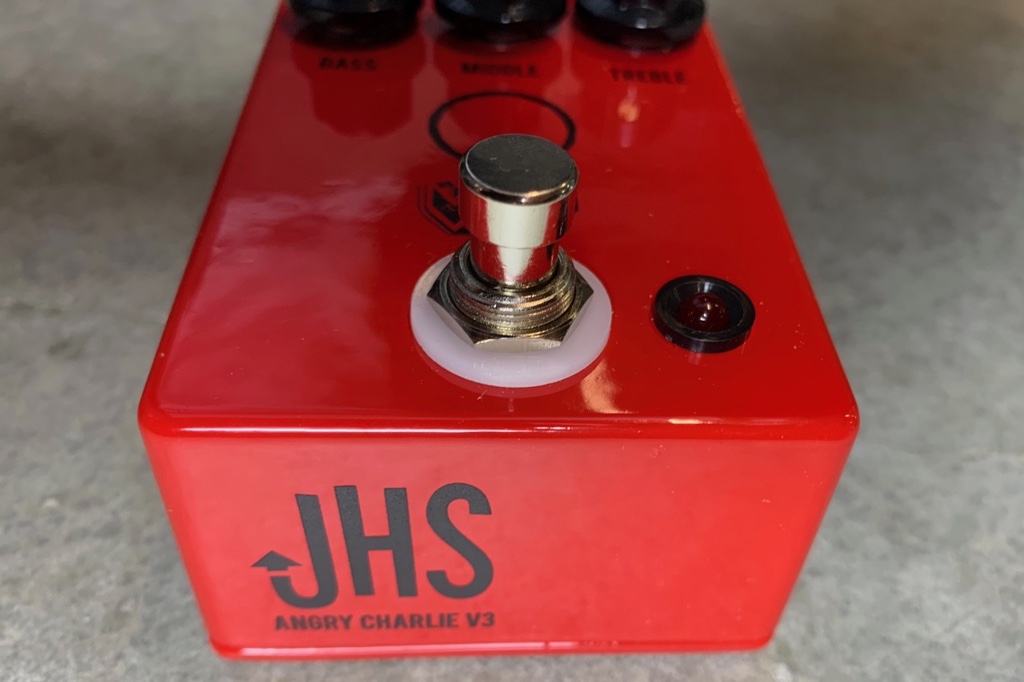
We will say there is a diminishing return on the drive, and past 2 or 3 o’clock things passed our personal sweet spots to get muddier than we liked with the volume cranked, but we still didn’t think it sounded bad.
The mids of the Angry Charlie really stand out, giving the pedal a creamy saturation at its core. On top of this quintessential British sounding base, you can add treble or bass to preference to add some bite or boom and sound great. Even as a boost, when we rolled back the drive and opened up the volume we were impressed. That’s generally not the forte of pedals that can accurately mimic a JCM 800 at a high gain setting.
It also sounded great with scooped mids for 80s hard rock and metal. Again, we have to praise the EQ here. Even with the gain up, the pedal stays tight with clear note separation. Rhythm or lead playing, this pedal handled it all.
The version 3 is an update that adds a little headroom, slightly different voicing, as well as a more extensive EQ instead of the tone control knob on the V2. We should also mention there is an Andy Timmons signature pedal from JHS that is based on this platform with selectable headroom (15, 50, or 100 watts), if that is important to you, but you will sacrifice some control in the EQ. Really, though, you can’t go wrong with either option.
Bottom Line: The Angry Charlie from JHS is a rich sounding distortion based on the legendary Marshall JCM 800 amplifier that has iconic British tones, but excels in many genres and roles because of its impressive EQ.
See how artists use this



.jpg)




Big Ear Pedals Woodcutter
5.0 (9)
Superb boutique LM308 RAT clone with more bass.
Average Price: $149
Standard/Professional
$80
$181+
Budget
Standard
High-end
- Offers a wide range of distortion, from moderate breakup to near fuzz
- Durable, high-quality casing and metal knobs
- Allows for tone very close to iconic sounds (e.g., SP’s Siamese Dream)
- Wide and usable tone/filter control range
- See 5 more
- Not a replacement for an overdrive pedal, not transparent at low settings
- Distortion character may not significantly change past 3 o'clock on the dial
| Bypass | true bypass |
| Analog/Digital | analog |
| Power | 9V |
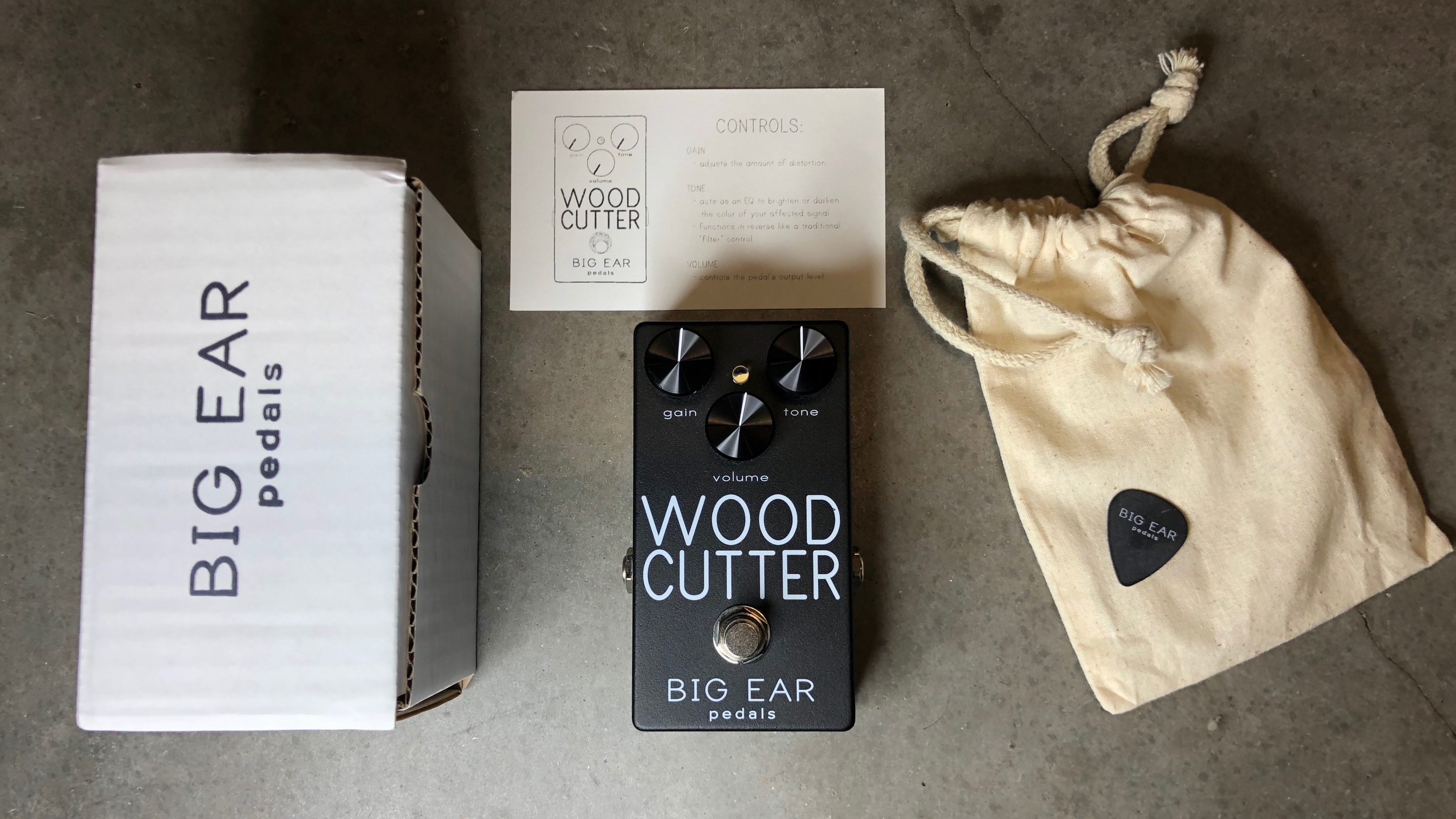
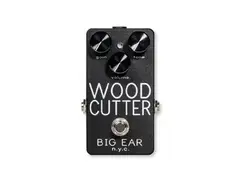
The BIG EAR WOODCUTTER is a ProCo RAT clone. Specifically, the kind folks at BIG EAR (who build these boutique pedals by hand) modeled this one after an LM308 equipped RAT.
It's a very solidly built and nice pedal. The big white lettering looks cool on the pedal's black finish. The knobs are metallic and turning them feels amazing. You can't use a battery with it, so make sure you have a 9V power supply.
The knobs are the same as the RAT, though two of the three have been renamed. The footswitch is easy to click and the LED is bright and white.
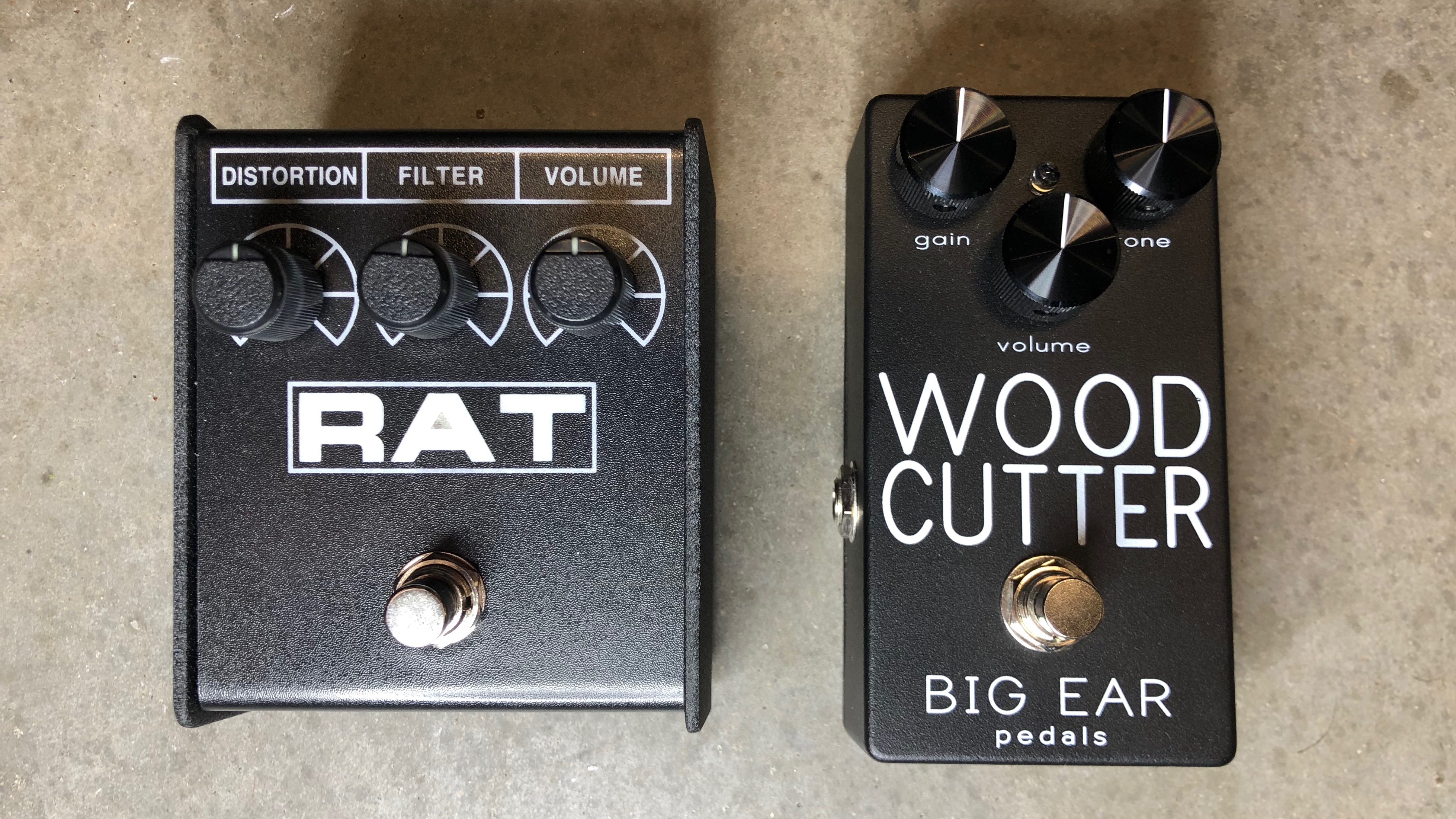
So, if ever you've been interested in a RAT, you need to take a close look at the WOODCUTTER. We compared it side by side to a newer RAT2 (non LM308), and it sounds very similar. The thing about RAT clones is sometimes they stray a bit too far from the original sound (looking at you, Walrus Iron Horse). The WOODCUTTER comes astoundingly close.
Check out our video where we compare RAT 2 vs. WOODCUTTER vs. Iron Horse V2 and hear it for yourself:
Where they deviate is that the WOODCUTTER has more bass. Whether that's good or not depends on the rest of your rig - perhaps if you have a bass-heavy amp and a chunky Les Paul, you might not need the extra bottom end. If a ProCo RAT2 is 55% fuzz and 45% distortion, the WOODCUTTER is the inverse.
As for us, we love it. It's one of the only RAT clones we've played where we can say with confidence...
It's like a RAT, but better.
Bottom Line: The BIG EAR Pedals WOODCUTTER feels special; it's hand-made in limited quantities by a husband and wife team. It'll also cost you nearly three times what a new RAT2 does. Is it worth it? To us, yes. Not that it's three times better than an original RAT, but it's dripping with sophistication and boutique feel, and puts a huge smile on our face every time we turn it on.
See how artists use this






Walrus Audio Iron Horse V2
5.0 (11)
Tones based on an iconic op-amp with expanded EQ options.


- Unique ability to enhance gain stages and create massive sound
- Offers versatility and different shades of dirty with the clipping knob
- Tighter and less flubby low end compared to a regular RAT pedal
- High-quality components and craftsmanship
- See 4 more
- Bottom end can be a struggle, affecting tight metal tones
- Tendency to oversaturate when not dialed back
- Can affect the pedal chain's brightness to achieve the right body
- High end may need to be rolled off due to fizziness
- See 2 more
| Bypass | true bypass |
| Analog/Digital | analog |
| Power | 9V |
| Current Draw | 10ma |
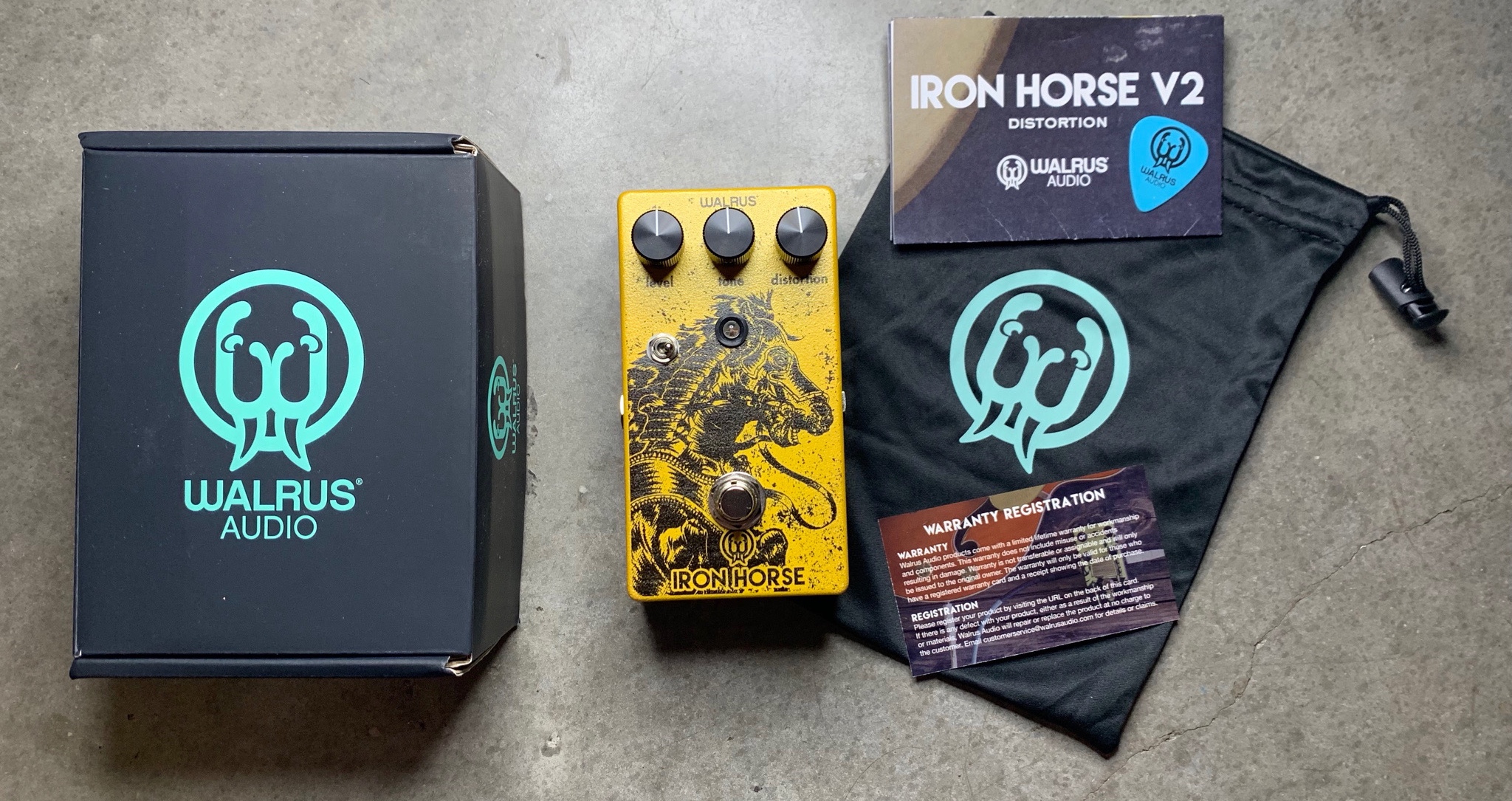
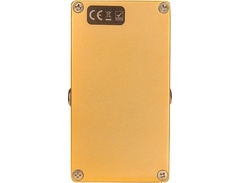
The Walrus Iron Horse V2 is a beast ready to be unleashed. Just as the cool artwork would make you think first looking at this pedal, it is rough and rowdy. The sound is fat and full, but it also sounds great at low gain levels.
The Iron Horse gives you three control knobs; LEVEL , TONE , and DISTORTION. Additionally, there is a Compression toggle between a low compressed clipping, high compression, or a wide-open tonal shape.
The Iron Horse is built around the famous LM308 chip. It is considered one of the Holy Grail op-amps by tone chasers because it was used in the original Pro Co RAT pedals until 1995. While not a purpose built guitar chip, it has rightfully gained a following. Current RAT incarnations that are manufactured in China still sound terrific, but for people specifically looking for the original vintage op-amp sound coupled with American craftsmanship we love the Iron Horse V2.
The Iron Horse gets you that classic distortion sound and gives you more compression options and control. By adding a three-mode toggle switch that selects different diodes Walrus has essentially taken a classic distortion and improved the dynamic range.
Bottom Line: This distortion delivers classic tones from the iconic LM308 chip while adding more tone shaping controls.
See how artists use this








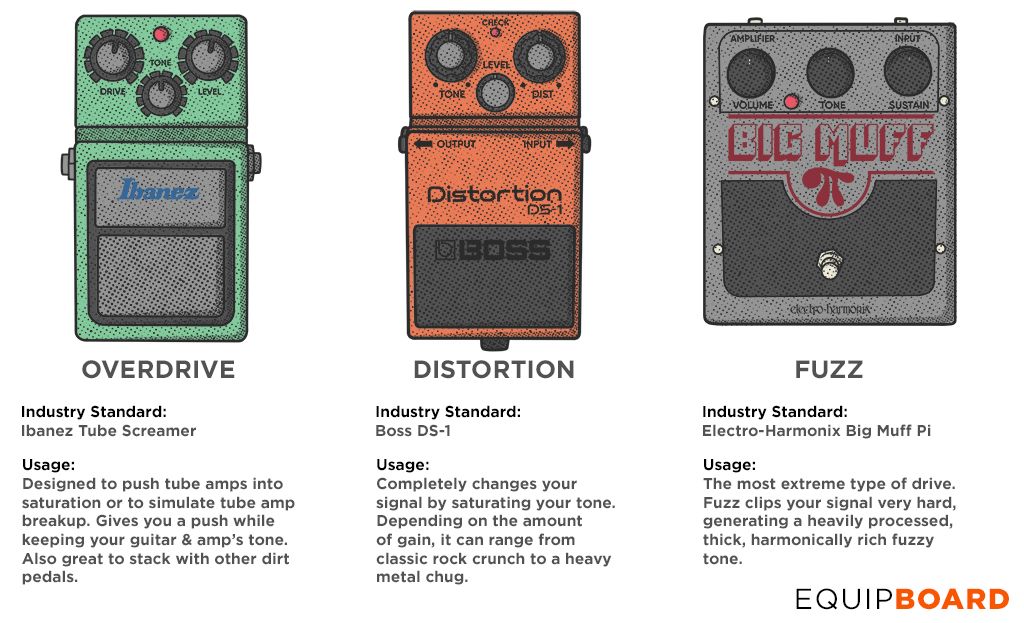
What Does a Distortion Pedal Do? Overdrive vs. Distortion vs. Fuzz
The drive family of pedals, in order from most mild to most extreme looks like this:
overdrive > distortion > fuzz
Overdrive pedals are meant to push a tube amp into that "sweet spot" subtle breakup/saturation, or at the very least simulate that sound in a solid state amp. The idea is to add character while retaining some semblance of your original sound.
Distortion pedals produce much more gain than overdrive. Distortion saturates to a degree such that it significantly alters the original signal. While an overdrive pedal is perfect for a bluesy crunch, a distortion pedal will take you to hard rock and metal.
Fuzz pedals are a different beast altogether, clipping your sound hard and resulting in a huge sound. However, it's more difficult to articulate individual notes with a fuzz pedal.
How to Choose a Distortion Pedal: Tone, Quality, Versatility, and Cost
The fist step in choosing a distortion pedal is to consider what style of music you want to play. Because distortion is broad term spanning from moderate overdrive all the way to brutally heavy tones, it is important to make sure your pedal is suited to your playing style or genre you like.
We love all the pedals in this list, and while they are all distortion pedals, some are suited for classic rock distortion while some are capable of heavy death metal tones. Long story short, know how you will use the pedal. Here are some other factors to consider:
» Tone: How much you like the sound of that particular pedal. When evaluating tone, remember there are other variables in your signal chain. Notably your guitar, amp, room, and a plethora of other factors can affect your tone.
When comparing tone amongst pedals, in between trying the pedals take a break and revisit your options before you commit. If you line up a dozen distortion pedals side by side and listen to them all, it would be like tasting red wines or smelling perfumes; your senses would quickly fatigue, and the tones all blend together. Distortion is not a clean effect - it's messy and compressed, so unless you are comparing a metal tone cranked up all the way with the mids scooped against a dialed down rock tone, it can be hard to determine differences.
» Quality: Try to look up the reputations of each pedal. Have people had issues with the builds? Are there possible oversights that the manufacturer has made? Is it true bypass or buffered? How about the build quality and materials?
» Versatility: Consider the possible tonal variety one can achieve with the pedal. Maybe you need a distortion pedal well suited for solely metal. Maybe you need a single versatile pedal to handle anything from overdrive to heavy gain. Maybe the three knobs on a RAT aren't enough to sculpt what you need. Consider the pedal for the type of music you (and/or your band) like to play.
» Cost: We present a wide range of price points, but what we hope you take away is that you don't have to break the bank to have an extremely good distortion pedal on your pedalboard.
Can I Use a Guitar Distortion Pedal for Bass?
Yes, but you probably shouldn't. The frequency range of an electric guitar is significantly different than that of a bass guitar, and pedal manufacturers take this into account when building pedals. While you can do some trial and error and find some guitar distortion pedals that work decently well with bass, we recommend saving time and effort and going for a specific distortion pedal for bass.
The Best Distortion Pedals for Metal
Metal players require a completely different level of distortion than players of other genres do. Metal players need more gain, but they also tend to need a tighter and more compressed sound for fast rhythm playing while still being able to cut through the mix for soaring solos.
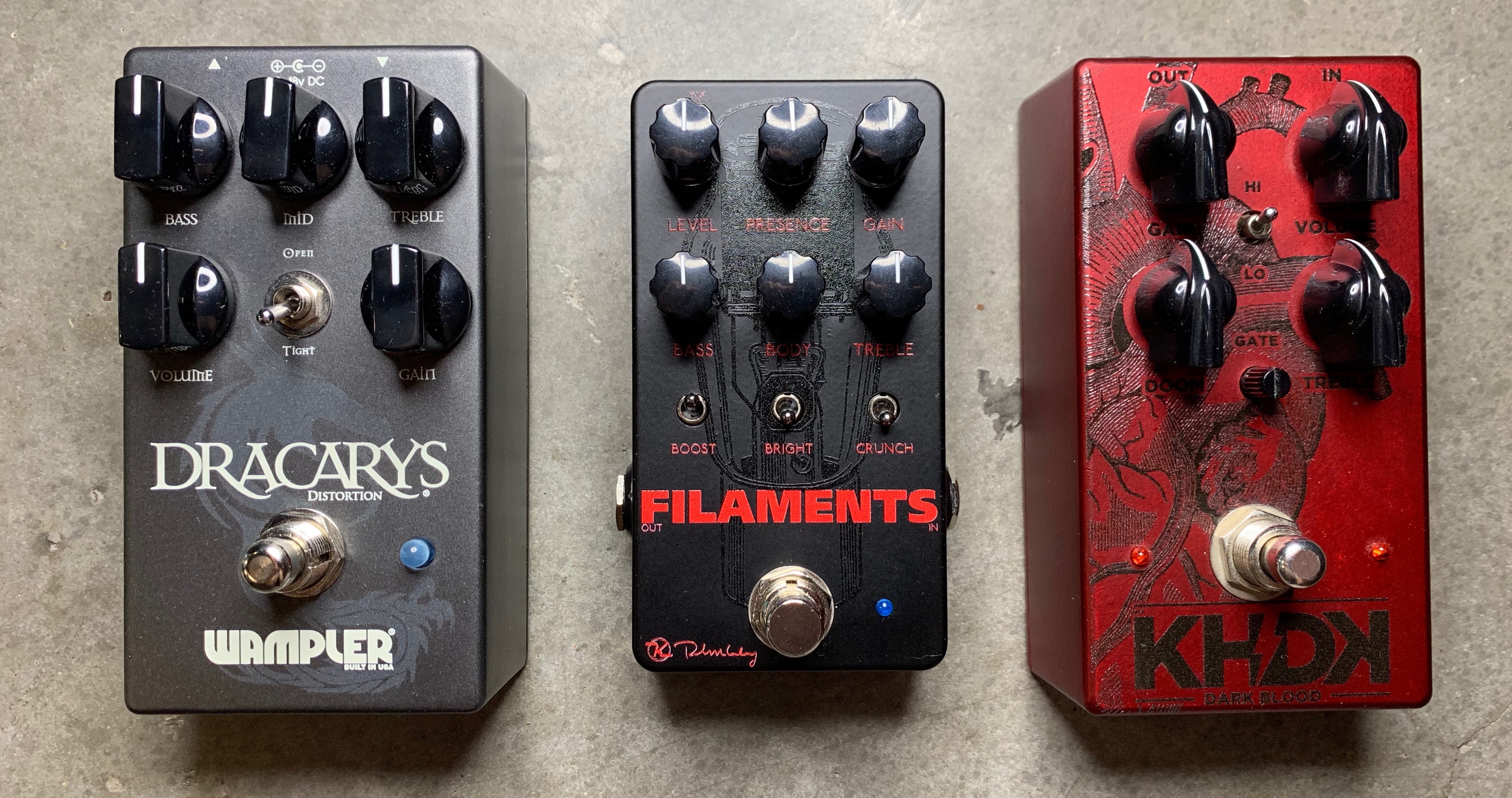
You may notice that this leads to many quality metal pedals essentially being “amps in a box” that have multiple gain stages and compression options.
Essentially, because distortion is critical to good metal tones, pedals that target metal are relatively full featured and nuanced.
The Best Distortion Pedals for Classic Rock
Players looking for distortion pedals to play classic rock are in luck. That is because many of the more popular original distortion pedals that were actually used in the recording and performing of classic albums are still in production.
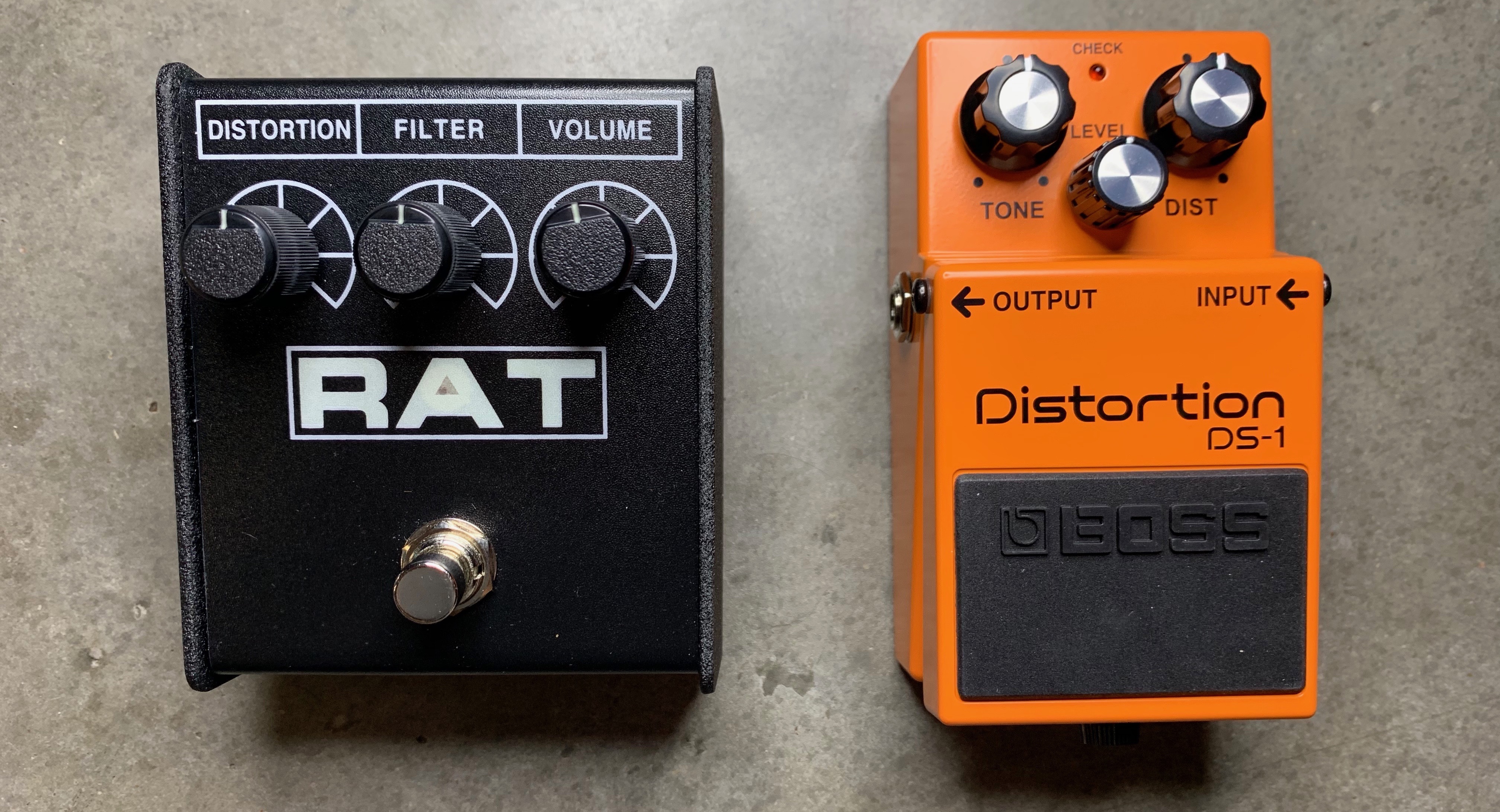
Dedicated distortion pedals like the RAT and Boss DS-1 were both introduced in 1978 and quickly established reputations as premier distortions. As such, both pedals been used on landmark albums songs for decades. If you are looking for a classic rock distortion, look at these two and pedals based on these circuits.
The Best Distortion Pedals Under $100
The Boss DS-1, ProCo RAT2, and MXR M75 Super Badass are the best distortion pedals under $100. It's hard to pick a winner outright, since all three are pretty different.
The RAT is the most unique sounding. It has a very distinctive 70% distortion/30% fuzz kind of sound, and there are dozens of pedals out there that try to capture its tone and improve on it. Many have come close, but if you want that RAT sound, it's simple - get a RAT! For what it costs, it's easy to buy and similarly easy to sell if it ends up not being your flavor.
The DS-1 is a certified classic. It's the cheapest of the three, and likely the most used distortion pedal of all time. It might not be extremely versatile, but you'll probably find a tone you love. You can also mod it many different ways.
The MXR Super Badass would be our choice if we were stranded on a desert island and could only have one distortion box. It's very versatile due to the EQ. It's no substitute for a RAT, but it can get close to a DS-1. If you play a lot of genres, from blues to classic rock to metal, you should go with the MXR.
Keep in mind we're talking under $100 new. If you venture to the used market you may find great deals on higher-end pedals.
How We Tested Distortion Pedals
To bring you the best distortions out there, we keep current and extensively research new products. We periodically review and revise this list as new pedals are released.
We run them through different combinations of guitars and amplifiers, since changing the signal chain can greatly affect the sound of a distortion pedal.
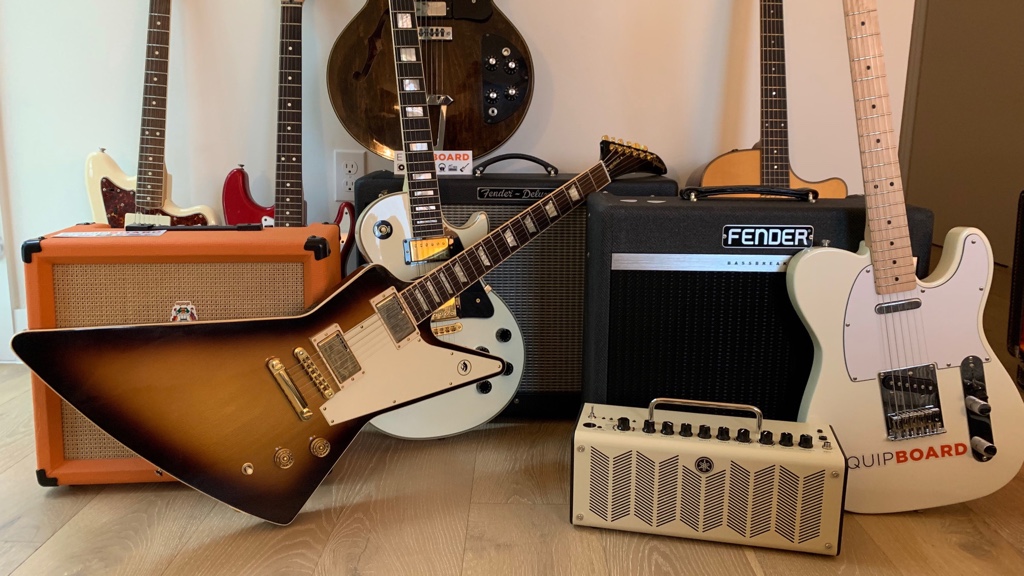
We ran these distortions through our tube amps, solid-states, and even headphone amplifiers. In terms of electric guitars, we used a variety of single-coil and humbucker pickups, as well as solid body, semi-hollow, and hollow body guitars.
In short, we listened to these distortions in as many signal chains as possible before formulating our opinions of them.
Distortion Pedals That Didn't Make the Cut
As we test distortion pedals, inevitably some won't be "best of" worthy. We'll make notes of those here.
TC Electronic Dark Matter
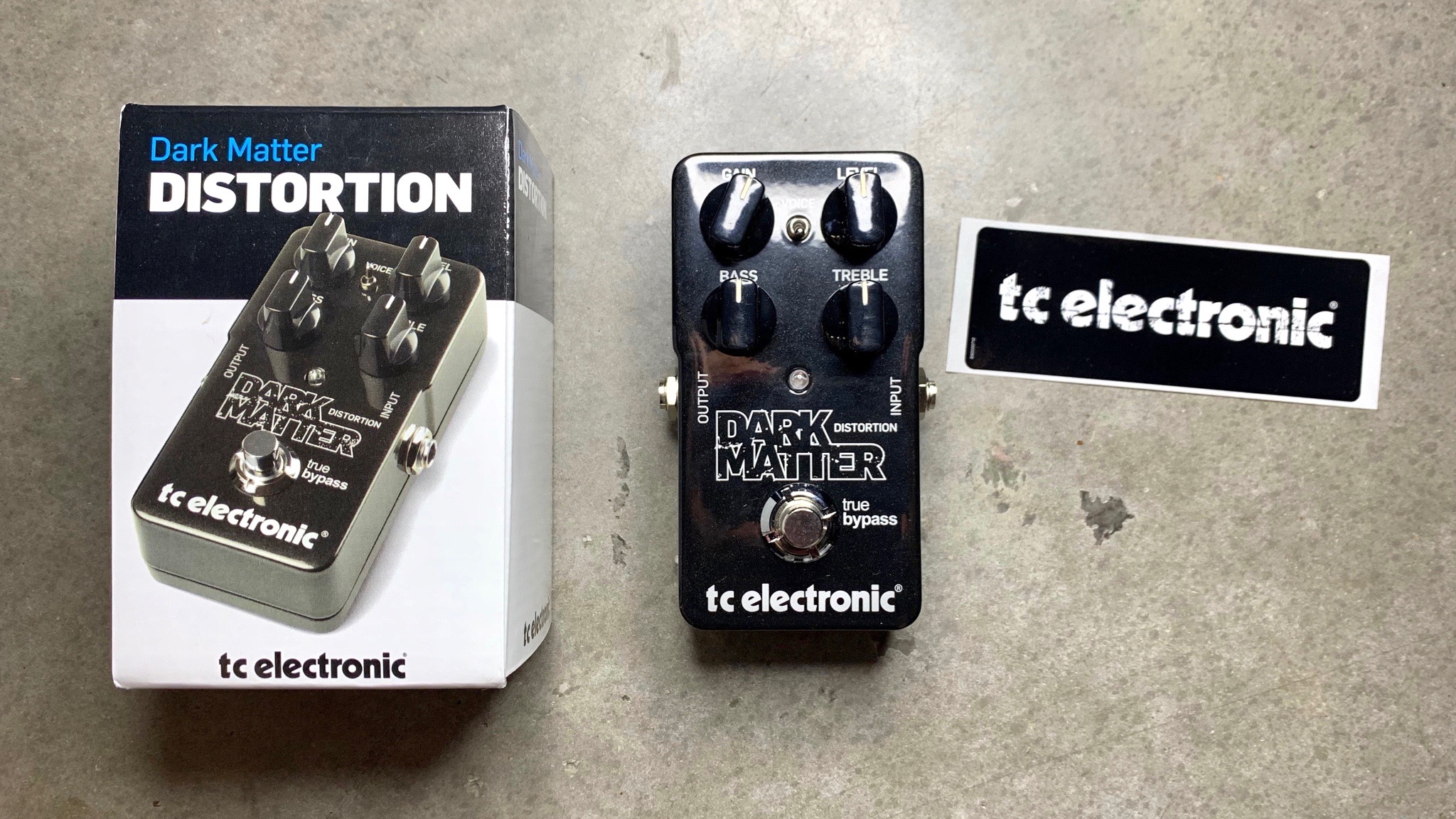
We have lots of love for TC Electronic, but their Dark Matter distortion simply lacks oomph compared to the rest of the pedals on this list. It has more of an overdrive flavor to it; it's a stretch to label it a distortion. The price is certainly budget-friendly, but at this price point go for a Boss DS-1 instead, or search for a used MXR Super Badass if versatility is what you're after.
Top Ranked Distortion Effects Pedals on Equipboard
-m.webp?v=1785150075)

-m.webp?v=1785150918)
-m.webp?v=1785150169)
-m.webp?v=1785137649)
About the authors
Michael R. Pierce is the co-founder of Equipboard and a lifelong musician with over 25 years of experience as a guitarist and gear enthusiast. He blends solid music theory chops (thanks to formal training in guitar, piano, and trumpet) with real-world experience, always exploring and experimenting across genres like rock, blues, and hip-hop. Michael launched Equipboard in 2013 after graduating from The University of Texas at Austin, leveraging his unique blend of musical passion, technological acumen, and community building. His current go-to rig features a Fender American Original ‘50s Telecaster, Analogman King of Tone, Strymon Flint, and a Fender ‘57 Custom Champ. Read more
Giulio Chiarenza is the co-founder of Equipboard and a lifelong multi-instrumentalist with a deep passion for music gear. Born in Italy and raised in the U.S., he holds a Computer Science degree from The University of Texas at Austin and blends technical acumen with decades of hands-on experience across guitar, piano, drums, and electronic production. Early in his career, Giulio was signed to a San Francisco-based EDM label, releasing both remixes and original tracks. These days, he helps steer Equipboard’s vision while personally testing and reviewing gear. He's never too far from his go-to guitar: a vintage 1978 Fender Telecaster Custom. Read more
Comments
Sign Up or Log In to add comments

88
The MXR Prime Distortion, new at Guitar Center, cost me only $39.99. It's very similar to MXR's Distortion+. With an added tone control. It's very, very quiet for not having a built in noise gate. I understand that recently Guitar Center has upped it's MAP price to $49.99.

1765
Agreed ^ Nice to see you guys update these. Thinking of picking up a MXR Super Badass Distortion, sounds amazing.

149
REVV G3 or G4

161640
Just came here to say that this article started life on July 20, 2015 as "5 Best Distortion Pedals Under $80", written by Alex Paul of Girih and Robot Graves Industries. Check out that article here!
New in Distortion Effects Pedals


$248.00 - $249.00
in Distortion Effects Pedals Rank


$134.39 - $159.99


$164.89 - $246.00




.jpg)