Table of Contents

Equipboard
Equipboard is the world's largest community of artists and their gear. Read our review process.
We are reader-supported. When you buy through links on our site, we may earn an affiliate commission. Learn more.
Guitar amplifiers are as crucial to a guitarist’s sound as the guitar itself. Whether you’re playing soulful blues, ripping through rock solos, or exploring experimental sounds, the right amp brings your guitar to life. This guide explores the main types of guitar amplifiers, a brief history, how different power amp classes affect tone, and all the key features to consider when choosing your ideal amp.
A Brief History of Guitar Amplifiers
Guitar amplifiers began to evolve in the 1930s, when jazz and swing bands needed more volume for electric guitars to be heard over drums and horns. Early amps were simple and low-powered, but by the 1950s, rock and roll ignited a revolution in amp technology. Fender, Gibson, and Ampeg led the way with their tube-driven amplifiers, which produced warm, dynamic tones. Later, Marshall entered the scene with high-gain, high-power amps, helping define rock music’s roaring, distorted sound.
Over the decades, amplifiers evolved from simple, clean-sounding devices to complex machines with channels, effects, and high-wattage options to suit a variety of genres and performance needs. Today’s amps range from vintage tube amps prized for their warmth to modern digital models loaded with amp simulations and effects, giving guitarists incredible flexibility.
Types of Guitar Amplifiers
There are two primary categories of guitar amplifiers: combo amps and amp heads with separate cabinets. Each has its pros and cons, and the choice often depends on playing style, space, and budget.
1. Combo Amps
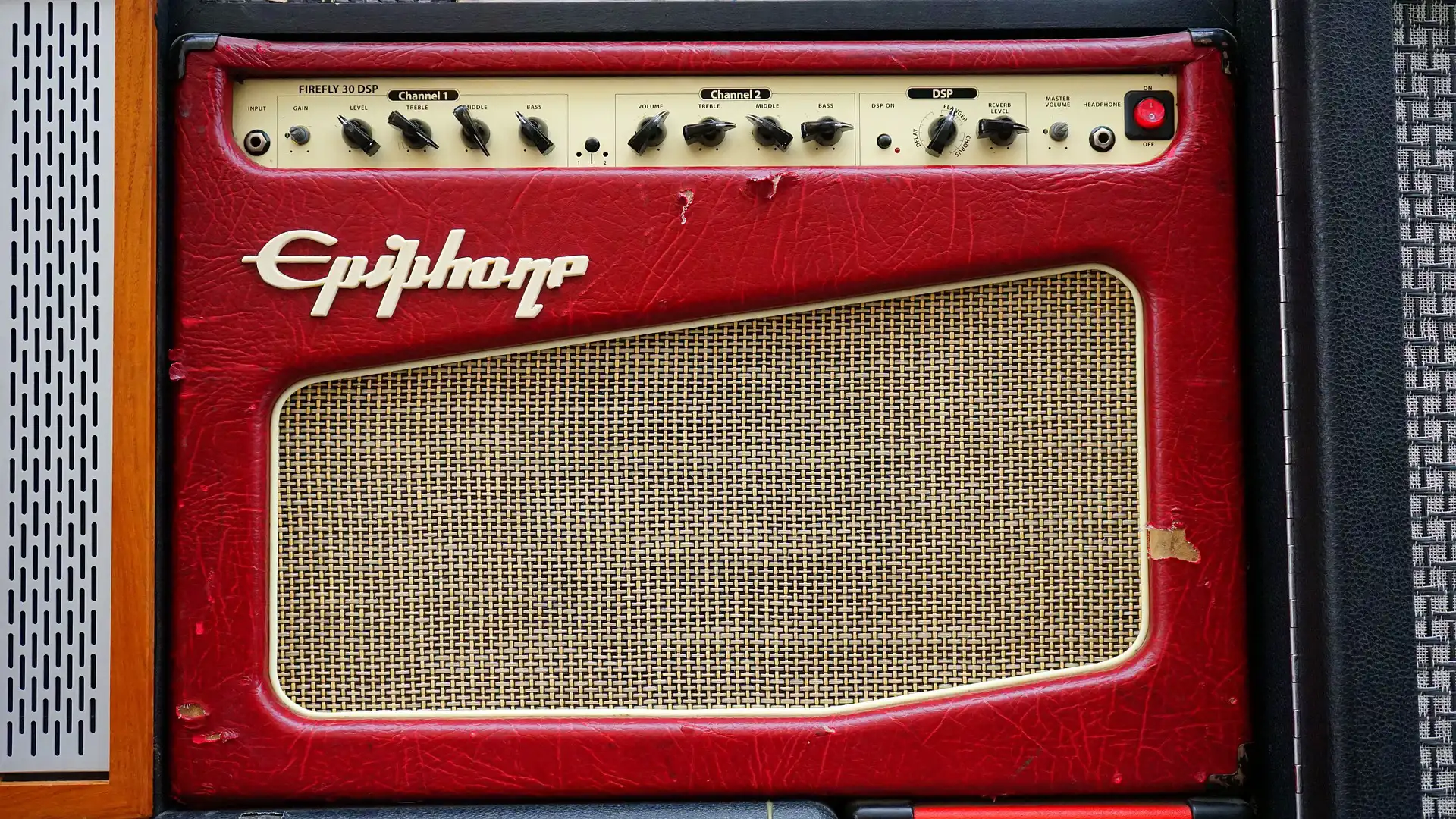
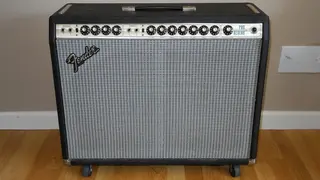
Combo amps combine the amplifier (electronics) and the speaker(s) in a single unit, making them convenient and portable. They’re especially popular with beginners and gigging musicians who prefer an all-in-one solution. Combo amps are available in various sizes and power ratings, from low-watt practice amps to gig-ready models that deliver powerful sound.
2. Amp Heads and Cabinets


Amp heads contain just the amplifier section, with no built-in speakers. They are typically paired with separate speaker cabinets, or "cabs". This modular setup allows guitarists to mix and match different amp heads and cabs, creating custom sound setups. Head-and-cab rigs are often louder and more customizable but can be less portable than combos.
Understanding Power Amplifier Classes: A, B, AB, and D
Power amp class refers to the electronic circuitry used in amplifiers, each affecting tone, response, and efficiency. Here’s a breakdown of the most common types:
Class A
Best for: Warm, rich tones with natural overdrive
Common in: Vintage and boutique tube amps (Vox AC30, Matchless DC-30)
Class A amplifiers run all tubes at full power at all times, even when no signal is present. This results in a highly responsive, harmonically rich tone with smooth, natural overdrive when pushed. Because the tubes are always conducting, Class A amps tend to be warmer and more dynamic than other designs.
However, this constant high-power operation has trade-offs:
- More heat generation – Class A amps require large transformers and cooling mechanisms to prevent overheating.
- Lower efficiency – They consume more power than other classes, making them less practical for high-wattage applications.
- Lower headroom – Since tubes are always at full power, clean tones tend to break up at lower volumes compared to Class AB designs.
Famous Class A amps include:
- Vox AC30 – Iconic British chime, used by The Edge, Brian May, and Tom Petty.
- Matchless DC-30 – Known for its boutique warmth and dynamic response.
- Dr. Z Maz 18 – A favorite among blues and country players.
📌 Ever wonder why vintage Class A amps are so heavy? Those always-on tubes require massive transformers and extra cooling!
Class B
Best for: Power efficiency, but not ideal for guitar amps
Common in: Hi-fi stereo systems, rarely used in guitar amps
Class B amplifiers are designed for efficiency rather than tone. Unlike Class A amps, each tube only operates for half of the waveform cycle, meaning one tube handles the positive half while another takes the negative half. This allows for much better power efficiency, but it introduces "crossover distortion," a harsh, unnatural sound that occurs when the tubes switch phases.
Because of this distortion, Class B amps are almost never used in guitar amplification. Instead, they are commonly found in high-fidelity audio systems, PA systems, and industrial applications.
🎛 While rare in guitar amps, Class B designs revolutionized hi-fi stereo systems in the 1960s.
Class AB
Best for: Classic tube amp tones with better efficiency
Common in: Most tube amps (Marshall, Fender, Mesa/Boogie)
Class AB amplifiers blend the best aspects of Class A and Class B designs. They use:
- Low-level biasing to keep both tubes slightly active, reducing crossover distortion.
- More efficiency than Class A while retaining its warmth and responsiveness.
- Higher headroom, making them great for both clean and overdriven tones.
This design makes Class AB the most common type of amplifier for guitarists, found in everything from Marshall Plexis to Fender Twin Reverbs and Mesa/Boogie Dual Rectifiers. Players love Class AB amps because they can:
- Stay clean at higher volumes compared to Class A.
- Deliver punchy overdrive with tighter low-end than pure Class A amps.
- Provide a reliable balance of warmth, power, and efficiency.
Famous Class AB amps include:
- Marshall JCM800 – The gold standard for rock and metal (used by Slash, AC/DC, and Iron Maiden).
- Fender Twin Reverb – Classic clean tones and surf rock sounds (used by Eric Johnson, The Beatles).
- Mesa/Boogie Dual Rectifier – Known for high-gain saturation and metal tones.
🎸 Most of your favorite classic rock tones were likely recorded through Class AB amps – they're the sweet spot between warmth and practicality.
Class D
Best for: Lightweight, efficient amps with digital modeling
Common in: Modern solid-state and modeling amps (Line 6, Quilter, Kemper)
Class D amplifiers operate using switching transistors that turn on and off thousands of times per second. This makes them extremely efficient and lightweight, allowing for powerful amps in compact designs.
However, Class D amps don’t use tubes and lack the natural compression and harmonic saturation found in Class A and Class AB designs. This makes them less ideal for players who love vintage tube warmth but perfect for those seeking:
- Highly portable amps (some can fit in a gig bag).
- Digital modeling technology for tone flexibility.
- Reliable solid-state performance with low heat generation.
Famous Class D amps include:
- Line 6 Helix – One of the most advanced digital modeling amps available.
- Quilter Tone Block 202 – A powerful Class D amp with great pedal platform capability.
- Kemper Profiling Amp – Uses Class D power to replicate iconic amp tones digitally.
🏆 These digital-friendly designs made possible the modern age of lightweight modeling amps that can fit in a backpack.
Wattage: Why Power Matters
Wattage, or power output, affects both volume and headroom. Here’s how different wattage levels cater to various playing needs:
- Low Wattage (1-15W): Ideal for home practice and recording, low-watt amps allow players to achieve natural overdrive at lower volumes. These amps are favored by blues and rock players for their warm, responsive tone.
- Mid Wattage (15-30W): This range is versatile enough for small gigs and rehearsals, with enough headroom for clean tones while still being able to produce natural distortion.
- High Wattage (30W+): Best suited for large venues or outdoor gigs, high-wattage amps deliver massive volume and clean headroom at any volume level. Rock and metal players, like those using Mesa/Boogie amps, love high wattage for its power and clarity at high volumes.
Note: A 100W amp isn't necessarily twice as loud as a 50W amp - it's only about 3dB louder! You need 10 times the power for twice the perceived volume. This is why even small wattage amps can sound surprisingly powerful.
Speaker Size: Why It Matters for Your Sound
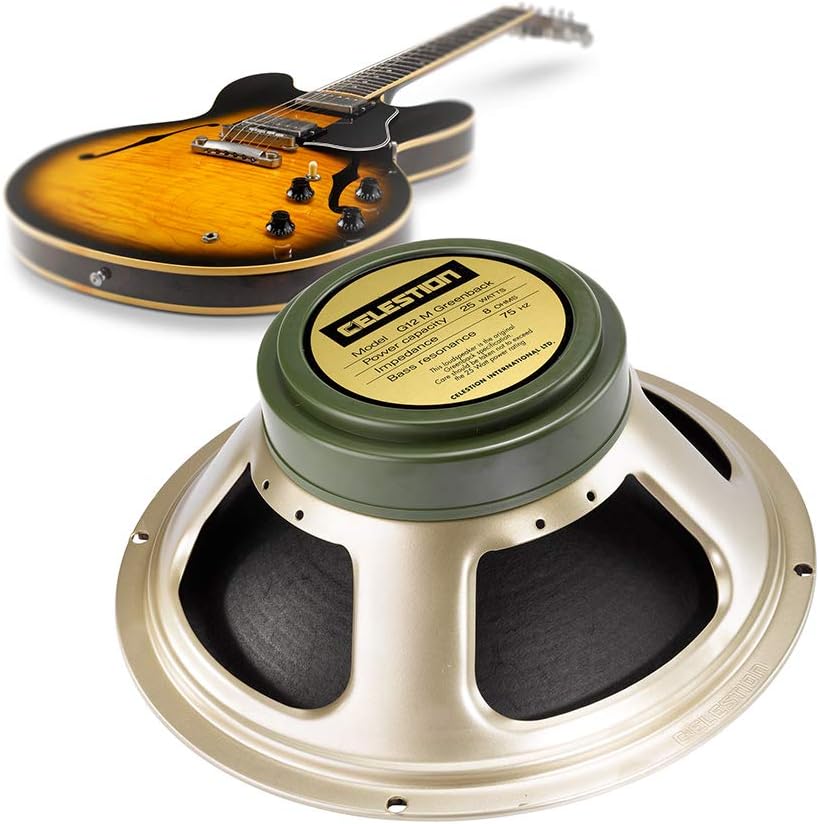
Speaker size in a guitar amp plays a pivotal role in shaping the overall tone, volume, and frequency response of your sound. Different sizes offer distinct tonal characteristics, and the right choice depends on your musical style, venue, and personal preference. Here’s a breakdown of the most common speaker sizes and how each affects your tone:
Common Speaker Sizes in Guitar Amps
8-inch Speakers
Smaller, 8-inch speakers are typically found in practice amps and smaller combo amps. They have a focused, punchy sound with less bass response, making them ideal for at-home practice or portable rigs. While they lack the full-bodied sound of larger speakers, they’re often used in low-wattage amps favored by blues and classic rock players for their tight, mid-focused tone.
10-inch Speakers
Known for their balance of punch and clarity, 10-inch speakers deliver a brighter sound with quick response and less bass than larger speakers. This size is a favorite in vintage-style amps, like the Fender Princeton, for its clear, responsive tone that suits blues, jazz, and classic rock. Stacked together in pairs (2x10), they provide increased volume and fuller sound without sacrificing clarity, making them popular for players seeking tight, articulate tones with just a touch of low-end depth.
12-inch Speakers
The most popular speaker size in guitar amps, 12-inch speakers offer a balanced sound with strong low-end response, punchy mids, and clear highs. They deliver a fuller, more versatile tone that works well across genres, from rock and blues to metal and jazz. Many iconic amps, like the Fender Deluxe Reverb and Marshall JCM800, use 12-inch speakers due to their ability to handle high power and maintain clarity at high volumes. Players who prefer a well-rounded, rich tone with enough bass to fill larger spaces often gravitate toward amps with 12-inch speakers.
15-inch Speakers
Less common in guitar amps, 15-inch speakers are typically used by bass players but occasionally appear in guitar amps designed for jazz and surf music. Known for their deep bass response, they produce a warmer, rounder tone that emphasizes low-end frequencies. Jazz players, who value a rich, clean sound, sometimes choose 15-inch speakers for their ability to produce smooth, mellow tones without distortion.
See our full guide to guitar amp speakers for more.
How Speaker Size Affects Tone and Response
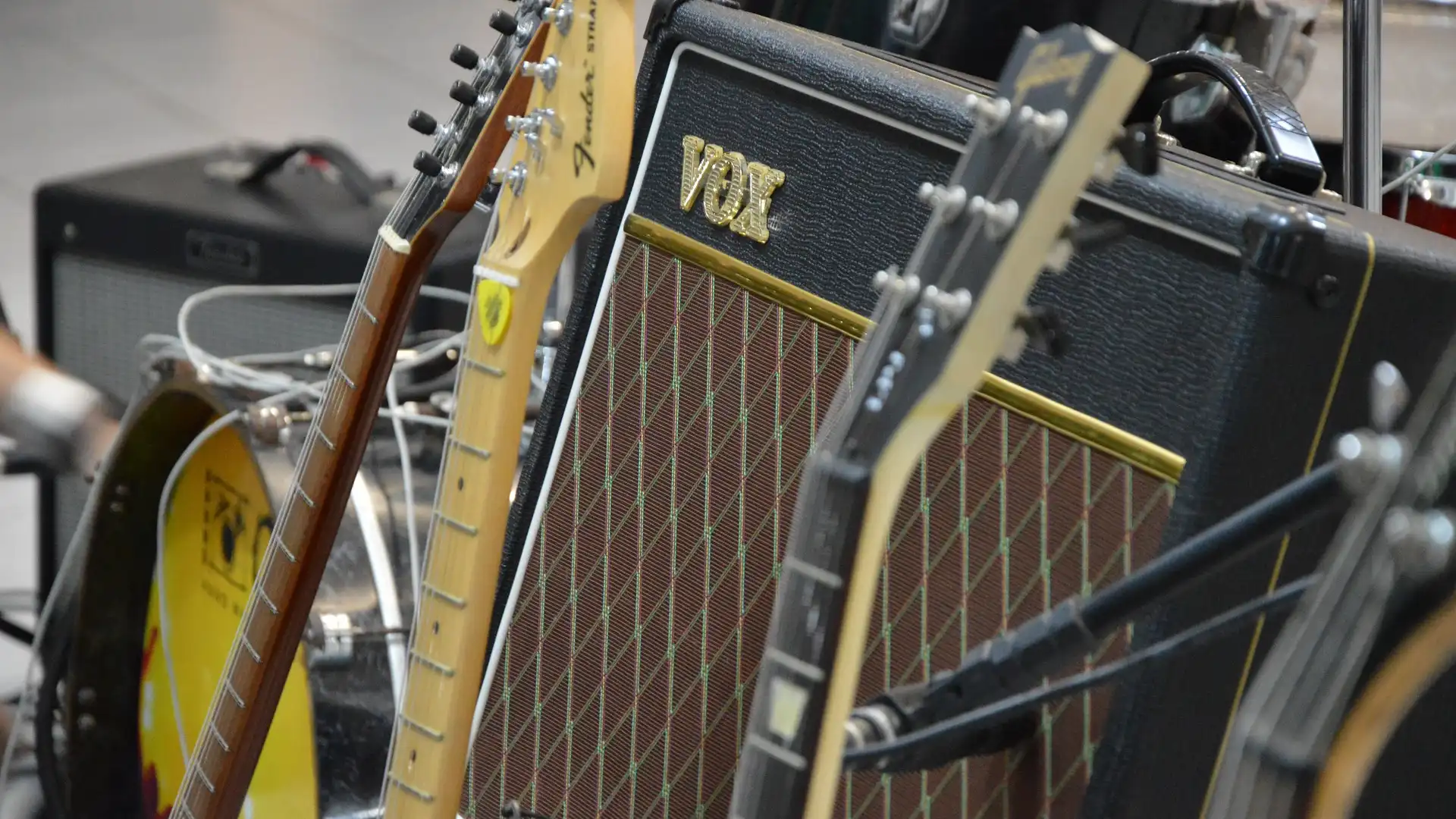
Bass Response:
Generally, the larger the speaker, the more low-end or bass response it produces. This can be advantageous for players who want a full, warm sound, but it can also make the tone feel “boomy” if not carefully matched to the amp and playing style. Smaller speakers, like 8 or 10 inches, tend to have tighter, punchier bass, which is excellent for genres requiring clarity and precision.
Projection and Volume:
Larger speakers tend to project sound further and handle higher power levels, making them ideal for live performances. A 12-inch speaker, for example, can fill a room with sound and maintain clarity, even at higher volumes. Smaller speakers, while capable of producing great tone, often struggle to fill larger spaces as effectively.
Frequency Range:
Smaller speakers, like 8 and 10 inches, often focus more on mid and high frequencies, providing a bright, articulate tone that’s great for lead playing and styles that benefit from punchy mids. In contrast, 12- and 15-inch speakers offer a broader frequency response, capturing the low end and adding more body to chords and single-note runs.
Response and Feel:
The size of a speaker also impacts how it “responds” to your playing dynamics. Smaller speakers have a faster response and can make picking nuances more pronounced, while larger speakers feel “slower” but fuller, ideal for players who want a warm, resonant sound.
Cabinets: Shaping the Tone
The speaker cabinet greatly impacts tone. Cabinets come in different sizes and speaker configurations:
- 1x12: Compact, easy to transport, and ideal for smaller venues and recording. They have a focused sound, making them great for detailed, punchy tones.
- 2x12: A versatile option with fuller sound, offering more bass response than 1x12s without the size and weight of a 4x12. They are commonly used in blues, rock, and country.
- 4x12: The iconic “stack” look, producing a huge, full-bodied sound with deep bass and powerful projection. Heavy and less portable, they’re a favorite among metal and hard rock players.
See our guide to the best guitar cabinets for more.
Popular Amp Brands and Their Signature Sounds
Fender:
Known for clean, sparkling tones, Fender amps like the Deluxe Reverb and Twin Reverb are staples in country, blues, and classic rock. Famous users include Stevie Ray Vaughan and Eric Clapton.
Marshall:
Famous for its mid-range punch and crunchy overdrive, Marshall amps like the JCM800 are beloved by rock and metal players, including icons like Jimi Hendrix and Angus Young.
Vox:
Known for its chime and warmth, the Vox AC30 has a distinctive British sound that’s favored in pop, rock, and indie circles. Players like The Edge and Brian May are famous users.
Mesa/Boogie:
Known for high gain and tight bass, Mesa amps like the Dual Rectifier are favorites in the metal and hard rock world. Artists like Metallica and John Petrucci are famous Mesa users.
Line 6:
A pioneer in digital modeling amps, Line 6 offers versatile, all-in-one solutions for players who need a variety of tones. The Helix and Spider models are popular among gigging musicians who need multiple sounds in one package.
Additional Features to Consider
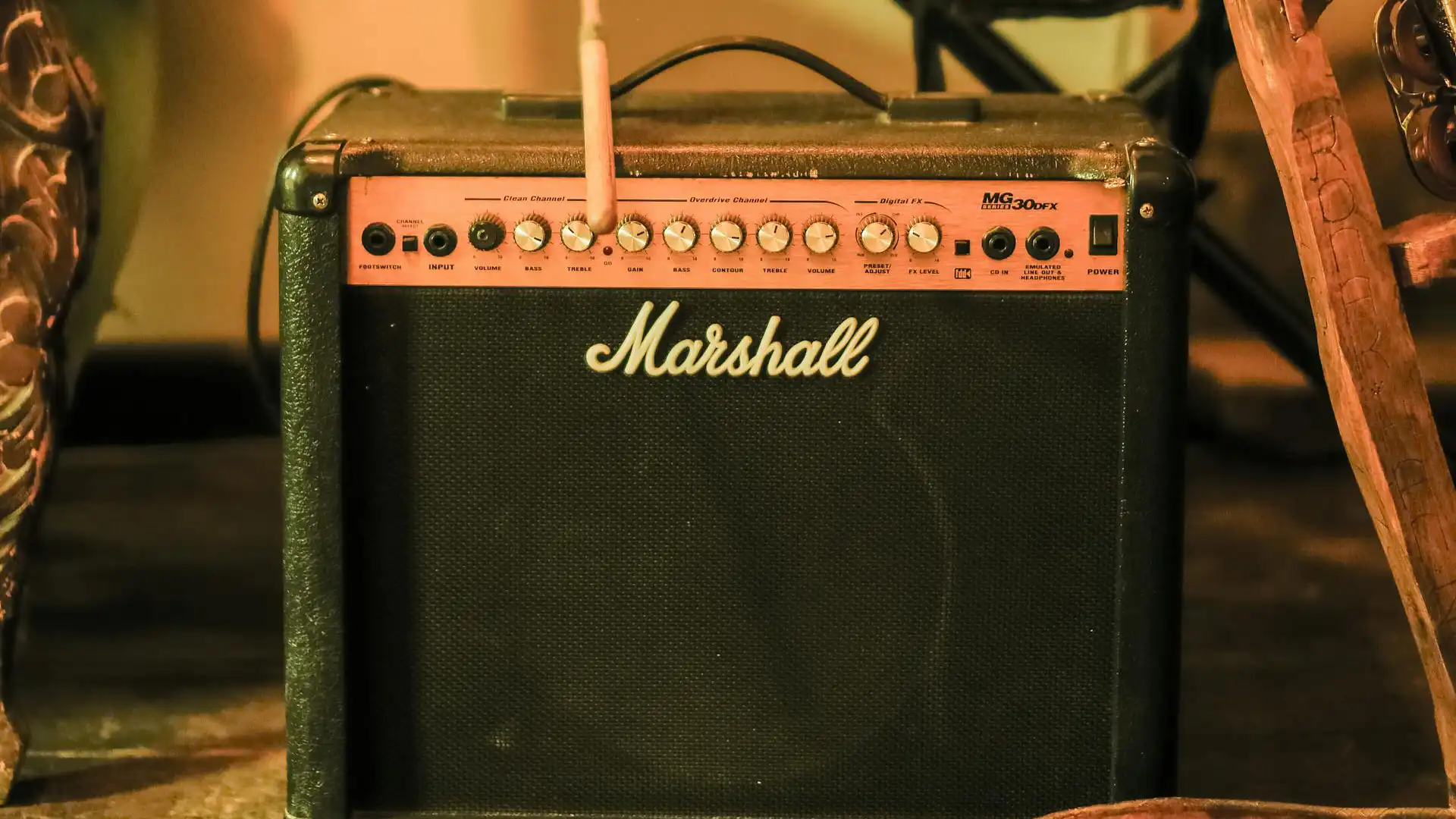
Tube vs. Solid State:
Tube amps are prized for their warmth and natural overdrive, while solid-state amps are more affordable, durable, and lightweight. Some amps, like hybrid amps, combine both to offer tube preamps with solid-state power sections.
Modeling Amps:
Digital modeling amps use software to simulate a range of amp sounds and effects. These amps, like the Line 6 Helix and Boss Katana, are great for players who need flexibility.
Effects Loops:
Many modern amps come with effects loops, allowing players to place time-based effects (like delay and reverb) after the preamp section for a cleaner, more natural sound.
Built-In Effects:
Some amps, particularly digital and solid-state models, include built-in effects like reverb, delay, and chorus, making them ideal for players who want to simplify their setups.
Conclusion
Choosing a guitar amp is a personal journey that depends on your style, tone preferences, and playing needs. Whether you’re drawn to the warmth of a classic tube amp, the convenience of a modeling amp, or the punch of a solid-state amp, understanding how each type works and what it offers is key to finding the perfect fit. From the legendary tones of a Marshall stack to the versatility of a Fender combo, the right amp can transform your sound and inspire you to play. Explore, test, and find the amplifier that speaks to your musical style - your ideal tone is waiting.
Top Ranked Guitar Amplifiers on Equipboard
-m.webp?v=1784732334)

$159.00 - $229.99
4.0 (1)
4.0 (1)

$729.00 - $1,099.00
5.0 (49)
5.0 (49)


About the authors

Michael R. Pierce is the co-founder of Equipboard and a lifelong musician with over 25 years of experience as a guitarist and gear enthusiast. He blends solid music theory chops (thanks to formal training in guitar, piano, and trumpet) with real-world experience, always exploring and experimenting across genres like rock, blues, and hip-hop. Michael launched Equipboard in 2013 after graduating from The University of Texas at Austin, leveraging his unique blend of musical passion, technological acumen, and community building. His current go-to rig features a Fender American Original ‘50s Telecaster, Analogman King of Tone, Strymon Flint, and a Fender ‘57 Custom Champ. Read more