Fret Not! Uncovering How Many Frets Are on Your Guitar, and Why

By Gear Experts
By Gear Experts
Table of Contents

Equipboard
Equipboard is the world's largest community of artists and their gear. Read our review process.
We are reader-supported. When you buy through links on our site, we may earn an affiliate commission. Learn more.
Ever picked up your guitar and thought about the frets? No? We figured. Frets are just there—part of what makes a guitar look like, well, a guitar. Most of us strum away without giving them a second thought. But have you ever counted the number of frets on your own guitar, or why that number matters?
It's easy to overlook, but there's a whole world behind those little metal strips on your fretboard. From affecting your playability to influencing the genres you can master, frets play a bigger role than you might think. So, whether you're a curious beginner or a seasoned player looking to deepen your knowledge, let's dive into the fascinating details of guitar frets.
Introduction to Guitar Frets
What Are Frets?
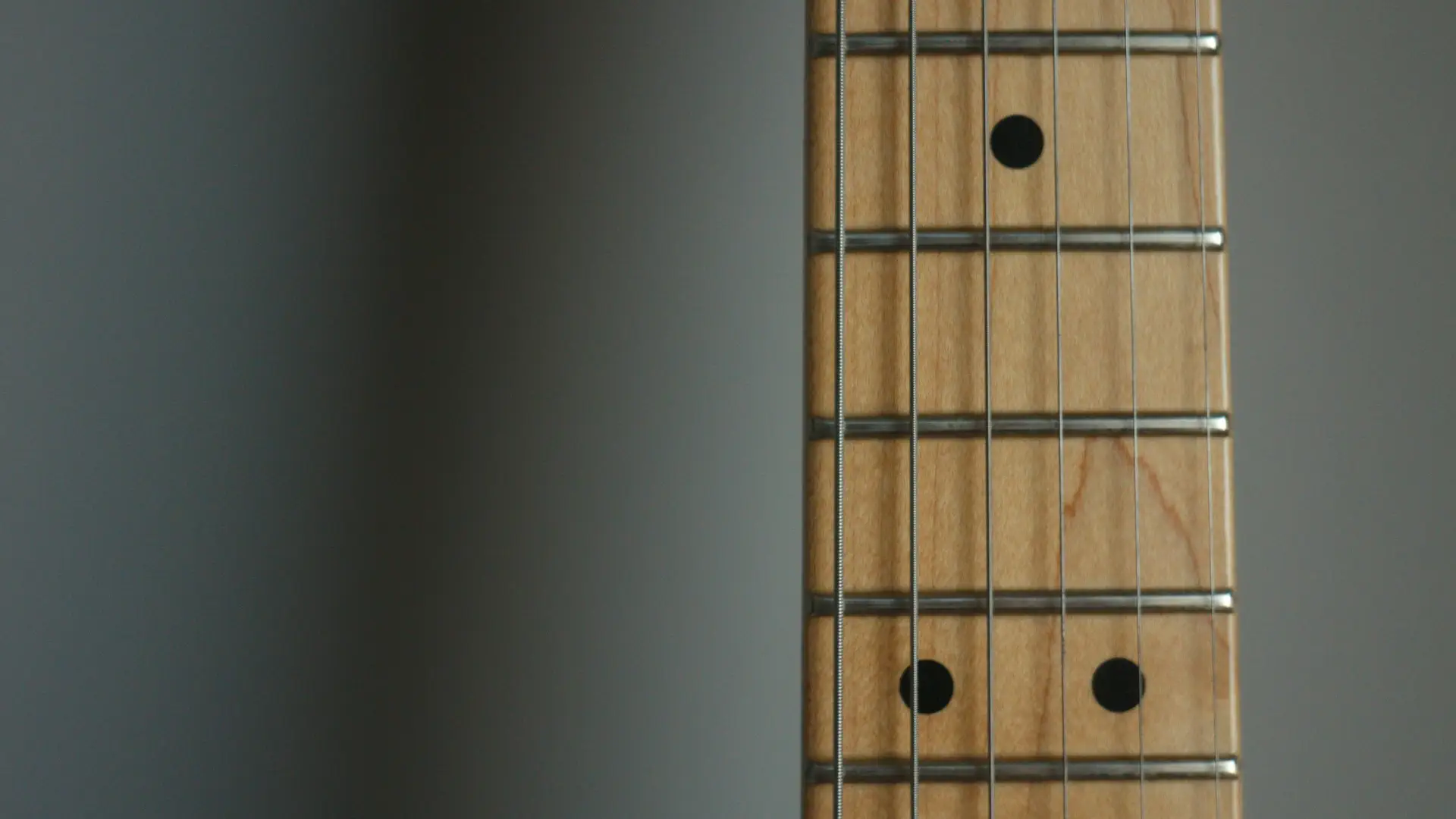
First things first—what exactly are frets? Contrary to some misconceptions, frets are not the spaces between the metal strips on the guitar's neck; they are actually the metal strips themselves running perpendicular to the strings. These are usually made of nickel-silver alloy, though stainless steel is also common.
Frets divide the neck into fixed segments, each representing a specific musical note. When we press a string down behind a fret (closer to the headstock), it shortens the vibrating length of the string, producing a higher pitch. Think of frets as the roadmap of the guitar, guiding us to the right notes without the guesswork.
To help navigate this roadmap, guitars often have fret markers—small inlays or dots on the fretboard. These markers are typically found on the odd-numbered frets like the 3rd, 5th, 7th, and 9th frets, with a double marker at the 12th fret, which signifies the octave. They serve as visual cues, making it easier to quickly identify fret positions.
Why Are Frets Important?
Frets are essential for accurate intonation and ease of play. They allow us to play precise notes without having to worry about finger placement down to the millimeter. This is a big advantage over fretless instruments like violins or cellos, where intonation can be a real challenge. By providing a physical barrier for string vibration, frets make it easier to produce clean, consistent tones. They also enable a range of techniques like bending, tapping, and sliding, which are important to many musical styles.
Standard Number of Frets on Different Types of Guitars
So, how many frets are there on a guitar? The answer isn't one-size-fits-all—it varies depending on the type of guitar you're playing. Let's break it down.

Acoustic Guitars
Most acoustic guitars come with 20 frets, though you'll occasionally find models with 18 or 19. However, it's worth noting that only about 12 to 14 of these frets are easily accessible. That's because the body of the guitar typically joins the neck at the 12th or 14th fret, making it a bit tricky to reach those higher notes without some acrobatic fingerwork.
But why this range of frets?
Well, acoustic guitars are designed with resonance and tone in mind. The larger, hollow body amplifies the sound of the strings, and altering the neck length or adding more frets can affect that rich, full-bodied acoustic tone we all love. Additionally, traditional acoustic playing styles often don't require the super high notes, so having fewer frets isn't usually a limitation.
Electric Guitars
When it comes to electric guitars, you'll commonly find 21, 22, or 24 frets. The solid body and cutaway designs of electric guitars make accessing those higher frets a breeze compared to acoustics. This design flexibility caters to a wide range of playing styles and musical genres.
Here's how it typically breaks down:
21 Frets: You'll find these on vintage models like early Fender Stratocasters. They offer a classic feel and are often favored by blues and classic rock players.
22 Frets: This has become something of a modern standard. It provides a bit more range without altering the guitar's feel too much.
24 Frets: Popular among metal and progressive rock guitarists, 24-fret guitars give you two full octaves on each string. Shredders rejoice!

The extra frets on electric guitars expand the instrument's range, allowing for higher notes and more soloing possibilities. Plus, the design of electric guitars—with their thinner bodies and cutaways—means you won't have to wrestle with the instrument to reach those upper frets.
Classical Guitars
Classical guitars typically have 19 frets, with the body meeting the neck at the 12th fret. This design aligns with classical playing techniques, which focus on fingerstyle playing in the lower positions of the neck. The wider neck and flat fingerboard accommodate complex fingerings and multiple notes played simultaneously.
Why the 12th fret neck joint?
Classical music rarely requires notes beyond the 12th fret. The construction prioritizes tonal warmth and resonance over upper fret access. The absence of a cutaway means the soundboard can vibrate more freely, enhancing the instrument's natural acoustics.
Bass Guitars
Bass guitars usually sport 20 to 24 frets, similar to their electric guitar cousins but with a longer scale length. The number of frets can vary based on the style and manufacturer. For instance, Fender Precision and Jazz basses traditionally have 20 or 21 frets, while some modern basses extend up to 24 frets.
Why the variation?
Bass guitars are all about laying down the groove, and for many styles, the extended upper range isn't necessary. However, genres like jazz fusion or progressive rock might call for those higher notes, making extra frets a valuable feature for bassists in those fields.
Why Do Guitars Have Different Numbers of Frets?
You might be wondering, "Why don't all guitars just have the same number of frets?" Great question! The answer lies in a mix of design choices, musical styles, and player preferences.
Design and Construction Factors
The number of frets on a guitar isn't arbitrary; it's influenced by several design elements that affect both the instrument's sound and playability.
Body Shape and Neck Joint
On acoustic and classical guitars, the neck typically joins the body at the 12th or 14th fret. This construction enhances the instrument's resonance but limits access to higher frets. Electric guitars, on the other hand, often feature cutaways—indentations in the body that allow easier access to the upper frets. Single cutaways (like on a Gibson Les Paul) and double cutaways (like on a Fender Stratocaster) are common designs that facilitate soloing in higher registers.
Impact on Sound
Adding more frets can change the placement of pickups (on electric guitars) and affect the instrument's tonal qualities. For example, a 24-fret guitar moves the neck pickup closer to the bridge, which can result in a brighter sound compared to a 22-fret guitar.

Musical Genre Influences
Different musical styles demand different fret ranges, and guitar designs have evolved to meet these needs.
Genres Favoring Fewer Frets
Blues and Classic Rock: Often played on guitars with 21 or 22 frets. The focus here is on tone and feel rather than extreme upper-range soloing.
Folk and Classical: These styles typically don't require access to the highest frets. The music emphasizes chord progressions and fingerstyle techniques in lower positions.
Genres Favoring More Frets
Metal and Progressive Rock: These genres frequently utilize 24-fret guitars to access higher notes for intricate solos and technical playing.
Jazz Fusion: Players may prefer more frets for greater melodic range and improvisational possibilities.
Understanding the needs of your preferred genre can help you decide how many frets you might want on your guitar.
Impact of Fret Number on Playing
Now that we've covered the "what" and "why," let's talk about how the number of frets affects your actual playing experience.
Extended Range and Higher Notes
Having more frets means you have access to a broader range of notes. This can be a game-changer for lead guitarists and soloists who like to explore the upper echelons of the fretboard.
Advantages of More Frets
Extended Soloing Range: Each additional fret gives you access to higher pitches, giving you more notes to show off with.
Advanced Techniques: Techniques like two-handed tapping or sweep picking can be executed across a wider range of notes.

However, if your playing style doesn't require those super high notes, you might find that extra frets are unnecessary.
Playability and Comfort
It's not just about the number of frets; it's also about how they impact the guitar's feel.
Physical Considerations
Neck Length and Scale: More frets can mean a longer neck or smaller fret spacing higher up the neck, which might affect your comfort level.
Fret Spacing: As you move up the fretboard, the frets get closer together. This can make precise finger placement more challenging in the higher registers.
Balancing Act
Ultimately, it's a balance between having the range you need and a guitar that feels comfortable to play. Some players prefer the familiarity and feel of a 22-fret neck, while others crave the extended range of a 24-fret guitar.
Comparing 21, 22, and 24 Fret Electric Guitars
Let's delve a bit deeper into the practical differences between electric guitars with varying fret counts.
Differences in Tone and Sound
Believe it or not, the number of frets can subtly affect your electric guitar's tone, primarily due to the placement of the neck pickup.
Pickup Placement
21/22 Fret Guitars: The neck pickup sits further from the bridge, often landing at a harmonic "sweet spot." This placement yields warmer, fuller tones that are ideal for blues, jazz, and classic rock.
24 Fret Guitars: The additional frets push the neck pickup closer to the bridge. This can result in a slightly brighter, snappier tone, which suits genres that favor precision and clarity, like metal and prog rock.
Popular Models and Artists
21 Fret Guitars
Models: Vintage Fender Stratocasters are iconic 21-fret guitars.
Artists: Legends like Jimi Hendrix and Eric Clapton have wielded 21-fret Strats to great effect.
22 Fret Guitars
Models: The Gibson Les Paul Standard and many modern Fender Stratocasters feature 22 frets.
Artists: Players like Jimmy Page and Slash have made the 22-fret Les Paul their weapon of choice.
24 Fret Guitars
Models: The PRS Custom 24 and Ibanez RG Series are popular 24-fret guitars.
Artists: Shredders like Steve Vai and John Petrucci prefer 24 frets to execute their complex solos.
Knowing which artists play which guitars can give you insight into how fret count might align with your own musical aspirations.
Fret Size Matters
While we've talked about the number of frets on a guitar, another crucial factor is fret size. Fret size refers to the dimensions of the fret wire used on the fretboard, specifically its height and width. Different fret sizes can dramatically influence how a guitar feels and plays.
Common Fret Sizes
Here are the most common fret sizes you'll encounter:
- Vintage Frets: Small and narrow, typically found on older guitars or vintage reissue models.
- Medium Frets: A standard size offering a balance between playability and comfort.
- Medium Jumbo Frets: Slightly larger than medium, providing ease for both chords and single-note playing.
- Jumbo Frets: Tall and wide, favored by players who like to bend strings easily.
How Fret Size Affects Playing
Playability:
- Larger Frets (Jumbo): Require less finger pressure to fret a note, making techniques like bending and vibrato easier.
- Smaller Frets (Vintage): Offer more precise finger placement, which can benefit complex chord voicings.
Feel:
- Tall Frets: Can make the strings feel higher off the fretboard, which some players prefer for better grip during bends.
- Short Frets: Provide a closer feel to the fretboard, which can enhance speed and fluidity.
Intonation and Tone:
- While fret size has a minimal effect on tone, the ease of playing can influence your overall sound due to better technique and comfort.
Choosing the Right Fret Size
Selecting the right fret size comes down to personal preference and playing style:
- If you prefer fast, intricate playing (like shredding or jazz solos), you might lean towards jumbo or medium jumbo frets.
- If you're into chordal work and rhythm playing, medium or vintage frets might feel more comfortable.
- Beginners often start with medium frets to find a balance before developing specific preferences.
Frequently Asked Questions
Why Do Electric Guitars Have More Frets Than Acoustic Guitars?
Electric guitars are designed with versatility and playability in mind, especially for genres that require advanced techniques and higher notes.
Construction and Design
Solid Body and Cutaways: Electric guitars often have thinner bodies and cutaways that make accessing higher frets easier.
Sound Amplification: Since electrics rely on pickups rather than acoustic resonance, altering the body shape to accommodate more frets doesn't negatively impact their sound.
Can You Add More Frets to a Guitar?
Technically, it's possible to add more frets to a guitar, but it's usually impractical.
Feasibility and Challenges
Structural Modifications: Adding frets would require significant changes to the neck and possibly the body, especially if there's no cutaway for upper fret access.
Cost and Effort: The process would likely cost more than purchasing a new guitar with the desired number of frets.
Our Recommendation
If you find yourself needing more frets, it's generally better to invest in a guitar that was built with those specifications in mind.
Conclusion
Summary of Key Points
We've journeyed through the world of guitar frets and uncovered quite a bit:
Frets Are Essential: They help us play accurate notes with ease.
Fret Counts Vary: Acoustic guitars typically have 18-20 frets, electric guitars have 21-24, classical guitars have 19, and bass guitars range from 20-24.
Design Matters: Body shape, neck joint, and cutaways impact fret number and accessibility.
Genre Influences: Your musical style can influence how many frets you might need.
Tone and Playability: Fret count can subtly affect both the sound and feel of your guitar.
Choosing the Right Guitar for You
Let's be honest—the number of frets on a guitar probably isn't going to be your top priority when choosing your next instrument. Most musicians focus on how a guitar feels, sounds, and inspires them to play.
But understanding frets does have its perks. Now that you're familiar with their role, you can quickly count them and appreciate how they might impact your playing. For instance if you love soloing in the upper registers, more frets (like 24 instead of 21 or 22) might be beneficial.
There's really no substitute for hands-on experience, so head to a music store! Playing different guitars will help you discover what fret counts and features feel right to you.
Whether you're a seasoned player or just starting out, understanding the ins and outs of guitar frets can enrich your playing experience. We hope this guide has shed some light on the subject and maybe even helped you get a step closer to finding your perfect guitar.
Happy playing!
Top Ranked Guitars on Equipboard


About the authors
Giulio Chiarenza is the co-founder of Equipboard and a lifelong multi-instrumentalist with a deep passion for music gear. Born in Italy and raised in the U.S., he holds a Computer Science degree from The University of Texas at Austin and blends technical acumen with decades of hands-on experience across guitar, piano, drums, and electronic production. Early in his career, Giulio was signed to a San Francisco-based EDM label, releasing both remixes and original tracks. These days, he helps steer Equipboard’s vision while personally testing and reviewing gear. He's never too far from his go-to guitar: a vintage 1978 Fender Telecaster Custom. Read more