Table of Contents

Equipboard
Equipboard is the world's largest community of artists and their gear. Read our review process.
We are reader-supported. When you buy through links on our site, we may earn an affiliate commission. Learn more.
In the digital age where modeling technology can simulate virtually any sound, tube amplifiers remain the holy grail for countless guitarists. There's something magical about the warm glow of vacuum tubes and the responsive, dynamic tone they deliver that solid-state technology still struggles to replicate perfectly. Whether you're a tone purist, a gigging professional, or a bedroom player looking to understand what makes your amp tick, this comprehensive guide will demystify the world of guitar amp tubes and explain exactly how they shape your sound.
What Are Vacuum Tubes?
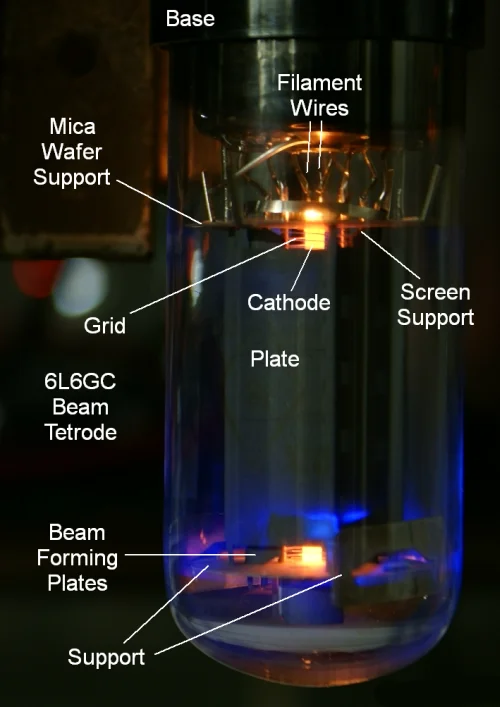
Vacuum tubes (or valves, as they're called in the UK) are electronic devices that control the flow of electrical current through a vacuum sealed inside a glass tube. Invented in the early 20th century, they were the foundation of all electronics before transistors came along.
Why Guitarists Love Tube Amps
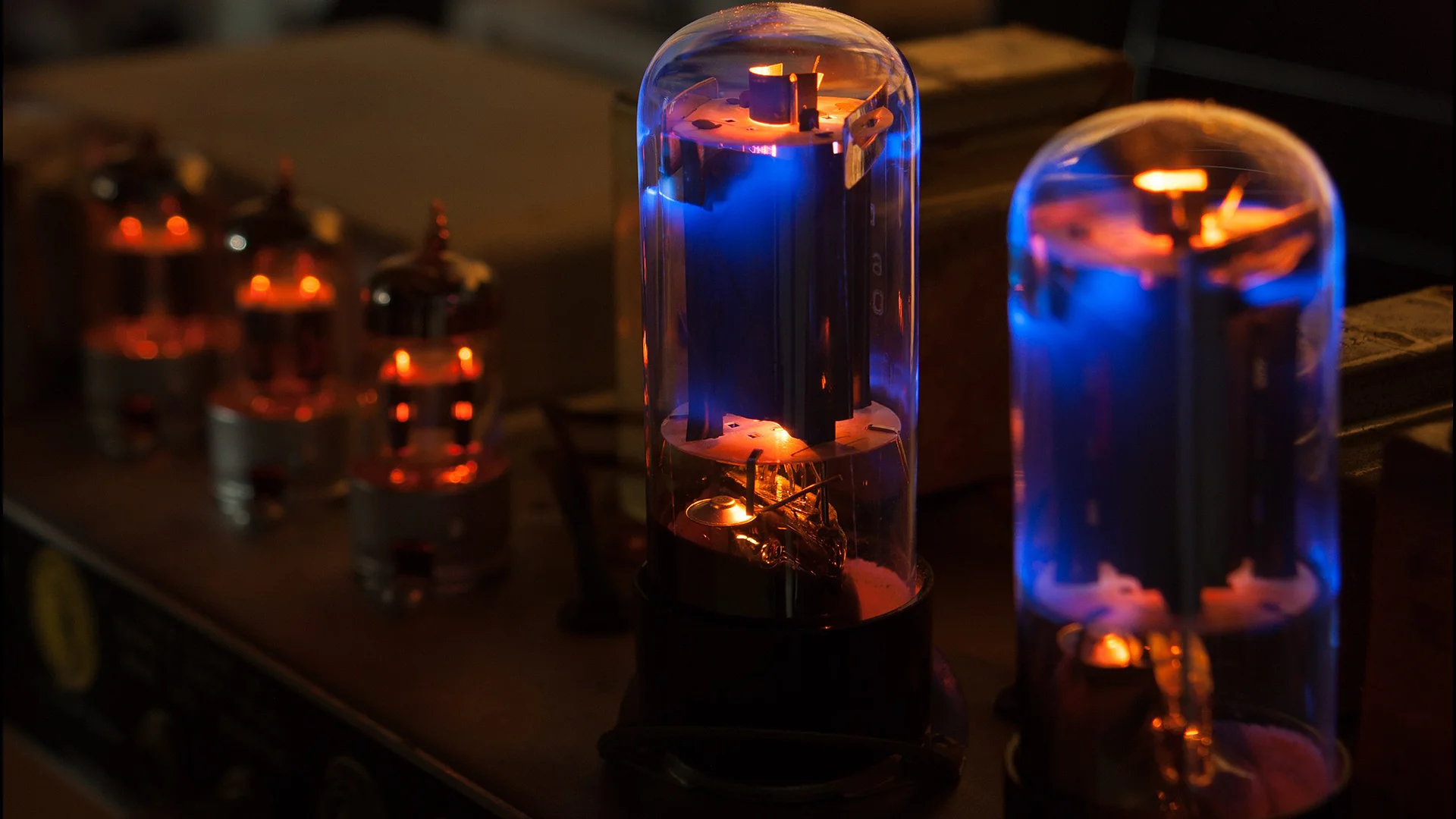
The relationship between guitarists and tube amplifiers is nothing short of passionate. Since the earliest days of electric guitar, vacuum tubes have been the beating heart of amplification, creating tones that have defined genres and inspired generations of players.
Tube amplifiers first emerged in the 1930s and 1940s, originally designed for radios, jukeboxes, and PA systems. Companies like Fender, Marshall, and Vox adapted and refined these circuits specifically for guitar, creating iconic sounds that continue to influence music today. The technology may be old, but its appeal remains timeless.
What keeps guitarists coming back to tubes? The answer lies in how tubes respond to your playing. Unlike their solid-state counterparts, tube amplifiers compress naturally when pushed, creating a musical saturation that feels alive under your fingers. This dynamic response means the amp reacts differently depending on how hard you pick, giving you an expressive range that's difficult to achieve with other technologies.
Tubes gradually clip the signal in a way that produces pleasing even-order harmonics, adding richness and complexity to your guitar tone. This natural compression and harmonic enhancement creates that coveted warmth and depth that guitarists chase. When cranked, the gradual breakup produces sustain and distortion that sings rather than screams.
Many players also appreciate the tactile connection tube amps provide. You can feel the air moving from the speaker, experience the gentle sag when you dig in with your pick, and hear the subtle overtones that make each note bloom uniquely. It's an organic, responsive experience that creates a more intimate relationship between player, instrument, and amplifier.
How Tubes Work in a Guitar Amplifier
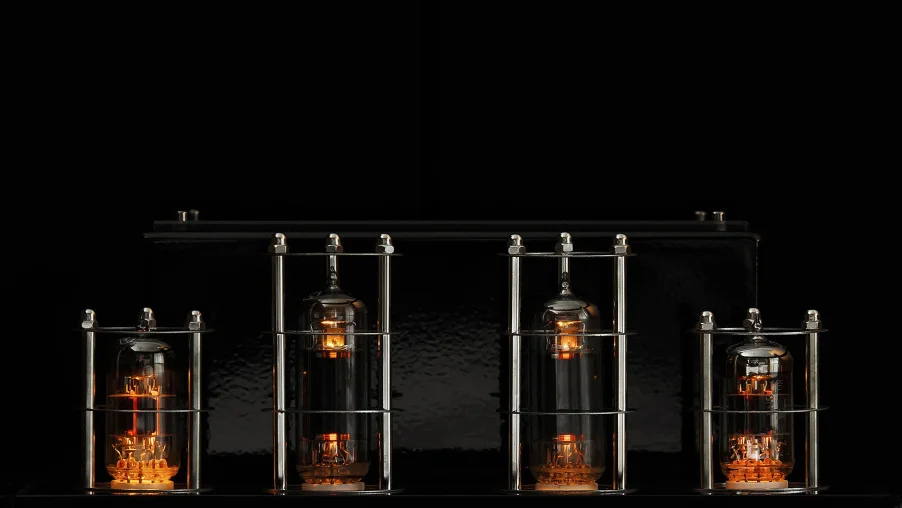
Understanding how tubes shape your tone starts with knowing the basic function of these glowing glass components and their specific roles within your amplifier.
Preamp vs. Power Tubes vs. Rectifier Tubes
Guitar amplifiers typically contain three distinct types of tubes, each serving a different purpose in the signal chain:
Preamp tubes are the first stage your guitar signal encounters. These smaller tubes (typically 12AX7 or similar) provide the initial amplification and largely determine your amp's gain structure, overdrive characteristics, and tonal voicing. They operate at lower voltages and currents than power tubes but have a tremendous impact on your overall sound.
Power tubes receive the signal from the preamp section and provide the major amplification that drives your speakers. These larger tubes (such as EL34, 6L6, or EL84) work much harder and run hotter than preamp tubes. Power tubes significantly influence your amp's headroom, compression, low-end response, and distortion characteristics when pushed.
Rectifier tubes don't actually touch your guitar signal at all. Instead, they convert alternating current (AC) from your wall outlet into direct current (DC) that the amp's circuits can use. While they don't directly process your guitar signal, rectifier tubes affect your amp's feel by influencing how quickly power becomes available when you play a note, creating varying amounts of "sag" or compression.
The Signal Path and Amplification Process
When you pluck a guitar string, the pickup converts this mechanical energy into a weak electrical signal, typically just a few millivolts. This tiny signal travels through your guitar cable to the amplifier's preamp section, where the small signal gets its first stage of amplification.
Preamp tubes increase this signal substantially, often providing gain, equalization, and tonal shaping along the way. In many amps, the signal passes through multiple preamp tube stages, allowing for the generation of those sweet tube saturation and overdrive tones when pushed.
From the preamp, your now-amplified signal moves to the power amp section. Here, power tubes provide the final, major boost required to drive your speakers. This is where much of an amp's characteristic feel and dynamic response comes from, as power tubes have their own distinct compression and distortion traits when pushed to their limits.
Tube Aging and Replacement
Unlike solid-state components, tubes wear out with use. This degradation is a natural part of tube amplification and affects your tone over time. Fresh tubes typically offer the best dynamic range, cleanest headroom, and most defined attack. As tubes age, you might notice less overall volume, softer attack, increased noise, or reduced clarity.
Power tubes typically last between 1,000-2,000 playing hours before needing replacement, while preamp tubes can last significantly longer, often several thousand hours. Signs that your tubes need replacement include loss of volume, increased noise or microphonics, visible problems like glowing red plates, or inconsistent performance.
Common Preamp Tubes and Their Characteristics
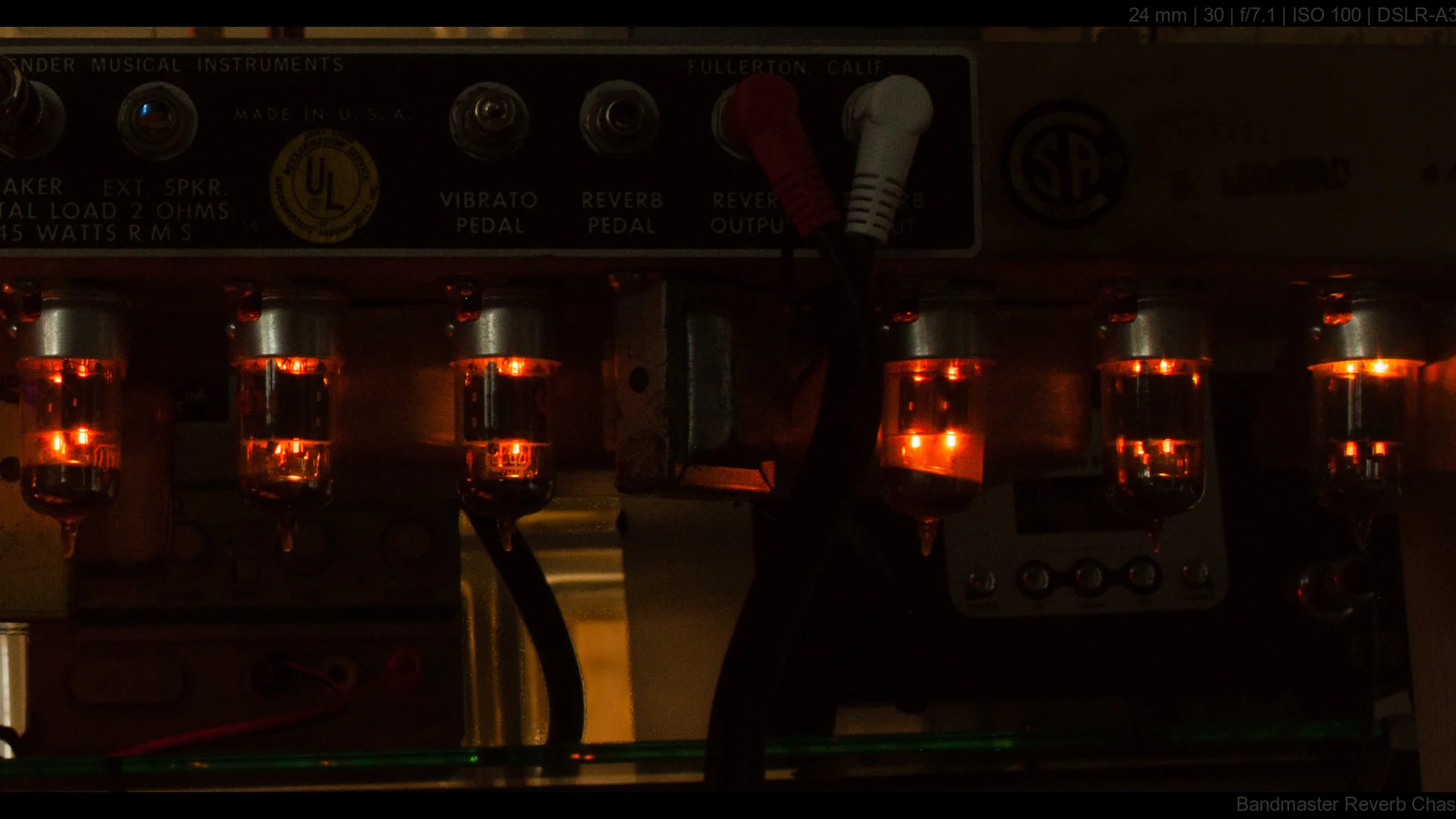
Preamp tubes are the tone-shaping workhorses in your amplifier, defining much of your sound's character before it even reaches the power section. Let's explore the most common types and what they bring to your tone.
12AX7 (ECC83): The High-Gain Standard
The 12AX7 (called ECC83 in Europe) is by far the most common preamp tube found in guitar amplifiers today. Its high gain factor, a measure of how much it amplifies the signal, makes it perfect for creating everything from sparkly cleans to saturated high-gain tones.
Tonal characteristics: 12AX7 tubes provide a bright, articulate top end with a focused midrange, making them ideal for cutting through a mix. They excel at producing tight, aggressive distortion when pushed hard, with excellent note definition and sensitivity to playing dynamics.
Modern high-gain amplifiers like Mesa/Boogie Dual Rectifiers or Peavey 5150s rely heavily on cascaded 12AX7 stages to generate their massive distortion tones. The 12AX7's ability to faithfully amplify both subtle nuances and aggressive playing makes it versatile enough for virtually any style of music.
12AT7 (ECC81): The Moderate-Gain Option
With roughly 70% of the gain factor of a 12AX7, the 12AT7 offers a different tonal palette while remaining compatible with the same sockets.
Tonal characteristics: 12AT7 tubes deliver a warmer, smoother response with less upper-midrange bite than 12AX7s. They produce a more rounded, open sound with less aggression and a sweeter breakup character.
These tubes are commonly used in reverb driver circuits, phase inverter positions, and in situations where a more controlled, less aggressive gain structure is desired. Players looking to tame an overly bright or harsh amp often swap in a 12AT7 in the first gain stage to soften the attack and warm up the response.
12AY7 and 12AU7 (ECC82): Vintage Clean Tones
These lower-gain preamp options offer approximately 45% (12AY7) and 20% (12AU7) of the gain factor of a 12AX7, making them excellent choices for players seeking more clean headroom or vintage tones.
Tonal characteristics: 12AY7 tubes deliver a rounder, fuller clean tone with a smoother transition into overdrive. They have a slightly compressed quality that flatters single notes and chords alike, with excellent touch sensitivity.
Early Fender tweed amps originally came equipped with 12AY7 tubes in the first position, contributing to their legendary warm, musical breakup. Many blues players swap a 12AY7 into their first preamp position to achieve those classic vintage tones at more manageable volumes.
EF86: The Pentode Alternative
Unlike the dual-triode tubes mentioned above, the EF86 is a pentode preamp tube with a distinctive tonal character that has earned it a cult following.
Tonal characteristics: EF86 tubes produce a rich, thick tone with a unique midrange focus and exceptional detail. They offer a more complex, harmonically rich distortion with fantastic note bloom and sustain.
The Vox AC15 famously used an EF86 in its normal channel, creating a sound that's simultaneously warm yet detailed, with a distinctive chime and musical compression. Modern boutique builders like Dr. Z and Morgan have embraced the EF86, using it to create amps with exceptional dynamics and a three-dimensional quality.
| Preamp Tube | Gain Factor | Tonal Characteristics | Best Applications |
|---|---|---|---|
| 12AX7 (ECC83) | 100 (High) | Bright, articulate, aggressive when pushed | High-gain preamp stages, main input tube for most amps |
| 12AT7 (ECC81) | 70 (Medium) | Warmer, smoother, less aggressive | Reverb drivers, phase inverters, taming bright amps |
| 12AY7 | 45 (Medium-Low) | Round, full, vintage compression | Vintage Fender tones, blues, early breakup |
| 12AU7 (ECC82) | 20 (Low) | Maximum clean headroom, subtle breakup | Clean tones, jazz, taming overly gainy amps |
| EF86 | High (Pentode) | Rich, detailed, complex harmonics | Vox-style chime, boutique amps, unique voicing |
Common Power Tubes and Their Sound Profiles
Power tubes have perhaps the most profound impact on your amplifier's overall character. They determine not just the volume but fundamentally shape how your amp responds to your playing, how it distorts under pressure, and how it feels under your fingers.
EL34: The British Rock Standard
Popularized by Marshall in their iconic plexi and JMP amplifiers, the EL34 tube has become synonymous with British rock tone.
Tonal characteristics: EL34s deliver a somewhat compressed, midrange-forward sound with tight low end and a slightly aggressive upper midrange bite. When pushed into distortion, they produce a singing, harmonically rich saturation that cuts through a mix beautifully.
These tubes break up earlier than their American counterparts, making them ideal for players who want power tube distortion at somewhat lower volumes. The EL34's distinctive midrange focus created the foundation for classic rock tones from bands like Led Zeppelin, AC/DC, and early Van Halen.
6L6GC: The American Clean Machine
Fender made the 6L6 tube famous in their Twin Reverb, Bassman, and other iconic amplifiers that defined the American clean sound.
Tonal characteristics: 6L6 tubes offer extended headroom, punchy low end, and a balanced overall frequency response. They tend to stay clean longer than EL34s, with a more gradual transition into overdrive when pushed.
The 6L6 delivers authoritative bass response and a somewhat scooped midrange profile, with sparkling highs that shimmer rather than bite. This creates the perfect foundation for pristine clean tones with excellent note separation and clarity.
EL84: The Chime King
Made famous by Vox in their AC15 and AC30 amplifiers, the EL84 brings a distinctive voice to the power tube lineup.
Tonal characteristics: EL84s deliver a bright, chimey sound with prominent upper midrange detail and a compressed, lively feel. They break up early and produce a rich, complex distortion that's responsive and dynamic.
These smaller power tubes produce a signature "crinkle" when pushed into distortion, with excellent note articulation and a forward, vocal quality in the midrange. EL84-powered amps typically have a more immediate response to pick attack, making them highly expressive under the fingers.
6V6GT: The Sweet Spot
Found in smaller Fender amps like the Deluxe Reverb and Princeton Reverb, the 6V6 offers a perfect middle ground between clean headroom and musical breakup.
Tonal characteristics: 6V6 tubes provide a sweet, rounded tone with soft attack and natural compression. They break up earlier than 6L6s with a wonderfully musical distortion that never gets harsh.
The 6V6's moderate power and earlier saturation point make it ideal for recording, small venues, and players who want power tube distortion at manageable volumes. They compress beautifully when pushed, adding sustain and harmonic complexity without losing note definition.
KT Series: The High-Power Contenders
The KT series includes the KT66, KT77, KT88, and newer KT120, each offering variations on the classic power tube themes with their own distinctive characteristics.
KT66: Originally used in Marshall's earliest "Bluesbreaker" amps, the KT66 offers a muscular clean sound with extended headroom and rich, full breakup when pushed.
KT77: Often described as a "hot-rodded EL34," the KT77 delivers similar midrange focus but with additional headroom, tighter bass, and more refined high-end detail.
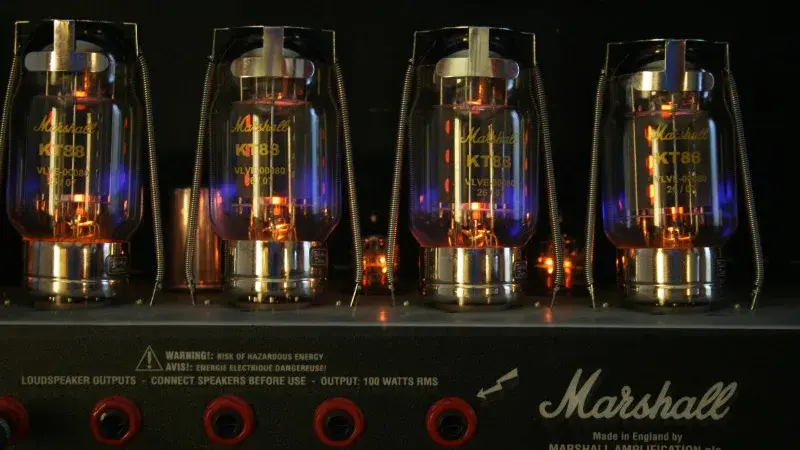
KT88/KT120: These larger power tubes provide massive headroom and low-end authority, making them favorites for high-power rock and metal amplifiers.
| Power Tube | Typical Wattage | Breakup Characteristics | Feel |
|---|---|---|---|
| EL34 | 35W per pair | Earlier breakup, focused mids, aggressive | Immediate response, tight low end, cutting presence |
| 6L6GC | 50W per pair | Later breakup, fuller distortion, rounded | Solid low end, spacious headroom, gradual compression |
| EL84 | 18W per pair | Early breakup, chimey, complex harmonics | Touch-sensitive, immediate response, lively and dynamic |
| 6V6GT | 25W per pair | Smooth, musical compression, sweet distortion | Soft attack, warm response, natural compression |
| KT88 | 100W per pair | Very late breakup, tight distortion, controlled | Massive headroom, authoritative low end, hi-fi response |
Rectifier Tubes and Their Effect on Amp Feel
The rectifier section might be the unsung hero of tube amplification. While it doesn't directly process your guitar signal, it fundamentally shapes how your amp responds to your playing by converting AC wall current to the DC voltage needed to power the amplifier circuits.
Tube vs. Solid-State Rectification
Guitar amplifiers generally use one of two rectification methods, each with distinct characteristics:
Tube rectifiers convert AC to DC relatively slowly, creating a phenomenon known as "sag." When you hit a chord hard, the power tube demand temporarily exceeds what the rectifier can immediately provide, causing the voltage to momentarily drop. This voltage sag creates a natural compression effect, softening the attack and adding a spongier, more elastic feel to the amp's response.
Solid-state rectifiers (diodes) convert AC to DC almost instantaneously, providing consistent power regardless of how hard you play. This results in a tighter, more immediate response with better note definition, punchier attack, and less compression.
Common Rectifier Tubes
Different rectifier tubes create varying amounts of sag, allowing manufacturers to fine-tune an amp's playing feel:
5AR4/GZ34: Found in Fender Twin Reverbs and many high-powered amps, the GZ34 offers moderate sag and compression. It provides a balanced feel that works well for clean to moderately overdriven tones, maintaining good definition while still offering some compression when pushed hard.
5U4G: This classic rectifier delivers more pronounced sag and compression than the GZ34, creating a spongier feel and softer attack. Amps like the Fender Deluxe Reverb and Marshall JTM45 employed the 5U4G to achieve their distinctively responsive playing dynamics.
5Y3GT: Used in smaller amps like the Fender Champ and Princeton, the 5Y3 creates the most sag and compression of common rectifier tubes. This pronounced sag contributes to the amazing touch sensitivity and early breakup these smaller amps are known for.
How Different Tubes Affect Guitar Tone
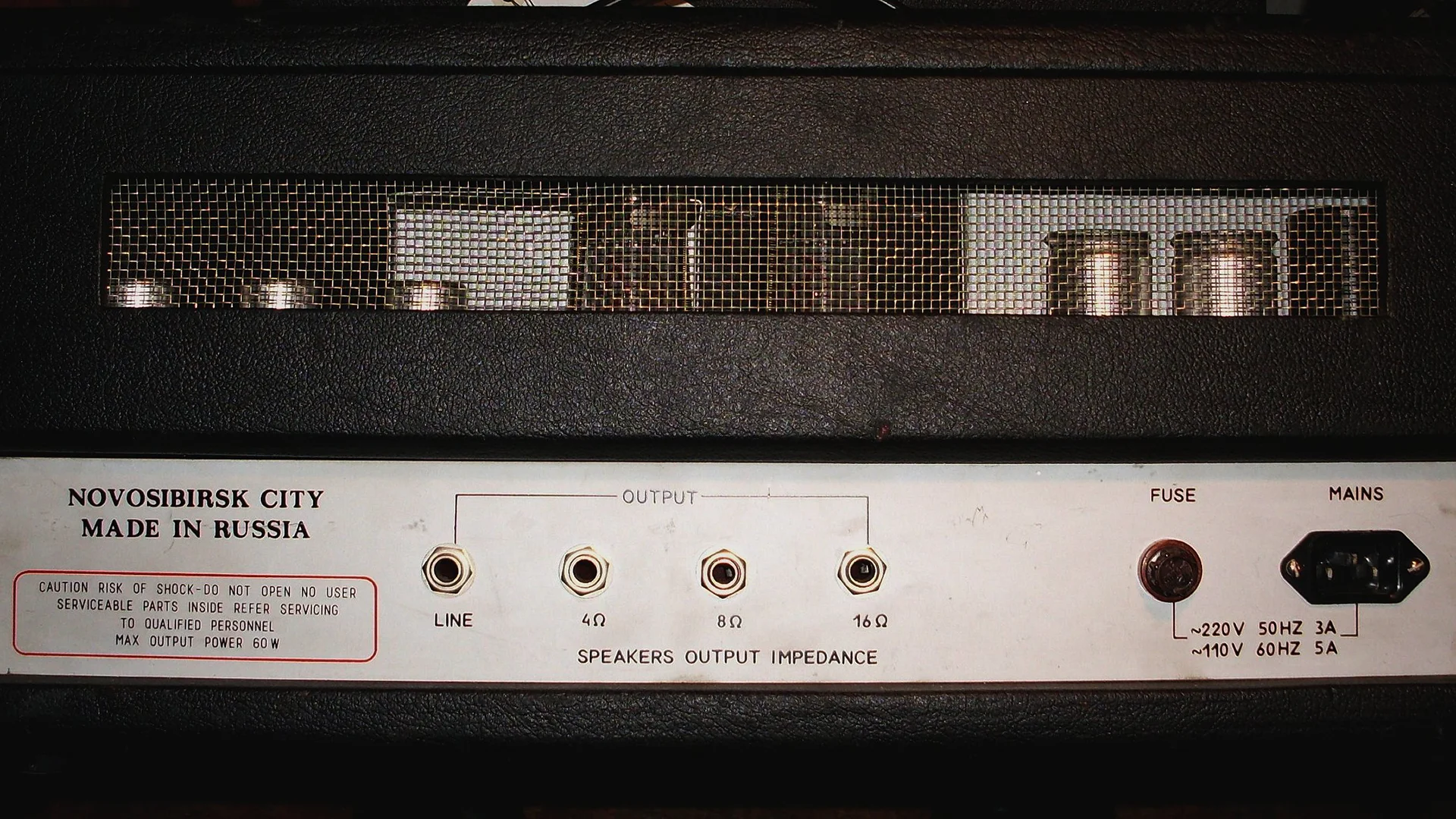
The unique combinations of preamp, power, and rectifier tubes create the distinct voices of classic and modern amplifiers. Understanding these relationships helps you identify what makes your favorite amps sound the way they do.
The Fender Clean Machine
Classic Fender amps typically pair 12AX7 preamp tubes with 6L6 or 6V6 power tubes and either solid-state or 5AR4/5U4/5Y3 rectifiers, depending on the model. This combination creates:
- Sparkling, piano-like clean tones with excellent headroom
- Rich harmonic content even at clean settings
- Gradual, musical breakup when pushed
- Prominent low and high frequencies with somewhat scooped mids
The British Invasion: Marshall and Vox
Marshall's classic sound comes from the combination of cascaded 12AX7 preamp tubes, EL34 power tubes, and often GZ34 rectifiers in their early models. This creates:
- Pronounced upper midrange that cuts through a mix
- Earlier power tube distortion with rich harmonics
- Aggressive attack with excellent note definition
- The quintessential rock crunch
Vox took a different approach, pairing 12AX7s and sometimes EF86 preamp tubes with EL84 power tubes and GZ34 rectifiers, resulting in:
- Chimey high end with a distinctive "jangle"
- Complex midrange character with excellent note separation
- Compressed, touch-sensitive response
- Early breakup that retains definition even when saturated
Comparing Marshall, Fender, Vox, and Mesa Tube Circuits

Different manufacturers have developed signature sounds through their tube configurations:
- Marshall amplifiers typically pair cascaded 12AX7 preamp tubes with EL34 power tubes. This creates aggressive midrange bite, earlier breakup, and the quintessential British rock crunch. Jimmy Page's early Led Zeppelin tones came from Marshall plexis with EL34s.
- Fender amps usually combine 12AX7 preamp tubes with 6L6 or 6V6 power tubes. This produces sparkling cleans with excellent headroom, scooped mids, and a gradual transition into smooth overdrive. Stevie Ray Vaughan's massive clean tone came from a Fender Vibroverb loaded with 6L6 power tubes.
- Vox took a different approach, pairing 12AX7s and sometimes EF86 preamp tubes with EL84 power tubes. This results in chimey high end, complex midrange character, and compressed, touch-sensitive response. The Edge created U2's atmospheric sounds with Vox AC30s loaded with EL84s.
- Mesa/Boogie pioneered modern high-gain sounds by using multiple 12AX7 preamp stages with 6L6 power tubes. This combination produces tight low end, focused midrange, and controlled distortion even under extreme gain. Carlos Santana's legendary sustain came from Mesa/Boogie Mark series amps.
How to Choose the Right Tubes for Your Amp
Whether you're replacing worn tubes or looking to modify your amp's tone, selecting the right tubes is critical to achieving your desired sound.
When to Replace Your Tubes
Pay attention to these warning signs that your tubes may need replacement:
Visual indicators: Power tubes with red-hot plates, visible arcing, loss of vacuum (white film inside glass), or excessive blue glow (beyond the normal blue glow some tubes display)
Sound issues: Increased hiss, crackling, popping sounds, or microphonics (ringing feedback when tapping the amp)
Performance changes: Significant loss of volume, inconsistent tone, unexpected distortion, or unreliable operation
Most power tubes should be replaced after 1,000-2,000 hours of use, even if they're still functioning. Preamp tubes typically last much longer but should be replaced if they exhibit noise or microphonic issues.
New Production vs. New Old Stock (NOS)
When replacing tubes, you'll face a choice between modern production and vintage "new old stock" tubes:
New production tubes are manufactured today by companies like JJ, Tung-Sol (reissue), Electro-Harmonix, and Svetlana. They offer reliable performance at reasonable prices, with consistent quality control and specifications matched to the original designs.
New Old Stock (NOS) tubes are unused vintage tubes manufactured decades ago by original companies like RCA, Mullard, Telefunken, and GE. These tubes are increasingly rare and expensive but often offer superior construction, materials, and sound quality.
DIY Tube Swaps and Biasing
With some basic knowledge and careful precautions, you can safely swap tubes and potentially adjust the bias on your amplifier.
Safety First: Working with Tube Amplifiers
Tube amplifiers contain potentially lethal high voltages that remain stored in capacitors even when unplugged. Before attempting any tube replacement, turn off the amplifier and unplug it from the wall. Wait at least 15 minutes for capacitors to discharge. Only touch the tube's glass envelope, not the pins or other components.
Plug and Play vs. Biasing
Preamp tubes (12AX7, 12AT7, etc.) are generally "plug and play" and can be swapped without biasing or technical adjustments. Simply replace the old tube with a compatible new one.
Power tubes often require bias adjustment when replaced, especially in "fixed bias" amplifiers. There are two main bias types:
Cathode-biased amps (often smaller combo amps like the Fender Princeton or Vox AC15) are self-adjusting and don't require technical bias adjustment when replacing tubes with the same type.
Fixed-bias amps (many larger amps like Marshall JCM800s or Fender Twin Reverbs) require bias adjustment when replacing power tubes. This adjustment sets the idle current for optimal performance and tube life.
How biasing is done: Biasing requires measuring the current flowing through each power tube using a multimeter or dedicated bias probe. This is done by accessing test points on the amplifier chassis, adjusting the bias potentiometer (variable resistor), and setting the current to the manufacturer's specifications (typically 60-70% of the tube's maximum plate dissipation).
Simple Tube Swaps for Tone Shaping
Even without biasing knowledge, you can experiment with these lower-risk tube swaps:
Replace the first preamp tube (V1) with a lower-gain option like a 12AT7 or 12AY7 to tame an overly aggressive amp. Swap preamp tubes between different positions to find the sweet spot for your particular tubes. Try different brands of the same tube type to fine-tune your tone.
How to Maintain Your Tube Amp for Optimal Tone
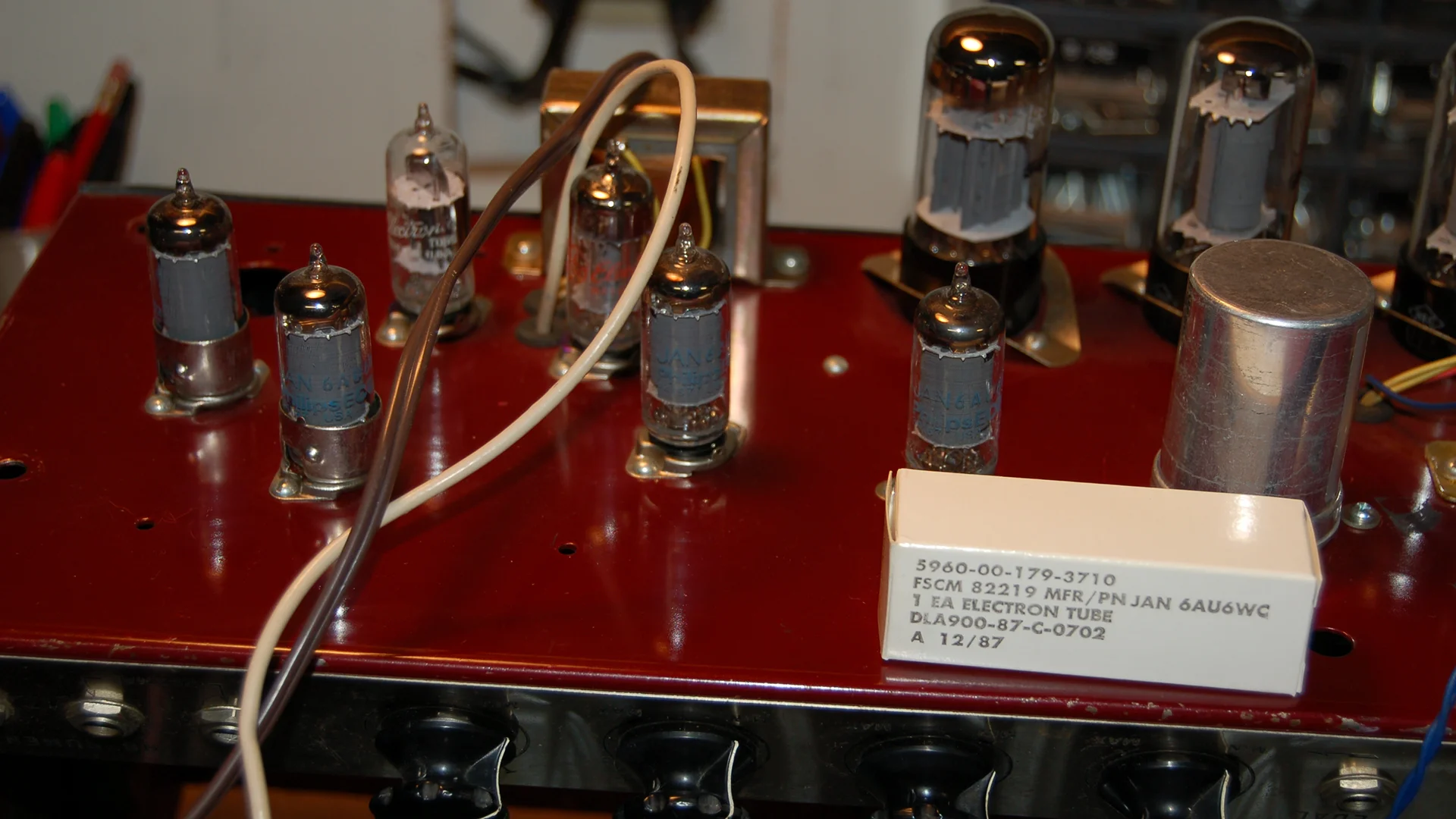
Proper maintenance ensures your tube amplifier delivers its best performance and tone for years to come.
Regular Maintenance Practices
Establish these habits to keep your tube amp in top condition: Let your amp warm up for at least 30 seconds before playing. Allow power tubes to cool down before moving the amp after use. Keep the amp in a well-ventilated area to prevent overheating.
Troubleshooting Common Tube Issues
When problems arise, check these common culprits:
Microphonic feedback or ringing: Often caused by a microphonic preamp tube. Tap each preamp tube gently with a pencil eraser while the amp is on at low volume; replace the tube that produces ringing or pinging sounds.
Channel imbalance or partial power: In push-pull amps, could indicate a failing power tube. Look for one tube glowing significantly brighter or darker than the others.
Loss of high frequencies: Often indicates aging preamp tubes, particularly in the phase inverter position.
Excessive hum: Check for failing filter capacitors, poor grounding, or interference from nearby electronic devices.
FAQ: Your Tube Amp Questions Answered
What's the difference between a tube amp, solid-state amp, and modeling amp?
Tube amplifiers use vacuum tubes for signal amplification, producing natural compression and dynamic response. Solid-state amps use transistors, offering reliability and consistent performance. Modeling amps use digital processing to simulate various amplifier types, providing versatility and convenience.
Can I mix different brands of the same tube type in my amp?
Preamp tubes from different brands can be mixed freely. For power tubes, use matched pairs/quads from the same manufacturer in each channel for balanced performance and proper operation.
How often should I replace the tubes in my amplifier?
Power tubes typically need replacement every 1,000-2,000 playing hours or when tone deteriorates. Preamp tubes can last 5,000+ hours and generally need replacement only when they become noisy or microphonic.
What's power tube "bias" and why does it matter?
Bias is the idle current through power tubes when no signal is present. Proper biasing ensures optimal performance and tube life. Cold bias produces thinner tone with longer tube life; hot bias creates warmer tone with earlier breakup but shortened tube lifespan.
Can I upgrade my amp by just changing tubes?
Yes. Different tubes significantly impact tone without circuit modifications. Preamp tube swaps alter gain character and dynamics, while power tube changes modify headroom and distortion qualities. However, tubes work within the existing circuit design's constraints.
What tubes give the best clean tones? The best distortion?
For clean tones: 6L6GC or 6550 power tubes with moderate-gain preamp tubes like 12AT7s. For rock distortion: EL34 power tubes with high-gain 12AX7 preamp tubes. For modern high-gain: multiple cascaded 12AX7 stages driving 6L6 or KT88 power tubes.
Conclusion: Finding Your Perfect Tube Tone
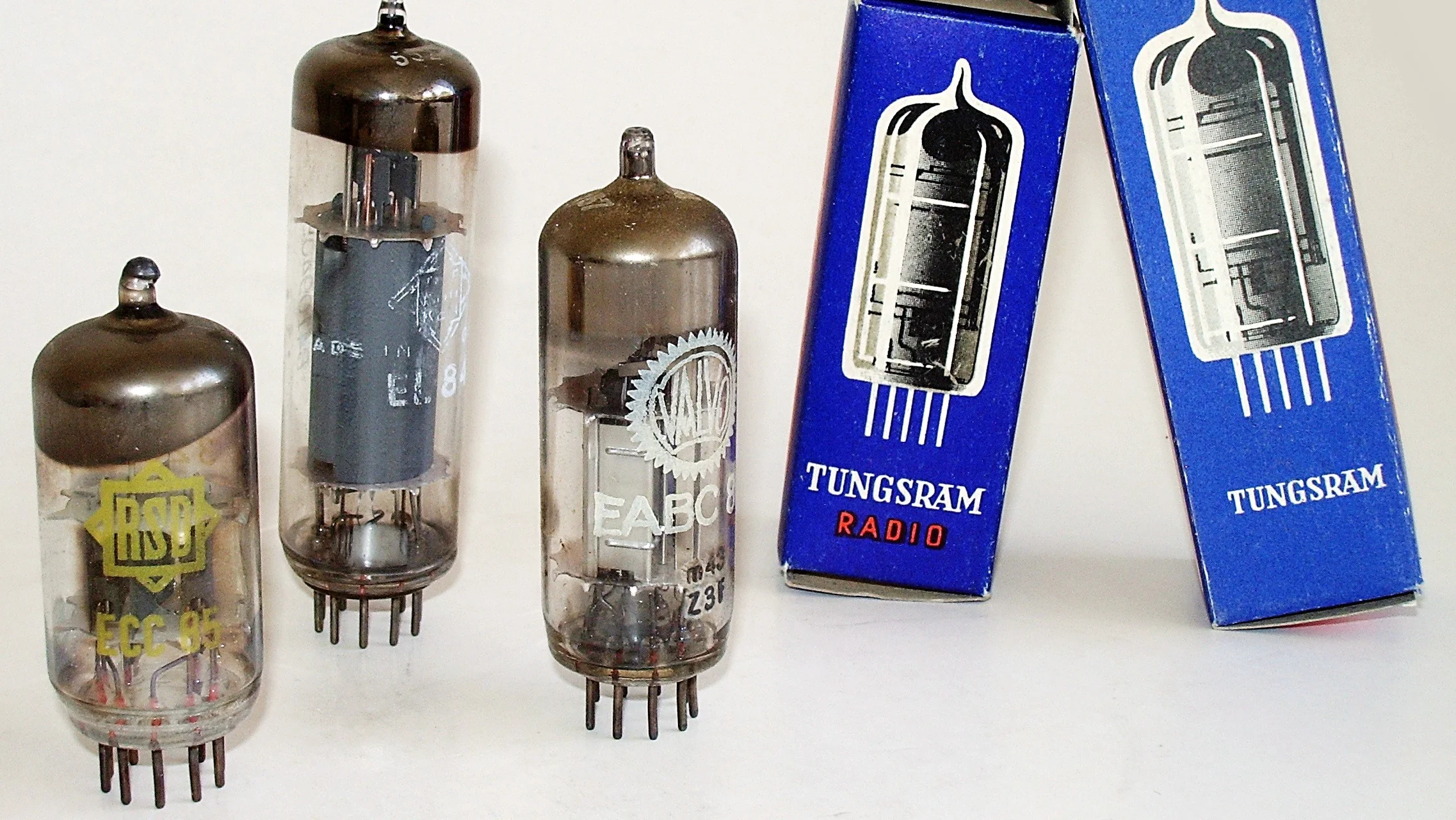
The world of vacuum tubes offers endless possibilities for crafting your ideal guitar tone. Understanding how different tubes shape your sound empowers you to make informed choices about your amplifier and potential upgrades or modifications.
The magic of tube amplification lies in its organic responsiveness. Unlike digital modeling, which recreates specific snapshots of amp tones, tube circuits respond dynamically to your playing, creating a conversation between guitarist, instrument, and amplifier. This interactive relationship is why tube amps remain the benchmark against which all other amplification technologies are measured.
When selecting tubes for your amplifier, consider not just the sound you want to create but also the feel and response that inspires your playing. Sometimes a tube that measures less impressively on paper delivers exactly the musical inspiration you need in practice.
Remember that your amplifier's circuit design establishes the foundation of your tone, while tubes add their distinctive character within that framework. Finding your perfect combination might involve experimenting with different tube brands, types, and positions until you discover that magical setup that speaks to your musical voice.
Whether you're chasing pristine Fender cleans, aggressive Marshall crunch, chimey Vox jangle, or modern high-gain roar, the right tube combination can help you get there. The journey of discovering your perfect tube tone is one of the most rewarding aspects of playing electric guitar.
Top Ranked Guitar Amplifier Tubes on Equipboard


About the authors

S. Jino is an accomplished multi-instrumentalist and music producer based in Kolkata, India, distinguished by his self-taught mastery and unique blend of technical acumen and musical performance. His extensive experience was forged through hands-on dedication, starting with the full restoration of a broken guitar. Jino's capabilities span keyboards, pedals, and advanced digital production, reflecting a comprehensive skill set developed independently. As a significant contributor to the music scene, Jino regularly performs with worship bands and college ensembles. He has also established himself as a reliable and authoritative professional in freelance mixing, mastering, and original music creation. Inspired by the innovative sounds of Brian May and David Gilmour, and influenced by Kolkata's vibrant metal community, Jino is committed to the intricate art of vintage gear restoration and the continuous exploration of music and technology fusion. His current professional setup, featuring a meticulously restored nameless guitar, a Fender Player Strat, and a Boss Katana 50. Read more
New in Amp Tubes

$30.99 - $339.00
in Guitar Amplifier Tubes Rank

$56.33 - $109.00
in Guitar Amplifier Tubes Rank


$45.00 - $75.00
in Guitar Amplifier Tubes Rank