Vintage vs Reissue: How to Choose the Guitar That Will Inspire You for Life

By Gear Experts

By Gear Experts
Table of Contents

Equipboard
Equipboard is the world's largest community of artists and their gear. Read our review process.
We are reader-supported. When you buy through links on our site, we may earn an affiliate commission. Learn more.
Walking into a guitar shop and picking up a pre-CBS Stratocaster or a '50s Les Paul feels different. The weight distribution surprises you. The neck has a particular feel. When you plug it in, something undeniable happens. The instrument breathes in a way that feels alive, responding to your touch with a complexity that goes beyond specifications and build sheets.
Vintage guitars occupy a unique space in the musician's world. They represent more than nostalgia or collector obsession. These instruments offer genuine sonic characteristics born from decades of molecular changes in wood and finish, combined with the happy accidents of pre-automation manufacturing.
The Case for Vintage
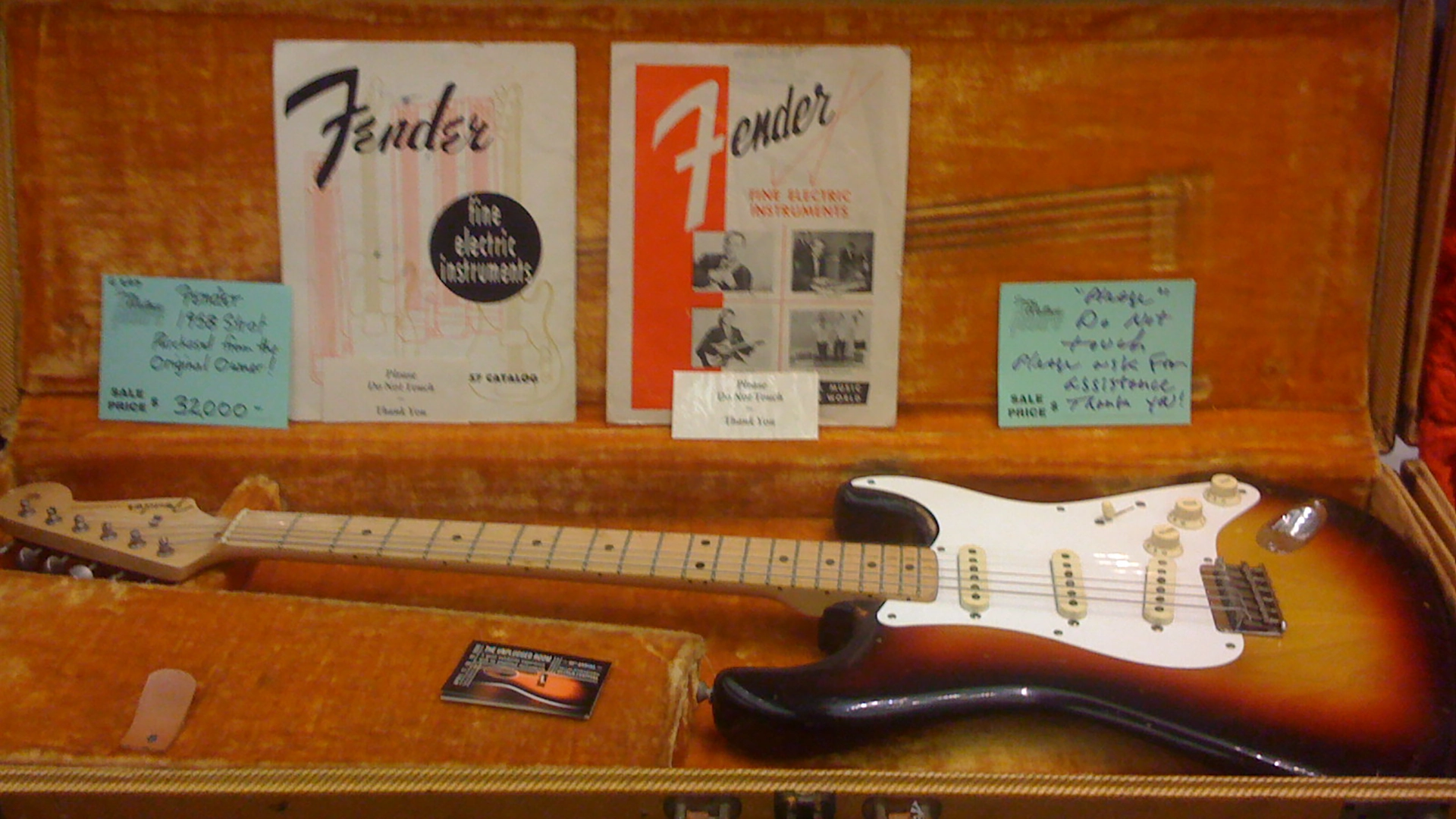
The vintage guitar conversation often gets clouded by mythology and gear forum arguments. Strip away the hype, and you're left with measurable physical changes and documented tonal characteristics that distinguish genuinely aged instruments from their modern counterparts.
The Chemistry of Aged Tone
Modern nitrocellulose used by major manufacturers often contains plasticizers to prevent the finish from checking (cracking) during shipping. While this keeps the guitar looking 'new,' it creates a more rubbery resonance-damper. Vintage nitro lacked these additives; as it gassed off over 50 years, it became a glass-like, brittle skin that allows the instrument to breathe.
Modern polyurethane and polyester finishes cure completely within days. They create a permanent, thick shell that protects the wood but also dampens its natural resonance.
Wood That Has Lived
Beyond the finish, the wood itself changes. Over decades, hemicellulose degradation occurs as the volatile organic compounds within the wood dissipate. This process, combined with resin crystallization, makes the wood lighter, stiffer, and less 'dampened' by internal moisture. This isn't speculation; it’s the loss of hygroscopicity, the wood’s ability to absorb environmental moisture, which results in a more stable, resonant platform that modern 'wet' lumber cannot match.
The Sounds You've Been Chasing
If you've ever wondered why Jimi Hendrix's Stratocaster tone on "Little Wing" sounds impossibly complex, or how Jimmy Page's Les Paul on "Since I've Been Loving You" achieves that singing sustain, the answer lies partly in the instruments themselves.
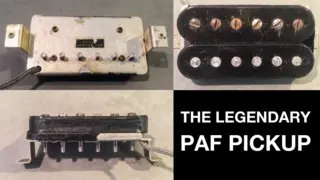
The legendary status of PAF humbuckers from 1957 to 1960 isn't just about age, but the 'happy accidents' of their construction. Because the Leesona winding machines lacked automatic shut-offs, coils were often unbalanced (mismatched), creating unique harmonic 'bloom.' While Alnico magnets are remarkably stable, the Plain Enamel wire insulation becomes brittle over time, and the slight loosening of the coil windings through decades of vibration contributes to a microphonic sensitivity that modern, potted pickups lack.
Investment Reality vs. Depreciation Curve
Here's where vintage guitars separate themselves completely from reissues. Buy a new Custom Shop Les Paul '59 reissue today for $7,000, and the moment you walk out of the store, it's worth $5,500 on the used market. Guitars depreciate like cars in their first years of life. Buy a 1973 Les Paul Deluxe in excellent original condition for $4,500, and five years from now, assuming you maintain it properly, it will likely be worth $5,500 to $6,500.
Vintage guitars, particularly from desirable years and models, appreciate. A 1960 Fender Stratocaster in completely original condition with custom color has appreciated from around $3,000 in the mid-1990s to $30,000 to $40,000 today. Even accounting for inflation, that represents genuine value growth. Compare this to stocks, gold, or real estate, and vintage guitars from the right years hold their own remarkably well.
Not every old guitar qualifies as an investment piece. A refinished 1965 Mustang won't appreciate much. But original-finish, original-parts guitars from recognized vintage years show consistent value growth, especially as the pool of available instruments shrinks through attrition and collector hoarding.
The Unrepeatable Variable
Modern guitar manufacturing has achieved incredible consistency. CNC machines cut neck profiles to tolerances measured in thousandths of an inch. Pickup winders operate with digital precision. Quality control catches variations that would have shipped in 1959. This precision, ironically, works against creating truly special instruments.
Before computer-controlled manufacturing, guitars varied from one example to the next. Two 1964 Stratocasters built on the same day could have noticeably different neck profiles, slightly different pickup winds, and variations in wood density. Some turned out magical. They resonated in ways their siblings didn't. These golden examples, the ones players call "the one," can't be intentionally replicated because their magic came from unintentional variables.
The Player's Inspection Guide
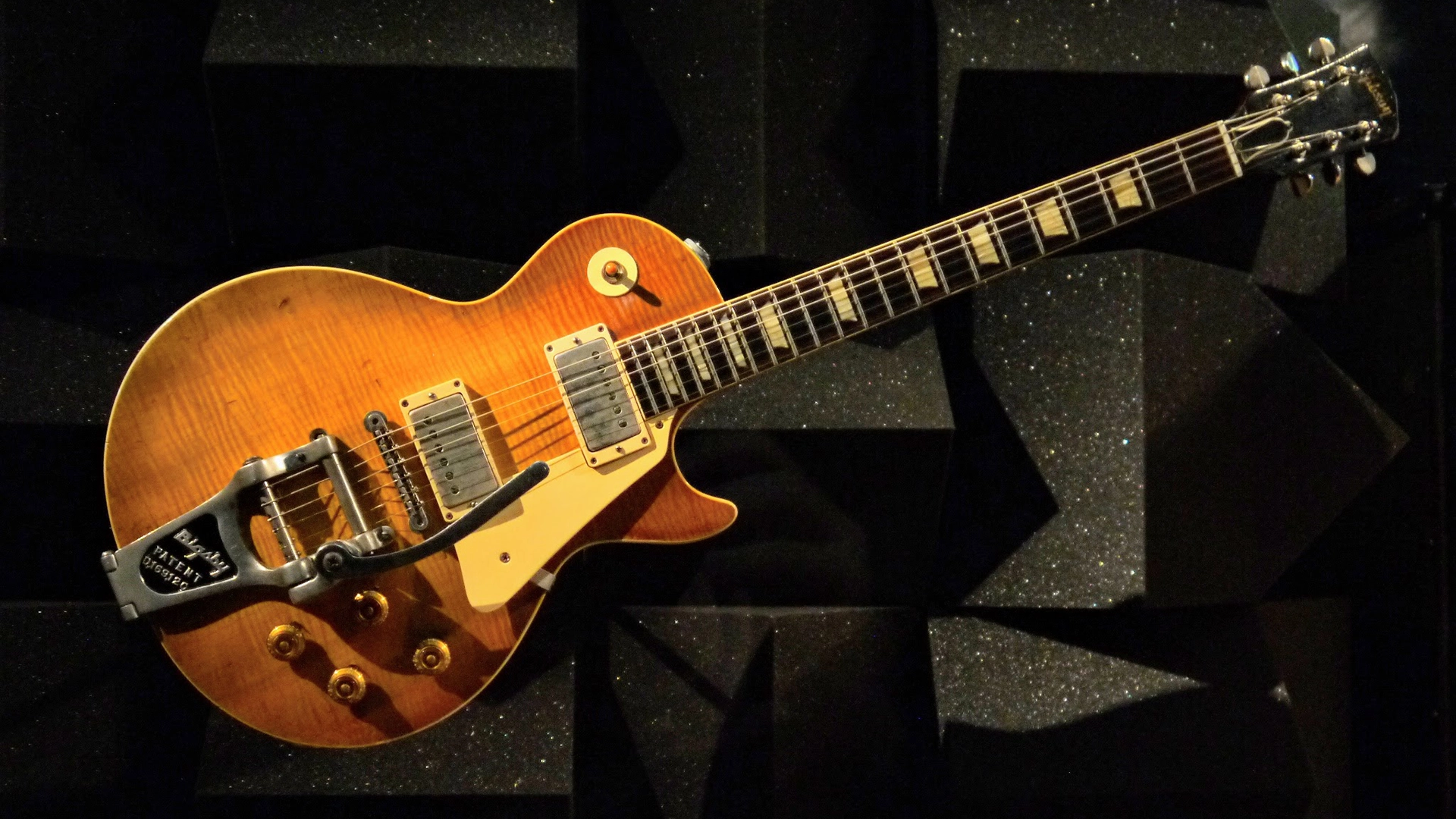
Walking into a vintage guitar transaction without knowing what to check is how musicians get burned. Sellers, whether dealers or private individuals, often present guitars in the best possible light. Your job is to verify everything and understand exactly what you're buying.
Reading the Neck
Straightness and relief form the foundation of playability. A vintage neck that has twisted, warped, or developed excessive bow creates problems that may be unfixable. Sight down the neck from the headstock, looking for any twisting or uneven relief. The more reliable method involves fretting the low E string at the first and last frets simultaneously, then checking the gap between the string and the frets around the 7th or 8th position. You want a tiny gap, roughly the thickness of a business card.
The truss rod must function properly. Ask the seller about the current adjustment and whether the rod has room to move in both directions. A maxed-out truss rod, turned as far as it will go, means you've lost the ability to make future neck adjustments. Even if the neck is straight now, changes in humidity or string tension could create problems you can't correct. If the truss rod won't turn at all, it may be frozen, a serious issue requiring expensive professional repair or rendering the guitar significantly less valuable.
Headstock repairs are the vintage market's biggest landmine. A repaired headstock break, even when done professionally, reduces a guitar's value by 30% to 50%. Some repairs are nearly invisible. Look carefully at the finish on the headstock's back and front for overspray patterns or color mismatches. Check for subtle ridges or slight misalignments where the break occurred.
Evaluating Fret Life
Fret wear tells you how much playing life remains before a major service. Run your finger along the frets under the strings, feeling for grooves worn by the strings. Slight grooving is normal and often preferred by players who like a broken-in feel. Deep grooves, where the string sits noticeably below the fret crown, indicate a refret is approaching.
Original frets on a 1960s guitar add value for collectors but may compromise playability. A professional refret costs $400 to $800 depending on the guitar and the luthier's reputation. Refretting doesn't destroy value if done properly with period-appropriate wire, but some collectors insist on original frets regardless of condition. Understand where the guitar you're considering sits on the player-versus-collector spectrum.
Electronics and Originality
Pop off the pickguard or control cavity cover and prepare to learn the guitar's real history. Original wiring looks different from modern work. Solder joints from the 1960s have a duller, grayer appearance than fresh solder's bright silver. Wires show age-appropriate cloth covering or vintage plastic insulation, not modern PVC.
Check the pot codes, stamped numbers on the potentiometers that indicate manufacturer and date. A guitar supposedly from 1963 should have pots dated 1962 or early 1963. Pots dated 1998 tell you someone replaced the electronics, which impacts value. Rewound or replacement pickups can reduce a guitar's value by 15% to 30%. If the guitar is advertised as having original pickups, ask about documentation or proof.
Scratchiness in pots is common and easily remedied with contact cleaner. Weak or dead output suggests deeper problems with pickups, wiring, or connections that may require professional attention and expense.
Body and Finish Forensics
Finish checking, the spiderweb of tiny cracks in nitrocellulose lacquer, is normal and often desirable on vintage guitars. These cracks develop as the lacquer ages and are a sign of authenticity, not damage. What you want to avoid is actual finish damage: large chips, deep gouges, or areas where the finish has worn through to bare wood.
Refinished guitars lose 40% to 60% of their value compared to original-finish examples. Detecting a refinish requires careful examination. Look for overspray on plastic parts, pickguards, or hardware. Check the finish inside the control cavity and compare it to the body's exterior. Original finishes show consistent aging patterns. A refinish often appears too perfect, too glossy, or shows color mismatches under certain lighting.
Lift the pickguard and examine the wood beneath. On a Stratocaster, this area should show bare wood or very light finish overspray, never thick paint matching the body color. Thick finish under the pickguard indicates a refinish.
Hardware Authenticity
Original hardware matters more than most players initially realize. Replacement tuners can reduce value by 10% to 20%, changed bridges by 10% to 25%. If hardware has been changed, ensure the seller includes the original parts, which preserves more of the guitar's value and gives you the option to restore originality later.
Examine screw heads for damage. Stripped or chewed screws indicate someone worked on the guitar carelessly. Check that all screws match in style and patina. Mismatched screws suggest parts have been changed or replaced.
| Area | What to Check | Why It Matters | Red Flags |
|---|---|---|---|
| Neck & Truss Rod | Straightness, relief, truss rod function | Core to playability and setup range | Frozen or maxed truss rod, undisclosed headstock repair |
| Frets | Wear, grooves, flat spots | A refret improves playability but affects originality | Deep wear plus original frets equals expensive job ahead |
| Electronics | Scratchiness, output, original solder joints | Value depends heavily on original wiring | Rewound pickups, replaced pots, sloppy modern solder |
| Body & Finish | Checking, cracks, overspray | Original finish is value-defining | Refinish (40-60% value loss), suspicious overspray |
| Hardware | Tuners, bridge, saddles, screws | Original parts matter for long-term value | Replaced hardware without originals included |
Authenticity, Rarity, and Real Value
The vintage guitar market rewards knowledge and punishes assumptions. Guitars are routinely misrepresented, sometimes intentionally, often through seller ignorance. Your ability to verify authenticity and understand what drives value protects you from expensive mistakes.
The Hierarchy of Originality
Original finish guitars command premium prices because the finish is the guitar's original skin, with honest aging and wear patterns built up over decades. A refinished guitar, no matter how clean, moves it into “player grade” territory and cuts value dramatically.
Original pickups matter just as much, because they define the guitar's voice. Classic PAF humbuckers or pre‑CBS Strat pickups are a big part of why certain eras are so desirable. Original tuners, bridges, plastics, and even screws all add up. The closer a guitar is to how it left the factory, the more it sits in the true “vintage investment” category rather than just being an old guitar.
Dating Through Components
Serial numbers are a starting point, but they are often too loose for precise dating. Potentiometer codes, pickup construction, wire types, and neck or body stamps usually tell a clearer story.
Learning to read pot codes, recognize era‑correct pickup leads, and understand period body routing patterns helps you separate real vintage instruments from parts guitars. When all those details line up logically, you can feel confident about when the guitar was built and how original it really is.
Spotting Deception
Refusal to let you look under the pickguard or into the control cavity is an instant warning sign. Honest sellers usually welcome careful inspection.
Look for finish that looks too fresh inside cavities compared to the outside, or obvious overspray on wiring, pickups, or hardware. If the story about the guitar sounds amazing but the physical evidence does not match, trust what you can see and touch, not the narrative.
When Reissues Make Sense
Modern reissues from major brands and boutique builders can be excellent instruments. They often use period‑correct specs, feel great, and are far more predictable and reliable than many true vintage guitars.
What they do not offer is decades of natural aging, true rarity, or the same long‑term appreciation potential. If you want consistency, warranty support, and a killer working tool, a good reissue makes perfect sense. If you want history, scarcity, and the specific quirks that only time can create, vintage is worth the extra homework.
Caring for Your Vintage Investment
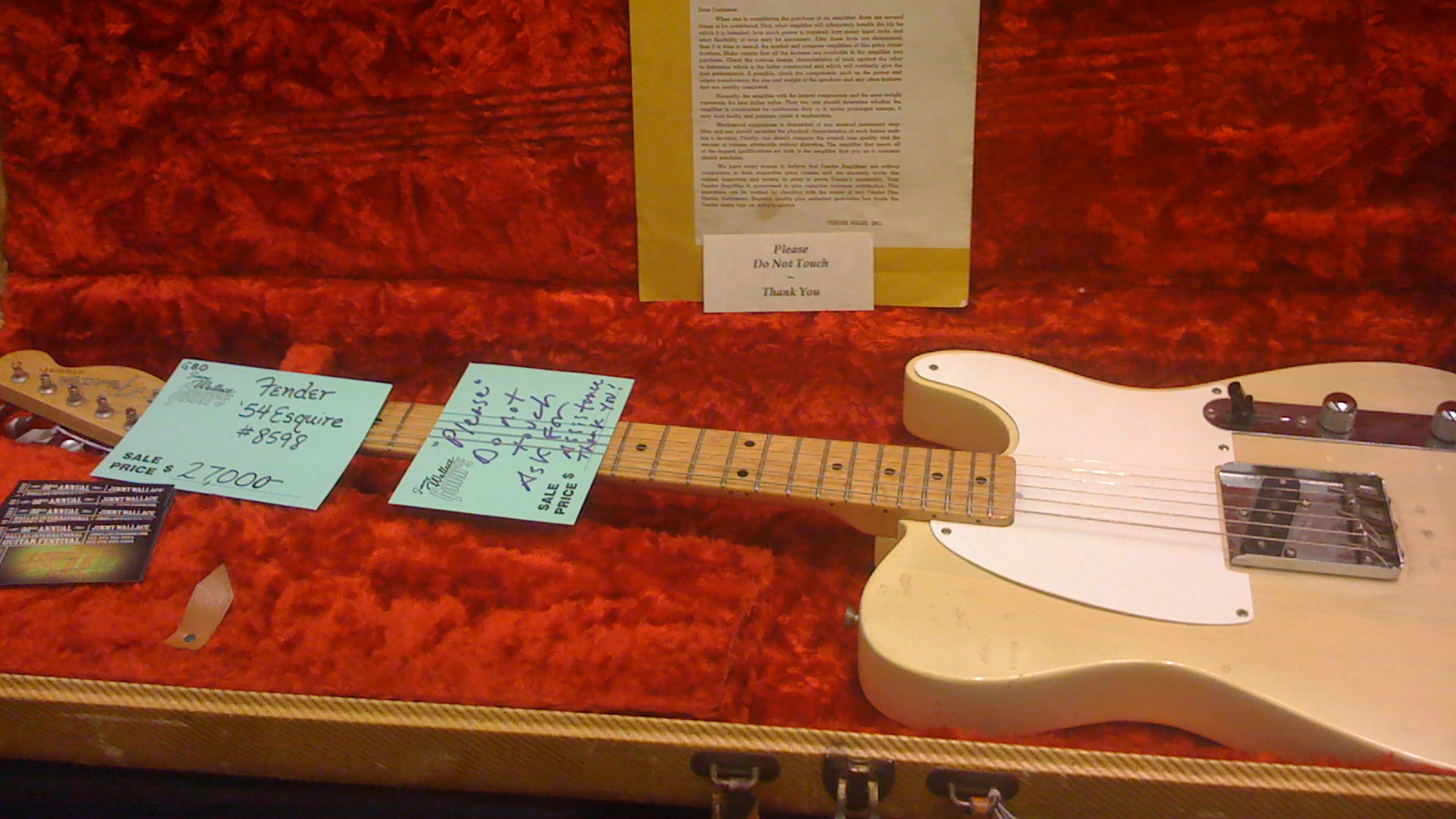
Buying a vintage guitar is just the beginning. These instruments require proper care to maintain their condition, value, and playability. Neglect can damage a guitar worth thousands of dollars. Proper stewardship preserves your investment and ensures the instrument survives to inspire future players.
Environmental Control
Humidity control is non-negotiable for vintage guitars. Wood moves with moisture changes. Too much humidity causes necks to swell, frets to lift, and glue joints to weaken. Too little humidity causes finish cracking, fret ends protruding from dried and shrunk fretboards, and body cracks in extreme cases.
Maintain 45% to 55% relative humidity year-round. Purchase an inexpensive digital hygrometer to monitor humidity in your guitar's storage area. During dry winter months, use a soundhole humidifier or room humidifier to maintain proper levels. In humid summer months, dehumidifiers or air conditioning keep moisture in check.
Temperature stability matters too. Avoid storing guitars in attics, basements, or garages where temperature swings wildly. Rapid temperature changes stress the finish and wood. Keep your vintage instruments in climate-controlled living spaces where you'd be comfortable yourself.
Insurance Protection
Homeowners or renters insurance typically provides limited coverage for musical instruments, often capped at $1,500 to $2,500 per item. A vintage guitar worth $8,000 needs dedicated instrument insurance. Several companies specialize in musical instrument coverage, offering policies that cover theft, damage, loss, and even depreciation in some cases.
Document your guitar thoroughly with photographs from multiple angles, showing serial numbers, distinctive wear patterns, and any unique characteristics. Keep receipts, appraisals, and authentication documents in a safe location separate from the guitar itself. If theft or disaster strikes, this documentation makes insurance claims straightforward.
Finding the Right Luthier
Not all guitar repair technicians understand vintage instruments. Find a luthier with specific experience working on vintage guitars from your instrument's era. Ask about their approach to repairs and modifications. The right luthier prioritizes reversible repairs that preserve originality.
A professional refret should use period-appropriate wire in the correct size. Nut replacement should match original materials and dimensions. Electronic repairs should maintain original wiring paths and solder joints where possible. The goal is improving playability while preserving the features that define the guitar's value and authenticity.
Value-Safe Improvements
Certain upgrades improve playability without harming value, provided you keep the original parts. A new bone nut improves tone and playability over a worn plastic nut. Keep the original. A professional refret with correct vintage-style wire helps the guitar play its best. Modern tuners can improve tuning stability. If you install them, keep the original tuners and fill any new screw holes so the modification is reversible.
Replacement saddles, particularly on Telecaster and Stratocaster bridges, offer tonal improvements some players prefer. Again, store the originals safely. Future buyers appreciate having the option to restore complete originality, and including original parts in a sale maintains maximum value.
Never modify the guitar permanently. Don't enlarge routs to fit different pickups. Don't drill new holes for different hardware. Don't refinish the guitar. These changes are irreversible and destroy value. If a guitar doesn't meet your needs in original form, buy a different guitar rather than modifying a vintage piece.
FAQ
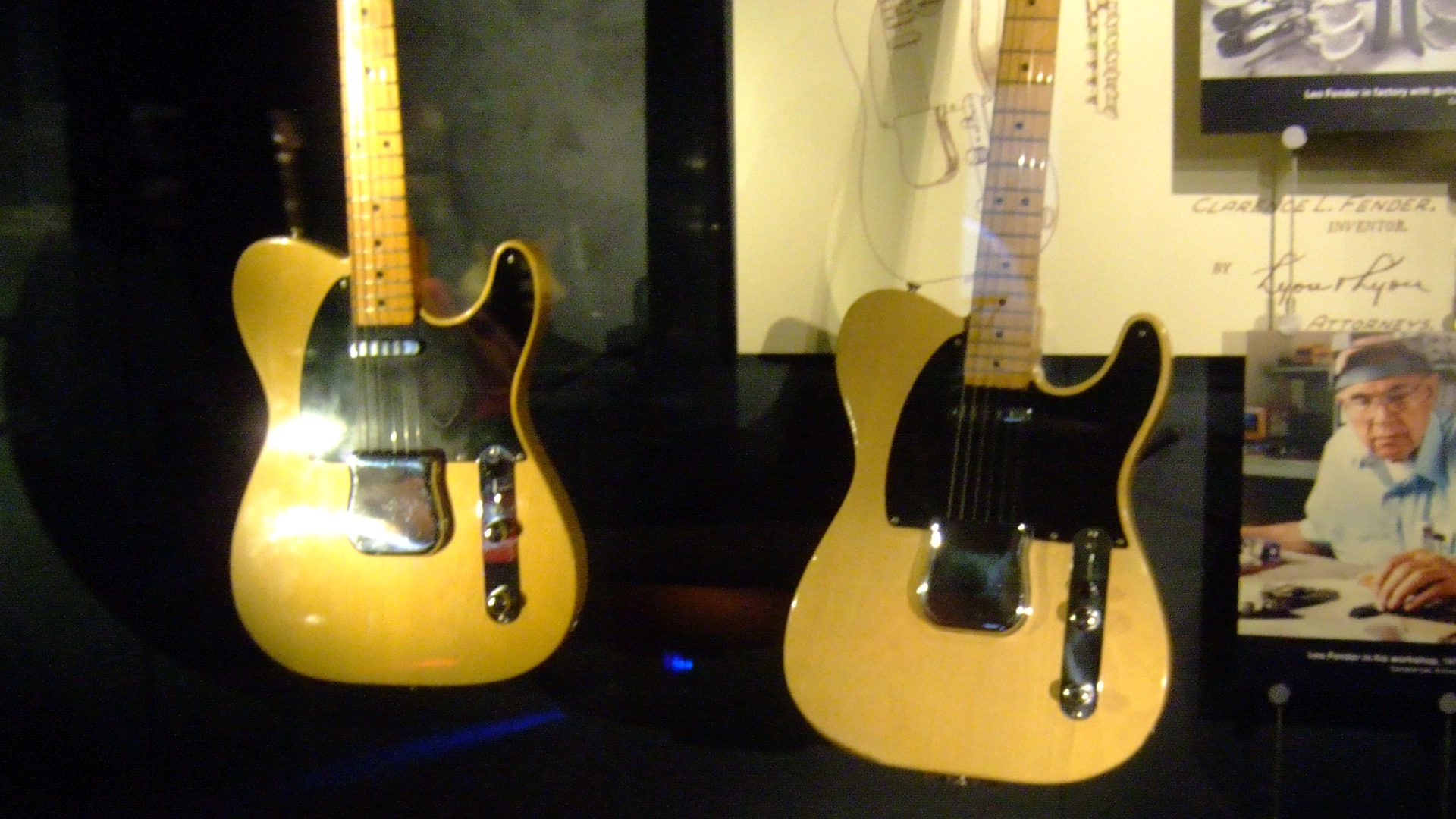
Are vintage guitars always better than new ones?
Not always, but many vintage guitars from desirable eras offer tonal complexity and character that new guitars take years to develop. Original PAF pickups, aged nitrocellulose finishes, and decades of playing time create qualities modern instruments can't immediately replicate. However, new guitars offer consistency, reliability, and warranty protection that some players prioritize.
How can I tell if a vintage guitar is refinished?
Check for overspray on hardware, pickguards, and plastic parts. Examine the finish inside control cavities and compare it to the body exterior for consistency in aging. Look for color mismatches or unusually perfect, glossy finish. UV light reveals many refinishes invisible to the naked eye.
Do vintage guitars appreciate in value?
Yes, if they're in original condition from desirable years and models. A 1960 Stratocaster in original condition has appreciated from around $3,000 in the 1990s to $30,000 or more today. Refinished guitars, those with replaced parts, or less desirable models appreciate slowly or not at all.
Should I play my vintage guitar or keep it in the case?
Play it. Guitars benefit from regular playing, which keeps joints and wood moving naturally. Just store it properly when not in use, maintain stable humidity, and handle it carefully. A vintage guitar that sits unplayed for years can develop problems from neglect.
What's the most important factor in vintage guitar value?
Originality, particularly original finish. A refinished guitar loses 40% to 60% of its value compared to an original-finish example. Original pickups, hardware, and electronics also matter significantly, but finish originality tops the list for collectors and serious buyers.
Finding Your Piece of History
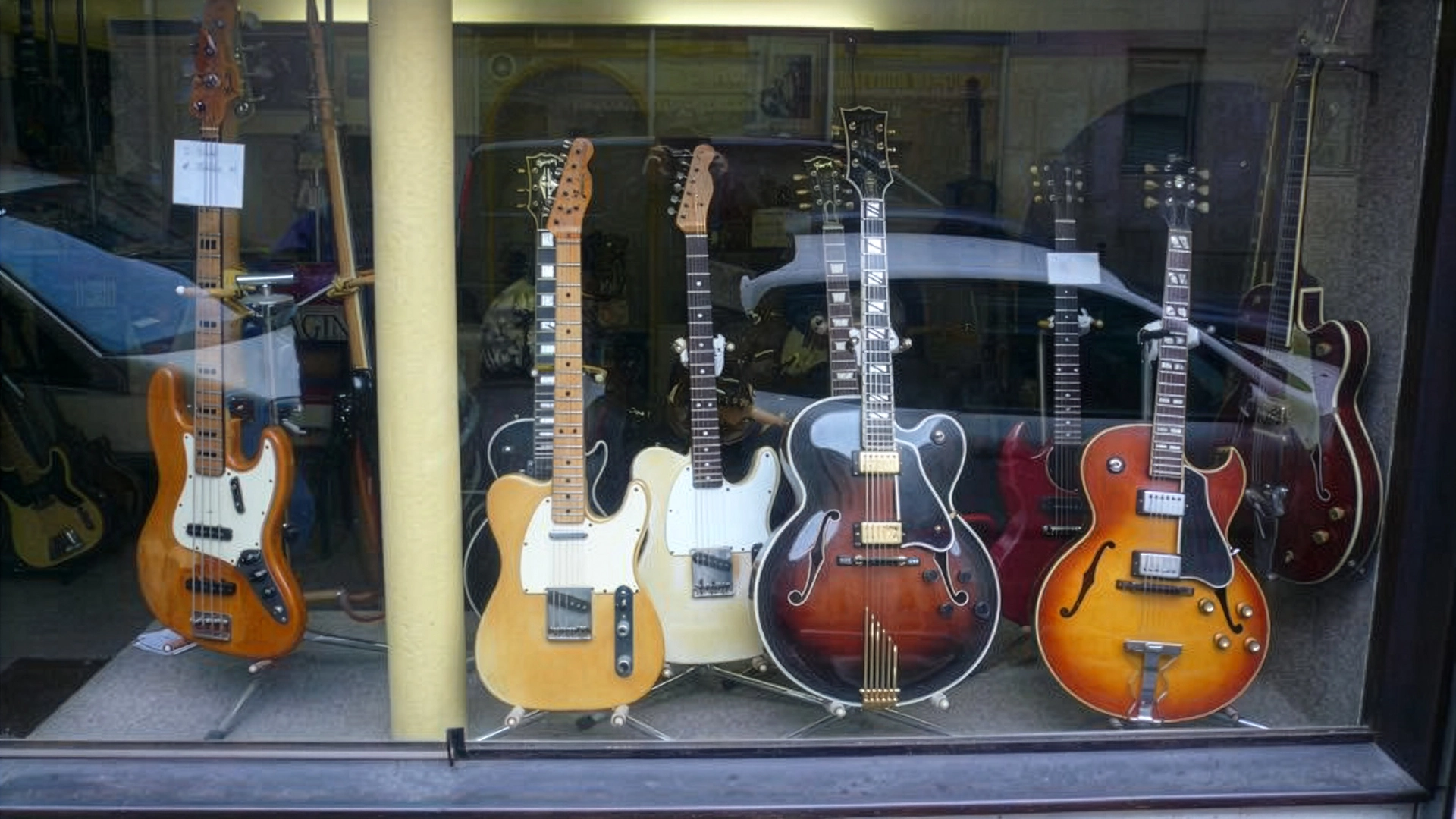
Vintage guitars offer something no reissue can replicate: genuine connection to music history combined with tonal qualities born from decades of aging. The nitrocellulose finish that has thinned and cured, the wood that has crystallized and lightened, the pickups whose magnets have subtly shifted over time, these elements create instruments that respond with a complexity modern manufacturing simply cannot rush.
Beyond tone, the investment case is compelling. While new guitars lose value immediately, properly maintained vintage instruments from desirable years appreciate steadily. You are acquiring an asset that grows in value while providing decades of playing pleasure.
Knowledge protects you in the vintage market. Understanding how to inspect necks, verify electronics originality, spot refinishes, and date components prevents expensive mistakes. The guidelines in this article give you the tools to evaluate vintage guitars confidently, whether buying from dealers, private sellers, or at guitar shows. Once you find the right instrument, proper care preserves its condition and value.
Climate control, appropriate insurance, choosing experienced luthiers, and keeping modifications reversible ensure your vintage guitar survives for future generations. If you are chasing the tones that shaped music history, want an instrument that appreciates rather than depreciates, and are drawn to the irreplaceable character of genuinely aged components, vintage is worth the effort. Your hands will know the difference the moment you play it.
About the authors
Michael R. Pierce is the co-founder of Equipboard and a lifelong musician with over 25 years of experience as a guitarist and gear enthusiast. He blends solid music theory chops (thanks to formal training in guitar, piano, and trumpet) with real-world experience, always exploring and experimenting across genres like rock, blues, and hip-hop. Michael launched Equipboard in 2013 after graduating from The University of Texas at Austin, leveraging his unique blend of musical passion, technological acumen, and community building. His current go-to rig features a Fender American Original ‘50s Telecaster, Analogman King of Tone, Strymon Flint, and a Fender ‘57 Custom Champ. Read more