
By Gear Experts
Table of Contents

Equipboard
Equipboard is the world's largest community of artists and their gear. Read our review process.
We are reader-supported. When you buy through links on our site, we may earn an affiliate commission. Learn more.
Our Picks

The Gibson Les Paul Standard is more than a guitar; it’s a piece of musical history and a tool that has shaped the sound of countless genres. Its rich heritage, impeccable craftsmanship, and unparalleled tonal versatility make it a dream instrument for musicians of all levels. While it comes with a premium price tag, the Les Paul Standard is an investment in tone, playability, and tradition. For those who value sound, feel, and legacy, the Les Paul Standard is, quite simply, the gold standard.
Read more


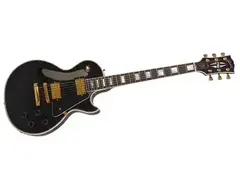
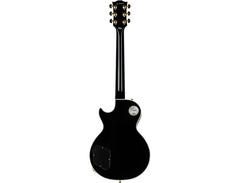
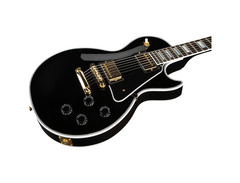
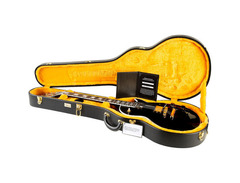
Gibson Les Paul Custom Electric Guitar
The Gibson Les Paul Custom is a luxurious guitar. With its rich history, impeccable craftsmanship, and versatile sound, it remains a dream instrument for players across genres. While its weight and price may deter some, its tonal depth, sustain, and sheer elegance make it an investment worth making for serious musicians. The Les Paul Custom isn’t just a guitar - it’s a masterpiece.
Read more

The Gibson Les Paul Junior is a minimalist yet iconic guitar that combines raw tone, a dynamic P-90 pickup, and straightforward design, making it a beloved choice for rock, punk, and blues players who value simplicity and expressive sound.
Read more
The Gibson Les Paul Special combines vintage simplicity with modern versatility, offering dual P-90 pickups, a lightweight design, and timeless aesthetics that make it a perfect choice for players seeking raw, expressive tones.
Read more
The Gibson Les Paul Studio delivers classic Les Paul tone, versatile performance, and streamlined functionality in a lightweight, no-frills design, making it an excellent choice for musicians seeking affordability and practicality without compromising on sound quality.
Read more
The Gibson Les Paul Modern combines classic aesthetics with contemporary features, offering exceptional playability, versatile tones, and ergonomic enhancements, making it an ideal choice for modern musicians seeking a refined and adaptable instrument.
Read moreThe Gibson Les Paul is an indisputable icon in the realm of electric guitars. Revered for its unmistakable sound, elegant design, and the countless legends who wielded it, the Les Paul holds a unique place in musical history. This guide serves as a comprehensive resource for guitarists of all levels, delving into the Les Paul's rich heritage, key models, notable players, and signature sounds.
A Storied History
The Les Paul's story begins with a partnership between the Gibson Guitar Corporation and Les Paul, a visionary guitarist, inventor, and recording innovator. In the early 1950s, Gibson sought to compete with Fender's revolutionary Telecaster. Les Paul, already experimenting with solid-body designs, was brought on board to create a guitar that blended innovation with tradition.
- 1952: The first Les Paul, known as the "Goldtop" for its finish, was released. This model paved the way for future iterations.
- 1954: The "Black Beauty" Les Paul Custom debuted, featuring a sleek black finish and upscale appointments.
- 1957: The introduction of the PAF (Patent Applied For) humbuckers by Seth Lover revolutionized the Les Paul's sound, eliminating hum and creating a fuller, more powerful tone.
- 1958-1960: The "Burst Era" saw the introduction of the Sunburst finish, leading to the now-legendary Les Paul Standard. These instruments remain highly sought-after by collectors and players alike.
- 1961: The Les Paul name was temporarily applied to a new design, the SG. By the late 1960s, players rediscovered the original Les Paul design, prompting Gibson to reintroduce it in 1968.
For a full history, check out this in-depth video from Five Watt World.
The Signature Sounds of the Les Paul
The Les Paul is celebrated for its unmistakable sound, characterized by three defining features:
- Rich, Warm Sustain: The mahogany body paired with a carved maple top and set neck joint contributes to the Les Paul's ability to sustain notes beautifully. This design allows for vibrations to transfer seamlessly, creating a singing quality ideal for expressive solos.
- Powerful Midrange: Dual humbuckers deliver a thick, punchy midrange, perfect for cutting through a mix in rock and blues genres.
- Dynamic Range: Independent volume and tone controls provide a wide range of tonal options, from clean and articulate to overdriven and gritty. This versatility allows the Les Paul to adapt to various playing styles and musical genres.
Gibson Les Paul Standard
5.0 (242)
The Gold Standard






Average Price: $2,540
High-end/Boutique
$400
$1001+
Budget
Standard
High-end
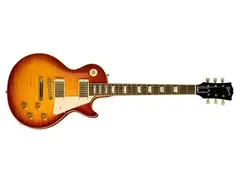
- Exquisite flame maple top with heritage cherry sunburst finish, likened to custom shop quality
- Alnico II humbuckers offer clear, versatile sound across genres, including jazz, rock, and country
- Thick neck design praised for comfort and playability, ideal for fans of chunky necks
- Superb factory setup and intonation; many find it ready to play right out of the box
- See 6 more
- Reports of quality control issues, including blemishes and missing hardware
- Thick neck may not suit players who prefer slimmer, faster neck profiles
- Heavy weight might be uncomfortable for some, especially after extended play sessions
- Occasional minor cosmetic issues, such as small blemishes or nicks, noted by some buyers
The Gibson Les Paul Standard is not just a guitar; it’s a cornerstone of modern music. Revered for its rich tone, impeccable build quality, and stunning aesthetics, this iconic instrument has stood the test of time as the benchmark for electric guitars. Whether you’re a blues aficionado, a rock shredder, or a jazz connoisseur, the Les Paul Standard offers versatility and heritage in equal measure.
Reintroduced in 1968 after a brief hiatus, the Les Paul Standard reclaimed its place as a top-tier instrument. Today, the Standard represents the pinnacle of Gibson’s production-line guitars, blending vintage-inspired design with modern refinements.
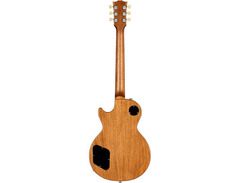
The Les Paul Standard features a solid mahogany body with a carved maple top, a combination renowned for its sustain and tonal richness. The maple adds brightness and definition, while the mahogany ensures warmth and depth. While some models include modern weight relief to reduce fatigue, others maintain the traditional, heavier build for tonal purists.
The current production standard is available in two profiles:
- Standard ’50s: Thicker, rounded neck for vintage feel and resonance.
- Standard ’60s: Slimmer, faster neck for modern players.
Pickups and Electronics
- Burstbucker Pickups: Both 50s and 60s models are equipped with Gibson’s Burstbucker pickups, which recreate the magic of the original PAFs.
- Controls: Two volume knobs, two tone knobs, and a three-way toggle switch offer precise tonal shaping. Some models feature push-pull pots for coil-splitting, adding versatility by delivering single-coil-like tones.
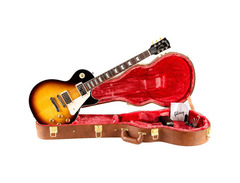
The Les Paul Standard is available in stunning finishes, including Tobacco Burst, Cherry Sunburst, and Goldtop, each showcasing the guitar’s flame or plain maple top. The attention to detail extends to binding, trapezoid inlays, and high-quality hardware.
Gibson’s reputation for craftsmanship is on full display in the Les Paul Standard. From the meticulous fit and finish to the hand-wired electronics, every aspect of this guitar exudes quality.
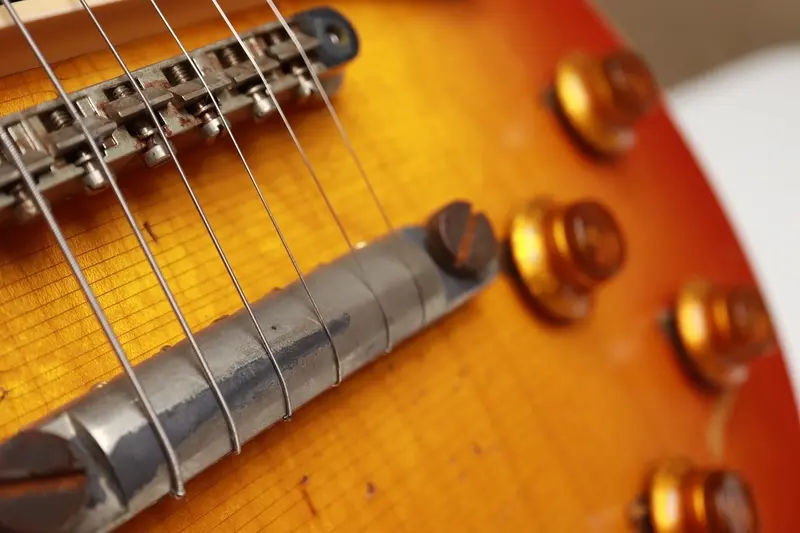
- Hardware: The tune-o-matic bridge and stop-bar tailpiece provide rock-solid tuning stability and sustain.
- Fit and Finish: The binding, fretwork, and overall construction are impeccable, ensuring the guitar feels luxurious and plays smoothly.
- Durability: While high-gloss nitrocellulose lacquer enhances resonance and aesthetic appeal, it requires care to maintain its pristine look.
The Les Paul Standard is celebrated for its rich, versatile sound that can seamlessly adapt to a wide range of genres. Its tone is defined by its tonal depth, warmth, and sustain, thanks to the combination of tonewoods, humbuckers, and set-neck construction. With moderate gain, the Les Paul Standard shines in blues and rock, producing creamy sustain and articulate note definition. Push it into higher gain territory, and it roars with thick, powerful distortion, making it a favorite for hard rock and heavy metal. The Les Paul’s responsive electronics allow players to control tone and volume precisely, making it easy to transition from clean to overdrive with just a twist of the volume knob.
The Les Paul Standard is ideal for players seeking a top-tier instrument with vintage charm and modern reliability. Whether you’re a gigging professional, a recording artist, or an enthusiast chasing legendary tones, this guitar will exceed expectations. Beginners may find it expensive, but its quality makes it a worthwhile investment that can grow with a player’s skill level.
See how artists use this


.jpg)

.jpg)


.jpg)
Gibson Les Paul Custom Electric Guitar
5.0 (298)
The Epitome of Elegance and Tone
Average Price: $5,441
High-end/Boutique
$400
$1001+
Budget
Standard
High-end
- 1. Exceptional craftsmanship with a pristine finish and attention to detail
- 2. Versatile sound with both warm clean tones and heavy, aggressive riffs
- 3. Superior sustain and clarity, even at high gain levels
- 4. Ebony fretboard offers a smooth, buttery playability
- See 6 more
- 1. Significantly heavy, which may cause discomfort during extended play
- 2. Expensive, possibly out of reach for budget-conscious buyers
- 3. Some models may require initial setup adjustments
- 4. Pickup selector switch can occasionally be loose
- See 1 more
The Gibson Les Paul Custom is the pinnacle of the Les Paul lineup, designed for players who demand unparalleled quality, aesthetics, and sound. Originally introduced in 1954 as the “Black Beauty,” the Les Paul Custom has become synonymous with sophistication and tonal excellence. With its luxurious features and timeless appeal, the Les Paul Custom isn’t just an instrument - it’s a statement.
When the Les Paul Custom debuted in 1954, it was envisioned as a more refined, high-end counterpart to the Les Paul Standard. Nicknamed the “Black Beauty” for its sleek ebony finish, it featured gold hardware, multi-ply binding, and an ebony fingerboard. The addition of the Alnico V staple neck pickup and a P-90 in the bridge gave it a distinctive tone that set it apart.
Over the years, the Custom has evolved, with the most notable change being the introduction of humbuckers in 1957. Today, the Les Paul Custom is celebrated as the ultimate fusion of beauty and brawn, combining high-end craftsmanship with uncompromising sound.
The Les Paul Custom’s opulence is matched only by its meticulous construction and tonal versatility. Modern versions retain the hallmark elegance of the original while incorporating contemporary refinements.
The Les Paul Custom features a solid mahogany body and top (some models have maple tops), which delivers a warm, resonant tone with enhanced sustain. Unlike some modern Les Pauls, the Custom eschews weight relief, offering a solid, traditional feel. A mahogany neck with a Richlite or ebony fingerboard provides a smooth playing surface and a snappier attack compared to rosewood.
Typically equipped with Gibson’s 490R (neck) and 498T (bridge) pickups, the Les Paul Custom offers a modern take on vintage humbucker tones. The 490R in the neck is warm and creamy, perfect for smooth rhythms and soulful leads. The 498T in the bridge position is hotter and more aggressive, excelling at cutting through the mix for solos and heavy riffs. The controls consist of two volume knobs, two tone knobs, and a three-way toggle switch provide classic Les Paul tonal flexibility.
The Les Paul Custom sports a premium look. Multi-ply binding on the body and headstock, gold hardware, and block inlays give the Les Paul Custom its signature luxurious appearance. While the Black Beauty is the most iconic, modern Les Paul Customs are available in Alpine White, Wine Red, and other striking finishes.
The Les Paul Custom's sound is characterized by a combination of warmth and clarity, making it adaptable to a range of musical styles, including blues, jazz, hard rock, and metal. In clean settings, the neck pickup produces a rounded tone suitable for chord work and melodic solos. The bridge pickup offers a brighter response with increased high-end emphasis, useful for rhythmic playing and lead lines requiring greater articulation.
Under overdrive or distortion, the Les Paul Custom's humbucker pickups, often paired with a solid mahogany body and sometimes an ebony fingerboard, contribute to a pronounced midrange, a defined low-end response, and smooth high frequencies. The combination of these elements also affects note clarity, maintaining definition even at higher gain levels. The instrument's construction contributes to its sustain, influencing the duration of note resonance. The dynamic range allows for variations in volume and intensity in response to playing dynamics.
The Les Paul Custom is ideal for players seeking the ultimate in tone, playability, and visual impact. It’s a favorite among professionals who demand reliability on stage and in the studio, as well as enthusiasts who value its historical significance and refined aesthetics. If you’re looking for a guitar that embodies luxury and performance, the Les Paul Custom is an unparalleled choice.
See how artists use this


.png)


Gibson Les Paul Junior
4.5 (81)
The No-Frills Icon That Redefined Simplicity

Average Price: $1,578
High-end/Boutique
$400
$1001+
Budget
Standard
High-end
- Exceptional build quality and attention to detail
- Powerful, versatile P-90 pickup offers a wide range of tones
- Fattest neck on any Gibson, enhancing playability and tone
- Quality hardshell case and multi-tool included
- See 6 more
- Tobacco burst finish can appear muddy
- Included Gibson strap feels cheap
- Some users find it overpriced for a single-pickup guitar
- Intonation adjustment can be challenging with the wraparound bridge
- See 1 more
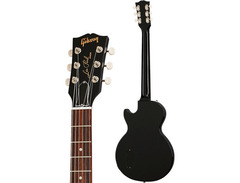
The Gibson Les Paul Junior is a guitar that embodies the ethos of “less is more.” First introduced in 1954 as an affordable entry-level model for students, the Junior has transcended its humble beginnings to become a revered instrument in its own right. Stripped of unnecessary adornments yet loaded with undeniable character, the Les Paul Junior has found favor with rock legends, punk pioneers, and tone purists alike. Its enduring appeal lies in its simplicity, raw tone, and unparalleled ability to cut through a mix.
The Les Paul Junior’s design is unapologetically straightforward. Its slab mahogany body offers a minimalist take on the classic Les Paul silhouette, trading carved maple tops and binding for a raw, unembellished aesthetic. The single-cutaway design not only keeps the guitar lightweight but also provides easy access to the upper frets - a boon for soloists and riff-heavy players.
The 24.75-inch scale mahogany neck features a rosewood fretboard with simple dot inlays, maintaining the no-frills approach. The Junior is typically equipped with a wraparound bridge, which contributes to its impressive sustain and resonance. Modern iterations of the Junior stay true to this iconic formula while subtly enhancing playability with smoother neck profiles and improved hardware.
At the heart of the Les Paul Junior’s tone lies a single P-90 pickup - a legendary component that defines its sound. Positioned in the bridge, the P-90 delivers a unique blend of punch, clarity, and midrange grit. While it lacks the versatility of a dual-pickup setup, the Junior compensates with tonal purity and responsiveness. Roll back the tone knob for warm, jazzy textures or crank it up for snarling rock aggression. The P-90’s dynamic response makes it a joy to play, translating every nuance of your picking and playing style into vibrant sound.
The Junior’s simplicity is also its strength. With just a single pickup, a volume knob, and a tone knob, it forces players to rely on their technique and touch to shape their sound. This minimalist configuration has inspired countless guitarists to explore the instrument’s tonal range and discover new creative possibilities.
The Les Paul Junior excels in genres where attitude and raw energy take precedence. Its P-90 delivers a biting tone perfect for rock, punk, and blues. Whether you’re playing power chords through a cranked tube amp or laying down soulful licks, the Junior responds with immediacy and authority.
The lightweight body makes it comfortable for long gigs, while its straightforward controls allow for quick, intuitive adjustments on the fly. Despite its simplicity, the Junior is an instrument that rewards subtlety; skilled players will find it incredibly dynamic, capable of delivering nuanced clean tones as well as searing overdrive.
The Les Paul Junior is ideal for players who value raw tone, minimalist design, and a connection to rock and roll’s rebellious roots. It’s a fantastic choice for gigging musicians looking for a workhorse guitar that’s easy to maintain and capable of standing out in a band setting. Its affordability compared to other Les Paul models also makes it appealing to players seeking classic Gibson quality without the hefty price tag.
While the Les Paul Junior’s simplicity is part of its charm, it may not suit players who need a wider tonal palette. The single P-90 pickup, while iconic, lacks the versatility of humbuckers or a dual-pickup configuration. Additionally, the lack of a carved top or binding might leave some players yearning for the aesthetic polish of higher-end Les Paul models.
The Gibson Les Paul Junior is more than a budget guitar - it’s a symbol of raw creativity and unfiltered expression. Its straightforward design and powerful P-90 pickup make it a compelling choice for players who prioritize tone and playability over flashy features. Whether you’re chasing the bite of vintage rock or the grit of punk, the Junior delivers with authority and style.
Its enduring popularity among guitarists of all skill levels and genres proves that great tone doesn’t have to come with unnecessary complexity. The Gibson Les Paul Junior stands as a testament to the idea that sometimes, less truly is more. For players seeking an authentic, no-nonsense guitar with a storied legacy, the Les Paul Junior is a must-try.
See how artists use this






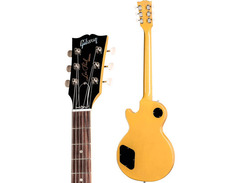
Gibson Les Paul Special
4.5 (36)
Vintage Simplicity with Expanded Versatility
Average Price: $1,600
High-end/Boutique
$400
$1001+
Budget
Standard
High-end
- Exceptional build quality, lightweight under 7lbs, with stellar playability
- P-90 pickups provide versatile, biting, and articulate tones
- Wraparound bridge enhances tone and sustain
- Comfortable 50s-style neck, thick but not cumbersome
- See 6 more
- Occasional issues with electronics, such as faulty volume pots
- Sticky lacquer on the neck may be less comfortable for some players
- P-90 hum can be problematic in certain venues
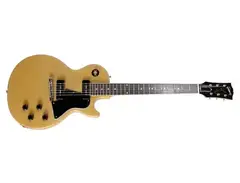
The Gibson Les Paul Special is the understated sibling of the famed Les Paul Standard, offering a unique blend of vintage simplicity and versatile tone that has captured the hearts of players for decades. First introduced in 1955 as a step up from the student-focused Les Paul Junior, the Special remains a no-nonsense workhorse guitar with added features that make it a favorite among blues, rock, and punk guitarists seeking raw power with a touch of elegance.
At first glance, the Les Paul Special’s design echoes the stripped-back ethos of the Junior. Its slab mahogany body, finished in classic nitrocellulose lacquer, provides a warm and resonant foundation for its sound. However, the Special adds a second P-90 pickup, giving players more tonal versatility while maintaining the lightweight, double-cutaway body style (or single-cutaway in some models) that makes it comfortable to play and visually striking.
The mahogany neck features a 24.75-inch scale length, a rosewood fretboard, and simple dot inlays, delivering a smooth playing experience. The wraparound bridge or tune-o-matic bridge (depending on the model) offers excellent sustain and intonation. Its vintage-inspired aesthetic pays homage to its mid-century origins while accommodating modern players with improved craftsmanship and hardware.
The defining feature of the Les Paul Special is its dual P-90 pickups, which deliver a dynamic, versatile tone that sits between the punchy roar of humbuckers and the clarity of single-coils. With independent volume and tone controls for each pickup, the Special opens up a range of sonic possibilities. Use the neck pickup for warm, round tones perfect for blues and jazz, or switch to the bridge for a bright, biting edge ideal for rock and punk. The middle position balances the two pickups, offering rich, harmonically complex tones.
The P-90s bring out every nuance of your playing, from subtle picking dynamics to full-on overdrive, making the Special a fantastic option for players who love expressive, organic tones. Whether you’re cranking up a tube amp or playing clean, the Special delivers with authority and clarity.
The Les Paul Special shines in both live and studio settings. Its lightweight design makes it comfortable for extended performances, while the intuitive controls allow for quick tonal adjustments. The combination of the P-90 pickups and the resonant mahogany body gives it a distinct voice that cuts through mixes with ease.
In the studio, the Special proves to be a reliable partner for everything from rhythm tracks to soaring leads. Its dual-pickup configuration and dynamic response make it versatile enough to tackle a wide range of styles, from vintage blues to modern rock.
The Les Paul Special is perfect for players who: • Want a classic Gibson feel without the premium price tag of higher-end models. • Appreciate vintage tone and aesthetics with modern reliability. • Need more tonal flexibility than the Junior provides while maintaining a minimalist design. • Play genres that value raw energy, such as rock, blues, and punk.
While the Les Paul Special’s simplicity is part of its charm, it may not suit players who prefer more modern features or high-gain tones that humbuckers excel at. The P-90 pickups, while dynamic and rich, can be noisier than humbuckers in high-gain situations. Additionally, the lack of premium appointments like binding or carved tops might leave some players longing for the aesthetics of a Standard or Custom.
The Gibson Les Paul Special bridges the gap between vintage simplicity and modern versatility. Its dual P-90 pickups, lightweight design, and classic aesthetics make it a compelling choice for players who want an instrument that delivers timeless tone without unnecessary complexity. Whether you’re strumming soulful rhythms, unleashing gritty leads, or exploring sonic textures, the Special adapts to your style with ease.
For guitarists seeking an authentic, expressive Gibson experience with a touch of practicality, the Les Paul Special offers the perfect balance of tone, playability, and classic charm. It’s a guitar that proves why simplicity, when executed with precision and purpose, will always remain in style.
See how artists use this






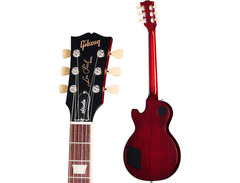
Gibson Les Paul Studio
4.5 (270)
Stripped-Down Elegance with Classic Les Paul Power

Average Price: $1,552
High-end/Boutique
$400
$1001+
Budget
Standard
High-end
- Exceptional quality control with perfect setup out of the box
- Lightweight due to modern weight relief, making it comfortable for extended play
- Burstbucker Pro pickups offer a fantastic range of tones with coil-tap feature
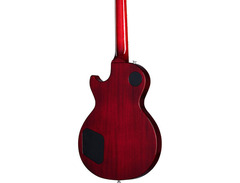
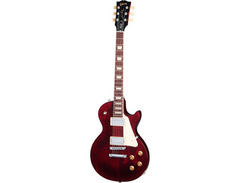
- Beautiful finishes like Blueberry Burst and Wine Red grab attention
- See 6 more
- Stock tuners can be of poor quality, affecting tuning stability
- Some users report needing to adjust pickup heights out of the box
- Nitro finish can become sticky with extended play
- Frets may require additional polishing or dressing over time
- See 1 more
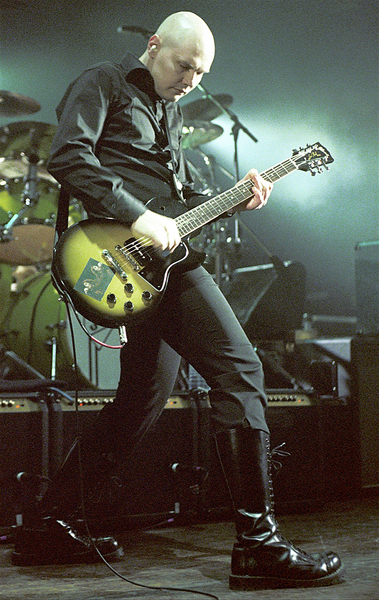
The Gibson Les Paul Studio is the epitome of functional simplicity, offering the legendary Les Paul tone and feel at a more accessible price point. Originally introduced in 1983 as a stripped-down version of the Les Paul Standard for studio musicians, the Studio has become a staple for players who value sound and playability over aesthetic flourishes. It delivers all the essentials, from iconic humbucker tones to rock-solid hardware, in a sleek, no-nonsense package.
The Les Paul Studio embodies understated elegance. Its mahogany body features Ultra-Modern weight relief, making it significantly lighter than traditional Les Paul models while retaining the warm resonance and sustain the guitar is known for. The carved maple top adds a touch of brightness to the tone and enhances its visual appeal, with finishes ranging from classic Ebony to striking Wine Red or Smokehouse Burst.
The mahogany neck, with its SlimTaper profile, is fast and comfortable, catering to a wide variety of playing styles. The rosewood fingerboard with acrylic trapezoid inlays maintains the Les Paul aesthetic without the additional cost of premium materials. It features a 22-fret, 24.75-inch scale length, making it familiar to Les Paul enthusiasts. Grover tuners and a Graph Tech nut ensure tuning stability and precision.
At the heart of the Les Paul Studio are Gibson’s 490R (neck) and 498T (bridge) humbuckers. These pickups deliver a versatile tonal range, offering everything from warm, creamy cleans to high-gain crunch. Known for their slightly hotter output, these humbuckers excel in rock, blues, and even metal, providing plenty of punch and clarity.
The Studio also features coil-splitting capabilities, activated via push-pull volume pots. This adds a layer of versatility, allowing players to switch between full humbucker power and brighter, snappier single-coil tones. Whether you’re laying down rhythm tracks in the studio or delivering searing leads on stage, the Studio has the tonal flexibility to handle it all.
The Les Paul Studio is designed with working musicians in mind. Its Ultra-Modern weight relief makes it comfortable for extended gigs and long recording sessions, while the slim neck profile ensures playability across genres. The classic Les Paul sustain and resonance are preserved, making it a joy to play whether you’re holding down chords or exploring intricate solos.
In a live setting, the Studio’s balanced tone and versatility make it a reliable workhorse. Its streamlined design eliminates unnecessary frills, focusing instead on functionality and sound.
The Les Paul Studio is perfect for players who: • Want the classic Les Paul tone and feel without the premium price of a Standard or Custom model. • Appreciate stripped-down aesthetics with a focus on functionality. • Need a versatile guitar for studio recording, live performances, or both. • Value lightweight designs for comfort during long playing sessions.
While the Les Paul Studio delivers excellent performance, it lacks some of the visual flourishes and high-end materials found in Standard and Custom models. Players seeking ornate binding, figured maple tops, or nitro finishes might feel the Studio’s aesthetic is too basic. Additionally, while its pickups are versatile, they lean toward a hotter output, which might not suit those seeking vintage PAF-style tones.
The Gibson Les Paul Studio is a stripped-down powerhouse that delivers everything you need from a Les Paul without the extras you don’t. Its combination of versatile pickups, lightweight design, and classic playability makes it a standout choice for gigging musicians, studio players, and anyone looking for authentic Les Paul tone at a more accessible price.
For players who prioritize sound and functionality over ornamental details, the Les Paul Studio offers incredible value. It’s a no-frills workhorse guitar that honors the Les Paul legacy while catering to the practical needs of modern musicians.
See how artists use this




.jpeg?v=1784809643)






Gibson Les Paul Modern
5.0 (1)
A Contemporary Twist on a Classic Icon

Average Price: $2,930
High-end/Boutique
$400
$1001+
Budget
Standard
High-end
- Lightweight design enhances comfort and playability compared to traditional Les Pauls
- Asymmetrical neck profile and compound radius offer a modern feel and fast playability
- Split coil functionality adds versatility to classic Les Paul sound
- High-quality pickups provide clear, powerful tone with a good treble bite
- See 5 more
- Inconsistent quality control, particularly with fretwork, at this price point
- Modern features may not appeal to die-hard classic Les Paul fans
- Some users find factory setups require additional adjustments
The Gibson Les Paul Modern represents a bold evolution of the iconic Les Paul design, blending the rich heritage of the instrument with cutting-edge features tailored for today’s players. Aimed at those seeking the classic Les Paul tone and feel but with modern refinements, the Les Paul Modern delivers exceptional playability, versatile tones, and ergonomic enhancements that make it a standout choice for contemporary musicians.
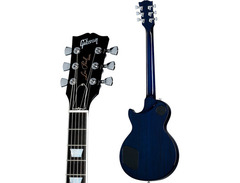
At first glance, the Les Paul Modern retains the familiar single-cutaway silhouette and luxurious aesthetic that have made the Les Paul a legend. However, it introduces several upgrades that set it apart from its vintage predecessors. The lightweight mahogany body features Gibson’s Ultra-Modern weight relief system, reducing the guitar’s weight without sacrificing sustain or resonance. A carved maple top adds tonal brightness and visual flair, with premium finishes that include Gloss Nitrocellulose Lacquer options like Faded Pelham Blue and Graphite Top.
The asymmetrical SlimTaper neck profile and contoured heel offer unparalleled comfort and easy access to the upper frets. Combined with a compound-radius fretboard (10”-16”) and ebony fingerboard, the Les Paul Modern feels smooth and fast, ideal for both rhythm work and intricate lead playing. The inclusion of Grover locking tuners and a Graph Tech nut ensures tuning stability and precision.
The heart of the Les Paul Modern lies in its tonal versatility. Equipped with Burstbucker Pro pickups (a Burstbucker Pro Rhythm in the neck and a Burstbucker Pro Lead in the bridge), the guitar delivers a wide range of tones, from warm, creamy cleans to searing, high-gain leads. These pickups are paired with coil-splitting, phase switching, and a pure bypass feature, allowing players to access single-coil tones, out-of-phase sounds, and direct signal output for maximum clarity.
This sophisticated control setup opens up an expansive tonal palette, making the Les Paul Modern equally at home in rock, jazz, blues, metal, and beyond. Whether you need thick, vintage-style humbucker tones or cutting, twangy single-coil sounds, the Les Paul Modern has you covered.
The Les Paul Modern excels in both live and studio environments. Its Ultra-Modern weight relief ensures long playing sessions are comfortable, while the locking tuners and premium hardware provide reliability in performance settings. The contoured neck heel makes upper fret access effortless, a feature particularly appreciated by lead guitarists.
In the studio, the Les Paul Modern’s versatile electronics allow players to shape their tones precisely, making it a valuable tool for layering tracks and exploring new sonic textures. Its ability to seamlessly switch between humbucker and single-coil tones adds another layer of adaptability.
The Les Paul Modern is perfect for players who: • Want the classic Les Paul aesthetic but need a lighter, more ergonomic design. • Value tonal versatility for exploring multiple genres and playing styles. • Appreciate premium hardware and modern playability enhancements. • Seek a professional-grade instrument for live and studio use.
While the Les Paul Modern excels in versatility, it might not appeal to traditionalists seeking the raw simplicity and vintage character of a Standard or Custom model. Additionally, the array of controls can feel overwhelming to players who prefer straightforward setups. Its premium price tag positions it as an investment-level instrument, which may deter beginners or budget-conscious buyers.
The Gibson Les Paul Modern is a masterful fusion of tradition and innovation. With its lightweight, ergonomic design, versatile electronics, and premium appointments, it offers a refined playing experience tailored to the demands of modern musicians. Whether you’re chasing classic Les Paul tones or exploring new sonic frontiers, the Les Paul Modern is equipped to deliver with style and precision.
For players who value the legacy of the Les Paul but need an instrument that meets the demands of the 21st century, the Gibson Les Paul Modern is an outstanding choice. It’s a guitar that proves you can honor the past while embracing the future, making it a worthy addition to the Les Paul family.
See how artists use this







Les Paul vs. Other Electric Guitars
- Les Paul vs. Fender Stratocaster: The Stratocaster offers a brighter, more articulate tone with a distinct "quack" in the in-between switch positions, making it ideal for genres like funk, pop, and blues. The Les Paul's heavier body and humbuckers produce a warmer, richer tone with more sustain, favored in rock, blues, and jazz.
- Les Paul vs. PRS Custom 24: The PRS Custom 24 caters to players seeking modern versatility. It features a contoured body for comfort, dual humbuckers with coil-splitting for a wider tonal range, and a 25-inch scale length for a slightly brighter sound compared to the Les Paul's 24.75-inch scale.
- Les Paul vs. Gibson SG: The SG is lighter and more ergonomic, with a thinner body and double-cutaway design that facilitates upper-fret access. It has a brighter, more aggressive tone with a sharper attack, appealing to hard rock and metal players.
Gibson Les Paul Reissues
Gibson Les Paul Reissues meticulously recreate the aesthetic, tonal, and playability characteristics of vintage Les Paul models from the late 1950s. These reissues are categorized by designations like R7, R8, R9, and R0, corresponding to the specific year of the original model they're based on.
- R7 (1957 Reissue): Known for its gold top finish and warm, full-bodied tone with a pronounced midrange.
- R8 (1958 Reissue): Marks the beginning of the burst era with plain-top finishes and a more understated look.
- R9 (1959 Reissue): Arguably the most celebrated Les Paul reissue, revered for its figured maple tops, slimmer neck profile, and iconic tone.
- R0 (1960 Reissue): Features a slim taper neck profile for a faster playing experience, while retaining classic finishes and PAF-style humbuckers.
Notable Players and Their Les Pauls
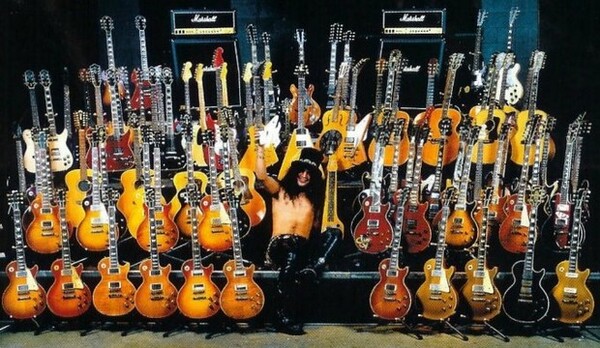
Jimmy Page (Led Zeppelin): Page’s 1959 Les Paul Standard, known as “Number One,” is synonymous with his legendary riffs and solos.
Slash (Guns N’ Roses): His Les Paul Standard defined the tone of notable tracks like “Sweet Child O’ Mine.”
Joe Perry (Aerosmith): Known for using several vintage Les Pauls to deliver his blues-infused rock tones.
Peter Green (Fleetwood Mac): His 1959 Les Paul, famous for its reversed neck pickup polarity, produced a unique out-of-phase tone.
Gary Moore: Gary Moore was a virtuoso guitarist known for his fiery blues-rock style, emotive playing, and versatility across rock, blues, and metal genres, leaving a lasting legacy with hit songs like “Still Got the Blues.”
Zakk Wylde: Zakk Wylde is a powerhouse guitarist celebrated for his blistering solos, signature pinch harmonics, and commanding presence as the longtime lead guitarist for Ozzy Osbourne and frontman of Black Label Society.
Billy Gibbons (ZZ Top): Billy Gibbons’ famous Les Paul guitar, known as “Pearly Gates,” is a 1959 Standard model revered for its warm, resonant tone and has been a cornerstone of ZZ Top’s legendary sound.
Duane Allman: Duane Allman was a legendary guitarist whose masterful slide playing and soulful tone on his Gibson Les Paul helped define the sound of the Allman Brothers Band and cement his legacy as a pioneer of Southern rock and blues.
How to Choose the Right Les Paul Model for Your Needs
Selecting the perfect Les Paul model involves considering your budget, playing style, weight preferences, and aesthetic tastes. With a variety of options ranging from entry-level models to high-end masterpieces, there’s a Les Paul for every guitarist. Understanding what each model offers and how it aligns with your needs is key to making the right choice.
Budget
The first factor to consider is your budget, as Les Paul models range widely in price. If you’re looking for an affordable option, Epiphone Les Pauls offer excellent value, replicating many of the design and tonal features of Gibson models at a fraction of the cost. Models like the Epiphone Les Paul Standard PlusTop Pro even include features like flame maple tops and coil-splitting pickups, providing versatility for beginners and budget-conscious players. On the other end of the spectrum, Gibson Custom Shop models are built with painstaking attention to detail, offering premium materials, handwired electronics, and historically accurate craftsmanship. These are ideal for collectors or professionals seeking the ultimate Les Paul experience. Mid-tier options like the Gibson Les Paul Studio and Tribute models strike a balance, delivering authentic Les Paul tone and feel with streamlined features to keep costs reasonable.
Playing Style
Your playing style should also guide your choice of Les Paul model. Blues players often gravitate toward the Les Paul Standard or Custom, which feature dual humbuckers that produce warm, creamy tones and a smooth sustain ideal for expressive solos. Punk players might prefer the raw simplicity of the Les Paul Junior or Special, known for their single P-90 or dual P-90 pickups, which deliver biting, gritty tones. The Les Paul Studio is a versatile option that appeals to players across genres, offering stripped-down aesthetics while maintaining the classic Les Paul sound. For metal players, models equipped with high-output pickups, such as the Les Paul Modern, provide the aggressive tones and playability required for heavier styles.
Weight
The weight of a Les Paul can significantly affect playability and comfort, especially for long performances or practice sessions. Traditional Les Pauls, particularly vintage models, are known for their hefty mahogany bodies, which contribute to their renowned sustain and resonance. However, this can be a challenge for players who prefer lighter instruments. Modern Gibson models often incorporate weight relief, using strategic chambering to reduce weight without sacrificing tone. If you value authenticity and are willing to embrace the extra weight, a non-relieved Les Paul might suit you. Conversely, weight-relieved models are a great choice for players seeking comfort without compromising on classic tone.
Finish and Aesthetics
A Les Paul’s finish is more than just a cosmetic choice - it’s a statement of personal style. From understated plain tops to eye-catching flame and quilted maple bursts, there’s a finish to match every preference. Traditionalists might favor the classic Sunburst finishes made famous in the 1950s, while modern players might opt for bold, contemporary colors like Pelham Blue or Smokehouse Burst. High-end models, such as Custom Shop creations, often feature premium finishes and intricate binding, making them as much a visual masterpiece as a sonic one. Epiphone offers many of these finishes at a lower price point, allowing players to enjoy stunning aesthetics without the premium cost.
Finding Your Perfect Les Paul
Ultimately, choosing the right Les Paul model comes down to identifying what matters most to you—be it tone, playability, or aesthetics. Whether you’re a beginner exploring the versatility of an Epiphone, a gigging musician drawn to the workhorse Studio, or a collector investing in a Custom Shop masterpiece, there’s a Les Paul waiting to match your unique needs and preferences.
Caring for Your Les Paul: Tips for Maintenance and Longevity
A Gibson Les Paul is more than just a guitar - it’s an investment in craftsmanship and tone. Proper care ensures that your Les Paul remains in top condition, delivering its signature sound and playability for years to come. Here’s a guide to maintaining, setting up, and optimizing your Les Paul to keep it performing at its best.
Maintenance Tips
Regular maintenance is essential to protect the wood, hardware, and overall aesthetics of your Les Paul.
- Keep It Polished:
- Use a high-quality guitar polish and a microfiber cloth to keep the body and hardware clean and free of smudges or fingerprints. Avoid using household cleaners, as they can damage the guitar’s finish.
- Pay special attention to the nitrocellulose lacquer finish commonly used on Les Pauls, as it’s more sensitive than polyurethane finishes. Use products designed specifically for nitro finishes to avoid clouding or discoloration.
- Clean the Fretboard:
- Over time, dirt and oil can accumulate on the fretboard, particularly if it’s made of rosewood or ebony. Use a soft cloth to clean the fretboard after each playing session.
- For deeper cleaning during string changes, apply a small amount of fretboard conditioner or lemon oil (if the wood is unfinished) to prevent drying and cracking. Wipe away excess oil to avoid a sticky residue.
- Monitor Humidity Levels:
- Wood is sensitive to changes in humidity and temperature, which can cause warping or cracking. Keep your Les Paul in a stable environment with a humidity level between 40-60%.
- Consider using a guitar humidifier, especially during dry seasons or in air-conditioned/heated rooms. Store the guitar in its case when not in use for added protection.
Setup
A well-set-up Les Paul plays beautifully and ensures you’re getting the most out of your instrument.
Check the Truss Rod:
- The truss rod adjusts the neck’s curvature, or “relief,” which affects playability. If the neck bows too much, you’ll experience higher action and difficulty playing. If it’s too flat, you may encounter fret buzz.
- Use an appropriately sized truss rod wrench for adjustments, but proceed with caution - small turns make a significant difference. If unsure, consult a professional technician.
Optimize the Action:
- Action refers to the height of the strings above the fretboard. Lower action is easier to play but can cause buzzing, while higher action provides a cleaner tone but requires more finger strength.
- Adjust the bridge height using the thumbwheels on the tune-o-matic bridge to find your ideal balance.
Set Intonation:
- Proper intonation ensures your guitar stays in tune across the fretboard. Adjust the bridge saddles forward or backward using a screwdriver to fine-tune the pitch of each string at the 12th fret. See our full guide to guitar intonation for more details.
Pickup Height:
- The height of your pickups affects output and tone. Experiment with raising or lowering them to achieve the balance between clarity and power that suits your playing style.
String Choices
The right strings can dramatically impact your Les Paul’s tone and feel.
Les Pauls are typically equipped with medium-gauge strings (.010–.046), but experimenting with different gauges can help you find your preferred tone and playability. Lighter gauges (.009–.042) are easier to bend and ideal for lead players, while heavier gauges (.011–.052) provide more sustain and fuller tone, often preferred for rhythm playing.
Nickel-wound strings offer a warm, vintage tone that complements the Les Paul’s midrange focus. Stainless steel strings are brighter and more durable, suitable for modern or aggressive styles.
Replace your strings every few weeks or after significant use to maintain tone and tuning stability. Worn-out strings lose brightness and are more prone to breakage.
Conclusion
The Les Paul's journey from a collaboration between Gibson and Les Paul to its iconic status in music history is a testament to its enduring design and unparalleled tone. Whether you're drawn to its vintage charm, modern versatility, or powerful sound, there's a Les Paul to inspire your musical journey.
Top Ranked Solid Body Electric Guitars on Equipboard


About the authors
Michael R. Pierce is the co-founder of Equipboard and a lifelong musician with over 25 years of experience as a guitarist and gear enthusiast. He blends solid music theory chops (thanks to formal training in guitar, piano, and trumpet) with real-world experience, always exploring and experimenting across genres like rock, blues, and hip-hop. Michael launched Equipboard in 2013 after graduating from The University of Texas at Austin, leveraging his unique blend of musical passion, technological acumen, and community building. His current go-to rig features a Fender American Original ‘50s Telecaster, Analogman King of Tone, Strymon Flint, and a Fender ‘57 Custom Champ. Read more
New in Solid Body Electric Guitars


$1,298.88 - $2,199.99
in Solid Body Electric Guitars Rank

-m.webp?v=1784817901)
$1,699.00 - $2,059.00


$1,179.00 - $1,299.99


$1,533.00 - $1,699.99


$2,999.00 - $5,760.00


$5,230.00 - $5,555.00


$2,977.00 - $3,599.99


$2,285.00 - $2,499.00


$1,655.00 - $1,799.00