By Gear Experts
Table of Contents

Equipboard
Equipboard is the world's largest community of artists and their gear. Read our review process.
We are reader-supported. When you buy through links on our site, we may earn an affiliate commission. Learn more.
When you think of electric guitars, there's a good chance that the name "Fender" strums its way into your mind. From the twangy sounds of country music to the raw power of rock and roll, Fender instruments have shaped the landscape of popular music for over seven decades.
But how did this iconic brand come to be?
In this article, we’re going to take a trip down memory lane into the fascinating history of Fender – a tale of innovation, perseverance, and the undeniable power of a good riff.
The Early Days: Leo Fender's Tinkering Beginnings
Our story begins in Anaheim, California, where a young Leo Fender was busy taking apart radios and putting them back together. Born in 1909, Leo wasn't your typical musician. In fact, he couldn't play a single note! But what he lacked in musical talent, he more than made up for with his engineering prowess and keen ear for sound.
In 1938, Leo opened a radio repair shop, which soon became a hub for local musicians looking to amplify their instruments. It was here that Leo's tinkering nature collided with the world of music, setting the stage for a revolution in sound.
The Birth of Fender Electric Instrument Company
In 1946, Leo took the plunge and founded the Fender Electric Instrument Company. His first commercial products weren't electric guitars, but rather Hawaiian lap steel guitars and amplifiers. These early ventures gave Leo valuable experience in crafting instruments and understanding the needs of musicians.
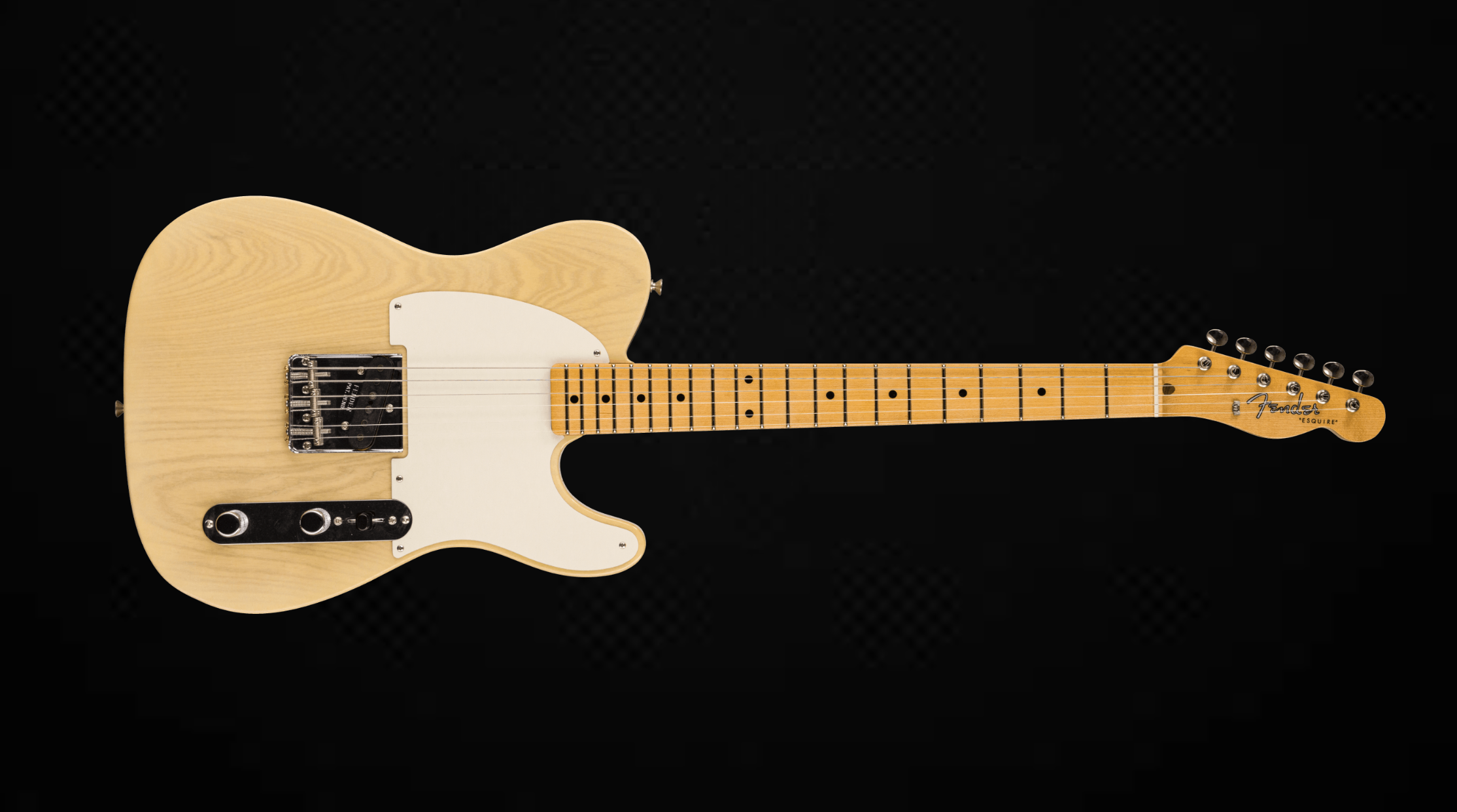
But it was in 1950 that Fender truly struck gold – or should we say, struck a chord? He began the solid-body electric guitar revolution. The single-coil version was known as the Fender Esquire but it was the two-pickup version that really set the ball rolling.
Leo introduced the Fender Broadcaster, later renamed the Telecaster due to a trademark dispute. This sleek, solid-body electric guitar was unlike anything the music world had seen before. Its simple, modular design made it easy to mass-produce and repair, while its bright, cutting tone made it an instant hit with country and rock musicians alike.
The Stratocaster: A Star is Born
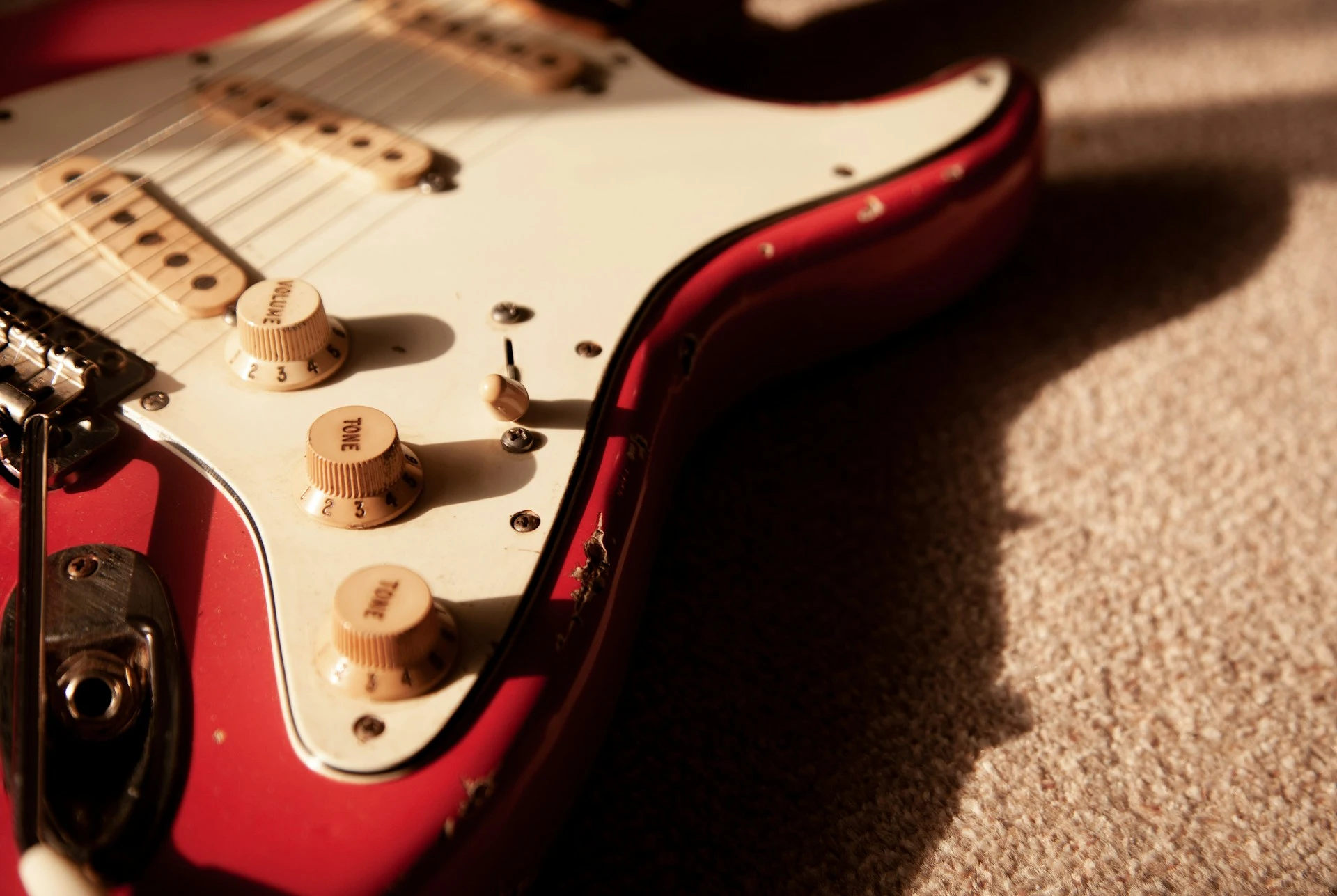
If the Telecaster was Fender's breakout hit, then the Stratocaster was its chart-topping, multi-platinum smash. Introduced in 1954, the Stratocaster took everything great about the Telecaster and cranked it up to eleven. With its contoured body, three-pickup configuration, and innovative tremolo system, the Strat wasn't just an instrument – it was a work of art.
Musicians fell head over heels for the Stratocaster's versatile sound and comfortable design. From Buddy Holly's early rock and roll to Jimi Hendrix's psychedelic adventures, the Strat became the guitar of choice for countless legendary performers. Even today, nearly 70 years after its introduction, the Stratocaster remains one of the most popular and influential electric guitars ever created.
Amping Up: Fender's Legendary Amplifiers
While Fender's guitars were stealing the spotlight, the company's amplifiers were quietly revolutionizing the way musicians were heard. Leo Fender's background in electronics gave the company a significant edge in this arena.
The Fender Bassman, originally designed as a bass amplifier in 1952, became an unexpected hit with guitarists who loved its warm, rich tone. Its circuit design was so influential that it became the basis for many other classic amplifiers, including the famous Marshall amps.
Other iconic Fender amps soon followed, including the Twin Reverb, Deluxe Reverb, and Princeton Reverb. These amplifiers became the gold standard for clean, sparkling guitar tones and are still highly sought after by musicians and collectors today.
The Bass Revolution: Precision and Jazz
Not content with revolutionizing the six-string world, Fender set its sights on the low end. In 1951, Leo Fender introduced the Precision Bass, the world's first mass-produced electric bass guitar. This groundbreaking instrument allowed bassists to be heard clearly in live performances and recordings, fundamentally changing the role of bass in popular music.
The Precision Bass (or "P-Bass" as it's affectionately known) was followed in 1960 by the Jazz Bass. With its sleeker body and brighter tone, the Jazz Bass gave players even more options for shaping their sound. Together, these two basses have defined the sound of popular music for generations, from the Motown grooves of James Jamerson to the slap-happy funk of Flea.
Changing Hands: The CBS Era
By the mid-1960s, Fender had grown from a small workshop to a major corporation. The demanding workload began to take its toll on Leo Fender's health, and in 1965, he made the difficult decision to sell the company to CBS (Columbia Broadcasting System) for $13 million – a staggering sum at the time.
The CBS era is often viewed with mixed feelings by Fender enthusiasts. On one hand, the increased resources allowed for greater production and distribution. On the other, many felt that the corporate oversight led to a decline in quality and innovation. Despite this, Fender continued to produce iconic instruments during this period, including the Mustang guitar, and diversifying further with the Rhodes electric piano.
Return to Form: The Modern Fender Era
In 1985, a group of employees led by Bill Schultz purchased Fender from CBS, returning the company to its roots as a dedicated musical instrument manufacturer. This marked the beginning of a new era for Fender, characterized by a renewed focus on quality and innovation.
The company introduced the American Standard series, which updated classic designs with modern manufacturing techniques and player-friendly features. Fender also expanded its reach by creating the Squier brand, offering more affordable versions of its classic designs to beginner and intermediate players.
Innovation and Tradition: Fender in the 21st Century
As we've rocked our way into the 21st century, Fender has continued to balance innovation with respect for its storied heritage. The company has embraced digital technology, creating modeling amplifiers like the Cyber-Twin and introducing the Fender Play online learning platform to help new generations of guitarists find their groove.
At the same time, Fender has doubled down on what it does best – creating high-quality instruments that inspire musicians. The Custom Shop, established in 1987, produces meticulously crafted instruments for professional players and collectors. Meanwhile, the company continues to refine its classic designs, introducing models like the American Ultra series that combine vintage aesthetics with modern playability.
Iconic Models Under the Fender Umbrella
While the Stratocaster and Telecaster are undoubtedly Fender's most famous offspring, the company's family tree is laden with legendary instruments. Let's take a tour through some of Fender's other iconic models:
Jazzmaster
Introduced in 1958, the Jazzmaster was initially marketed towards jazz musicians. However, it found its true calling in the hands of surf rock guitarists in the 1960s. Its unique floating tremolo system and warm, mellow tone later made it a favorite among alternative and indie rock players.
Jaguar
The Jaguar, launched in 1962, was designed as Fender's top-of-the-line guitar. With its shorter scale length and complex switching system, it offered a different playing experience from its siblings. After a period of relative obscurity, it was embraced by alternative rockers in the 1980s and 1990s.
Mustang
Introduced in 1964 as a student model, the Mustang's short scale and comfortable body made it popular among players with smaller hands. It gained cult status when used by alternative rock icons like Kurt Cobain in the 1990s.
Fender Bass VI
This unique six-string bass, introduced in 1961, blurred the lines between guitar and bass. Used by players like Robert Smith of The Cure, it offered bassists a new way to approach their instrument.
Fender Rhodes Electric Piano
Though not a guitar, the Rhodes piano is an essential part of Fender's legacy. Its warm, bell-like tones have graced countless recordings across jazz, rock, and R&B.
Fender Acoustics
While best known for electric instruments, Fender has also produced acoustic guitars since the 1960s. Models like the Kingman and Newporter have added Fender's unique flair to the acoustic world.
The Fender Custom Shop: Where Dreams Come True
Established in 1987, the Fender Custom Shop has become the stuff of legend among guitar enthusiasts. Often referred to as the "Dream Factory," it's where Fender's most skilled luthiers create some of the finest instruments in the world.
The Custom Shop is known for its meticulous recreations of vintage instruments, often down to the last ding and scratch. These "relic" guitars, which look like they've been played for decades, have become highly sought after by collectors and professional musicians alike.
But the Custom Shop isn't just about recreating the past. It's also a playground for innovation, where Fender's master builders push the boundaries of what's possible with guitar design. From one-off creations for rock stars to limited edition models that blend vintage aesthetics with modern features, the Custom Shop represents the pinnacle of Fender's craftsmanship.
Some notable Custom Shop creations include:
- The "Nocaster": A painstaking recreation of the short-lived Broadcaster model from 1950.
- The David Gilmour Signature Stratocaster: A replica of the Pink Floyd guitarist's iconic black Strat.
Fender in the Collectors' Market
Fender guitars have long been prized by collectors, with vintage models often fetching astronomical prices. The collectors' market for Fender instruments is a world unto itself, with its own terminology, trends, and passionate debates.
Pre-CBS vs. CBS Era
One of the most significant factors in the Fender collector's market is the distinction between "pre-CBS" and "CBS era" instruments. Guitars and basses made before the 1965 sale to CBS are generally considered more desirable and valuable, though there are always exceptions.
Rare Colors and Limited Editions
Fender instruments in rare custom colors can command significant premiums. For example, a Stratocaster in the elusive "Shell Pink" finish might sell for several times the price of the same model in a more common color.
Celebrity-Owned Instruments
Guitars owned or played by famous musicians can reach stratospheric prices. In 2019, David Gilmour's iconic black Stratocaster sold at auction for nearly $4 million, setting a new record for the most expensive guitar ever sold.
The Rise of Vintage-Inspired Modern Instruments
In recent years, Fender capitalized on the vintage market by producing meticulous reissues and vintage-inspired instruments. These guitars offer the look and feel of a vintage Fender without the astronomical price tag, making them popular among players and collectors alike. For example, the Fender Vintera series features vintage-style neck profiles, pickups, and finishes, giving musicians a classic Fender experience at a more accessible price.
The Japanese Market
Fender guitars made in Japan, particularly those from the 1980s and 1990s, have developed their own devoted following. Known for their excellent craftsmanship, these instruments have become highly collectible in their own right.
For instance, the Fender Japan Vintage (JV) series from the early '80s is especially sought after for its build quality and attention to detail, rivaling even some American-made models from the same era
Fender's Cultural Impact: More Than Just Instruments
It's impossible to overstate Fender's influence on popular culture. The company's instruments have been wielded by countless musical icons, from Buddy Holly and Jimi Hendrix to Eric Clapton and David Gilmour. The Stratocaster's distinctive shape has become a universal symbol of rock and roll, recognized even by those who've never picked up a guitar.
But Fender's impact goes beyond just making great instruments. The company has played a crucial role in democratizing music-making. By mass-producing high-quality instruments at relatively affordable prices, Fender has put the tools of musical creation into the hands of millions of aspiring musicians around the world.
In the world of cinema, Fender guitars have played starring roles in countless films.
From the Wayne’s World Strat to the red Fender Jaguar that features prominently in cult classic "Scott Pilgrim vs. The World," these instruments have become shorthand for rock 'n' roll rebellion and musical passion on the silver screen.
Even in the digital age, Fender's influence persists.
The company has successfully translated its brand into the world of music production software, offering digital modelers that recreate the sounds of their classic amps and effects. In video games like the "Rock Band" and "Guitar Hero" series, virtual versions of Fender guitars have allowed a new generation to experience the thrill of wielding these iconic instruments, if only in pixel form.
Conclusion: The Song Remains the Same
From its humble beginnings in Leo Fender's radio shop to its current status as a global music industry powerhouse, Fender's journey has been nothing short of extraordinary. Through changing musical trends, ownership shifts, and technological revolutions, one thing has remained constant: Fender's commitment to empowering musicians to create and perform.
The company's ability to balance tradition with innovation ensures its relevance in an ever-changing musical landscape. While the Stratocaster and Telecaster continue to be staples in many genres, Fender's forays into digital technology and online learning platforms demonstrate its ability to evolve with the times.
So, the next time you hear that unmistakable twang of a Telecaster or the soaring wail of a Stratocaster, take a moment to appreciate the rich history behind that sound. It's not just an instrument you're hearing – it's over 70 years of passion, innovation, and the enduring power of music.
Rock on, Fender.
Top Ranked Guitars on Equipboard


About the authors
Juan Spinelli is a multi-instrumentalist musician, but more of a guitarist than anything else. Based in Buenos Aires, Argentina, he started playing at a very early age and learned various instruments such as flute, clarinet, percussion, didjeridoo, cavaquinho, bass and more. Today, he also works as a music producer and sound engineer, collaborating in several projects in his city and with artists from all over the world. Read more








.webp)

.webp)