
Beyoncé
Role
Genre
Credits
Role
Genre
Credits
Beyoncé's Gear


One of Beyoncé's primary microphones. She can be seen using a Telefunken Ela M 251 for the recording of "Partition" in this video at 0:57.
The Ela M 251 was also used to record Beyoncé's vocals on Coldplay's "Hymn for the Weekend", as mentioned by A Head Full of Dreams co-producer Rik Simpson in this Sound on Sound article.
Beyoncé’s vocals were done at Chris’ house on the East Coast. It happened very quickly and was very home–grown. We built a vocal booth for her in the bedroom of Chris’ kids. I just came in with a laptop and an Avalon mic pre, and she favours a Telefunken 251. It was great because she is an amazing singer. There was really no comping done. We put the bridge part in loop and she sang over that, and once she had to figured out what to do she layered her parts. I literally used all of it. I did not have to do much to it, it is how she sounds.
According to this September 24, 2016 AudioTechnology interview with producer Stuart White, the 251 was also used on Lemonade.
“For the rest I have a Telefunken Ela M251 microphone, an Avalon mic pre, and a TubeTech compressor, all of which I used to record the majority of Bey’s vocals."
In this September 2018 Sound on Sound interview, White stated that 251 was also used on EVERYTHING IS LOVE.
He recorded both Beyoncé and Jay-Z with his “Telefunken mic, Avalon mic pre, and Tube Tech compressor. That was the chain for the entire album on both of them. I use just the one chain, because they jump back and forth on the mic all day long, and they both sound really good on that mic, so I kept it simple.”
Find it on:


Beyoncé started using the Sennheiser Digital 9000 system on her Formation tour and has been using it ever since. She uses a custom made golden SKM 9000 transmitter with an MD 9235 capsule. Having toured extensively over the last year with the system, Beyoncé‘s production team have become intimately familiar with the Digital 9000, and monitor engineer James Berry has also been pleased with the results as well as with the support he is getting from Sennheiser. Beyoncé has since purchased her own Digital 9000 system, so the crew can achieve greater predictability while on the road. Berry says: “There are a lot of places we play that don’t have top quality wireless, and it made the most sense for us to go out and buy one.” (article on Sennheiser.com)
Find it on:




-m.webp?v=1780498579)
Used on EVERYTHING IS LOVE, as stated by producer Stuart White in this September 2018 Sound on Sound interview.
He recorded both Beyoncé and Jay-Z with his “Telefunken mic, Avalon mic pre, and Tube Tech compressor. That was the chain for the entire album on both of them. I use just the one chain, because they jump back and forth on the mic all day long, and they both sound really good on that mic, so I kept it simple.”
White had previously specified this Tube Tech to be a CL 1B in this September 24, 2016 AudioTechnology interview with producer Stuart White about the production of Lemonade.
“We started in August 2014 at the Record Plant in Los Angeles. We were there for a month and had booked every single room; producers were everywhere writing songs. After that we took a break, then went to Paris for 45 days, where we lived in a hotel and set up two studios in two different hotel rooms. The identical setups consisted of ProAc Studio 100 monitors, an Avid Omni converter, Telefunken Elam 251 mic, an Avalon 737 mic pre, Tube Tech CL1B compressor, a Shure SM58 which she likes to use occasionally, and matching Pro Tools sessions."
Find it on:


-m.webp?v=1780539086)
Used "occasionally" in the studio, particularly on "Don't Hurt Yourself", as mentioned by producer Stuart White in this this September 24, 2016 AudioTechnology about the production of Lemonade.
“We started in August 2014 at the Record Plant in Los Angeles. We were there for a month and had booked every single room; producers were everywhere writing songs. After that we took a break, then went to Paris for 45 days, where we lived in a hotel and set up two studios in two different hotel rooms. The identical setups consisted of ProAc Studio 100 monitors, an Avid Omni converter, Telefunken Elam 251 mic, an Avalon 737 mic pre, Tube Tech CL1B compressor, a Shure SM58 which she likes to use occasionally, and matching Pro Tools sessions."
(...) "Jack White sent his stuff in for the song Don’t Hurt Yourself, which was recorded on eight-track analogue, with tons of bleed. I love bleed, as it helps glue the track together and creates depth. The thing was, they’d taken all the effects off in the transfer to digital. It was a lot of work for me to get it to fit in our sonic world and make it rock at the same time. We added some samples to beef up the drums and make them fit in our big bass world. Bey sang through a Shure SM58 with distortion and the speakers turned up really loud, like Bono. The 8-track definitely gave it a colour and a mood, then we brought it into our more modern production aesthetic.”
Find it on:


This is an in depth tutorial on how Hit-Boy produced Beyonce's single "Bow Down".
Find it on:

Beyoncé used the Sennheiser SKM 5200-II microphone around 2005-2006. According to a user-uploaded photo from Nymag, she continued using it until transitioning to the Sennheiser SKM 9000 around 2015-2016.
Find it on:


-m.webp?v=1780468437)
Used on "Apeshit", as stated by producer Stuart White in this September 2018 Sound on Sound interview.
The first four aux tracks feature SoundToys effects, namely Little Microshift, two EchoBoy delays, and a delay from the Little PrimalTap. Next are a Hall Reverb aux and a Church Reverb aux, both using Waves’ RVerb, an EMT plate from Audio Ease’s Altiverb, four aux tracks with the Waves H-Delay and various other plug-ins on them as well, and four more reverb auxes with the Avid Revibe II, two Avid D-Verbs and another RVerb.
White: “I use the Little Microshift in pretty much every mix, with the left-right micro pitch-shift effect that’s similar to the classic effect in the Eventide H3000 shift where you pitch one side down six cents and one side up six cents to create width. It’s a good way to get your vocals wider without them being out of phase. It thickens up vocals, and is kind of like a doubler. I do quite a lot of filtering on some of the EchoBoy delays, for example with the Waves REQ, and I am adding colour with the SoundToys Devil-Loc, which is great if you want to colour the delay so it is separate from the main vocal, and compress it with the UAD LA3A and mix that in to taste.”
(...) Beyoncé’s lead vocal tracks consist of three aux tracks, four ‘dirty’ and eight ‘clean’ audio tracks. The audio tracks only have the EQ3 on the inserts and a few of them have a send to the Church Reverb. All White’s processing is done on the three aux tracks. “All lead vocals are sent to the ‘B Aux’ track and the ‘B Parra Aux’ tracks. On the former I have the McDSP DS [sic] 555 de-esser. I use the Waves de-esser the most, but in this particular track, because I wanted to compress her voice really hard, I felt that the 555 would work the best. I am rolling off until 6144Hz into what it is detecting; it’s like a side-chain filter. The FabFilter Pro-DS is doing a little more gentle look-ahead de-essing.
“After that there’s some pretty heavy EQ from the EQ3, with a high-pass at 142Hz, a 9dB cut at 244Hz and a 2dB cut at 3kHz. My cut at 244Hz is because she is singing in this husky, low voice, so there’s not a lot of energy in that. I get the energy from the RComp compression, and the EQs, including from the SSL E-Channel, are there to make her sit in the track, rather than making it sound filtered. I love the RComp, mainly because it doesn’t sound like compression to me. The SSL E-Channel adds a bit more compression, and the [Crane Song] Phoenix II Tape Emulation is really cool because while it doesn’t actually sound like tape, it smoothes out transients in a signal just like much analogue equipment does. It enables me to get a fatter vocal sound that again makes the vocal sit in the mix. The final EQ3 has a notch at 3.2kHz to take out some harshness. I also have sends to the Verb aux track, which are the D-Verb and [Waves] H-Reverb, and the Delay 1-4 aux, with the EchoBoy.
The other aux track, ‘B Parra Aux’, is a parallel compression track, with the RCompressor and the CLA 76, which I mixed in low. Both these aux tracks then go to the ‘LD ALL Aux’, on which I’m doing some more surgery with the McDSP AE400 [dynamic EQ], which allows you to set a threshold, just like on a compressor. It’s like turning a volume knob down on a frequency the moment it gets out of control. Finally, there’s the Waves C4, for some control, to keep the vocal even. This track has a lot of energy, so this is an example of using compression for energy, mood and attitude. I also worked a long time to get the compression on Bey’s breaths to pump on the beat. I wanted her breaths to be another percussive element in the track, and getting the attack and release on the compressor right was key to getting that feel and pumping effect.”
Five of the 22 Beyoncé ad lib, backing and harmony vocals below her lead vocals also go to the above-mentioned aux tracks, while the rest have their own signal chains. These audio tracks are sent to several aux tracks, often with tons of plug-ins, and all aux vocal tracks in the end get sent to the ‘Voc All’ group aux right at the top of the session, which has an RCompressor, with ratio at 10:1. There are more group aux tracks, like ‘TrackAux’, ‘FX Voc Aux’, ‘FX’ and ‘Music Aux’, which all get sent to the ‘All Aux’. This in turn gets sent to the ‘no limiter’ mix print track, and finally there’s a Stereo Master track.
Find it on:

Used on EVERYTHING IS LOVE, as stated by producer Stuart White in this September 2018 Sound on Sound interview.
He recorded both Beyoncé and Jay-Z with his “Telefunken mic, Avalon mic pre, and Tube Tech compressor. That was the chain for the entire album on both of them. I use just the one chain, because they jump back and forth on the mic all day long, and they both sound really good on that mic, so I kept it simple.”
White had previously specified this Tube Tech to be a CL 1B in this September 24, 2016 AudioTechnology interview with producer Stuart White about the production of Lemonade.
“We started in August 2014 at the Record Plant in Los Angeles. We were there for a month and had booked every single room; producers were everywhere writing songs. After that we took a break, then went to Paris for 45 days, where we lived in a hotel and set up two studios in two different hotel rooms. The identical setups consisted of ProAc Studio 100 monitors, an Avid Omni converter, Telefunken Elam 251 mic, an Avalon 737 mic pre, Tube Tech CL1B compressor, a Shure SM58 which she likes to use occasionally, and matching Pro Tools sessions."
Find it on:


"For the duration of the tour, Beyoncé and Jay Z have relied on Sennheiser’s Digital 9000 wireless microphone system, which was purchased specifically for the tour by Eighth Day Sound Systems, Inc. at the recommendation of front-of-house engineer Stephen Curtin and monitor engineer James Berry – both veterans of the tour," states this article.
Find it on:


Used on "Apeshit", as stated by producer Stuart White in this September 2018 Sound on Sound interview.
The first four aux tracks feature SoundToys effects, namely Little Microshift, two EchoBoy delays, and a delay from the Little PrimalTap. Next are a Hall Reverb aux and a Church Reverb aux, both using Waves’ RVerb, an EMT plate from Audio Ease’s Altiverb, four aux tracks with the Waves H-Delay and various other plug-ins on them as well, and four more reverb auxes with the Avid Revibe II, two Avid D-Verbs and another RVerb.
White: “I use the Little Microshift in pretty much every mix, with the left-right micro pitch-shift effect that’s similar to the classic effect in the Eventide H3000 shift where you pitch one side down six cents and one side up six cents to create width. It’s a good way to get your vocals wider without them being out of phase. It thickens up vocals, and is kind of like a doubler. I do quite a lot of filtering on some of the EchoBoy delays, for example with the Waves REQ, and I am adding colour with the SoundToys Devil-Loc, which is great if you want to colour the delay so it is separate from the main vocal, and compress it with the UAD LA3A and mix that in to taste.”
(...) Beyoncé’s lead vocal tracks consist of three aux tracks, four ‘dirty’ and eight ‘clean’ audio tracks. The audio tracks only have the EQ3 on the inserts and a few of them have a send to the Church Reverb. All White’s processing is done on the three aux tracks. “All lead vocals are sent to the ‘B Aux’ track and the ‘B Parra Aux’ tracks. On the former I have the McDSP DS 555 de-esser. I use the Waves de-esser the most, but in this particular track, because I wanted to compress her voice really hard, I felt that the 555 would work the best. I am rolling off until 6144Hz into what it is detecting; it’s like a side-chain filter. The FabFilter Pro-DS is doing a little more gentle look-ahead de-essing.
“After that there’s some pretty heavy EQ from the EQ3, with a high-pass at 142Hz, a 9dB cut at 244Hz and a 2dB cut at 3kHz. My cut at 244Hz is because she is singing in this husky, low voice, so there’s not a lot of energy in that. I get the energy from the RComp compression, and the EQs, including from the SSL E-Channel, are there to make her sit in the track, rather than making it sound filtered. I love the RComp, mainly because it doesn’t sound like compression to me. The SSL E-Channel adds a bit more compression, and the [Crane Song] Phoenix II Tape Emulation is really cool because while it doesn’t actually sound like tape, it smoothes out transients in a signal just like much analogue equipment does. It enables me to get a fatter vocal sound that again makes the vocal sit in the mix. The final EQ3 has a notch at 3.2kHz to take out some harshness. I also have sends to the Verb aux track, which are the D-Verb and [Waves] H-Reverb, and the Delay 1-4 aux, with the EchoBoy.
The other aux track, ‘B Parra Aux’, is a parallel compression track, with the RCompressor and the CLA 76, which I mixed in low. Both these aux tracks then go to the ‘LD ALL Aux’, on which I’m doing some more surgery with the McDSP AE400 [dynamic EQ], which allows you to set a threshold, just like on a compressor. It’s like turning a volume knob down on a frequency the moment it gets out of control. Finally, there’s the Waves C4, for some control, to keep the vocal even. This track has a lot of energy, so this is an example of using compression for energy, mood and attitude. I also worked a long time to get the compression on Bey’s breaths to pump on the beat. I wanted her breaths to be another percussive element in the track, and getting the attack and release on the compressor right was key to getting that feel and pumping effect.”
Five of the 22 Beyoncé ad lib, backing and harmony vocals below her lead vocals also go to the above-mentioned aux tracks, while the rest have their own signal chains. These audio tracks are sent to several aux tracks, often with tons of plug-ins, and all aux vocal tracks in the end get sent to the ‘Voc All’ group aux right at the top of the session, which has an RCompressor, with ratio at 10:1. There are more group aux tracks, like ‘TrackAux’, ‘FX Voc Aux’, ‘FX’ and ‘Music Aux’, which all get sent to the ‘All Aux’. This in turn gets sent to the ‘no limiter’ mix print track, and finally there’s a Stereo Master track.
Find it on:



Beyoncé uses the Roland VP-7 Vocal Processor, as noted in a Roland Corporation feature on artist Brittani Washington.
Find it on:


In the music video for "Sandcastles," Beyoncé is seen using the Universal Audio Apollo Twin USB Duo audio interface at the 2:06 mark.
Find it on:

Used on "Apeshit", as stated by producer Stuart White in this September 2018 Sound on Sound interview. An image of the settings can be found here.
The first four aux tracks feature SoundToys effects, namely Little Microshift, two EchoBoy delays, and a delay from the Little PrimalTap. Next are a Hall Reverb aux and a Church Reverb aux, both using Waves’ RVerb, an EMT plate from Audio Ease’s Altiverb, four aux tracks with the Waves H-Delay and various other plug-ins on them as well, and four more reverb auxes with the Avid Revibe II, two Avid D-Verbs and another RVerb.
White: “I use the Little Microshift in pretty much every mix, with the left-right micro pitch-shift effect that’s similar to the classic effect in the Eventide H3000 shift where you pitch one side down six cents and one side up six cents to create width. It’s a good way to get your vocals wider without them being out of phase. It thickens up vocals, and is kind of like a doubler. I do quite a lot of filtering on some of the EchoBoy delays, for example with the Waves REQ, and I am adding colour with the SoundToys Devil-Loc, which is great if you want to colour the delay so it is separate from the main vocal, and compress it with the UAD LA3A and mix that in to taste.”
(...) Beyoncé’s lead vocal tracks consist of three aux tracks, four ‘dirty’ and eight ‘clean’ audio tracks. The audio tracks only have the EQ3 on the inserts and a few of them have a send to the Church Reverb. All White’s processing is done on the three aux tracks. “All lead vocals are sent to the ‘B Aux’ track and the ‘B Parra Aux’ tracks. On the former I have the McDSP DS [sic] 555 de-esser. I use the Waves de-esser the most, but in this particular track, because I wanted to compress her voice really hard, I felt that the 555 would work the best. I am rolling off until 6144Hz into what it is detecting; it’s like a side-chain filter. The FabFilter Pro-DS is doing a little more gentle look-ahead de-essing.
“After that there’s some pretty heavy EQ from the EQ3, with a high-pass at 142Hz, a 9dB cut at 244Hz and a 2dB cut at 3kHz. My cut at 244Hz is because she is singing in this husky, low voice, so there’s not a lot of energy in that. I get the energy from the RComp compression, and the EQs, including from the SSL E-Channel, are there to make her sit in the track, rather than making it sound filtered. I love the RComp, mainly because it doesn’t sound like compression to me. The SSL E-Channel adds a bit more compression, and the [Crane Song] Phoenix II Tape Emulation is really cool because while it doesn’t actually sound like tape, it smoothes out transients in a signal just like much analogue equipment does. It enables me to get a fatter vocal sound that again makes the vocal sit in the mix. The final EQ3 has a notch at 3.2kHz to take out some harshness. I also have sends to the Verb aux track, which are the D-Verb and [Waves] H-Reverb, and the Delay 1-4 aux, with the EchoBoy.
The other aux track, ‘B Parra Aux’, is a parallel compression track, with the RCompressor and the CLA 76, which I mixed in low. Both these aux tracks then go to the ‘LD ALL Aux’, on which I’m doing some more surgery with the McDSP AE400 [dynamic EQ], which allows you to set a threshold, just like on a compressor. It’s like turning a volume knob down on a frequency the moment it gets out of control. Finally, there’s the Waves C4, for some control, to keep the vocal even. This track has a lot of energy, so this is an example of using compression for energy, mood and attitude. I also worked a long time to get the compression on Bey’s breaths to pump on the beat. I wanted her breaths to be another percussive element in the track, and getting the attack and release on the compressor right was key to getting that feel and pumping effect.”
Five of the 22 Beyoncé ad lib, backing and harmony vocals below her lead vocals also go to the above-mentioned aux tracks, while the rest have their own signal chains. These audio tracks are sent to several aux tracks, often with tons of plug-ins, and all aux vocal tracks in the end get sent to the ‘Voc All’ group aux right at the top of the session, which has an RCompressor, with ratio at 10:1. There are more group aux tracks, like ‘TrackAux’, ‘FX Voc Aux’, ‘FX’ and ‘Music Aux’, which all get sent to the ‘All Aux’. This in turn gets sent to the ‘no limiter’ mix print track, and finally there’s a Stereo Master track.
Find it on:

It states in this article that when Beyoncé performed her song 'If I Were A Boy', she wore this item, personalised to match her touring costume, for the live performance.
Find it on:

Used for Beyoncé's feature on Coldplay's "Hymn for the Weekend", as mentioned by A Head Full of Dreams co-producer Rik Simpson in this Sound on Sound article.
At the bottom of the session are the Beyoncé vocal tracks, on which I mainly used the SSL E Channel strip, UBK1, L2, SoundToys Echo Boy, Avid ModDelay and the QL Space.”
Find it on:

Used for Beyoncé's feature on Coldplay's "Hymn for the Weekend", as mentioned by A Head Full of Dreams co-producer Rik Simpson in this Sound on Sound article.
At the bottom of the session are the Beyoncé vocal tracks, on which I mainly used the SSL E Channel strip, UBK1, L2, SoundToys Echo Boy, Avid ModDelay and the QL Space.”
Find it on:

Used on "Apeshit", as stated by producer Stuart White in this September 2018 Sound on Sound interview.
The first four aux tracks feature SoundToys effects, namely Little Microshift, two EchoBoy delays, and a delay from the Little PrimalTap. Next are a Hall Reverb aux and a Church Reverb aux, both using Waves’ RVerb, an EMT plate from Audio Ease’s Altiverb, four aux tracks with the Waves H-Delay and various other plug-ins on them as well, and four more reverb auxes with the Avid Revibe II, two Avid D-Verbs and another RVerb.
White: “I use the Little Microshift in pretty much every mix, with the left-right micro pitch-shift effect that’s similar to the classic effect in the Eventide H3000 shift where you pitch one side down six cents and one side up six cents to create width. It’s a good way to get your vocals wider without them being out of phase. It thickens up vocals, and is kind of like a doubler. I do quite a lot of filtering on some of the EchoBoy delays, for example with the Waves REQ, and I am adding colour with the SoundToys Devil-Loc, which is great if you want to colour the delay so it is separate from the main vocal, and compress it with the UAD LA3A and mix that in to taste.”
(...) Beyoncé’s lead vocal tracks consist of three aux tracks, four ‘dirty’ and eight ‘clean’ audio tracks. The audio tracks only have the EQ3 on the inserts and a few of them have a send to the Church Reverb. All White’s processing is done on the three aux tracks. “All lead vocals are sent to the ‘B Aux’ track and the ‘B Parra Aux’ tracks. On the former I have the McDSP DS [sic] 555 de-esser. I use the Waves de-esser the most, but in this particular track, because I wanted to compress her voice really hard, I felt that the 555 would work the best. I am rolling off until 6144Hz into what it is detecting; it’s like a side-chain filter. The FabFilter Pro-DS is doing a little more gentle look-ahead de-essing.
“After that there’s some pretty heavy EQ from the EQ3, with a high-pass at 142Hz, a 9dB cut at 244Hz and a 2dB cut at 3kHz. My cut at 244Hz is because she is singing in this husky, low voice, so there’s not a lot of energy in that. I get the energy from the RComp compression, and the EQs, including from the SSL E-Channel, are there to make her sit in the track, rather than making it sound filtered. I love the RComp, mainly because it doesn’t sound like compression to me. The SSL E-Channel adds a bit more compression, and the [Crane Song] Phoenix II Tape Emulation is really cool because while it doesn’t actually sound like tape, it smoothes out transients in a signal just like much analogue equipment does. It enables me to get a fatter vocal sound that again makes the vocal sit in the mix. The final EQ3 has a notch at 3.2kHz to take out some harshness. I also have sends to the Verb aux track, which are the D-Verb and [Waves] H-Reverb, and the Delay 1-4 aux, with the EchoBoy.
The other aux track, ‘B Parra Aux’, is a parallel compression track, with the RCompressor and the CLA 76, which I mixed in low. Both these aux tracks then go to the ‘LD ALL Aux’, on which I’m doing some more surgery with the McDSP AE400 [dynamic EQ], which allows you to set a threshold, just like on a compressor. It’s like turning a volume knob down on a frequency the moment it gets out of control. Finally, there’s the Waves C4, for some control, to keep the vocal even. This track has a lot of energy, so this is an example of using compression for energy, mood and attitude. I also worked a long time to get the compression on Bey’s breaths to pump on the beat. I wanted her breaths to be another percussive element in the track, and getting the attack and release on the compressor right was key to getting that feel and pumping effect.”
Five of the 22 Beyoncé ad lib, backing and harmony vocals below her lead vocals also go to the above-mentioned aux tracks, while the rest have their own signal chains. These audio tracks are sent to several aux tracks, often with tons of plug-ins, and all aux vocal tracks in the end get sent to the ‘Voc All’ group aux right at the top of the session, which has an RCompressor, with ratio at 10:1. There are more group aux tracks, like ‘TrackAux’, ‘FX Voc Aux’, ‘FX’ and ‘Music Aux’, which all get sent to the ‘All Aux’. This in turn gets sent to the ‘no limiter’ mix print track, and finally there’s a Stereo Master track.
Find it on:

According to the Prime Loops website, Beyonce’s track “Run the World (Girls)” (a remix of “Pon De Floor” by Major Lazer), uses a vocal sample from the Prime Loops Rasta Vocal Samples pack. Original source here.
Find it on:

Beyoncé wearing her Pryma 01 on the "Sandcastles" Music Video
Find it on:

Used to isolate Beyoncé's vocals for Coldplay's "Hymn for the Weekend", as visible in Coldplay: A Head Full of Dreams at 37:04.
Find it on:

Used on "Apeshit", as stated by producer Stuart White in this September 2018 Sound on Sound interview.
The first four aux tracks feature SoundToys effects, namely Little Microshift, two EchoBoy delays, and a delay from the Little PrimalTap. Next are a Hall Reverb aux and a Church Reverb aux, both using Waves’ RVerb, an EMT plate from Audio Ease’s Altiverb, four aux tracks with the Waves H-Delay and various other plug-ins on them as well, and four more reverb auxes with the Avid Revibe II, two Avid D-Verbs and another RVerb.
White: “I use the Little Microshift in pretty much every mix, with the left-right micro pitch-shift effect that’s similar to the classic effect in the Eventide H3000 shift where you pitch one side down six cents and one side up six cents to create width. It’s a good way to get your vocals wider without them being out of phase. It thickens up vocals, and is kind of like a doubler. I do quite a lot of filtering on some of the EchoBoy delays, for example with the Waves REQ, and I am adding colour with the SoundToys Devil-Loc, which is great if you want to colour the delay so it is separate from the main vocal, and compress it with the UAD LA3A and mix that in to taste.”
(...) Beyoncé’s lead vocal tracks consist of three aux tracks, four ‘dirty’ and eight ‘clean’ audio tracks. The audio tracks only have the EQ3 on the inserts and a few of them have a send to the Church Reverb. All White’s processing is done on the three aux tracks. “All lead vocals are sent to the ‘B Aux’ track and the ‘B Parra Aux’ tracks. On the former I have the McDSP DS 555 de-esser. I use the Waves de-esser the most, but in this particular track, because I wanted to compress her voice really hard, I felt that the 555 would work the best. I am rolling off until 6144Hz into what it is detecting; it’s like a side-chain filter. The FabFilter Pro-DS is doing a little more gentle look-ahead de-essing.
“After that there’s some pretty heavy EQ from the EQ3, with a high-pass at 142Hz, a 9dB cut at 244Hz and a 2dB cut at 3kHz. My cut at 244Hz is because she is singing in this husky, low voice, so there’s not a lot of energy in that. I get the energy from the RComp compression, and the EQs, including from the SSL E-Channel, are there to make her sit in the track, rather than making it sound filtered. I love the RComp, mainly because it doesn’t sound like compression to me. The SSL E-Channel adds a bit more compression, and the [Crane Song] Phoenix II Tape Emulation is really cool because while it doesn’t actually sound like tape, it smoothes out transients in a signal just like much analogue equipment does. It enables me to get a fatter vocal sound that again makes the vocal sit in the mix. The final EQ3 has a notch at 3.2kHz to take out some harshness. I also have sends to the Verb aux track, which are the D-Verb and [Waves] H-Reverb, and the Delay 1-4 aux, with the EchoBoy.
The other aux track, ‘B Parra Aux’, is a parallel compression track, with the RCompressor and the CLA 76, which I mixed in low. Both these aux tracks then go to the ‘LD ALL Aux’, on which I’m doing some more surgery with the McDSP AE400 [dynamic EQ], which allows you to set a threshold, just like on a compressor. It’s like turning a volume knob down on a frequency the moment it gets out of control. Finally, there’s the Waves C4, for some control, to keep the vocal even. This track has a lot of energy, so this is an example of using compression for energy, mood and attitude. I also worked a long time to get the compression on Bey’s breaths to pump on the beat. I wanted her breaths to be another percussive element in the track, and getting the attack and release on the compressor right was key to getting that feel and pumping effect.”
Five of the 22 Beyoncé ad lib, backing and harmony vocals below her lead vocals also go to the above-mentioned aux tracks, while the rest have their own signal chains. These audio tracks are sent to several aux tracks, often with tons of plug-ins, and all aux vocal tracks in the end get sent to the ‘Voc All’ group aux right at the top of the session, which has an RCompressor, with ratio at 10:1. There are more group aux tracks, like ‘TrackAux’, ‘FX Voc Aux’, ‘FX’ and ‘Music Aux’, which all get sent to the ‘All Aux’. This in turn gets sent to the ‘no limiter’ mix print track, and finally there’s a Stereo Master track.
Find it on:

Used on "Apeshit", as stated by producer Stuart White in this September 2018 Sound on Sound interview.
The first four aux tracks feature SoundToys effects, namely Little Microshift, two EchoBoy delays, and a delay from the Little PrimalTap. Next are a Hall Reverb aux and a Church Reverb aux, both using Waves’ RVerb, an EMT plate from Audio Ease’s Altiverb, four aux tracks with the Waves H-Delay and various other plug-ins on them as well, and four more reverb auxes with the Avid Revibe II, two Avid D-Verbs and another RVerb.
White: “I use the Little Microshift in pretty much every mix, with the left-right micro pitch-shift effect that’s similar to the classic effect in the Eventide H3000 shift where you pitch one side down six cents and one side up six cents to create width. It’s a good way to get your vocals wider without them being out of phase. It thickens up vocals, and is kind of like a doubler. I do quite a lot of filtering on some of the EchoBoy delays, for example with the Waves REQ, and I am adding colour with the SoundToys Devil-Loc, which is great if you want to colour the delay so it is separate from the main vocal, and compress it with the UAD LA3A and mix that in to taste.”
(...) Beyoncé’s lead vocal tracks consist of three aux tracks, four ‘dirty’ and eight ‘clean’ audio tracks. The audio tracks only have the EQ3 on the inserts and a few of them have a send to the Church Reverb. All White’s processing is done on the three aux tracks. “All lead vocals are sent to the ‘B Aux’ track and the ‘B Parra Aux’ tracks. On the former I have the McDSP DS 555 de-esser. I use the Waves de-esser the most, but in this particular track, because I wanted to compress her voice really hard, I felt that the 555 would work the best. I am rolling off until 6144Hz into what it is detecting; it’s like a side-chain filter. The FabFilter Pro-DS is doing a little more gentle look-ahead de-essing.
“After that there’s some pretty heavy EQ from the EQ3, with a high-pass at 142Hz, a 9dB cut at 244Hz and a 2dB cut at 3kHz. My cut at 244Hz is because she is singing in this husky, low voice, so there’s not a lot of energy in that. I get the energy from the RComp compression, and the EQs, including from the SSL E-Channel, are there to make her sit in the track, rather than making it sound filtered. I love the RComp, mainly because it doesn’t sound like compression to me. The SSL E-Channel adds a bit more compression, and the [Crane Song] Phoenix II Tape Emulation is really cool because while it doesn’t actually sound like tape, it smoothes out transients in a signal just like much analogue equipment does. It enables me to get a fatter vocal sound that again makes the vocal sit in the mix. The final EQ3 has a notch at 3.2kHz to take out some harshness. I also have sends to the Verb aux track, which are the D-Verb and [Waves] H-Reverb, and the Delay 1-4 aux, with the EchoBoy.
The other aux track, ‘B Parra Aux’, is a parallel compression track, with the RCompressor and the CLA 76, which I mixed in low. Both these aux tracks then go to the ‘LD ALL Aux’, on which I’m doing some more surgery with the McDSP AE400 [dynamic EQ], which allows you to set a threshold, just like on a compressor. It’s like turning a volume knob down on a frequency the moment it gets out of control. Finally, there’s the Waves C4, for some control, to keep the vocal even. This track has a lot of energy, so this is an example of using compression for energy, mood and attitude. I also worked a long time to get the compression on Bey’s breaths to pump on the beat. I wanted her breaths to be another percussive element in the track, and getting the attack and release on the compressor right was key to getting that feel and pumping effect.”
Five of the 22 Beyoncé ad lib, backing and harmony vocals below her lead vocals also go to the above-mentioned aux tracks, while the rest have their own signal chains. These audio tracks are sent to several aux tracks, often with tons of plug-ins, and all aux vocal tracks in the end get sent to the ‘Voc All’ group aux right at the top of the session, which has an RCompressor, with ratio at 10:1. There are more group aux tracks, like ‘TrackAux’, ‘FX Voc Aux’, ‘FX’ and ‘Music Aux’, which all get sent to the ‘All Aux’. This in turn gets sent to the ‘no limiter’ mix print track, and finally there’s a Stereo Master track.
Find it on:

Used on "Apeshit", as stated by producer Stuart White in this September 2018 Sound on Sound interview.
The first four aux tracks feature SoundToys effects, namely Little Microshift, two EchoBoy delays, and a delay from the Little PrimalTap. Next are a Hall Reverb aux and a Church Reverb aux, both using Waves’ RVerb, an EMT plate from Audio Ease’s Altiverb, four aux tracks with the Waves H-Delay and various other plug-ins on them as well, and four more reverb auxes with the Avid Revibe II, two Avid D-Verbs and another RVerb.
White: “I use the Little Microshift in pretty much every mix, with the left-right micro pitch-shift effect that’s similar to the classic effect in the Eventide H3000 shift where you pitch one side down six cents and one side up six cents to create width. It’s a good way to get your vocals wider without them being out of phase. It thickens up vocals, and is kind of like a doubler. I do quite a lot of filtering on some of the EchoBoy delays, for example with the Waves REQ, and I am adding colour with the SoundToys Devil-Loc, which is great if you want to colour the delay so it is separate from the main vocal, and compress it with the UAD LA3A and mix that in to taste.”
(...) Beyoncé’s lead vocal tracks consist of three aux tracks, four ‘dirty’ and eight ‘clean’ audio tracks. The audio tracks only have the EQ3 on the inserts and a few of them have a send to the Church Reverb. All White’s processing is done on the three aux tracks. “All lead vocals are sent to the ‘B Aux’ track and the ‘B Parra Aux’ tracks. On the former I have the McDSP DS 555 de-esser. I use the Waves de-esser the most, but in this particular track, because I wanted to compress her voice really hard, I felt that the 555 would work the best. I am rolling off until 6144Hz into what it is detecting; it’s like a side-chain filter. The FabFilter Pro-DS is doing a little more gentle look-ahead de-essing.
“After that there’s some pretty heavy EQ from the EQ3, with a high-pass at 142Hz, a 9dB cut at 244Hz and a 2dB cut at 3kHz. My cut at 244Hz is because she is singing in this husky, low voice, so there’s not a lot of energy in that. I get the energy from the RComp compression, and the EQs, including from the SSL E-Channel, are there to make her sit in the track, rather than making it sound filtered. I love the RComp, mainly because it doesn’t sound like compression to me. The SSL E-Channel adds a bit more compression, and the [Crane Song] Phoenix II Tape Emulation is really cool because while it doesn’t actually sound like tape, it smoothes out transients in a signal just like much analogue equipment does. It enables me to get a fatter vocal sound that again makes the vocal sit in the mix. The final EQ3 has a notch at 3.2kHz to take out some harshness. I also have sends to the Verb aux track, which are the D-Verb and [Waves] H-Reverb, and the Delay 1-4 aux, with the EchoBoy.
The other aux track, ‘B Parra Aux’, is a parallel compression track, with the RCompressor and the CLA 76, which I mixed in low. Both these aux tracks then go to the ‘LD ALL Aux’, on which I’m doing some more surgery with the McDSP AE400 [dynamic EQ], which allows you to set a threshold, just like on a compressor. It’s like turning a volume knob down on a frequency the moment it gets out of control. Finally, there’s the Waves C4, for some control, to keep the vocal even. This track has a lot of energy, so this is an example of using compression for energy, mood and attitude. I also worked a long time to get the compression on Bey’s breaths to pump on the beat. I wanted her breaths to be another percussive element in the track, and getting the attack and release on the compressor right was key to getting that feel and pumping effect.”
Five of the 22 Beyoncé ad lib, backing and harmony vocals below her lead vocals also go to the above-mentioned aux tracks, while the rest have their own signal chains. These audio tracks are sent to several aux tracks, often with tons of plug-ins, and all aux vocal tracks in the end get sent to the ‘Voc All’ group aux right at the top of the session, which has an RCompressor, with ratio at 10:1. There are more group aux tracks, like ‘TrackAux’, ‘FX Voc Aux’, ‘FX’ and ‘Music Aux’, which all get sent to the ‘All Aux’. This in turn gets sent to the ‘no limiter’ mix print track, and finally there’s a Stereo Master track.
Find it on:

Used on "Apeshit", as stated by producer Stuart White in this September 2018 Sound on Sound interview.
The first four aux tracks feature SoundToys effects, namely Little Microshift, two EchoBoy delays, and a delay from the Little PrimalTap. Next are a Hall Reverb aux and a Church Reverb aux, both using Waves’ RVerb, an EMT plate from Audio Ease’s Altiverb, four aux tracks with the Waves H-Delay and various other plug-ins on them as well, and four more reverb auxes with the Avid Revibe II, two Avid D-Verbs and another RVerb.
White: “I use the Little Microshift in pretty much every mix, with the left-right micro pitch-shift effect that’s similar to the classic effect in the Eventide H3000 shift where you pitch one side down six cents and one side up six cents to create width. It’s a good way to get your vocals wider without them being out of phase. It thickens up vocals, and is kind of like a doubler. I do quite a lot of filtering on some of the EchoBoy delays, for example with the Waves REQ, and I am adding colour with the SoundToys Devil-Loc, which is great if you want to colour the delay so it is separate from the main vocal, and compress it with the UAD LA3A and mix that in to taste.”
(...) Beyoncé’s lead vocal tracks consist of three aux tracks, four ‘dirty’ and eight ‘clean’ audio tracks. The audio tracks only have the EQ3 on the inserts and a few of them have a send to the Church Reverb. All White’s processing is done on the three aux tracks. “All lead vocals are sent to the ‘B Aux’ track and the ‘B Parra Aux’ tracks. On the former I have the McDSP DS 555 de-esser. I use the Waves de-esser the most, but in this particular track, because I wanted to compress her voice really hard, I felt that the 555 would work the best. I am rolling off until 6144Hz into what it is detecting; it’s like a side-chain filter. The FabFilter Pro-DS is doing a little more gentle look-ahead de-essing.
“After that there’s some pretty heavy EQ from the EQ3, with a high-pass at 142Hz, a 9dB cut at 244Hz and a 2dB cut at 3kHz. My cut at 244Hz is because she is singing in this husky, low voice, so there’s not a lot of energy in that. I get the energy from the RComp compression, and the EQs, including from the SSL E-Channel, are there to make her sit in the track, rather than making it sound filtered. I love the RComp, mainly because it doesn’t sound like compression to me. The SSL E-Channel adds a bit more compression, and the [Crane Song] Phoenix II Tape Emulation is really cool because while it doesn’t actually sound like tape, it smoothes out transients in a signal just like much analogue equipment does. It enables me to get a fatter vocal sound that again makes the vocal sit in the mix. The final EQ3 has a notch at 3.2kHz to take out some harshness. I also have sends to the Verb aux track, which are the D-Verb and [Waves] H-Reverb, and the Delay 1-4 aux, with the EchoBoy.
The other aux track, ‘B Parra Aux’, is a parallel compression track, with the RCompressor and the CLA 76, which I mixed in low. Both these aux tracks then go to the ‘LD ALL Aux’, on which I’m doing some more surgery with the McDSP AE400 [dynamic EQ], which allows you to set a threshold, just like on a compressor. It’s like turning a volume knob down on a frequency the moment it gets out of control. Finally, there’s the Waves C4, for some control, to keep the vocal even. This track has a lot of energy, so this is an example of using compression for energy, mood and attitude. I also worked a long time to get the compression on Bey’s breaths to pump on the beat. I wanted her breaths to be another percussive element in the track, and getting the attack and release on the compressor right was key to getting that feel and pumping effect.”
Five of the 22 Beyoncé ad lib, backing and harmony vocals below her lead vocals also go to the above-mentioned aux tracks, while the rest have their own signal chains. These audio tracks are sent to several aux tracks, often with tons of plug-ins, and all aux vocal tracks in the end get sent to the ‘Voc All’ group aux right at the top of the session, which has an RCompressor, with ratio at 10:1. There are more group aux tracks, like ‘TrackAux’, ‘FX Voc Aux’, ‘FX’ and ‘Music Aux’, which all get sent to the ‘All Aux’. This in turn gets sent to the ‘no limiter’ mix print track, and finally there’s a Stereo Master track.
Find it on:

Used on "Apeshit", as stated by producer Stuart White in this September 2018 Sound on Sound interview.
The first four aux tracks feature SoundToys effects, namely Little Microshift, two EchoBoy delays, and a delay from the Little PrimalTap. Next are a Hall Reverb aux and a Church Reverb aux, both using Waves’ RVerb, an EMT plate from Audio Ease’s Altiverb, four aux tracks with the Waves H-Delay and various other plug-ins on them as well, and four more reverb auxes with the Avid Revibe II, two Avid D-Verbs and another RVerb.
White: “I use the Little Microshift in pretty much every mix, with the left-right micro pitch-shift effect that’s similar to the classic effect in the Eventide H3000 shift where you pitch one side down six cents and one side up six cents to create width. It’s a good way to get your vocals wider without them being out of phase. It thickens up vocals, and is kind of like a doubler. I do quite a lot of filtering on some of the EchoBoy delays, for example with the Waves REQ, and I am adding colour with the SoundToys Devil-Loc, which is great if you want to colour the delay so it is separate from the main vocal, and compress it with the UAD LA3A and mix that in to taste.”
(...) Beyoncé’s lead vocal tracks consist of three aux tracks, four ‘dirty’ and eight ‘clean’ audio tracks. The audio tracks only have the EQ3 on the inserts and a few of them have a send to the Church Reverb. All White’s processing is done on the three aux tracks. “All lead vocals are sent to the ‘B Aux’ track and the ‘B Parra Aux’ tracks. On the former I have the McDSP DS [sic] 555 de-esser. I use the Waves de-esser the most, but in this particular track, because I wanted to compress her voice really hard, I felt that the 555 would work the best. I am rolling off until 6144Hz into what it is detecting; it’s like a side-chain filter. The FabFilter Pro-DS is doing a little more gentle look-ahead de-essing.
“After that there’s some pretty heavy EQ from the EQ3, with a high-pass at 142Hz, a 9dB cut at 244Hz and a 2dB cut at 3kHz. My cut at 244Hz is because she is singing in this husky, low voice, so there’s not a lot of energy in that. I get the energy from the RComp compression, and the EQs, including from the SSL E-Channel, are there to make her sit in the track, rather than making it sound filtered. I love the RComp, mainly because it doesn’t sound like compression to me. The SSL E-Channel adds a bit more compression, and the [Crane Song] Phoenix II Tape Emulation is really cool because while it doesn’t actually sound like tape, it smoothes out transients in a signal just like much analogue equipment does. It enables me to get a fatter vocal sound that again makes the vocal sit in the mix. The final EQ3 has a notch at 3.2kHz to take out some harshness. I also have sends to the Verb aux track, which are the D-Verb and [Waves] H-Reverb, and the Delay 1-4 aux, with the EchoBoy.
The other aux track, ‘B Parra Aux’, is a parallel compression track, with the RCompressor and the CLA 76, which I mixed in low. Both these aux tracks then go to the ‘LD ALL Aux’, on which I’m doing some more surgery with the McDSP AE400 [dynamic EQ], which allows you to set a threshold, just like on a compressor. It’s like turning a volume knob down on a frequency the moment it gets out of control. Finally, there’s the Waves C4, for some control, to keep the vocal even. This track has a lot of energy, so this is an example of using compression for energy, mood and attitude. I also worked a long time to get the compression on Bey’s breaths to pump on the beat. I wanted her breaths to be another percussive element in the track, and getting the attack and release on the compressor right was key to getting that feel and pumping effect.”
Five of the 22 Beyoncé ad lib, backing and harmony vocals below her lead vocals also go to the above-mentioned aux tracks, while the rest have their own signal chains. These audio tracks are sent to several aux tracks, often with tons of plug-ins, and all aux vocal tracks in the end get sent to the ‘Voc All’ group aux right at the top of the session, which has an RCompressor, with ratio at 10:1. There are more group aux tracks, like ‘TrackAux’, ‘FX Voc Aux’, ‘FX’ and ‘Music Aux’, which all get sent to the ‘All Aux’. This in turn gets sent to the ‘no limiter’ mix print track, and finally there’s a Stereo Master track.
Find it on:


-m.webp?v=1780476985)
Used on "Apeshit", as stated by producer Stuart White in this September 2018 Sound on Sound interview.
The first four aux tracks feature SoundToys effects, namely Little Microshift, two EchoBoy delays, and a delay from the Little PrimalTap. Next are a Hall Reverb aux and a Church Reverb aux, both using Waves’ RVerb, an EMT plate from Audio Ease’s Altiverb, four aux tracks with the Waves H-Delay and various other plug-ins on them as well, and four more reverb auxes with the Avid Revibe II, two Avid D-Verbs and another RVerb.
White: “I use the Little Microshift in pretty much every mix, with the left-right micro pitch-shift effect that’s similar to the classic effect in the Eventide H3000 shift where you pitch one side down six cents and one side up six cents to create width. It’s a good way to get your vocals wider without them being out of phase. It thickens up vocals, and is kind of like a doubler. I do quite a lot of filtering on some of the EchoBoy delays, for example with the Waves REQ, and I am adding colour with the SoundToys Devil-Loc, which is great if you want to colour the delay so it is separate from the main vocal, and compress it with the UAD LA3A and mix that in to taste.”
(...) Beyoncé’s lead vocal tracks consist of three aux tracks, four ‘dirty’ and eight ‘clean’ audio tracks. The audio tracks only have the EQ3 on the inserts and a few of them have a send to the Church Reverb. All White’s processing is done on the three aux tracks. “All lead vocals are sent to the ‘B Aux’ track and the ‘B Parra Aux’ tracks. On the former I have the McDSP DS [sic] 555 de-esser. I use the Waves de-esser the most, but in this particular track, because I wanted to compress her voice really hard, I felt that the 555 would work the best. I am rolling off until 6144Hz into what it is detecting; it’s like a side-chain filter. The FabFilter Pro-DS is doing a little more gentle look-ahead de-essing.
“After that there’s some pretty heavy EQ from the EQ3, with a high-pass at 142Hz, a 9dB cut at 244Hz and a 2dB cut at 3kHz. My cut at 244Hz is because she is singing in this husky, low voice, so there’s not a lot of energy in that. I get the energy from the RComp compression, and the EQs, including from the SSL E-Channel, are there to make her sit in the track, rather than making it sound filtered. I love the RComp, mainly because it doesn’t sound like compression to me. The SSL E-Channel adds a bit more compression, and the [Crane Song] Phoenix II Tape Emulation is really cool because while it doesn’t actually sound like tape, it smoothes out transients in a signal just like much analogue equipment does. It enables me to get a fatter vocal sound that again makes the vocal sit in the mix. The final EQ3 has a notch at 3.2kHz to take out some harshness. I also have sends to the Verb aux track, which are the D-Verb and [Waves] H-Reverb, and the Delay 1-4 aux, with the EchoBoy.
The other aux track, ‘B Parra Aux’, is a parallel compression track, with the RCompressor and the CLA 76, which I mixed in low. Both these aux tracks then go to the ‘LD ALL Aux’, on which I’m doing some more surgery with the McDSP AE400 [dynamic EQ], which allows you to set a threshold, just like on a compressor. It’s like turning a volume knob down on a frequency the moment it gets out of control. Finally, there’s the Waves C4, for some control, to keep the vocal even. This track has a lot of energy, so this is an example of using compression for energy, mood and attitude. I also worked a long time to get the compression on Bey’s breaths to pump on the beat. I wanted her breaths to be another percussive element in the track, and getting the attack and release on the compressor right was key to getting that feel and pumping effect.”
Five of the 22 Beyoncé ad lib, backing and harmony vocals below her lead vocals also go to the above-mentioned aux tracks, while the rest have their own signal chains. These audio tracks are sent to several aux tracks, often with tons of plug-ins, and all aux vocal tracks in the end get sent to the ‘Voc All’ group aux right at the top of the session, which has an RCompressor, with ratio at 10:1. There are more group aux tracks, like ‘TrackAux’, ‘FX Voc Aux’, ‘FX’ and ‘Music Aux’, which all get sent to the ‘All Aux’. This in turn gets sent to the ‘no limiter’ mix print track, and finally there’s a Stereo Master track.
Find it on:
This is a community-built gear list for Beyoncé.
- Find relevant music gear like Microphones, and other instruments and add it to Beyoncé.
- The best places to look for gear usage are typically on the artist's social media, YouTube, live performance images, and interviews.
- To receive email updates when Beyoncé is seen with new gear, follow the artist.
Discography
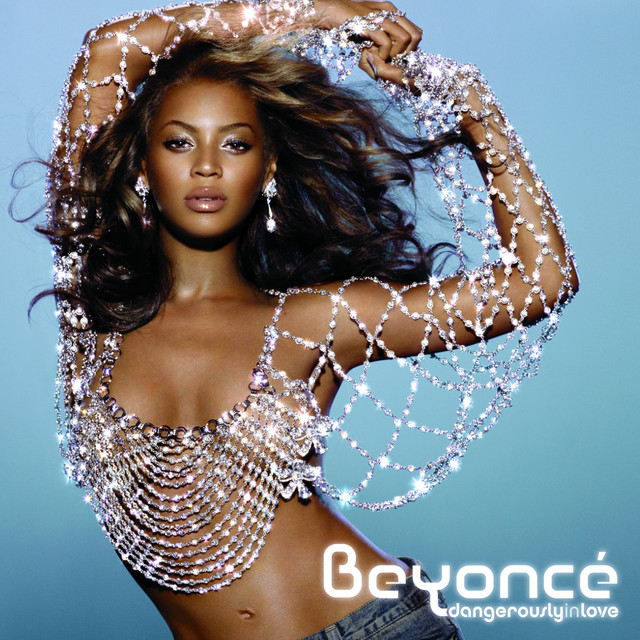
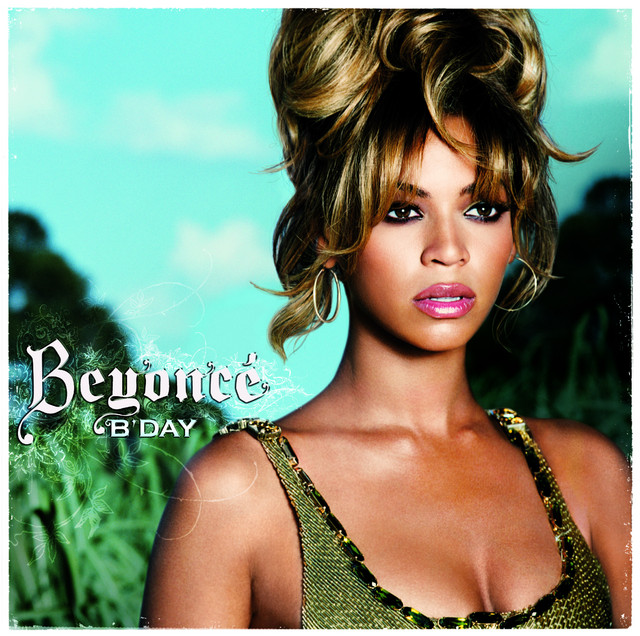
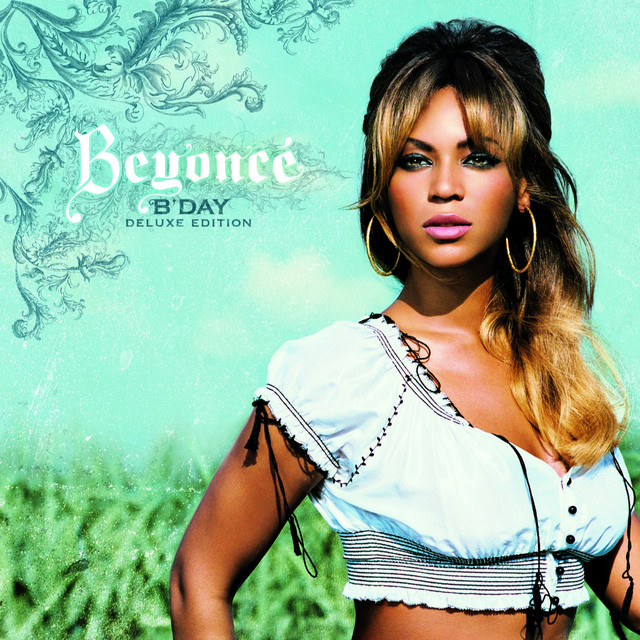
![BEYONCÉ [Platinum Edition] album cover](https://images.equipboard.com/uploads/album/image/292785/beyonce-platinum-edition.jpg)
Album Credits
-
Beyoncé · 2024
Producer -
Beyoncé · 2024
Producer -
Beyoncé · 2023
Producer -
Beyoncé · 2023
Producer -
Beyoncé · 2022
Producer Programmer -
Beyoncé · 2022
Producer -
Beyoncé · 2022
Producer -
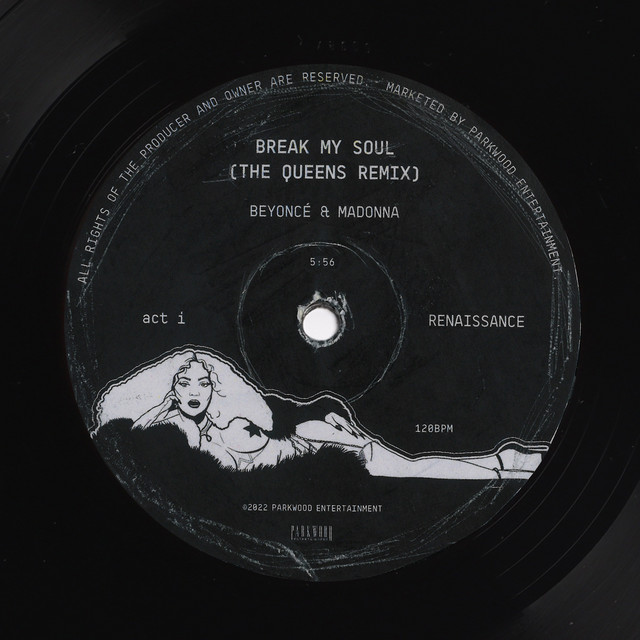
BREAK MY SOUL (THE QUEENS REMIX)
Madonna & Beyoncé & Madonna · 2022
Producer -
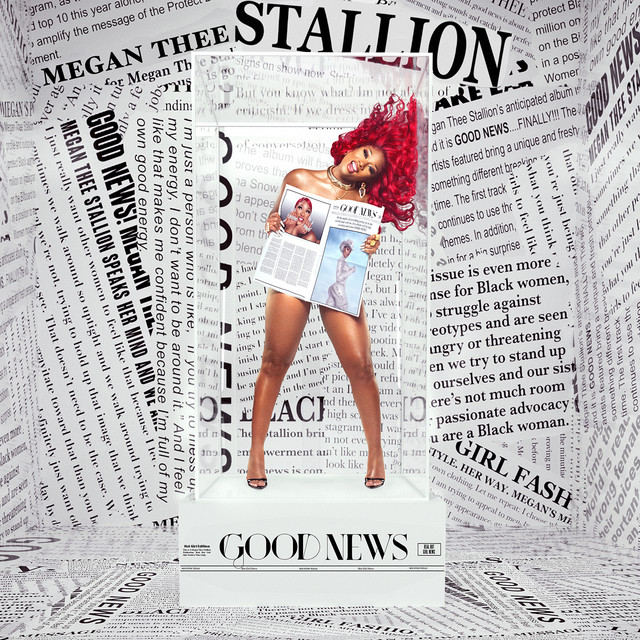
Megan Thee Stallion · 2020
Producer -
Beyoncé · 2020
Producer -
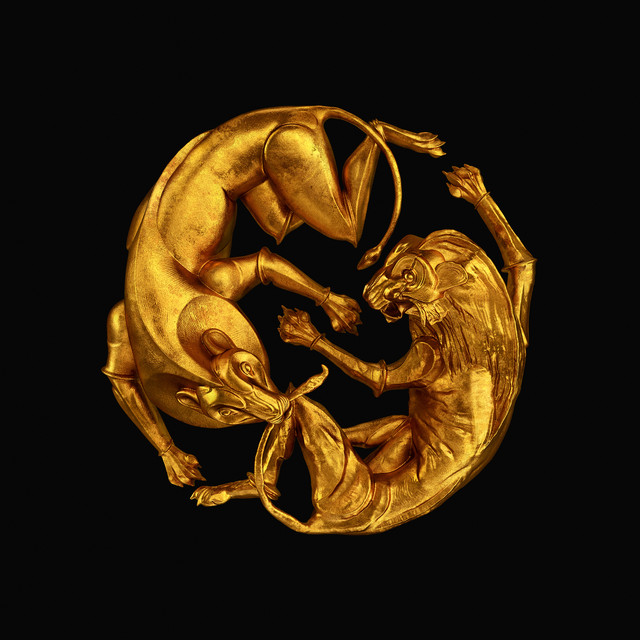
Beyoncé · 2019
Producer Programmer -
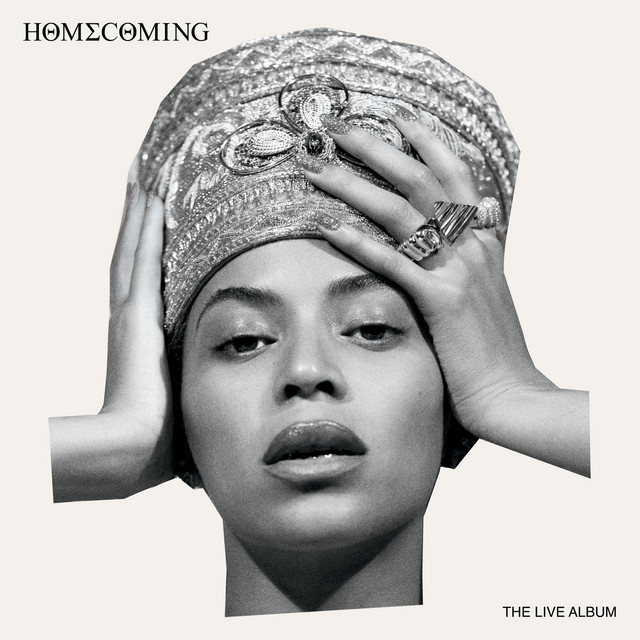
Beyoncé · 2019
Producer


