
Bob Mould
Genre
Group
Credits
Genre
Group
Credits
Bob Mould's Gear


This Gibson Flying V knockoff was Bob's main guitar throughout much of his Husker Du career.
Find it on:


-m.webp?v=1784153432)
Bob Mould uses an MXR Distortion + pedal, according to ACL's website.
Find it on:


Two of Bob Mould's Strat Pluses can be seen in this photo, on ACL's website.
Find it on:


According to Guitar Geek's rig diagram, Bob Mould plays through a 2x12 Fender Concert combo amp.
Find it on:


In the video "30 Years of Dinosaur Jr. - 'Freak Scene' Featuring Bob Mould," presented by DC Shoes, Bob Mould is seen playing a Fender Jazzmaster.
Find it on:

In this photo of Bob Mould's pedalboard, on ACL's website, his Aphex Punch Factory can be seen.
Find it on:

By 1985 he was also using an Ibanez Stereo Chorus pedal and an Electo-Harmonix Small Clone Mini-Chorus. For the recording of Metal Circus (and subsequent recordings) a harmonizer was fed directly into the recording desk. Later on a rack mounted harmonizer was used on stage. By 1987 a Roland SDE-1000 digital delay had also been added to Bob's stage gear.
Find it on:
-m.webp?v=1784153432)
Bob Mould uses an Electro-Harmonix Nano Freeze pedal, according to ACL's website.
Find it on:

Sometime after the release of Metal Circus in the Fall of 1983 Bob converted to a Stereo Setup. A Fender Silverface Twin can be seen on top of Bob's Yamaha G100 head in this video. An earlier video from 1983 shows just the G100 stack. A silverface twin also shows up in a video from a set at 7th Street Entry in 1981.
Find it on:

Husker Du - Live Camden Palace 1985
Find it on:
-m.webp?v=1784153072)
By 1985 he was also using an Ibanez Stereo Chorus pedal and an Electo-Harmonix Small Clone Mini-Chorus. For the recording of Metal Circus (and subsequent recordings) a harmonizer was fed directly into the recording desk. Later on a rack mounted harmonizer was used on stage. By 1987 a Roland SDE-1000 digital delay had also been added to Bob's stage gear.
Find it on:

Bob Mould uses a Marshall JMP 100 watt amp, according to ACL's website.
Find it on:
-m.webp?v=1784152969)
According to this interview with Premier Guitar magazine, Bob indicates that he uses NYXL 10-46 strings.
Find it on:

The signal from the compressor was fed to two Yamaha G-100 solid-state heads running Marshall and Sonic 4 X 12 cabs - equiped with Celestion speakers. These in turn were slaved into a pair of Fender Concert valve amplifiers with stock JBL 12" speakers.
Find it on:
-m.webp?v=1783936839)
Quoted from the interview, Bob said:
But really, I can do almost everything inside of Reason now because they've got every sound that has ever been made with a drum machine.
Find it on:


Pictured here is Bob Mould's Blackstar 100, posted to ACL's website.
Find it on:

in this NPR Tiny Desk Concert video, Bob is playing through a Blues Custom combo amp. The first good view of it occurs at the 0:55 second mark.
Find it on:

This article from Premier Guitar magazine looks at Bob's gear. It states, "Mould became just as recognizable for his ’88 powder blue Stratocaster Plus, which he bought right after the breakup of Hüsker Dü." He's been playing a series of late 80s Strat Pluses ever since, as the original guitar has been rehabbed and retired.
Find it on:

Bob Mould uses Roland JC-120 amp heads, according to Guitar Geek.
Find it on:

According to this interview with Premier Guitar magazine, Bob has been using a signature distortion pedal made for him by Tym Guitars of Australia.
Find it on:

According to this interview with Premier Guitar magazine, Bob indicates that he uses Wampler's Ego Compressor.
Find it on:

Quoted from the interview, Bob said:
If people haven't had any experience with a package like Live they should really take a look at it and see how deep they can go with manipulating sounds. It's really mind-boggling. It's really hard to get out of it once you gotten in it.
Find it on:
-m.webp?v=1784127457)
In this photo, on ACL's website, Bob Mould's Flashback Delay pedal can be seen.
Find it on:

Bob Mould uses a TC Electronic Line Booster pedal, according to Guitar Geek's rig diagram.
Find it on:

But back to those layers of guitar—can you take us through the song “Hold On?” I used a number of small variations with the amps, and that’s where I really got into the layering. I had three different half-stacks out there—two Blackstars and an old Hiwatt, with each head going to the same cabinet. So I had six different rhythm guitars essentially doing the same thing. I’d get three different tones with each guitar, miked close with a [Neumann] U 67 and a Coles [ribbon mic] about 10 feet out from the cabinet. And then each tone was spread across three tracks, so I had 18 tracks of guitar.
Find it on:

But back to those layers of guitar—can you take us through the song “Hold On?” I used a number of small variations with the amps, and that’s where I really got into the layering. I had three different half-stacks out there—two Blackstars and an old Hiwatt, with each head going to the same cabinet. So I had six different rhythm guitars essentially doing the same thing. I’d get three different tones with each guitar, miked close with a [Neumann] U 67 and a Coles [ribbon mic] about 10 feet out from the cabinet. And then each tone was spread across three tracks, so I had 18 tracks of guitar.
Find it on:




Well, speaking of that evolution, “Losing Sleep” goes through some pretty interesting changes in dynamics, which makes it stand out from the rest of the album. The guitar is just a clean Strat with some direct signal, and we may have switched to a Fender Champ. I can’t remember exactly, but sometimes I get that sound by going direct into a Drawmer 1960 [mic pre/compressor]. The stereo tube compression just slams it, and it’s got the EQ on the front end so you can brighten it up. I remember the day we put it up to mix. Beau was like, “What do we do with this?” I was still trying to write words for the last song, so I told him to have some fun for five hours and went in the other room. The demo had that same sparseness and structure, but it was nowhere near as colorful as what Beau came up with. That one’s the outlier on the album for sure, so everybody’s talking about it.
Find it on:

According to this interview with Premier Guitar magazine, Bob indicates that he uses Dunlop .46 mm picks.
Find it on:


A Yamaha G100 Head can be seen running a single Ampeg V4 cab for this entire set.
Find it on:

One guitar that I bought, I bought when I was in Boston producing the Zulus' album. It was a Yamaha APX-12. It's one of those plastic-backed 12-strings with a stereo pickup in it. And that's the acoustic that you've heard on all these records for years.
Find it on:
This is a community-built gear list for Bob Mould.
- Find relevant music gear like Microphones, Guitars, Amplifiers, Effects Pedals, and other instruments and add it to Bob Mould.
- The best places to look for gear usage are typically on the artist's social media, YouTube, live performance images, and interviews.
- To receive email updates when Bob Mould is seen with new gear, follow the artist.
Discography
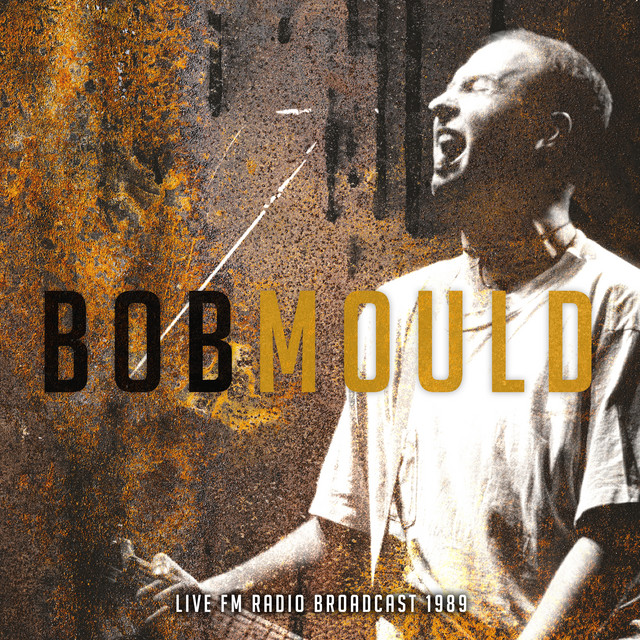
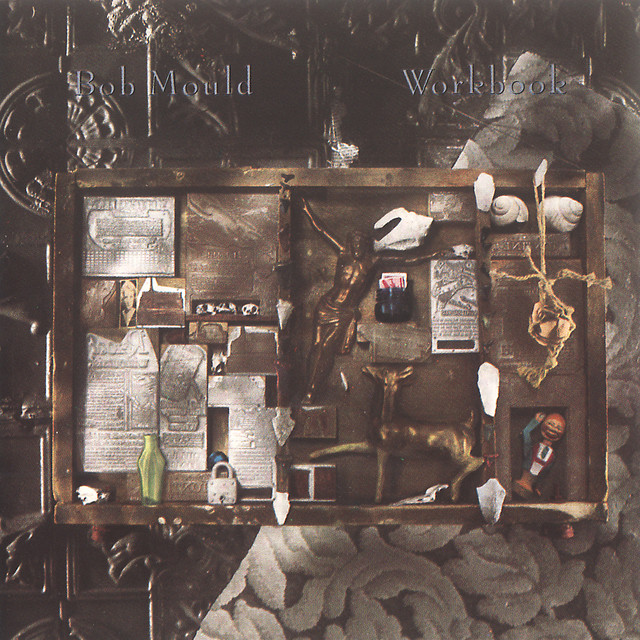
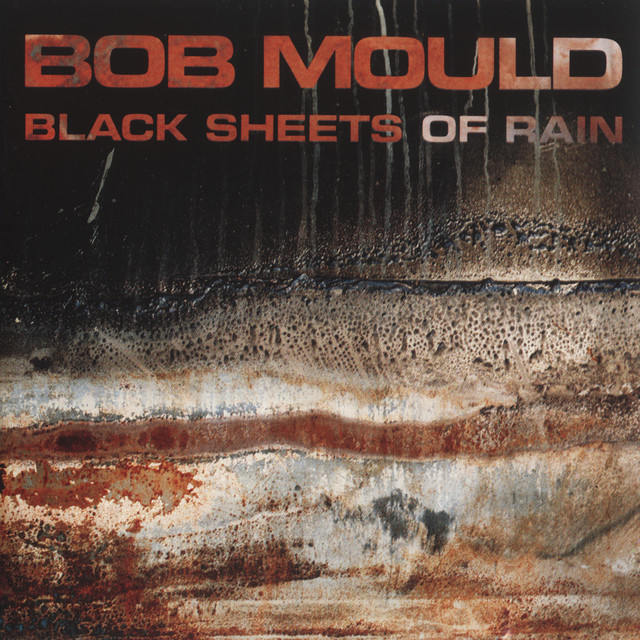
Album Credits
-
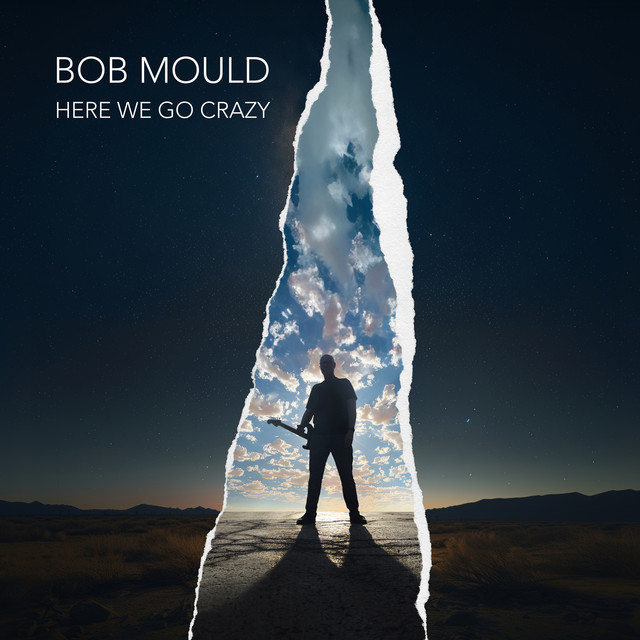
Bob Mould · 2025
Producer -
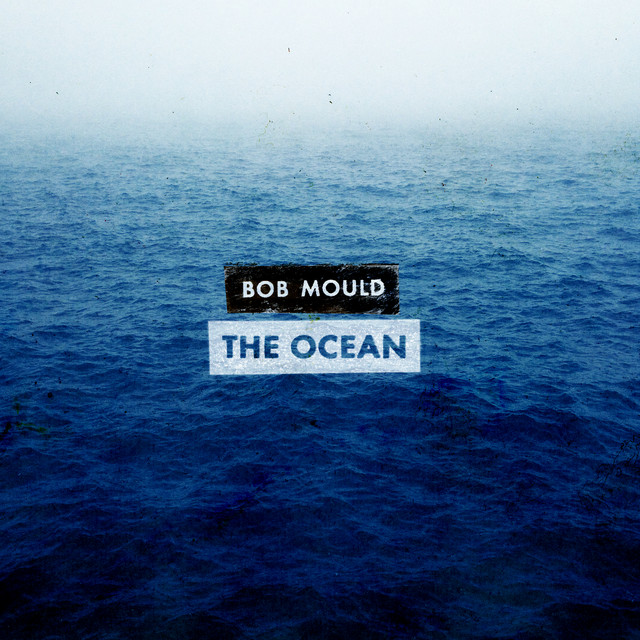
Bob Mould · 2022
Engineer Mixing Engineer Producer -
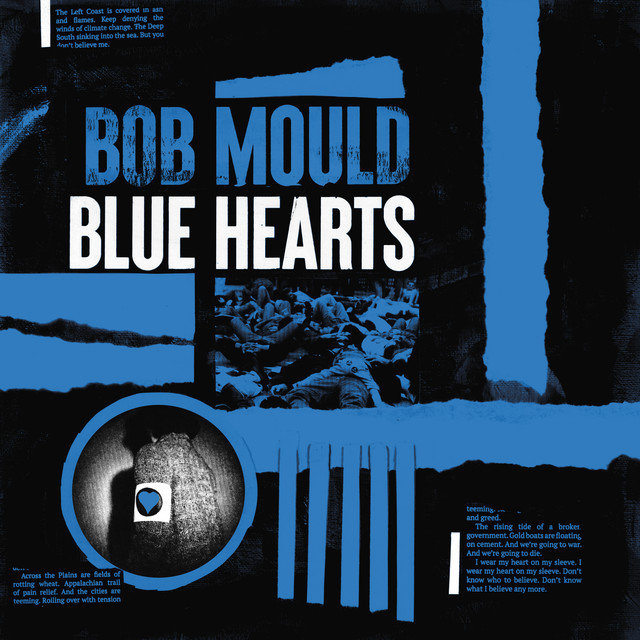
Bob Mould · 2020
Producer -
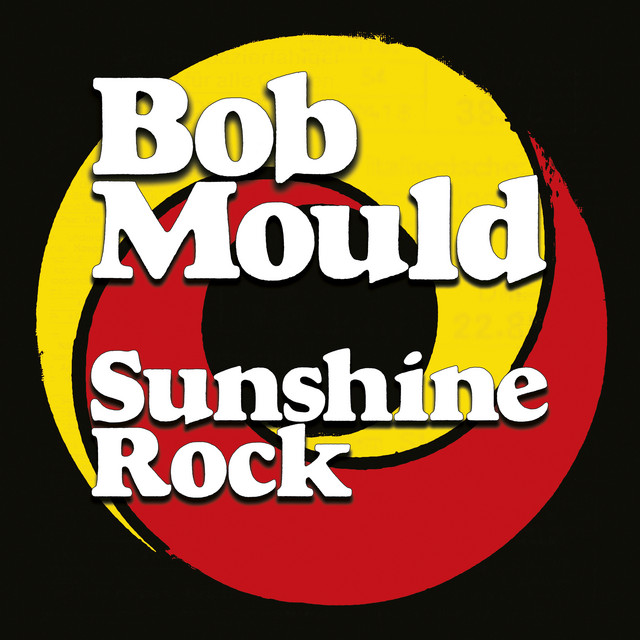
Bob Mould · 2019
Producer -
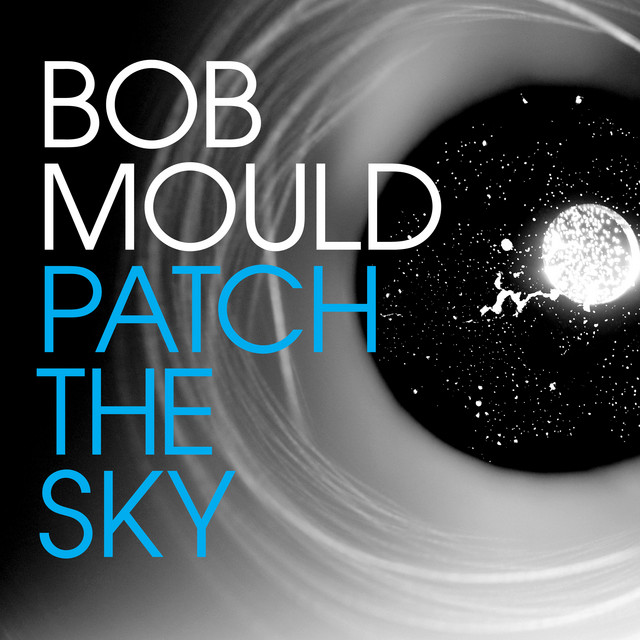
Bob Mould · 2016
Producer -

Bob Mould · 2014
Producer -
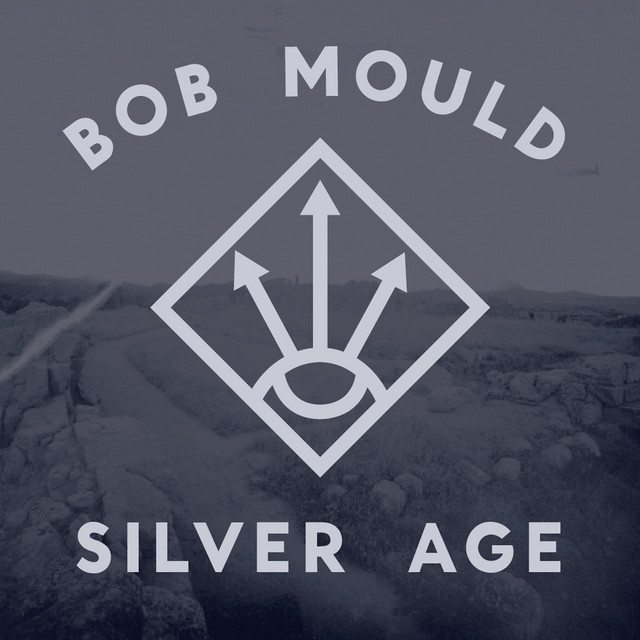
Bob Mould · 2012
Producer -
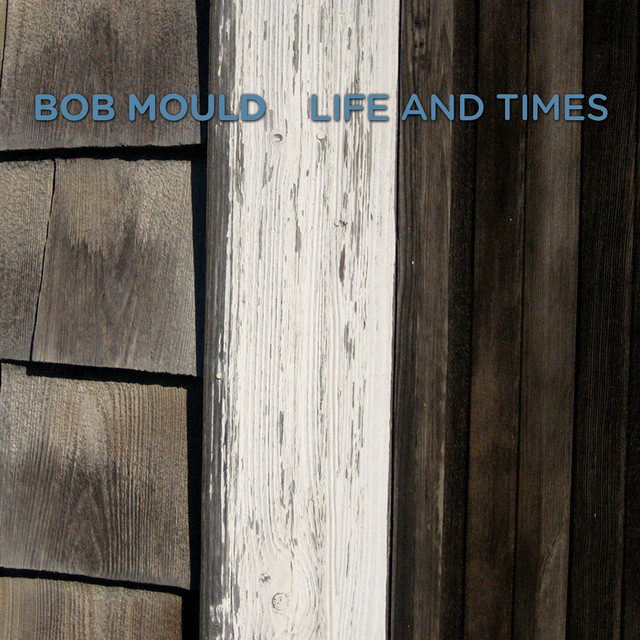
Bob Mould · 2009
Mixing Engineer Producer Programmer -
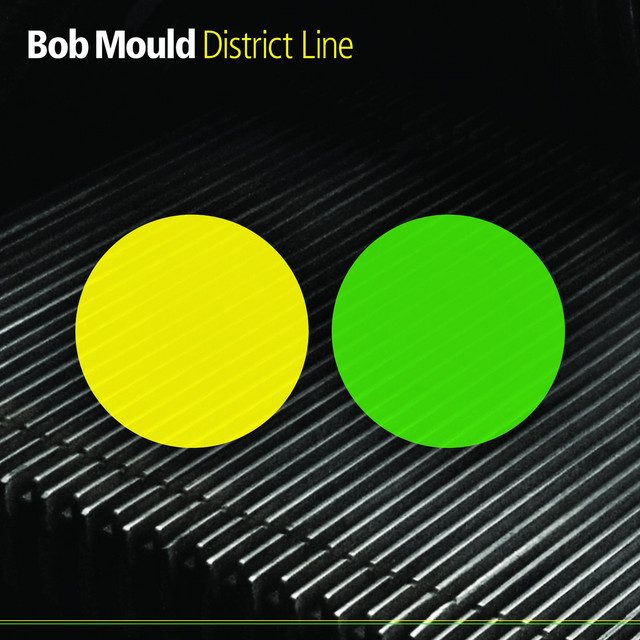
Bob Mould · 2008
Mixing Engineer Producer Programmer -
Bob Mould · 2005
Engineer Programmer -
Bob Mould · 2002
Mixing Engineer Producer -
Bob Mould · 1998
Producer Programmer






.webp)


