
Bootsy Collins
US funk musician & songwriter
Genre
Group
Genre
Group
Bootsy Collins' Guitars
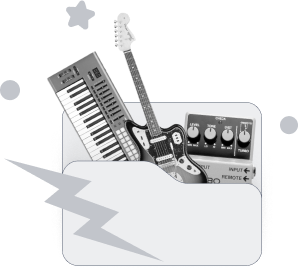


Catfish's 1969 Jazzmaster is featured in this June 20, 2020 Fender video at 1:54.
Ah yeah, my big brother Catfish Collins. He was a big fan of the Fender brand as well. He loved, at this time that we was with James Brown, he loved the Fender Jazzmaster. Actually, this is the original 1969 that he played on The James Brown Show. The difference is he colored it after we left James Brown because we were goin' with Funkadelic and he colored it in blue. I asked him "What was that all about?" He had no clue, he just started laughin'. You know, but this is the original guitar, the Fender Jazzmaster. When you see Cat playin' with James Brown, this will be in a sunburst because that's what the original color was. Catfish was on the one.
Find it on:


Collins' first bass, having switched the guitar strings out for bass strings. It is mentioned in this March 2000 Cincinatti interview, this November 1, 2017 NPR interview, this November 23, 2017 Premier Guitar interview and this June 20, 2020 Fender video at 0:09.
Cincinatti March 2000, "Bootsy Unplugged", pg. 75
Bootsy had always told his mother he was going to be a star, and there was little reason to doubt him. When he was 8 years old, he took his older brother's guitar and won a talent show playing Lonnie Mack's version of "Memphis", which he learned just from listening to the record. Two years later he talked his mother into buying him his own guitar, a greenish-blue electric Silvertone from Sears on Reading Road for $29.95. The family was on welfare at the time, so Bootsy got a paper route and gave her his $2.50-a-week earnings to save for a deposit.
He played endlessly, partly to learn and partly to fulfill the promise he made his mother.
"There was always something inside me that was saying, You got to do some-thing to make things happen," he says.
His brother, Phelps (whom Boots later nicknamed Catfish "because he loots like a catfish"), who was eight years older than Bootsy, had his own band called the Pacemakers. Bootsy's goal was to become part of the band; Catfish's goal was to keep his annoying little brother out. When the group's bass player called in sick one night, though, Bootsy got the assignment by default. By that time, Bootsy already figured out that since his brother was the band's guitar player, he had to learn how to play bass if he wanted to be in the band. So he took the strings off his Sears guitar and replaced them with bass strings.
"My brother said. 'You can't do that." I said 'Can I at least see what it sounds like in the amp?' I plugged it in and it actually sounded better than all the basses at the time. I was like, this is deep, getting that kind of sound out of a $29.95 guitar that wasn't even a bass. What I really wanted was a Fender. but we couldn't afford that. But I would sit In on people's gigs, and they would be up there playing their Fenders and I would sit there with my bass and it sounded so much better."
NPR - What's Good with Stretch & Bobbito, "Bootsy Collins"
BARTOS: Your first bass was actually a guitar with four bass strings attached to it?
COLLINS: Yeah. It was a Silvertone guitar, cost 29.99. And, to me, it was the greatest thing, you know, ever. But to James Brown? Don't ever come in here with that thing no more, boy. I mean, he hated that thing, but that's all I had. And I played it to death, you know. But that's what funk is. That's why I came up. People kept asking me, well, what is funk? I said, well, funk is making something out of nothing. Funk is whatever you got, you do something with it. All I had was that guitar.
And, you know, it came down to, well, what are you going to do? You got this guitar, but he needs a bass player. I said, well, I need four bass strings. That's all I need. So when I got the four bass strings, I took the - screwed with the strings off of the edge, and I made it small enough to go on the guitar holes and put four strings on that mother. And that was my bass. And I used that from playing in the clubs all the way to the first gig we did with James. And after that, you know, he fired the bass, kept me and bought me a new bass, a Fender Jazz - never will forget it.
Premier Guitar, "Bootsy Collins: Bass from Outer Space"
You’re known for your distinctive star-shaped basses, but obviously, that’s not what you started with. I read that your first instrument was a guitar strung up with bass strings. Is that true?
Well, it didn’t have bass strings at first. It was a regular $29 job, a Silvertone guitar. The reason I put bass strings on it was because I wanted to play with my brother [Phelps “Catfish” Collins]. He played guitar and he was developing a good reputation. He’s about eight years older than I am. He was a teenager and I was, like, 9 years old. And from the beginning I wanted to play with him. So, I figured if I got a guitar, I could at least learn how to play and then the next step would be to play with him. When that next step came up, he didn’t need another guitar player, he needed a bass player. I didn’t have a bass, so I was like, “Okay, well, what do I do now?” I asked him if he would get me four bass strings. He got me four bass strings, I unwound the thickness of it at the end, I put them on the guitar, and voilà!—that was my bass guitar.
Did you still have that when you joined James Brown?
Yeah. He loved my playing but he was really done with that guitar. The color of it was beat and at that time Fender was the main thing on the market. Everybody had to play a Fender—either a P bass or a Jazz bass. I wanted one for the longest time, but I couldn’t afford it. He dogged me out about my little bass, man, like, “You can’t come up here on my stage anymore with that thing.” He wound up getting me a Fender Jazz bass.
Fender YouTube channel, "Bootsy Collins Shows His Fender Collection"
1969 Fender Jazz Bass. A funketeer's motto is "Funk is makin' somethin' out of nothin'." Well, let me tell you a little story about James Brown gettin' me a Fender Jazz Bass. So when I first joined up with the James Brown crew, I had a Silvertone guitar. It was like a $29 dollar job and I thought I was awesome, you know? Until I got with, I met James Brown and he told me "Son, agh! You can't come on my stage with that funny-lookin' thing right there!" And he broke my heart but at the same time, I was like "Okay, well, um, you know, I would love to have a Fender Jazz Bass, you know?" He said "No problem, son! I'll have it for you tomorrow!" I said "Cool!" The next day came and Mr. James Brown got me a Fender Jazz 1969 Bass and I was like a kid in a candy shop. I was just gone, you know?
Find it on:


One from 1972, decorated for Catfish, is featured in this June 20, 2020 Fender video at 1:42.
1972 Fender Stratocaster. Catfish almost made it famous. Yeah, baby!
Find it on:


Visible throughout this June 20, 2020 Fender video.
Find it on:


This is a community-built gear list for Bootsy Collins.
- Find relevant music gear like Microphones, Bass Guitars, Amplifiers, Effects Pedals, and other instruments and add it to Bootsy Collins.
- The best places to look for gear usage are typically on the artist's social media, YouTube, live performance images, and interviews.
- To receive email updates when Bootsy Collins is seen with new gear, follow the artist.
-
Added to Equipboard on by
.jpg?v=1782968794) gchiaren
gchiarenGear IQ 37552
-
Updated
Discography
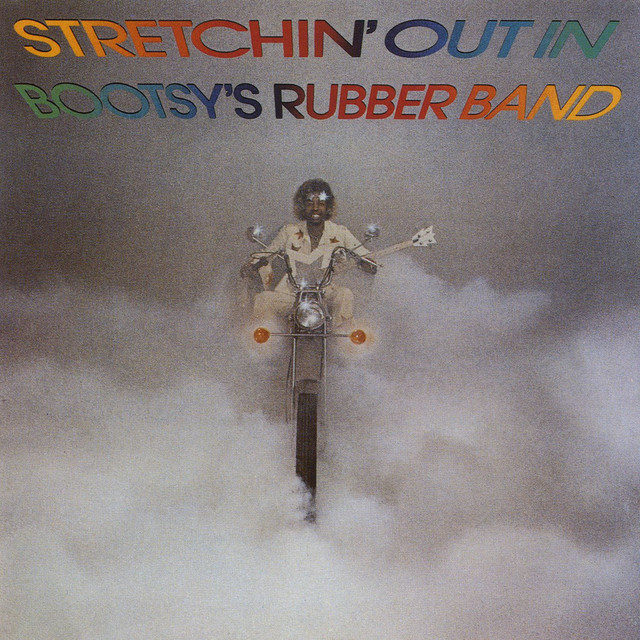
Stretchin' Out In Bootsy's Rubber Band
1976
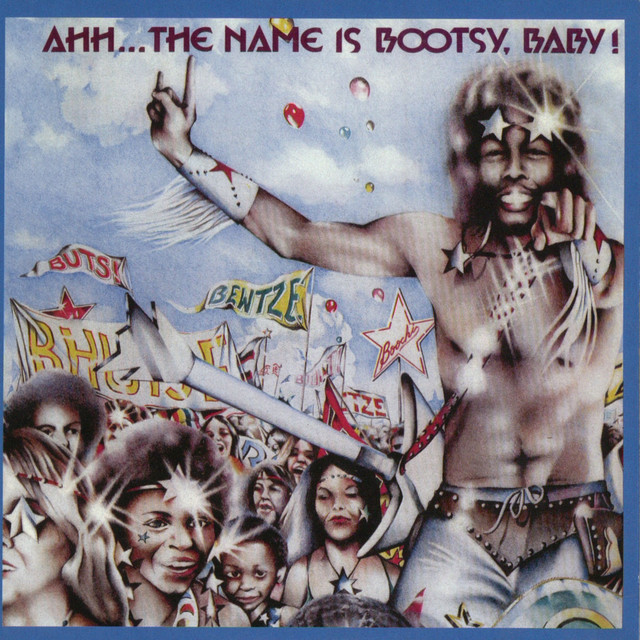
Ahh...The Name Is Bootsy, Baby!
1977
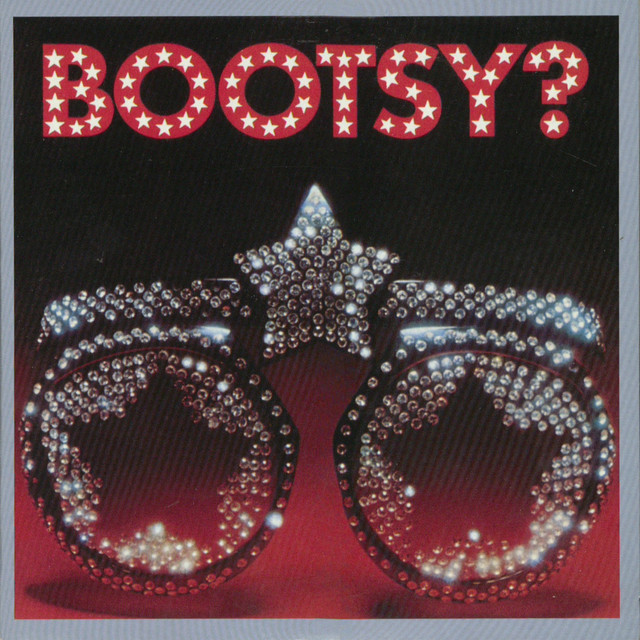
Bootsy? Player Of The Year
1978
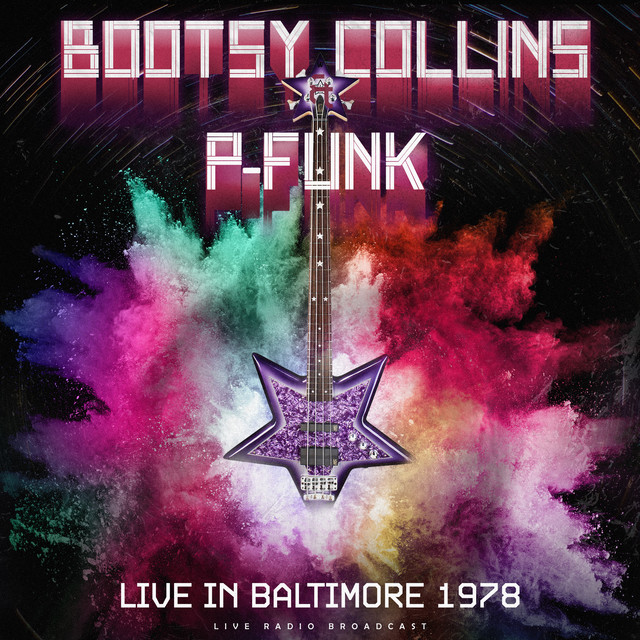
Live in Baltimore 1978 (live)
1978
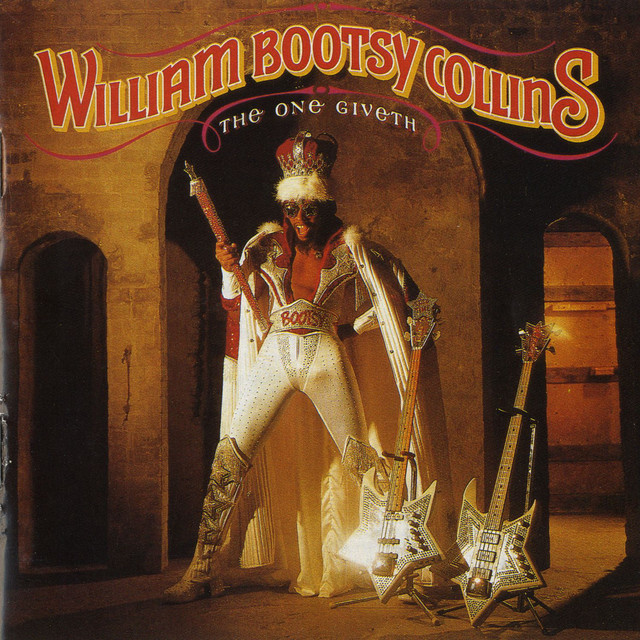
The One Giveth, The Count Taketh Away
1982
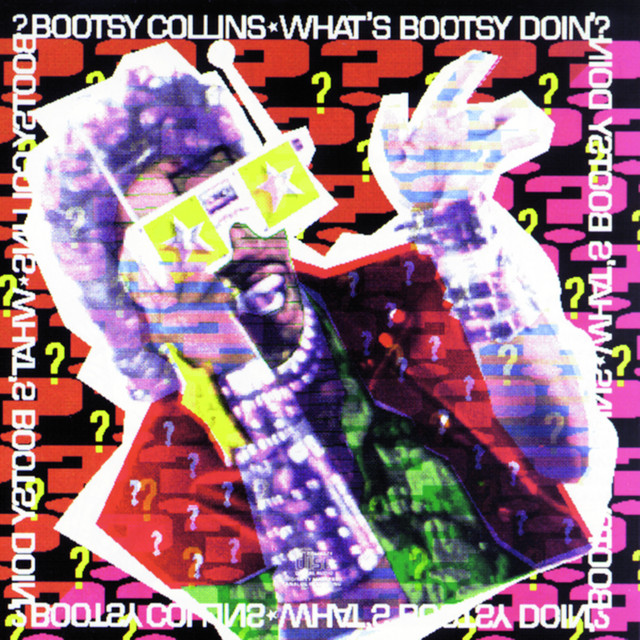
What's Bootsy Doin'?
1988
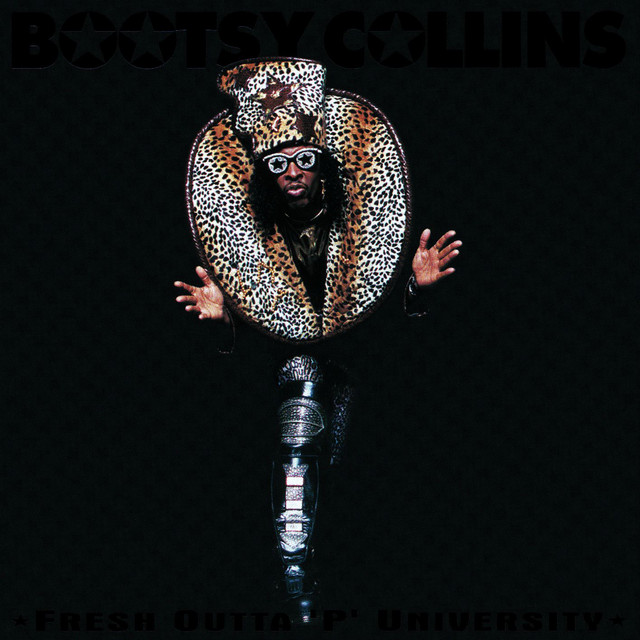
Fresh Outta "P" University
1997
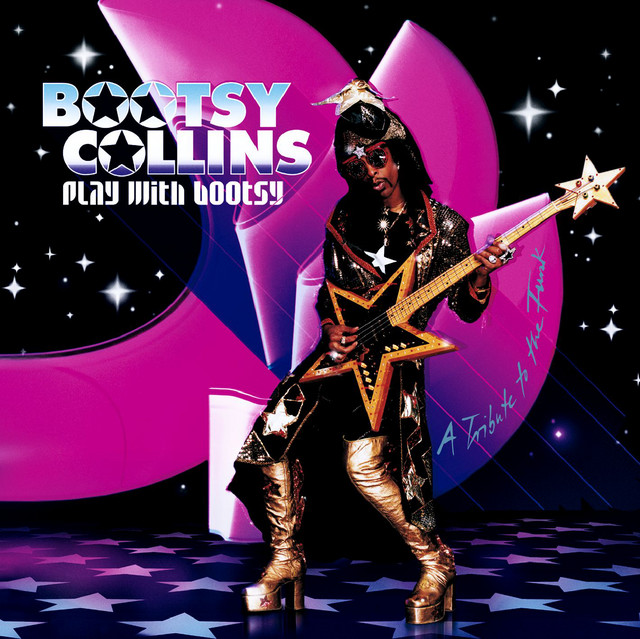
Play with Bootsy: A Tribute to the Funk
2002
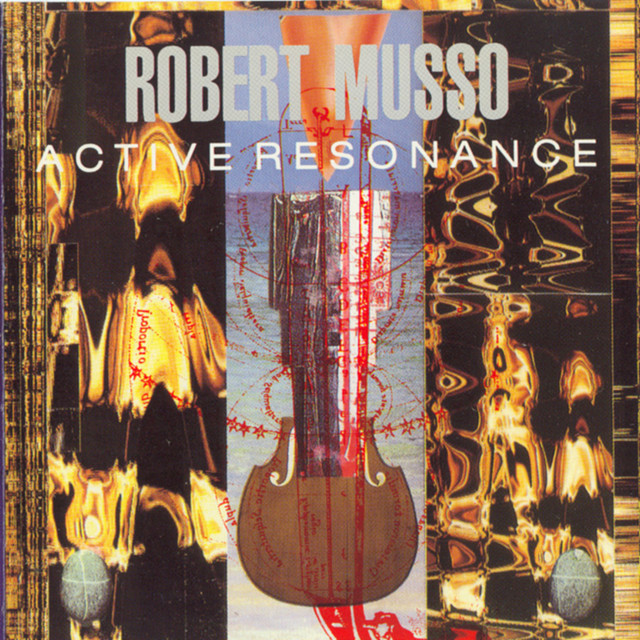
Active Resonance
2007
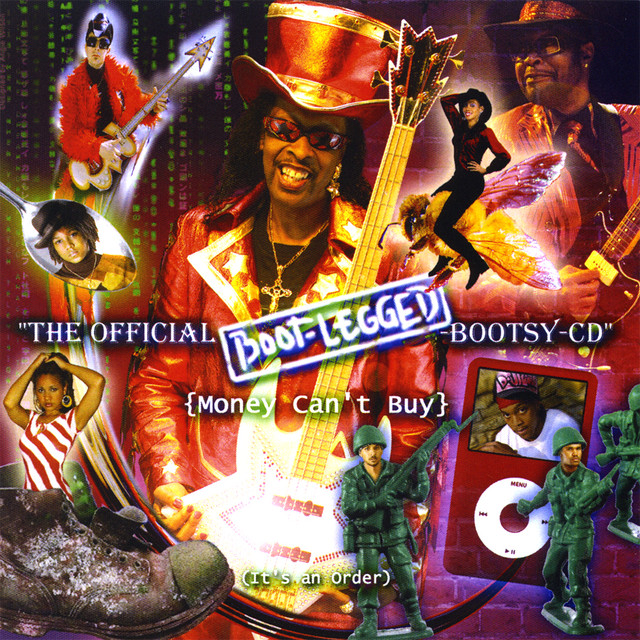
The-Official-Boot-Legged-Bootsy-CD
2008

Tha Funk Capitol Of The World
2011

World Wide Funk
2017
Album Credits
-

Brian Culbertson · 2020
Producer -
Zapp · 2018
Producer -
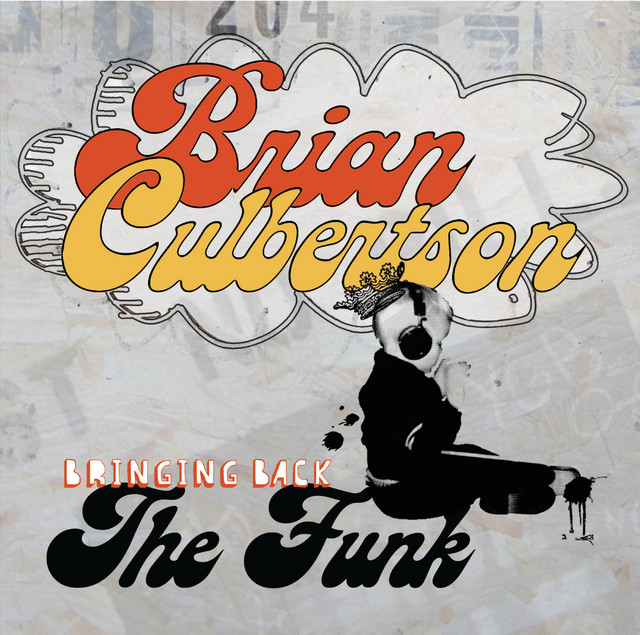
Brian Culbertson · 2008
Producer -
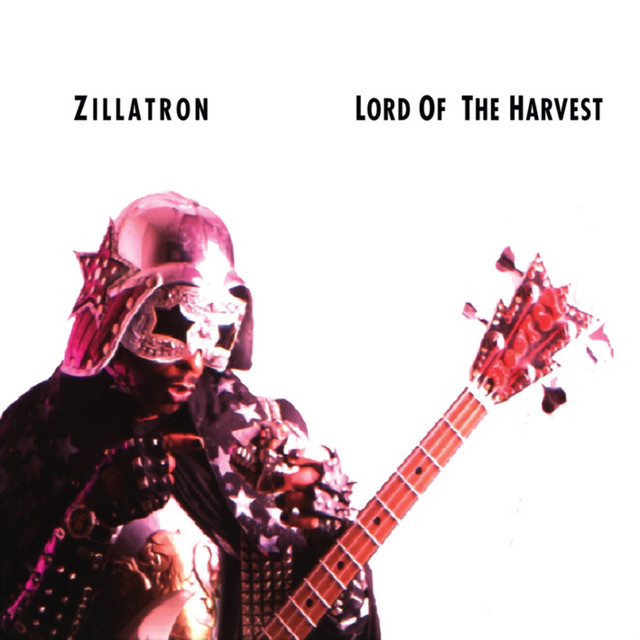
Zillatron · 2004
Producer -
Bootsy Collins & William Earl Collins · 1988
Producer -
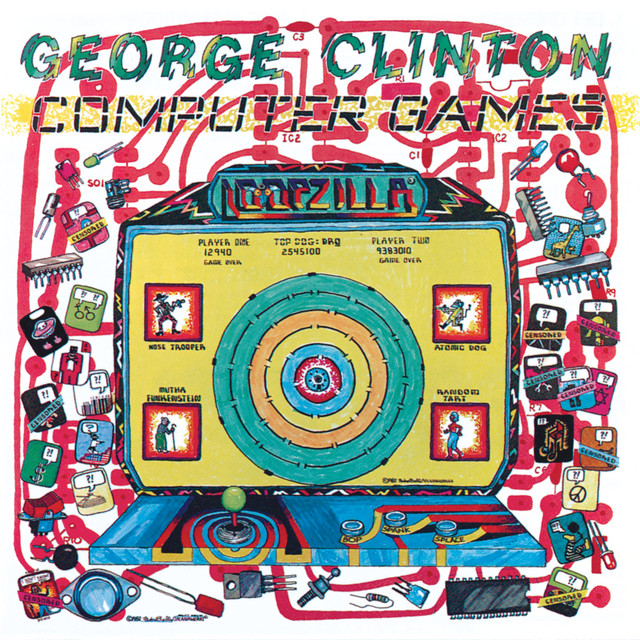
George Clinton & George Clinton · 1982
Producer -
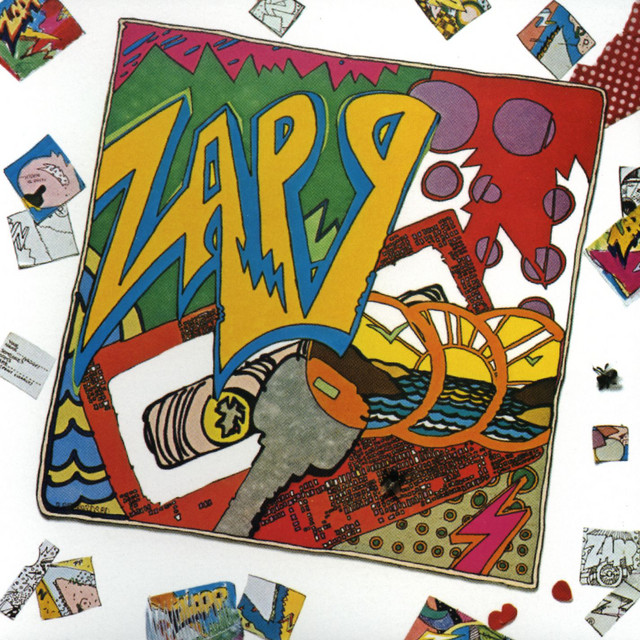
Zapp · 1980
Producer







.webp)
