Brian Eno
Role
Genre
Role
Genre
Brian Eno's Keyboards and Synthesizers


In this article on the making of David Bowie's "Heroes" album, producer Tony Visconti recalls, "Brian brought his EMS Synthi with him, which is a synthesizer built in a briefcase, and it has no real keyboard — it's got a kind of flat, plastic keyboard which Brian very rarely used. He used the joystick a lot, and the oscillator banks, and he would do live dialing — they look like combination-safe rotary knobs on the three oscillator banks."
Find it on:


In this transcribed interview from Sound On Sound magazine's October 1990 issue, Eno is asked if he has a lot of instruments in his studio. He replies, "No, I don’t have a lot of instruments. I have a DX7 which is my main instrument. I still keep discovering great new things about it. I’m not really interested in all the options that an instrument can give you, and I know now that they are pretty much infinite. What I’m interested in is the kind of rapport I have with an instrument, and that takes a long time to develop. You wouldn’t just pick up a guitar and expect to immediately understand the thing."
Find it on:

In this transcribed interview from the October 1990 issue of Sound On Sound magazine, Eno is asked his recording process, and he replies "All the drum track are originally played on an M1 — they’re M1 sequenced drum tracks. Then they are quite severely treated so that they become more industrial sounding than the M1 would normally allow. But it’s the kind of thing that people generally do these days, you know."
Find it on:

"I suppose it does sound synthy, yes, a pure, soft sort of middle frequency sound. It was one of the most important sounds in those earlier albums. It was the sound I kept working with and returning to... I never had a Minimoog at that time, I didn't get a Minimoog until about...1976."
Find it on:


In this interview with Chris Everard of Electronic Soundmaker & Computer Music conducted in October 1984, Eno says, "I don't like the Prophet Five... I like the Pro One though. I've also got a Casio 202."
Find it on:

In this transcribed interview from the October 1990 issue of Sound On Sound magazine, Eno is asked if he has a lot of instruments in his studio. In addition to the Yamaha DX7, he answers, "I’ve got two others as well — I’ve got a Prophet VS and an M1."
Find it on:



"I don't like the Prophet Five... I like the Pro One though. I've also got a Casio 202... "
Find it on:

Brian Eno is known to use the Yamaha CS-80 synthesizer, as evidenced by the image associated with his work on Discogs.
Find it on:

In this interview with Chris Everard from the October 1984 issue of Electronic Soundmaker & Computer Music magazine, Eno is asked, "I seem to remember seeing an old film of you with Roxy, I think it was The Old Grey Whistle Test or something similar, and you were playing what seemed to be an ARP2600, is that right?"
He replies, "No, I tell you what that was, it was essentially an EMS VCS3 synthesiser built into a unit that I designed. With Roxy you see, a lot of the time I was taking live instruments and feeding them into the synthesiser and treating them, so what I had was the basic synthesiser with some extra bits to help me... they are quite rough though, those early synths."
Find it on:

In this live clip from 1995, Eno joins U2 to play "Miss Sarajevo" with Luciano Pavarotti. Eno's Omnichord is on the music stand directly in front of him, and we our first good look at the 1:10 mark.
Find it on:

Photographs accompanying the Sound on Sound article show Eno's setup to include a Korg Triton Studio 88 Workstation.
Find it on:
-m.webp?v=1783090997)
In this image, we see Eno tinkering with a PT-80, presumably during the course of an interview.
Find it on:

In this transcript of an interview from Electronic Soundmaker & Computer Music in October 1984 by Chris Everard, Eno reveals that he didn't at the time own many instruments. One, however, was "an old, old Farfisa organ - it used to belong to Pink Floyd."
More detail is provided in this interview with John Kavanaugh who purchased the instrument from Eno. He provides much more detail about its history, including the name of the model:
"Earlier on John told me about his fondness for vintage gear and old mics, but the best piece in his collection is a Farfisa Compact Duo organ which was once owned by the Pink Floyd. 'It came to me when it was being sold on the Internet by Brian Eno,' John explains. 'Brian Eno got it from a guy called Bill Kelsey who's now sadly dead, but his son Marlon still works for Eno. Bill was the Pink Floyd's sort of gadget boffin and he would make up bits of effects and bits of stuff for their live sets in the late '60s and early '70s. When he went to work for Eno, he took the organ with him. I've actually got a film of it with the Pink Floyd in the Syd-era, I've also got a couple of photos of it on stage. Most Farfisa organs were pale grey with a black band around the middle, but this one is charcoal grey, it's a sort of early model of the organ and it's quite distinctive for that reason. Eno used it on two of his albums, on tracks on "Taking Tiger Mountain By Strategy" and "Another Green World". The organ comes with a certificate from Eno which says where it came from and now it has been restored and it works... The interesting thing is that the guy who fixed it found a plectrum inside. Syd wasn't much of a plectrum guy and Eno doesn't strike me as much of a plectrum guy. I can only assume that it may have come from David Gilmour. I also found on the front panel of the organ, on the little metal panel at the side of the lower manual, "accord to progression" written in pencil marks. I played that progression on another organ and thought it was "Saucerful of Secrets," the title for the second Pink Floyd album, but it was actually the prototype version of "The Massed Gadgets Of Hercules" and this was the organ part for the end of it which must have been penciled down there by Rick Wright when they were rehearsing the track in the first place. I remember I was home because I had lost my voice and wasn't feeling very well when I discovered this, but I felt like phoning everybody to tell them what I had found!'"
Find it on:

In this article in the December 1995 issue of Future Music magazine, the TG77 is named in the "Kit List" as being one of Eno's synths.
Find it on:

Per this interview in a 1981 issue of Keyboard:
That's a very nice synthesizer as well. I've worked with one of those. I've never owned one, but I do like them. Actually, the second piece on the second side of Music for Airports was done with an ARP 2600.
Find it on:

Brian Eno can be seen playing Suzuki Omnichord OM-300 in this video.
Find it on:
-m.webp?v=1782400331)
The fourth photo shows a Korg Triton Studio 61 in Brian Eno's studio.
Find it on:
This is a community-built gear list for Brian Eno.
- Find relevant music gear like Microphones, Pianos, Keyboards and Synthesizers, Software Plugins and VSTs, Instruments, Studio Equipment, Headphones, and other instruments and add it to Brian Eno.
- The best places to look for gear usage are typically on the artist's social media, YouTube, live performance images, and interviews.
- To receive email updates when Brian Eno is seen with new gear, follow the artist.
Discography
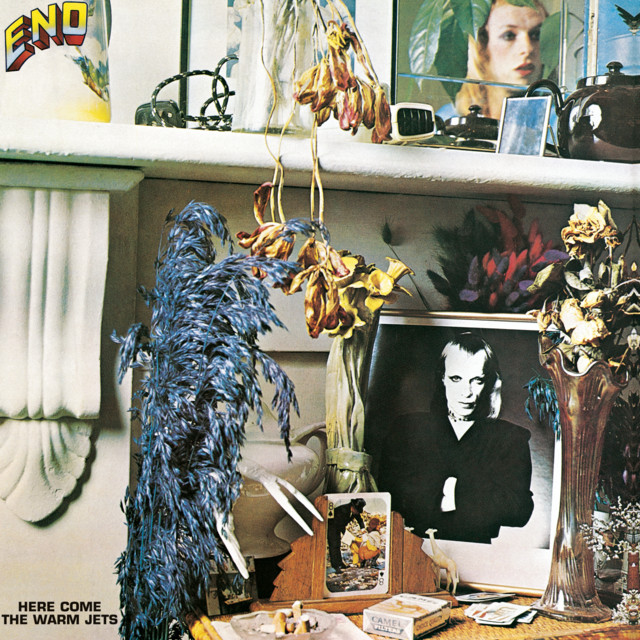
Here Come The Warm Jets
1973
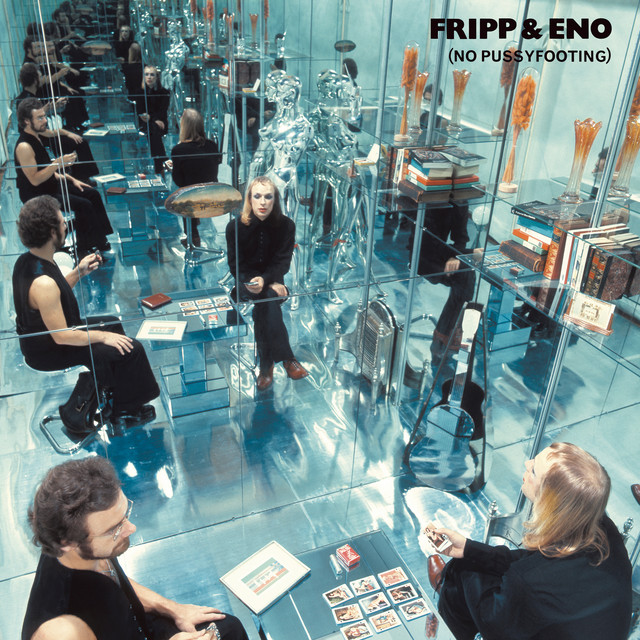
No Pussyfooting
1973
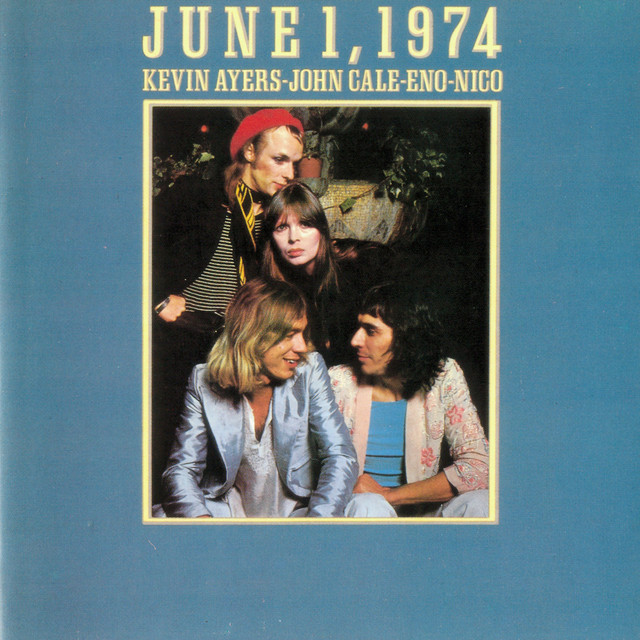
June 1, 1974 (Live At The Rainbow Theatre / 1974)
1974
![Taking Tiger Mountain (By Strategy) [2004 Remaster] album cover](https://images.equipboard.com/uploads/album/image/274230/taking-tiger-mountain-by-strategy-2004-remaster.jpg)
Taking Tiger Mountain (By Strategy) [2004 Remaster]
1974
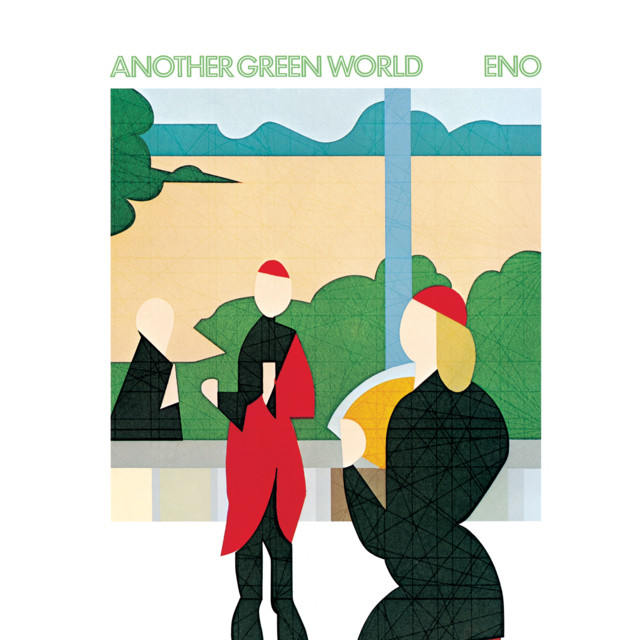
Another Green World (2004 Remaster)
1975
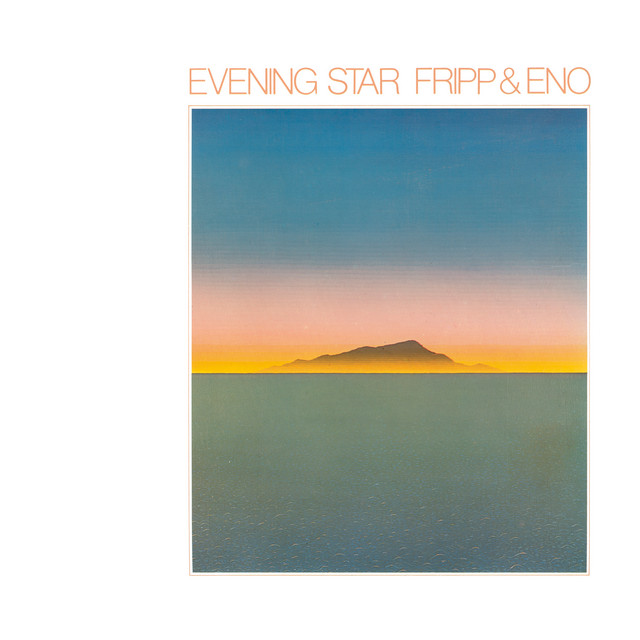
Evening Star
1975
Discreet Music
1975
Cluster & Eno
1977
Before And After Science
1977
Ambient 1: Music For Airports (Remastered 2004)
1978
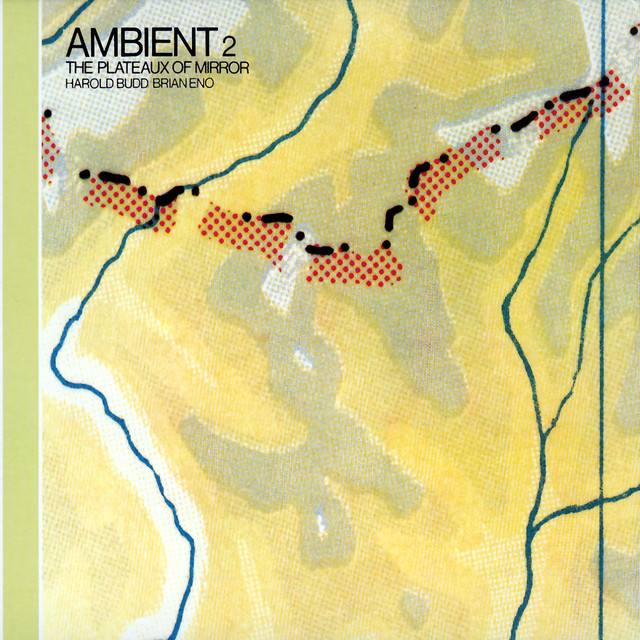
Ambient 2: The Plateaux Of Mirror (Remastered 2004)
1980
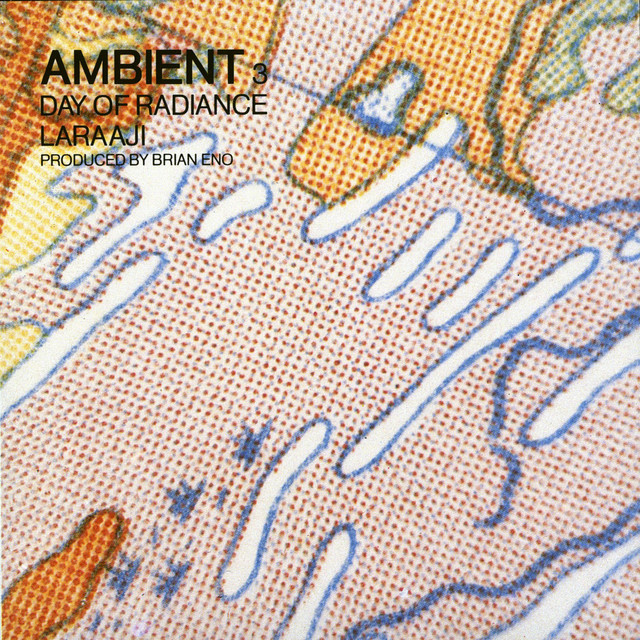
Ambient 3: Day Of Radiance
1980
Album Credits
-
Producer
-
Beatie Wolfe · 2025
Producer -
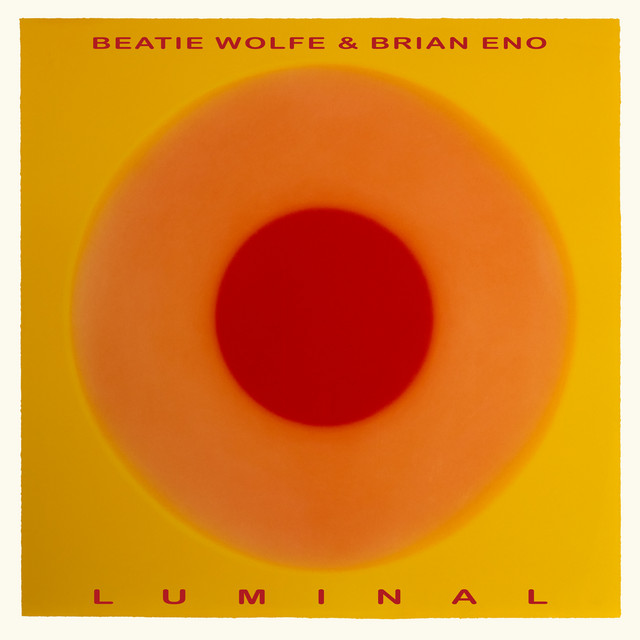
Brian Eno & Beatie Wolfe · 2025
Producer -
Eno (Original Motion Picture Soundtrack)
Brian Eno · 2024
Mixing Engineer Producer Recording Engineer -
Coldplay · 2024
Programmer -
Live and Let Live (Dark-Side Mix)
Peter Gabriel · 2023
Programmer -
Live and Let Live (Bright-Side Mix)
Peter Gabriel · 2023
Programmer -
50 Years of De-Evolution 1973–2023
Devo · 2023
Producer -
Four Kinds of Horses (Dark-Side Mix)
Peter Gabriel · 2023
Programmer -
Four Kinds of Horses (Bright-Side Mix)
Peter Gabriel · 2023
Programmer -
Peter Gabriel · 2023
Producer Programmer -
Brian Eno & Fred again.. · 2023
Producer