Marius de Vries
Role
Genre
Group
Credits
Role
Genre
Group
Credits
Marius de Vries' Studio Equipment


The original version of the Mac Pro can be seen behind him.
Find it on:

Seaboards remain a fixture in Marius’s home studio in Los Angeles. “I’ve moved into live-work mode,” he says. “My studio is also my home.” It’s an arrangement that helps maximize his work time amid travels that often takes him back back to the UK.
A Seaboard GRAND, Seaboard RISE, and Seaboard Block are all part of a setup that includes dozens of other synths and drum machines. “It’s the GRAND that I keep going back to. It’s what got me excited about the Seaboard before the serendipity of La La Land. I just loved the experience of playing it — the process of adapting keyboard technique to different expressive means.”
Find it on:


Seaboards remain a fixture in Marius’s home studio in Los Angeles. “I’ve moved into live-work mode,” he says. “My studio is also my home.” It’s an arrangement that helps maximize his work time amid travels that often takes him back back to the UK.
A Seaboard GRAND, Seaboard RISE, and Seaboard Block are all part of a setup that includes dozens of other synths and drum machines. “It’s the GRAND that I keep going back to. It’s what got me excited about the Seaboard before the serendipity of La La Land. I just loved the experience of playing it — the process of adapting keyboard technique to different expressive means.”
Find it on:


Roli Seaboard Rise 25 can be seen in the first photo, in front of the computer keyboard.
Find it on:

“The Mackie D8B is a functional board, but I don’t do much mixing on it now. I do the first level of mixing ‘in the box’ then I might go to the studio of someone like my friend Andy Bradfield, if it needs to be finessed beyond my abilities. Even then, we don’t really use a big desk very much anymore. The last time we did an SSL mix was last year, mixing Teddy Thompson’s album. If you have the budget for it, it is still worth doing for reasons of sound quality and flexibility."
Find it on:

“The Pro Tools hardware that is plumbed in here is the old 888 system running from a G4 with as much memory in it as you can cram. That really hasn’t changed but all I use that for is recording. There’s no point in upgrading this at the moment because it is good quality, zero latency recording, and that’s all I need from it. In the other room we have a traveling system which is a Pro Tools 8, 192 HD3 setup. Manipulations and assemblies tend to happen in the second rig in my main room which has a Logic 7/Native/MOTU system on it."
Find it on:

“The Pro Tools hardware that is plumbed in here is the old 888 system running from a G4 with as much memory in it as you can cram. That really hasn’t changed but all I use that for is recording. There’s no point in upgrading this at the moment because it is good quality, zero latency recording, and that’s all I need from it. In the other room we have a traveling system which is a Pro Tools 8, 192 HD3 setup. Manipulations and assemblies tend to happen in the second rig in my main room which has a Logic 7/Native/MOTU system on it."
Find it on:

“The Pro Tools hardware that is plumbed in here is the old 888 system running from a G4 with as much memory in it as you can cram. That really hasn’t changed but all I use that for is recording. There’s no point in upgrading this at the moment because it is good quality, zero latency recording, and that’s all I need from it. In the other room we have a traveling system which is a Pro Tools 8, 192 HD3 setup. Manipulations and assemblies tend to happen in the second rig in my main room which has a Logic 7/Native/MOTU system on it."
Find it on:

“The Pro Tools hardware that is plumbed in here is the old 888 system running from a G4 with as much memory in it as you can cram. That really hasn’t changed but all I use that for is recording. There’s no point in upgrading this at the moment because it is good quality, zero latency recording, and that’s all I need from it. In the other room we have a traveling system which is a Pro Tools 8, 192 HD3 setup. Manipulations and assemblies tend to happen in the second rig in my main room which has a Logic 7/Native/MOTU system on it."
Find it on:

While the demands of the filming process forced the chopping and changing of the songs, Marius was in contact with London‑based composer Chris Elliott, who had the job of arranging many of the orchestral parts. "We were emailing back and forth," explains Marius. "This was before the Rocket Networks thing really happened, otherwise I'm sure we'd have been using that. But for a long time I sent him MP3s of the backing tracks and pencil sketches on score paper suggesting where I wanted to go, and he'd send MIDI files back to me which I printed out from Emagic Logic and fed into my JV2080 and S6000s to listen to what he'd done. We built up the orchestrations that way until he came out to Sidney. Alexis Smith was working over here in the UK as my programmer while I was in Sidney, and he would sending over grooves and ideas for drum beats and sound design. By the time we got to the shoot, we had everything developed up to a stage where the orchestrations were coming in a relatively realistic manner out of the JV2080, our rhythm tracks were pretty realised and our vocals were recorded to a stage where they were ready for lip‑sync."
Find it on:

De Vries first cut his programming teeth on an Roland MSQ700, and then moved on to the Atari, initially running Hybrid Arts' Midi Track software, and then C‑Lab's Notator. A few years ago he finally switched to Macintosh and Digidesign, on which he still runs C‑Lab/Emagic software, namely Logic Audio: "I was quite slow switching from the Atari to the Mac, because I had experiences of working alongside people with Macs that appeared to be crashing all the time. But things are a lot better now, and I am really happy with my Macintosh, although admittedly the timing could be better on it. The timing of the Atari was probably more stable, but then, are you going to spend your whole life worrying about the fact that there is a millisecond delay on the bass drum, or are you going to listen to the music and try to make that sound good? The '80s ethic seemed very much to make sure that everything was very precise and glued to a grid, but there's room for things to be much sloppier now, and better for it."
Find it on:

De Vries first cut his programming teeth on an Roland MSQ700, and then moved on to the Atari, initially running Hybrid Arts' Midi Track software, and then C‑Lab's Notator. A few years ago he finally switched to Macintosh and Digidesign, on which he still runs C‑Lab/Emagic software, namely Logic Audio: "I was quite slow switching from the Atari to the Mac, because I had experiences of working alongside people with Macs that appeared to be crashing all the time. But things are a lot better now, and I am really happy with my Macintosh, although admittedly the timing could be better on it. The timing of the Atari was probably more stable, but then, are you going to spend your whole life worrying about the fact that there is a millisecond delay on the bass drum, or are you going to listen to the music and try to make that sound good? The '80s ethic seemed very much to make sure that everything was very precise and glued to a grid, but there's room for things to be much sloppier now, and better for it."
Find it on:

It can be seen in the sixth photo, which bears the caption: "The Apple Powerbook (left), increasingly important to Marius de Vries' work, sits atop his Yamaha SY77 workstation: also visible are his Clavia Nord Rack and Roland JP8080 virtual analogue synths." It appears to be the G3 model of Powerbook.
Find it on:

The tenth photo shows his studio and is captioned: "Marius de Vries now does most of his programming work in his own room at London's Strongroom studios. The large rack at left contains, from top, Alesis DM Pro drum module, Korg O1R/W sound module, Roland MKS80 Super Jupiter synth with MPG80 programmer, Studio Electronics MIDIMoog synth, two Akai S3200 samplers, Emu Vintage Keys and Morpheus sound modules, Kurzweil K2000R sound module, Roland MKS50 and JV1080 sound modules."
Find it on:

The tenth photo shows his studio and is captioned: "Marius de Vries now does most of his programming work in his own room at London's Strongroom studios. The large rack at left contains, from top, Alesis DM Pro drum module, Korg O1R/W sound module, Roland MKS80 Super Jupiter synth with MPG80 programmer, Studio Electronics MIDIMoog synth, two Akai S3200 samplers, Emu Vintage Keys and Morpheus sound modules, Kurzweil K2000R sound module, Roland MKS50 and JV1080 sound modules."
Find it on:
-m.webp?v=1783238222)
The tenth photo shows his studio and is captioned: "Marius de Vries now does most of his programming work in his own room at London's Strongroom studios. The large rack at left contains, from top, Alesis DM Pro drum module, Korg O1R/W sound module, Roland MKS80 Super Jupiter synth with MPG80 programmer, Studio Electronics MIDIMoog synth, two Akai S3200 samplers, Emu Vintage Keys and Morpheus sound modules, Kurzweil K2000R sound module, Roland MKS50 and JV1080 sound modules."
Find it on:

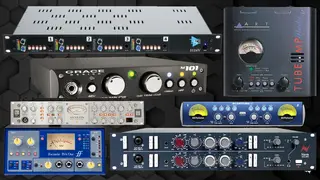
It can be seen in the eleventh photo, captioned "Some of Marius de Vries' outboard gear. From top: Digitech Vocalist II effects, Yamaha SPX900 multi‑effects, Alesis Quadraverb GT and Quadraverb multi‑effects, Mutronics Mutator compressor, Avalon input channel, Yamaha REV7 multi‑effects, Alesis 3630 compressor and Tascam DA30 DAT recorder."
Find it on:
-m.webp?v=1782114263)
It can be seen in the eleventh photo, captioned "Some of Marius de Vries' outboard gear. From top: Digitech Vocalist II effects, Yamaha SPX900 multi‑effects, Alesis Quadraverb GT and Quadraverb multi‑effects, Mutronics Mutator compressor, Avalon input channel, Yamaha REV7 multi‑effects, Alesis 3630 compressor and Tascam DA30 DAT recorder."
Find it on:

It can be seen in the eleventh photo, captioned "Some of Marius de Vries' outboard gear. From top: Digitech Vocalist II effects, Yamaha SPX900 multi‑effects, Alesis Quadraverb GT and Quadraverb multi‑effects, Mutronics Mutator compressor, Avalon input channel, Yamaha REV7 multi‑effects, Alesis 3630 compressor and Tascam DA30 DAT recorder."
Find it on:

It can be seen in the eleventh photo, captioned "Some of Marius de Vries' outboard gear. From top: Digitech Vocalist II effects, Yamaha SPX900 multi‑effects, Alesis Quadraverb GT and Quadraverb multi‑effects, Mutronics Mutator compressor, Avalon input channel, Yamaha REV7 multi‑effects, Alesis 3630 compressor and Tascam DA30 DAT recorder."
Find it on:

It can be seen in the eleventh photo, captioned "Some of Marius de Vries' outboard gear. From top: Digitech Vocalist II effects, Yamaha SPX900 multi‑effects, Alesis Quadraverb GT and Quadraverb multi‑effects, Mutronics Mutator compressor, Avalon input channel, Yamaha REV7 multi‑effects, Alesis 3630 compressor and Tascam DA30 DAT recorder."
Find it on:

It can be seen in the eleventh photo, captioned "Some of Marius de Vries' outboard gear. From top: Digitech Vocalist II effects, Yamaha SPX900 multi‑effects, Alesis Quadraverb GT and Quadraverb multi‑effects, Mutronics Mutator compressor, Avalon input channel, Yamaha REV7 multi‑effects, Alesis 3630 compressor and Tascam DA30 DAT recorder."
Find it on:

It can be seen in the eleventh photo, captioned "Some of Marius de Vries' outboard gear. From top: Digitech Vocalist II effects, Yamaha SPX900 multi‑effects, Alesis Quadraverb GT and Quadraverb multi‑effects, Mutronics Mutator compressor, Avalon input channel, Yamaha REV7 multi‑effects, Alesis 3630 compressor and Tascam DA30 DAT recorder."
Find it on:

It can be seen in the eleventh photo, captioned "Some of Marius de Vries' outboard gear. From top: Digitech Vocalist II effects, Yamaha SPX900 multi‑effects, Alesis Quadraverb GT and Quadraverb multi‑effects, Mutronics Mutator compressor, Avalon input channel, Yamaha REV7 multi‑effects, Alesis 3630 compressor and Tascam DA30 DAT recorder."
Find it on:

""The Akai samplers are without question the most musical and best sorted out sampling devices on the planet. I have three 3200XLs now and I am waiting very impatiently for the 6000 series, which will be out in a few weeks, because it has a DOS‑based file system. In itself that's a bit of a turn‑off for me, because I am a Macintosh purist, but what it means is that you can have one huge hard disk attached to the sampler with all your sounds on it and a little laptop on the side with a database on it. It will finally enable me to begin to meaningfully organise a big sample library. At a the moment with my suitcase full of Syquests, it's impossible. All I can do is file everything carefully away by project and hope that one day the technology will allow me to do something meaningful with it. Until you get something where you can easily move large batches of data around and save and group them and manipulate them I don't see how it is possible to keep track of it all unless you spend your whole life being a librarian and forget about music."
Find it on:

Marius de Vries' equipment list, from the September 1998 issue of Sound on Sound:
COMPUTER & SOFTWARE
Apple Mac 9600/350, with Glyph 9Gb hard drives (x2), plus Jaz and DAT backup DAC MD4000 shell with 2 Syquest drives Digidesign Pro Tools 888 (2x24‑bit, 3x16‑bit) Emagic Logic Audio Platinum
Find it on:

List of Marius de Vries' equipment, from the September 1998 issue of Sound on Sound:
MISCELLANEOUS
Dimension Beam MIDI Controller LA Audio Midigate Opcode Studio 4 MIDI Interface Pioneer CDJ‑500II CD player Tascam 103 cassette deck Yamaha CD7120 CD player
Find it on:

List of Marius de Vries' equipment, from the September 1998 issue of Sound on Sound:
MISCELLANEOUS
Dimension Beam MIDI Controller LA Audio Midigate Opcode Studio 4 MIDI Interface Pioneer CDJ‑500II CD player Tascam 103 cassette deck
Find it on:

RECORDING
Alesis Quadraverb GT multi‑effects Alesis Quadraverb multi‑effects Alesis 3630 compressor Eventide DSP4000 harmony processor Mutronics Mutator compressor Roland SDE3000A digital delay Soundtracs Solo Midi 32‑channel desk Tascam DA30 DAT recorder TC Electronics Fireworx multi‑effects Yamaha DMP7 submixer (x2) Yamaha MV802 mixer Yamaha REV7 reverb unit Yamaha SPX500 multi‑effects
Find it on:

Marius de Vries, a renowned composer and music producer, is confirmed to use the Eventide DSP4000 UltraHarmonizer as part of his recording setup. This information is supported by a detailed feature on de Vries' work and equipment preferences published by Soundonsound, in an article titled "MARIUS DE VRIES: Launching A Massive Attack On Madonna." The Eventide DSP4000 UltraHarmonizer is listed among other critical pieces of gear that contribute to his distinctive sound in studio recordings.
Find it on:
This is a community-built gear list for Marius de Vries.
- Find relevant music gear like Software Plugins and VSTs, Keyboards and Synthesizers, Instruments, Studio Equipment, Headphones, and other instruments and add it to Marius de Vries.
- The best places to look for gear usage are typically on the artist's social media, YouTube, live performance images, and interviews.
- To receive email updates when Marius de Vries is seen with new gear, follow the artist.
-
Added to Equipboard on by
.jpg?v=1782968794) gchiaren
gchiarenGear IQ 37552
-
Updated
Discography
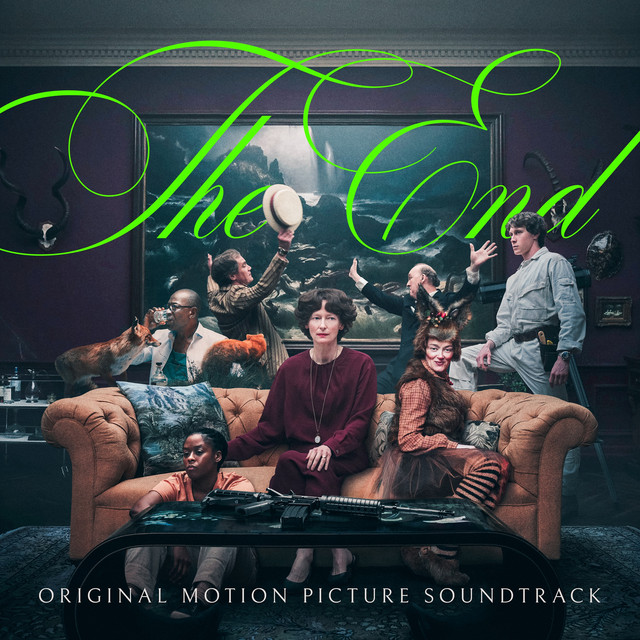
Album Credits
-
FKA twigs · 2025
Producer -
FKA twigs · 2024
Producer -
FKA twigs · 2022
Producer -
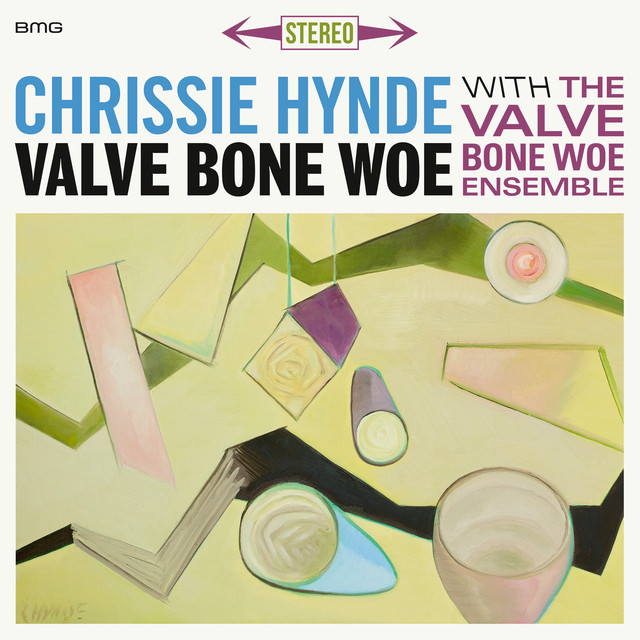
Chrissie Hynde · 2019
Producer -
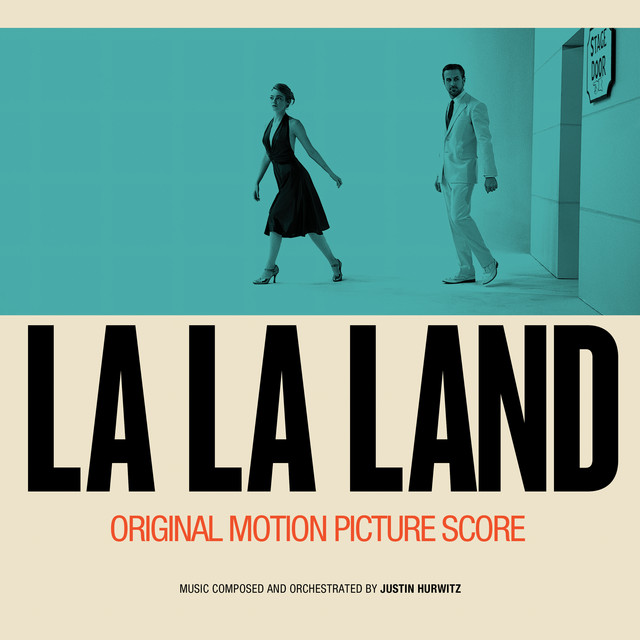
La La Land (Original Motion Picture Score)
Justin Hurwitz · 2016
Producer -

Take All My Loves - 9 Shakespeare Sonnets
Rufus Wainwright · 2016
Producer Recording Engineer -

Madonna & Madonna · 2009
Programmer -
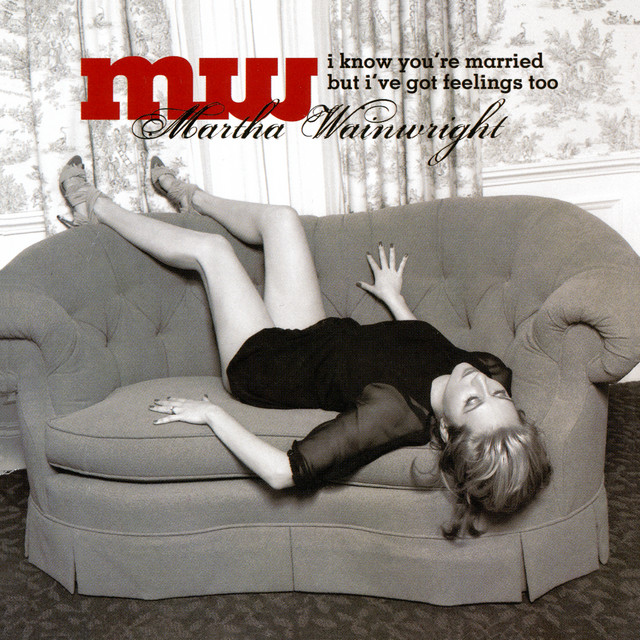
I Know You're Married But I've Got Feelings Too
Martha Wainwright · 2008
Programmer -
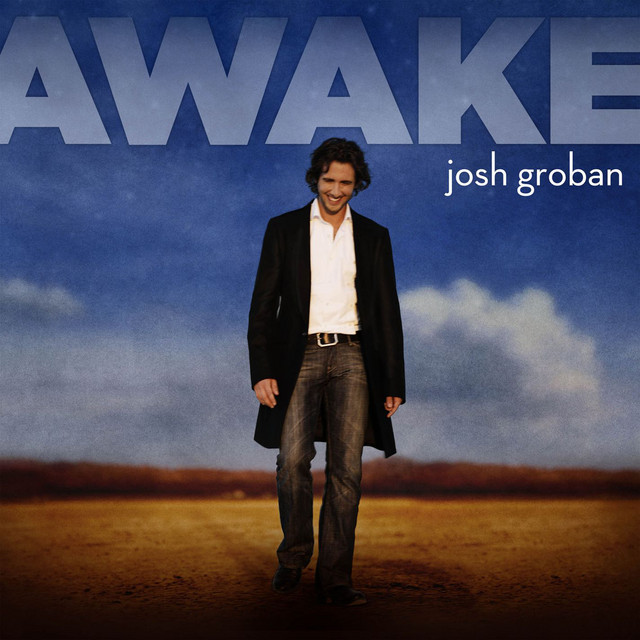
Josh Groban · 2006
Engineer Producer Programmer -
Bebel Gilberto · 2005
Producer -
Rufus Wainwright · 2005
Producer Programmer -
David Gray · 2005
Producer