-s.webp?v=1783495886)
-xl.webp?v=1783495886)
Pricing and availability




* Product prices and availability are updated by Equipboard every 24hrs and are subject to change. Equipboard may receive compensation for purchases made at participating retailers linked on this site. This compensation does not affect what products or prices are displayed, or the order of prices listed. For more information, please refer to our affiliate disclosure.
Description
From Wikipedia, the free encyclopedia (Apr 2023)
Fender Telecaster
Manufacturer: Fender
Period: 1950–present
Construction: Body type Solid Neck joint Bolt-on Scale 25.5 inches (647.7 mm)
Woods Body: Alder, Ash, Poplar, Pine, Basswood Neck Maple Fretboard Maple, Rosewood, Pau ferro
Hardware Bridge: Proprietary "Ashtray" or modern style with string through or top load strings. Since 2017 the Professional Series Teles feature a clip- on partial bridge cover. Pickup(s) Traditionally two single-coils Other pickup configurations are available
Colors available 2 or 3-or maple color sunbursts Shades of blonde (translucent earth tones) sonic blue, red, surf green, yellow, wine red.
The Fender Telecaster ...colloquially known as the Tele /ˈtɛli/,[1] is an electric guitar produced by Fender. Together with its sister model the Esquire, it is the world's first mass-produced, commercially successful[note 1] solid-body electric guitar. Its simple yet effective design and revolutionary sound broke ground and set trends in electric guitar manufacturing and popular music.
Introduced for national distribution as the Broadcaster[2] in the autumn of 1950 as a two-pickup version of its sister model, the single-pickup Esquire, the pair were the first guitars of their kind manufactured on a substantial scale. A trademark conflict with a rival manufacturer (Gretsch Broadkaster) led to the guitar being renamed in 1951. Initially, the Broadcaster name was simply cut off of the labels placed on the guitars (leading to a limited run of nameless guitars known as "No-casters") and later in 1951, the final name of Telecaster was applied to the guitar to take advantage of the advent of television. The Telecaster quickly became a popular model, and has remained in continuous production since its first incarnation.
Videos

Marty Music
Telecaster vs Stratocaster - Which Guitar Do You like More?
Telecaster vs Stratocaster - Which Guitar Do You like More?
Marty Music

Player Series Telecaster Demo | Fender

Fender
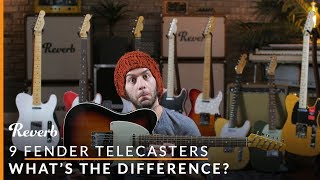
9 Fender Telecasters: Player vs Performer vs Professional vs Vintage and More | Reverb

Reverb

If You Could Only Have One Guitar, It Should Be This (Fender Telecaster)

Rhett Shull
Top 5 Things that Make a Fender Telecaster Awesome

intheblues

American Performer Telecaster | American Performer Series | Fender
Fender
Fender American Standard Telecaster 3-Tone Sunburst | N Stuff Music

N Stuff Music

You Only Need ONE Guitar For ALL Genres (Fender Telecaster)

Joey Jones
2019 Fender LTD Daybreak Telecaster Olympic White

Casino Guitars
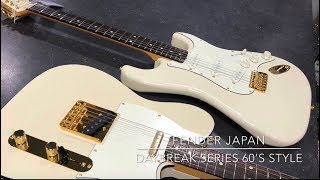
Fender Japan Daybreak Series The Sisters Strat and Tele

Robin Smith
FENDER MIJ DAYBREAK DEMO //// EVERYDAY GUITARIST

Everyday Guitarist
CASHMUSICAL - Fender Telecaster "All Black Beauty"

Cashmusical TV
New Fender Guitar Day! CME Exclusive Telecaster! It's Pink!

BrianS
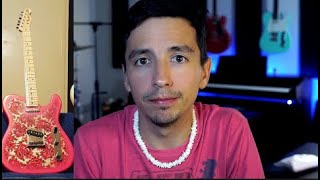
Would I rebuy this guitar? Episode 21: Fender Pink Paisley Telecaster

Audiomo Music
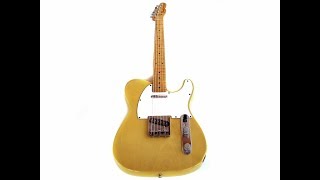
1985 Fender Telecaster

wutzdog001guitars
Reviews
Owner Insights
We analyzed real musician discussions from forums and Reddit to find what players love, question, and tweak about Fender Telecaster.
Build quality
-
Higher-priced Fender models are noted to use better wood selections, which can impact weight and aesthetic appeal, such as the wood grain detail.
Source -
The American Professional II Telecaster offers a sculpted neck joint for better access to higher frets, differentiating it from other models.
Source
Features and functionality
-
The Player Telecaster's exclusive colors, like the lake placid blue, add unique aesthetic appeal distinct from standard finishes.
Source -
The Player Plus Telecaster includes noiseless pickups, which are described as vertical humbuckers differing from traditional single coils, impacting tonal character.
Source -
The Player Plus neck has a 12" radius, offering a flatter and potentially faster playing surface compared to the Player's 9.5" radius.
Source
Comparisons
-
Older G&L Tribute models are seen as superior to post-2019 versions, offering better wood quality and build for slightly higher prices.
Source -
The Performer is essentially an American-made version of the Player series with upgraded pickups and electronics, distinguishing it from the more premium Professional line.
Source -
The Player Plus Nashville Telecaster includes a middle pickup, emulating a Stratocaster sound, providing versatility in tonal options.
Source
Value and pricing
Mods and upgrades
Setup and maintenance
User experience
-
Owners frequently mention the importance of trying different models in-store to experience the neck feel and fretwork, as these can significantly vary even within the same model line.
Source -
One user shared that the Player Telecaster made them fall in love with the Tele sound, leading them to consider more premium models later on.
Source
4.5 out of 5
Based on 77 Reviews and 584 Ratings

101
My telecaster is nicknamed Belyash. Мой телекастер по прозвищу Беляш
ENG: A very good guitar that fits any genre, even if it's metal or classic rock. The guitar is completely made of maple, the neck is lacquered. The guitar has standard single pickups. RUS: очень хорошая гитара которая подходит под любые жанры, играй хоть металл хоть классический рок. Гитара полностью сделана из клёна, гриф лакирован. У гитары стандартные сингловые звукосниматели.
Preferred Settings + Usage:
RUS: Просто выкручиваю Tone и Volume на максимум и играю в стандартном строе. ENG: I just turn the Tone and Volume up to the maximum and play in the standard mode.
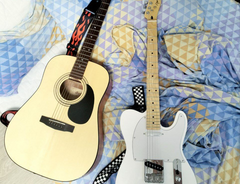

117
“Amos” HH TIDEPOOL Telecaster
My first electric guitar. As a country musician at a low level of skill, I originally looked at a tele with single coils but decided on this one as it works well for most anything due to versatility of the humbuckers. Lovely paint job and one of my favourite guitars for rhythm due to the thinner neck.
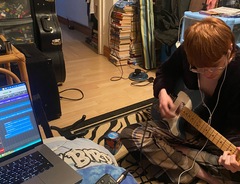

1778
Iconic and versatile
I had a MIM tele for about a year, and used it primarily to play in a jazz band. Kind of an unconventional use for one perhaps, but I think that says a lot about this instrument's versatility. I missed the double cutaways and body contours of a strat, and found the pickups a bit too twangy at times, but that's personal preference. Every guitarist should try one out at some point.

2423
wonderful
My first guitar was a Telecaster. I have done many mods to it, but even when it was not modified, I loved it beyond human thought. The mods I have done are a Harmonica Bridge, Bigsby b5, "Free Rider" Firebird Neck Pickup, Texas Special Telecaster Bridge Pickup, in/out of phase switching, killswitch, and coil split on the neck pickup. It has been worn away by years of use and travel, so there is small splotches of the 3 Tone Sunburst it had before. It is used on most of the 1st half of the 1st&2nd album.
.jpg?v=1778815686)
282
Sturdy and with very few downsides
I have one from the Newen brand (Argentina). Solid wood, Paradinamic microphones, and sturdy pots and switches. The body is made of two-piece Patagonian lenga wood. A marvel.
This review has been translated automatically into English. See original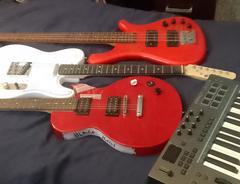

309
An American Classic
What can I say except this guitar is an American classic. A bare-bones guitar with just two pick-ups and minimal parameter settings, the bright and rich sound works for almost any rock genre. Personally prefer it over the fender strat.

250
Fender Telecaster MIM 2009
I love this guitar. The missing star is because of an extra spin on the coil--which gives the tele a brighter sounding high, but also tends to be a little shrill. This is nitpicking, because you can adjust it by turning the volume a tad down, when you don't want this extra high fidelity, or just turn the tone knob a little down. I don't know, a bug or a feature? Discontinued anyhow, and has a special group/thread on tdpri.com. Hm, maybe I should just put '10 strings on it?

107
If you have only one guitar in your life, this is it
You'll hear a lot about vintage guitars and how great they are. The impression given is that a guitar is great because its old. This is not true. I've had many old guitars and many were not great at all. You'll hear that a telecaster should be light or that it should be heavy. You'll often hear about wood and pickups and their originality. But none of that really matters once you own it. All that counts is whether or not its great. and My guitar is not the lightest, it s about 7 pounds which is pretty average for an old tele. Its a body only refinish. Everything else is original. So its not the MOST collectable but still nice to own. But that really counts is that this guitar is one i can't set down. I just love playing it. Its an inspiring guitar that makes me play things I don't play on other guitars. If you've only one guitar in the world. Make it your mission to find a guitar that makes you feel like that and don't ever part with it!!!

41029
for some reason vintage guitars are not treated like vontage wine.... there are good years and bad years for certain brands just like wine, good models and bad models.... and with guitars, not ever specimen of a certain model from a good year is up to snuff.... maybe it was great from the factory and fell into disrepair or maybe its a badone that just barely avoided getting labeled a factory second. The 'vintage' guitar market has gone nuts because its full of amatures and speculators who don't know good from bad and don't play enough (if they play at all) to have strong personal preferences. I have played great vintage guitars that were not my cup of tea, so their value to me was $0, right?! Because I am a player. If I don't make great music with it and feel inspired then its just a collectible hunk of wood.

210
143
Country Standard
It’s all Fender original equipment. Standard tuning. Used primarily as my rhythm electric, and as my lead guitar for Country (pre ‘80’s because Nashville pop country sucks!!!), Americana, Ameripolitan, or anything else that calls for twang.
Artist usage
Add artist

In this photo Kurt Cobain can be seen playing his custom painted Fender Telecaster.

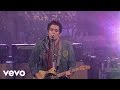
John can be seen playing a Tele for his song "If I Ever Get Around to Living" on "Live on Letterman".

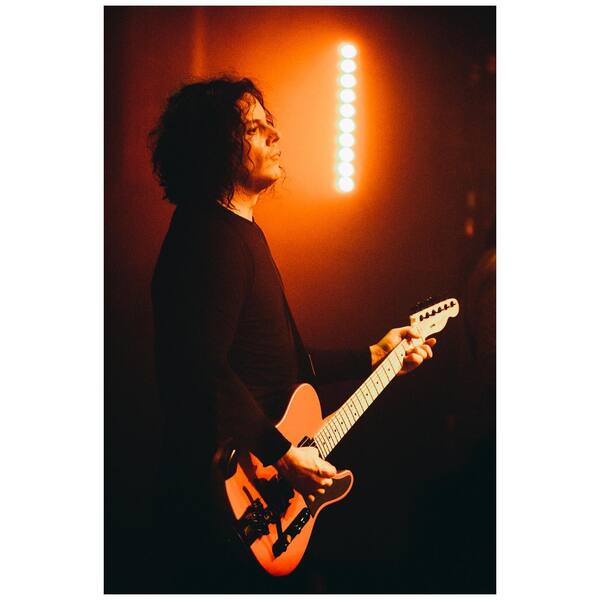
Jack White has been playing this guitar on his current tour with the Raconteurs...anyone in the Equipboard community know more? Looks like a custom made or heavily modified Tele.

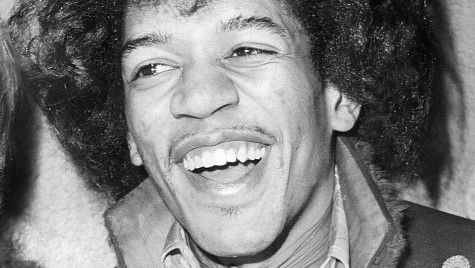
A borrowed butterscotch blonde Telecaster was used for the Octavia-laden guitar solos on "Purple Haze" and "Fire", as told by Hendrix's tech Roger Mayer in this July 6, 2021 Guitar Player interview.
When did Jimi Hendrix first use your Octavia in the studio?
The recording occurred after a gig at the Ricky Tick in Hounslow [on February 3, 1967.] That was one of Jimi’s early gigs that had been booked on the strength of the success of “Hey Joe” [released in the UK in December 1966].
It was a small, upstairs venue above a bunch of shops in Hounslow, London. I guess it was maybe a 200-seater venue. It was a small club – what they called an R&B club back then – and it had a low ceiling because it was on the second floor of this parade of shops. It was just a big room, really. I reckon the overall height was no more than about ten feet. So, by the time you had a stage and a drop ceiling, there wasn’t much room. I mean this ceiling was almost touching Jimi’s hat!
Being one of Jimi Hendrix’s earliest UK performances, how did the audience react?
The crowd went absolutely mad. Because nobody had ever seen anything like it. Especially the performance side of it. Jimi was doing his stuff – turning his back on the audience and playing his guitar behind his head and round his back and putting it between his legs like he’s fucking the amp with it. You know, the normal sexual antics of Jimi playing. So, he wasn’t thinking twice about his performance, and in the heat of the moment his guitar just went up and straight through the ceiling. [laughs]
What happened to the guitar?
Well, when he put his guitar through the ceiling, he bent one of the machine heads. Obviously, he was playing a Strat upside down, and the top E tuner got bent. That meant he couldn’t keep the guitar in tune properly. This was in the early days, and he only had this one guitar with him at the gig. And the problem was we’d arranged to go to Olympic Studios afterwards to record the solos for “Purple Haze” using my Octavia.
How did you first become involved with Jimi Hendrix?
Jimi had first heard the Octavia about a week before at the Chislehurst Caves gig [in Bromley, UK]. I went backstage into the dressing room, and he played around with it using a practice amp. He said, “This is perfect for my new upcoming single.” He’d already recorded tracks for these upcoming songs, “Purple Haze” and “Fire”. The basic tracks were already done.
So, at Chislehurst, we’d arranged that I’d bring along the Octavia to the Ricky Tick and meet up with Jimi, then go to Olympic Studios’ Studio One with him after the gig to record the solos. I brought along my Octavia and a booster.”
But Jimi Hendrix suddenly had no working guitar?
“He only had one guitar at the gig – this Strat he was using – and he’d just broken it. So, on the way to Olympic, we had to dispatch Noel [Redding] off to get another one. I went in my own car, Jimi went with [Gerry] Stickells, and Noel went off in a taxi to get another guitar.
What guitar did Noel Redding come back with?
It was a regular ‘butterscotch’ [blond] Tele, and I’m pretty sure it had a maple 'board. I think it belonged to a friend of Noel’s that he used to play with. That was the only guitar we could get.
What else do you recall about Jimi Hendrix using that Telecaster?
The “Purple Haze” solos were played on the upper part of the neck and Jimi wasn’t intending to use a vibrato, so it didn’t really matter that it was a Telecaster. The sound of a Tele on the bridge pickup is similar to a Stratocaster in many ways. I mean it’s not worlds apart if you’re playing in the upper register. Plus, with the effects Jimi was using it would have been impossible to tell the difference. I mean the Octavia produces so many more harmonics. Perhaps with a Telecaster the sound might have been a little more piercing, but it was a brand-new sound anyway.
Tell us about the Octavia used by Jimi Hendrix in that recording session…
It was a prototype Octavia, so it wasn’t in any form of commercial enclosure. That pedal used the ferrite transformer and circuitry that we moved over to my latest Octavia, the Purple Haze Octavia. It’s a replica of that original circuit, but with some added features.
Going into Olympic Studios with Jimi, we had access to different power supplies, and I brought along an extra circuit to drive the Octavia correctly – a booster I’d made to produce additional gain and change the driving impedance and the EQ. It wasn’t a treble booster though. It was a different form of booster. But I can’t recall if it was germanium or silicon because I was using both at the time.
What was it like watching Jimi Hendrix put the finishing touches to "Purple Haze"?
It was recorded using a four-track, and the solos were done in two or three takes maximum. Everybody’s mind was blown because nobody had ever heard that type of sound before. It really made the song. It’s a very unique tone, and when it was used sparingly it just worked. It was the same thing when he used it that night on “Fire” – he used it very sparingly.
When “Purple Haze” was released, it caused massive waves. I reckon that was the beginning of psychedelia for Jimi.

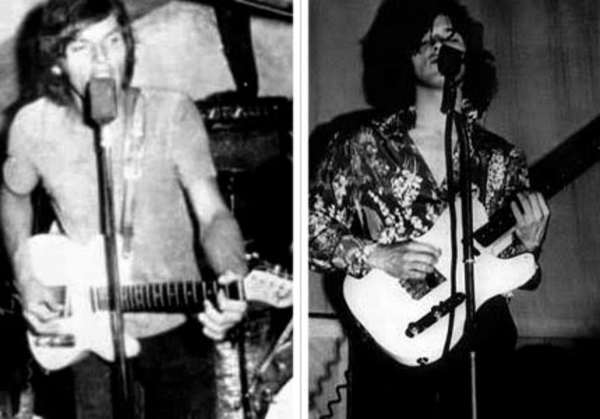
David is seen with a blonde early 1960’s Fender with an ash body, white pickguard and rosewood neck. David told Guitarist in July 1995 how he got the guitar “(…) my parents gave me a Telecaster for my 21st birthday, which was when I was living and working in France.” This is the same guitar David brought with him when joining Pink Floyd in January 1968 and continued to use throughout the spring until an airline company lost the guitar on the band’s tour in the US in July.


This guitar was used for the rhythm part of "Sucker Train Blues".

In the YouTube video titled "The Mystical Journey of Jimmy Page's '59 Telecaster," produced by Fender, Jimmy Page is highlighted using his Fender Telecaster, showcasing its significant role in his musical career.

.jpg)
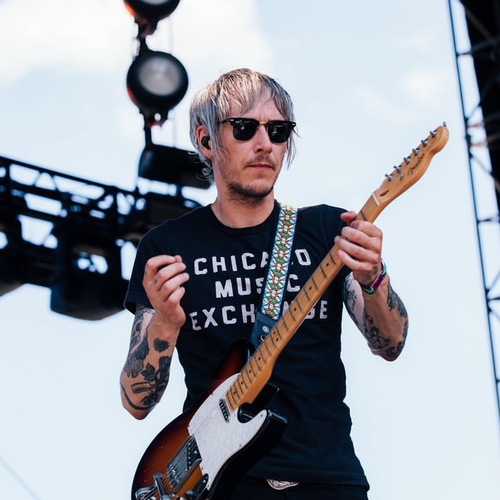
In this photo, you can see James Hetfield with Telecaster.


Alex Turner is seen using a Fender Telecaster in several photos, including in a user-uploaded image above. He also plays this guitar during Arctic Monkeys' cover of "Reptilia," which can be found online.


In this photo, you can see Billie use a yellow Telecaster with Pinhead Gunpowder.

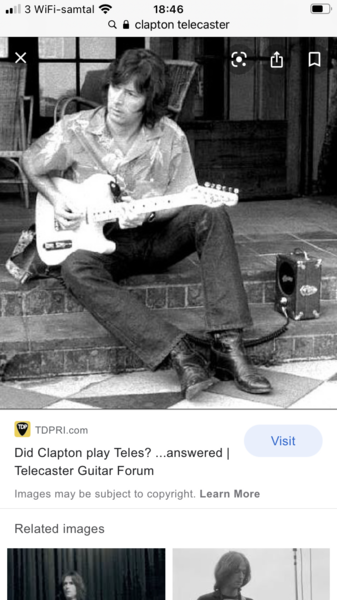
Eric Clapton is seen using a Fender Telecaster, as shown in a user-uploaded photo.


Album Usage
The Fender Telecaster has been featured on the following albums:

WINGS (Deluxe)
Paul McCartney (2025)
Chemistry
Gigi Perez (2025)
Breach
Twenty One Pilots (2025)
The Contract
Twenty One Pilots (2025)
The Dress
Messa (2025)
Weezer 30 (Anniversary Super Deluxe)
Weezer (2024)
Stuck
Like Roses (2024)
Christine's Tune
The Flying Burrito Brothers (2024)
E.W.F.
Andy Timmons (2022)
Music for Four Guitars
Bill Orcutt (2022)
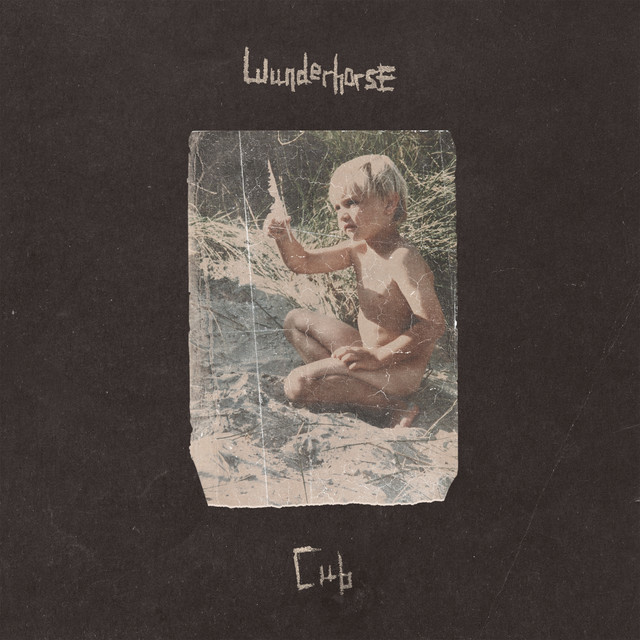
Cub
Wunderhorse (2022)

The Letter
The Box Tops (2021)

Doomin' Sun
Palehound & Bachelor (2021)
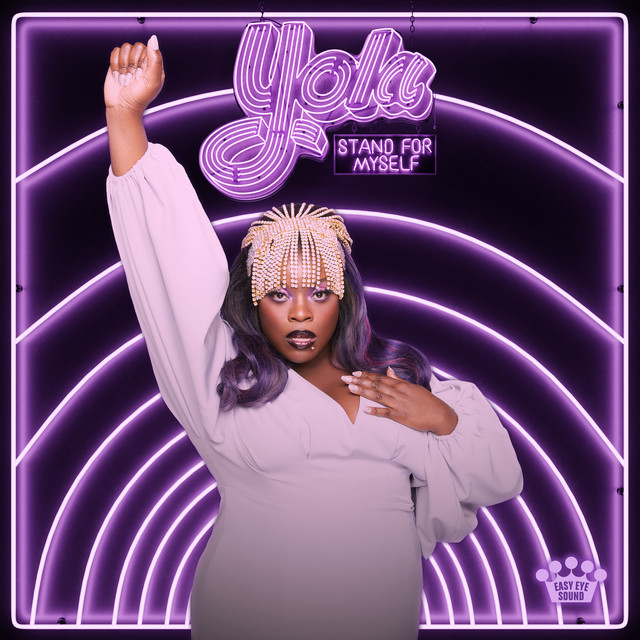
Stand For Myself
Yola (2021)

Pupus
Dewa 19 & Virzha (2021)
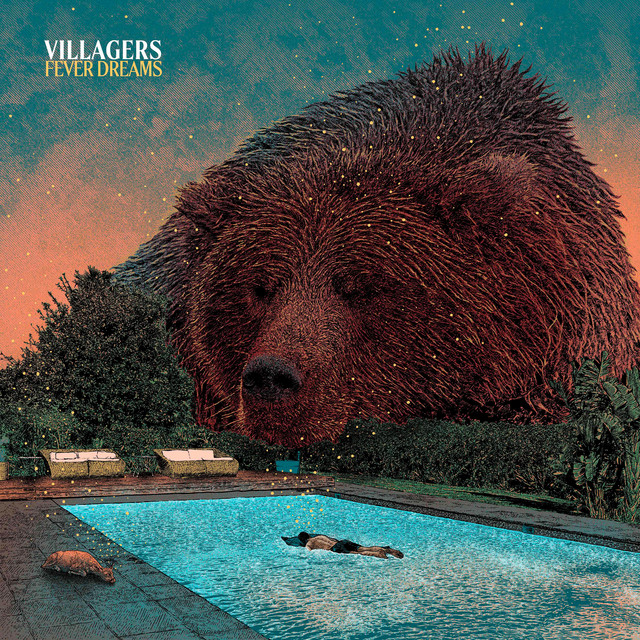
Fever Dreams
Villagers (2021)
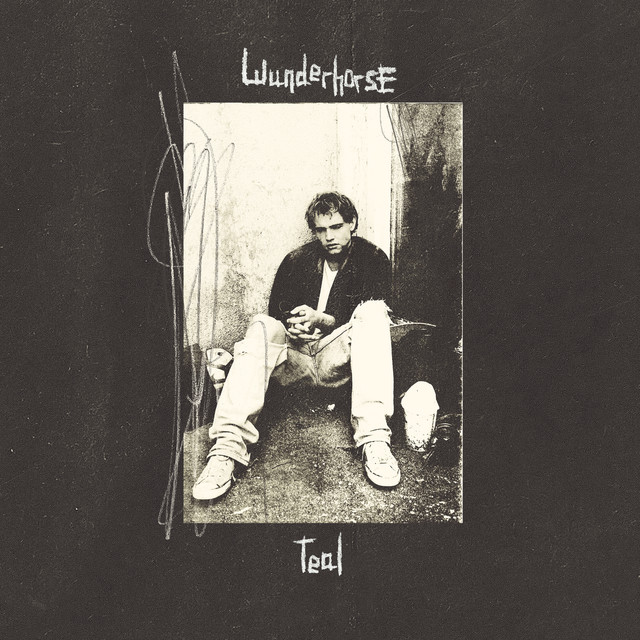
Teal
Wunderhorse (2021)
Ain't That Just Like Me (Live On The Ed Sullivan Show, April 5, 1964)
The Searchers (2020)
Needles And Pins (Live On The Ed Sullivan Show, April 5, 1964)
The Searchers (2020)

The New Abnormal
The Strokes (2020)
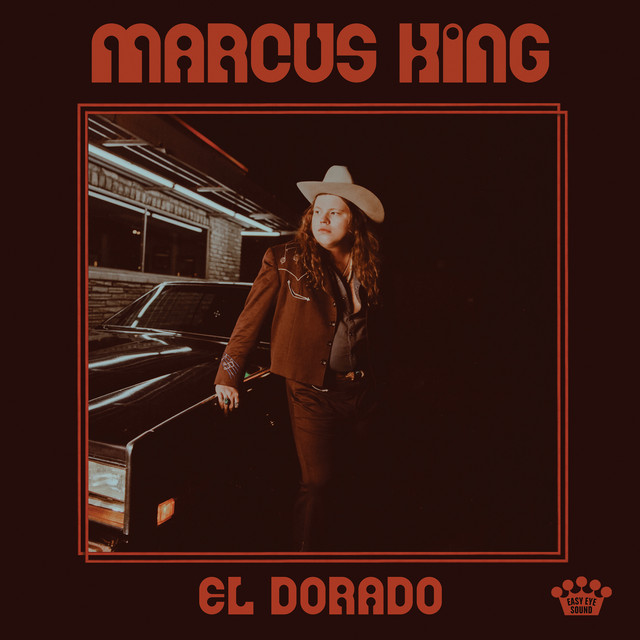
El Dorado
Marcus King (2020)
They Don't Want What We Want (And They Don't Care)
Asking Alexandria (2020)
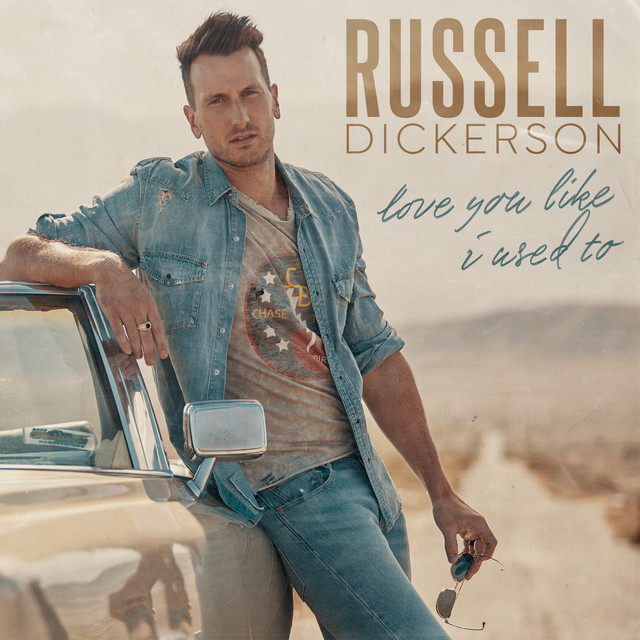
Love You Like I Used To
Russell Dickerson (2020)
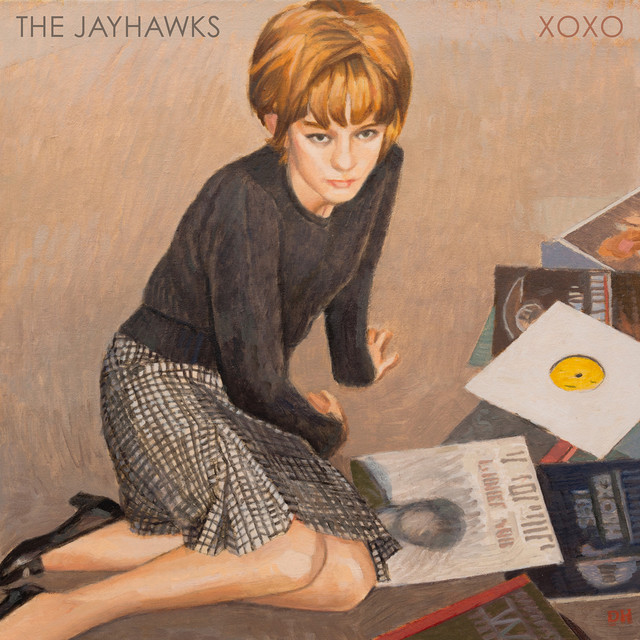
Xoxo
Jayhawks (2020)

Durch den Monsun 2020
Tokio Hotel (2020)
Failures
Katie Malco (2020)
Animal
Katie Malco (2020)
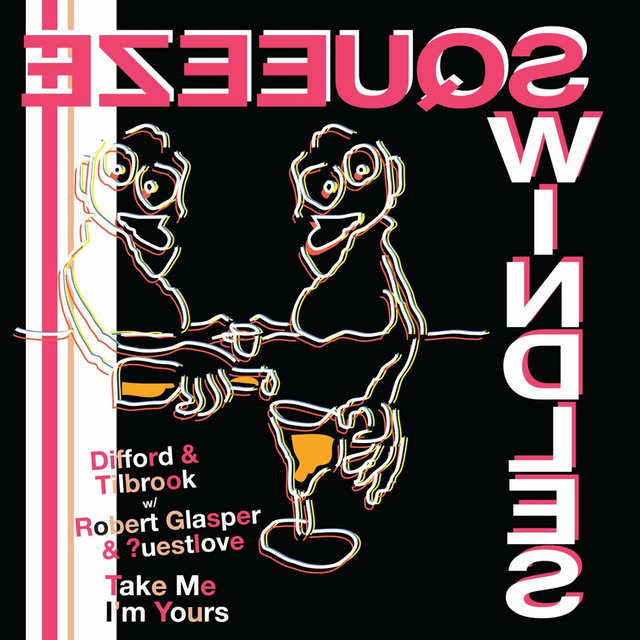
Take Me I'm Yours
Difford & Tilbrook (2019)
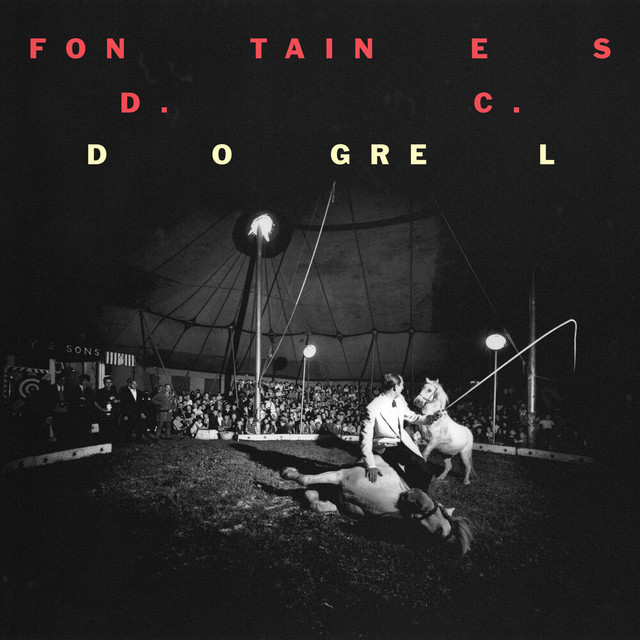
Dogrel
Fontaines D.C. (2019)
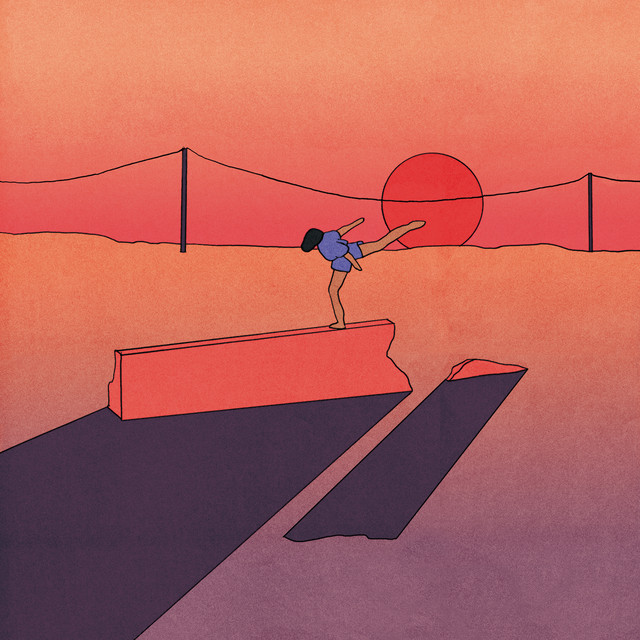
Anak Ko
Jay Som (2019)
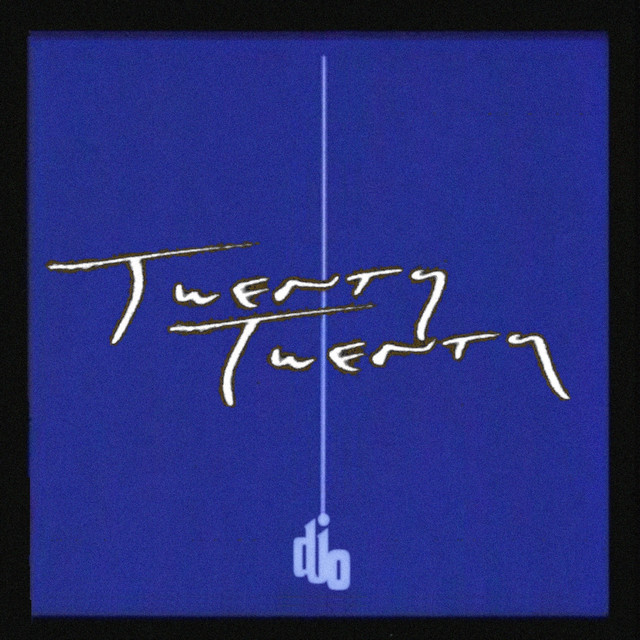
Twenty Twenty
Djo (2019)
Wastelands
Suede & Suede (2018)
Sweets For My Sweet
The Searchers (2018)
Shinebox
CrazyEightyEight (2018)
Tender Offerings - EP
First Aid Kit (2018)
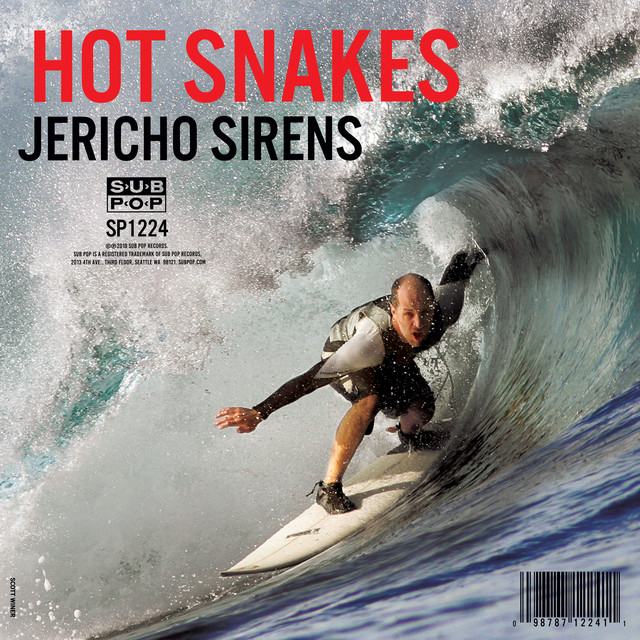
Jericho Sirens
Hot Snakes (2018)
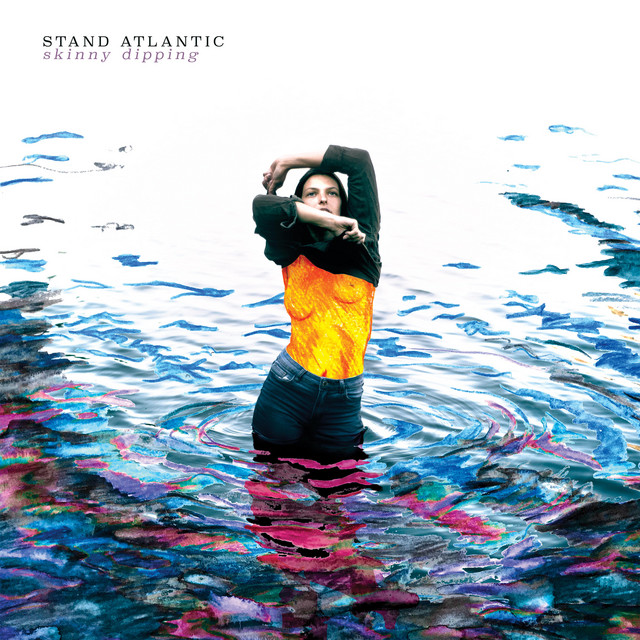
Skinny Dipping
Stand Atlantic (2018)
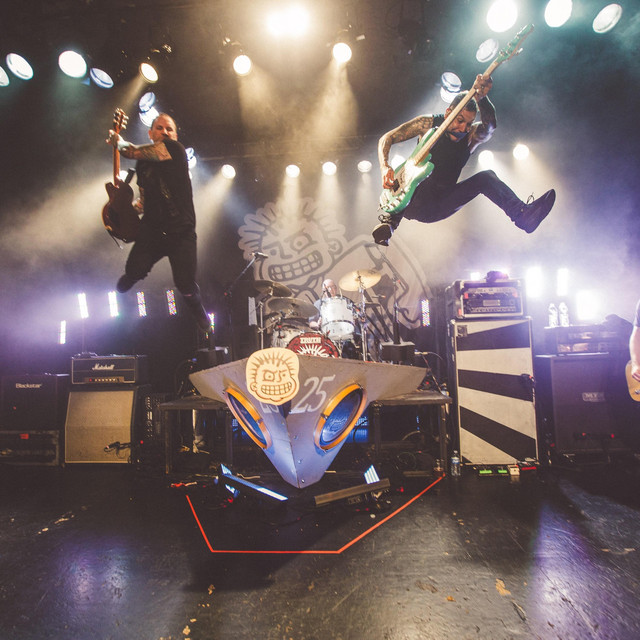
Let's Ride
MxPx (2018)
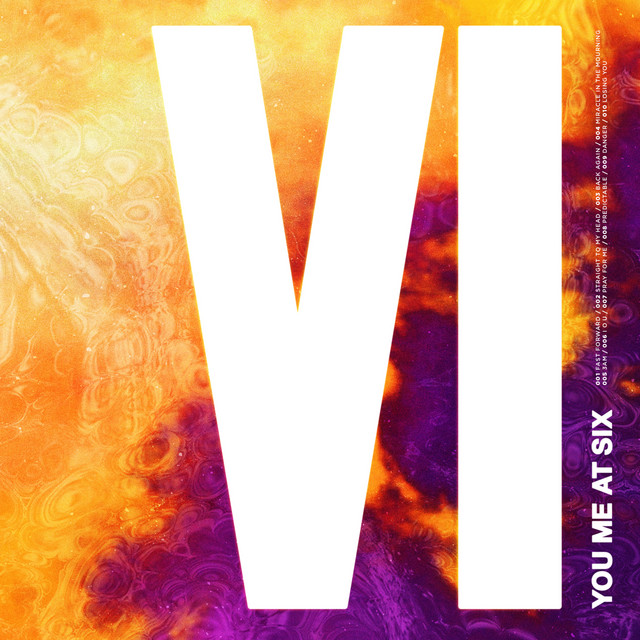
VI
You Me At Six (2018)
Hold to the Light
Brooke Annibale (2018)
Waiting on a Song
Dan Auerbach (2017)
Emperor of Sand
Mastodon (2017)
Life Overseas
Puppet (2017)
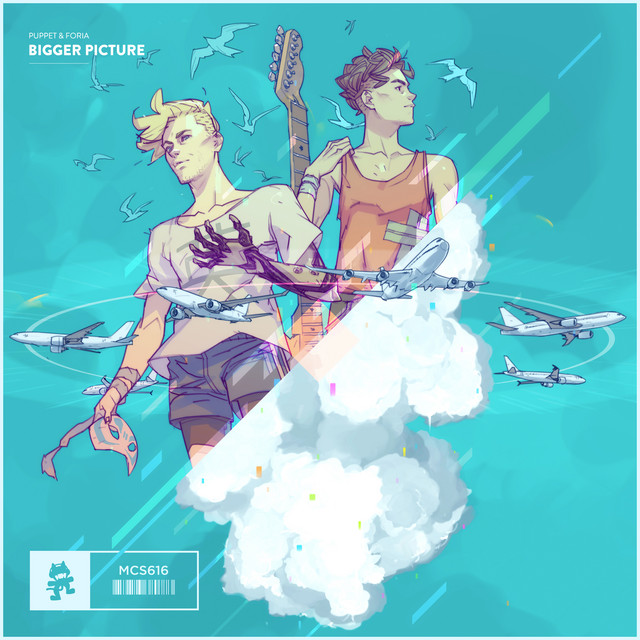
Bigger Picture
Puppet (2017)
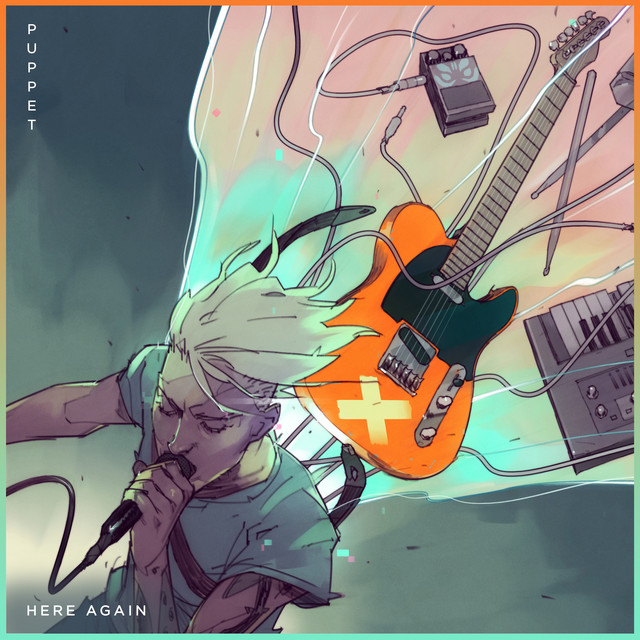
Here Again
Puppet (2017)
Synthwaves
Ulrich Schnauss & Thorsten Quaeschning (2017)
Universal Favorite
Noam Pikelny (2017)
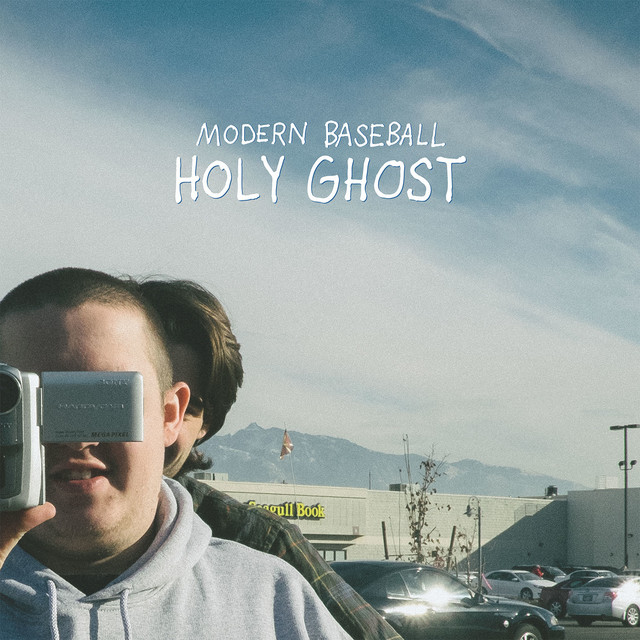
Holy Ghost
Modern Baseball (2016)
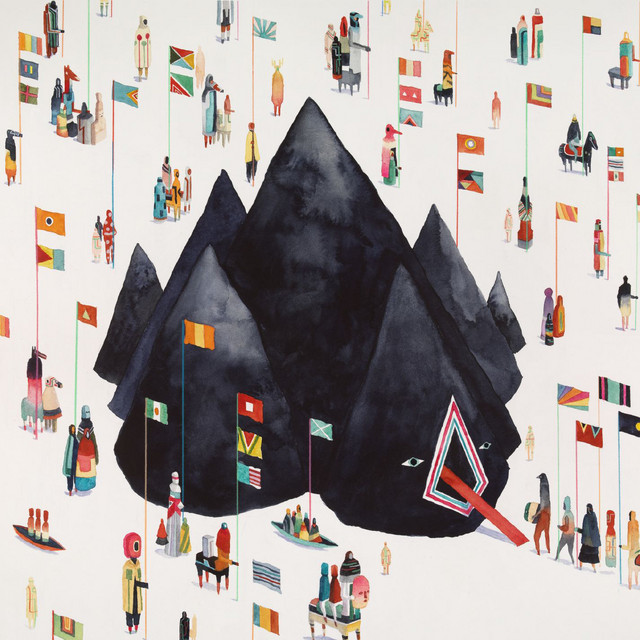
Home of the Strange
Young the Giant (2016)
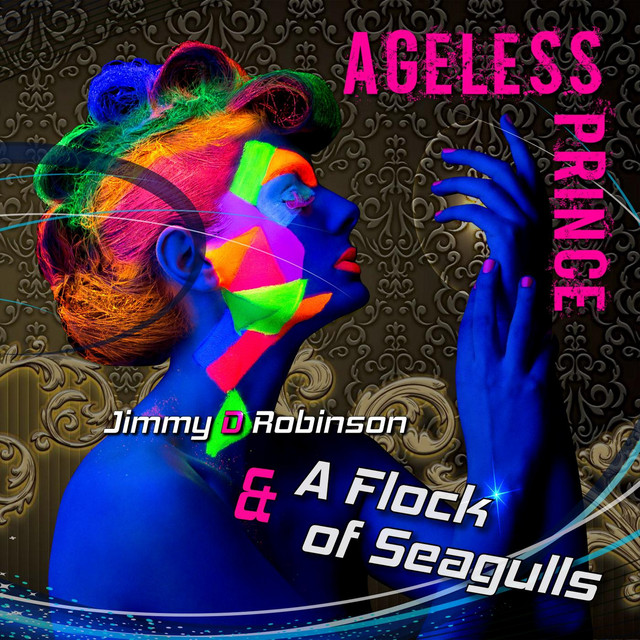
Ageless Prince
A Flock of Seagulls (2016)
![Fender Telecaster as heard on No Way No (feat. Shaggy) [Native Wayne Jobson and Barry O'Hare Remix] by Magic! (2015)](https://images.equipboard.com/uploads/album/image/94757/no-way-no-feat-shaggy-native-wayne-jobson-and-barry-o-hare-remix.jpg)
No Way No (feat. Shaggy) [Native Wayne Jobson and Barry O'Hare Remix]
Magic! (2015)
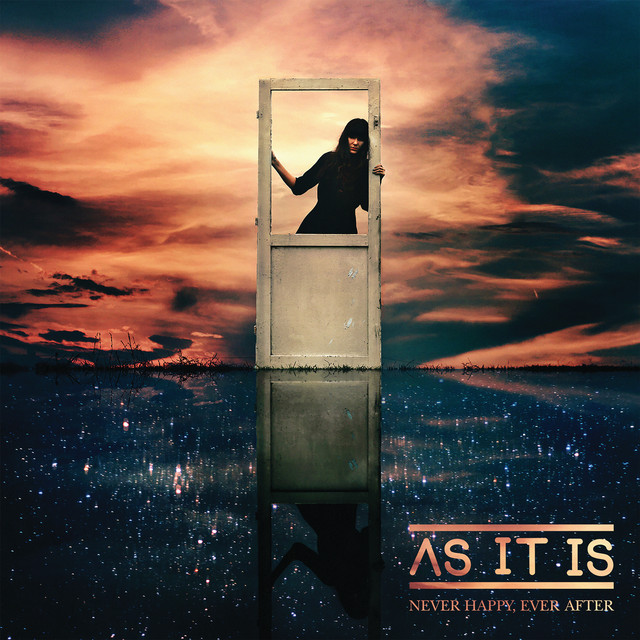
Never Happy, Ever After
As It Is (2015)
The Grace
Neverending White Lights (2015)
![Fender Telecaster as heard on Hello or Goodbye (Remix) [feat. da Karkos] by Jeff LaBar (2015)](https://images.equipboard.com/uploads/album/image/532170/hello-or-goodbye-remix-feat-da-karkos.jpg)
Hello or Goodbye (Remix) [feat. da Karkos]
Jeff LaBar (2015)
Pain Killer
Little Big Town (2014)
A U R O R A
Ben Frost (2014)
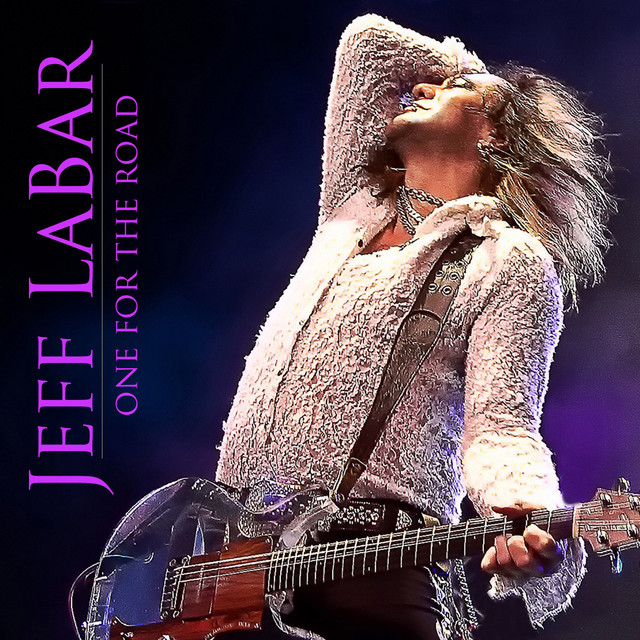
One for the Road
Jeff LaBar (2014)
In Humor And Sadness
'68 (2014)
Baisé D'H
Little Feat (2014)
The Afterman: Deluxe Edition
Coheed and Cambria (2013)

The Afterman: Descension
Coheed and Cambria (2013)
States
The Paper Kites (2013)
The Afterman: Ascension
Coheed and Cambria (2012)

L'Enfant Sauvage
Gojira (2012)

Gioco di Società
Offlaga Disco Pax (2012)

Howl
Beware of Darkness (2012)
Transit Of Venus
Three Days Grace (2012)
The King Of Limbs
Radiohead (2011)
Ever After
Marianas Trench (2011)
Be(lie)ve - Single
While She Sleeps (2011)
The Papas
Spoonboy (2011)
Música Libre
Los Bunkers (2010)

Champ
Tokyo Police Club (2010)

The Art Of Malice
John 5 (2010)
Tubular Bells
Mike Oldfield (2009)
Mehr als (D)eine Frau (Long Cool Woman In A Black Dress)
Allan Clarke (2009)
Long Cool Woman (In A Black Dress) - The Remixes
Allan Clarke (2009)

Calm Before the Storm
Set It Off (2009)
The English Way
Fightstar (2008)

Barrio Estación
Los Bunkers (2008)
Baby You Don't Tripajaharda
Set It Off (2008)
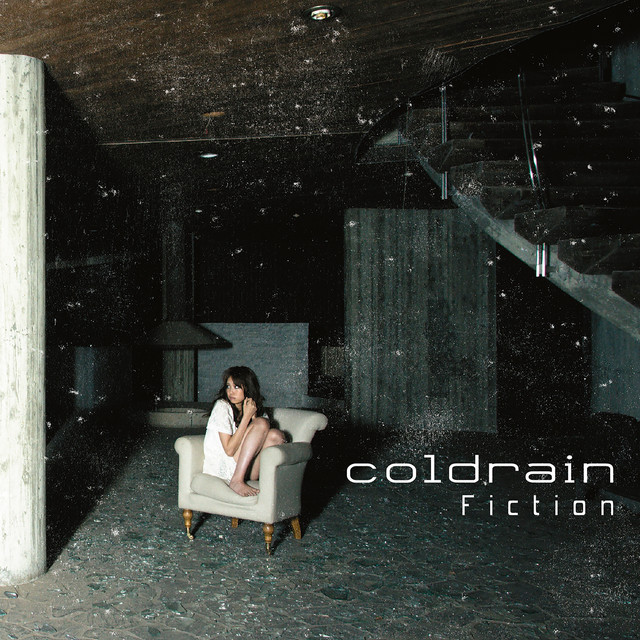
Fiction
coldrain (2008)
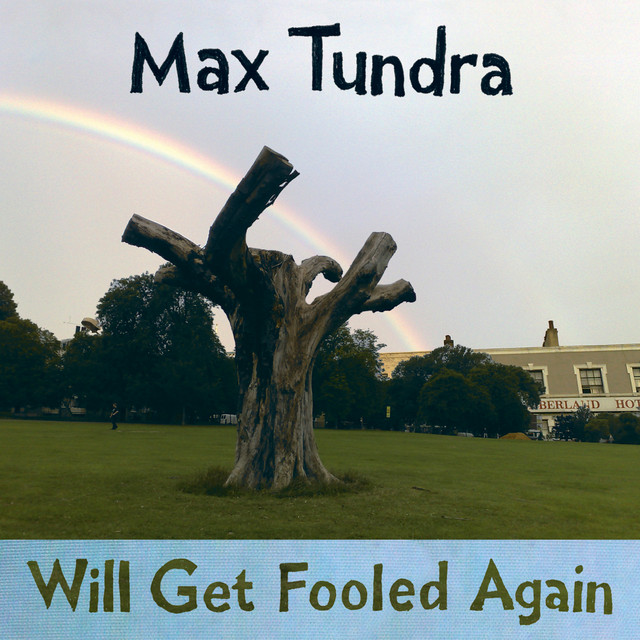
Will Get Fooled Again
Max Tundra (2008)
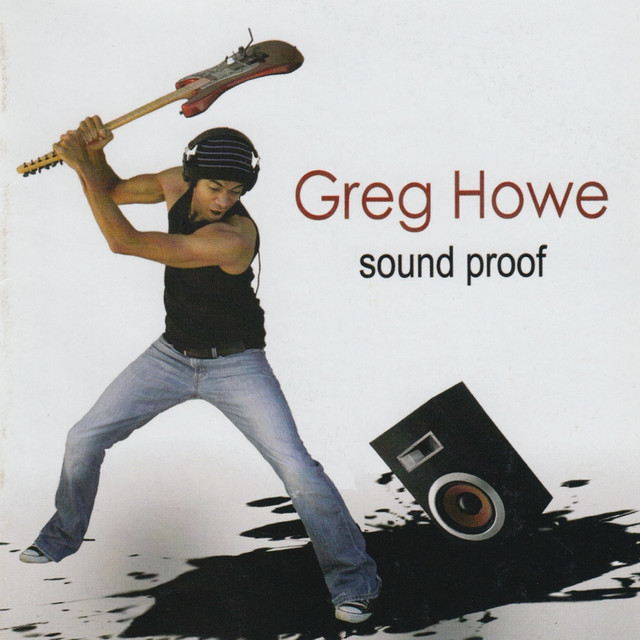
Sound Proof
Greg Howe (2008)

Medicinals
Timber Timbre (2007)
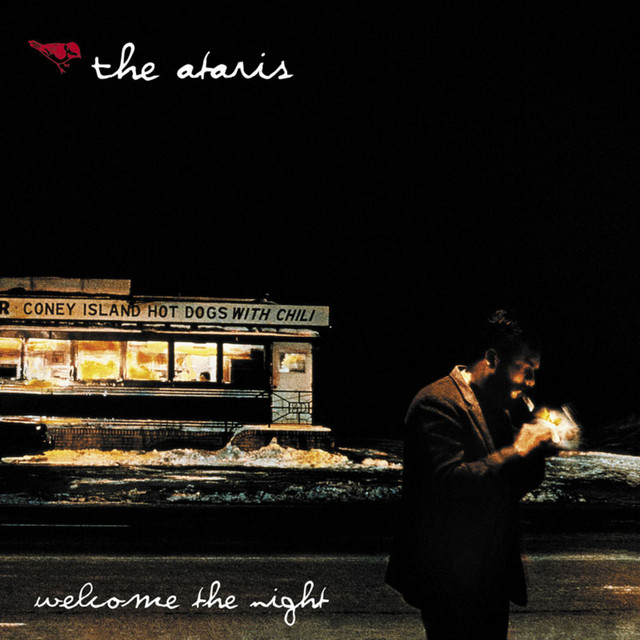
Welcome the Night
The Ataris (2007)
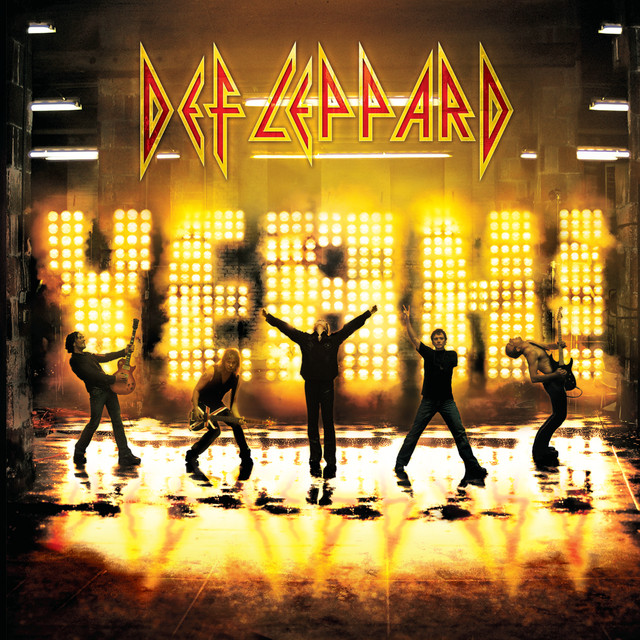
Yeah!
Def Leppard (2006)
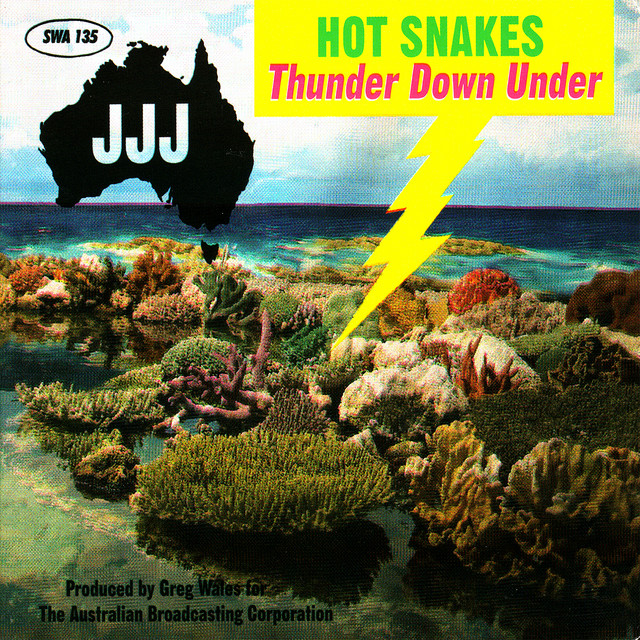
Thunder Down Under
Hot Snakes (2006)

…And The Battle Begun
Rx Bandits (2006)

Perfect Match
Bittersweet (2006)
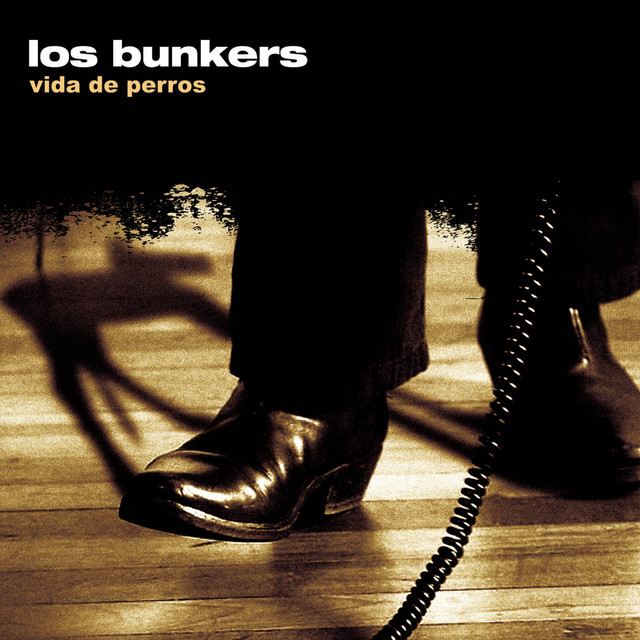
Vida De Perros
Los Bunkers (2005)
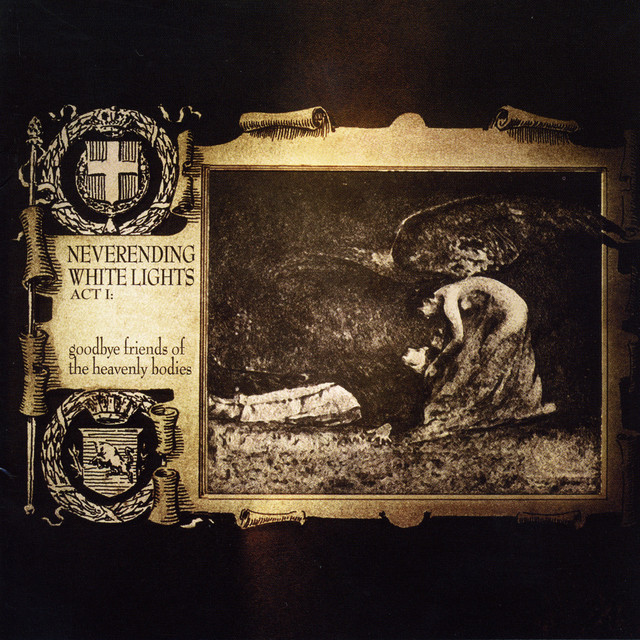
Act I: Goodbye Friends of the Heavenly Bodies
Neverending White Lights (2005)
Thickfreakness
The Black Keys (2003)
Youth And Young Manhood
Kings of Leon (2003)
December
The Moody Blues (2003)
12 Memories
Travis (2003)
Extraction
Greg Howe & Victor Wooten & Dennis Chambers (2003)
Bring It Back
McAlmont & Butler (2002)
Saturate
Breaking Benjamin (2002)

Disease
Matchbox Twenty (2002)
Amnesiac
Radiohead (2001)
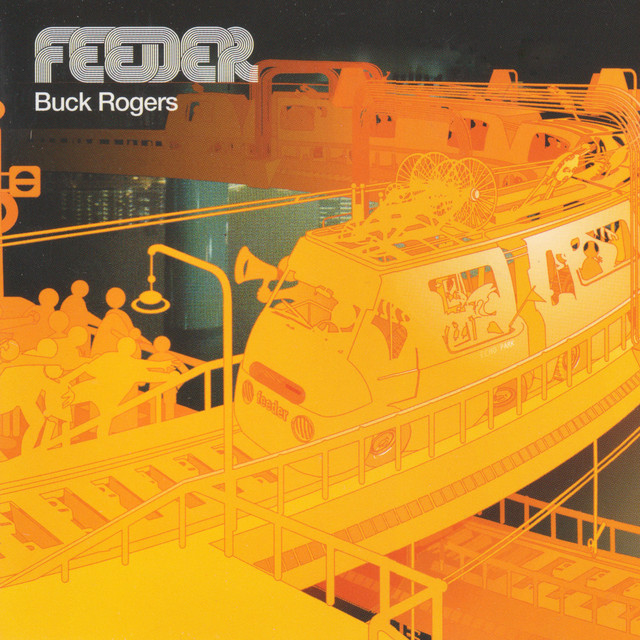
Buck Rogers
Feeder (2001)
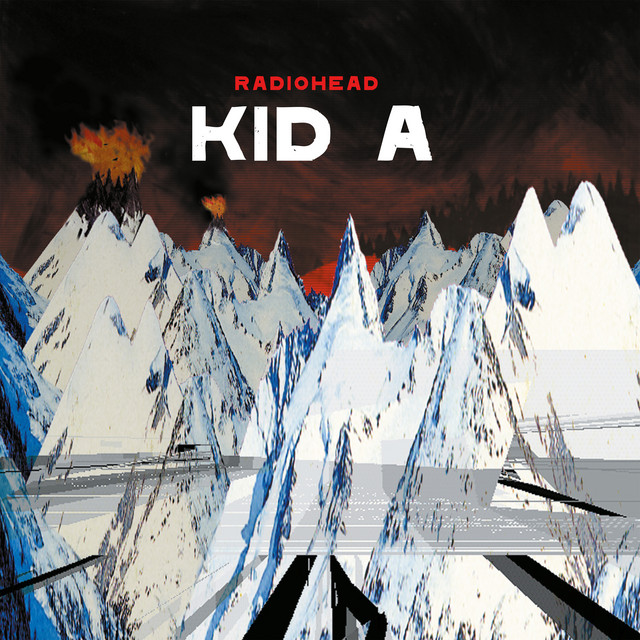
Kid A
Radiohead (2000)
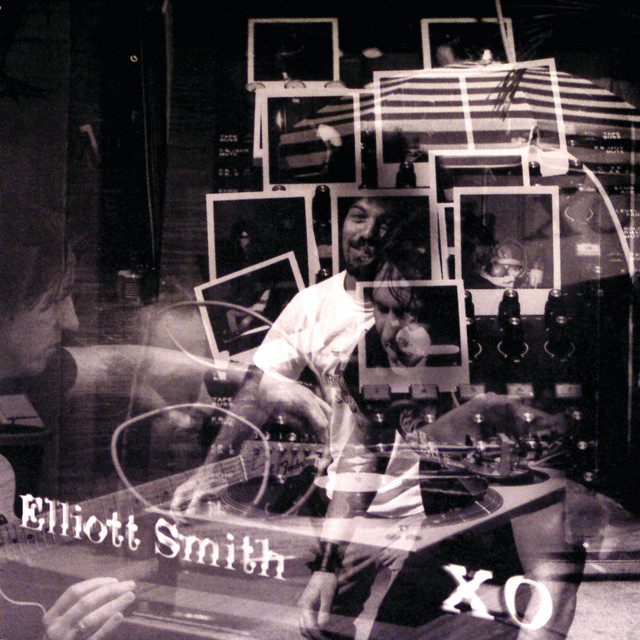
XO
Elliott Smith (1998)
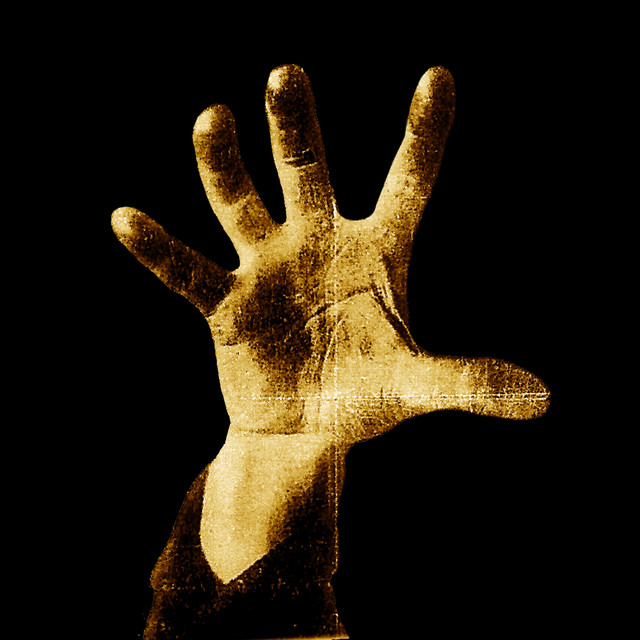
System Of A Down
System of a Down (1998)
Static & Silence
The Sundays (1997)
Pygmalion
Slowdive (1996)
Songs to Fan the Flames of Discontent
Refused (1996)
Above
Mad Season (1995)
Nola
Down (1995)
I've Got a Tiger By the Tail
Buck Owens (1995)
Souvlaki
Slowdive (1994)
No Need To Argue (2025 Remastered)
The Cranberries (1994)
Yank Crime
Drive Like Jehu (1994)

Pablo Honey
Radiohead (1993)
Everybody Else Is Doing It, So Why Can't We?
The Cranberries (1993)
Bend It
Dave Dee, Dozy, Beaky, Mick & Tich (1992)
Woodface
Crowded House (1991)
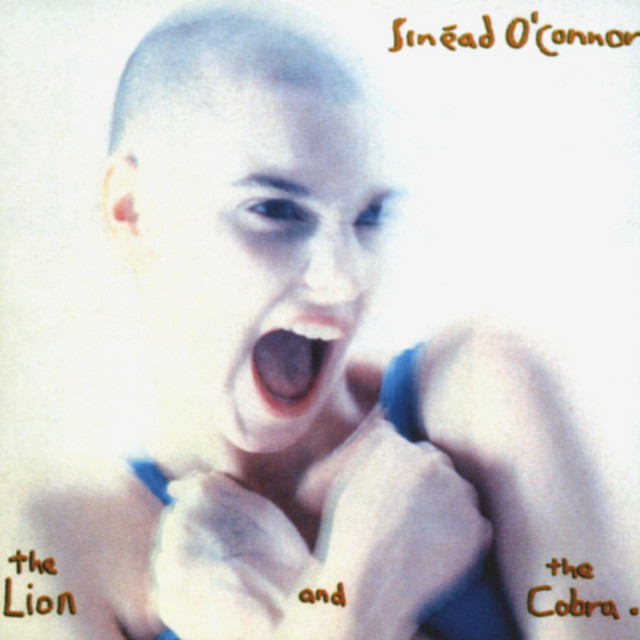
The Lion and the Cobra
Sinéad O'Connor (1987)
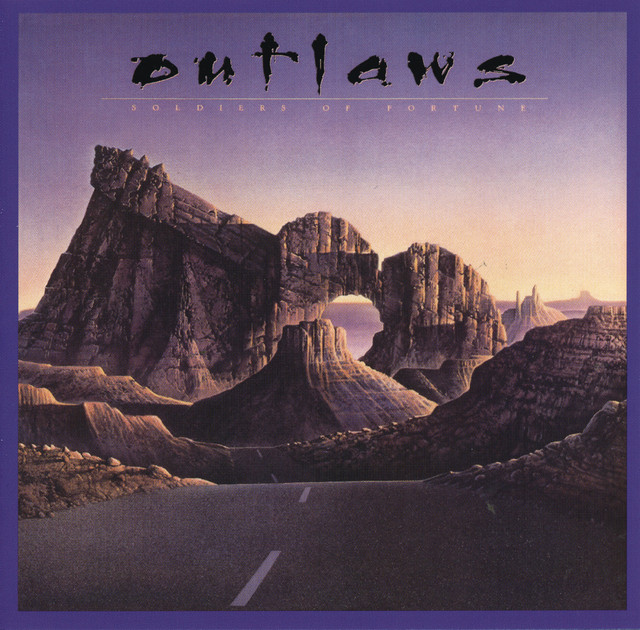
Soldiers Of Fortune
The Outlaws & Outlaws (1986)
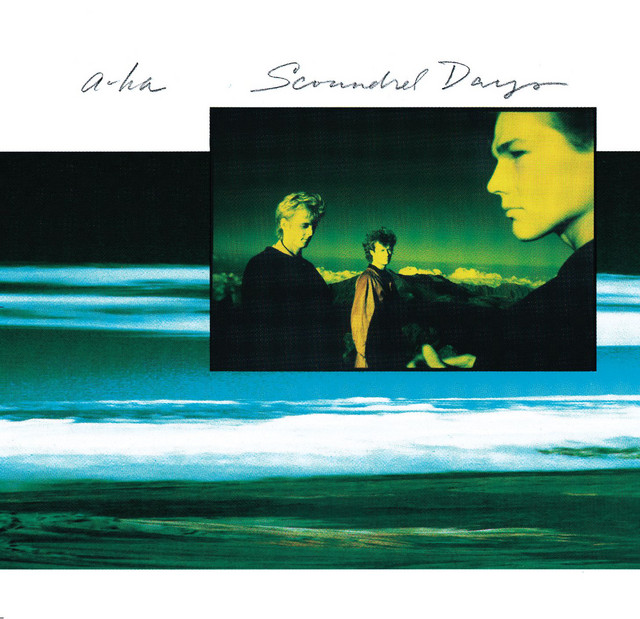
Scoundrel Days
A-ha (1986)
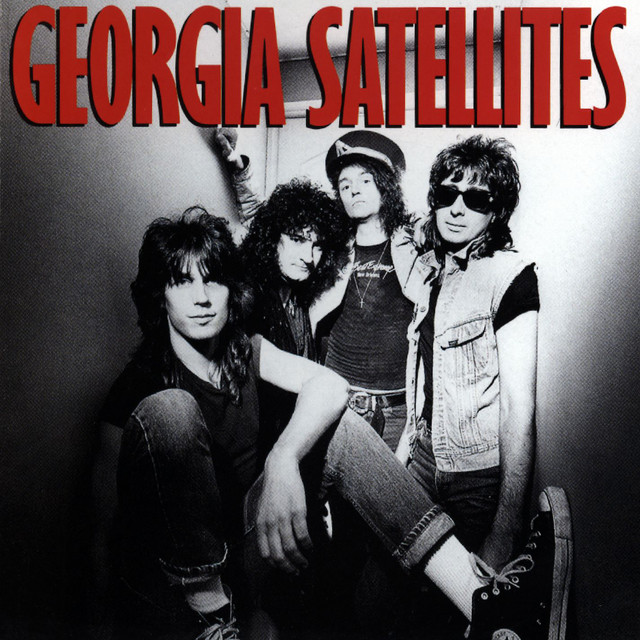
Georgia Satellites
The Georgia Satellites (1986)
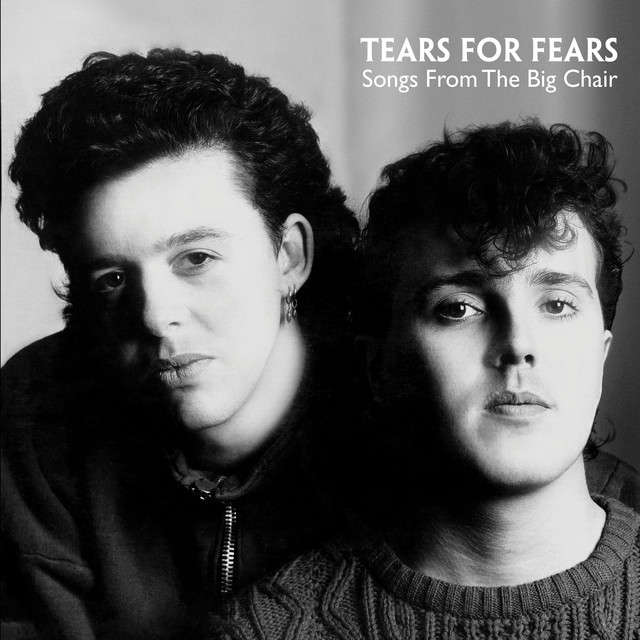
Songs From The Big Chair
Tears for Fears (1985)
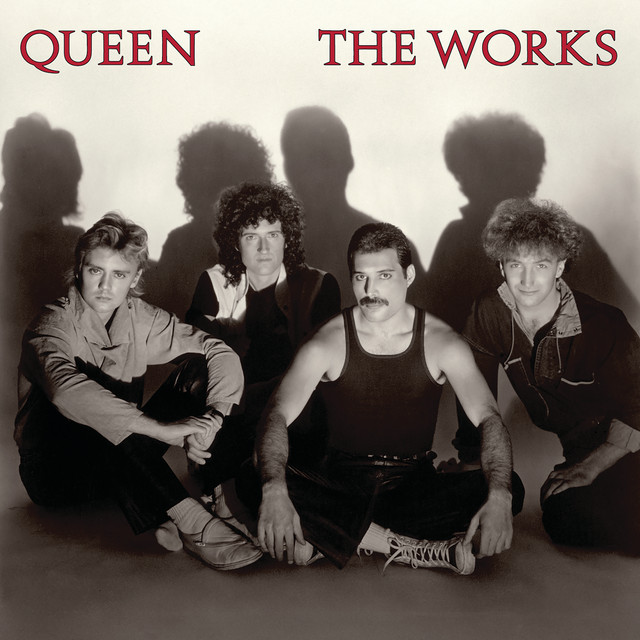
The Works
Queen (1984)
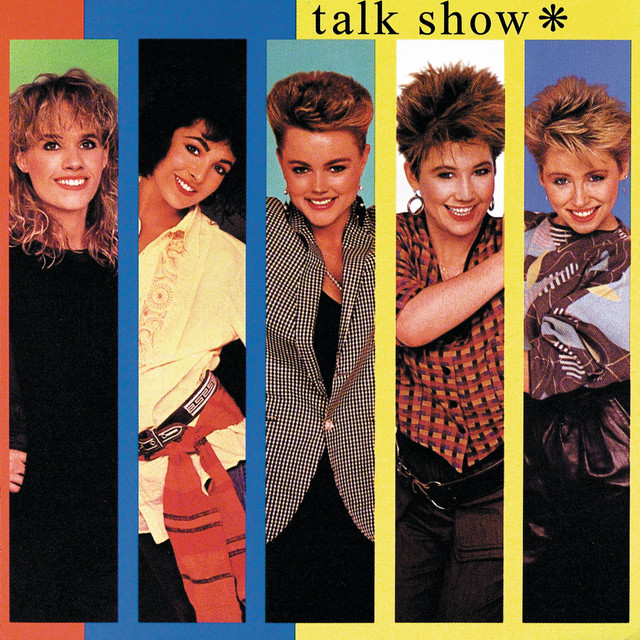
Talk Show
The Go-Go's (1984)
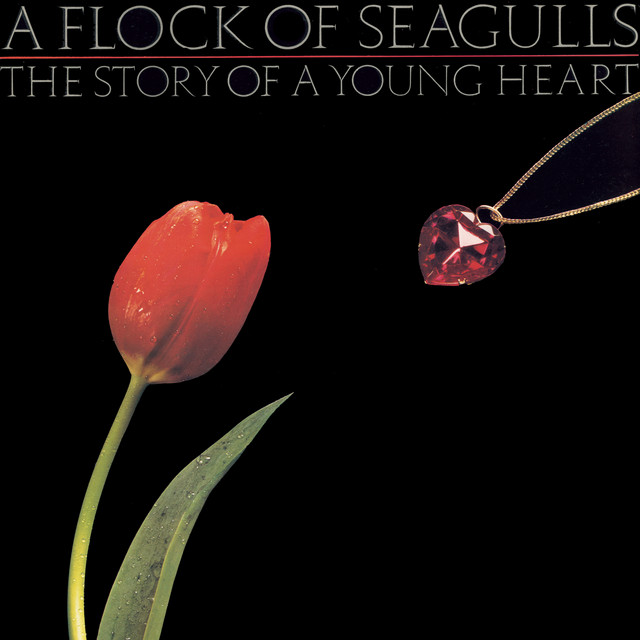
The Story Of A Young Heart
A Flock of Seagulls (1984)
The Hurting
Tears for Fears (1983)
Mesopotamia
The B-52's (1982)
Cut
Golden Earring (1982)
Vacation
The Go-Go's (1982)
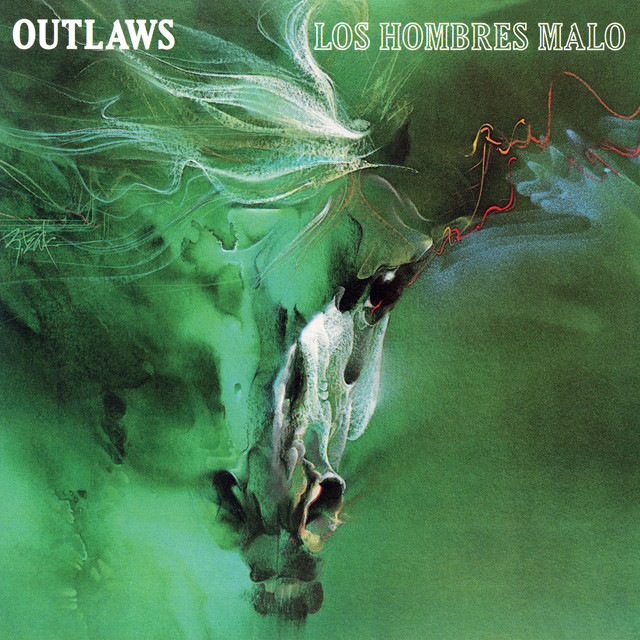
Los Hombres Malo
The Outlaws & Outlaws (1982)
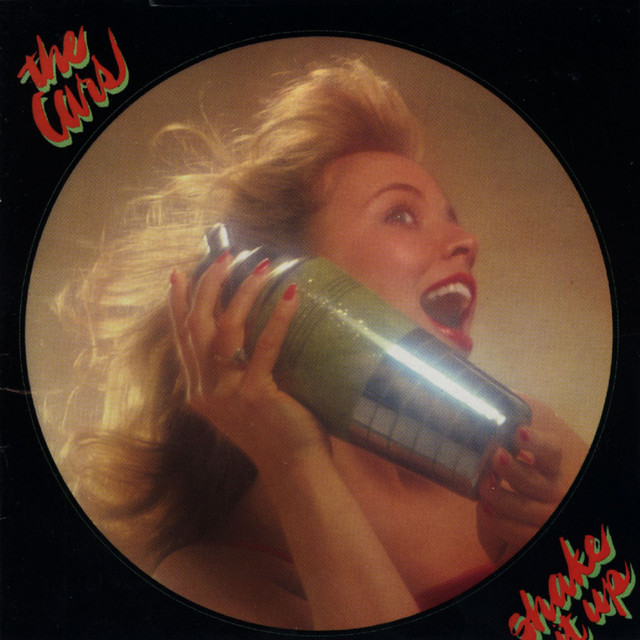
Shake It Up
The Cars (1981)
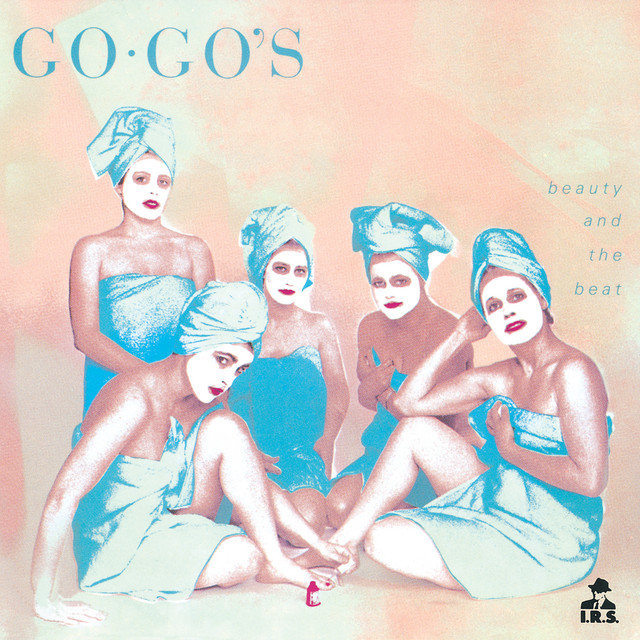
Beauty And The Beat
The Go-Go's (1981)
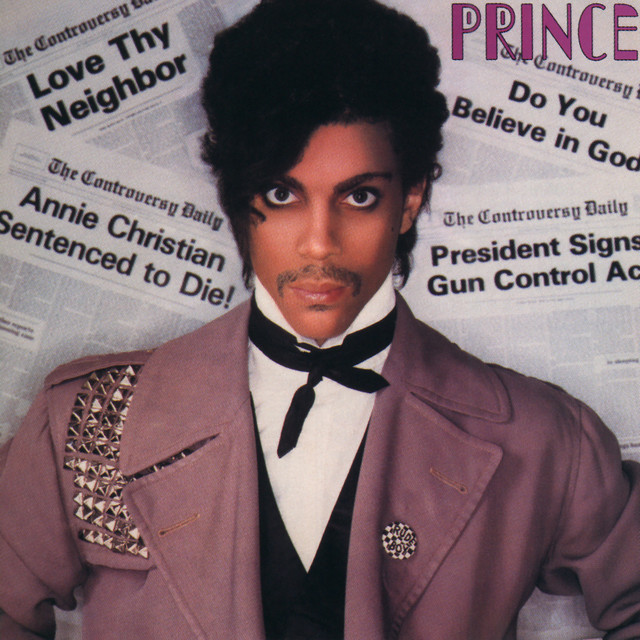
Controversy
Prince & Prince (1981)
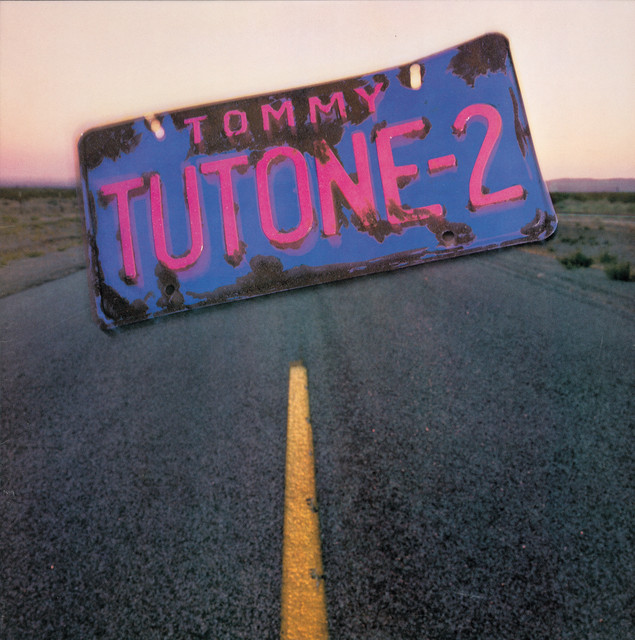
Tommy Tutone - 2
Tommy Tutone (1981)
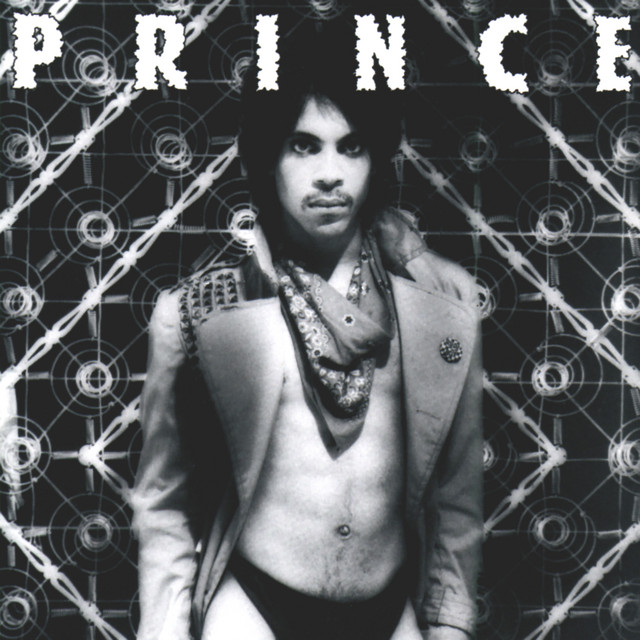
Dirty Mind
Prince & Prince (1980)
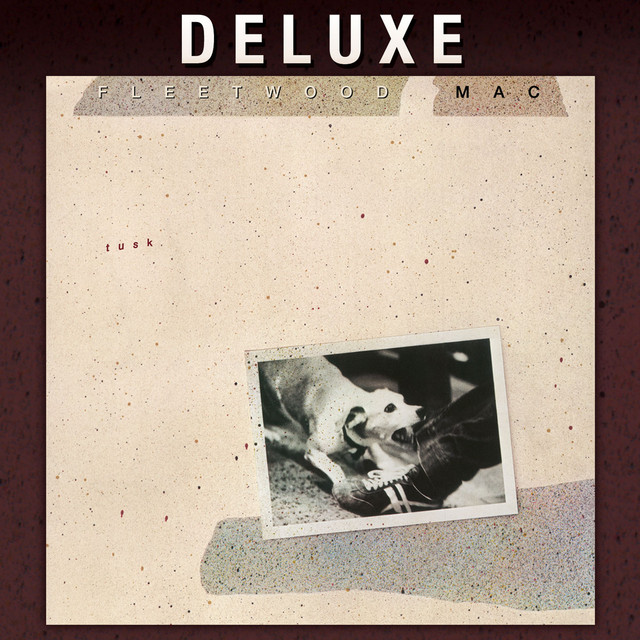
Tusk (Deluxe Edition)
Fleetwood Mac (1979)
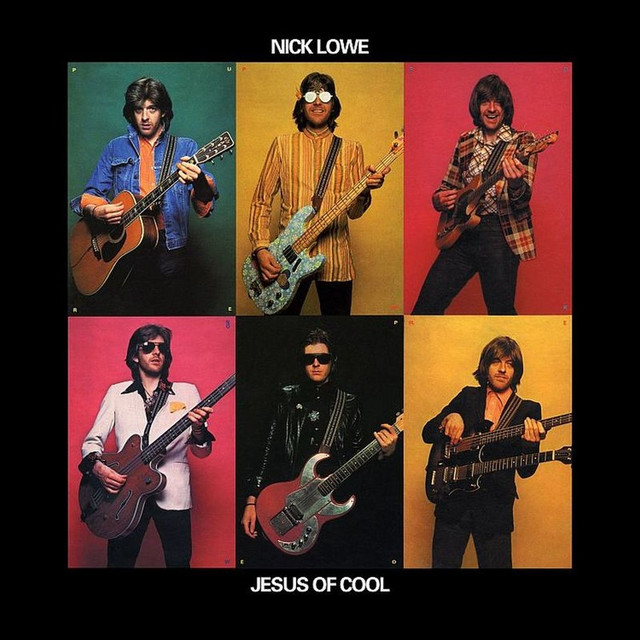
Jesus of Cool
Nick Lowe (1978)
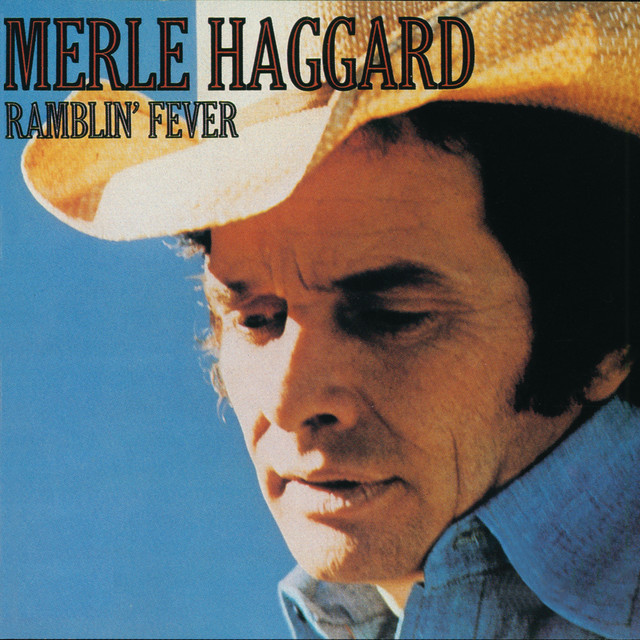
Ramblin' Fever
Merle Haggard (1977)
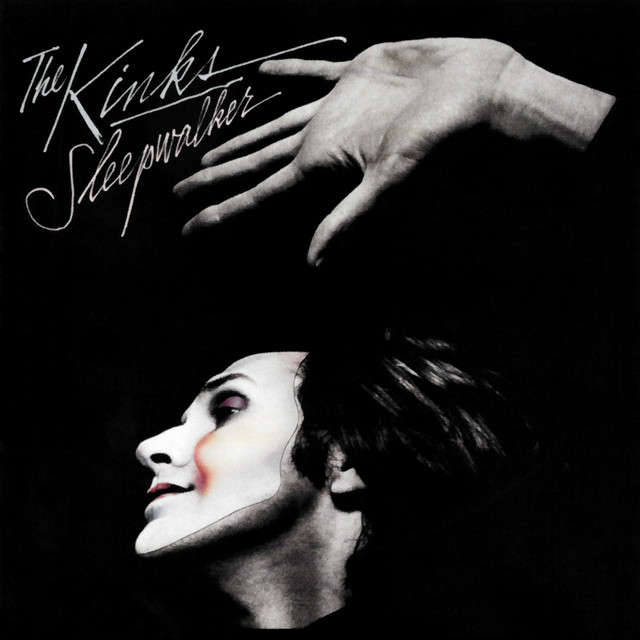
Sleepwalker
The Kinks (1977)
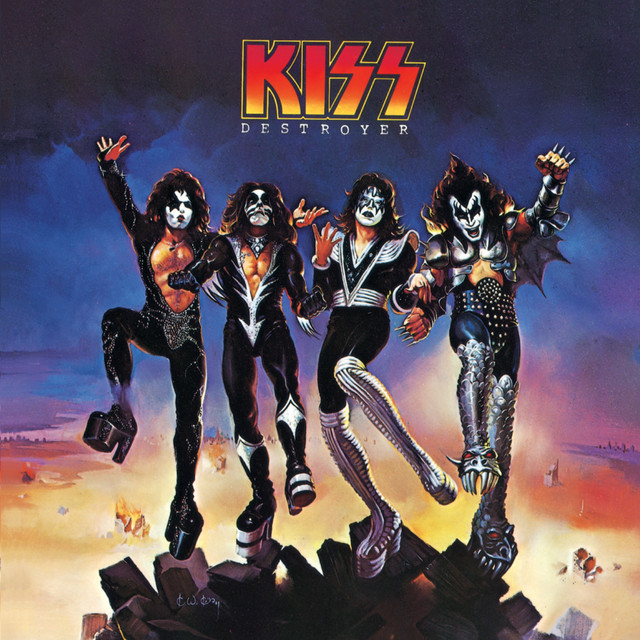
Destroyer
Kiss (1976)
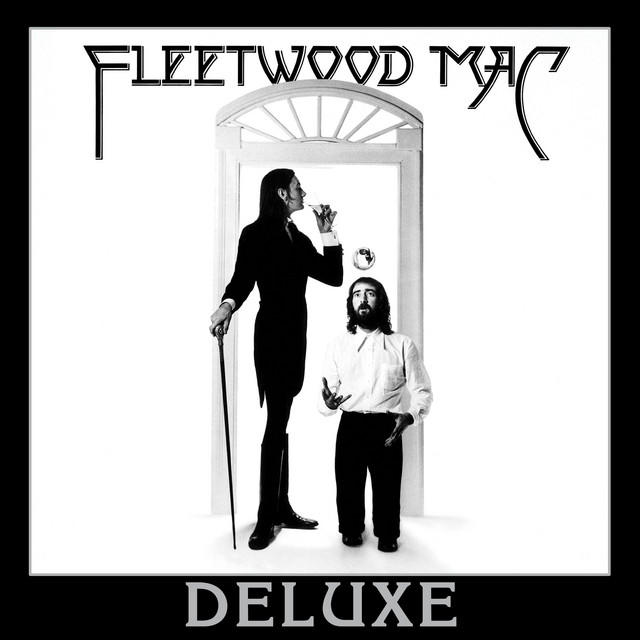
Fleetwood Mac (Deluxe Edition)
Fleetwood Mac (1975)
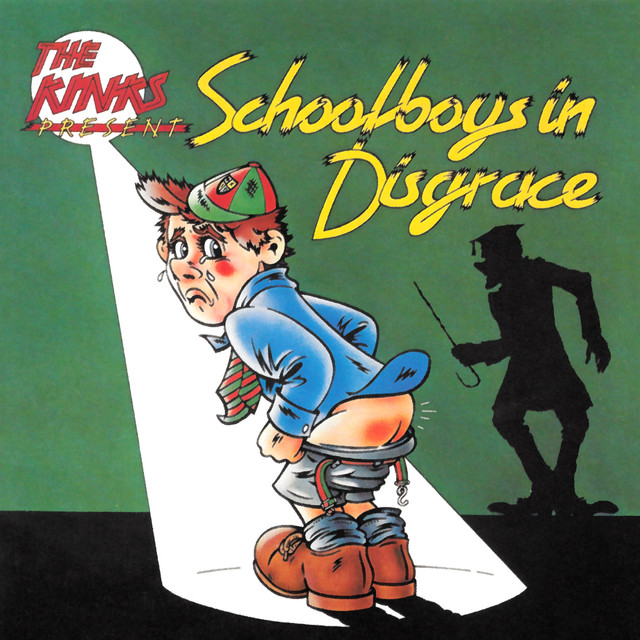
Schoolboys in Disgrace
The Kinks (1975)
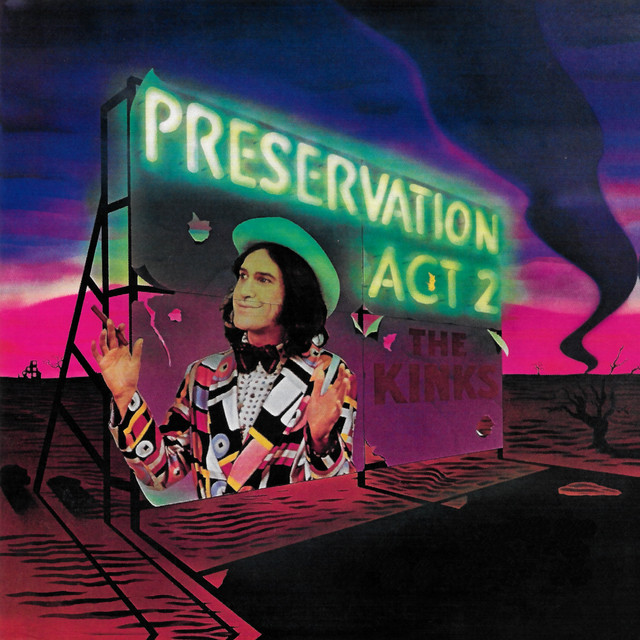
Preservation Act 2
The Kinks (1974)
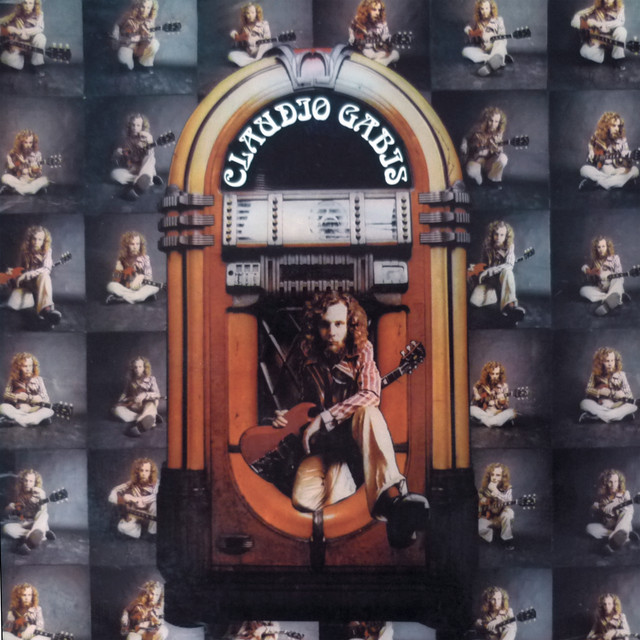
Claudio Gabis
Claudio Gabis (1974)
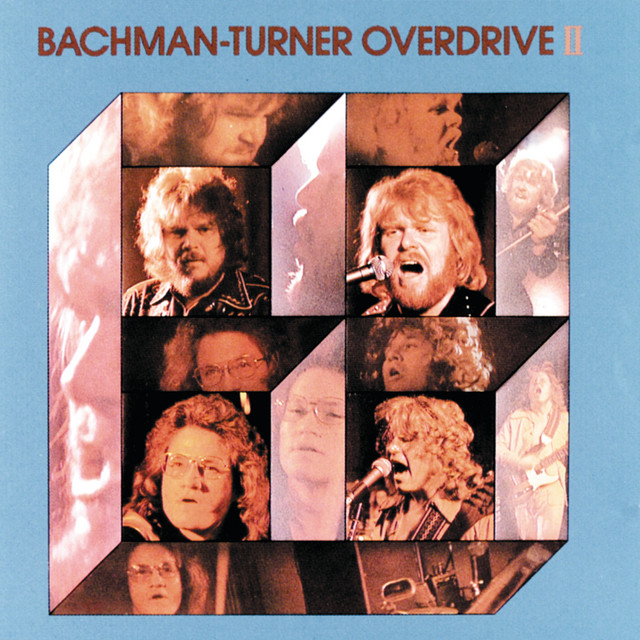
Bachman-Turner Overdrive II
Bachman–Turner Overdrive (1973)
Drift Away
Dobie Gray (1973)
McCartney
Paul McCartney (1970)
The Gilded Palace Of Sin
The Flying Burrito Brothers (1969)

In Search Of The Lost Chord
The Moody Blues (1968)
In The Groove
Marvin Gaye (1968)
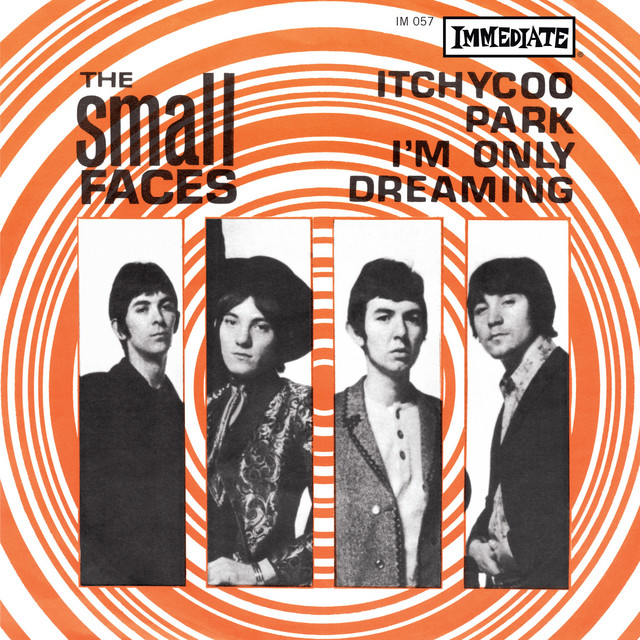
Itchycoo Park
The Small Faces (1967)
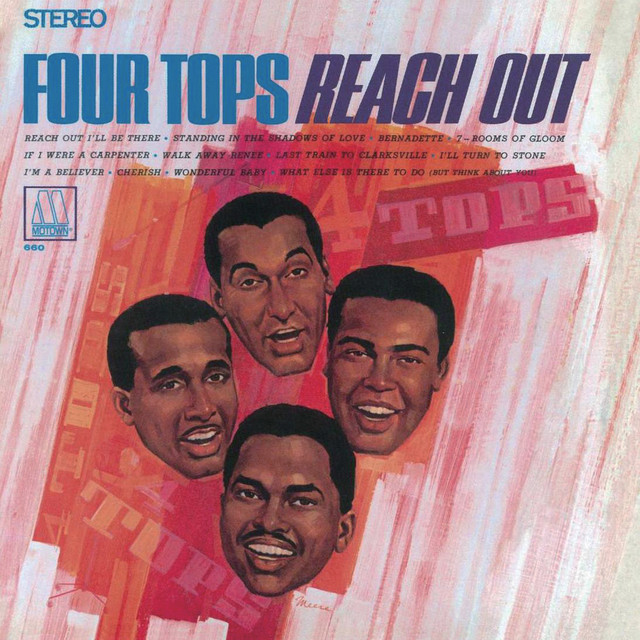
Reach Out
Four Tops (1967)
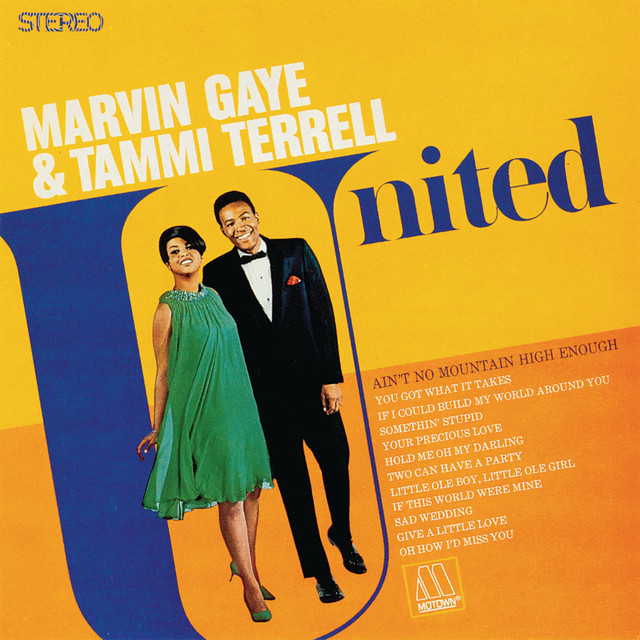
United
Marvin Gaye & Tammi Terrell (1967)
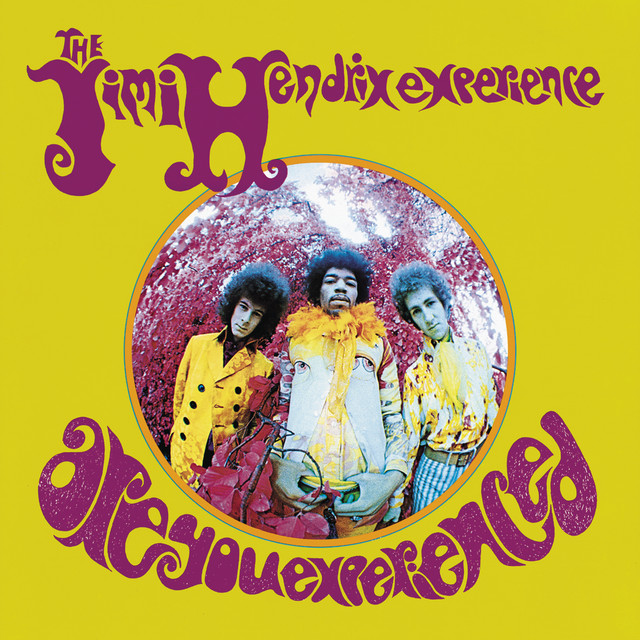
Are You Experienced
Jimi Hendrix (1967)
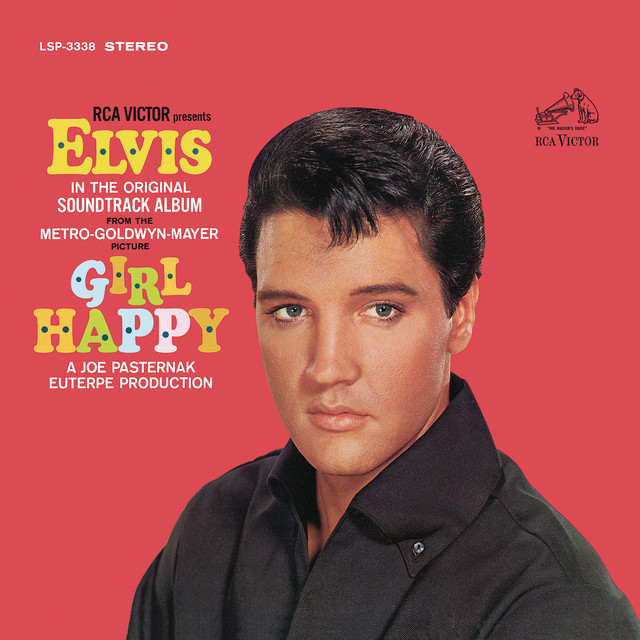
Girl Happy
Elvis Presley (1965)
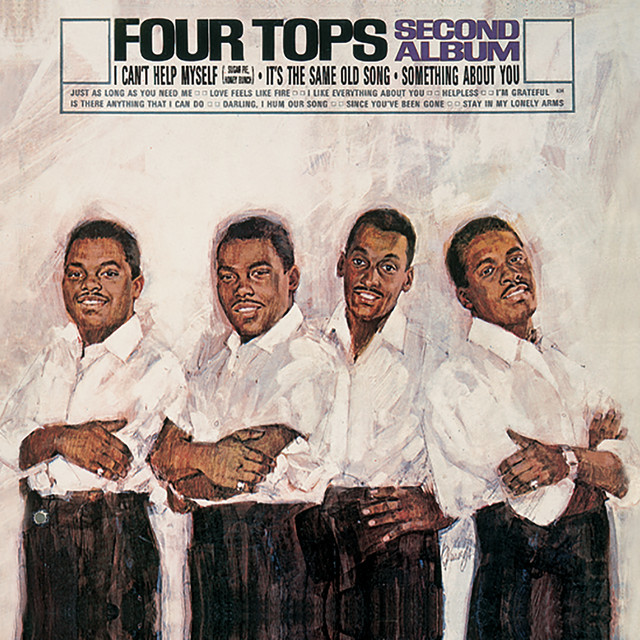
Four Tops - Second Album
Four Tops (1965)
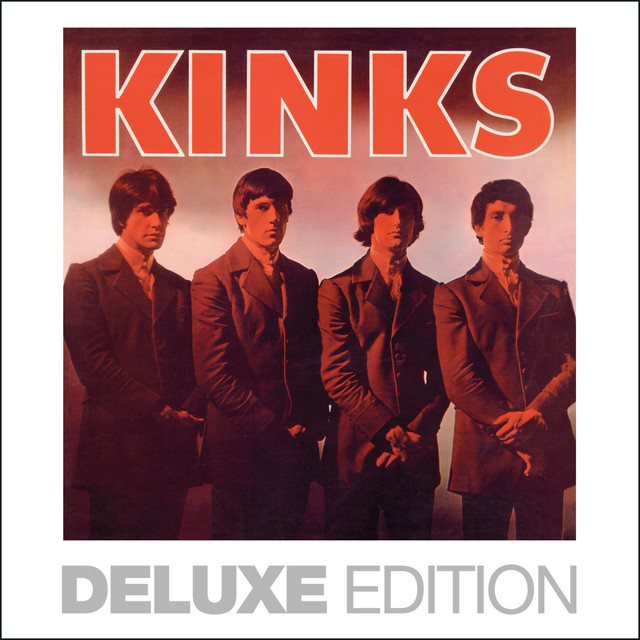
Kinks (Deluxe Edition)
The Kinks (1964)
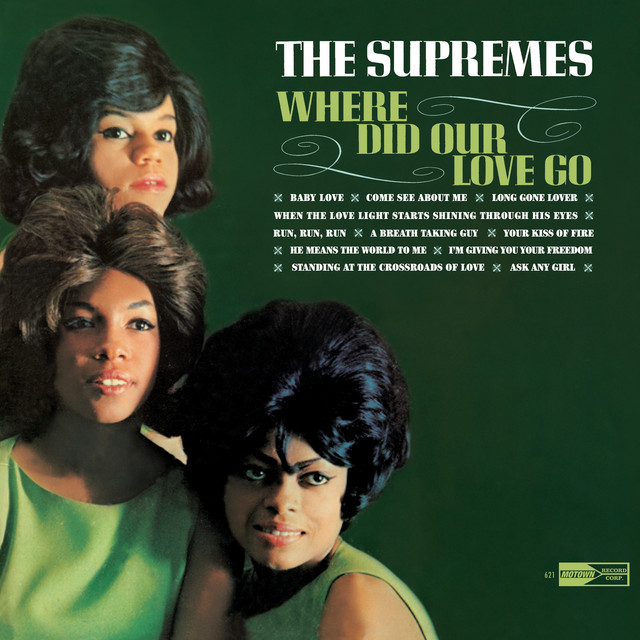
Where Did Our Love Go
The Supremes (1964)
Genre Usage
Based on how artists on Equipboard use this gear, it is most commonly found in the following genres.
Used With
Based on how musicians on Equipboard use Fender Telecaster, it is most commonly used with the following gear.
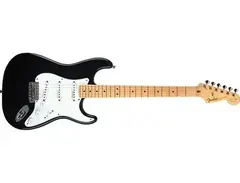


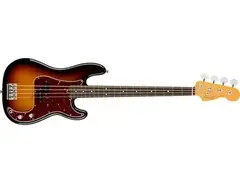


-s.webp?v=1783495886)
Community setups
Show yours.jpg?v=1779136603)


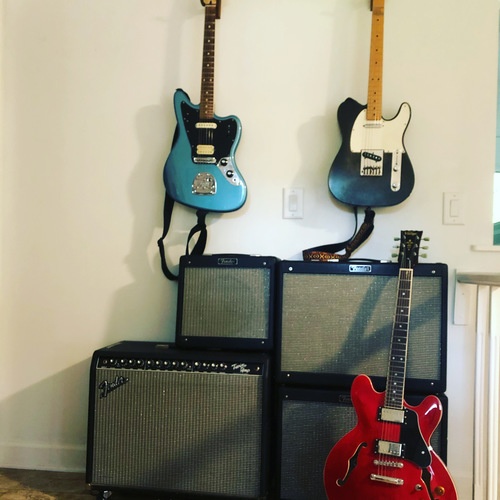

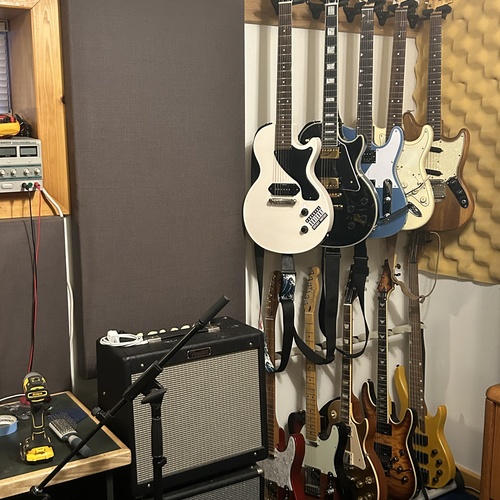




.jpeg?v=1768106146)
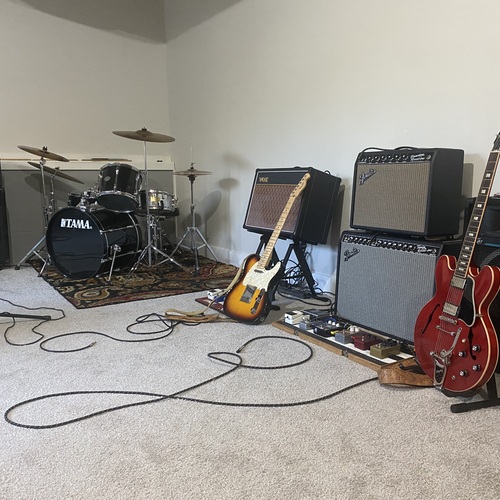

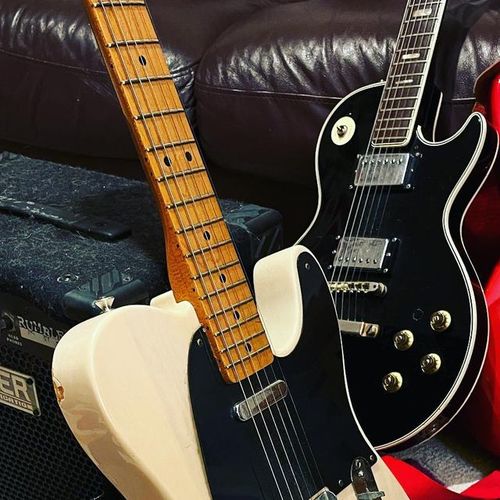

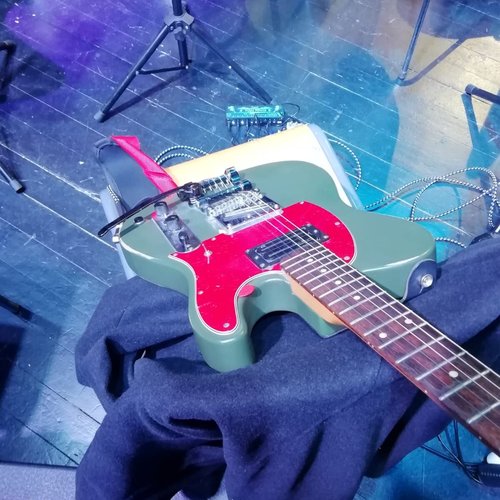

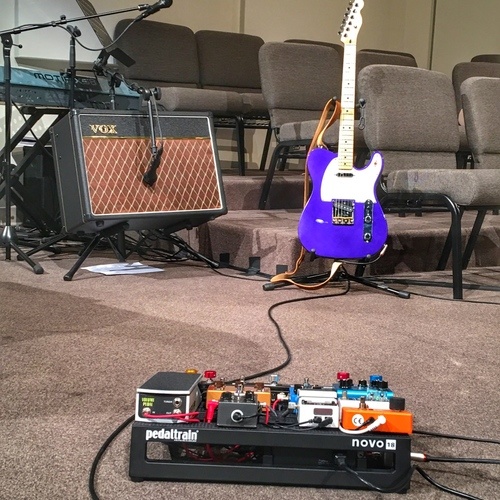
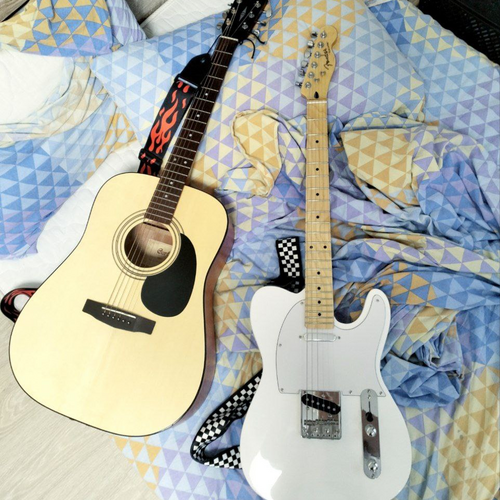

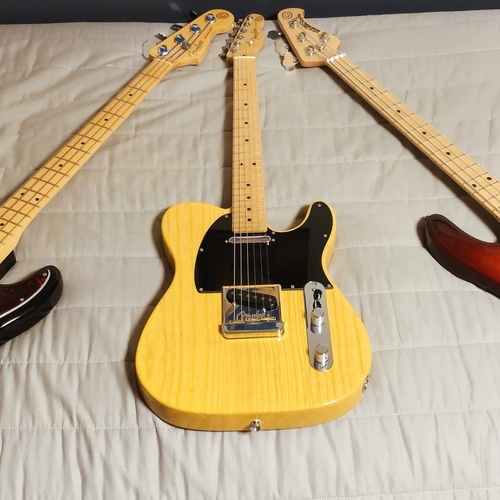
.jpeg?v=1781936341)
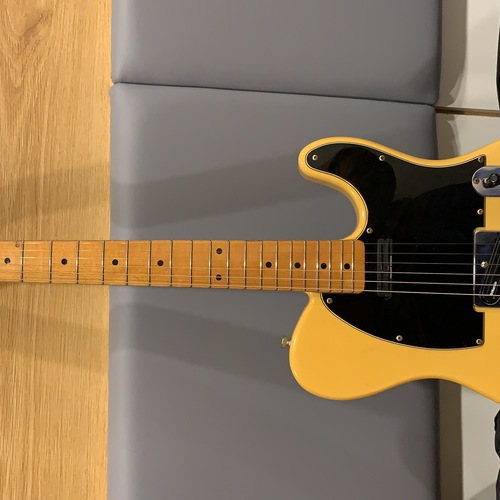

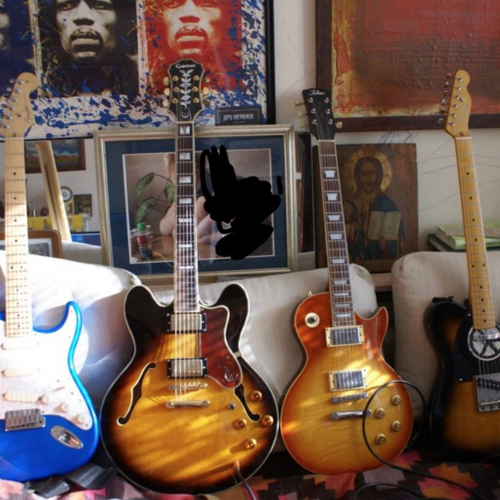

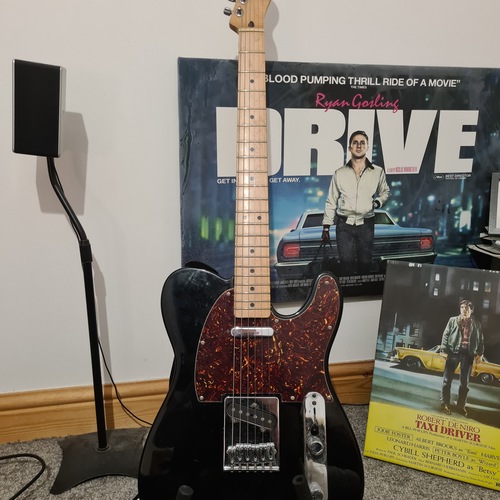
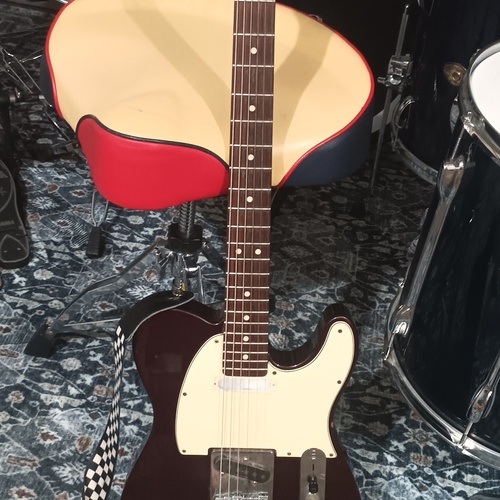

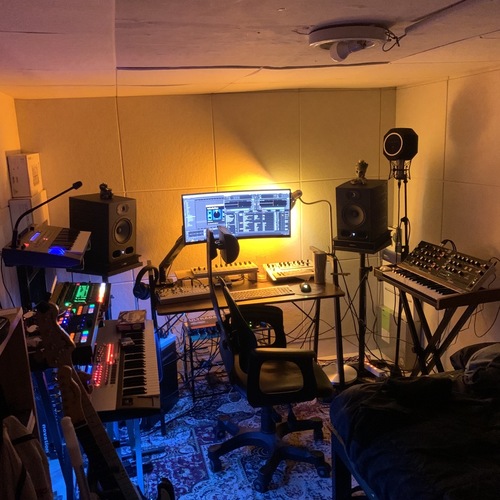
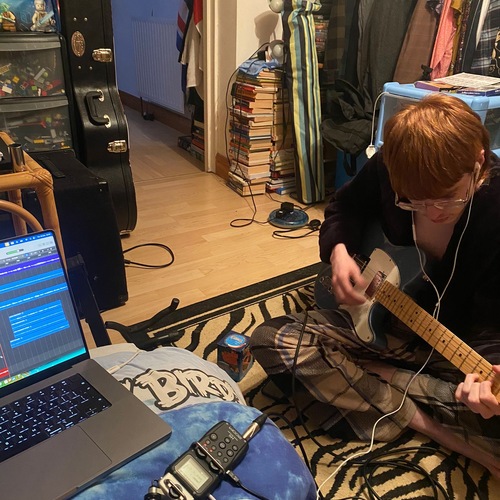
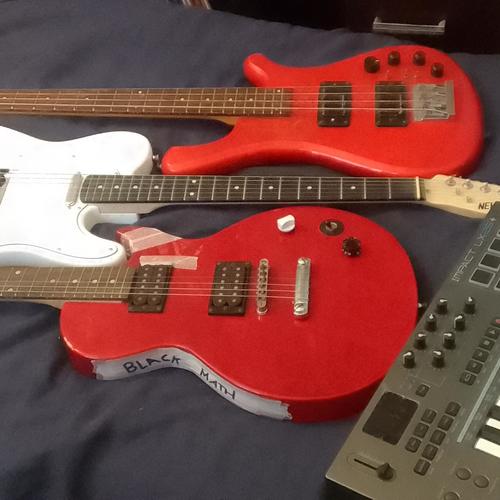

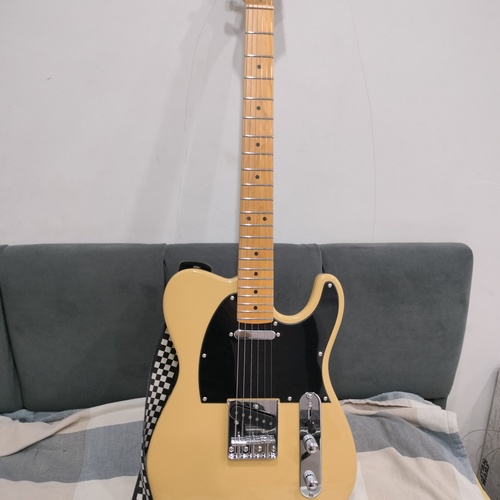

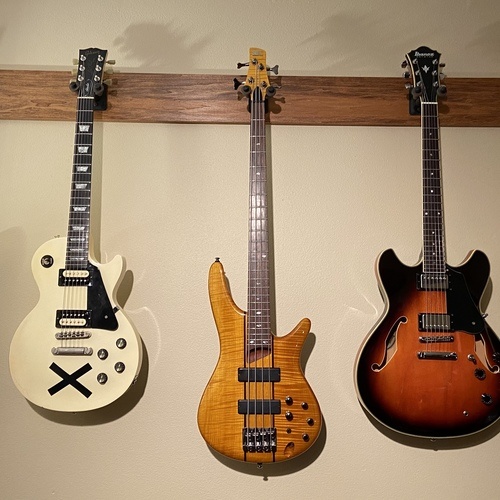


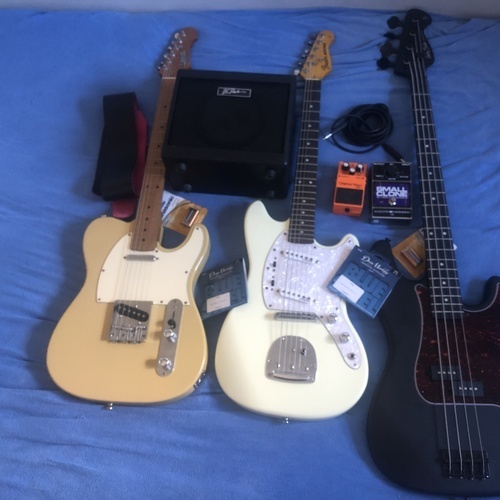
.jpg?v=1751564482)
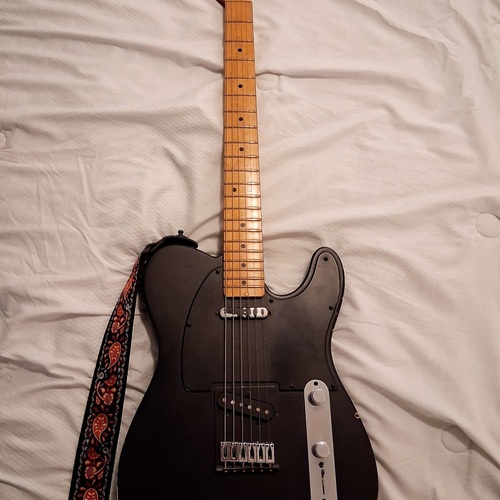

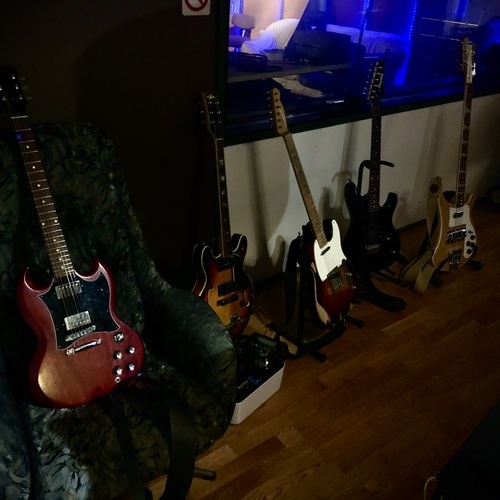

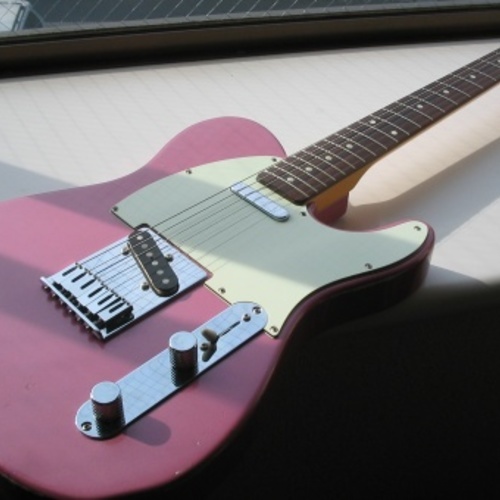

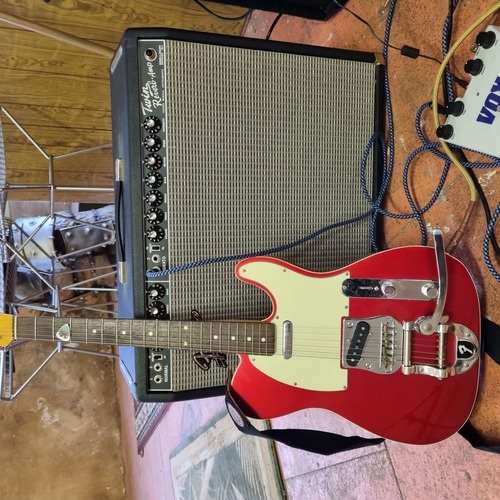

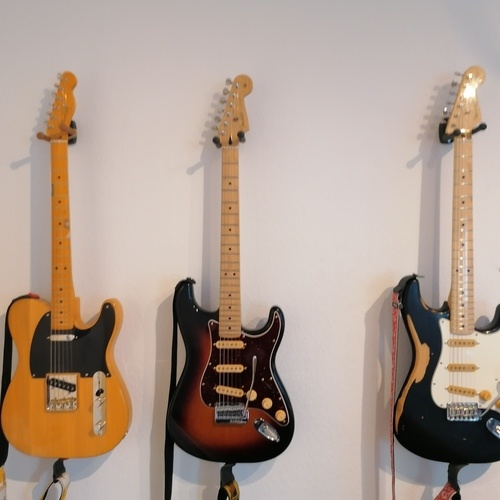
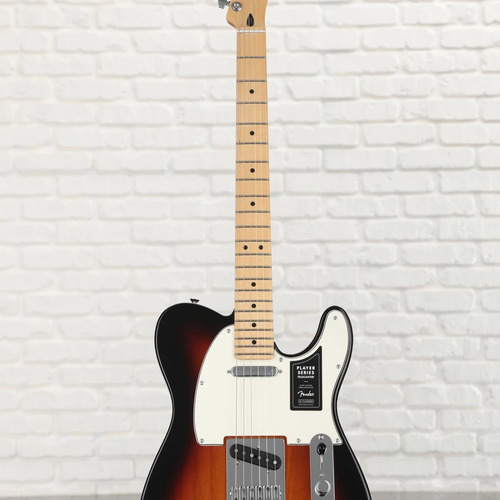

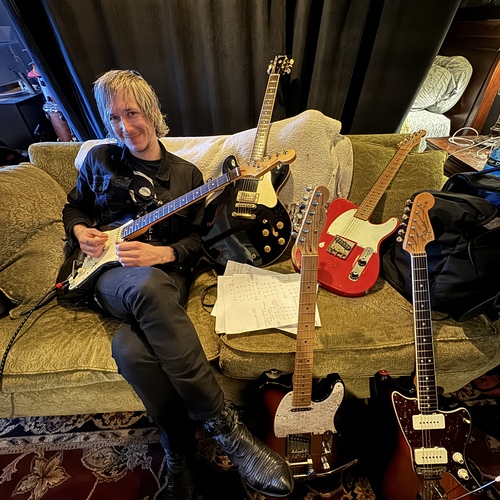

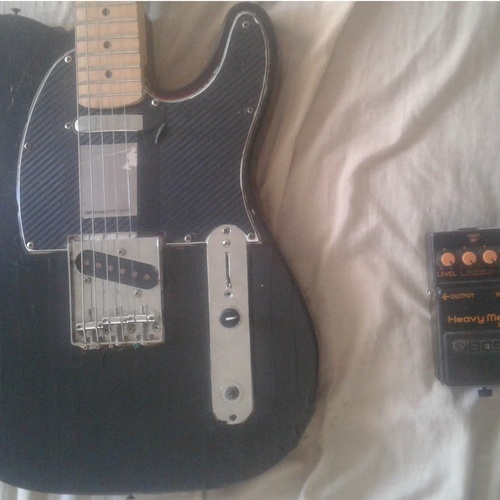

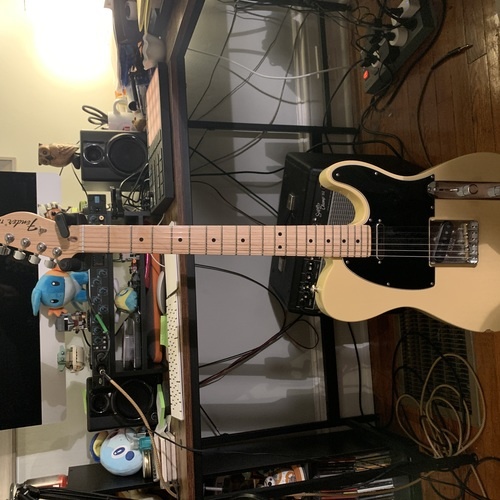

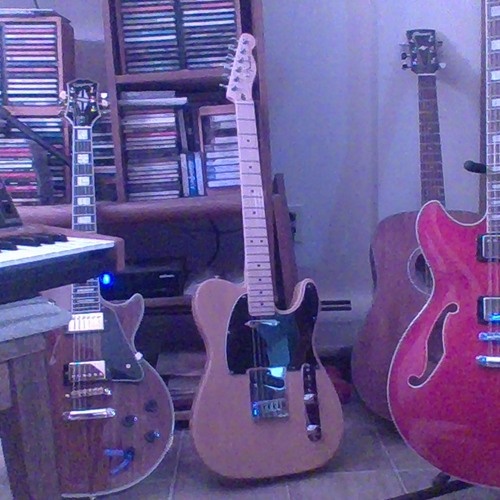


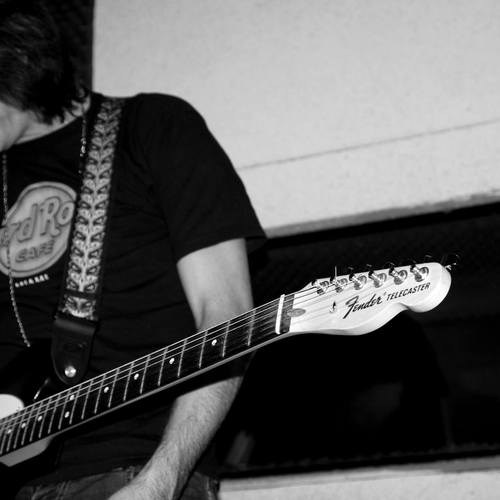

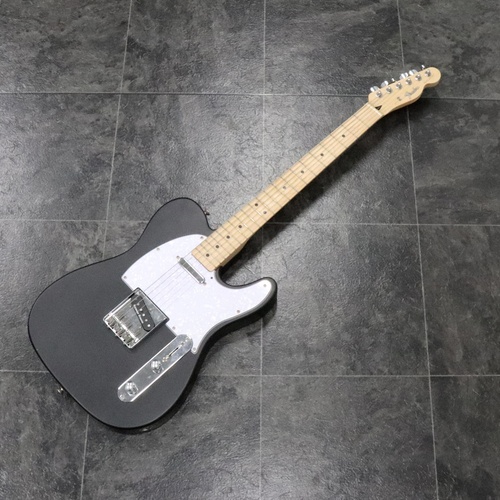

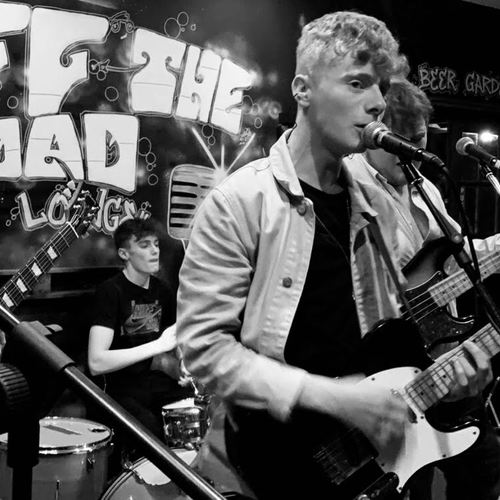
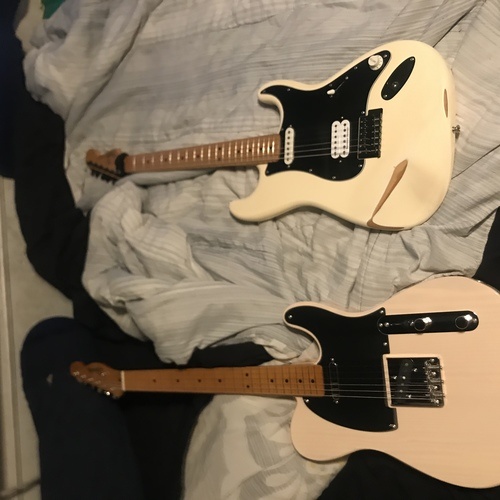


Similar
Add recommendation9 alternative and related items for Fender Telecaster, curated by the Equipboard community.

$73,306.22

$709.99


$549.00 - $649.00

$561.81 - $1,763.01

More Fender Solid Body Electric Guitars

$800.00
in Solid Body Electric Guitars Rank
.png?v=1783479056)


$999.99
in Solid Body Electric Guitars Rank


$1,549.00
in Solid Body Electric Guitars Rank


$1,799.99 - $2,539.00
in Solid Body Electric Guitars Rank


-m.webp?v=1783523191)
$1,499.99
in Solid Body Electric Guitars Rank


$615.93 - $849.99
in Solid Body Electric Guitars Rank


$2,219.99 - $3,066.00
in Solid Body Electric Guitars Rank


-m.webp?v=1783522945)
$875.00
in Solid Body Electric Guitars Rank


$2,190.00 - $2,599.99
in Solid Body Electric Guitars Rank


$619.00 - $719.99
in Solid Body Electric Guitars Rank


$999.99 - $1,151.61
in Solid Body Electric Guitars Rank


-m.webp?v=1783513164)
$609.99 - $799.99
in Solid Body Electric Guitars Rank


$484.99 - $679.99
in Solid Body Electric Guitars Rank


-m.webp?v=1783522766)
$1,460.21 - $1,999.99
in Solid Body Electric Guitars Rank


$999.00 - $1,899.00
in Solid Body Electric Guitars Rank

.png?v=1783469751)


$1,000.00
in Solid Body Electric Guitars Rank


$450.00 - $879.99
in Solid Body Electric Guitars Rank


$400.00
in Solid Body Electric Guitars Rank


-m.webp?v=1783263539)
$1,000.00
in Solid Body Electric Guitars Rank


-m.webp?v=1783522699)
$939.99 - $1,549.00
in Solid Body Electric Guitars Rank


$1,549.00
in Solid Body Electric Guitars Rank


$1,399.00 - $1,849.99
in Solid Body Electric Guitars Rank


$799.99
in Solid Body Electric Guitars Rank


$1,479.99 - $1,999.99
in Solid Body Electric Guitars Rank


$514.18
in Solid Body Electric Guitars Rank

$1,412.99 - $1,839.99
in Solid Body Electric Guitars Rank


$1,071.04
in Solid Body Electric Guitars Rank


$1,675.32 - $1,999.99
in Solid Body Electric Guitars Rank

$999.99 - $1,499.99
in Solid Body Electric Guitars Rank


$1,100.00
in Solid Body Electric Guitars Rank


$400.00 - $645.00
in Solid Body Electric Guitars Rank


$2,699.99 - $2,900.00
in Solid Body Electric Guitars Rank

$499.00 - $679.99
in Solid Body Electric Guitars Rank


$699.95
in Solid Body Electric Guitars Rank


-m.webp?v=1783522730)
$2,190.00 - $2,899.99
in Solid Body Electric Guitars Rank


$649.99
in Solid Body Electric Guitars Rank


$1,460.21 - $1,999.99
in Solid Body Electric Guitars Rank

.jpg?v=1783479056)
-m.webp?v=1783436255)
$1,050.00
in Solid Body Electric Guitars Rank


Gear Guides






Most Popular Solid Body Electric Guitars
Most Popular Brands


