
Neil Young
Canadian singer, songwriter & musician
Role
Genre
Role
Genre
Neil Young's Effects Pedals


Young derives his distortion entirely from the Deluxe’s output-tube saturation. He coaxes various gain stages from the amp using a device called the Whizzer, a custom-made switching system he and his late amp tech, Sal Trentino, developed around the time of the Rust Never Sleeps tour in 1978. A high-tech concept housed in a rudimentary box, the Whizzer boasts four preset buttons, each corresponding to one volume/tone configuration on the Deluxe. Young accesses the presets through footswitches on his pedal board, which, in turn, command the Whizzer to mechanically twist the Deluxe’s tone and volume controls to the programmed positions. All four of the Whizzer’s presets dial in distorted tones on the Deluxe. “The first one,” says Cragg, “is still clean enough that Neil can get really nice dynamics, depending on the way he picks. The second setting is the one he uses on songs like ‘Hey Hey, My My,’ and the third one is really distorted.” The final setting, which moves the Deluxe’s main volume and tone knobs to 12 and the second volume control to roughly 9.9, produces a sound that, says Cragg, “is basically a woooaaarrr type of thing.”
Find it on:


"Across the top panel are switches for, variously, a Mu-Tron octave divider; an old, AC-powered MXR analog delay; a Boss Flanger in a “blue, cast-metal box”; and an Echoplex," reads this article.
Find it on:


"The next button is for a master loop that switches any of the top devices in and out, except the tube reverb. The next one is for a real strange unit, a large very old Boss flanger in a blue cast metal box. He hits that only when he wants to get totally crazy. The next one controls an Alesis Microverb that's in a strange setting that's 100% reverb."
Find it on:

Neil Young's Mu-Tron Octave Divider is mentioned in this Guitar World interview:
"The slanted portion features five buttons: one for each of the four Whizzer presets, as well as a reverb kill. Across the top panel are switches for, variously, a Mu-Tron octave divider; an old, AC-powered MXR analog delay; a Boss Flanger in a “blue, cast-metal box”; and an Echoplex."
Find it on:

Neil Young has used these five Conn strobe tuners (one for each guitar string with the E tuner doing double duty) since the mid 1970s, they live under the front edge of the drum riser. Also visible on the cover of the album "Rust Never Sleeps"
Find it on:

Lot #42 in the second group (#3198) of Julien's Auctions' December 17, 2017 "Neil Young Online Auction".
A Creepy Fingers Harakiri Fuzz distortion pedal.
Find it on:

Lot #41 in the second group (#3198) of Julien's Auctions' December 17, 2017 "Neil Young Online Auction".
A Derringer [sic] Digital Delay, model DD400.
Find it on:

Lot #39 and #40 in the second group (#3198) of Julien's Auctions' December 17, 2017 "Neil Young Online Auction".
Lot 39
An MXR Stereo Chorus pedal, model M134, with box and AC adapter.
Lot 40
An MXR Stereo Chorus with AC chord.
Find it on:


This is a community-built gear list for Neil Young.
- Find relevant music gear like Microphones, Guitars, Amplifiers, Effects Pedals, Pianos, Keyboards and Synthesizers, Studio Equipment, Software Plugins and VSTs, Headphones, and other instruments and add it to Neil Young.
- The best places to look for gear usage are typically on the artist's social media, YouTube, live performance images, and interviews.
- To receive email updates when Neil Young is seen with new gear, follow the artist.
Discography
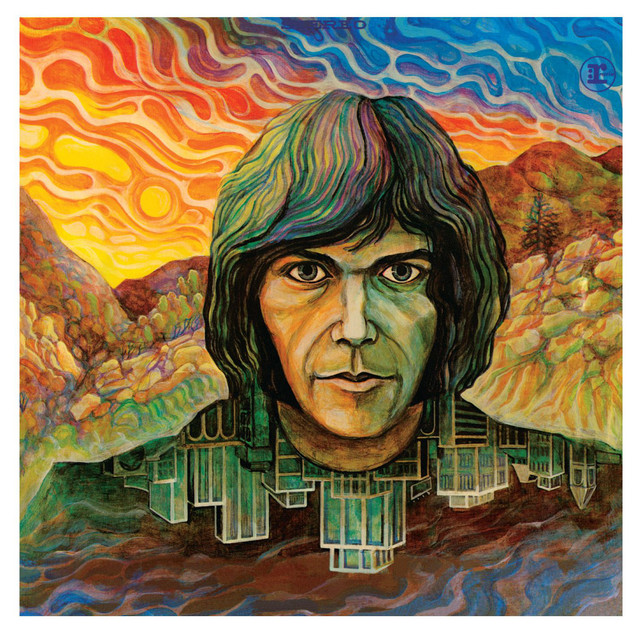
Neil Young (2009 Remaster)
1969
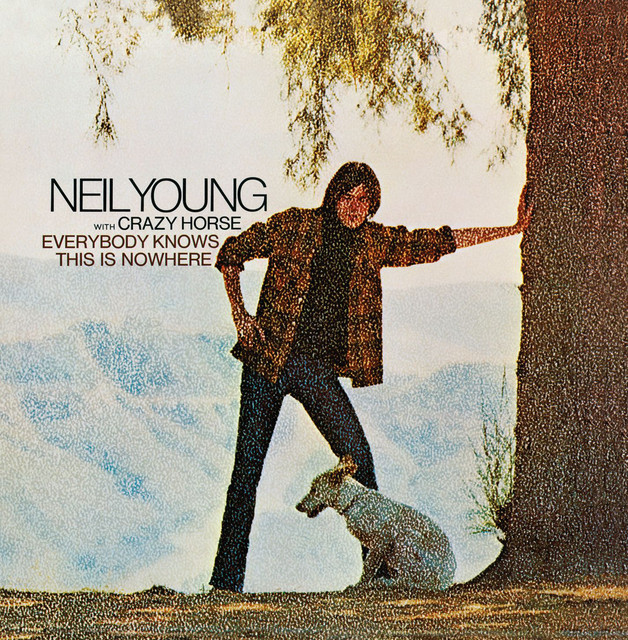
Everybody Knows This Is Nowhere
1969
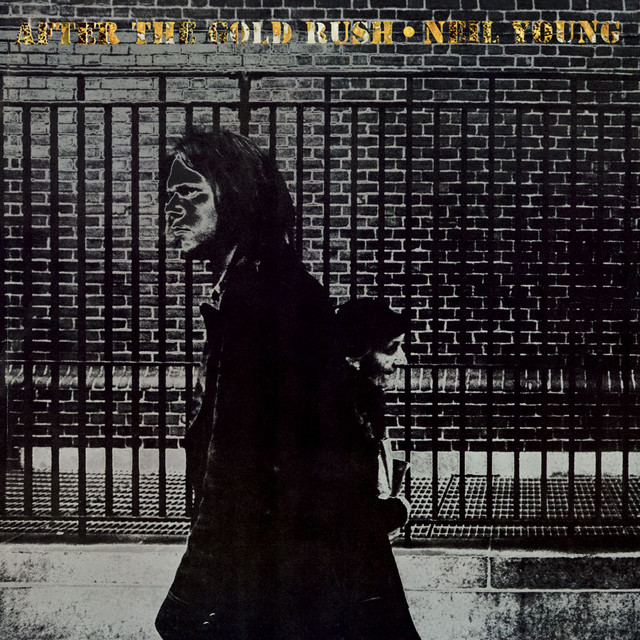
After the Gold Rush (2009 Remaster)
1970
Harvest (50th Anniversary Edition)
1972
Time Fades Away
1973
On the Beach
1974
Tonight's the Night
1975
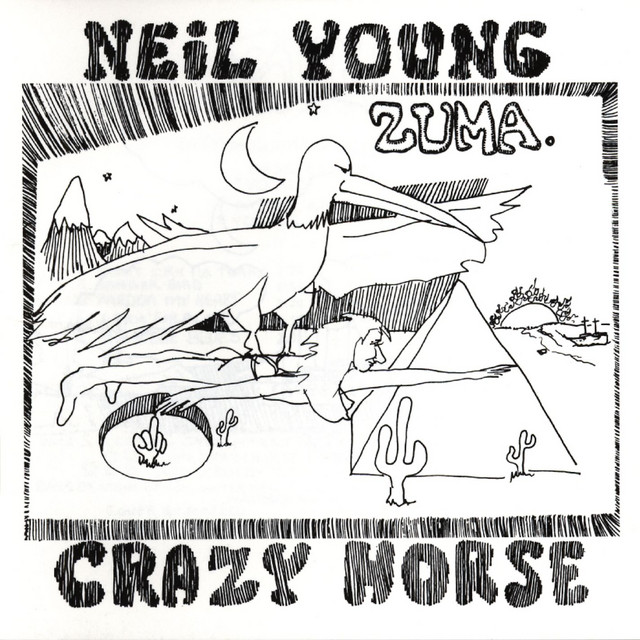
Zuma
1975
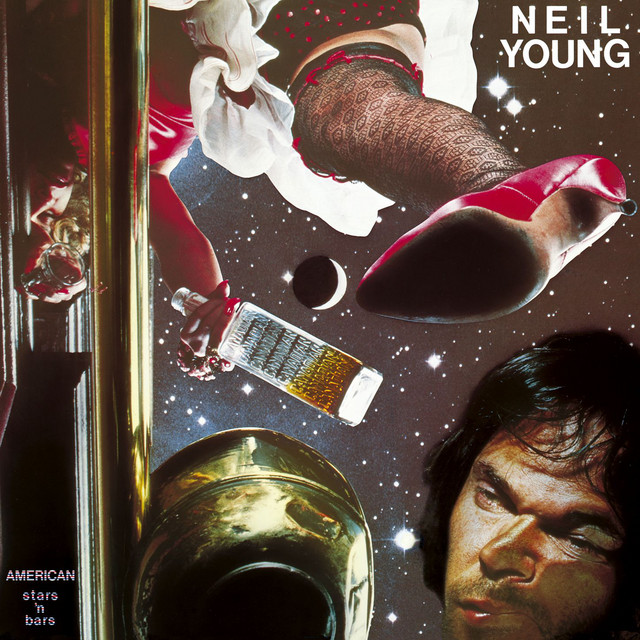
American Stars 'N Bars
1977
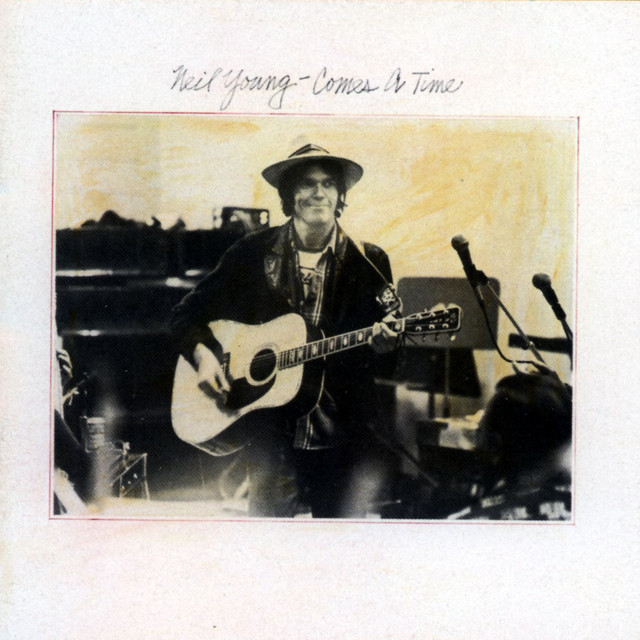
Comes a Time
1978
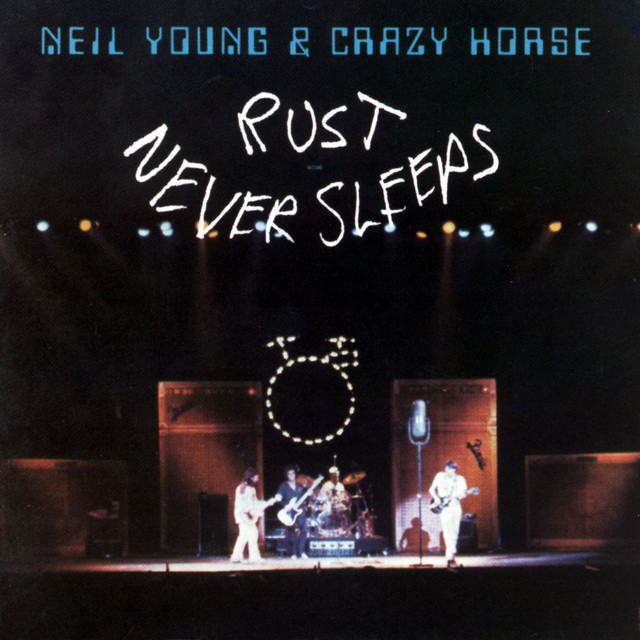
Rust Never Sleeps
1979
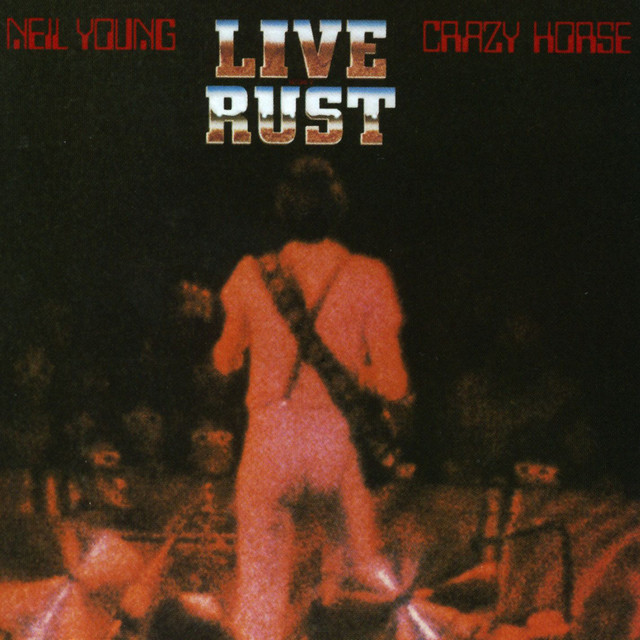
Live Rust
1979
Album Credits
-
Neil Young · 2023
Producer -
Journey Through the Past (Outtake)
Neil Young · 2022
Producer -
Neil Young · 2020
Producer -
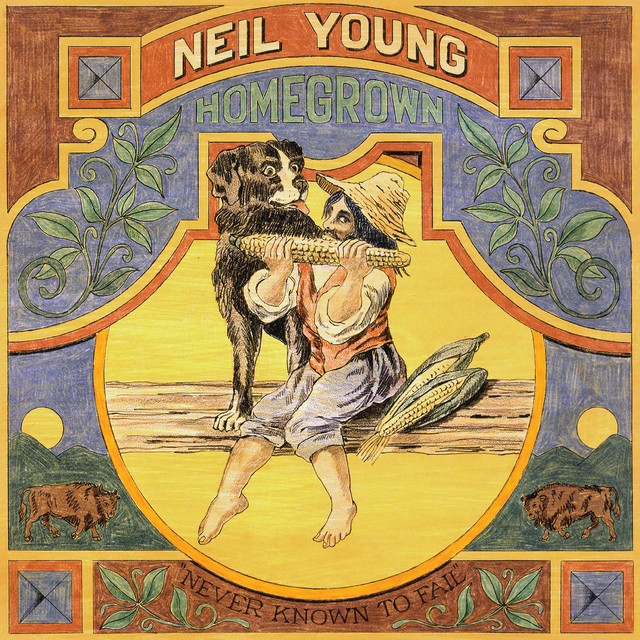
Neil Young · 2020
Producer -
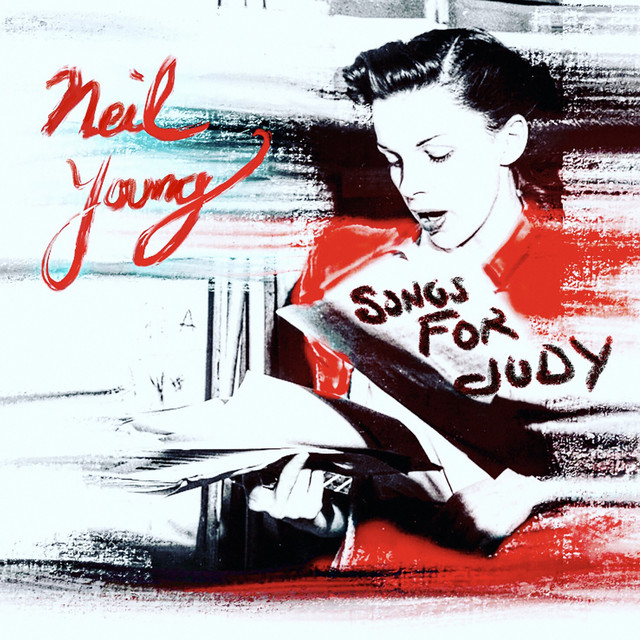
Neil Young · 2018
Producer -
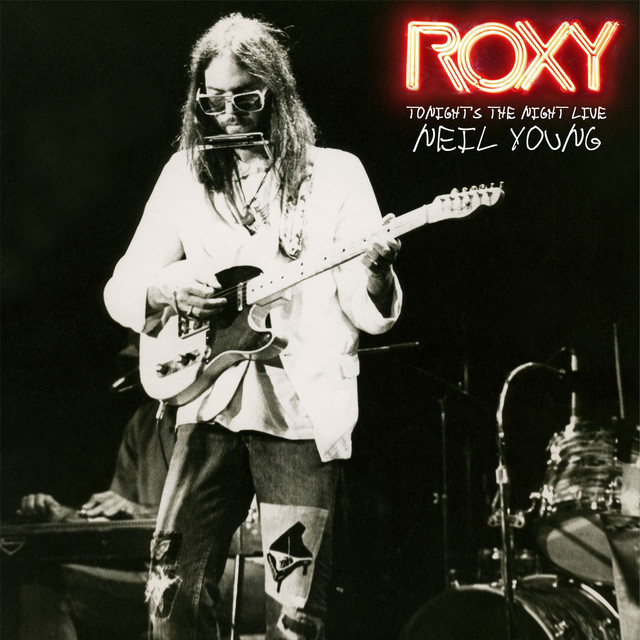
ROXY: Tonight's the Night Live
Neil Young · 2018
Producer -
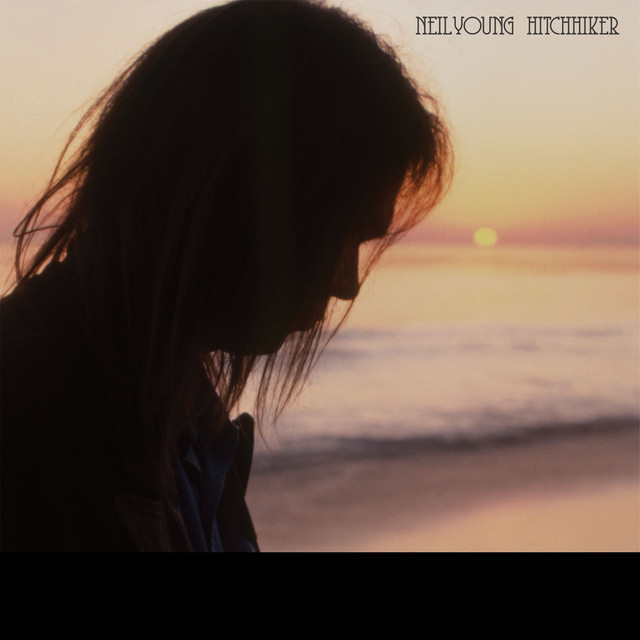
Neil Young · 2017
Producer -
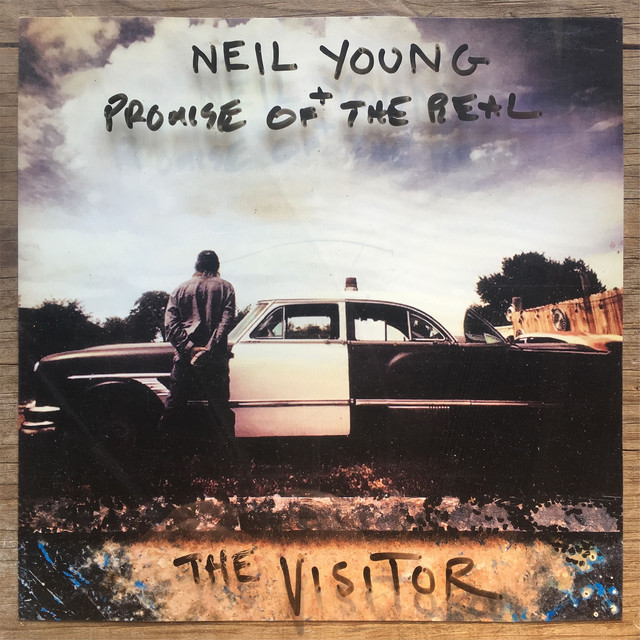
Neil Young · 2017
Producer -
Neil Young · 2016
Producer -
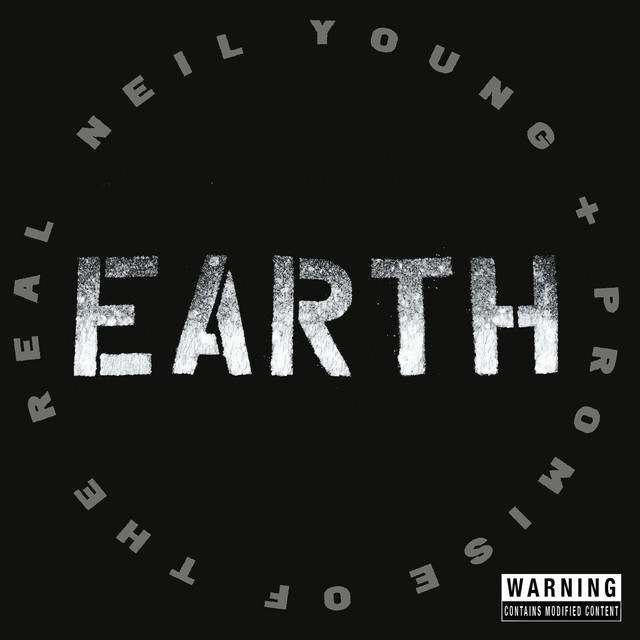
Neil Young · 2016
Mixing Engineer Producer -
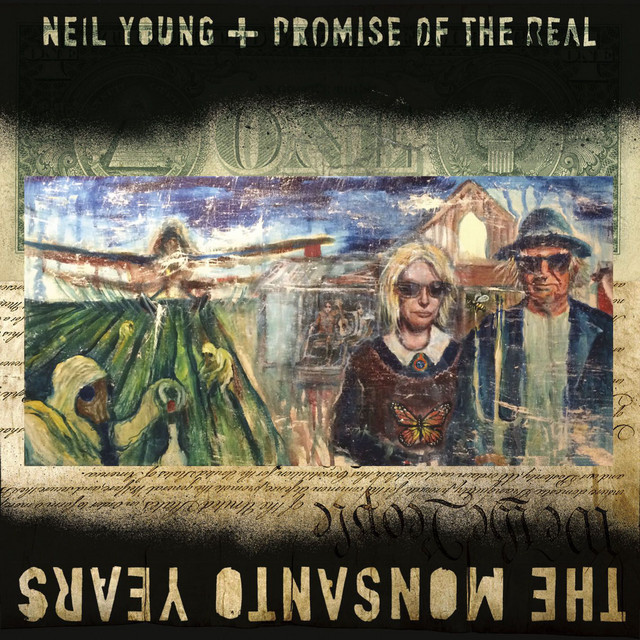
Neil Young · 2015
Producer -
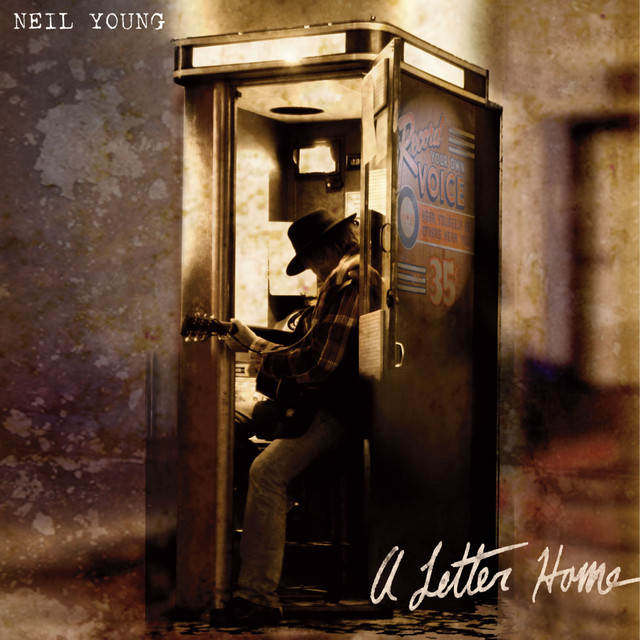
Neil Young · 2014
Producer


.jpeg?v=1783265544)



.webp)
