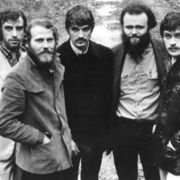
.jpeg?v=1783563118)
Bob Dylan
Role
Genre
Role
Genre
Bob Dylan's Gear

-m.webp?v=1783548445)
In this interview, with Martin Guitar employee Dick Boak, it says, "On his duet with Johnny Cash – that was a pretty famous performance – he played a 000-18 on “Girl From the North Country.”"
Find it on:


In the Bob Dylan autobiography "Chronicles," Dylan says, "First thing I did was go trade in my electric guitar, which would have been useless for me, for a double-O Martin acoustic. The man at the store traded me even and I left carrying the guitar in its case. I would play this guitar for the next couple of years or so."
Find it on:


"Bob Dylan playing an electric guitar on stage for the first time at Newport Folk Festival in 1965 Photograph: Alice Ochs/Getty Images" - The Guardian
Find it on:

According to Gibsons website "Dylan has reverted to playing a sunburst J-45 since the mid-1990s. Dylan first owned a J-45 in 1962 and the sound of a J-45 is all over Dylan’s early albums."
Find it on:
-m.webp?v=1783495886)
In this photo, Bob Dylan can be seen playing a blonde Fender Telecaster.
Find it on:


In this picture from "Bringing It All Back Home" sessions in 1965, you can see Bob playing this guitar with rosewood fingerboard It's quite possibile that this was one of the first Dylan's guitar when he went electric
Find it on:

An M49 can be seen throughout many photos from the recording sessions of Highway 61 Revisited, including this one of Dylan. Its exact use is unknown, but this photo suggests that it was used as a vocal mic. Neither Dylan's guitar amplifier (which is facing away from the microphone) or his bass (the cable of which appears to run away from Dylan's station, far from the mic) are level with the M49. Yet, the M49's boom stand is set up in such a way that Dylan would only need to look up to sing into the mic.
The following is an excerpt from pg. 322 of Bob Dylan: All the Songs (The Story Behind Every Track) by Philippe Margotin & Jean-Michel Guesdon.
Out of the nine songs, only "Like a Rolling Stone" was produced by Tom Wilson. Aside from the arrival of Roy Halee (future producer of Simon & Garfunkel) as a new sound engineer, methods and recording equipment were nearly identical to those used for the album Bringing It All Back Home. However, a Neumann M49 mic appears in various photographs, though it is difficult to say which producer is responsible for this change—presumably Tom Wilson.
Find it on:
-m.webp?v=1783575292)
Bob Dylan can be seen playing a Gibson Hummingbird in this photo.
Find it on:
-m.webp?v=1783522699)
In this photo from February 19th, 1985 you can see Mr. Dylan playing a modified Fender Mustang, and it looks like a shark is painted over the Fender logo.
Find it on:
-m.webp?v=1783090986)
Bob Dylan plays a Fender Stratocaster electric guitar through an Ampeg amplifier while recording his album ‘Bringing It All Back Home’ on January 13-15, 1965 in Columbia's Studio A in New York City, New York Photo: Michael Ochs Archives
Find it on:

In December 1965, Dylan, his sunglasses resting atop a Fender Band Master amp, ran through some runs on a well-worn Fender bass guitar for a Don Hunstein photo-shoot at the Columbia Recording Studios.
Find it on:

Here is the quote from the article:
"In addition to Thriller, the SM7 (now the SM7B) is a weapon of choice inside broadcast booths around the world and has fans in a number of recording artists, including Sheryl Crow, John Mayer, and according to Bob Dylan's engineer Chris Shaw (as quoted in Bob Dylan: All the Songs by Phillipe Margotin), the legend of folk's tone was perfect for this large-diaphragm dynamic."
Find it on:

Bob Dylan has played an SJ 200, according to this article, by Premier Guitar, which says, "After years of design and development overseen by the artist’s personal guidance, The Bob Dylan Autographed SJ-200 Collector’s Edition is an exact replica of Bob’s personal highly-customized SJ-200."
Find it on:


In this interview with writer and Martin Guitars employee Dick Boak, he says, "Well, to my knowledge, Dylan’s first guitar from his early days, when he showed up in New York City, was a 1949 00-17."
Find it on:

Bob used this guitar during his time with the travelling wilburys, as you can see in the photograph.
Find it on:

In this photo you can see Mr. Dylan playing a Fender Kingman acoustic.
Find it on:

According to producer Al Schmitt, a Telefunken U47 was used to record Dylan's vocals for Shadows in the Night.
“I used Capitol’s Neumann U47 on Bob’s vocals. It’s the very same microphone that was used on Frank Sinatra, Dean Martin and Nat King Cole. It’s a great–sounding microphone. Fortunately, because I work a lot at Capitol, I get to use it frequently, and I’ve had it on Paul McCartney and on Diana Krall and others. The mic was maybe nine or 10 inches away from Bob, with a windscreen. Pops and esses were no problem. I used the Neve 1073 mic pres in the old Neve desk at Capitol on all the mics. It has an amazing sound, with lots of punch and warmth. So Bob’s 47 went through that. The only compression I used on the entire album was on Bob’s voice, a tiny bit of an old mono Fairchild. I barely touched it, I used it mainly for the tube sound. It just added some warmth. On the desk I also mixed in some of Capitol’s live chamber number four on his voice.
Despite Schmitt's mention of Neumann, Sinatra's U47 is famous for bearing the Telefunken brand.
Find it on:

"Joan Baez introduced Bob to big audiences...here is Dylan at Newport 1963 with a Washburn 5250 with slotted headstock and tailpiece"
Find it on:
-m.webp?v=1783551561)
" Cesar Diaz, Bob’s guitar technician in the nineties acquired many stock and Custom Martin guitars for Dylan and thanks to Dick Boak from Martin & Co. we can see the specifications asked for his guitars like the Spruce Top Specified...Thinline Goldplus Acoustic Pickup System...and their serial numbers!!!!.. between august 25th and the end of september 1992 Cesar paid for 5 Martin guitars...
INVOICE August 25th, 1992 Payment in full has been received from Cesar Diaz (representing Bob Dylan) 473 North Courtland Street East Stroudsburg, PA 18301 for the following: 1 each Martin HD-28 with Case Serial # _______________ Sunburst Top PAID IN FULL / CHECK (Diaz Amplifiers) Thanks to dick boak Artist & Public Relations, Limited Editions, Exhibitions and Archives C. F. Martin & Co. (The Martin Guitar Company) Web: www.martinguitar.com or: www.dickboak.com"
Find it on:

In this article, Shaw, Bob Dylan's sound engineer, says, "The large-diaphragm condenser microphones that most people use on vocals would just be too sweet on Bob’s voice, and he’s also a surprisingly loud singer, so a dynamic responds better to that. A dynamic microphone is also good for Bob because his vocal sound is formed closer to his mouth than his throat. The SM7 captures the explosiveness of his singing better than, say, a [Telefunken] 251 might.”
Find it on:

In this picture you can see Bob Dylan playing that guitar during Tom Petty's gig on 1st March 1990
Find it on:

Bob Dylan uses two Matchless HC-30 Guitar Amp Heads, as listed by Matchless Amplifiers.
Find it on:

I sold this guitar to Dylan right before his show at the Fox Theater in Atlanta in 1981. I was working at Metro Music Centre. Dylan's guitar tech called the store and asked me to bring our best acoustic electric down to the show. I picked out the Tanglewood, and Dylan tried it out right before going on. He strummed a couple of chords and bought it on the spot. He used it that night. It appears on the cover of "Bob Dylan Real Live" from 1984.
Find it on:

Bob Dylan played a white National Glenwood - now housed in the Hard Rock cafe London [https://s-media-cache-ak0.pinimg.com/736x/ca/90/36/ca903673be9d9257a277b51e2fc0f57d.jpg] - just once that was ever photographed or taped. He started using it during the second iteration of the Rolling Thunder Review and can be seen in the clip playing it for an amped up version of 'Shelter From The Storm' broadcast on the Hard Rain TV Special that aired in 1976. It's also one of the few instances I know of him playing slide guitar in concert. The recording can also be heard on the accompanying Hard Rain live album.
Find it on:

In a 1970s photograph from Nymag, Bob Dylan is seen playing a Gibson Les Paul Custom Electric Guitar.
Find it on:

Used for Dylan's vocals on "Things Have Changed", as mentioned by sound engineer Chris Shaw in this December 31, 2008 Electronic Musician article. It predates the XO version of the Graphic Fuzz.
“After we tracked the song ‘Things Have Changed,’ for The Wonder Boys soundtrack, Bob asked me for a quick mix,” Shaw recalls of his first session with Dylan. “I figured the final mix would be done by someone like Daniel Lanois. So I did a quick rough mix to DAT. Bob listened and said everything was too clear, too easy to pick out every instrument and note. He wanted to ‘mush’ it up.”
According to Shaw, Dylan employed a trick of his own for ensuring his vocal track was tailor made to sit perfectly in what would become a delightfully murky mix: running his vocal back through a guitar amplifier to exaggerate its natural asperity. Shaw took it one step further and placed an Electro-Harmonix Graphic Fuzz box in the signal chain (he also says that he ran the snare and the room mics through the unit as well). Nodding in approval, Dylan reached over and pushed the percussion track up nearly all the way, the shaker now a bayonet piercing the left side of the mix. “I thought, it’s just a reference mix and ran the DAT again,” says Shaw. “A couple of days later Jeff Rosen, Bob’s manager, called and asked me for the quarter-inch [tape] of the mix. I was stunned—it was just a rough mix, a very rough mix. Jeff said, ‘Oh, you don’t know Bob. That was the final mix.’ The DAT was the master. Two months later it was nominated for an Oscar for best song. Two months after that, it won the Oscar for best song.”
Find it on:


Early sixties with a natural Gibson J-50 with rosewood soundboard.
Find it on:

In this picture from a 2004 gig, you can see Bob playing his sunburst Telecaster Thinline
Find it on:

In this photo, Dylan is playing a Fender Electric XII 12-String.
Find it on:
This is a community-built gear list for Bob Dylan.
- Find relevant music gear like Microphones, Guitars, Amplifiers, Effects Pedals, Pianos, Keyboards and Synthesizers, Software Plugins and VSTs, Instruments, and other instruments and add it to Bob Dylan.
- The best places to look for gear usage are typically on the artist's social media, YouTube, live performance images, and interviews.
- To receive email updates when Bob Dylan is seen with new gear, follow the artist.
Discography
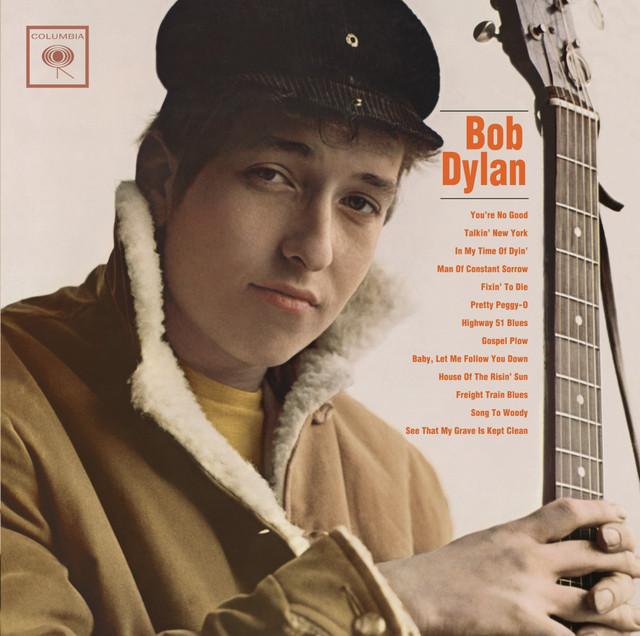
Bob Dylan
1962
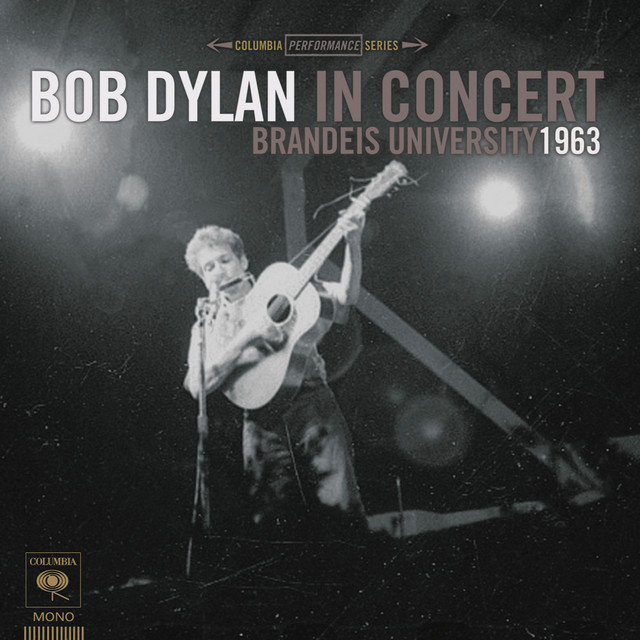
Bob Dylan In Concert: Brandeis University 1963 (Live)
1963
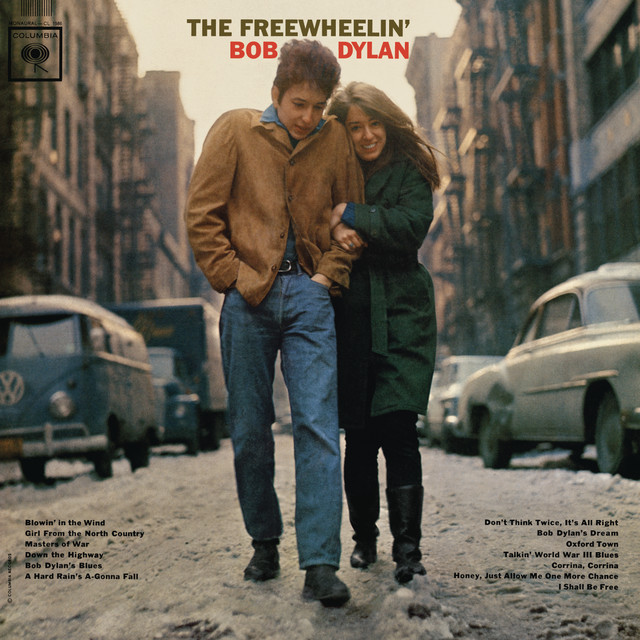
The Freewheelin' Bob Dylan
1963
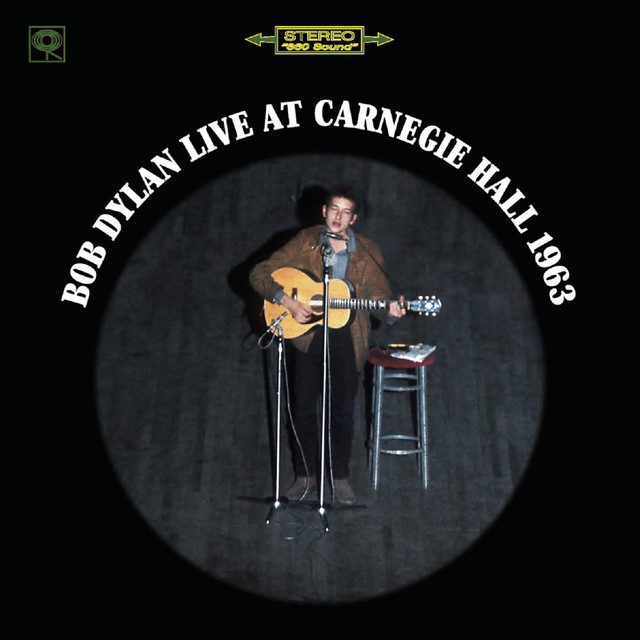
Bob Dylan Live At Carnegie Hall 1963
1963
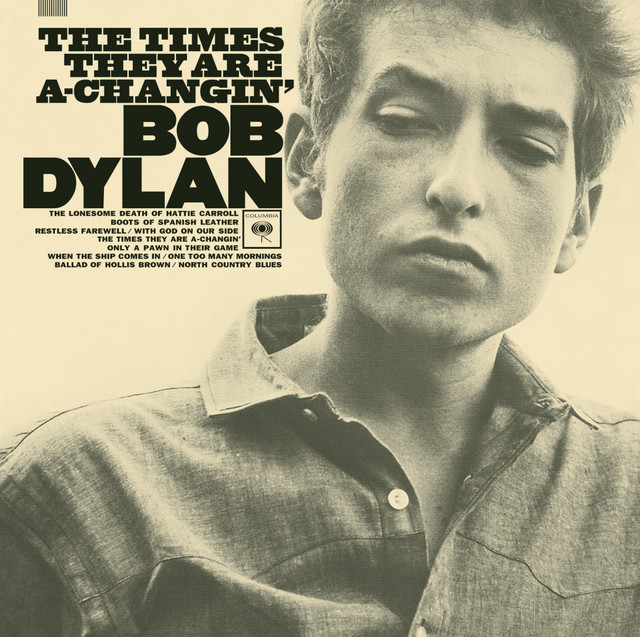
The Times They Are A-Changin'
1964
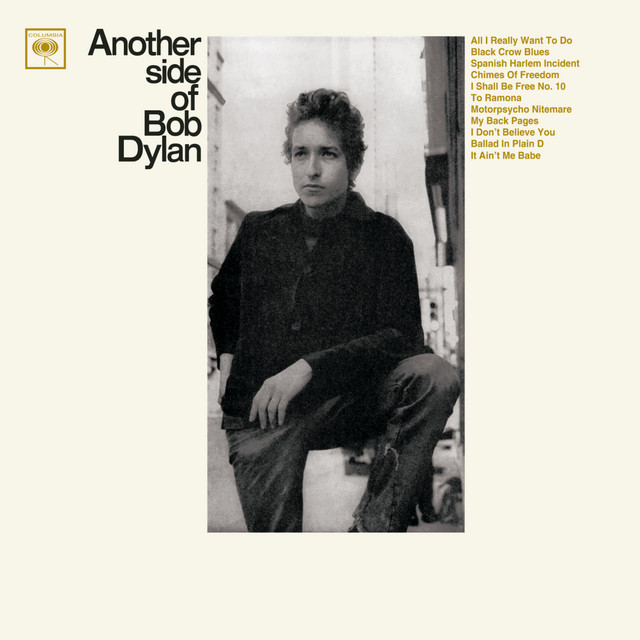
Another Side Of Bob Dylan
1964
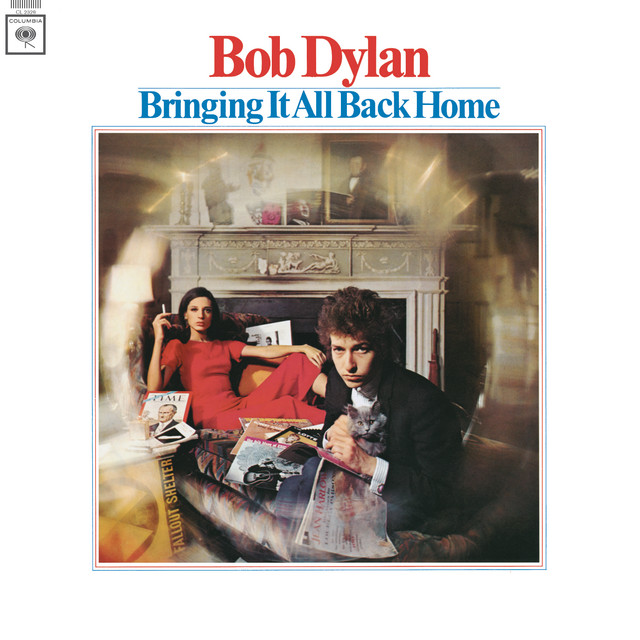
Bringing It All Back Home
1965
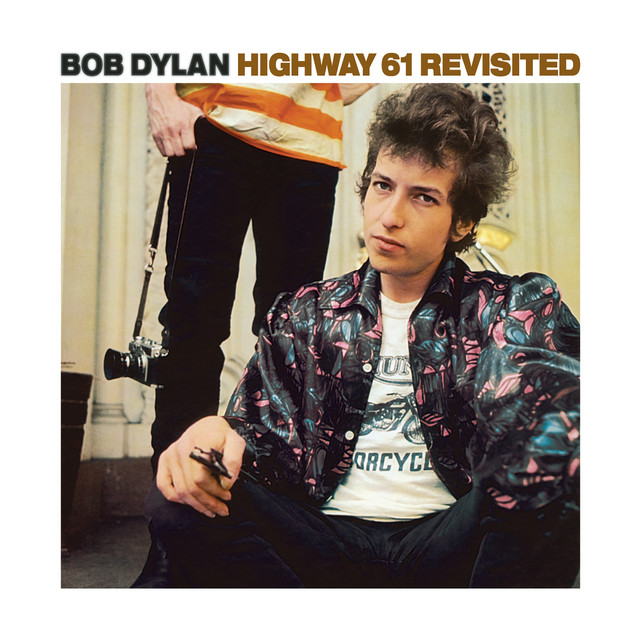
Highway 61 Revisited
1965
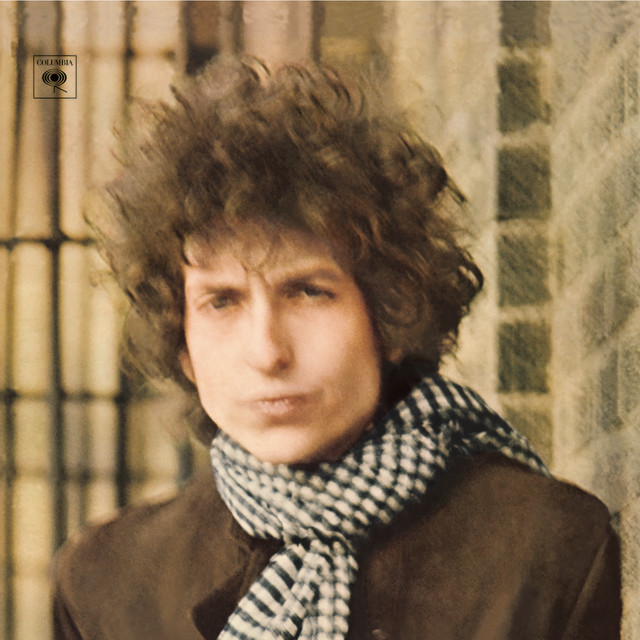
Blonde On Blonde
1966
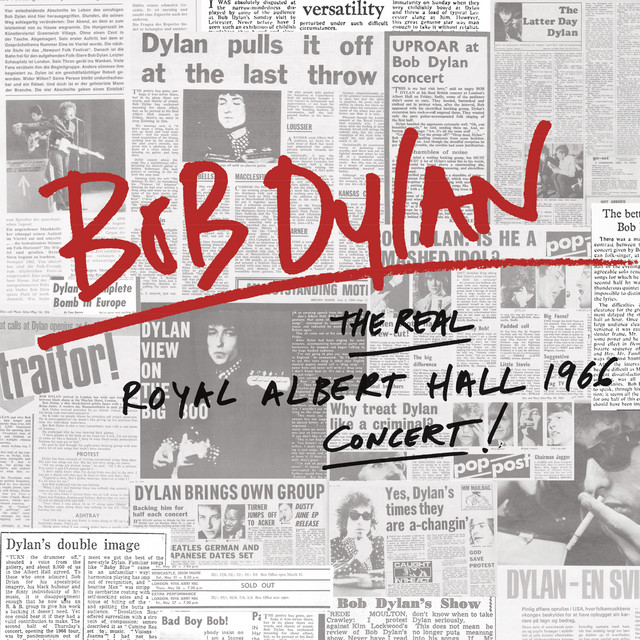
The Real Royal Albert Hall 1966 Concert (Live)
1966
John Wesley Harding
1967
Nashville Skyline
1969
Album Credits
-
Bob Dylan & Robert Zimmerman · 2017
Producer -
Bob Dylan & Robert Zimmerman · 2016
Producer -
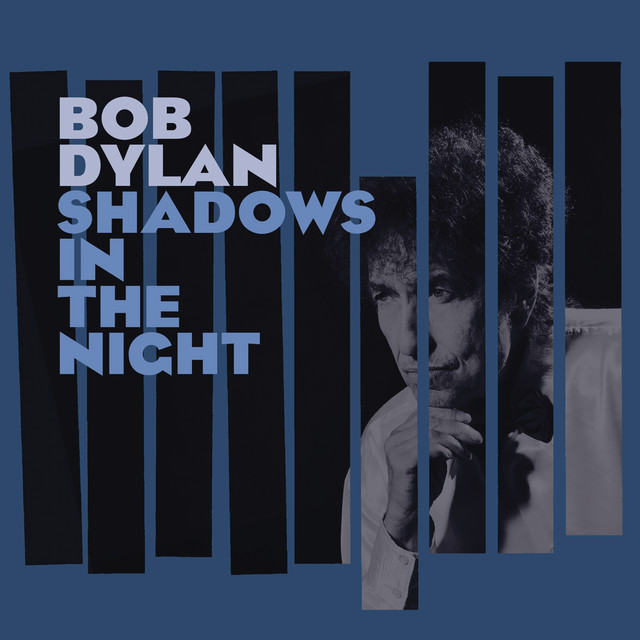
Bob Dylan & Robert Zimmerman · 2015
Producer -
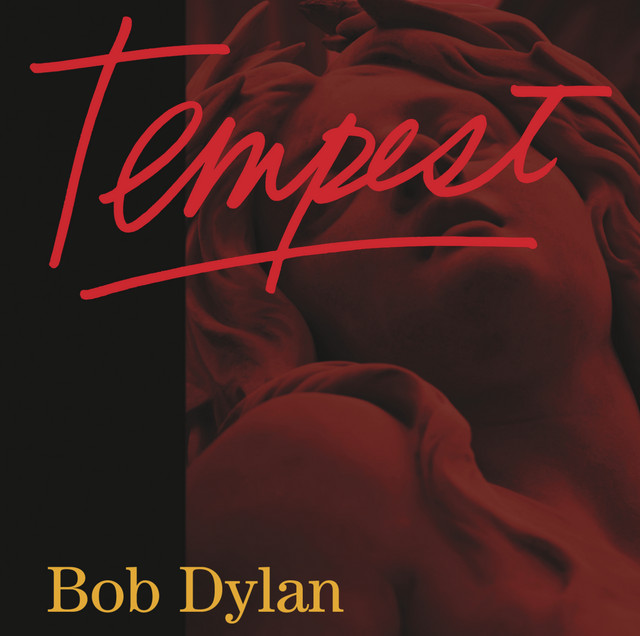
Bob Dylan & Robert Zimmerman · 2012
Producer -
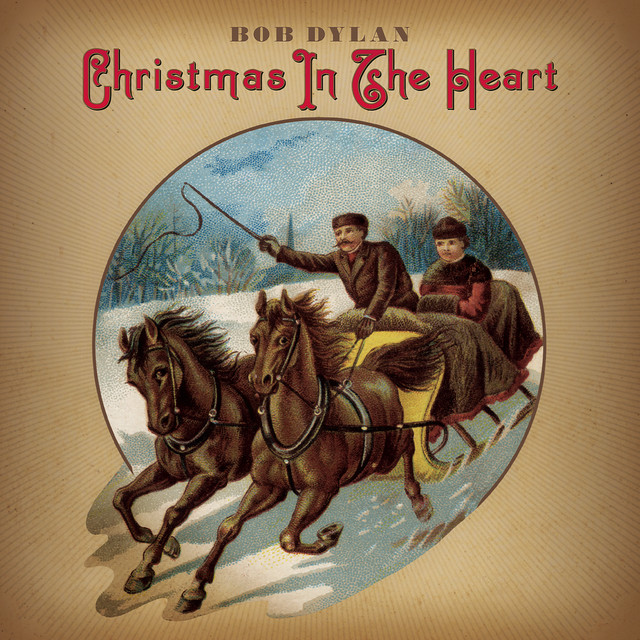
Bob Dylan & Robert Zimmerman · 2009
Producer -
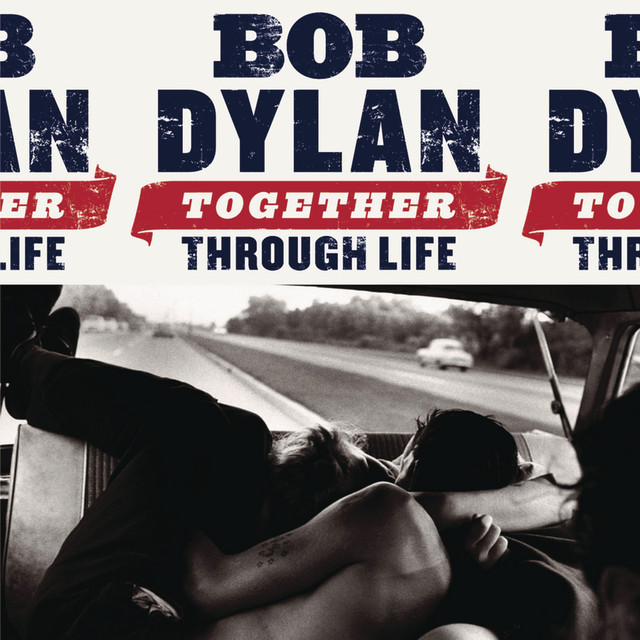
Bob Dylan & Robert Zimmerman · 2009
Producer -
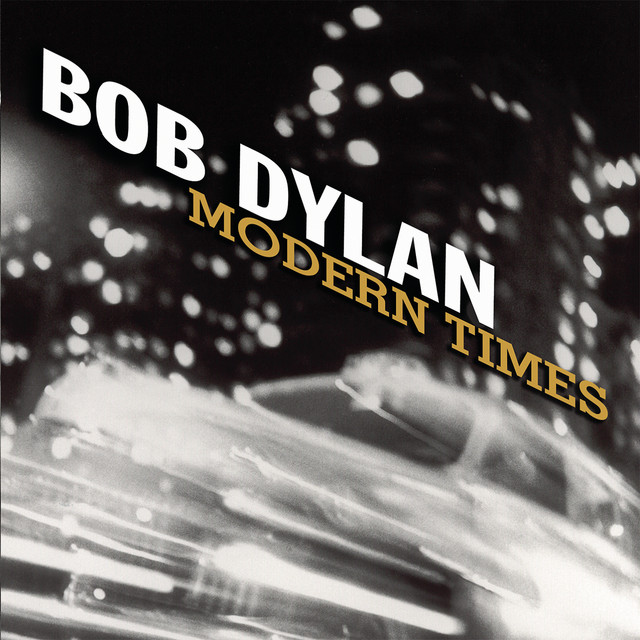
Bob Dylan & Robert Zimmerman · 2006
Producer -
The Band · 2005
Producer -
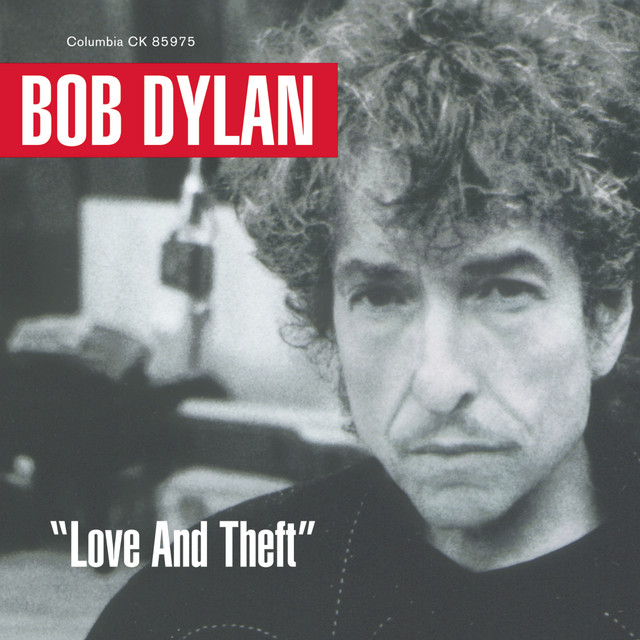
Bob Dylan & Robert Zimmerman · 2001
Producer -
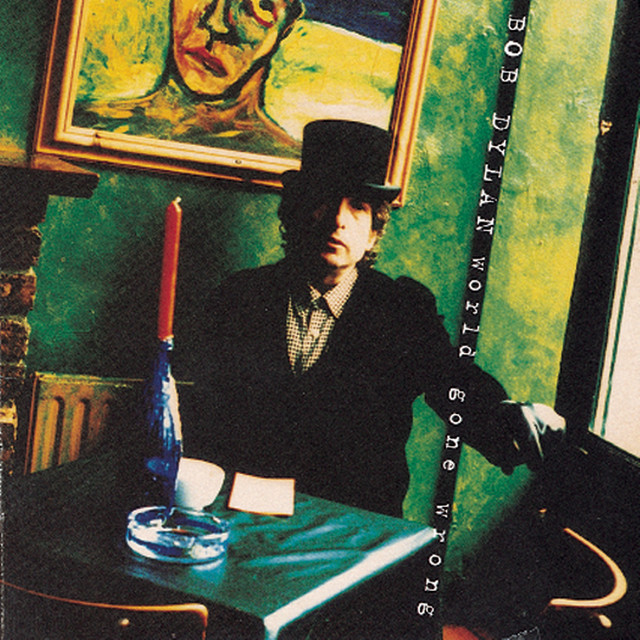
Bob Dylan & Robert Zimmerman · 1993
Producer -
Bob Dylan & Robert Zimmerman · 1990
Producer -
Bob Dylan & Robert Zimmerman · 1986
Producer