Norah Jones
Role
Genre
Role
Genre
Norah Jones' Gear

-m.webp?v=1783173681)
Used on Jones' vocals for The Fall, as stated by producer Jacquire King in this February 1, 2010 Electronic Musician interview with Jones, Jacquire King and assistant engineer Brad Bivens.
She was into adding delay on her voice, trying not to just make it pretty with reverb. The delays were both analog and plug-in. I use Audio Ease Altiverb, SoundToys EchoBoy delay, some of the UA plug-ins—they have a nice EMT 140 emulation—and the Cooper Time Cube Delay. We used The Magic Shop’s Marshall Tape Eliminator AR-300, a tape slap simulator. And Norah had an old Ibanez analog delay. We used a Roland Chorus Echo and EMT 140 plate reverbs, too. Sometimes I will use an Eventide H3000 for harmonic delay effects, and as I get them going I will print them in Pro Tools with the transfer from analog.
Find it on:


Used on Jones' vocals for The Fall, as stated by producer Jacquire King in this February 1, 2010 Electronic Musician interview with Jones, Jacquire King and assistant engineer Brad Bivens.
She was into adding delay on her voice, trying not to just make it pretty with reverb. The delays were both analog and plug-in. I use Audio Ease Altiverb, SoundToys EchoBoy delay, some of the UA plug-ins—they have a nice EMT 140 emulation—and the Cooper Time Cube Delay. We used The Magic Shop’s Marshall Tape Eliminator AR-300, a tape slap simulator. And Norah had an old Ibanez analog delay. We used a Roland Chorus Echo and EMT 140 plate reverbs, too. Sometimes I will use an Eventide H3000 for harmonic delay effects, and as I get them going I will print them in Pro Tools with the transfer from analog.
Find it on:


Used on Jones' piano for The Fall, as stated by assistant engineer Brad Bivens in this February 1, 2010 Electronic Musician interview with Jones, producer Jacques King and Bivens.
When tracking vocals live with the band, how do you adapt?
We knew what Norah was singing at any given time would potentially be on the record. We made sure she was isolated from the group. At The Magic Shop she was in the live room with half the musicians, but their amps were isolated. When she played piano [recorded with Neumann U 69 and U 67, Soundelux E49, and Neumann M 582 mics], we covered it with packing blankets to isolate her mic piano mic. Getting levels set beforehand was important, and Norah works very quickly. We were ready if anything went wrong, and we had backup scenarios.
Find it on:


Used for Jones' Wurlitzer 200A on the The Fall Tour, as mentioned by keyboard, guitar and drum tech Futz in this July 9, 2010 Mix Online interview.
“We also have a stock ’70s Wurlitzer 200A electric piano going through a Boss BD-2 Blues Driver (for extra crunch) and an Ibanez AD-9 analog delay before going to the bass input of the Fender Bassman,” says Futz.
It is also visible in this photo from this February 2, 2010 Front of House Magazine article and this 2010 live performance.
Find it on:


Yamaha's site states that Jones uses this type of piano.
Find it on:

You can see on this picture Norah Jones tuning up the guitar with the Boss TU-3.
Find it on:

Used for vocals on Come Away With Me, as stated by producer Jay Newland in this September 2003 Universal Audio WebZine interview.
The single from the Norah Jones record “Come Away With Me” was actually a demo track that was cut in a small live room at Sorcerer Sound, with the entire band live. It was recorded with a Neumann M49 Mic thru a Manley pre amp and Vari-Mu compressor limiter. Newland used LA-2A compression very subtly on the vocal in the mix. “The LA-2A for me is sort of a default that I always go to. It always works great. I’m just getting into using the 1176 more for more of that in your face vocals. For the jazz stuff, the transparency of the LA-2A is sometimes nicer.”
The LA-2A is also mentioned by Newland in this transcribed March 2005 interview.
"In the mix stage, the voice went through a new Universal Audio LA-2A. Again the threshold was set so that compression was minimal."
Find it on:

Used for Jones' Wurlitzer organ on "Feelin' the Same Way" and the background vocals on Come Away With Me, as stated by producer Jacquire King in this Universal Audio interview.
The 2-610 I used pretty extensively once we got back to her place for bass and Wurlitzer. I did some background vocals with it.
The 2-160 was later used for the "Wurlitzer, guitars, and bass" on The Fall, as stated by King in this February 1, 2010 Electronic Musician interview with Jones, King and his assistant engineer Brad Bivens.
The only thing I brought along was the Universal Audio 2-610. [“And the Massenburg MDW Hi-Res Parametric EQ to add extra fluidity to every channel,” Brad Bivens adds.] The Magic Shop and Sunset Sound have wonderful Neve desks and lots of outboard gear, and Norah has wonderful microphones. So instead of carting things around, I just brought guitar pedals undefined, speakers, and the 2-610, which is a tube mic pre with EQ. It was used for Wurlitzer, guitars, and bass. The vocals were recorded through a Neve 1073 module.
Find it on:

Mentioned on the official product page.
Thanks to its straightforward controls and hallmark sound, the 6176 is the signal path of choice for engineering heavyweights like Vance Powell and Joe Chiccarelli, plus artists including Chris Martin of Coldplay, Norah Jones, Wyclef Jean, and James Mercer of The Shins.
Find it on:

Used for vocals on the Not Too Late Tour, as stated by production manager and FOH engineer Lee Moro in this August 1, 2007 Electronic Musician interview.
Jones sings from three different locations onstage — from behind an acoustic piano, a Wurlitzer electric piano, and front-and-center with an electric guitar. “I have the 104 on two positions and one with a Neumann KMS 140,” Moro shares. “The 104s sound great, so we might switch that third mic to keep things consistent. Plus, it’s easy if we have a problem with any of them out on the road. It’s easier to find a 104 or 105 than a 140.”
Find it on:

Used for the piano on the Norah Jones & The Handsome Band Tour, as stated by production manager and FOH engineer Lee Moro in this August 1, 2007 Electronic Musician interview about the Not Too Late Tour.
On this tour, which mainly takes in theaters plus a few amphitheaters such as Denver’s Red Rocks, there has also been a slight change to the acoustic piano setup, according to Moro. “We had three KM 100s with the AK 40 capsules last time. Now we’ve taken the middle one and put a TLM 103 in there. It’s the hugest of large diaphragms and gives a bigger overall sound. I’ve become a big fan of the 103. They’re stupendous and pick up everything really nicely.”
Find it on:

Used to record The Fall, as stated in this February 1, 2010 Electronic Musician interview with Jones, producer Jacquire King and his assistant engineer Brad Bivens.
Recording in mid-2009 at New York’s The Magic Shop, Studio A (Neve 80 Series console with 1079 modules to 16-track Studer A827 2-inch 24-track to Pro Tools|HD3) and L.A.’s Sunset Sound, Studio 2 (Neve 8088 with 1073 preamps and EQs to Studer A827 2-inch 24-track to Pro Tools), Jones and King adopted a quasi Steely Dan approach, often recording the same song with different groups, then cherry-picking the best performances.
Find it on:

Used on The Fall, as stated by assistant engineer Brad Bivens in an editor's note in this February 1, 2010 Electronic Musician interview with Jones, producer Jacquire King (whose words the editor's note intersects) and Bivens. At the time, 3.0 was the latest version of the software.
The only thing I brought along was the Universal Audio 2-610. [“And the Massenburg MDW Hi-Res Parametric EQ to add extra fluidity to every channel,” Brad Bivens adds.]
Find it on:

Used for vocals on Not Too Late and The Fall (in tandem with a Placid Audio Copperphone for the latter), as stated in this February 1, 2010 Electronic Musician interview with Jones, producer Jacquire King and assistant engineer Brad Bivens.
Demos for The Fall began at Jones’ Manhattan home studio in May 2008, with engineer Tom Schick manning her custom Neve console (with 1073 modules), Otari 2-inch 24-track MTR- 90, and a sumptuous collection of vintage tube mics (Neumann M 49, U 47, and Telefunken ELA M 250).
(...) [Jones:] I love the M 49 and I also used a Telefunken ELA M 250 on my third record [2007’s Not Too Late]. It depends on the type of song and the way I am singing for which one sounds better. I love the 49 ’cause it gets all the grit and warmth, but sometimes it can sound a little too muffled if I am singing a certain way. Then the 250 gives some nice high end and a lot of air. And I like to be close to the mic to catch all the nuances.
(...) [King:] And Norah has an ELA M 250 mic and a U 47; then we chose the 250 paired with a Placid Audio Copperphone. It’s basically an old pay phone telephone voice element in a custom copper enclosure. I put that right next to the 250. It has a very frequency limited, old time gritty, edgy sound and gave the vocal a little more texture. Sometimes I leaned heavier on background vocals to give them a different texture and separate it from the lead vocal.
Find it on:

Part of Jones' home studio, as stated in this February 1, 2010 Electronic Musician interview with Jones, producer Jacquire King and assistant engineer Brad Bivens about The Fall.
Demos for The Fall began at Jones’ Manhattan home studio in May 2008, with engineer Tom Schick manning her custom Neve console (with 1073 modules), Otari 2-inch 24-track MTR- 90, and a sumptuous collection of vintage tube mics (Neumann M 49, U 47, and Telefunken ELA M 250).
(...) [King:] And Norah has an ELA M 250 mic and a U 47; then we chose the 250 paired with a Placid Audio Copperphone.
Find it on:

Used to record The Fall, as stated in this February 1, 2010 Electronic Musician interview with Jones, producer Jacquire King and assistant engineer Brad Bivens.
Recording in mid-2009 at New York’s The Magic Shop, Studio A (Neve 80 Series console with 1079 modules to 16-track Studer A827 2-inch 24-track to Pro Tools|HD3) and L.A.’s Sunset Sound, Studio 2 (Neve 8088 with 1073 preamps and EQs to Studer A827 2-inch 24-track to Pro Tools), Jones and King adopted a quasi Steely Dan approach, often recording the same song with different groups, then cherry-picking the best performances.
Find it on:

Used on Jones' vocals for The Fall, as stated by producer Jacquire King in this February 1, 2010 Electronic Musician interview with Jones, Jacquire King and assistant engineer Brad Bivens.
She was into adding delay on her voice, trying not to just make it pretty with reverb. The delays were both analog and plug-in. I use Audio Ease Altiverb, SoundToys EchoBoy delay, some of the UA plug-ins—they have a nice EMT 140 emulation—and the Cooper Time Cube Delay. We used The Magic Shop’s Marshall Tape Eliminator AR-300, a tape slap simulator. And Norah had an old Ibanez analog delay. We used a Roland Chorus Echo and EMT 140 plate reverbs, too. Sometimes I will use an Eventide H3000 for harmonic delay effects, and as I get them going I will print them in Pro Tools with the transfer from analog.
Find it on:

Used on Jones' vocals for The Fall, as stated by producer Jacquire King in this February 1, 2010 Electronic Musician interview with Jones, Jacquire King and assistant engineer Brad Bivens.
She was into adding delay on her voice, trying not to just make it pretty with reverb. The delays were both analog and plug-in. I use Audio Ease Altiverb, SoundToys EchoBoy delay, some of the UA plug-ins—they have a nice EMT 140 emulation—and the Cooper Time Cube Delay. We used The Magic Shop’s Marshall Tape Eliminator AR-300, a tape slap simulator. And Norah had an old Ibanez analog delay. We used a Roland Chorus Echo and EMT 140 plate reverbs, too. Sometimes I will use an Eventide H3000 for harmonic delay effects, and as I get them going I will print them in Pro Tools with the transfer from analog.
Find it on:

Used on Jones' vocals for The Fall, as stated by producer Jacquire King in this February 1, 2010 Electronic Musician interview with Jones, Jacquire King and assistant engineer Brad Bivens.
She was into adding delay on her voice, trying not to just make it pretty with reverb. The delays were both analog and plug-in. I use Audio Ease Altiverb, SoundToys EchoBoy delay, some of the UA plug-ins—they have a nice EMT 140 emulation—and the Cooper Time Cube Delay. We used The Magic Shop’s Marshall Tape Eliminator AR-300, a tape slap simulator. And Norah had an old Ibanez analog delay. We used a Roland Chorus Echo and EMT 140 plate reverbs, too. Sometimes I will use an Eventide H3000 for harmonic delay effects, and as I get them going I will print them in Pro Tools with the transfer from analog.
Find it on:

Used on Jones' vocals for The Fall, as stated by producer Jacquire King in this February 1, 2010 Electronic Musician interview with Jones, Jacquire King and assistant engineer Brad Bivens.
She was into adding delay on her voice, trying not to just make it pretty with reverb. The delays were both analog and plug-in. I use Audio Ease Altiverb, SoundToys EchoBoy delay, some of the UA plug-ins—they have a nice EMT 140 emulation—and the Cooper Time Cube Delay. We used The Magic Shop’s Marshall Tape Eliminator AR-300, a tape slap simulator. And Norah had an old Ibanez analog delay. We used a Roland Chorus Echo and EMT 140 plate reverbs, too. Sometimes I will use an Eventide H3000 for harmonic delay effects, and as I get them going I will print them in Pro Tools with the transfer from analog.
In this Universal Audio interview with King, it is specified that the Time Cube was, in fact, the plugin, as opposed to the original analog unit he used on Kings of Leon's Only by the Night.
What's really exciting about the UA stuff is, for instance, I hadn't used the UA plug-ins when I was making the [Kings of Leon] Only by the Night record, but I was using a Cooper Time Cube. When I'm in those situations, I get something set up on the console, and then when I do my transfer from the 2", I also transfer the effects that I've set up. Like if I put a Cooper Time Cube on a guitar track, I'll transfer that in. For the last couple of records, these plug-ins are so good that now I don't have to have those things either rented, or set up, and printed in. I'm using the plug-in.
Find it on:

Used on Jones' piano for The Fall, as stated by assistant engineer Brad Bivens in this February 1, 2010 Electronic Musician interview with Jones, producer Jacques King and Bivens.
When tracking vocals live with the band, how do you adapt?
We knew what Norah was singing at any given time would potentially be on the record. We made sure she was isolated from the group. At The Magic Shop she was in the live room with half the musicians, but their amps were isolated. When she played piano [recorded with Neumann U 69 and U 67, Soundelux E49, and Neumann M 582 mics], we covered it with packing blankets to isolate her mic piano mic. Getting levels set beforehand was important, and Norah works very quickly. We were ready if anything went wrong, and we had backup scenarios.
Find it on:




Used on Jones' piano for The Fall, as stated by assistant engineer Brad Bivens in this February 1, 2010 Electronic Musician interview with Jones, producer Jacques King and Bivens.
When tracking vocals live with the band, how do you adapt?
We knew what Norah was singing at any given time would potentially be on the record. We made sure she was isolated from the group. At The Magic Shop she was in the live room with half the musicians, but their amps were isolated. When she played piano [recorded with Neumann U 69 and U 67, Soundelux E49, and Neumann M 582 mics], we covered it with packing blankets to isolate her mic piano mic. Getting levels set beforehand was important, and Norah works very quickly. We were ready if anything went wrong, and we had backup scenarios.
Find it on:

Used on the The Fall Tour for the closing jams' Nuemann TLM 103 (for which Jones played guitar), as stated by FOH engineer Brett Dicus in this July 9, 2010 Mix Online interview.
Four members of the band do a little jam at the end of the show surrounding a Neumann TLM103 mic. Dicus has a Waves Q10 inserted on the channel, as well as the strip EQ to help eliminate feedback and then to contour the tone.
Find it on:

Used on vocals for the The Fall Tour, as stated by FOH engineer Brett Dicus in this July 9, 2010 Mix Online interview.
Onboard plug-ins include Waves C4 (vocals/bass), McDSP, Elysia, Crane Song and Flux. “These give me the control I need to consistently adapt to the wide range of rooms we are playing,” Dicus explains.
Find it on:
This is a community-built gear list for Norah Jones.
- Find relevant music gear like Microphones, Guitars, Amplifiers, Effects Pedals, Pianos, Keyboards and Synthesizers, and other instruments and add it to Norah Jones.
- The best places to look for gear usage are typically on the artist's social media, YouTube, live performance images, and interviews.
- To receive email updates when Norah Jones is seen with new gear, follow the artist.
Discography
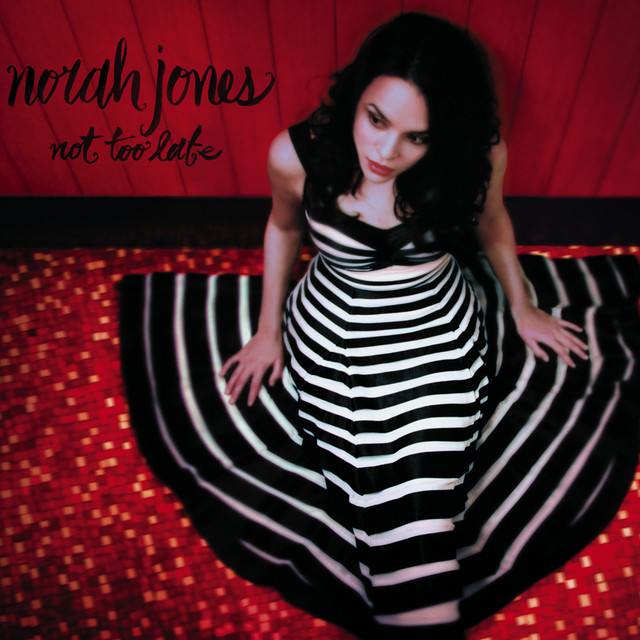
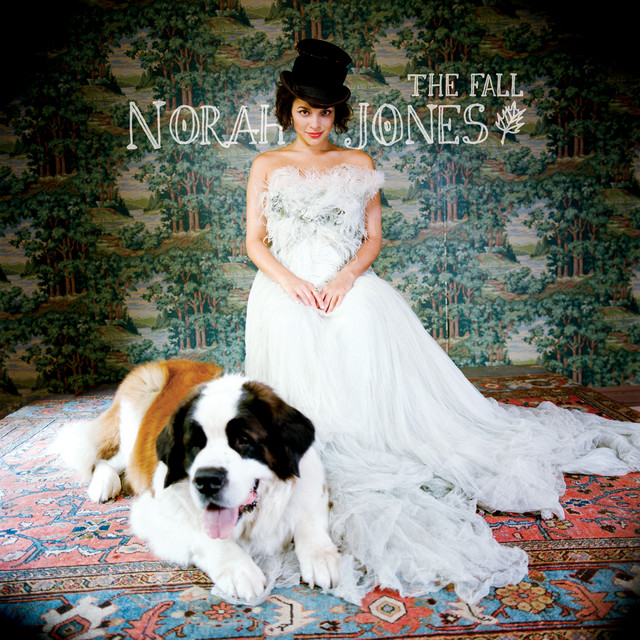
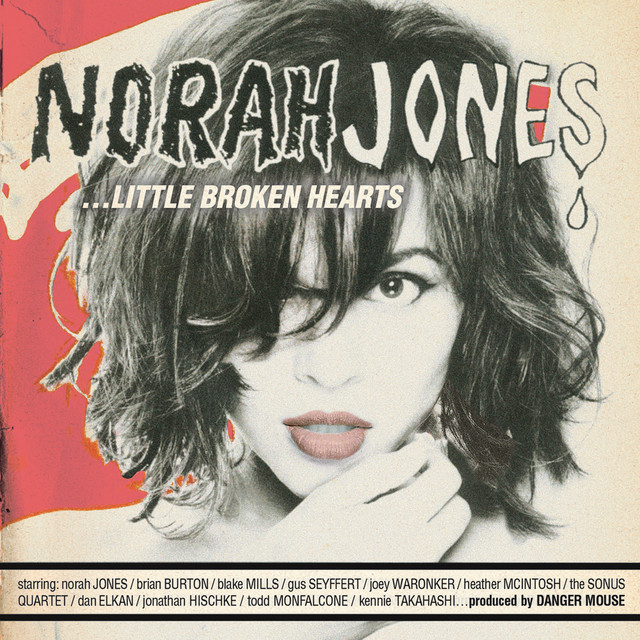
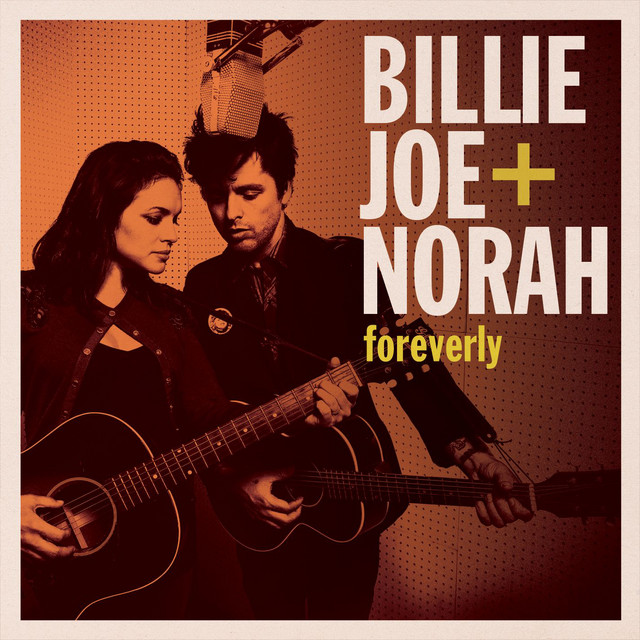
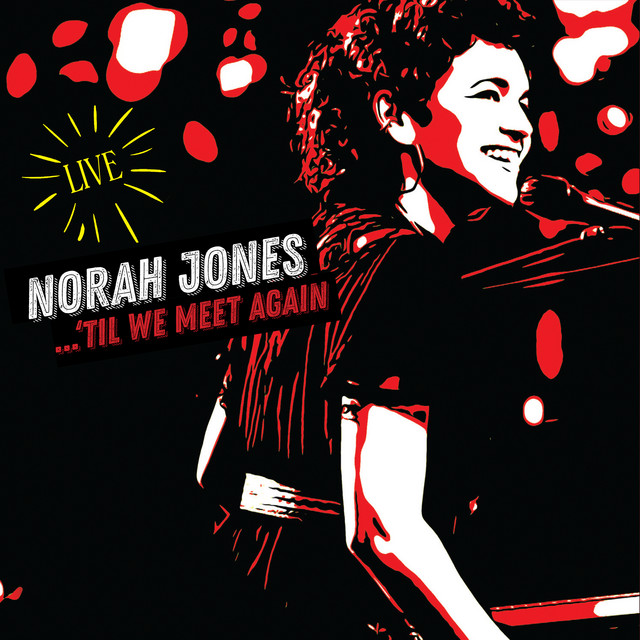
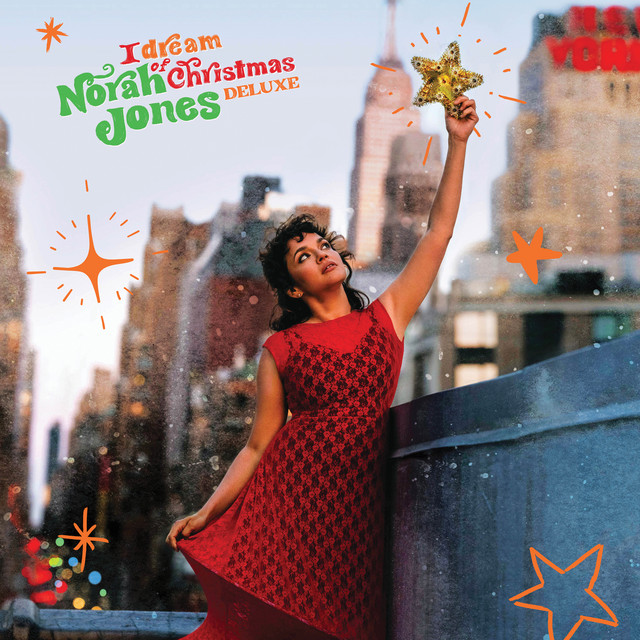
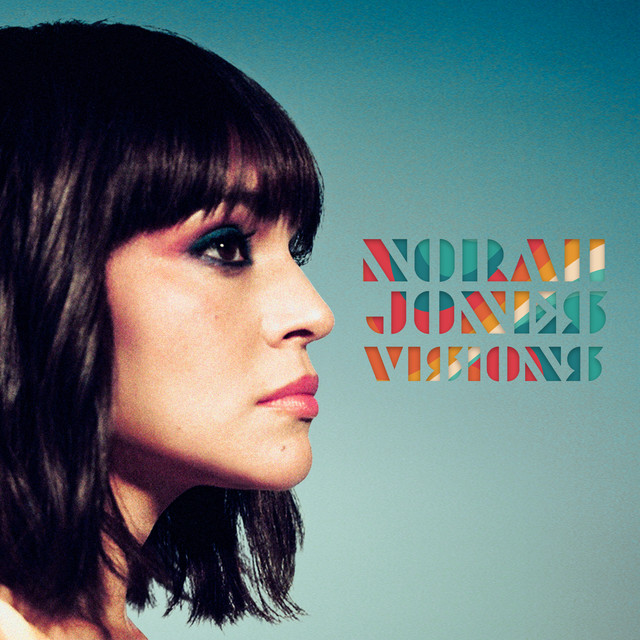
Album Credits
-
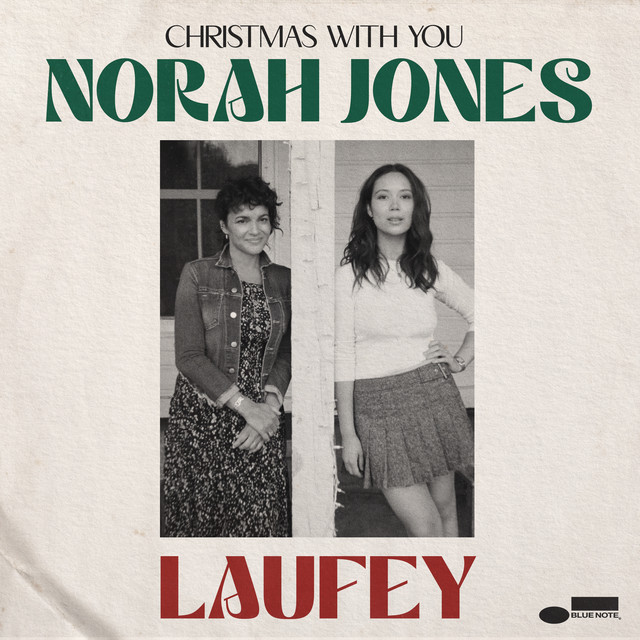
Norah Jones & Laufey · 2023
Producer -

Norah Jones · 2021
Producer -
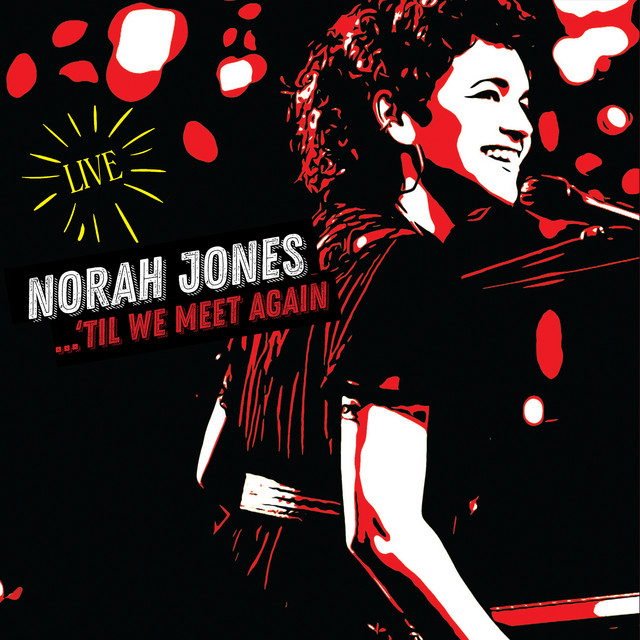
Norah Jones · 2021
Producer -
Norah Jones · 2021
Producer -
Norah Jones · 2020
Producer -
Norah Jones · 2020
Producer -
Norah Jones · 2019
Producer -
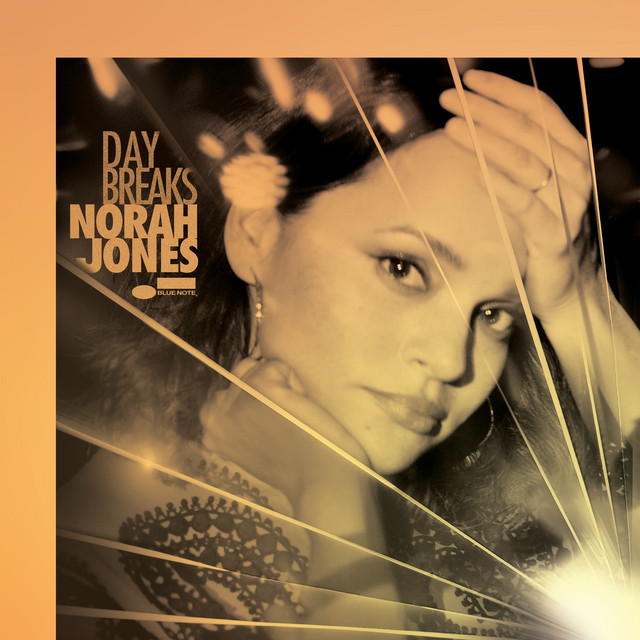
Norah Jones · 2016
Producer -
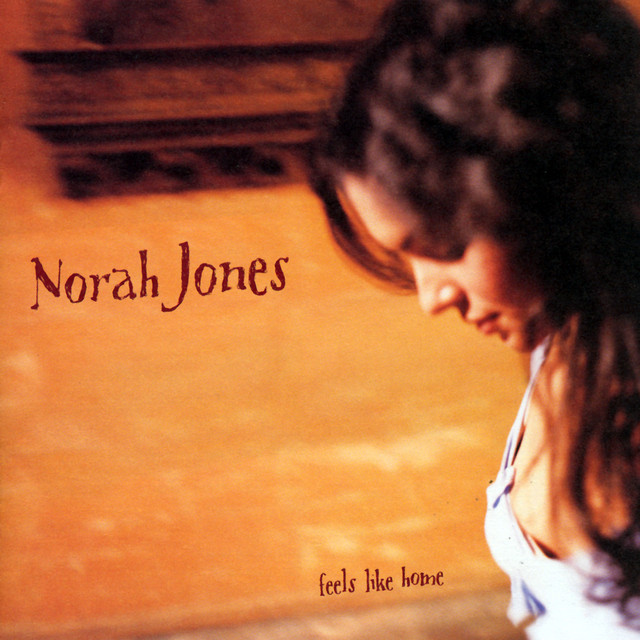
Norah Jones · 2004
Producer -
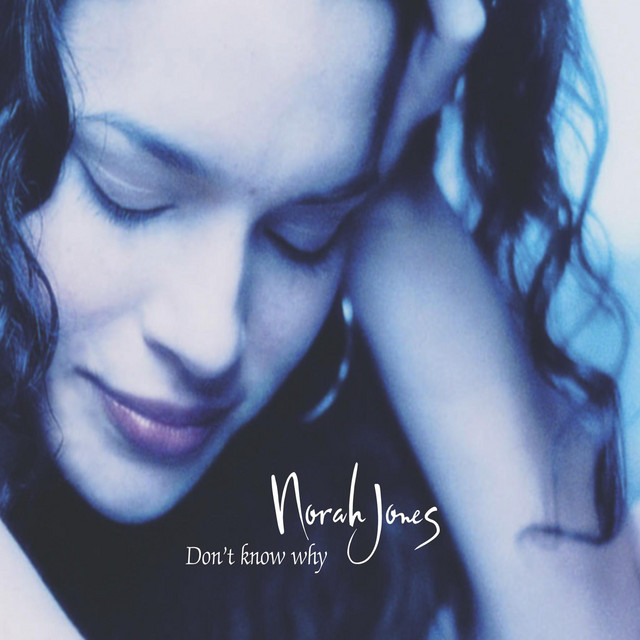
Norah Jones · 2002
Producer -
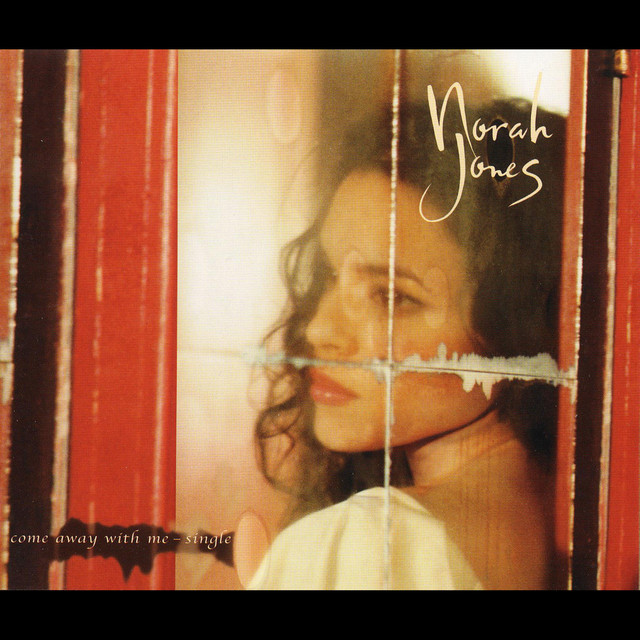
Norah Jones · 2002
Producer