
Tom Waits
Role
Genre
Group
Role
Genre
Group
Tom Waits' Music Accessories


Documented extensively on this page from the website Tom Waits Library.
Tom Waits (1987): "When I finally discovered what a bullhorn can do to your whole sound, it was a big moment for me. I'd never sung through a bullhorn. I'd tried to get that effect in other ways. I tried cupping my hands, singing into tin cans, using those 7-dollar harmonica microphones, singing into pipes and there it was. A battery-operated bullhorn. Available at Radio Shack for $29.95." (Source: "From the set of Ironweed, Tom Waits talks with Rip Rense" New York Post: Rip Rense. Early 1987)
Tom Waits (1987): "Little opera line, there (Blow Wind Blow). Got a little carnival thing in it. Glockenspiel, pump organ. Used the bullhorn on it." (Source: "From the set of Ironweed, Tom Waits talks with Rip Rense" New York Post: Rip Rense. Early 1987)
Mark Rowland (1987): It's true you sang several of the new tunes through a police bullhorn? TW: "I've tried to simulate that sound in a variety of ways - singing into trumpet mutes, jars, my hands, pipes, different environments. But the bullhorn put me in the driver's seat. There's so much you can do to manipulate the image, so much technology at your beck and call. But still you gotta make choices. A lot of this stuff is 24-track; I finally allowed that and joined the twentieth century, at least in that regard." (Source: "Tom Waits is flying upside down (on purpose)" Musician: Mark Rowland. October, 1987)
Mark Rowland (1987): "The current apple of his musical arsenal, for instance, is a police bullhorn, through which Waits fashioned many of the vocals you hear on Frank's Wild Years. Not just any horn, of course, but an MP5 Fanon transistorized megaphone (with public address loudspeaker). "It's made in Taiwan," Waits adds proudly." (Source: "Tom Waits is flying upside down (on purpose)" Sidebar. Musician: Mark Rowland. October, 1987)
Bill Forman (1987): "Another innovation on Frank's Wild Years is the prevalence of the bullhorn, which Waits sings through on at least four cuts. TW: "Well, I tried to obtain that same sound in other ways, by using broken microphones, singing into tin cans, cupping my hands around the microphone, putting the vocal through an Auratone speaker, which is like a car radio speaker, and then miking that. Practically even considered at one point making a record and then broadcasting the record through like a radio station and then having it come out of the car and then mike the car ... and then it just became too complicated, you know? So a bullhorn seemed to be the answer to it all."(Source: "Better Waits Than Ever" Music & Sound Output: Bill Forman. Vol. 7, No. 11. October, 1987)
Tom Waits (1996): "Around 1982, my wife Kathleen encouraged me to try singing through a police bullhorn to make my voice stand out in relief when incorporated with instruments of the same color. Of course, it's possible to do the same thing with an equalizer, but nothing beats the drama of a bullhorn. My engineer Biff Dawes purchased me my first, and it was love at first sight -- I never record or tour without it. I also try to buy a new one every year, because they continue to "improve" upon them. I find the older 80s models (the Fanon is available at Radio Shack for about $29.95) superior; they're warmer to the ear. Also interesting to explore are the ones made for children, that can change a voice from monster to spaceman to robot. I found humming through them can give you a sound much like Blue Cheer's guitar sound on "Summertime Blues." In addition to these I also own a 1944 electric megaphone, issued by the Navy Bureau of Ships and made by the Guided Radio Corps of New York. The bell is 24 inches in diameter and it's battleship gray. If you want to feel "Federal", it's the one for you." (Source: "Sound Hound": Foreword by Tom Waits to Bart Hopkin's book/ CD: "Gravikords Whirlies & Pyrophones - Experimental Musical Instruments." Publisher: Ellipsis Arts. October, 1996)
Paul Tingen (2000): "Hitting a hotel room and recording this into a boombox, as Waits did, is clearly a low-fi approach, just as recording a group of musicians outside with an old shotgun mic is. Waits also sang a few things through an amplified megaphone on Chocolate Jesus, and through a two-foot long PVC pipe on Get Behind The Mule." (Source: "California Screamin'" Audiomedia magazine (UK), by Paul Tingen. February, 2000)
Find it on:


This is a community-built gear list for Tom Waits.
- Find relevant music gear like Microphones, Guitars, Amplifiers, Effects Pedals, Pianos, Keyboards and Synthesizers, and other instruments and add it to Tom Waits.
- The best places to look for gear usage are typically on the artist's social media, YouTube, live performance images, and interviews.
- To receive email updates when Tom Waits is seen with new gear, follow the artist.
-
Added to Equipboard on by
.jpg?v=1783354992) gchiaren
gchiarenGear IQ 37552
-
Updated
Discography
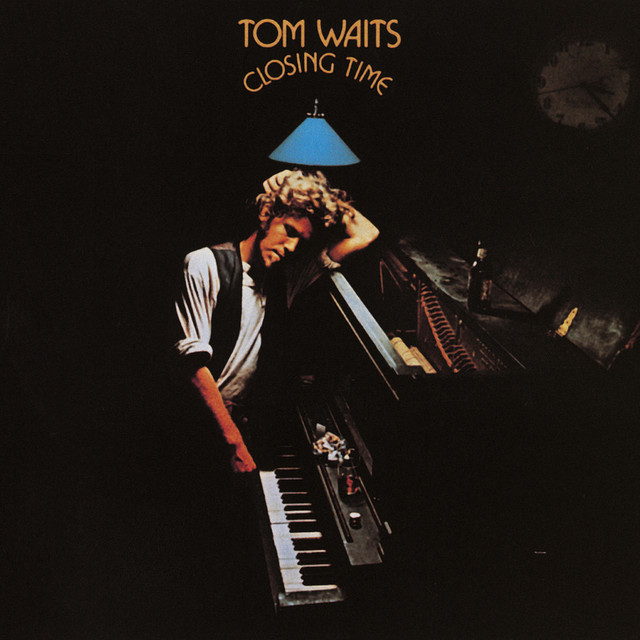
Closing Time (Remastered)
1973
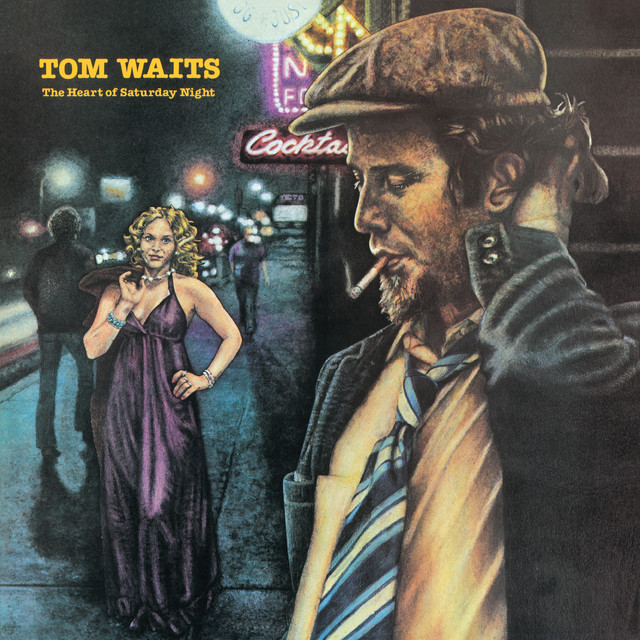
The Heart Of Saturday Night (Remastered)
1974
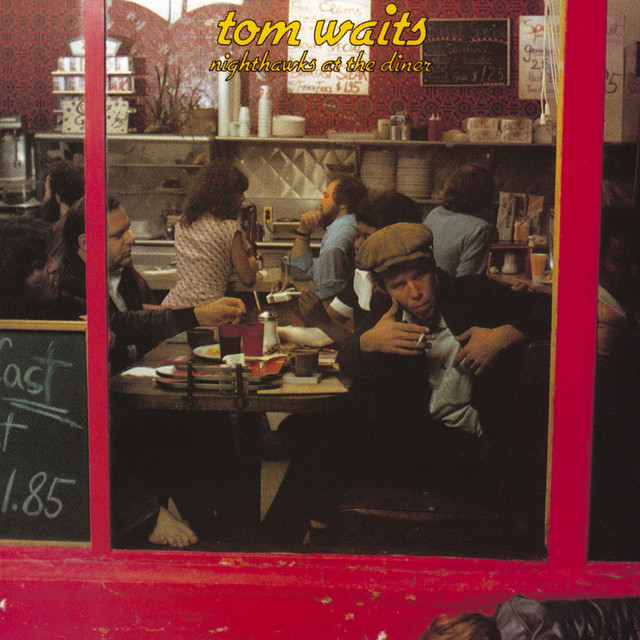
Nighthawks At The Diner (Remastered)
1975
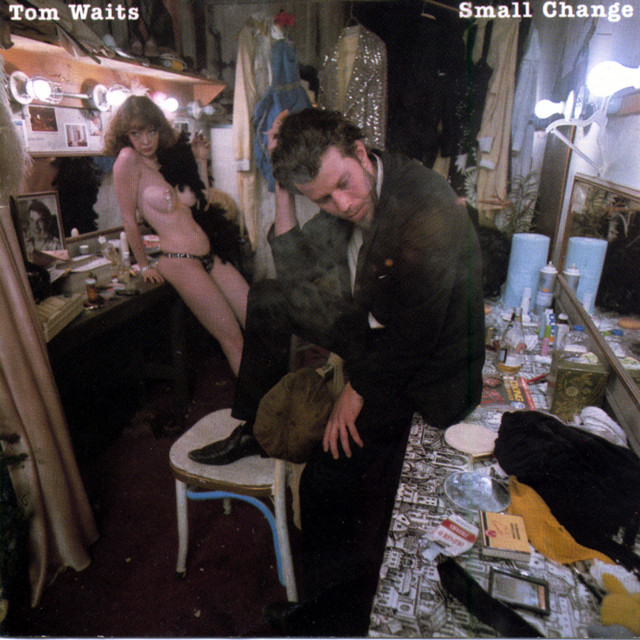
Small Change (Remastered)
1976
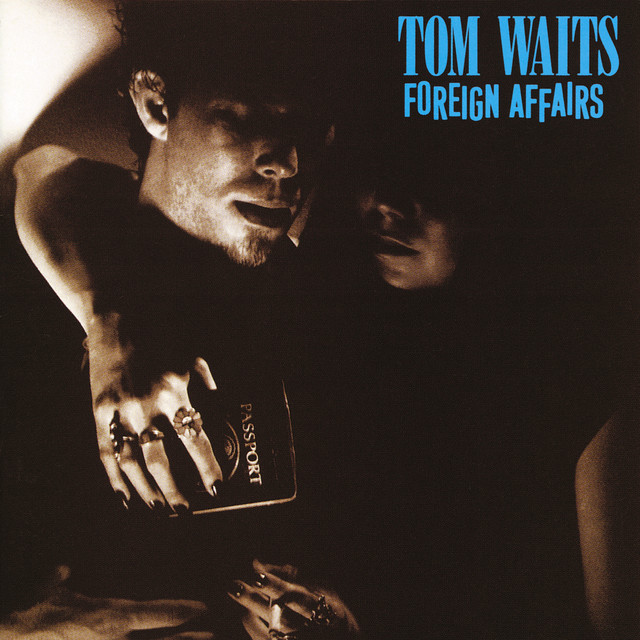
Foreign Affairs (Remastered)
1977
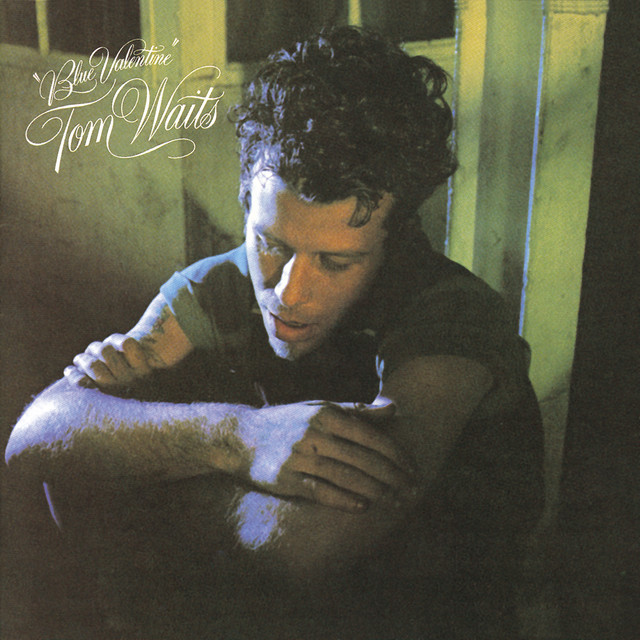
Blue Valentine (Remastered)
1978
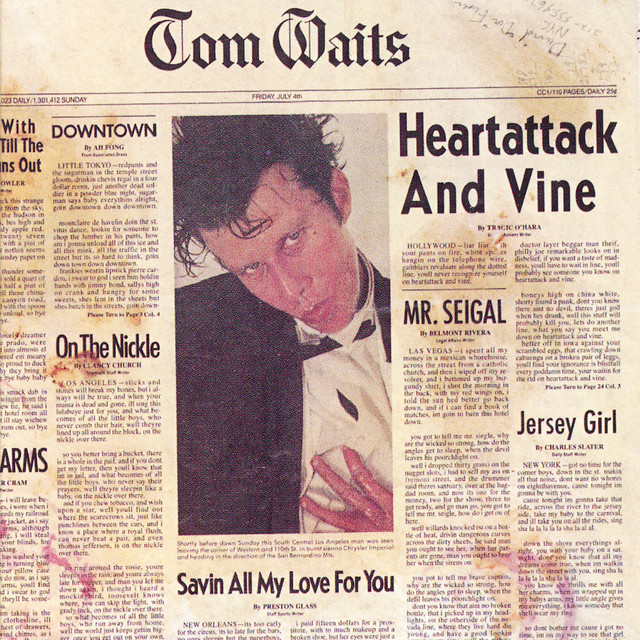
Heartattack And Vine (Remastered)
1980
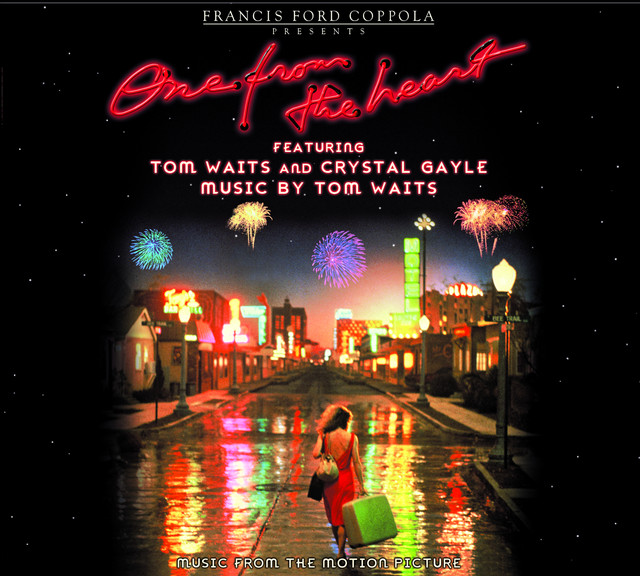
Music From The Original Motion Picture "One From The Heart"
1982
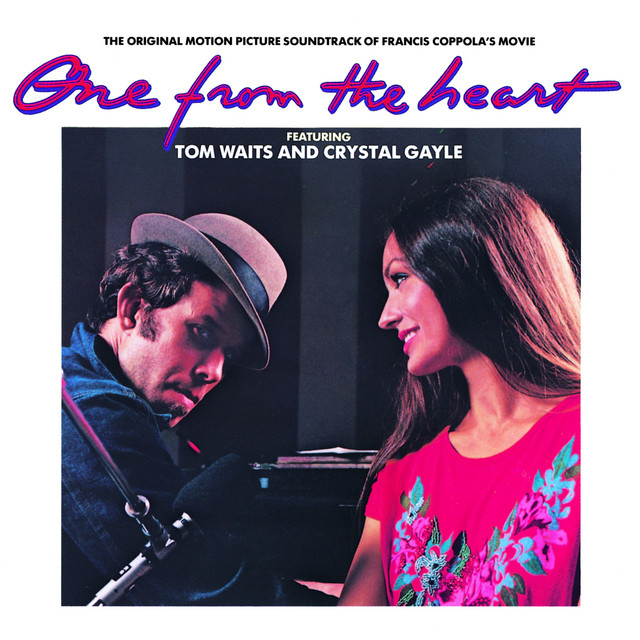
The Original Motion Picture Soundtrack of Francis Coppola's Movie ONE FROM THE HEART
1982
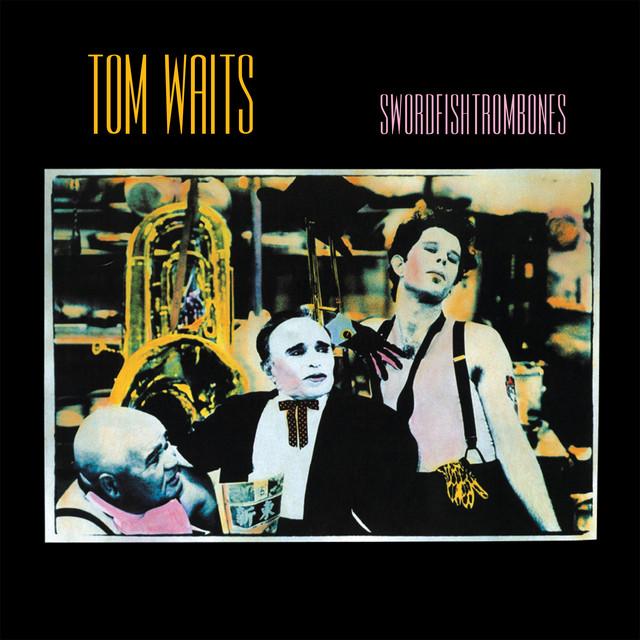
Swordfishtrombones (2023 Remaster)
1983

Rain Dogs (2023 Remaster)
1985
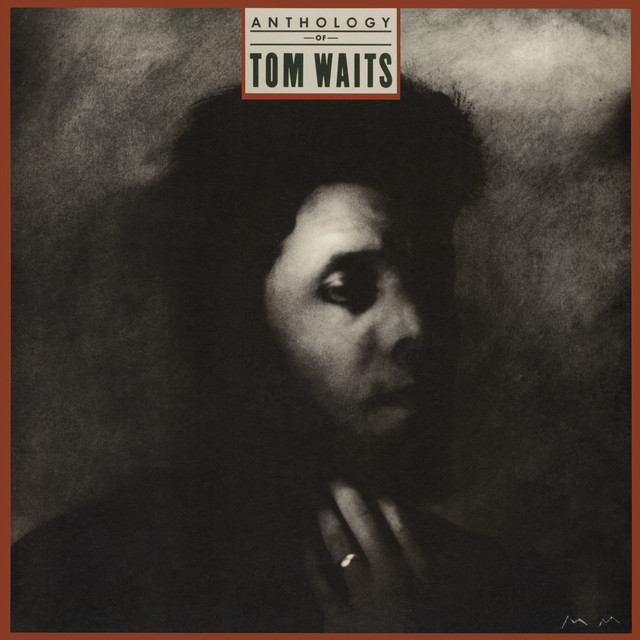
Anthology Of Tom Waits
1985
Album Credits
-
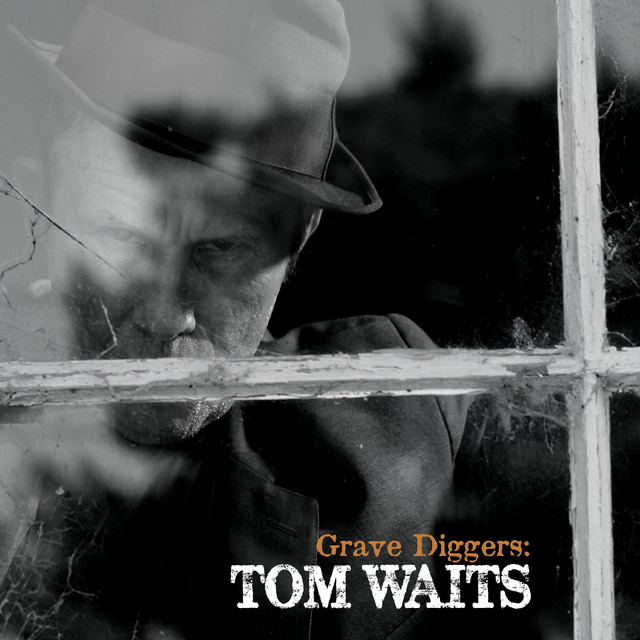
Tom Waits · 2022
Producer -

Metric · 2012
Producer -

Primus · 2006
Producer -
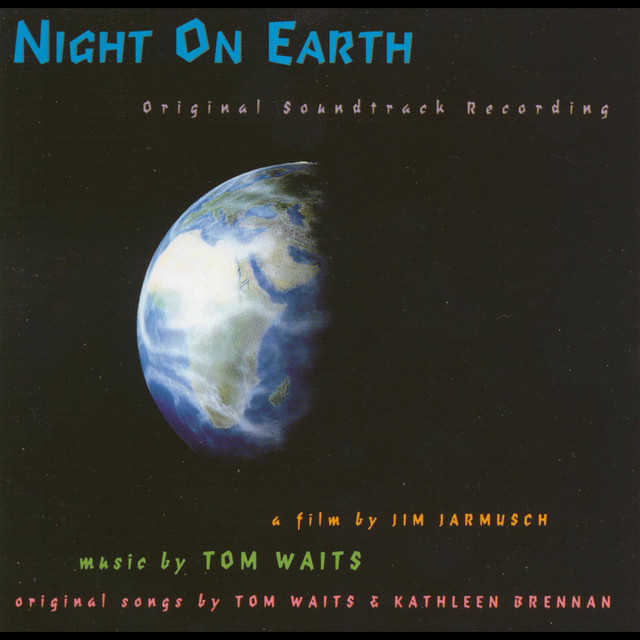
Tom Waits · 1991
Producer -

Tom Waits · 1988
Producer



.jpeg?v=1783265544)







.webp)
