
Stevie Wonder
Stevie Wonder's Gear


Wonder can be seen in this promotional poster with a Mu Tron III.
Find it on:


Here is a glorious picture of Stevie using an RE20. In addition to this photographic evidence, here is a quote from Engineer Gary Olazabal, from the Sept 2007 issue of Sound on Sound re: the sessions for "Songs in the Key of Life":
"We changed his vocal mics all the time, tailoring the sound to each song, and he knew how to work a microphone. He was, for example, fond of using an Electrovoice RE20 on more aggressive songs like 'I Wish', whereas we'd use more transparent mics on ballads."
Find it on:


In this photo, Stevie Wonder plays a Yamaha Motif XF8 live.
Find it on:

In the photo, Stevie Wonder is pictured playing the Hohner Clavinet D6, highlighting his long-standing association with this iconic electric keyboard.
Find it on:

According to this December 1999 Sound on Sound interview with Paul Wiffen, Wonder owns the last produced Synthex (made from spare parts) and used it on "Skeletons".
Unfortunately, by the time my guerilla marketing started to pay off - getting the Synthex on TV with players like Peter Oxendale in Bonnie Tyler's 'Total Eclipse of the Heart', Mark Stanway of Magnum and Phil Lynott in Grand Slam - Elka had lost faith in the instrument and were selling it off directly for £500 through the music technology magazine Electronics and Music Maker. Some people got a magnificent bargain, considering the original retail price was over three grand. As payment for programming work on some hideous FM-based unit that Elka came out with (my mind has deliberately blanked out the model number), I got Elka-Orla to give me two of the last Synthexes and to ship one of them to Los Angeles, where I was moving. Called in to try to make sense of Stevie Wonder's new Sequential Studio 440 drum machine (into which my Prophet 2000 samples would thankfully load), I was soon up to my old tricks, asking if I could bring in other synths. Next thing we were MIDIing the OSCar and Synthex together for the killer bass sound on his 1987 single 'Skeletons' and I was in there. After the album's release, I toured the world with Stevie as MIDI programmer, ensconced under the stage with the Synclavier guy. Unfortunately, because of their limited MIDI implementation, neither the Synthex nor the OSCar went on the road (except recorded into the Synclavier), but Elka-Orla cobbled together one last Synthex for Stevie from several ones that had been cannibalised for parts (because I refused to sell him mine).
Find it on:

Stevie Wonder played his hit song "Superstition" on a 16 string harpejji on the 2012 Billboard Music Awards.
Find it on:

In this photo, Wonder can be seen playing a Yamaha Motif XS8.
Find it on:


Stevie Wonder Live Concert, using a VV73 with Black Sparkle Top
Find it on:

Stevie Wonder is known to use the Hohner 64 Chromonica, as detailed in an artist profile by The Harmonica Company.
Find it on:


-m.webp?v=1784332344)
In this random PR castoff, sporting neither an author nor a full date, a delightful quote is found re: a conversation with Bob Heil:
"Just as we were about to hang up, he said, “And do you know what one of the most touching moments I’ve had in my music career (which spans over 50 years)?” I didn’t. He went on to say, “Sarah and I were at the Hollywood Bowl watching Stevie Wonder recently and he had six of my microphones on stage.” He went on to say, “Dave, there’s not a better set of ears in the world than Stevie’s and to have him decide that my microphones are better than everything he has ever tried is quite a compliment. He has no reason to change anything he’s doing; he’s Stevie Wonder. On stage, he used a PR35 for his vocal at the acoustic piano, another at his electric piano, and four for his backup singers.”
Touching, right? But not up to the journalistic standards of Equipboard... so here is a second, more official piece of PR newswire from 2008 to reenforce.
Find it on:


In the case of 'Pastime Paradise', a Yamaha GX1 served as the starting point. A huge and powerful polyphonic analogue synthesizer, with chrome pedestals and a curved metallic body, the GX1 — introduced in 1973 as a forerunner to the CS80 — housed three keyboards, a pedal-board, a ribbon controller that produced modulation changes, two swell pedals and a spring-loaded knee controller, along with a variety of buttons and switches to program, store and recall sounds. The top three-quarter-scale, three-octave, 37-note keyboard had half-size keys and offered unprecedented touch control; the other two five-octave, 61-note standard-size keyboards were equally functional, with horizontal position control enabling the player to achieve effects such as vibrato by moving the keys side-to-side.
Find it on:

Mentioned on the official Bucket Seat product page.
The Bucket Seat is the same Rumble Drive circuit that is found in our 5-star pedal the “Rumble Seat” – which is herald by artists like James Burton (Elvis Presley), Stevie Wonder, and Joe Walsh (The Eagles, Ringo Starr & His All-Starr Band).
Find it on:


Stevie Wonder is mentioned as a user of the ARP 2600 synthesizer on Vintage Synth Explorer.
Find it on:

in this video you can see Stevie Wonder using the d:facto for vocals and harmonica.
Find it on:



Per these archival photos, plus this Rolling Stone piece, and this documentary on Youtube, Stevie utilized TONTO for a string of albums, beginning with 1972's Music of My Mind
Find it on:

In this 1984 photo a Yamaha DX7 synthesizer is visible in the background. Used on the Woman In Red album. Also played live in 1985.
Find it on:

Stevie Wonder is photographed playing a Fender Rhodes keyboard on AIR Studios in Montserrat during sessions for Paul McCartney's Tug of War album.
Find it on:


In this 1984 photo, a New England Digital Synclavier II is visible in the background. Probably used on Woman In Red.
Find it on:

In this photo an Oberheim OB-8 synthesizer is seen among Stevie Wonder's keyboards.
Find it on:

In this 1986 photo a Linn 9000 is seen behind Stevie Wonder
Find it on:

Stevie Wonder playing a Vibanet at the XL Center in Hartford, Connecticut in 2015.
Find it on:
-m.webp?v=1784214061)
Find it on:

Stevie is pictured here, circa 1984, with the K250 and its inventor Ray Kurzweil. Stevie's role in the development of this instrument is detailed in this CNBC entry dated Apr 21, 2016.
TLDR: if Stevie invites you to his studio, and asks you to make a synth, you make that synth.
Find it on:

According to SynthMuseum, Stevie Wonder owned the very 1st Oberheim Four Voice that was produced (then Chick Corea got the 2nd one, then Herbie Hancock got the 3rd one).
Famous Fingers Who Played This Instrument? [...], Chick Corea - the second one one made, [...], Herbie Hancock - the third one made, [...], Stevie Wonder - the first one made, [...]
Find it on:

Stevie Wonder is mentioned as an early user of the Linn LM-1 Drum Computer in this article from "The Guardian".
Who uses them? The LM-1 was elite gear. Only 525 machines were ever made, and inventor Roger Linn managed to flog them by dragging around a little cardboard-box prototype to showbiz parties. Notching up pre-orders with Peter Gabriel, Fleetwood Mac and Stevie Wonder, the Drum Computer became a bourgeois must-have object, and was quickly put to use in hit records from the Human League, Gary Numan, and, most notably, Prince.
Find it on:

In this photo from 1983, Stevie Wonder is spotted playing a PPG Wave 2.2 synthesizer. Possibly appears on Woman In Red soundtrack.
Find it on:

In this 1983 photo Stevie Wonder can be seen with a Dr Click on top of his PPG Wave synth.
Find it on:
This is a community-built gear list for Stevie Wonder.
- Find relevant music gear like Microphones, Drum Sets, Cymbals, Snare Drums, Drumsticks, Pianos, Keyboards and Synthesizers, Software Plugins and VSTs, Instruments, and other instruments and add it to Stevie Wonder.
- The best places to look for gear usage are typically on the artist's social media, YouTube, live performance images, and interviews.
- To receive email updates when Stevie Wonder is seen with new gear, follow the artist.
-
Added to Equipboard on by
 marcoszd
GearIQ 246
-
Updated
Discography
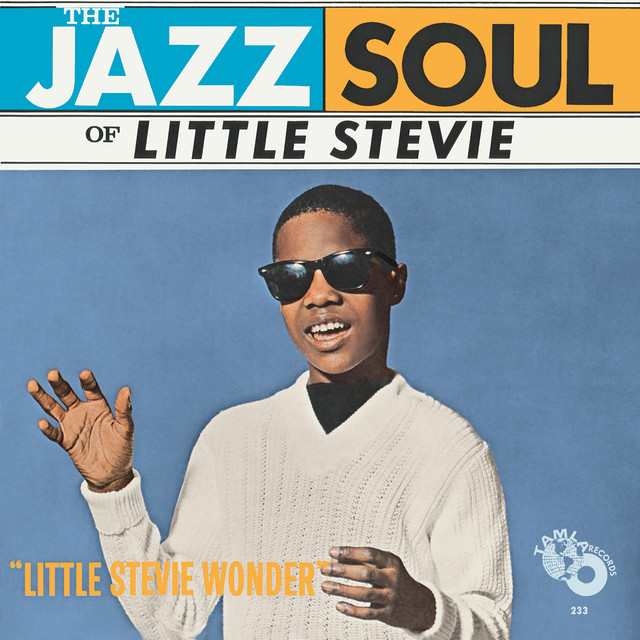
The Jazz Soul Of Little Stevie
1962
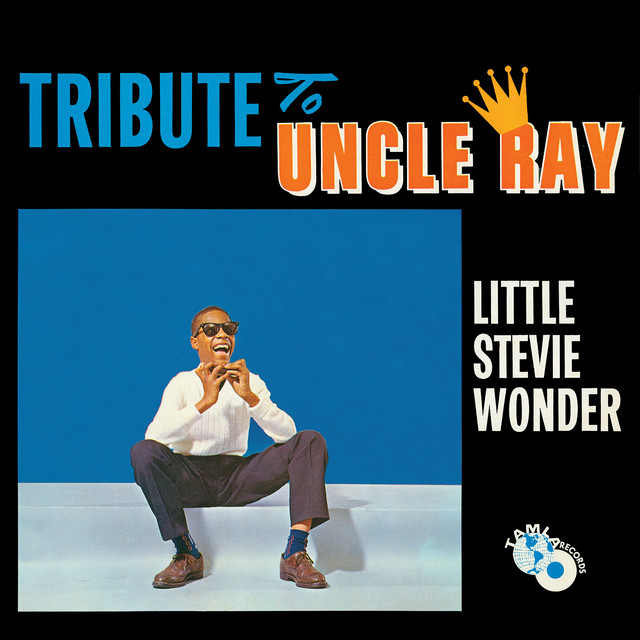
Tribute To Uncle Ray
1962
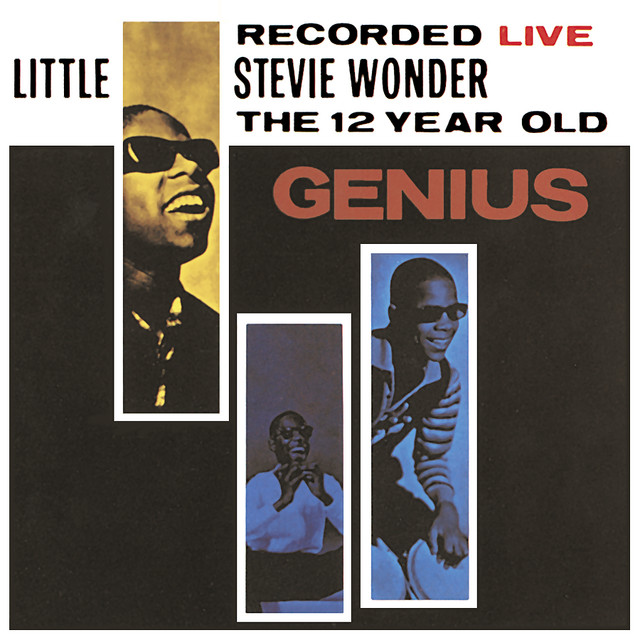
The 12 Year Old Genius - Recorded Live
1963
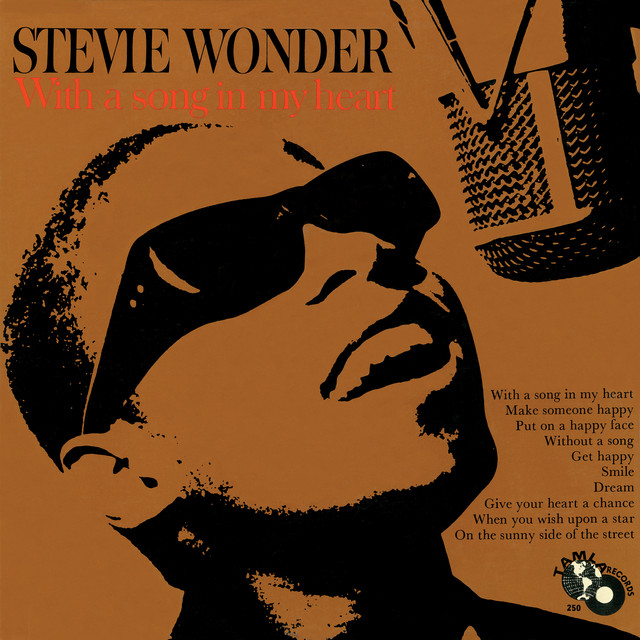
With A Song In My Heart
1963
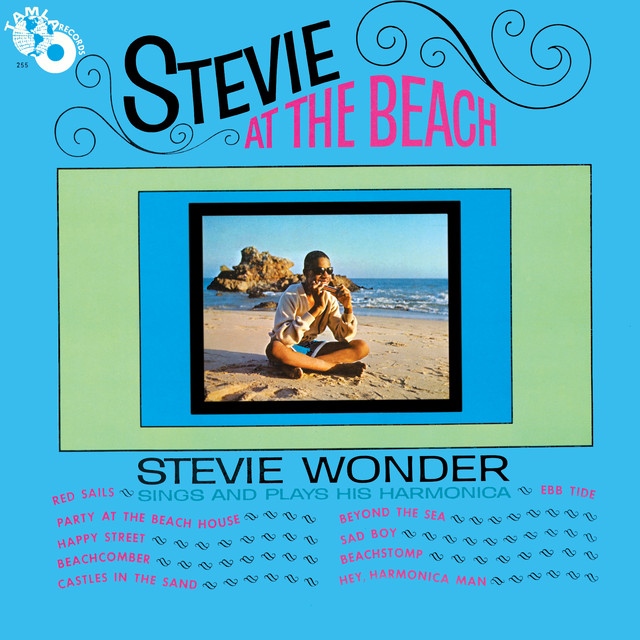
Stevie At The Beach
1964
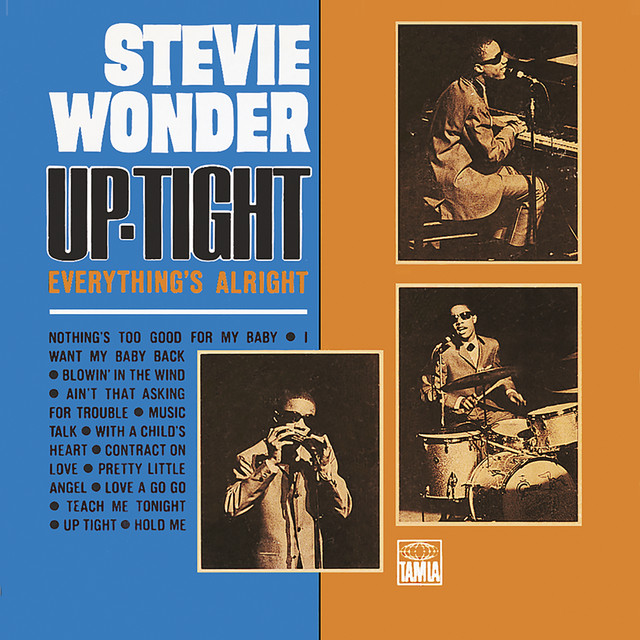
Up-Tight
1966
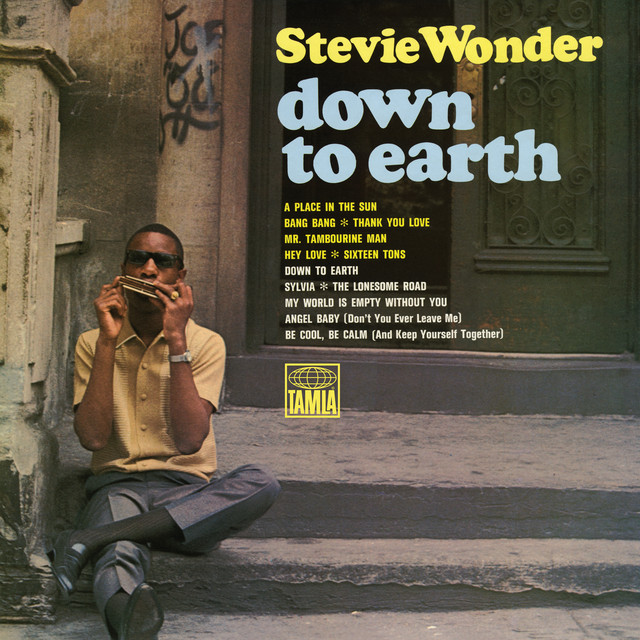
Down To Earth
1966
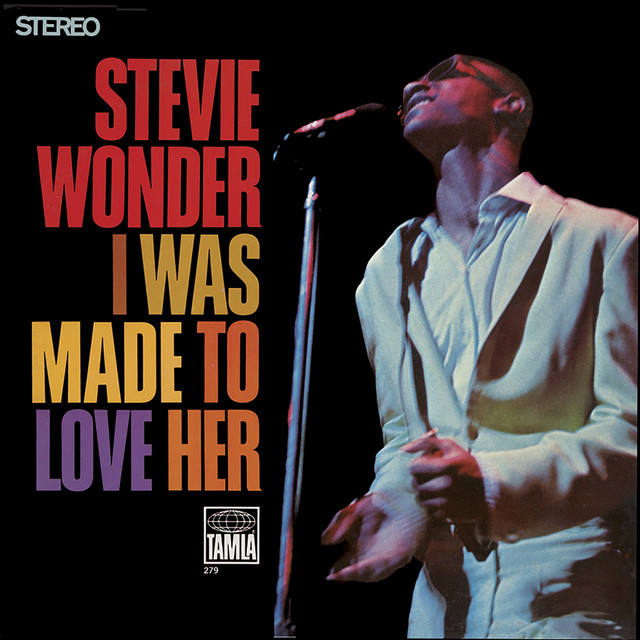
I Was Made To Love Her
1967
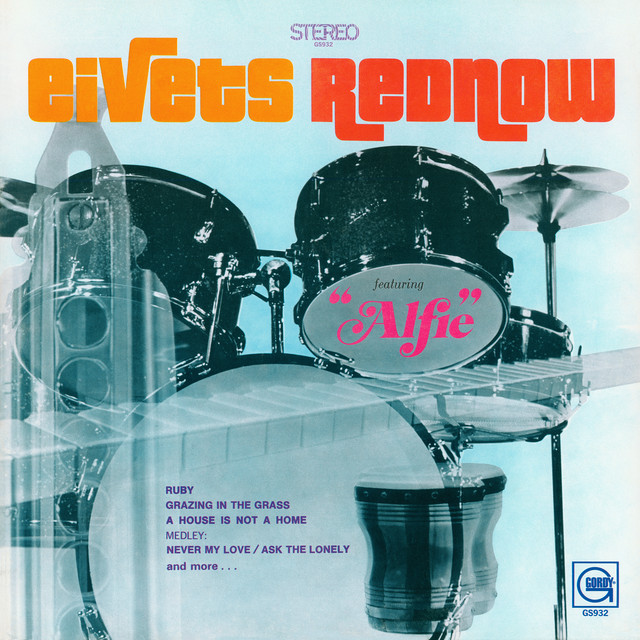
Eivets Rednow
1968
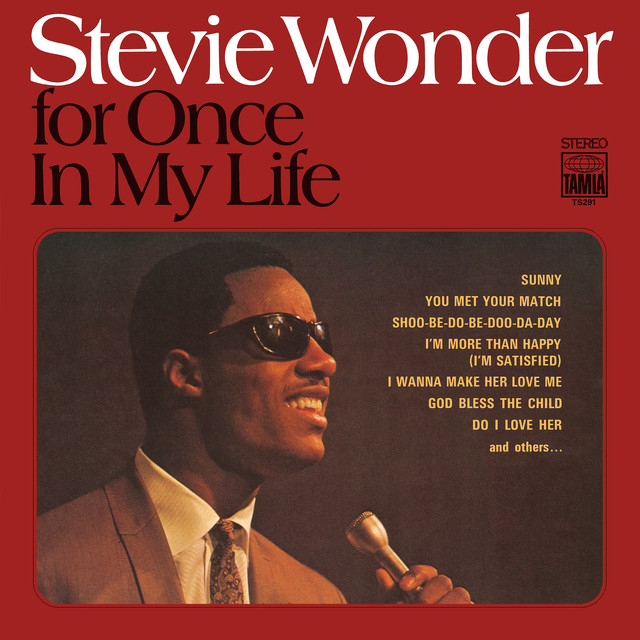
For Once In My Life
1968
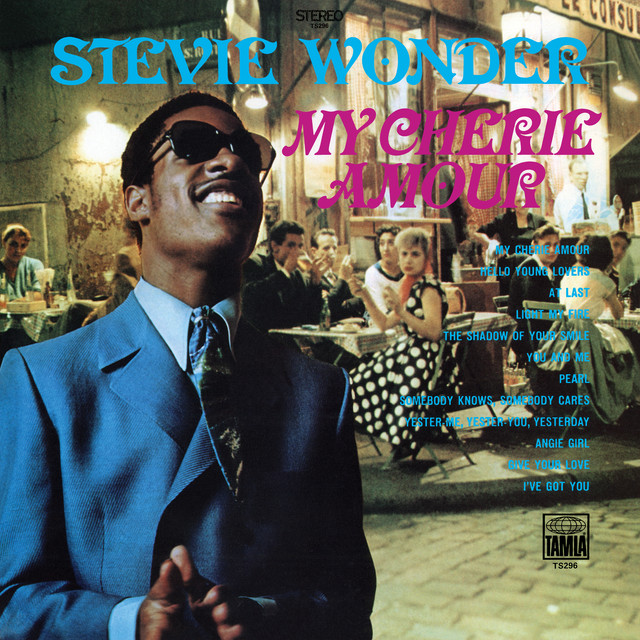
My Cherie Amour
1969
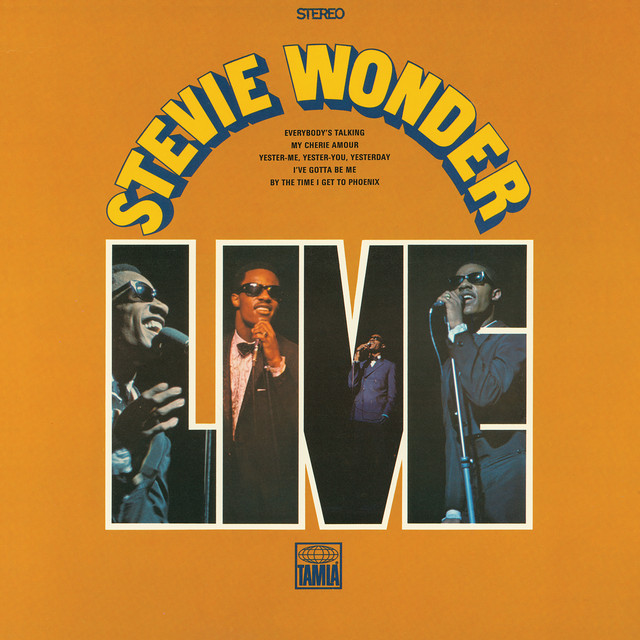
Stevie Wonder Live
1970
Album Credits
-
Snoop Dogg · 2006
Producer -
Stevie Wonder · 2005
Producer Programmer -
Stevie Wonder · 1995
Producer -
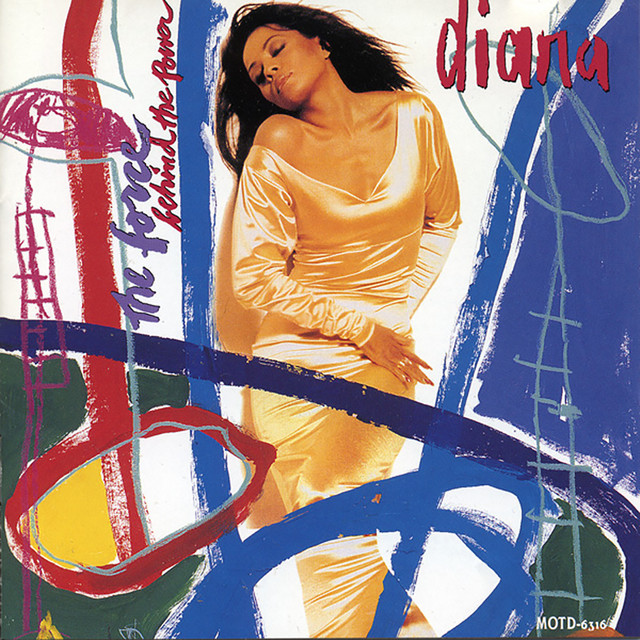
Diana Ross · 1991
Producer -
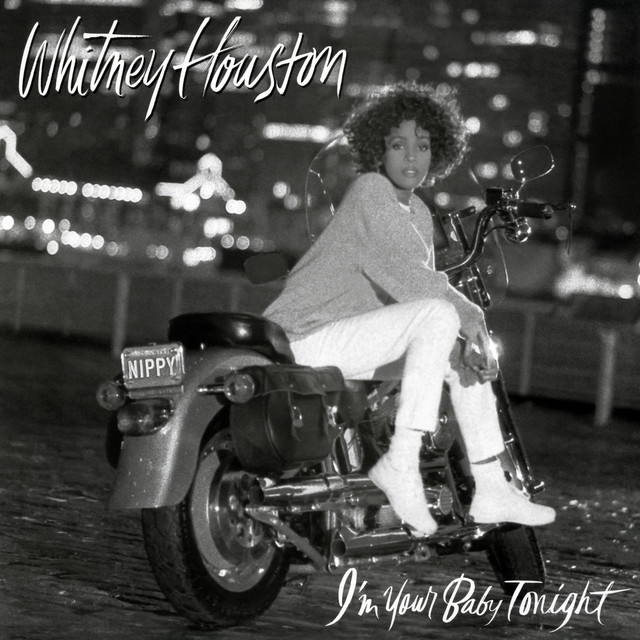
Whitney Houston · 1990
Producer -
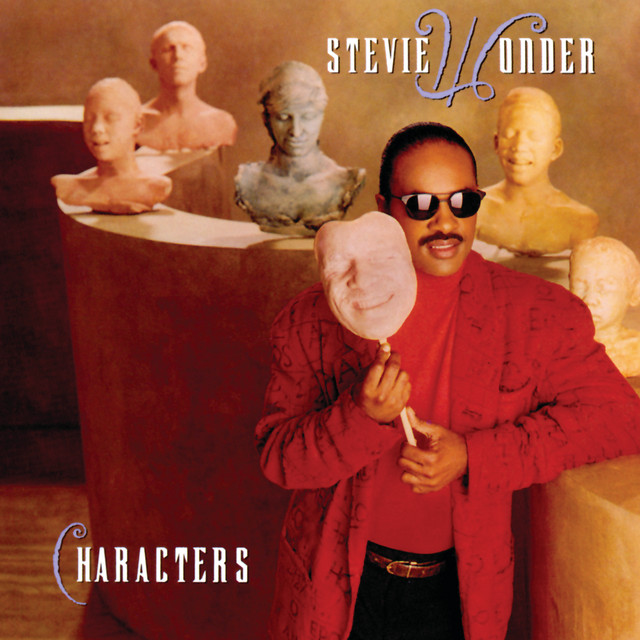
Stevie Wonder · 1987
Producer -
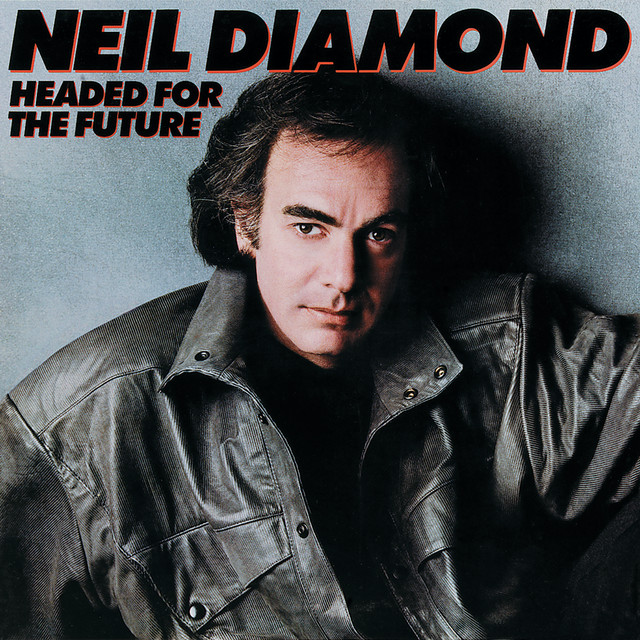
Neil Diamond · 1986
Producer -
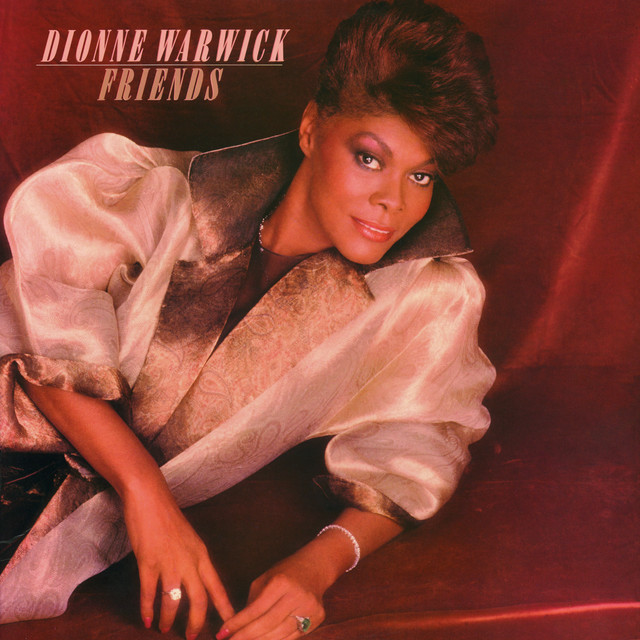
Dionne Warwick · 1985
Producer -
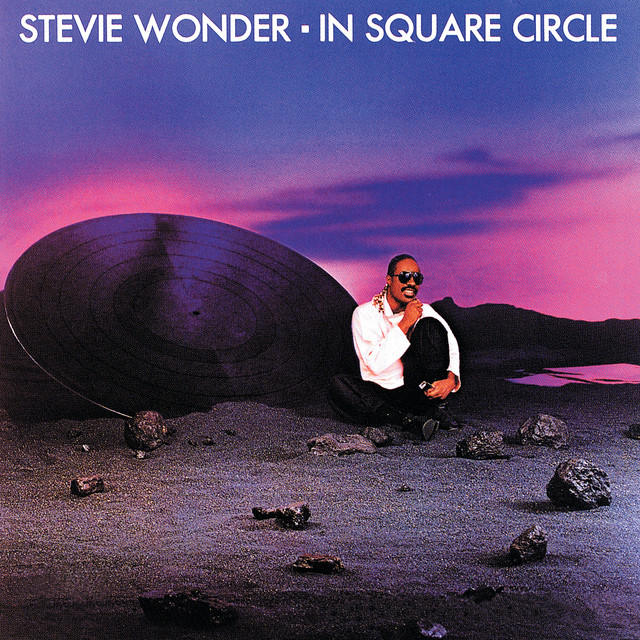
Stevie Wonder · 1985
Producer -
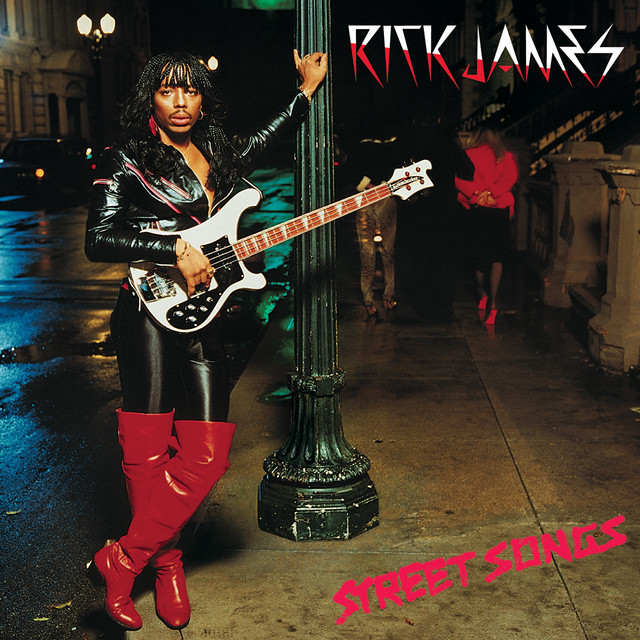
Street Songs (Expanded Edition)
Rick James · 1981
Session Musician -
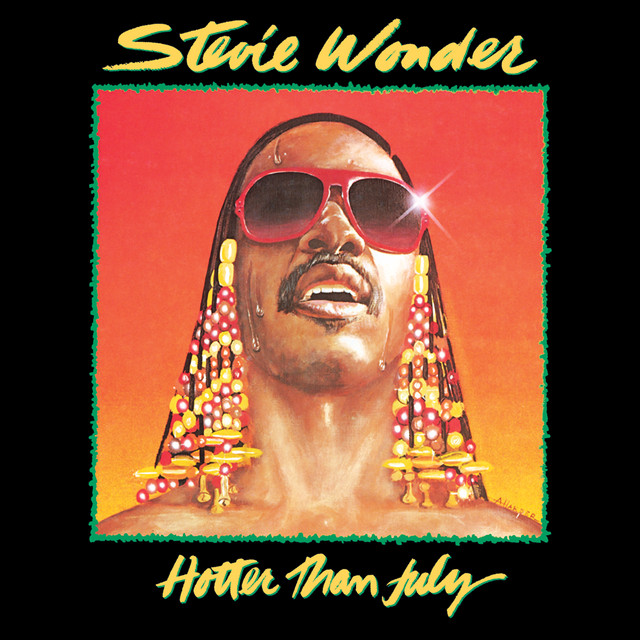
Stevie Wonder · 1980
Producer -
Stevie Wonder · 1976
Producer Programmer






.webp)
