
Frank Zappa
US musician, composer, activist & filmmaker
Role
Genre
Role
Genre
Frank Zappa's Gear

-m.webp?v=1784386635)
"This is the Pignose amplifier that was responsible for the bulk of the nasty guitar tones found on the Apostrophe(’) and Over-Nite Sensation albums. This little piggy couldn’t escape modification, as evidenced by the two XLR jacks on the back. Zappa appeared on The Mike Douglas Show in 1976 (below), where he can be seen walking onstage to perform “Black Napkins” with this Pignose in one hand and the “Baby Snakes” SG in the other."
Find it on:


When a company like Performance can not only make a guitar better than Fender but modify your guitars to exactly what suits your needs best I hardly call that a copy. Yeah the body may look like a Fender and even if that body had been manufactured by Fender the neck, hardware and craftsmanship was far superior to what Fender was putting out in the 80s. Performance did quite alot of work for Frank on many of his guitars so there is a possibility that that body is a Fender but I hardly doubt much else is.
http://www.performanceguitar.com/artists.html - Frank Zappa
http://www.premierguitar.com/articles/Hot_Rodder_to_the_Stars_Inside_Performance_Guitar
http://www.zappasgear.com/zgfacts.html - The serial number on the neck plate of Frank Zappa 's yellow Performance Guitar custom Stratocaster is '00001'
Guitar Player writes : "Used on Frank’s last tour, in 1988, this custom-made Performance solidbody sports concentric knobs along with tiny screwdriver-adjustable trimpots to accommodate the tone tweaking Zappa was so fond of.
“The trimpots are identical parametric filter circuits,” Zappa’s tech, Midget Sloatman, told GP in 1995. “One trimpot is dedicated to bass frequencies from about 50Hz to 2kHz, and the other one affects the top-end frequencies from about 500Hz up to 20kHz. The filters also featured a variable resonant frequency [or ‘Q’] knob that allowed Frank to control the feedback characteristics of his rig in any hall. He could basically tune his guitar to the room, determine how the room responded to the amplifier, and then use the Q control to elicit the feedback he wanted.
“Frank also used the active filters to emphasize the highs in the 4k-to-8k range in order to bring out the nuances of the strings. He wanted to really hear what his fingers were doing, even if he wasn’t picking every note.”"
Find it on:


Frank Zappa began playing a Gibson Les Paul Cherry Sunburst in the late 1970s. While it started as a standard version, he of course modified it over time, according to this article from Gibson.
Guitar Player writes : "Pictured on the Shut Up ’n Play Yer Guitar cover (right), this Les Paul Custom was originally loaded with (white) Dimarzio pickups but were later changed to (black) Seymour Duncan humbuckers that are in it today, and has been outfitted with a Dan Armstrong Green Ringer circuit (which was installed in the control cavity) and an XLR output jack. An extra knob located in the midst of the stock controls is a nine-position rotary switch that allows for single-coil/humbucker and out-of-phase options. The mini-toggle switch selects between series and parallel operation."
Find it on:

In this video, Frank Zappa's son shows off and talks about Frank's 1963 Tobacco Sunburst Stratocaster, given to him by Jimmy Hendrix. In this interview, Zappa says, “Well, there was this guy named Howard Parker – they called him ‘H’ – who was Hendrix’s roadie, gofer and general assistant. He stayed at our house for a couple of months in the late ’60s, and he had this guitar which Hendrix had given to him – I thought it was from the Miami concert. He gave it to me and we had it hanging on the wall as a decoration for years and years, and then I met some guys who were capable of putting guitars back together, so I had it done.” “I’ve used it on a couple of tracks, although I can’t remember which ones off-hand. I haven’t played it all that often, because unless you’re in the right environment and you’re standing in exactly the right relationship to the amplifier, it likes to feed back all the time.”
Find it on:


Zappa can be seen with a Hagstrom F-12S in this photo.
Find it on:

Dweezil Zappa explains that Frank's most famous Roxy-era Gibson SG was a Gisbon SG Special that was customized quite a bit before being effectively destroyed, as described in this article from Gibson.
Find it on:


"It's an Acoustic 270 bass amplifier, but he used it with his guitar, and it's just got a really great distortion sound. Every note is very round, it's not pointed..." says Dweezil Zappa, at 5:55 in this youtube video, about the Acoustic 270 that Frank Zappa used in the mid '70s.
Find it on:

Two heavily modified V3s were part of Zappa's rack gear. This was mentioned by Zappa in this May-June 1979 Guitar Player interview (as transcribed on Zappa Wiki Jawapa) and identified and detailed by Kit Rae on his Big Muff Pi Page from Mick Ecker's Zappa's Gear: The Unique Guitars, Amplifiers, Effects Units, Keyboards and Studio Equipment. The latter includes the above photograph of one of the two pedals' circuit boards.
Guitar Player May-June 1979
What's in the large console you use on stage? It looks very complex.
Well, actually it's not all that complex. It's a little rough to maintain. Things can get broken where it's shipped around. It's got a pair of Dynaflangers, a pair of MXR Flangers. It's got one input and four outputs – two dirty outputs and two clean outputs, all stereo. There's also two Big Muffs, Systec Harmonic Energizer – all these things are in pairs – Oberheim ECF, Eventide Harmonizer, MXR DBL, Mutron, DBX 162 compressors, Gain Brains, Kepexes, a Theremin and a Biphase. That's about it, and there's about 24 switches on the floor. I add to it every year. The Dynaflangers are on the newest thing. Oh yes, there's a Mutron Octivider and a DBX Boom Box.
Kit Rae's Big Muff Pi Page
Shown above - This is the pcb from Frank Zappa's V3 Big Muff. Mick Eckers, author of the upcoming book Zappa's Gear took these photos in Frank's storage space in Los Angeles in 2012. Frank had the pcb's from his pedals mounted on cards which slotted vertically into a custom 19" rack unit with a connecting bus for input/output, footswitch connections, and power. Pots and switches were mounted on the front panel. Frank had two Big Muffs in his 1988 rack. Mick found some of the boards in a dusty old flight case labelled 'Junk', including this V3 pcb. Components and values match the ,ost [sic] common V3 circuit variant, but this one has large 47k limiting resistors, a value I have never seen in any stock Big Muff. (Photos © Mick Eckers)
Find it on:

Do you have any suggestions about how to use a wah-wah? "The first thing you don't do is tap your foot on it in time with the music. The two basics are to locate a notch in the pedal so it gets a mid-range sustain that is tuned properly to the amp EQ that you have, so you get a nice boxy sound out of it to make all those stinkin' tones that teenagers really go for, and the other thing is to move it very slightly and put most of the action in the rear half of the pedal, because that's where you get most of the speaking type sounds out of it. When you push it right down and open the filter all the way up you get that squeaky sound, and I don't like that. I like the middle range of the pedal. Don't tilt it all the way forward or back, just work the middle of it. It only takes a very little foot movement to change the whole sound of your guitar.
Which one to use depends on what kind of sound you want. They all have different responses. In the very beginning I used the original Vox pedal, and then later I moved to the Boomerang, because when I didn't have the guitar with the pre-amp it added a certain amount of distortion, and I liked that. I'll be using a Boomerang tonight. " -Guitar Player Magazine 1977
Find it on:

In this extremely old photo of Frank Zappa, we can just make out a (now vintage) Supro Dual-Tone guitar. "The earliest known picture of FZ with a guitar, from his 1958 high-school year book One of the rare photographs of FZ from this period is from the Antelope Valley High School 1958 yearbook. A montage of pictures of students, it shows him playing a white Supro Dual Tone electric guitar." - An excerpt from Zappa's Gear.
Find it on:

In this photo, Zappa is playing a Hagstrom SuperSwede.
Find it on:

What kind of picks and strings do you use? "I use Fender Heavy picks, and I use a different set of strings for each guitar, and I have about 22 guitars. To give you an idea, I use either an .008 or .009 on top [E], an .011 or .012 on the B, a .016 or .017 on the G, a .024 on the D, anywhere from a.032 to a .038 on the A, and anywhere from a .046 to a .052 on the low E. So it's medium on the bottom strings, and they're mainly all Ernie Balls. " - from the Guitar Player interview in 1977, written down on Frank Zappa Wiki "Wiki "Jawaka"
Find it on:

"But I like the tone quality and sustain that I get out of the Les Paul, which is due to the bulk of the guitar." - Frank Zappa.
Find it on:

One of Zappa's earliest guitars was a Gibson ES-5 Switchmaster, according to the Gibson website.
Guitar Player writes : "This ES-5 Switchmaster was used on the first three Mothers of Invention records. We also know that Frank plugged it into a Fender Deluxe for the album Freak Out! He had the portly, knob-festooned jazz box later outfitted with Barcus Berry pickups and even more switches and knobs that, according to Dweezil, are no longer functioning."
Find it on:

"This stock, mid-Seventies 100-watt Marshall JMP head was a mainstay in Zappa’s setup from 1974 on through the 1979-84 tours."
Find it on:

What type of wah-wah do you use? " I have a Mu-tron and the Oberheim VCF (voltage control filter). I've got an example of that on this new album (Zoot Allures). I'm starting to use some Echoplex now, which I've generally avoided in the past. " - from the Guitar Player Interview in 1977, written down in the Frank Zappa Wiki "Wiki Jawaka"
Find it on:

This tweet, by Zappas Gear, includes a photo of Frank Zappa posing by an X-100B, and the caption reads, "#ZGPic #Zappa on Tour 1980s #Carvin advert - FZ poses with the Yellow Performance Stratocaster and an X-100B stack."
Find it on:
-m.webp?v=1784386716)
What's in the large console you use on stage? It looks very complex. "Well, actually it's not all that complex. It's a little rough to maintain. Things can get broken where it's shipped around. It's got a pair of Dynaflangers, a pair of MXR Flangers. It's got one input and four outputs – two dirty outputs and two clean outputs, all stereo. There's also two Big Muffs, Systec Harmonic Energizer – all these things are in pairs – Oberheim ECF, Eventide Harmonizer, MXR DBL, Mutron, DBX 162 compressors, Gain Brains, Kepexes, a Theremin and a Biphase. That's about it, and there's about 24 switches on the floor. I add to it every year. The Dynaflangers are on the newest thing. Oh yes, there's a Mutron Octivider and a DBX Boom Box. " - From the Guitar Player Magazine in 1979 (May-June), written down in the Zappa Wiki "Wiki Jawaka"
Find it on:

What type of wah-wah do you use? "I have a Mu-tron and the Oberheim VCF (voltage control filter). I've got an example of that on this new album (Zoot Allures). I'm starting to use some Echoplex now, which I've generally avoided in the past. " - from the Guitar Player Magazine from 1977, written down on the Zappa Wiki "Wiki Jawaka"
Find it on:

On 1:00 in the Video you can see Frank using a Maestro Boomerang Wah. He also said this in an interview: "Which one to use depends on what kind of sound you want. They all have different responses. In the very beginning I used the original Vox pedal, and then later I moved to the Boomerang, because when I didn't have the guitar with the pre-amp it added a certain amount of distortion, and I liked that. I'll be using a Boomerang tonight. " ( http://wiki.killuglyradio.com/wiki/Shut_Up_And_Play_Your_Guitar ) - That is the Guitar Player interview form 1977 (May-June), written downj on the Zappa Wiki
Find it on:
-m.webp?v=1784333902)
In this studio footage there appears to be a Mesa Mark II in the left hand side of the screen from 0:06 to 1:17.
Find it on:

Installed in one of Zappa’s Les Pauls and the Hendrix-burned Miami Stratocaster, as mentioned by guitar tech Arthur “Midget” Sloatman in this October 1995 Guitar Player interview archived on Zappa Books.
In the '70s and '80s he used a variety of instruments: two Fender Stratocasters with Performance necks, DiMarzio or Seymour Duncan pickups, and Floyd Rose tremolos; a '70s Gibson Les Paul Custom: a Fender Stratocaster once owned and burned by Jimi Hendrix (in Miami, not Monterey) with a Performance neck sized to the specs of Frank's SG, an acoustic Black Widow with EMG pickups, and several others. (...) The Les Paul and the Hendrix Strat also housed a Dan Armstrong-designed Green Ringer, which, explains Sloatman, "is a low-pass filter into a DC rectifier circuit. Because it's trying to convert AC to steady DC, it produces an abundance of a second harmonic. It kind of feels like it's feeding back, because you play a note and instantly hear the octave. But any time you play more than one note, it does this horrible modulation stuff, which Frank loved."
Find it on:

As stated in this tweet, Frank Zappa played Gibson ES-335TD-SV in the film "200 Motels."
Find it on:

"Given to Zappa by a Hendrix roadie, this formerly sunburst Strat was mutilated by Hendrix at the 1968 Miami Pop Festival. Zappa had it hanging on a wall in his basement for years until Rex Bogue put it back together with Zappa-approved electronic delights, such as a Dan Armstrong Green Ringer and a Barcus-Berry contact pickup buried in its original replacement neck! This neck, however, is a fairly new addition, as is the tortoise-shell pickguard." - GuitarPlayer
Find it on:


"The “Baby Snakes” SG was Zappa’s main guitar for the latter part of the Seventies. The guitar is not actually a Gibson but rather the creation of “a guy in Phoenix,” who made his way backstage and sold the guitar to Zappa for $500. Though its feel is a lot like that of a Gibson SG, closer inspection reveals such non-Gibson details as a 23rd fret and some nifty inlays and ornamental woodwork. Luthier/electronics maker Rex Bogue—the man who Zappa also tasked to bring Hendrix’s charred Miami Pop Festival Strat back to life—added various delights to this guitar, such as phase switches and an onboard preamp."
Find it on:

Besides the Switchmaster guitar, what equipment did you use on Freak Out!? "Just a Fender Deluxe amp, that's all. After the Switchmaster I got a Les Paul gold-top and used that for a couple of albums. And eventually I got a Gibson SG. " - Frank Zappa interview from the Guitar Player Interview in 1977, written on the Frank Zappa Wikipedia "Wiki Jawaka"
Find it on:

"This is the same guitar used and pictured on the 1974 Roxy & Elsewhere album. Though the two non-stock switches on the guitar’s lower horn were present in the Roxy era, the guitar has been augmented since those days with a mirrored top and various preamps, phasing switches, and active-filter circuits.
You can see the guitar in action in the preview below for the long-awaited concert film Roxy: The Movie. Shot over three nights in December 1973 at the Roxy Theatre in Hollywood, the project was shelved due to the expense and time required to edit the footage. It will finally be released on October 30 by Eagle Rock Entertainment and Zappa’s Honker Home Video. "
Find it on:

What is your amp setup? " I have a Vox cabinet with four JBLs in it (12" each) and another Marshall cabinet with JBLs. I use a 100-watt Marshall and an Acoustic 270, but I'm going to redo all that stuff for the next tour. I'm trying to optimize the sound, trying to get more of the kind of sound I like onstage out into the audience, and you can't always do that just by putting a mike in front of the amp. " From the Guitar Player Interview in 1977, written down on Zappa Wiki "Wiki Jawaka"
Find it on:

Dweezil Zappa explain fathers Rig https://youtu.be/jRXnPcIK1V8
Find it on:

Part of Zappa's rack gear, as mentioned in this interview for the May-June 1979 issue of Guitar Player (as transcribed on Zappa Wiki Jawapa). It was restored by Charlie Bolois of Telefunken in cooperation with Dweezil Zappa, as specified in this July 2007 Telefunken article.
Guitar Player, May-June 1979, “Shut Up And Play Your Guitar”
What's in the large console you use on stage? It looks very complex.
Well, actually it's not all that complex. It's a little rough to maintain. Things can get broken where it's shipped around. It's got a pair of Dynaflangers, a pair of MXR Flangers. It's got one input and four outputs – two dirty outputs and two clean outputs, all stereo. There's also two Big Muffs, Systec Harmonic Energizer – all these things are in pairs – Oberheim ECF, Eventide Harmonizer, MXR DBL, Mutron, DBX 162 compressors, Gain Brains, Kepexes, a Theremin and a Biphase. That's about it, and there's about 24 switches on the floor. I add to it every year. The Dynaflangers are on the newest thing. Oh yes, there's a Mutron Octivider and a DBX Boom Box.
Telefunken, July 2007, “Telefunken USA Completes Restoration of Zappa Microphone Collection”
After the restoration of the microphone collection, Dweezil unearthed various family treasures, including the rare Systec Harmonic Energizer guitar pedal. The pedal, like so many of Frank’s other guitar stomp boxes,” Bolois explained, “was originally customized by installing the basic unit onto a circuit card and creating a module that could be plugged into a ‘lunch-box’ style stage box chassis. This kept the pedals off of the floor, out of harm’s way and closer to the amp, allowing a quieter and more reliable system. One power supply fed all of the effects units to eliminate battery worries and to insure reliability. The effects modules plugged into the main chassis and received power and I/O signals via an edge connector buss system. Of course, there was no documentation and no main chassis or power supply available for reference. A custom chassis was fabricated with a suitable external power supply.” Bolois restored the unit to working order and Dweezil identified it as one used by Frank in the 1970s “Roxy and Elsewhere” album period. He has incorporated it in his current “Zappa Plays Zappa” concert tour.
“There is just nothing like it, and it’s definitely a treat to have this for our performances of Frank’s music,” Dweezil remarked.” It is hoped that Telefunken | USA will be able to reverse engineer and recreate the unit, as they have done with numerous vintage microphones of the past.
Find it on:
This is a community-built gear list for Frank Zappa.
- Find relevant music gear like Microphones, Guitars, Amplifiers, Effects Pedals, Pianos, Keyboards and Synthesizers, Software Plugins and VSTs, Instruments, and other instruments and add it to Frank Zappa.
- The best places to look for gear usage are typically on the artist's social media, YouTube, live performance images, and interviews.
- To receive email updates when Frank Zappa is seen with new gear, follow the artist.
Discography
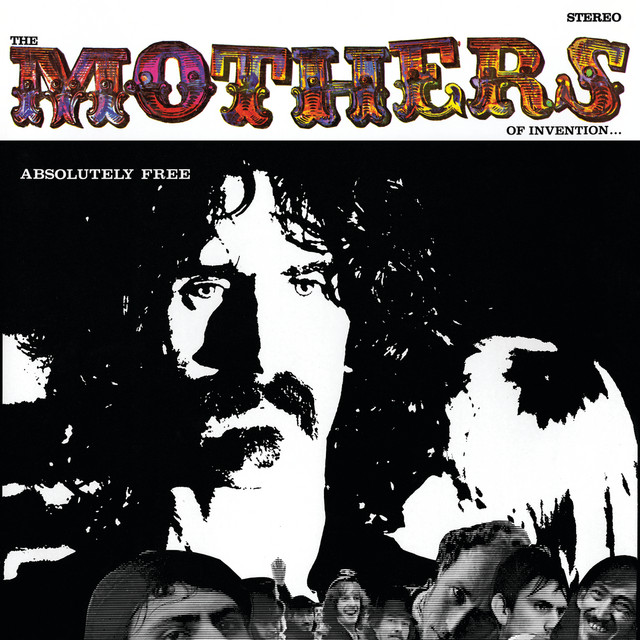
Absolutely Free
1967
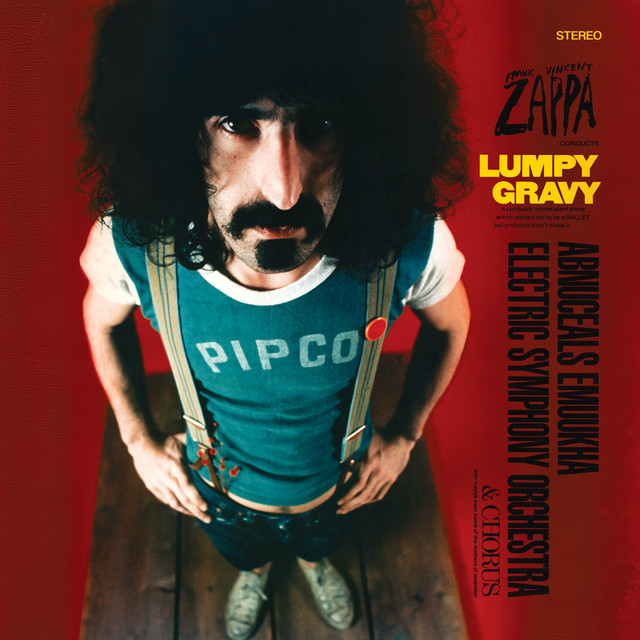
Lumpy Gravy
1967
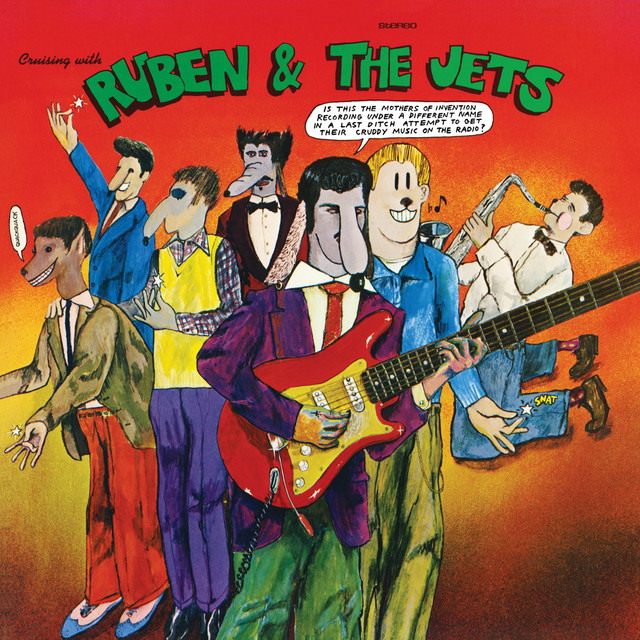
Cruising With Ruben & The Jets
1968
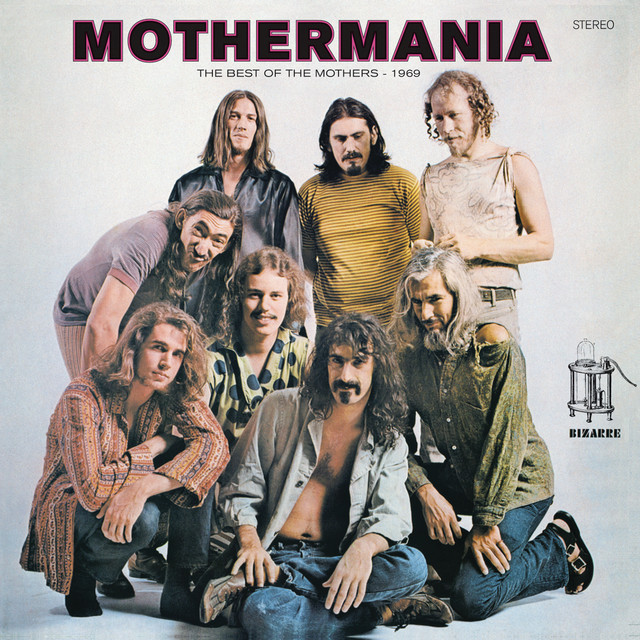
Mothermania
1969
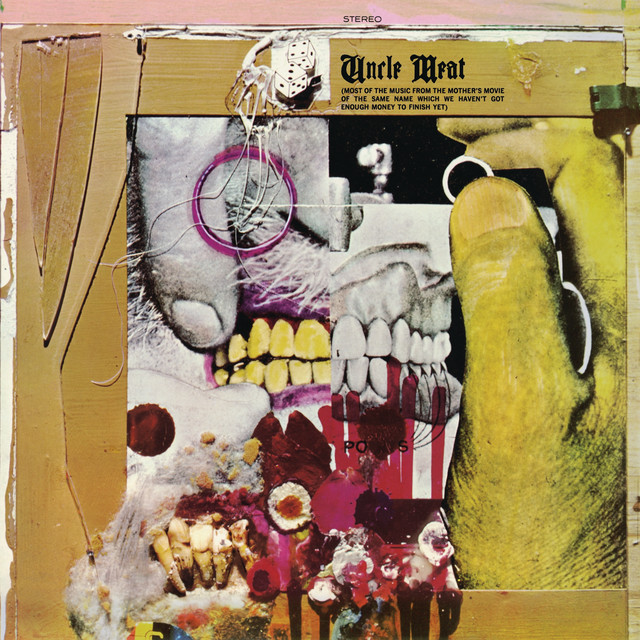
Uncle Meat
1969
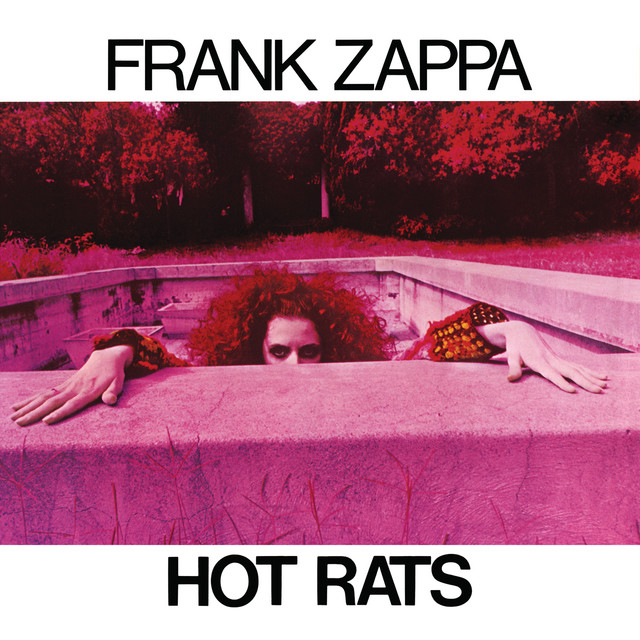
Hot Rats
1969
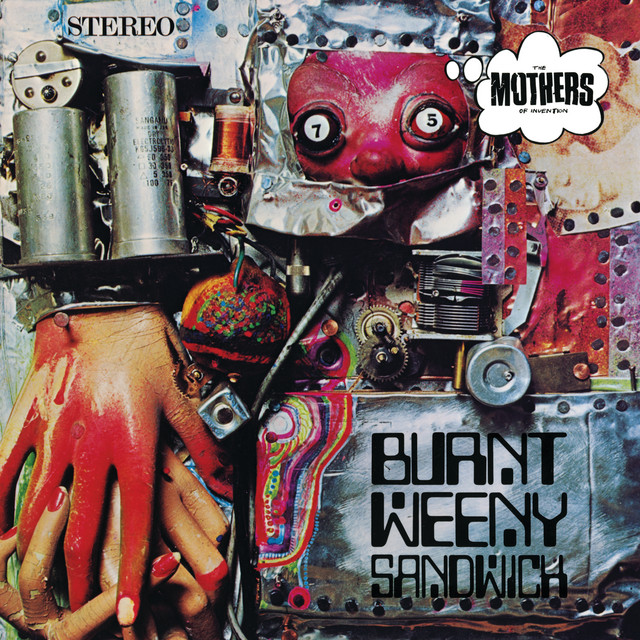
Burnt Weeny Sandwich
1970
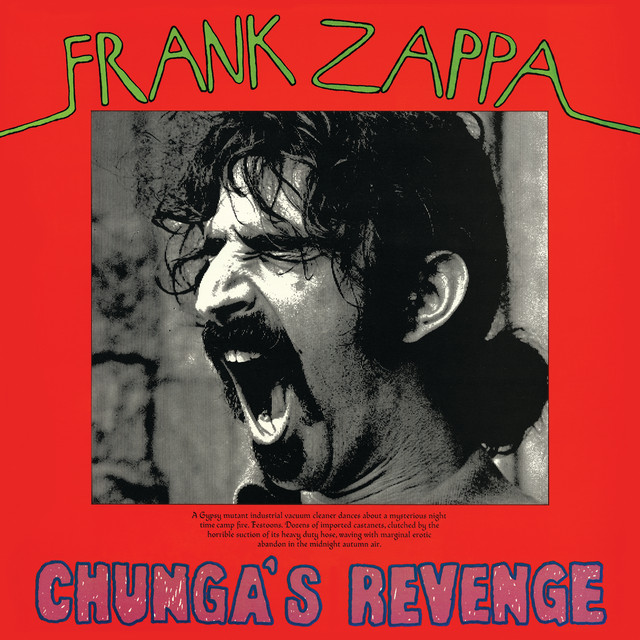
Chunga's Revenge
1970
Fillmore East - June 1971
1971
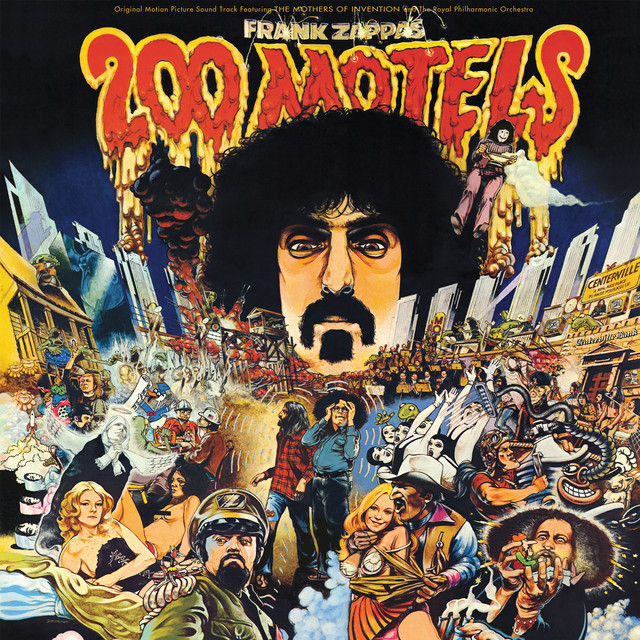
200 Motels (Original Motion Picture Soundtrack)
1971
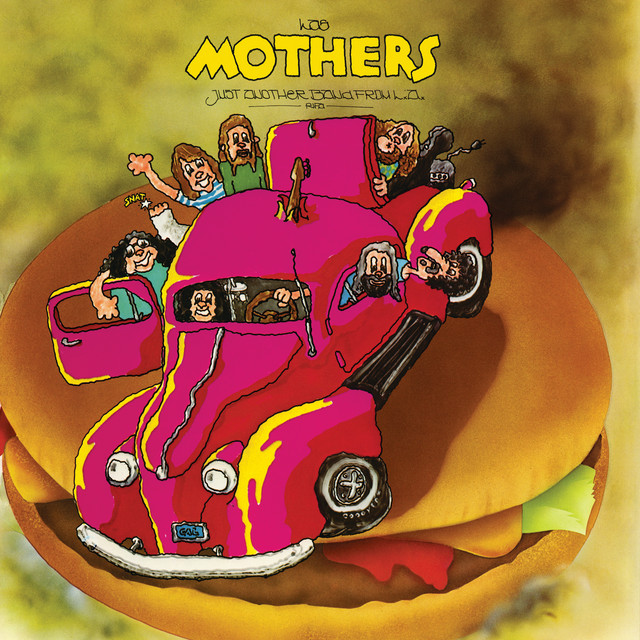
Just Another Band From L.A.
1972
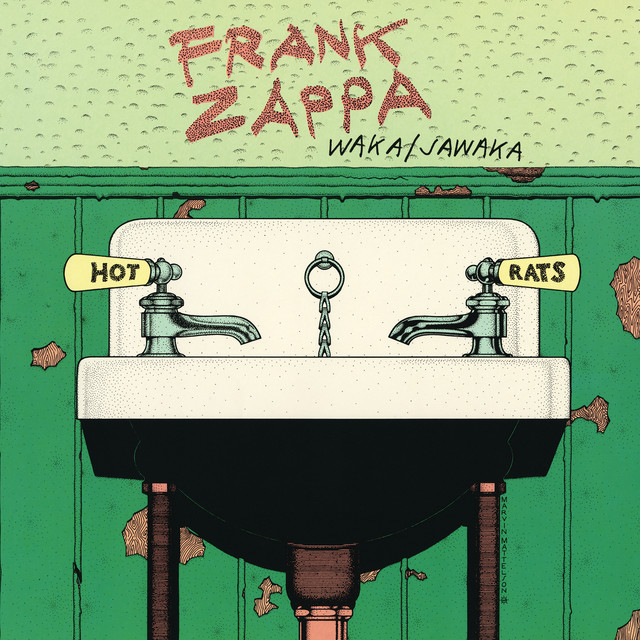
Waka/Jawaka
1972
Album Credits
-
Frank Zappa · 2023
Mixing Engineer -
Frank Zappa · 2022
Producer -
Frank Zappa · 2019
Mixing Engineer Producer -
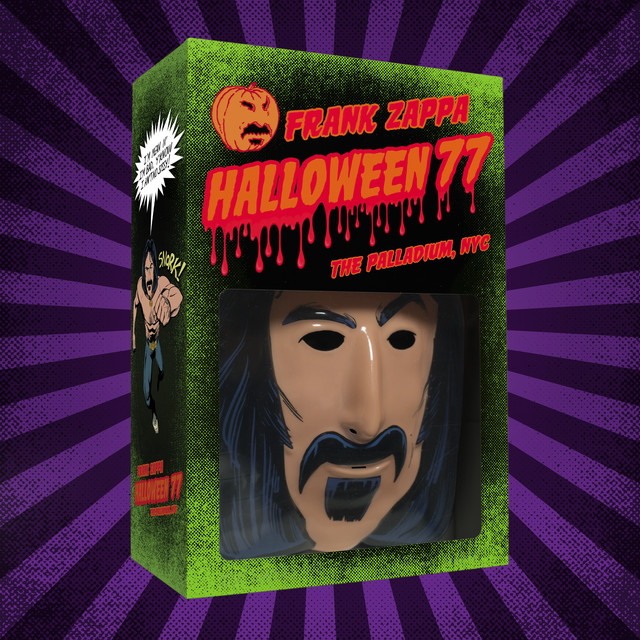
Frank Zappa · 2017
Producer -
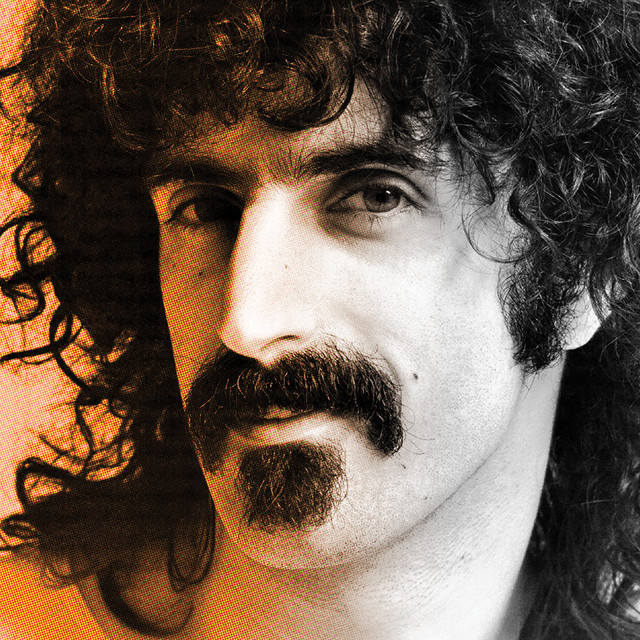
Frank Zappa · 2016
Mixing Engineer Producer -
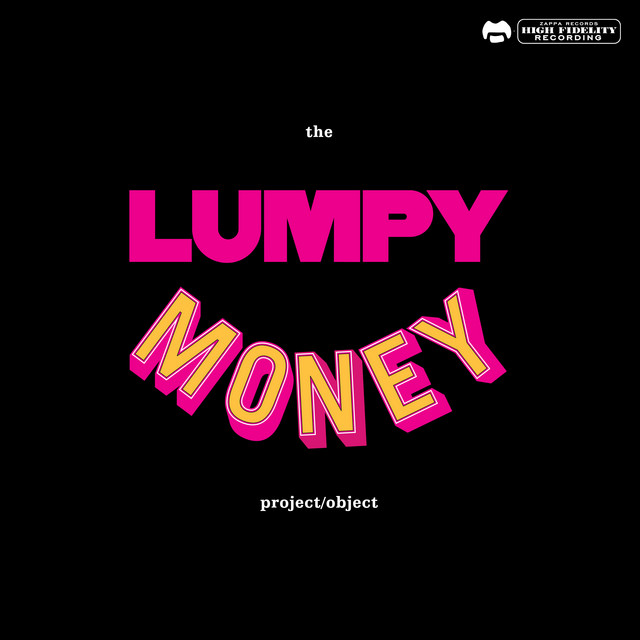
The Lumpy Money Project/Object
Frank Zappa · 2016
Producer -
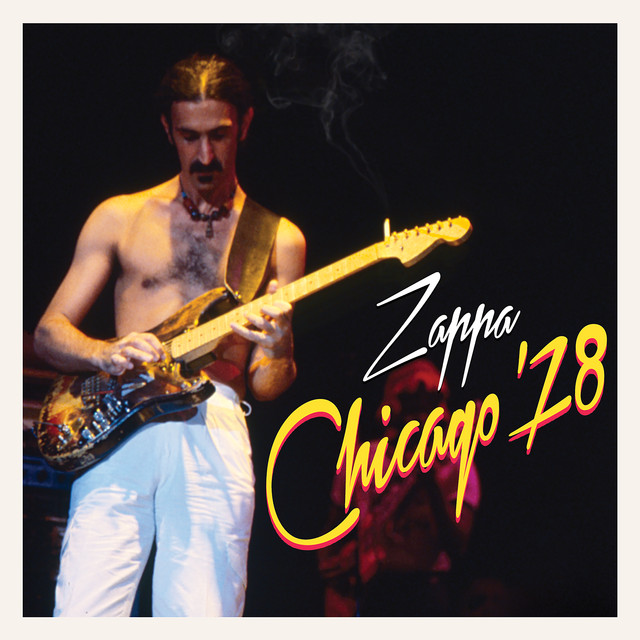
Frank Zappa · 2016
Producer -
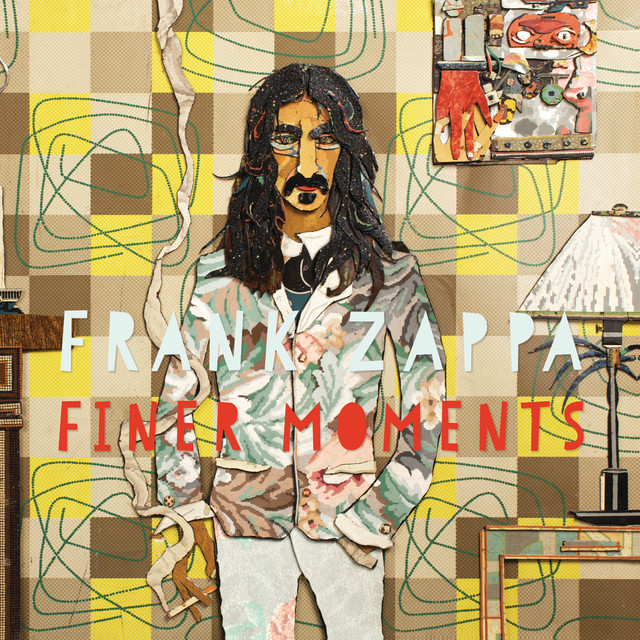
Frank Zappa · 2012
Engineer -
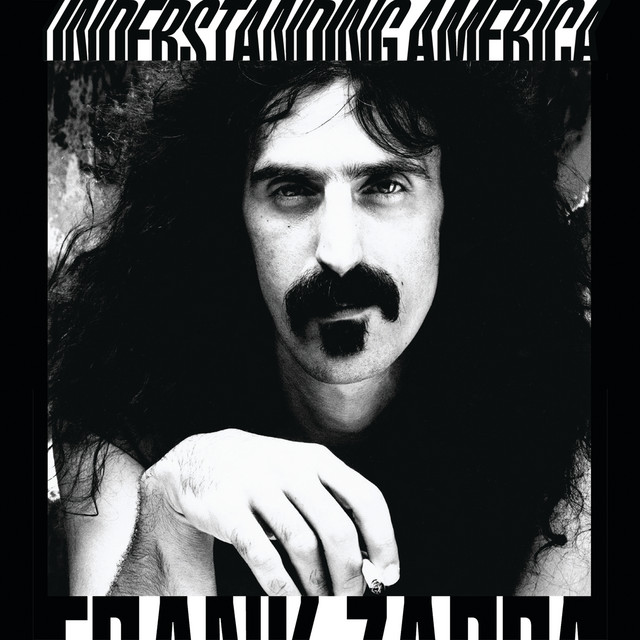
Frank Zappa · 2012
Producer -
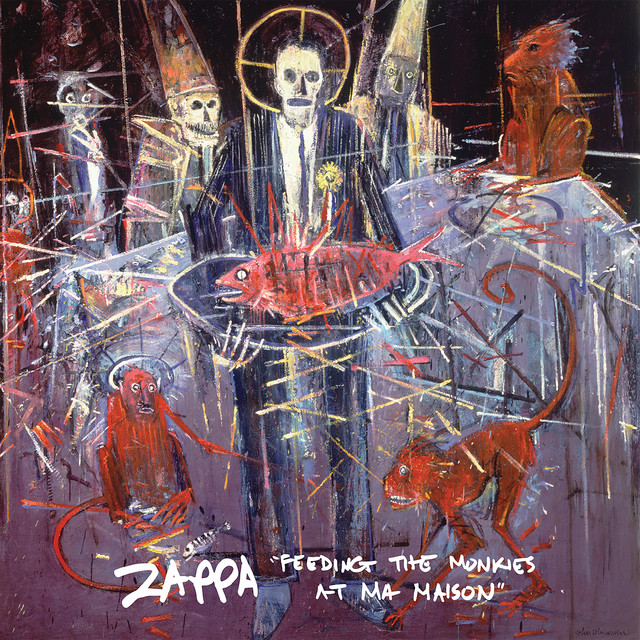
Feeding The Monkies At Ma Maison
Frank Zappa · 2011
Producer -
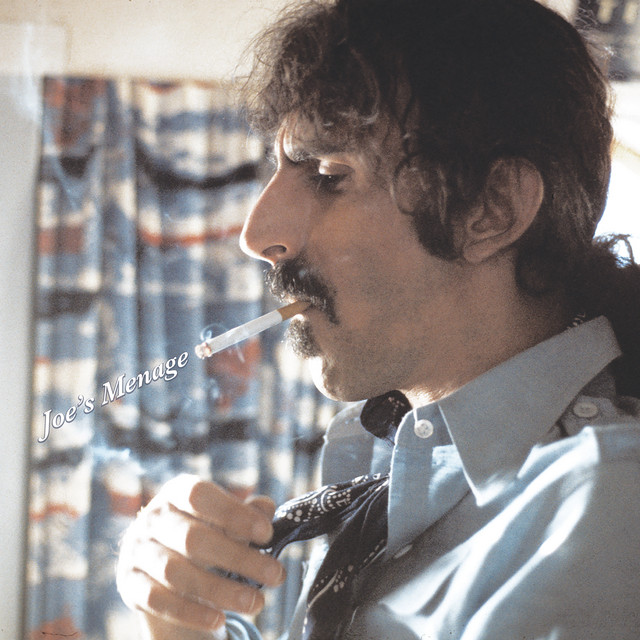
Frank Zappa · 2008
Producer -
Frank Zappa · 2004
Mixing Engineer




.webp)



