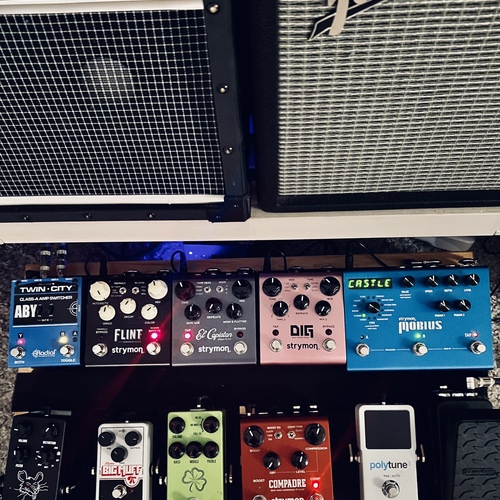
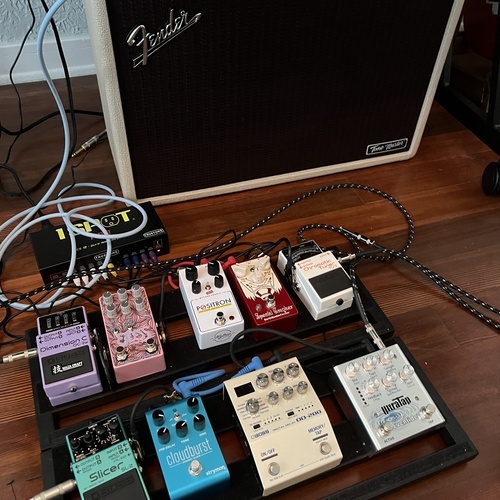
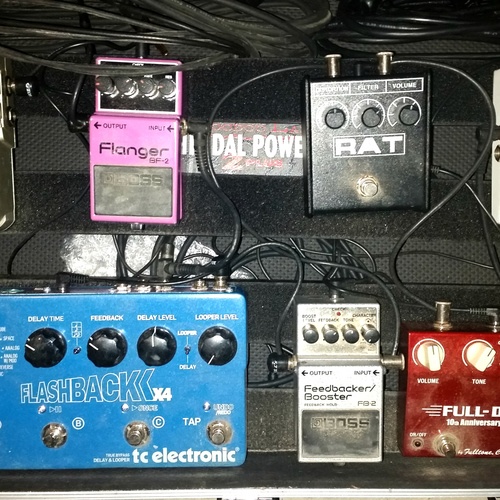
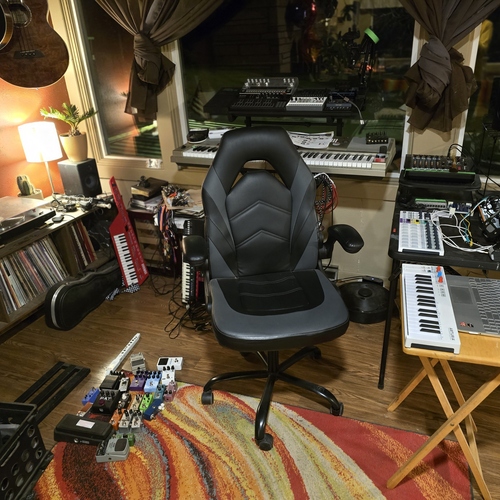
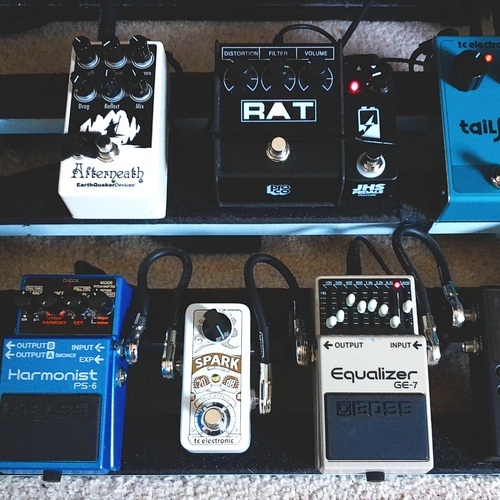
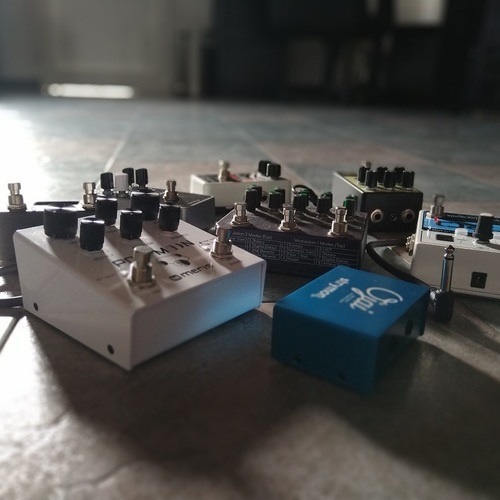
h_pr's Pedalboard

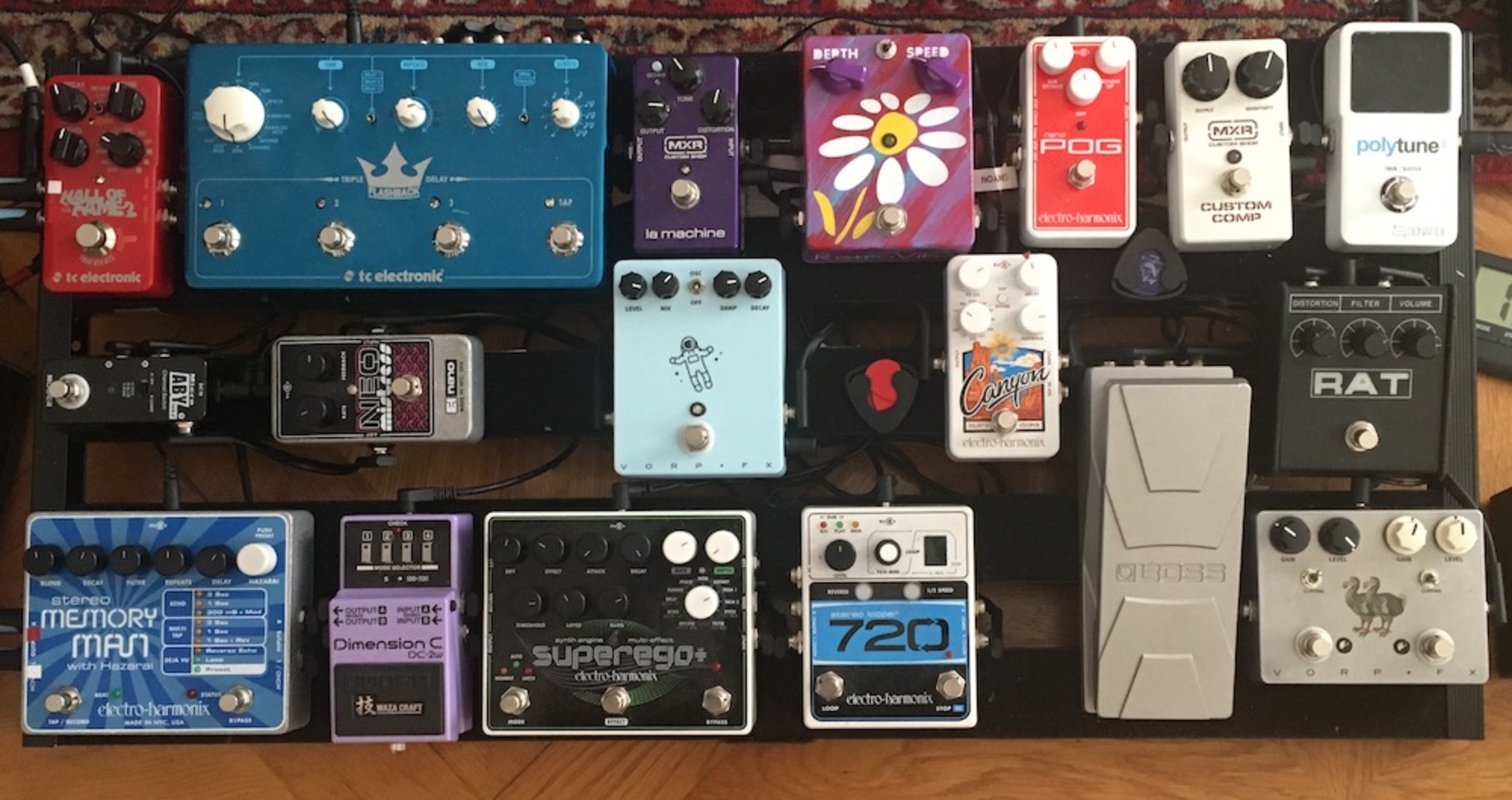
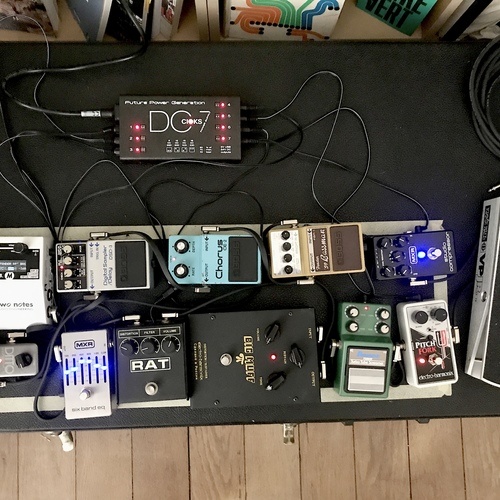
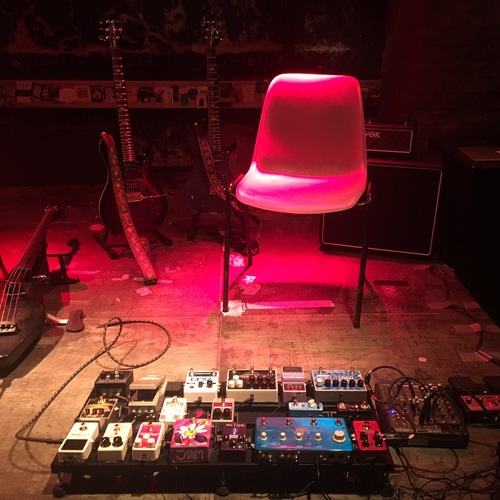
Pedal board, July 2019
More gear photos from h_pr

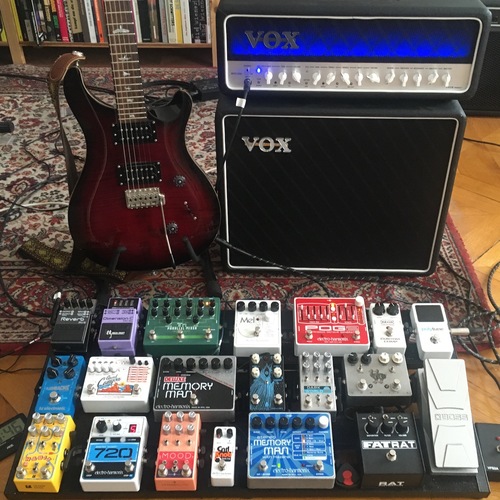
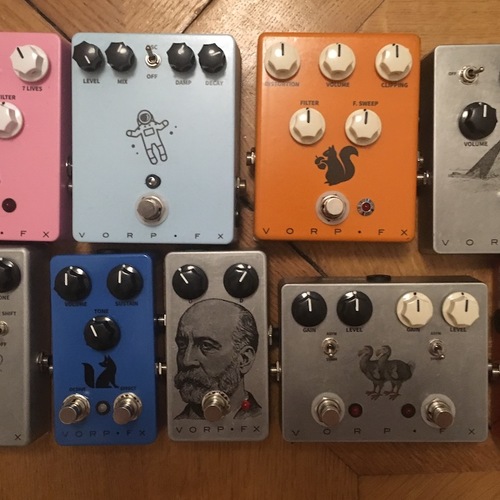
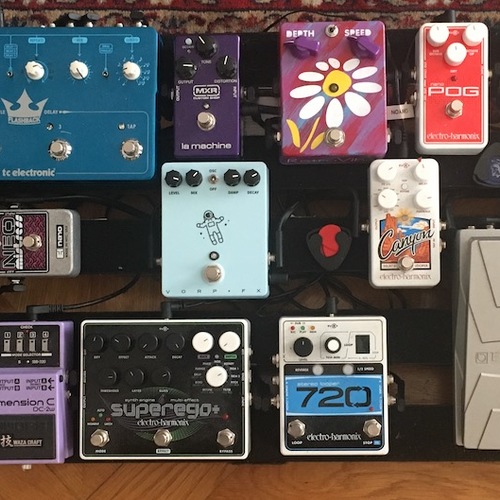
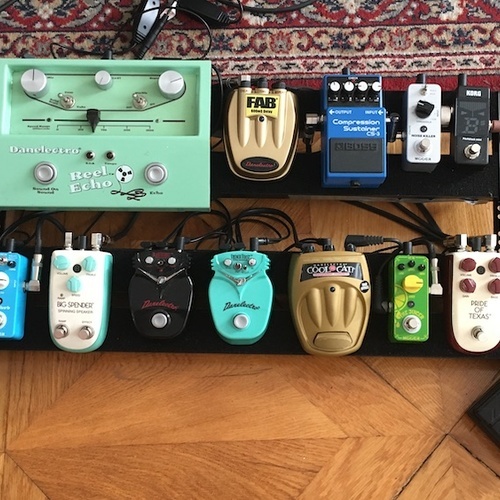
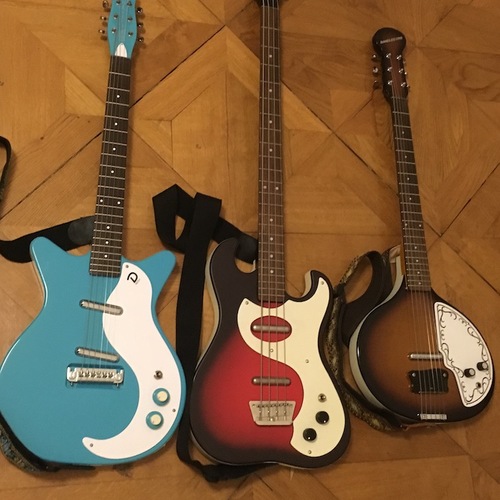
Gear in this photo
This rig
~$2,635
Value by category
- Effects Pedals 99.8%
- Music Accessories 0.2%
Price mix
Mostly standard
-m.webp?v=1784819195)
Boldest pick: Electro-Harmonix Superego+
Only 9 pro artists on Equipboard own it, but it's ranked #18 in Guitar Synth Pedals.
-m.webp?v=1784818682)


Electro-Harmonix Stereo Memory Man with Hazarai
Avg price: $235.80

h_pr's rating:

Avg price: $241.66

Good fOXX Tone Machine Variant
MXR's take on the famous fOXX Tone Machine octave fuzz sounds a bit brighter than the original, but comes in a much more pedalboard-friendly enclosure. While it doesn't have quite the same amount of low end, the fuzz tone is still full-bodied in a classic Tone Machine kind of way, and the octave can be piercing and tracks well. Now that MXR have replaced it with the larger and more expensive Sub Machine, this is an excellent pedal to look out for on the used market.

Dunlop Jazz III Standard Nylon 1.38mm Guitar Picks - Red
Avg price: $4.98
h_pr's rating:

Avg price: $97.03
More tweakable classic Dyna Comp
Everything that the manufacturer's description says is true. It's one of the few Dyna Comp variants that still use the now discontinued CA3080 chip, and components have been optimised so that it has a lower noise floor than on the standard model. The result is indeed the same classic warm Dyna Comp sound and quieter operation. Don't buy if you want a compressor that doesn't colour your sound, but that applies to every Dyna/Ross-inspired compressor. The two internal trim pots are a welcome addition to further tailor the sound. Excellent product.

-m.webp?v=1784818876)

TC Electronic Flashback Triple Delay
Avg price: $224.73
Sophisticated Delay Machine
This is exactly what the name says: three TC Electronic Flashback delays in one enclosure. What makes this different from three single pedals is that you can not only use them in series, but also in parallel, which opens up a whole range of new musical possibilities. It also adds new delay types that the single Flashback II doesn't have: you can choose from Tape, Tube, Space, Analog, Analog mod, Reverse, Dynamic, 2290, 2290 mod, Slap, Lofi, Ping pong and four Toneprint slots. That's a lot of delay.
It also offers tap tempo with no fewer than 11 different subdivisions, which is quite remarkable. There's Midi in and through, and you can connect an expression pedal. It's full stereo. The delay time is up to 7 seconds, and in 2290 mode, you can set it to infinite repeats, so it can also be used as a kind of micro looper. An internal dip switch allows you to activate trails. The pedal will not go into self-oscillation with any of the delay types. Unfortunately, the "Mix" knob controls only the output level of the delay, but does not affect the dry signal in any way; if you want to go full wet, your only option is to activate the Kill Dry dip switch inside the pedal.
As it's more of a delay computer than a pedal, it works entirely via presets: you need to cofigure each of the three virtual pedals with the knobs and switches and then save the settings to the respective slot. This is all fine as long as you stick to your three presets, don't mind that you don't see what settings each slot has and don't have the habit of wanting to tweak or change your settings while you are playing. If you do, changing the settings is possible for the preset that is currently selected with the toggle switch, but if you disengage the delay and then switch it on again, it goes back to the saved preset rather than your most recent setting. This may be perfectly fine for many musicians, or it may run counter to your intentions and annoy you. It annoyed me to the extent that I sold the pedal.
Something else that takes some getting used to is that while the standard signal direction for pedal boards is right to left, the signal passes through this pedal left to right in serial mode, which may also take some getting used to.
Mind you, this is not a bad pedal. It's just not the same as three single pedals. It's extremely powerful and opens up a ton of tonal options, but you are to some extent tied to your presets as the tweakability while you're playing is somewhat limited. It's important that you bear this in mind before you buy it.
-m.webp?v=1784819011)


Univibe & Rotary Effects Pedals

Avg price: $296.08
Fantastic Univibe
One of the best Uni-Vibes I've come across, from smooth and subtle to heavy and weird, but always organic. The Mk.2 version adds the chorus/vibrato toggle switch that was conspicuously absent on the Mk.1, and an expression pedal input to control the modulation speed. There's also an internal trim pot to fine-tune the maximum modulation depth. The Mk.2 comes in a variety of different enclosure designs and particularly the earlier, individually hand-painted builds exude a nice DIY workshop flair. However, don't be fooled into believing that this pedal is anything other than excellent. Not exactly cheap, but you get a perfect Univibe pedal for your money.
About this setup
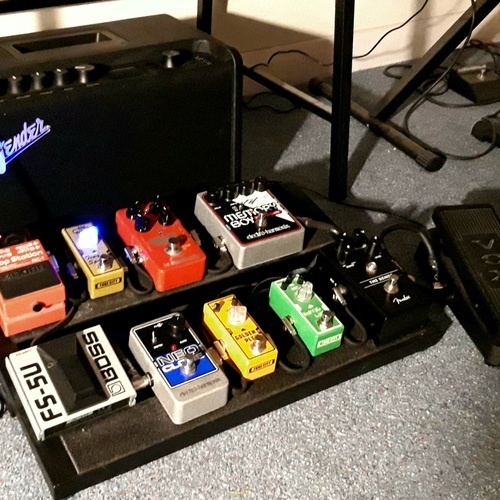
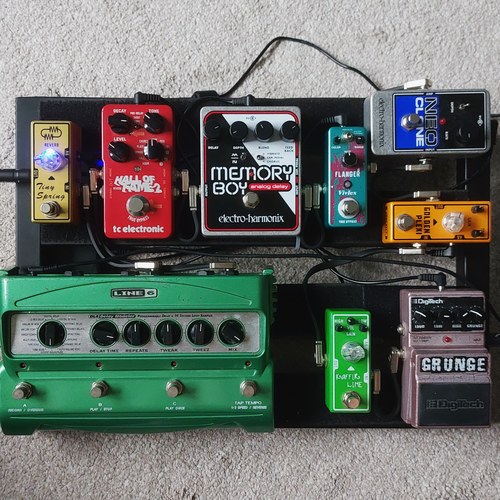
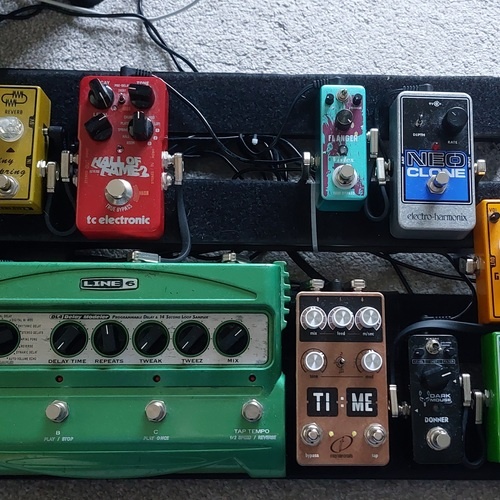
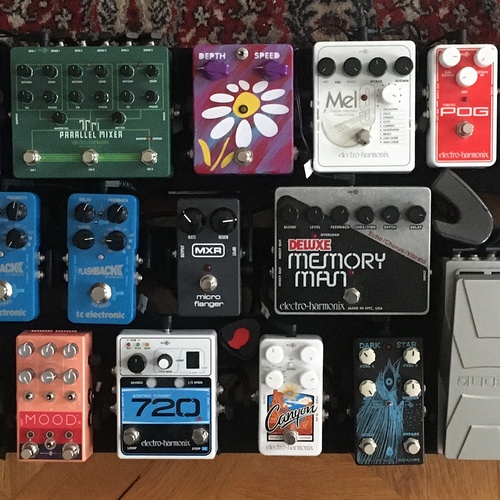
This gear photo by h_pr features 19 pieces of gear, including Pro Co RAT 2, Electro-Harmonix Stereo Memory Man with Hazarai, and MXR CSP203 La Machine. The setup spans Effects Pedals and Music Accessories, with mostly standard pieces. Artists with this kind of gear are most often found in the Rock, Pop, and Electronic scenes.