.webp)
Table of Contents

Equipboard
Equipboard is the world's largest community of artists and their gear. Read our review process.
We are reader-supported. When you buy through links on our site, we may earn an affiliate commission. Learn more.
Our Picks


Every guitarist has fantasized about designing their dream Fender at some point. You're scrolling through Instagram, watching John Mayer wield his signature Strat, and you think, "If I could just get that exact pickup configuration with a different neck profile and maybe that gorgeous Ocean Turquoise finish..." But then reality hits. Custom Shop guitars start around $4,000, and the wait time can stretch beyond 18 months. Who has that kind of patience or budget?
Enter Fender's Mod Shop, their sleek digital solution to this age-old guitarist dilemma. Launched as an online customization platform, the Mod Shop promises to bridge the gap between off-the-shelf American models and full Custom Shop creations. You pick your specs, click "build it," and in about 30 days, your personalized Fender arrives at your door.
But here's the million-dollar question: Is this true customization that delivers a meaningful, personalized instrument, or is it just convenience dressed up as luxury? After all, guitarists are notoriously picky about their gear, and the difference between "custom" and "customizable" can be vast. The Mod Shop operates within specific parameters, offering curated choices rather than limitless possibilities.
The stakes feel particularly high because there's no going back once you place that order. Unlike walking into Guitar Center and playing a dozen different Strats, the Mod Shop requires you to commit based on specs alone.
Behind the Curtain: How the Mod Shop Works

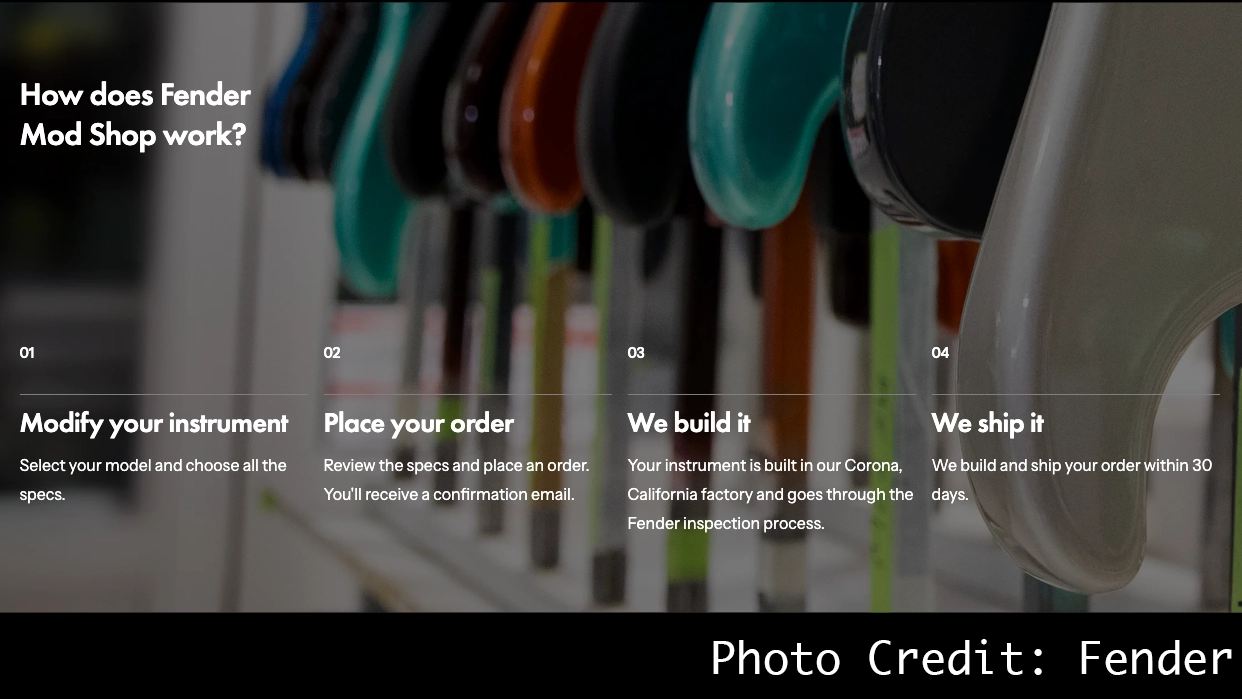
Walking through the Mod Shop experience feels like stepping into a guitarist's version of a car configurator. You start by selecting your base model, and as of 2025, your options include the Stratocaster, Telecaster, Jazzmaster, and Precision Bass. Each model opens up its own universe of customization possibilities.
The Configuration Process
The interface itself is surprisingly intuitive. You begin with body selection, where you'll find options ranging from classic three-tone sunburst to more adventurous choices like Surf Green or Lake Placid Blue. The visual preview updates in real-time, giving you a decent sense of how your choices will look together, though nothing beats seeing the actual finish under stage lights.
Pickup configurations is where the Mod Shop starts to flex its muscles. For Stratocasters, you can choose between the traditional SSS setup (three single-coils) or the more versatile HSS configuration with a humbucker in the bridge position. Telecasters offer similar flexibility with standard SS or the beefier HH arrangement. This is where things get interesting because these specific combinations might not exist in Fender's standard American lineup.
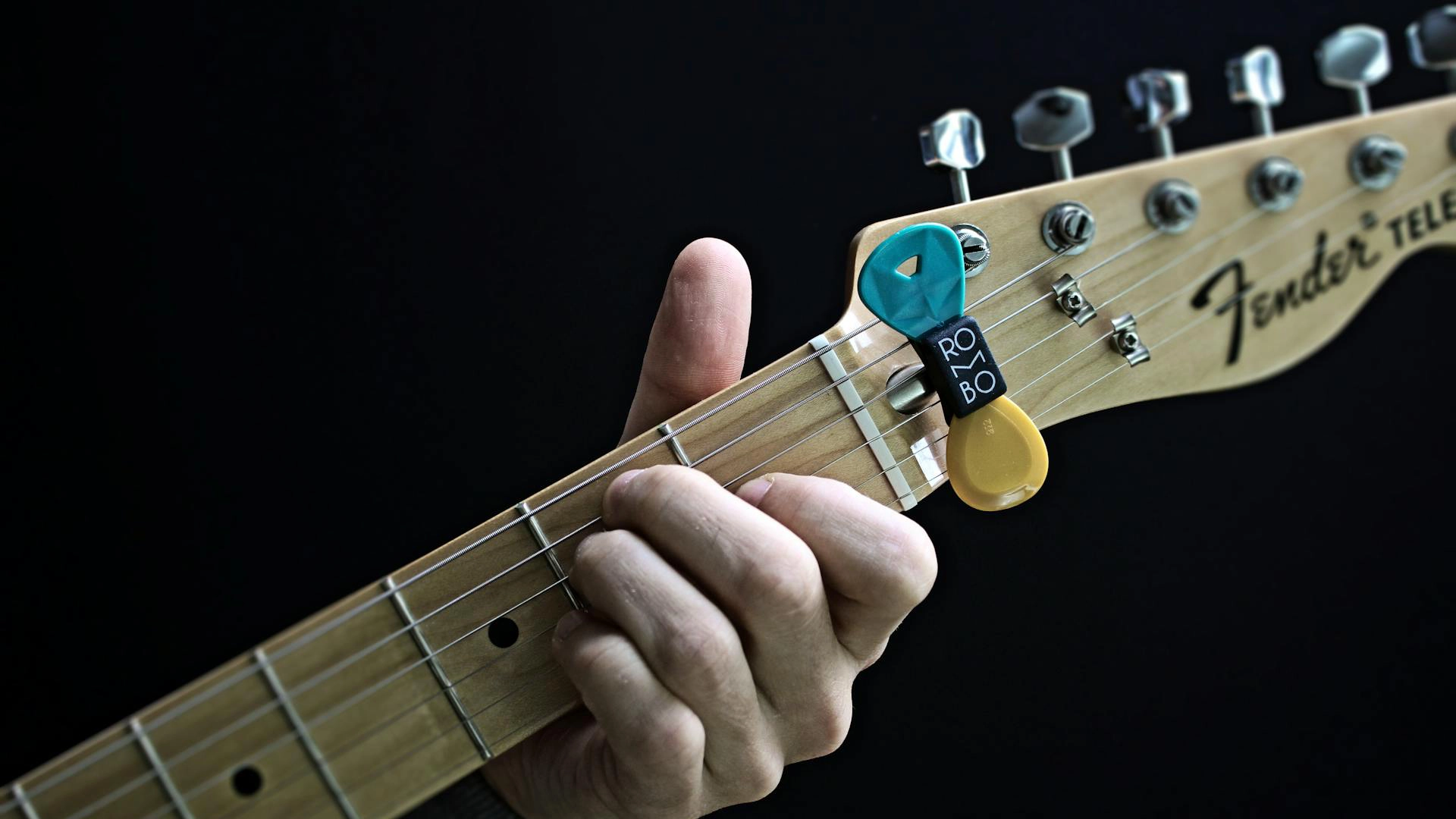
Neck specifications dive deeper into personalization territory. You can select from different fretboard materials like maple or rosewood, choose your preferred neck shape (Modern "C" or Deep "C"), and even pick between different nut materials. The hardware section lets you coordinate everything from tuning pegs to bridge types, ensuring your aesthetic vision stays consistent throughout the instrument.
The Build Timeline
Once you've finalized your configuration, the 30-day build window begins. This timeframe sits in a sweet spot between immediate gratification and Custom Shop eternity. Your guitar gets built in Fender's Corona, California facility using the same production standards as their American Professional and Ultra lines.
The no-return policy looms large throughout this process. Unlike traditional guitar purchases where you can change your mind, Mod Shop guitars are final sale unless they arrive damaged or defective.
What You Can't Get
Understanding the Mod Shop's limitations is just as important as knowing its capabilities. You won't find relicing options, exotic wood choices, or hand-wound pickups here. The color palette, while extensive, doesn't include every finish Fender has ever produced. Neck profiles are limited to a few popular shapes rather than the infinite variations possible through Custom Shop work.
This curated approach keeps costs manageable and build times predictable, but it also means the Mod Shop operates within clearly defined boundaries. It's mass customization rather than true custom work, which brings us to the inevitable comparisons with Fender's other offerings.
Mod Shop vs. Off-the-Shelf American Models

The comparison between Mod Shop guitars and Fender's standard American lineup creates an interesting value proposition puzzle. American Professional II and American Ultra guitars represent Fender's current production flagships, offering proven specifications at competitive prices. So when does it make sense to go the Mod Shop route instead?
The Case for Standard Models
Immediate availability stands as the biggest advantage of off-the-shelf American Fenders. You can walk into any decent guitar shop, play a dozen different instruments, and walk out with your favorite that same day. This try-before-you-buy approach eliminates guesswork and ensures you're comfortable with the neck feel, pickup balance, and overall vibe.
Pricing often favors standard models too. American Professional II Stratocasters typically retail around $1,800 to $1,900, but they frequently appear in sales or with dealer discounts. Street prices often run $200 to $300 below MSRP, making them genuinely competitive with Mod Shop pricing.
The resale market also treats standard models more favorably. A Lake Placid Blue American Professional II holds its value better than a custom-configured Mod Shop guitar in an unusual color combination.
Where Mod Shop Pulls Ahead
Aesthetic individuality represents the Mod Shop's strongest selling point. Want a Sonic Blue Stratocaster with a rosewood fretboard and HSS pickups? You probably won't find that exact combination sitting on a shop wall, but the Mod Shop can build it without breaking a sweat.
Pickup combinations that don't exist in standard lineups create genuine value for players with specific tonal goals. Maybe you love the American Ultra Stratocaster's neck but wish it came with Noiseless pickups instead of Ultra Noiseless. The Mod Shop can make that happen.
The psychological aspect shouldn't be underestimated either. There's something deeply satisfying about playing a guitar that exists exactly as you envisioned it. When The Edge picks up one of his countless modified Strats, he's not just playing an instrument, he's playing his instrument. The Mod Shop offers a taste of that ownership pride without the Custom Shop price tag.
The Overlap Zone
Interestingly, many Mod Shop configurations end up very close to standard American models in both specs and pricing. A basic Mod Shop Stratocaster with common options might cost $200 more than its American Professional II equivalent while offering minimal real-world differences. This overlap is where the Mod Shop loses its value proposition unless you genuinely need those specific customizations. The sweet spot emerges when you want something specific that doesn't exist in standard lineups.
Mod Shop vs. Custom Shop: Two Very Different Worlds

Comparing the Mod Shop to Fender's Custom Shop is like comparing a Tesla Model 3 configurator to having a custom hot rod built by hand. Both create personalized vehicles, but the philosophy, process, and end results exist in completely different universes.
Philosophy and Approach
Custom Shop guitars combine traditional American craftsmanship with modern guitar building. Each instrument receives individual attention from skilled builders who can accommodate virtually any specification request. Want a Stratocaster with a '59 neck profile, hand-wound Texas Special pickups, and light relicing that mimics exactly how Stevie Ray Vaughan's guitars aged? The Custom Shop can make it happen, assuming you're willing to pay for it.
The Mod Shop operates through automated efficiency and standardized processes. Your guitar gets built using the same production methods as other American Fenders, just with your selected options swapped in at the appropriate assembly stages. It's mass customization rather than individual craftsmanship, which explains both the lower prices and faster turnaround times.
Material and Construction Differences
Custom Shop guitars often feature premium materials not available through standard production. Hand-selected wood pieces, vintage-style construction techniques, and specialized finishing processes all contribute to instruments that feel distinctly different from production models. The necks might use quartersawn maple, the bodies could feature specific wood grain patterns, and the setup work typically exceeds standard factory specifications.
Mod Shop guitars use the same materials and construction methods as American Professional and Ultra models. You're getting excellent quality, but within the parameters of modern production efficiency. The wood selection follows standard grading rather than hand-picking, and finishing processes prioritize consistency over individual character.
Pricing Reality Check
Here's where the difference becomes stark. Entry-level Custom Shop guitars start around $4,000 and climb rapidly from there. Master-Built instruments can easily exceed $8,000, placing them in a completely different market segment. These prices reflect the labor-intensive nature of individual attention and premium materials.
Mod Shop pricing typically ranges from $1,700 to $2,200, positioning it much closer to high-end production models than true custom work. For many players, this represents the maximum they're willing to invest in a single guitar, making Custom Shop options purely aspirational rather than realistic.
The Value Proposition Split
The Custom Shop makes sense for players who view guitars as both instruments and investments. Professional musicians, serious collectors, and players for whom the guitar represents their primary creative tool often find Custom Shop pricing justified by the resulting instrument quality and exclusivity.
Mod Shop guitars target players who want personalization without the associated premium. They're ideal for serious hobbyists, weekend warriors, and professionals who need specific configurations but can't justify Custom Shop pricing. At around $1,900, they scratch the itch for a personalized American Fender without requiring a second mortgage.
The key insight is that these aren't really competing products despite both offering "customization." They serve different markets with different priorities, and understanding which category you fall into determines whether either option makes sense for your specific situation.
Quick Comparison: Mod Shop vs American Pro II vs Custom Shop
| Mod Shop | American Pro II | Custom Shop | |
|---|---|---|---|
| Price Range | $1,700 - $2,200 | $1,500 - $1,900 | $4,000+ |
| Build Time | 30 days | Available now | 12-18 months |
| Customization | Limited options | None | Unlimited |
| Try Before Buy | No | Yes | No |
| Return Policy | No returns | Standard returns | No returns |
| Construction | Production line | Production line | Hand-built |
Is the Mod Shop Worth It?
After cutting through the marketing speak and comparing specifications, the ultimate question remains: does the Mod Shop deliver genuine value, or are you paying extra for the illusion of customization?
The Pricing Sweet Spot Analysis
Mod Shop pricing typically lands in the $1,700 to $2,200 range, depending on your selected options. This positions it above most American Professional II models but well below Custom Shop territory. The question becomes whether those customization options justify the premium over standard American models.
Street pricing complicates this calculation significantly. While Mod Shop guitars sell at fixed prices, standard American models often appear with dealer discounts, sale pricing, or bundle deals that can make them substantially cheaper than their MSRP suggests. A smart shopper might find an American Ultra Stratocaster for $1,600 while the equivalent Mod Shop version costs $2,000.
The Ideal Customer Profile
The Mod Shop works best for specification-obsessed players who know exactly what they want but can't find it in standard lineups. These are guitarists who spend hours on forums discussing the tonal differences between pickup types, who have strong preferences about fretboard materials, and who genuinely care about having specific aesthetic combinations.
Players who value uniqueness over absolute value also find the Mod Shop appealing. If you're the type who doesn't want to see your exact guitar in every music store, the customization options provide genuine differentiation. This psychological value is real, even if it's hard to quantify financially.
The platform also suits busy professionals who don't have time to hunt through multiple dealers looking for specific combinations. The convenience of designing exactly what you want online and having it delivered can be worth the premium for players who value their time highly.
Who Should Look Elsewhere
Bargain hunters will find better deals in the standard American lineup, especially when shopping sales or used markets. The Mod Shop's fixed pricing eliminates the possibility of finding a great deal, and the no-return policy prevents you from capitalizing on buyer's remorse discounts.
Players who need to feel before buying should stick to traditional retail channels. Guitar feel is highly personal, and neck profiles that look perfect on screen might feel wrong in your hands. If you're not completely confident about specifications, the inability to return Mod Shop guitars makes them a risky proposition.
Vintage purists won't find what they're looking for in the Mod Shop's modern production approach. The platform focuses on contemporary specifications and finishes rather than historically accurate recreations.
The Practical Value Assessment
From a pure guitar perspective, Mod Shop instruments deliver solid quality that matches other American-made Fenders. You're not paying extra for better construction or premium materials, you're paying for the specific combination of options you selected.
The real value lies in getting exactly what you want rather than compromising on available options. If standard models already offer what you need, the Mod Shop doesn't provide additional value. But if you've been searching for specific combinations without success, the premium becomes justifiable.
Long-term satisfaction often depends on whether you accurately predicted your preferences during the configuration process. Players who end up loving their Mod Shop guitars typically knew exactly what they wanted before ordering. Those who experience buyer's remorse usually rushed through the selection process or had unrealistic expectations about the final result.
Conclusion: A (Mostly) Clever Middle Ground
The Fender Mod Shop occupies a genuinely useful position in the guitar market, though it's not the revolutionary customization platform some marketing might suggest. Instead, it's a well-executed compromise between mass production efficiency and individual preference accommodation.
For the right type of buyer, the Mod Shop delivers real value. These are players who obsess over specifications, know their preferences intimately, and want something slightly off the standard menu without venturing into Custom Shop territory. The platform succeeds brilliantly at serving this specific market segment.
The "mostly clever" qualifier acknowledges the Mod Shop's limitations. It's not truly custom work in the traditional sense, and it doesn't always provide better value than standard American models. The no-return policy creates genuine risk, and the limited options prevent it from satisfying every customization dream.
What it does well is provide accessible personalization within reasonable parameters. The 30-day build time, professional quality construction, and extensive but manageable option set create a user experience that works for its intended audience. Players get genuine customization without the complexity or cost of full custom work.
The bottom line is that the Mod Shop represents evolution rather than revolution in guitar customization. It's not trying to replace Custom Shop craftsmanship or undercut standard model pricing. Instead, it fills a specific niche for players who want more personalization than standard models offer but can't justify Custom Shop investment.
Frequently Asked Questions
What is the Fender Mod Shop?
The Fender Mod Shop is an online customization platform that lets you design your own Fender guitar by selecting body color, pickups, neck shape, fingerboard material, and hardware options. Your custom guitar is built in Fender's Corona, California factory using the same production standards as other American models. The typical build and shipping time is around 30 days from order placement.
How much does a Fender Mod Shop guitar cost?
Mod Shop guitars typically range from $1,700 to $2,200, depending on your selected options and base model. Basic configurations start closer to the lower end of that range, while guitars with premium pickup sets, exotic finishes, or multiple upgrades can reach the higher end. This pricing positions Mod Shop guitars above most standard American models but well below Custom Shop instruments.
What guitars can I customize through the Mod Shop?
As of 2025, you can customize Stratocaster, Telecaster, Jazzmaster, and Precision Bass models through the Mod Shop. Stratocasters are available in SSS or HSS pickup configurations, while Telecasters offer SS or HH arrangements. Fender periodically updates the available models and finish options, so the selection may change over time.
Can I return a guitar I ordered through the Mod Shop?
No, all Mod Shop purchases are final sale and non-returnable unless the guitar arrives damaged or defective. This policy exists because each guitar is built to your exact specifications, making it difficult for Fender to resell returned instruments. It's crucial to double-check all your selections before placing your order.
What are the main limitations of the Mod Shop compared to Custom Shop guitars?
The Mod Shop offers a curated set of options rather than unlimited customization possibilities. You won't find relicing options, exotic wood choices, hand-wound pickups, or vintage-accurate construction methods. Custom Shop guitars receive individual attention from skilled craftspeople and can accommodate virtually any specification request, while Mod Shop guitars use automated production processes with predetermined option sets.
Is Mod Shop quality the same as standard American Fender models?
Yes, Mod Shop guitars are built in the same Corona, California factory using identical production standards and quality control processes as American Professional and Ultra models. The main difference is that your selected custom options are incorporated during the build process. You're getting the same construction quality and materials, just in your preferred configuration.
How long does it take to receive a Mod Shop guitar?
The typical build and delivery time is approximately 30 days from order placement. This timeframe can occasionally extend due to high demand, supply chain issues, or complications with specific finish options. Fender generally provides tracking information and updates throughout the build process to keep customers informed of progress.
Is the Mod Shop better than buying a standard American Professional or Ultra model?
It depends on your specific needs and preferences. If you want a unique finish or pickup combination not available in standard models, the Mod Shop provides genuine value. However, if you prefer to try before you buy, want the possibility of dealer discounts, or don't need specific customizations, standard American models often offer better overall value and lower risk.
Fender Mod Shop Jazzmaster





Average Price: $1,250
High-end/Boutique
$400
$1001+
Budget
Standard
High-end


Fender Mod Shop Stratocaster


Average Price: $1,100
High-end/Boutique
$400
$1001+
Budget
Standard
High-end
- High-quality craftsmanship with attention to detail
- Lightweight design with great sustain
- GEN4 noiseless pickups offer classic Strat sound with reduced noise
- Fast neck enhances playability and comfort
- See 3 more
Fender Mod Shop Telecaster


Average Price: $1,179
High-end/Boutique
$400
$1001+
Budget
Standard
High-end
Fender Mod Shop Jaguar
5.0 (1)


Average Price: $1,595
High-end/Boutique
$400
$1001+
Budget
Standard
High-end
See how artists use this



.jpg)


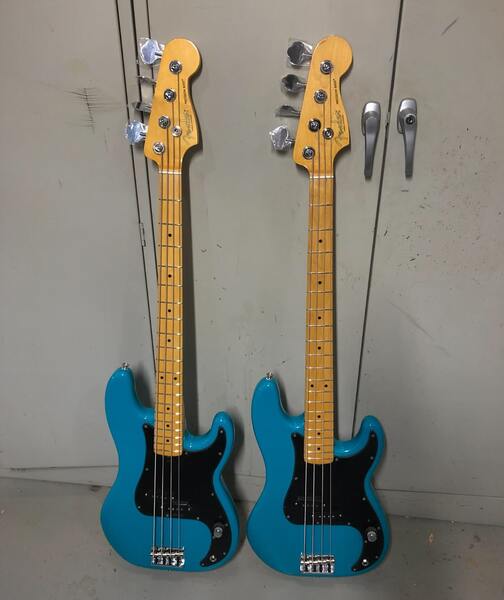
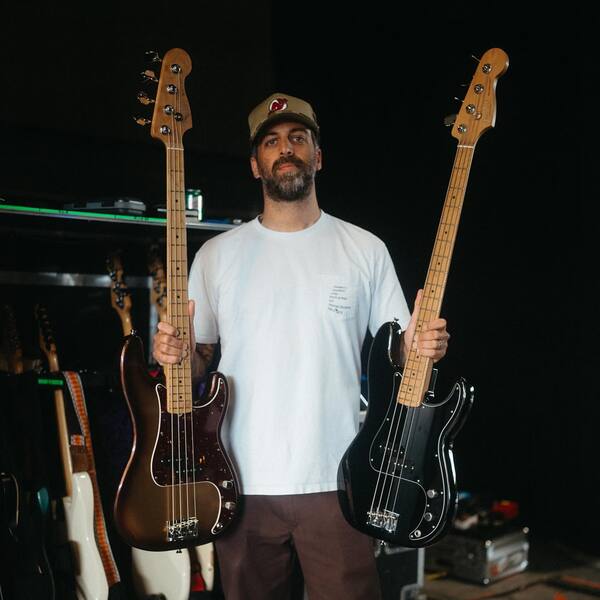
Fender USA Mod Shop Precision Bass


Average Price: $1,599
High-end/Boutique
$400
$1001+
Budget
Standard
High-end
See how artists use this

.jpg)


About the authors

S. Jino is an accomplished multi-instrumentalist and music producer based in Kolkata, India, distinguished by his self-taught mastery and unique blend of technical acumen and musical performance. His extensive experience was forged through hands-on dedication, starting with the full restoration of a broken guitar. Jino's capabilities span keyboards, pedals, and advanced digital production, reflecting a comprehensive skill set developed independently. As a significant contributor to the music scene, Jino regularly performs with worship bands and college ensembles. He has also established himself as a reliable and authoritative professional in freelance mixing, mastering, and original music creation. Inspired by the innovative sounds of Brian May and David Gilmour, and influenced by Kolkata's vibrant metal community, Jino is committed to the intricate art of vintage gear restoration and the continuous exploration of music and technology fusion. His current professional setup, featuring a meticulously restored nameless guitar, a Fender Player Strat, and a Boss Katana 50. Read more




.webp)




.webp)