Gibson SG: The Rock Icon That Changed Guitar Music Forever

By Gear Experts
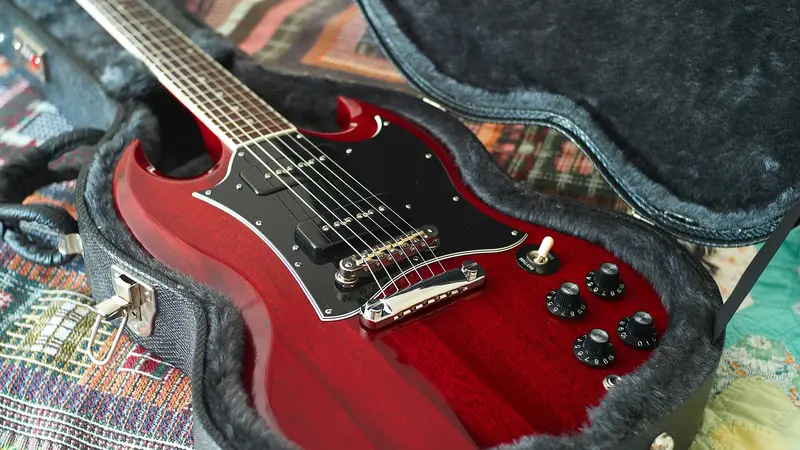
By Gear Experts
Table of Contents

Equipboard
Equipboard is the world's largest community of artists and their gear. Read our review process.
We are reader-supported. When you buy through links on our site, we may earn an affiliate commission. Learn more.
What do Tony Iommi, Angus Young, and Derek Trucks share beyond their legendary status? Their unwavering devotion to the Gibson SG, a guitar that has shaped the sound of rock music for over six decades. Since its inception in 1961, the SG has earned its place as the most versatile and distinctive electric guitars ever created.
The SG's journey from a Les Paul redesign to becoming its own legend mirrors the evolution of rock itself. With its aggressive double-cutaway body, lightning-fast neck, and signature warm tone, it has become the weapon of choice for guitarists across genres. From the heavy riffs of Black Sabbath to the soulful slide work of the Allman Brothers, the SG's voice has resonated through countless iconic recordings and performances.
This deep dive explores the SG's rich heritage, its defining features, and why it continues to captivate players from bedroom practice spaces to stadium stages. Understanding the Gibson SG's enduring legacy and unique characteristics will help you appreciate why it remains one of the most influential instruments in modern music.
A Brief History of the Gibson SG
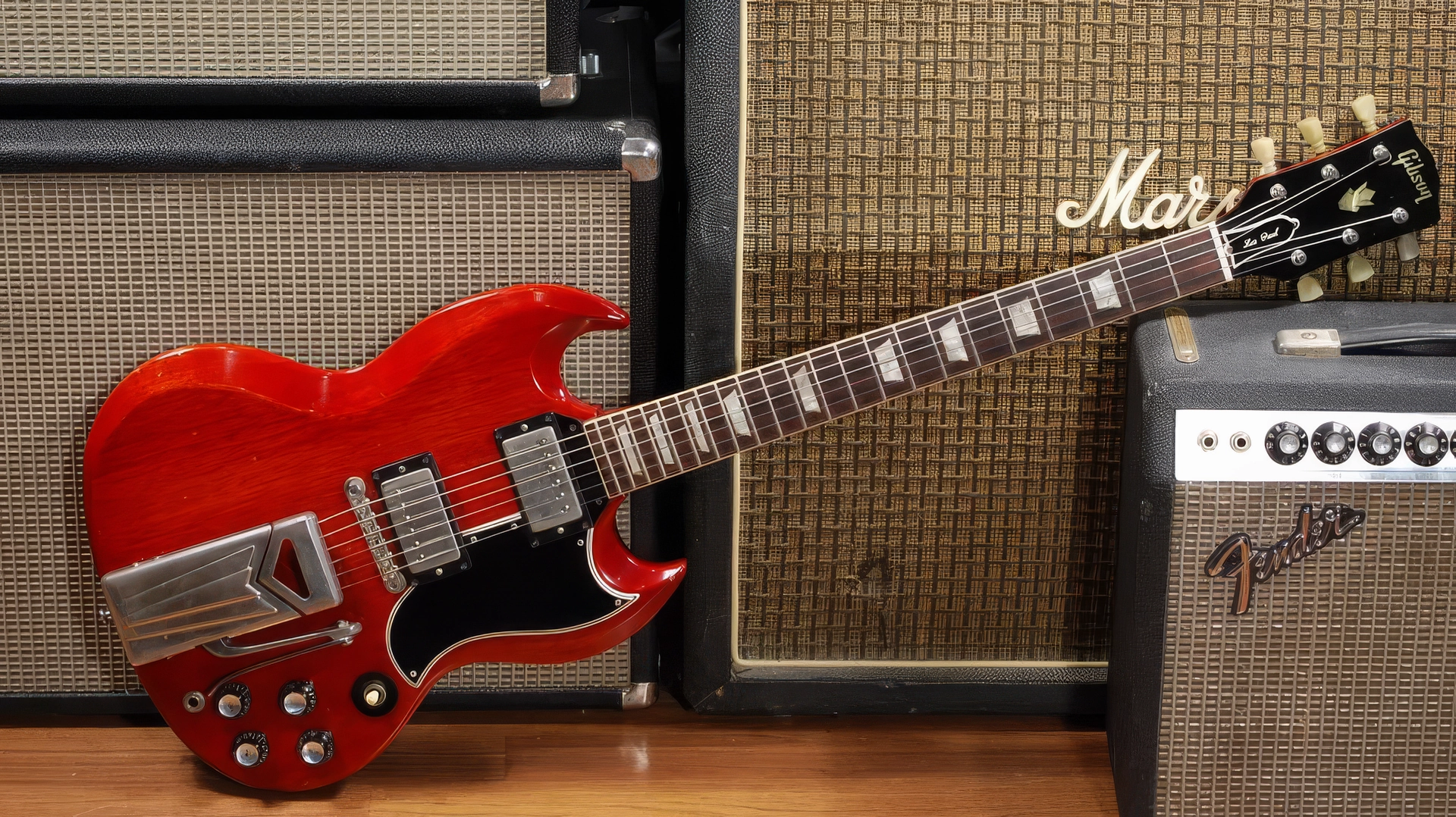
The story of the Gibson SG is as fascinating as the music it helped create. Its development marked a pivotal moment in guitar manufacturing, representing both innovation and controversy in equal measure.
The Birth of an Icon
In 1961, Gibson faced a challenging reality. As iconic as the original Les Paul was, its sheen had started to wear off and sales were declining. Gibson needed something new, something different. Their response was the SG, initially launched as the "new Les Paul." The design was revolutionary for its time with a notably thinner mahogany body and distinctive double-cutaway shape. It was a rebellious approach from Gibson, so much so that Les Paul himself didn't approve of the redesign and asked for his name to be removed. By 1963, Gibson obliged and dropped the Les Paul designation, and the SG Standard was born.
Evolution Through the Decades
The 1960s saw the SG gain traction and become a truly iconic instrument. George Harrison and Eric Clapton's use of the SG during their psychedelic period helped define the sound of an era, particularly on albums like Cream's "Disraeli Gears." Angus Young of AC/DC would later make the SG his signature instrument, using it to create some of rock's most memorable riffs, while Pete Townshend showed its durability during The Who's explosive performances. The SG even made its foray into genres as varied as gospel and blues,
Modern Legacy
The SG's influence spans generations and genres. From Iommi's groundbreaking work with Black Sabbath to Trucks' masterful slide playing, the guitar has proven its remarkable versatility. Modern players like Gary Clark Jr. and Frank Zappa have further expanded its sonic possibilities.
Key Features of the Gibson SG
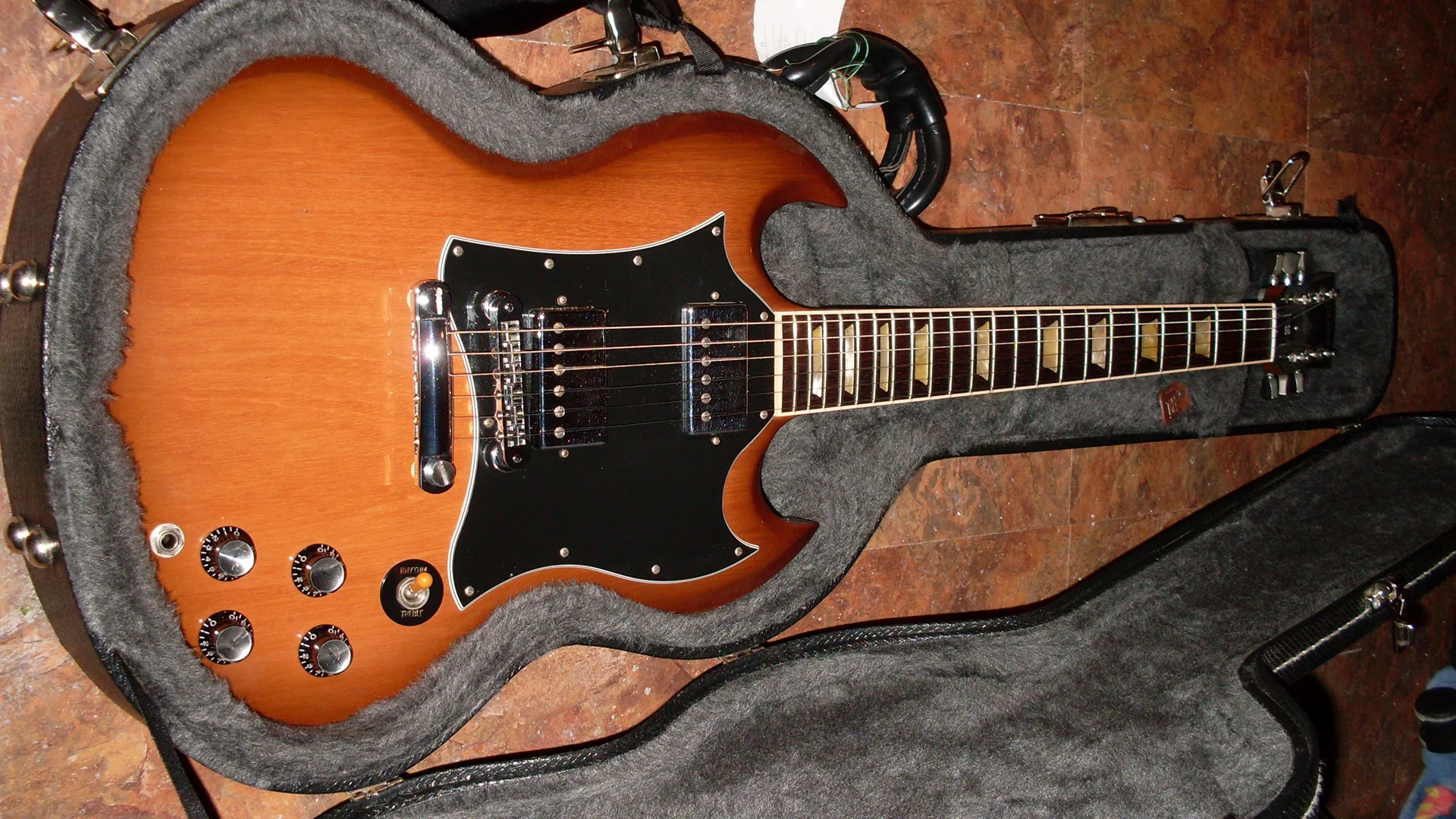
The Gibson SG stands out through a combination of smart design choices and quality components that have made it a favorite among guitarists for decades. Let's look at what makes this guitar special.
Design and Construction
The SG starts with a mahogany body that's noticeably thinner and lighter than most solid-body guitars. The double-cutaway design isn't just for looks - it lets players reach all 22 frets without stretching. The beveled edges make it comfortable to play for hours, which is why you'll often see it on stage during long concerts.
The neck is where the SG really shines. It's thinner than what you'd find on most Gibsons, making it quick and easy to play. The rosewood fingerboard feels smooth under your fingers, and since the neck joins the body at the 19th fret, you get excellent sustain. If you've ever struggled to reach the highest frets on other guitars, you'll appreciate how the SG solves this problem.
Electronics and Sound
The standard SG comes with two humbucking pickups - the 490R in the neck and 490T at the bridge. These pickups give you that classic warm tone the SG is known for, but they're clear enough that each note comes through, even in complex chords. The mahogany body adds some natural midrange punch that helps the guitar stand out in a band mix.
You get separate volume and tone controls for each pickup, plus a three-way switch. This setup lets you dial in a wide range of sounds, from clean jazz tones to heavy rock distortion. The bridge pickup sits at a slight angle, which gives it a brighter sound that cuts through the mix, while the neck pickup delivers those warmer tones that work great for blues and rhythm playing.
Hardware Components
The hardware on an SG is straightforward but effective. The Tune-O-Matic bridge and stopbar tailpiece help keep it in tune even during aggressive playing. Modern tuning machines make string changes quick and keep the guitar stable. Some models use the ABR-1 bridge, which many players swear by for its improved sustain.
The controls are positioned where you can reach them easily while playing, and the truss rod is simple to adjust when needed.
Why the Gibson SG Stands Out
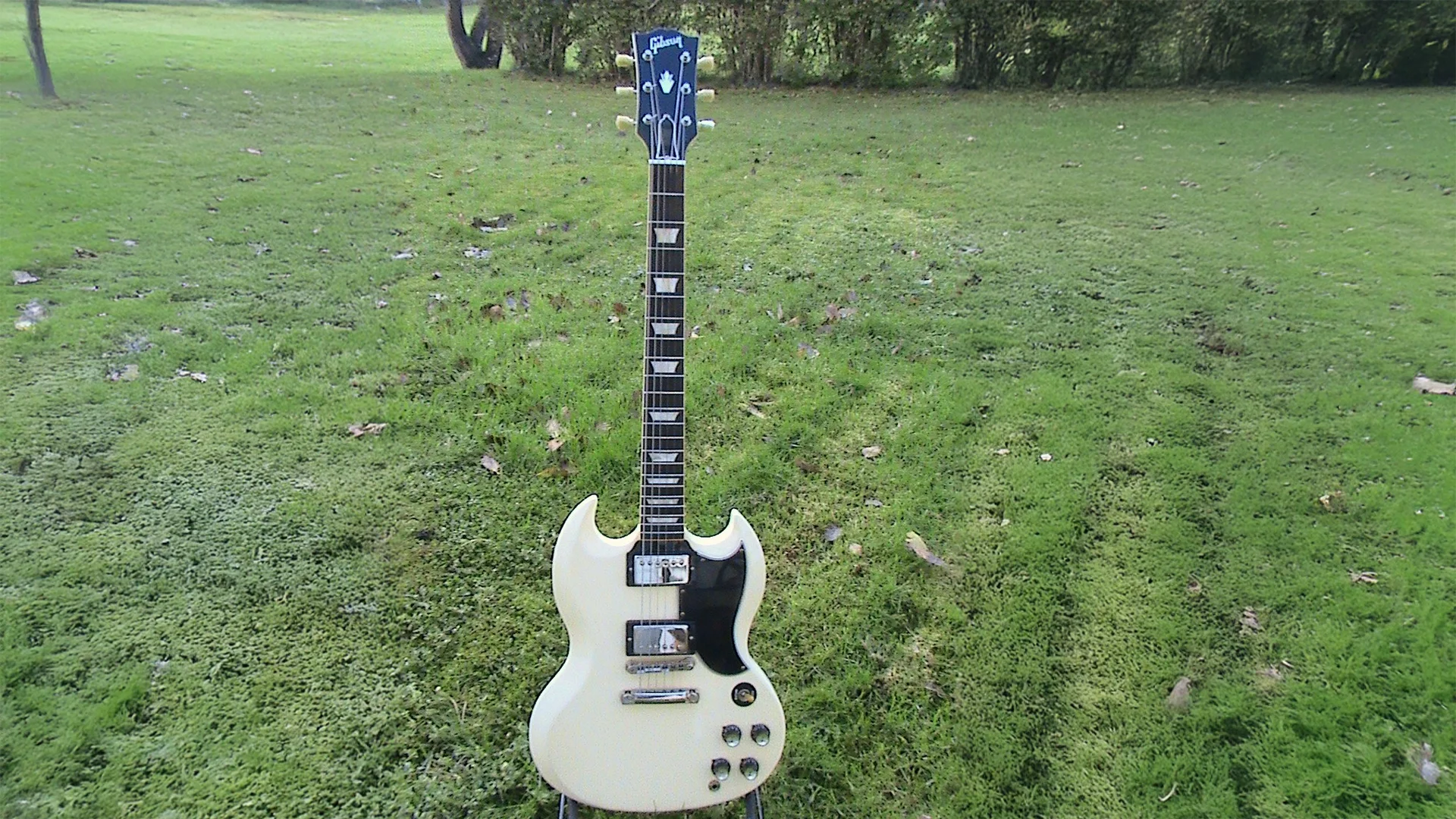
The Gibson SG has earned its place in guitar history not just through its distinctive look, but through a unique combination of features that make it stand apart from other electric guitars. Let's explore what makes guitarists keep coming back to this instrument.
The Playing Experience
When you first pick up an SG, the lightweight body immediately catches your attention. Unlike a Les Paul that can feel like a workout after a few hours, the SG feels natural whether you're practicing at home or playing a three-hour gig. The slim neck profile makes complex leads and quick position changes feel effortless.
Think of the neck like a well-designed racing car - it's built for speed and precision. The upper fret access isn't just good; it's exceptional. The joint at the 19th fret means you can reach those highest notes without feeling like you're wrestling with the guitar. The distinctive double-cutaway design isn't just for show; it's precisely what allows this remarkable playability.
Sound Characteristics
The SG produces a tone that sits perfectly in a mix. While a Stratocaster might be known for its bright, spanky sound, and a Les Paul for its thick, creamy tone, the SG strikes a unique balance between the two. The mahogany construction gives you plenty of midrange punch that helps solos cut through without being harsh. You'll hear this distinctive voice in classic tracks from AC/DC to Black Sabbath.
The guitar really shines when you need versatility. Clean sounds remain articulate and full, especially through the neck pickup. Crank up the gain, and the bridge pickup delivers aggressive tones that never get muddy. This tonal flexibility explains why you'll spot SGs in everything from blues to metal, and even jazz fusion.
Practical Benefits
One often overlooked advantage of the SG is its repairability. The straightforward design means most maintenance can be handled by any qualified guitar tech. The electronics are easy to access, and even the set neck is less problematic to repair than on some other guitars thanks to its simple joint design.
The guitar's natural balance point rests comfortably whether you're standing or sitting. This might seem like a small detail, but ask any guitarist who's dealt with neck dive on other models - comfort matters when you're playing for hours. Add in the durable construction that's proven itself on stages worldwide, and you understand why the SG remains a favorite for both touring professionals and home players.
Famous Musicians and Their SGs
The Gibson SG has played a pivotal role in shaping modern music, wielded by innovators across every genre. The instrument's versatility and unique characteristics have made it the go-to choice for some of music's most influential players, each finding their own voice through this iconic guitar.
The Architects of Heavy Music
Tony Iommi's relationship with the SG fundamentally changed the course of rock music. After losing his fingertips in an industrial accident, he found that the SG's responsive neck allowed him to develop his revolutionary playing style. His primary 1965 SG Special, "Monkey," became the blueprint for heavy metal tone. Iommi's subsequent custom SGs featured lighter strings, lower action, and custom-wound pickups, modifications that helped create Black Sabbath's signature sound on landmark albums like "Paranoid" and "Master of Reality."
Angus Young took the SG in a different direction, demonstrating its potential for high-energy rock and roll. His 1968 SG Standard has been central to AC/DC's sound since their early days in Australia. Young's modifications were minimal but significant - slightly higher output pickups and specific setup preferences that enhanced the guitar's natural aggressive character. This setup proved perfect for crafting iconic riffs in songs like "Back in Black" and "Highway to Hell." The ergonomics of the SG also went a long way in enabling Angus carry out his unique stage theatrics.
Blues and Southern Rock Pioneers
Derek Trucks has redefined what's possible with slide guitar through his SG. Unlike many players who heavily modify their instruments, Trucks achieves his distinctive vocal-like tone using a relatively stock SG Standard with minimal modifications. His approach focuses on precise setup and higher action to accommodate his slide technique, proving the SG's natural capabilities when matched with masterful technique.
The Allman Brothers Band's legacy with the SG extends beyond Trucks. Dickey Betts used an SG to create some of the band's most memorable leads, while Pete Townshend employed several SGs during The Who's most innovative period, including the recording of "Who's Next" and their legendary live performances.
Innovators and Alternative Voices
Frank Zappa's modified SG, known as the "Baby Snakes" guitar, featured extensive customizations including a pre-amp and specialized switching options. These modifications helped him achieve the complex tones necessary for his avant-garde compositions. Sister Rosetta Tharpe put the the SG's versatility to good use in gospel and blues, using its natural sustain and warmth to create groundbreaking music that influenced countless rock pioneers.
The alternative rock world embraced the SG through players like Kim Thayil of Soundgarden, who used its aggressive qualities to help define the Seattle sound. Thom Yorke and Jonny Greenwood of Radiohead have used SGs to create textural soundscapes, showing the instrument's capability for experimental music.
Jazz and Fusion Pioneers
While less commonly associated with jazz, the SG has found its place in fusion and experimental jazz through players like John McLaughlin during his Mahavishnu Orchestra period. His use of the SG demonstrated the guitar's capability for complex harmonic work and high-speed runs with remarkable clarity.
The New Generation
Contemporary players continue to find new voices through the SG. Thundercat has used custom SGs for his innovative bass work, proving that the SG remains relevant, capable of evolving while maintaining its essential character that has made it a favorite for over six decades.
Is the Gibson SG Right for You?
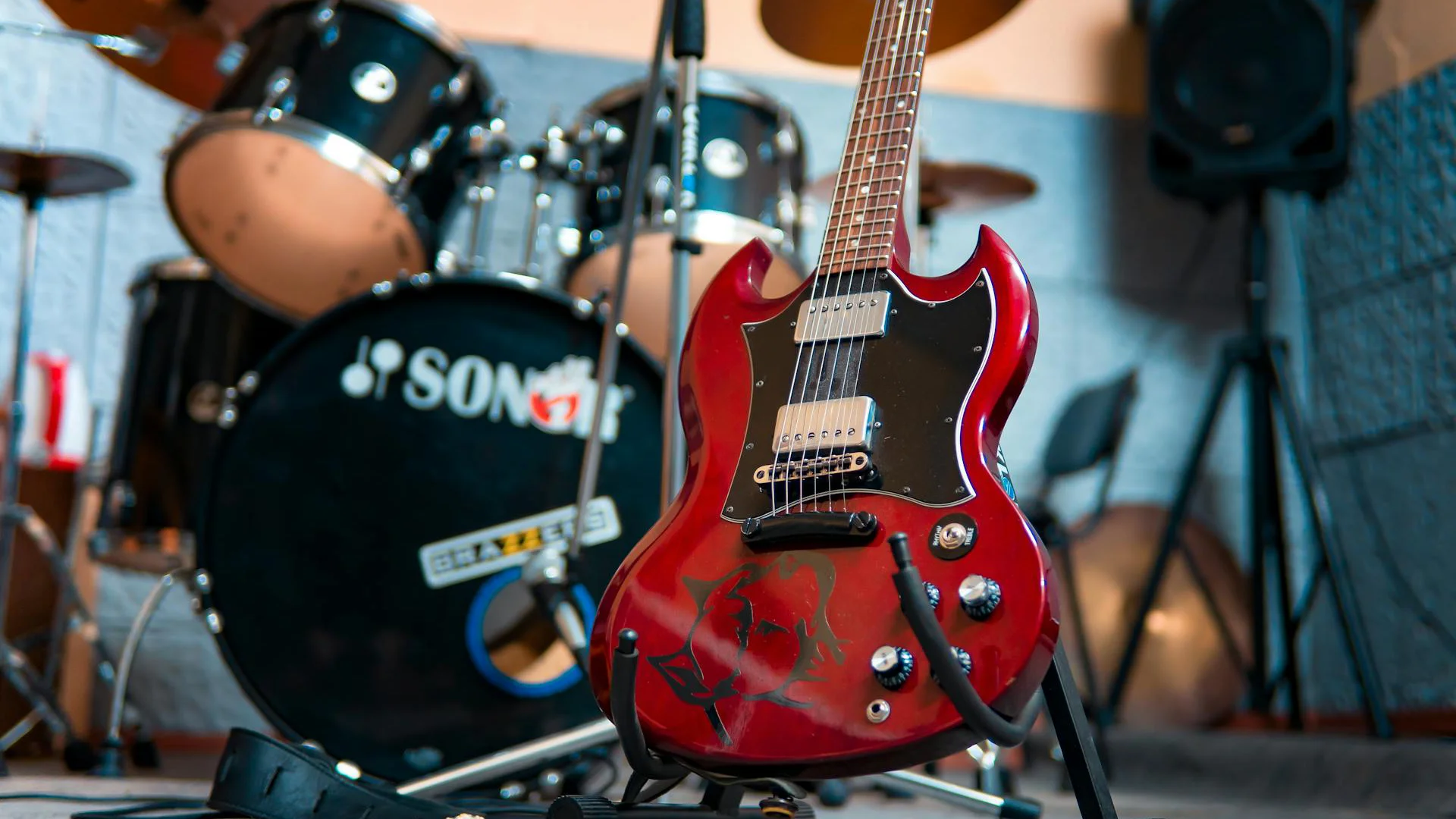
Choosing the right guitar is a deeply personal decision that depends on your playing style, musical preferences, and practical needs. Let's explore what makes the SG a compelling choice and help you determine if it matches your requirements.
Understanding the SG's Character
The SG excels in situations where playability and versatility are priorities. The lightweight design makes it ideal for guitarists who play long sets or struggle with heavier instruments. If you frequently play in the upper register, the double-cutaway body provides unmatched access to these frets. The slim neck profile suits players who prefer faster, more technical playing styles.
The SG's natural voice sits comfortably in most mix situations. The guitar produces strong midrange frequencies that cut through a band setting without being harsh. This tonal characteristic particularly benefits lead guitarists who need their solos to stand out. Players who appreciate warm, full-bodied clean tones will find the neck pickup especially satisfying, while the bridge pickup delivers aggressive sounds perfect for heavier styles.
Playing Style Considerations
Your preferred genre and playing technique should influence your decision. The SG naturally excels at rock and blues, thanks to its strong sustain and responsive pickups. Heavy rock and metal players will appreciate how well it handles high-gain situations, with clarity that remains even under intense distortion. Blues players, especially those interested in slide guitar, will find the SG's natural sustain and singing quality particularly appealing.
However, the SG isn't limited to these styles. Jazz players might appreciate its articulate clean tones, especially through the neck pickup. The guitar's versatility allows it to handle everything from country twang to experimental noise rock. Many players find that the SG's relatively neutral base tone provides an excellent foundation for effects pedals and signal processing.
Practical Factors
Some guitarists need time to adjust to its balance, as the lightweight body can sometimes cause the neck to dip when playing standing up. However, this is usually resolved with a quality strap and proper positioning. The thin body profile might actually feel more comfortable than thicker alternatives, especially if you play seated.
The SG's straightforward design makes maintenance relatively simple. Electronics are easily accessible, and most repairs can be handled by any qualified technician. The set neck construction, while sturdy, can be more complex to repair than bolt-on designs if serious damage occurs. However, the SG's overall durability has been proven through decades of stage use.
Keep in mind that original vintage SGs can require more attention due to their age and construction methods of the era. Modern versions typically offer improved stability and consistency, though some players prefer the unique characteristics of older instruments.
Tips for Choosing and Using a Gibson SG
Let's cut through the noise and focus on what really matters when selecting and maintaining an SG. After years of seeing common issues and questions pop up, here's what actually makes the difference between a great SG experience and potential frustration.
What to Look For
First thing to always check is neck alignment. Think of it like checking a car's alignment - subtle issues here create major problems later. The neck should join the body at an angle that allows the bridge to sit at a proper height without maxing out its adjustment range. Cup your hand around the neck joint and feel for any gaps or oddness in how it meets the body.
Look down the neck from the headstock, like you're sighting a rifle. You want to see pretty much a straight line, not a noticeable twist or bow. Pay special attention to the area around the 12th fret - this is where problems typically show up first. If you spot a hump or dip here, you're looking at a potentially expensive fix.
The Setup Sweet Spot
SGs are particularly sensitive to string gauge and action height. Too light, and you'll fight neck dive forever. Too heavy, and you'll strain the neck joint. 10-46 or 11-48 gauge strings hit the sweet spot for most players. They provide enough tension to keep the neck stable without overtaxing it.
Bridge height makes a huge difference on an SG. Unlike Les Pauls, which can handle a range of bridge heights comfortably, SGs really want their bridge in a specific zone. Start with about 1/16 inch clearance at the 12th fret for the low E string and adjust from there based on your playing style. This isn't just about playability - it affects your tone and sustain significantly.
Real-World Maintenance Tips
After seeing countless SGs come through repair shops, here's what actually needs attention: The input jack works loose thanks to that thin body. A quick tightening every few months saves you from a mid-gig disaster. The control cavity covers can develop annoying buzzes - a small strip of foam tape works wonders here.
Many players overlook the nut slots. An SG's angled headstock puts unique pressure on the nut, and properly cut slots make a massive difference in tuning stability. If you're hearing pinging noises when tuning or notice strings binding, it's time for a nut check.
Remember that these guitars are more responsive to humidity changes than many players realize. The thin body and set neck construction mean they'll react quickly to environmental shifts.
Current Gibson SG Models
Gibson's current SG lineup offers plenty of choice. While the fundamental character of the SG remains consistent across the range, each model offers distinct features and refinements that cater to different playing styles and preferences. From stripped-down workhorses to premium custom shop creations, today's SG family represents over 60 years of evolution and player feedback.
Common Questions About the Gibson SG
What does "SG" actually stand for?
SG stands for "Solid Guitar," a name Gibson chose to emphasize its departure from hollow-body designs. The solid mahogany construction remains one of the guitar's defining features, contributing to both its distinctive tone and lighter weight compared to other solid-body guitars.
How does an SG compare to a Les Paul?
While both guitars share some DNA, they're quite different instruments. The SG offers a thinner body, lighter weight, and improved upper fret access. The reduced mass creates a brighter, more aggressive tone with enhanced upper-mid presence. Les Pauls generally provide thicker, warmer tones and more natural sustain due to their denser body construction.
Is the SG suitable for beginners?
The SG can be an excellent choice for newer players. The lightweight design and comfortable neck make it easier to play for extended periods. The clear tone helps beginners hear their mistakes and improvements more easily. However, some players might need time to adjust to the guitar's balance, as the neck can tend to dip when playing standing up.
Which amplifiers work best with an SG?
The SG's versatile nature means it pairs well with most amplifiers. Its balanced output and clear note definition work particularly well with both British-style amps known for their midrange character and American-style amps with scooped mids. The guitar's natural voice requires minimal EQ adjustment to sit well in a mix.
What should I know about maintaining an SG?
Regular maintenance focuses on several key areas. The neck joint and angle should be checked periodically, as should all hardware connections. The thin body construction means you should pay special attention to the input jack, which can work loose over time. Keep the frets and fingerboard clean and conditioned, and ensure all electronics remain properly shielded.
Can the SG handle drop tunings and heavy strings?
Yes, the SG handles alternate tunings and heavier string gauges well. The neck construction is robust enough for drop tunings, though you might want to adjust the truss rod accordingly. Many players find that slightly heavier strings help improve sustain and tuning stability without sacrificing the guitar's playability.
What pickup modifications are possible?
The SG's electronics cavity accommodates various pickup types. Beyond the standard humbuckers, you can install P-90s, mini-humbuckers, or even single-coils with proper modifications. Popular upgrades include coil-splitting options for single-coil tones and higher output pickups for heavier styles.
Related Gear and Getting the Most From Your SG
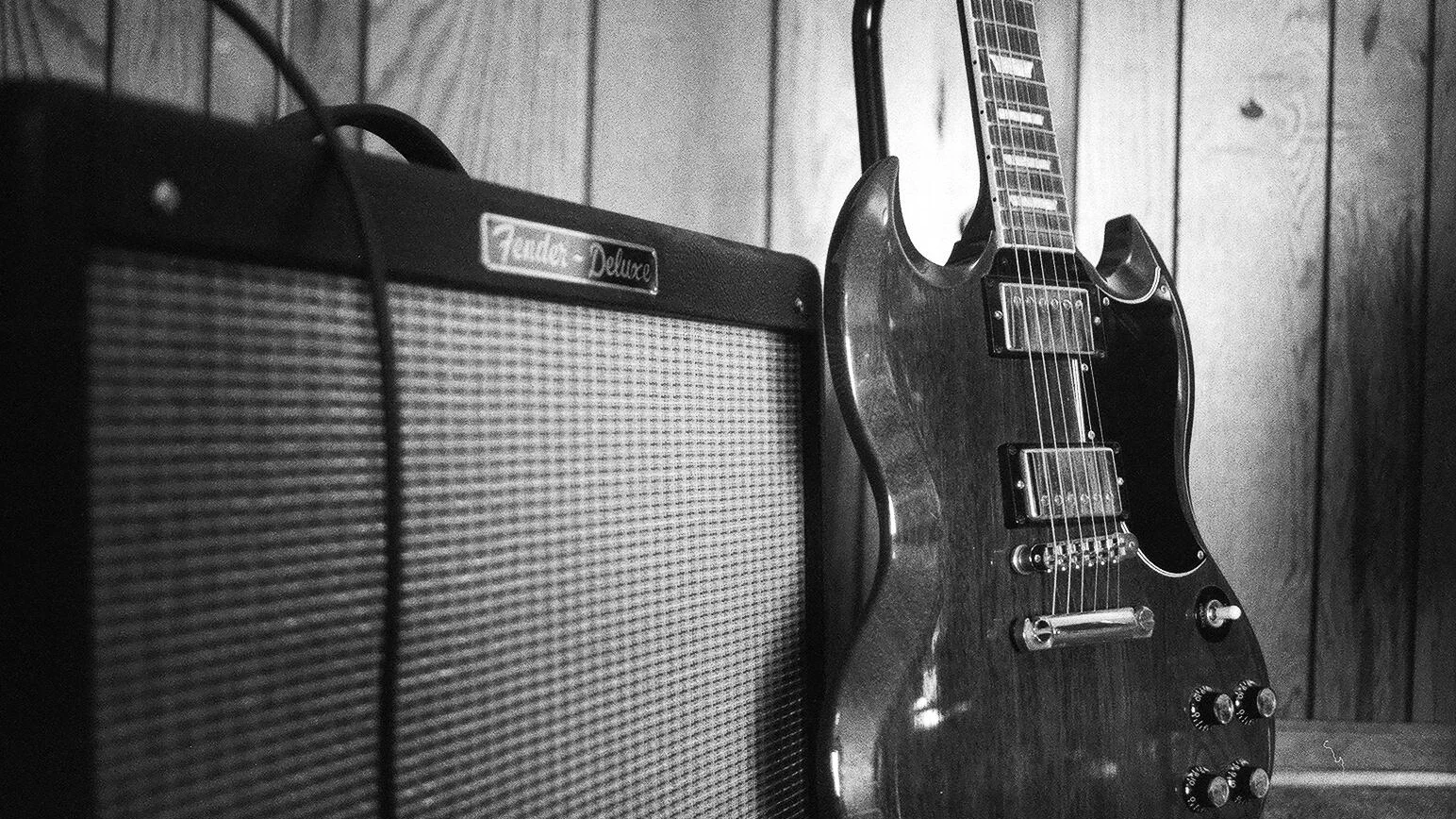
Finding the right supporting gear can enhance your SG experience. Understanding how different equipment interacts with the guitar's natural characteristics helps you achieve your ideal tone and playing experience.
Amplification Choices
The SG's natural voice truly shines through tube amplifiers. British-style amps like Marshalls complement the guitar's midrange character, creating that classic rock tone heard on countless recordings. The warm neck pickup paired with a Fender-style clean channel produces rich jazz tones, while the bridge pickup through a high-gain channel delivers aggressive metal textures.
For modern versatility, many players find digital modeling amps work exceptionally well with the SG. The guitar's clear note definition and balanced frequency response make it an ideal partner for complex digital processing. The natural sustain helps maintain dynamics and character even through multiple effects.
Effect Pedals and Signal Chain
The SG responds particularly well to overdrive and distortion pedals. Its natural midrange presence means you can achieve excellent results with subtle gain settings. Tube Screamer-style overdrives push the mids further, creating singing lead tones, while fuzz pedals unleash the guitar's aggressive side without losing clarity.
Time-based effects like delay and reverb benefit from the SG's clear articulation. The guitar's inherent sustain works beautifully with ambient effects, allowing notes to bloom and decay naturally. For modulation, start with modest depth settings, as the SG's strong fundamentals can make heavy modulation feel overwhelming.
Practical Accessories
Quality straps and strap locks become essential investments due to the SG's unique balance characteristics. A wider, padded strap helps distribute weight more comfortably and prevents neck dive. Consider your cable choice carefully - the SG's clear voice means it will reveal any weakness in your signal chain.
String selection significantly impacts tone. While the SG handles any gauge comfortably, many players find sets between .010 and .011 offer an ideal balance of playability and fullness. Experiment with different string materials too - pure nickel strings can warm up bright pickups, while stainless steel adds clarity to darker-sounding instruments.
Recording Techniques
The SG's focused midrange presence makes it particularly studio-friendly. When recording, try microphone positions slightly off-center from the speaker cone to capture the full range of harmonics. The guitar's clear note definition means it responds well to both close and room microphone techniques, offering flexibility in creating your desired tone.
Conclusion: The Gibson SG's Enduring Legacy
The Gibson SG's story is far more than just technical specifications and famous players. It represents a pivotal moment in guitar design that continues to influence music today. Since its introduction in 1961, the SG has proven that innovation doesn't require complexity - sometimes the most straightforward solutions create the most lasting impact.
More Than Just a Guitar
What makes the SG truly special is its adaptability. The basic design has remained largely unchanged for over six decades, yet it continues to find new voices through each generation of players. Whether it's delivering Tony Iommi's earth-shaking riffs or Derek Trucks' ethereal slide work, the SG proves that a well-designed instrument can transcend its original purpose.
The guitar's influence extends beyond its sound. The distinctive body shape has become instantly recognizable even to non-musicians, making it a cultural icon that represents the rebellious spirit of rock and roll. Yet this same instrument has found its way into studios and stages across every genre, from blues to experimental jazz.
Looking Forward
Today's guitar market offers more options than ever, but the SG maintains its relevance through its combination of playability, versatility, and character. Modern manufacturing techniques have made these instruments more consistent and reliable than ever, while still preserving the essential qualities that made the original design so revolutionary.
For players considering an SG, the guitar offers something increasingly rare in today's world - an instrument that encourages you to find your own voice. Its responsiveness to playing dynamics and adaptability to different styles means it can grow with you as your playing evolves. The SG's legacy isn't just about the music it's helped create; it's about the music yet to come.
Top Ranked Solid Body Electric Guitars on Equipboard


About the authors
Michael R. Pierce is the co-founder of Equipboard and a lifelong musician with over 25 years of experience as a guitarist and gear enthusiast. He blends solid music theory chops (thanks to formal training in guitar, piano, and trumpet) with real-world experience, always exploring and experimenting across genres like rock, blues, and hip-hop. Michael launched Equipboard in 2013 after graduating from The University of Texas at Austin, leveraging his unique blend of musical passion, technological acumen, and community building. His current go-to rig features a Fender American Original ‘50s Telecaster, Analogman King of Tone, Strymon Flint, and a Fender ‘57 Custom Champ. Read more
New in Solid Body Electric Guitars


$1,296.49 - $2,199.99
in Solid Body Electric Guitars Rank

-m.webp?v=1785163554)
$1,699.00 - $2,059.00


$1,174.00 - $1,299.99


$1,535.00 - $1,699.99


$2,999.00 - $5,760.00


$5,230.00 - $5,555.00


$2,977.00 - $3,599.99


$2,285.00 - $2,499.00


$1,659.00 - $1,799.00