21 Savage
Role
Genre
Group
Credits
Role
Genre
Group
Credits
21 Savage's Gear


Used on "A Lot", as mentioned by producer Maddmix in this March 2019 Sound on Sound interview and as visible in the aux "All Vox" in a downloadable photo of the "A Lot" Pro Tools session (available in this .zip file).
Although there are relatively few plug-ins on the drums and hardly any on the music, Maddox uses dozens on the vocals. 21 Savage's five vocal aux tracks, for example, all pass through a signal chain comprising Antares Auto-Tune, UAD 1176LN E, Waves Renaissance Vox, FabFilter Pro-DS, Waves C6, another Pro-DS, FabFilter Pro-Q2 and another C6, with only the latter one or two plug-ins dropping out on a couple of tracks.
All these tracks go the '21 Lead' aux (42), which has nine plug-ins, including compressors, de-essers, and four(!) more instances of Pro-Q2, as well as four sends. Both 21 Savage and J Cole's aux group vocal tracks then go to a vocal aux called 'MadVoxComp', and from there to the 'All Vocals' aux, each of which hosts two plug-ins; so in total, every 21 Savage vocal track passes through 19 to 21 insert plug-ins, as well as being sent to up to seven auxes. The situation with J Cole is even more elaborate, though complicated by the fact that some of the sends came with the vocal session that Maddox received from Cole's engineer.
"I guess my thought process behind my mixing is kind of messy!" laughs Maddox. "The thing is that I will start with adding compression and EQ on a vocal, and then if I hear something else that needs correcting, I will just add another compressor or EQ. I never go back and take plug-ins off or reset them, because I don't want to go back on what I already have, because I might mess it up. So I just keep going forward and adding plug-ins until I get the sound I want. That works for me. Some people like mixing with very few plug-ins, but I will mix with whatever I need to get what I want.
"The plug-ins I have on these inserts I use frequently. I guess you could call them my clean-up plug-ins. The 1176LN worked on 21's vocals in this session. I may also use the UAD Tube-Tech CL 1B or the Waves RCompressor. In this session the 1176 made 21's vocals really full and in your face. Next is the RVox, which is also is a good plug-in for bringing the vocals up front and making them really full. It is very subtle, but it makes a big difference. If I feel like the vocal does not sit up front enough I put that on, compress it a little bit, and it usually fixes the problem for me. The 1176 has a similar function, but I use it more for actual compression and the RVox more for tone and to make it sound bigger.
"Next is the Pro-DS, which as a de-esser obviously helps with the sibilance. Some vocals have more sibilance than others, and sometimes I use just one, but in this case I felt I needed two. I love using multiband compressors, and the C6 is here for some general compression, but there always are some frequencies that need adjusting, but that I don't want to take out with an EQ, because you need those frequencies. When I use a multiband, I find the frequency that bugs me, and set a threshold, so the frequency is only dipped when it needs to be dipped. If you look at my C6 plug-ins, they often address harsh frequencies that a de-esser can't take out. I'll have a really tight notch on the C6, and then just compress that frequency a couple of dB."
Of the '21 Lead' aux, Maddox says: "There are four instances of the Pro-Q2 on the signal chain, which is again an example of me working cumulatively. I now use the Pro-Q3 a lot, which is a dynamic EQ, which can do pretty much the same thing as the C6. Then insert 4 is the McDSP MC404 multiband compressor, which I use pretty often, and then I have the Eiosis Air EQ, the C6, the Kush Clariphonic EQ and the SSL G EQ. I use different EQs for different purposes. The Q2 has unlimited bands, so I use that to search and dip frequencies I don't like. I really like the high end on the Air, which opens up the vocal and makes it sound really good. I also often do some scooping in the lower mid-range with the Air, because it does a really good job of that. I use the Clariphonic mainly for the Clarity knob, which widens the vocal just by having that on. I really like that on vocals and use that in almost every session.
"The sends go to several aux effect tracks with delays and reverbs, but for this project they told me that they wanted the keep the vocals pretty dry, so I didn't use much reverb. Mostly just a small room reverb really subtly in the background to give it some space. The main reverbs that I have in my template are the Slate Digital VerbSuite Classics. They have great emulations of popular reverbs like the Bricasti and so on, that sound really good. I also use the UAD Lexicon 480 a lot. Those are my go-to reverbs. I occasionally use the Waves RVerb and TrueVerb. My main delays are the Soundtoys EchoBoy and the Waves H-Delay. For distortion I use the Soundtoys Decapitator and Devil-Loc, sometimes the Dada Life Sausage Fattener, which is fun, and the distortion pedal in the Waves GTR3 Stomps plug-in.
(...) Finally, both '21 Leads' and 'Leads' go to the 'Lead All' [40] and parallel 'MadVoxComp' [41] tracks, and the latter has the Waves CLA-76 and L1, both for more presence and volume."
Find it on:


Used on "A Lot", as mentioned by producer Maddmix in this March 2019 Sound on Sound interview and as visible in a downloadable photo of the "A Lot" Pro Tools session (available in this .zip file).
Although there are relatively few plug-ins on the drums and hardly any on the music, Maddox uses dozens on the vocals. 21 Savage's five vocal aux tracks, for example, all pass through a signal chain comprising Antares Auto-Tune, UAD 1176LN E, Waves Renaissance Vox, FabFilter Pro-DS, Waves C6, another Pro-DS, FabFilter Pro-Q2 and another C6, with only the latter one or two plug-ins dropping out on a couple of tracks.
All these tracks go the '21 Lead' aux (42), which has nine plug-ins, including compressors, de-essers, and four(!) more instances of Pro-Q2, as well as four sends. Both 21 Savage and J Cole's aux group vocal tracks then go to a vocal aux called 'MadVoxComp', and from there to the 'All Vocals' aux, each of which hosts two plug-ins; so in total, every 21 Savage vocal track passes through 19 to 21 insert plug-ins, as well as being sent to up to seven auxes. The situation with J Cole is even more elaborate, though complicated by the fact that some of the sends came with the vocal session that Maddox received from Cole's engineer.
"I guess my thought process behind my mixing is kind of messy!" laughs Maddox. "The thing is that I will start with adding compression and EQ on a vocal, and then if I hear something else that needs correcting, I will just add another compressor or EQ. I never go back and take plug-ins off or reset them, because I don't want to go back on what I already have, because I might mess it up. So I just keep going forward and adding plug-ins until I get the sound I want. That works for me. Some people like mixing with very few plug-ins, but I will mix with whatever I need to get what I want.
"The plug-ins I have on these inserts I use frequently. I guess you could call them my clean-up plug-ins. The 1176LN worked on 21's vocals in this session. I may also use the UAD Tube-Tech CL 1B or the Waves RCompressor. In this session the 1176 made 21's vocals really full and in your face. Next is the RVox, which is also is a good plug-in for bringing the vocals up front and making them really full. It is very subtle, but it makes a big difference. If I feel like the vocal does not sit up front enough I put that on, compress it a little bit, and it usually fixes the problem for me. The 1176 has a similar function, but I use it more for actual compression and the RVox more for tone and to make it sound bigger.
"Next is the Pro-DS, which as a de-esser obviously helps with the sibilance. Some vocals have more sibilance than others, and sometimes I use just one, but in this case I felt I needed two. I love using multiband compressors, and the C6 is here for some general compression, but there always are some frequencies that need adjusting, but that I don't want to take out with an EQ, because you need those frequencies. When I use a multiband, I find the frequency that bugs me, and set a threshold, so the frequency is only dipped when it needs to be dipped. If you look at my C6 plug-ins, they often address harsh frequencies that a de-esser can't take out. I'll have a really tight notch on the C6, and then just compress that frequency a couple of dB."
Of the '21 Lead' aux, Maddox says: "There are four instances of the Pro-Q2 on the signal chain, which is again an example of me working cumulatively. I now use the Pro-Q3 a lot, which is a dynamic EQ, which can do pretty much the same thing as the C6. Then insert 4 is the McDSP MC404 multiband compressor, which I use pretty often, and then I have the Eiosis Air EQ, the C6, the Kush Clariphonic EQ and the SSL G EQ. I use different EQs for different purposes. The Q2 has unlimited bands, so I use that to search and dip frequencies I don't like. I really like the high end on the Air, which opens up the vocal and makes it sound really good. I also often do some scooping in the lower mid-range with the Air, because it does a really good job of that. I use the Clariphonic mainly for the Clarity knob, which widens the vocal just by having that on. I really like that on vocals and use that in almost every session.
"The sends go to several aux effect tracks with delays and reverbs, but for this project they told me that they wanted the keep the vocals pretty dry, so I didn't use much reverb. Mostly just a small room reverb really subtly in the background to give it some space. The main reverbs that I have in my template are the Slate Digital VerbSuite Classics. They have great emulations of popular reverbs like the Bricasti and so on, that sound really good. I also use the UAD Lexicon 480 a lot. Those are my go-to reverbs. I occasionally use the Waves RVerb and TrueVerb. My main delays are the Soundtoys EchoBoy and the Waves H-Delay. For distortion I use the Soundtoys Decapitator and Devil-Loc, sometimes the Dada Life Sausage Fattener, which is fun, and the distortion pedal in the Waves GTR3 Stomps plug-in.
(...) Finally, both '21 Leads' and 'Leads' go to the 'Lead All' [40] and parallel 'MadVoxComp' [41] tracks, and the latter has the Waves CLA-76 and L1, both for more presence and volume."
Find it on:





Used on "A Lot", as mentioned by producer Maddmix in this March 2019 Sound on Sound interview and as visible in a downloadable photo of the "A Lot" Pro Tools session (available in this .zip file).
Although there are relatively few plug-ins on the drums and hardly any on the music, Maddox uses dozens on the vocals. 21 Savage's five vocal aux tracks, for example, all pass through a signal chain comprising Antares Auto-Tune, UAD 1176LN E, Waves Renaissance Vox, FabFilter Pro-DS, Waves C6, another Pro-DS, FabFilter Pro-Q2 and another C6, with only the latter one or two plug-ins dropping out on a couple of tracks.
All these tracks go the '21 Lead' aux (42), which has nine plug-ins, including compressors, de-essers, and four(!) more instances of Pro-Q2, as well as four sends. Both 21 Savage and J Cole's aux group vocal tracks then go to a vocal aux called 'MadVoxComp', and from there to the 'All Vocals' aux, each of which hosts two plug-ins; so in total, every 21 Savage vocal track passes through 19 to 21 insert plug-ins, as well as being sent to up to seven auxes. The situation with J Cole is even more elaborate, though complicated by the fact that some of the sends came with the vocal session that Maddox received from Cole's engineer.
"I guess my thought process behind my mixing is kind of messy!" laughs Maddox. "The thing is that I will start with adding compression and EQ on a vocal, and then if I hear something else that needs correcting, I will just add another compressor or EQ. I never go back and take plug-ins off or reset them, because I don't want to go back on what I already have, because I might mess it up. So I just keep going forward and adding plug-ins until I get the sound I want. That works for me. Some people like mixing with very few plug-ins, but I will mix with whatever I need to get what I want.
"The plug-ins I have on these inserts I use frequently. I guess you could call them my clean-up plug-ins. The 1176LN worked on 21's vocals in this session. I may also use the UAD Tube-Tech CL 1B or the Waves RCompressor. In this session the 1176 made 21's vocals really full and in your face. Next is the RVox, which is also is a good plug-in for bringing the vocals up front and making them really full. It is very subtle, but it makes a big difference. If I feel like the vocal does not sit up front enough I put that on, compress it a little bit, and it usually fixes the problem for me. The 1176 has a similar function, but I use it more for actual compression and the RVox more for tone and to make it sound bigger.
"Next is the Pro-DS, which as a de-esser obviously helps with the sibilance. Some vocals have more sibilance than others, and sometimes I use just one, but in this case I felt I needed two. I love using multiband compressors, and the C6 is here for some general compression, but there always are some frequencies that need adjusting, but that I don't want to take out with an EQ, because you need those frequencies. When I use a multiband, I find the frequency that bugs me, and set a threshold, so the frequency is only dipped when it needs to be dipped. If you look at my C6 plug-ins, they often address harsh frequencies that a de-esser can't take out. I'll have a really tight notch on the C6, and then just compress that frequency a couple of dB."
Of the '21 Lead' aux, Maddox says: "There are four instances of the Pro-Q2 on the signal chain, which is again an example of me working cumulatively. I now use the Pro-Q3 a lot, which is a dynamic EQ, which can do pretty much the same thing as the C6. Then insert 4 is the McDSP MC404 multiband compressor, which I use pretty often, and then I have the Eiosis Air EQ, the C6, the Kush Clariphonic EQ and the SSL G EQ. I use different EQs for different purposes. The Q2 has unlimited bands, so I use that to search and dip frequencies I don't like. I really like the high end on the Air, which opens up the vocal and makes it sound really good. I also often do some scooping in the lower mid-range with the Air, because it does a really good job of that. I use the Clariphonic mainly for the Clarity knob, which widens the vocal just by having that on. I really like that on vocals and use that in almost every session.
"The sends go to several aux effect tracks with delays and reverbs, but for this project they told me that they wanted the keep the vocals pretty dry, so I didn't use much reverb. Mostly just a small room reverb really subtly in the background to give it some space. The main reverbs that I have in my template are the Slate Digital VerbSuite Classics. They have great emulations of popular reverbs like the Bricasti and so on, that sound really good. I also use the UAD Lexicon 480 a lot. Those are my go-to reverbs. I occasionally use the Waves RVerb and TrueVerb. My main delays are the Soundtoys EchoBoy and the Waves H-Delay. For distortion I use the Soundtoys Decapitator and Devil-Loc, sometimes the Dada Life Sausage Fattener, which is fun, and the distortion pedal in the Waves GTR3 Stomps plug-in.
(...) Finally, both '21 Leads' and 'Leads' go to the 'Lead All' [40] and parallel 'MadVoxComp' [41] tracks, and the latter has the Waves CLA-76 and L1, both for more presence and volume."
Find it on:

Used on "A Lot", as mentioned by producer Maddmix in this March 2019 Sound on Sound interview and as visible in a downloadable photo of the "A Lot" Pro Tools session (available in this .zip file).
Although there are relatively few plug-ins on the drums and hardly any on the music, Maddox uses dozens on the vocals. 21 Savage's five vocal aux tracks, for example, all pass through a signal chain comprising Antares Auto-Tune, UAD 1176LN E, Waves Renaissance Vox, FabFilter Pro-DS, Waves C6, another Pro-DS, FabFilter Pro-Q2 and another C6, with only the latter one or two plug-ins dropping out on a couple of tracks.
All these tracks go the '21 Lead' aux (42), which has nine plug-ins, including compressors, de-essers, and four(!) more instances of Pro-Q2, as well as four sends. Both 21 Savage and J Cole's aux group vocal tracks then go to a vocal aux called 'MadVoxComp', and from there to the 'All Vocals' aux, each of which hosts two plug-ins; so in total, every 21 Savage vocal track passes through 19 to 21 insert plug-ins, as well as being sent to up to seven auxes. The situation with J Cole is even more elaborate, though complicated by the fact that some of the sends came with the vocal session that Maddox received from Cole's engineer.
"I guess my thought process behind my mixing is kind of messy!" laughs Maddox. "The thing is that I will start with adding compression and EQ on a vocal, and then if I hear something else that needs correcting, I will just add another compressor or EQ. I never go back and take plug-ins off or reset them, because I don't want to go back on what I already have, because I might mess it up. So I just keep going forward and adding plug-ins until I get the sound I want. That works for me. Some people like mixing with very few plug-ins, but I will mix with whatever I need to get what I want.
"The plug-ins I have on these inserts I use frequently. I guess you could call them my clean-up plug-ins. The 1176LN worked on 21's vocals in this session. I may also use the UAD Tube-Tech CL 1B or the Waves RCompressor. In this session the 1176 made 21's vocals really full and in your face. Next is the RVox, which is also is a good plug-in for bringing the vocals up front and making them really full. It is very subtle, but it makes a big difference. If I feel like the vocal does not sit up front enough I put that on, compress it a little bit, and it usually fixes the problem for me. The 1176 has a similar function, but I use it more for actual compression and the RVox more for tone and to make it sound bigger.
"Next is the Pro-DS, which as a de-esser obviously helps with the sibilance. Some vocals have more sibilance than others, and sometimes I use just one, but in this case I felt I needed two. I love using multiband compressors, and the C6 is here for some general compression, but there always are some frequencies that need adjusting, but that I don't want to take out with an EQ, because you need those frequencies. When I use a multiband, I find the frequency that bugs me, and set a threshold, so the frequency is only dipped when it needs to be dipped. If you look at my C6 plug-ins, they often address harsh frequencies that a de-esser can't take out. I'll have a really tight notch on the C6, and then just compress that frequency a couple of dB."
Of the '21 Lead' aux, Maddox says: "There are four instances of the Pro-Q2 on the signal chain, which is again an example of me working cumulatively. I now use the Pro-Q3 a lot, which is a dynamic EQ, which can do pretty much the same thing as the C6. Then insert 4 is the McDSP MC404 multiband compressor, which I use pretty often, and then I have the Eiosis Air EQ, the C6, the Kush Clariphonic EQ and the SSL G EQ. I use different EQs for different purposes. The Q2 has unlimited bands, so I use that to search and dip frequencies I don't like. I really like the high end on the Air, which opens up the vocal and makes it sound really good. I also often do some scooping in the lower mid-range with the Air, because it does a really good job of that. I use the Clariphonic mainly for the Clarity knob, which widens the vocal just by having that on. I really like that on vocals and use that in almost every session.
"The sends go to several aux effect tracks with delays and reverbs, but for this project they told me that they wanted the keep the vocals pretty dry, so I didn't use much reverb. Mostly just a small room reverb really subtly in the background to give it some space. The main reverbs that I have in my template are the Slate Digital VerbSuite Classics. They have great emulations of popular reverbs like the Bricasti and so on, that sound really good. I also use the UAD Lexicon 480 a lot. Those are my go-to reverbs. I occasionally use the Waves RVerb and TrueVerb. My main delays are the Soundtoys EchoBoy and the Waves H-Delay. For distortion I use the Soundtoys Decapitator and Devil-Loc, sometimes the Dada Life Sausage Fattener, which is fun, and the distortion pedal in the Waves GTR3 Stomps plug-in.
"The 'Slap' is a send to one of my aux effect tracks, just with a 30-millisecond EchoBoy delay, to widen the vocals a bit. (...) Finally, both '21 Leads' and 'Leads' go to the 'Lead All' [40] and parallel 'MadVoxComp' [41] tracks, and the latter has the Waves CLA-76 and L1, both for more presence and volume."
Find it on:


Used on "A Lot", as mentioned by producer Maddmix in this March 2019 Sound on Sound interview and as visible in a downloadable photo of the "A Lot" Pro Tools session (available in this .zip file).
Although there are relatively few plug-ins on the drums and hardly any on the music, Maddox uses dozens on the vocals. 21 Savage's five vocal aux tracks, for example, all pass through a signal chain comprising Antares Auto-Tune, UAD 1176LN E, Waves Renaissance Vox, FabFilter Pro-DS, Waves C6, another Pro-DS, FabFilter Pro-Q2 and another C6, with only the latter one or two plug-ins dropping out on a couple of tracks.
All these tracks go the '21 Lead' aux (42), which has nine plug-ins, including compressors, de-essers, and four(!) more instances of Pro-Q2, as well as four sends. Both 21 Savage and J Cole's aux group vocal tracks then go to a vocal aux called 'MadVoxComp', and from there to the 'All Vocals' aux, each of which hosts two plug-ins; so in total, every 21 Savage vocal track passes through 19 to 21 insert plug-ins, as well as being sent to up to seven auxes. The situation with J Cole is even more elaborate, though complicated by the fact that some of the sends came with the vocal session that Maddox received from Cole's engineer.
"I guess my thought process behind my mixing is kind of messy!" laughs Maddox. "The thing is that I will start with adding compression and EQ on a vocal, and then if I hear something else that needs correcting, I will just add another compressor or EQ. I never go back and take plug-ins off or reset them, because I don't want to go back on what I already have, because I might mess it up. So I just keep going forward and adding plug-ins until I get the sound I want. That works for me. Some people like mixing with very few plug-ins, but I will mix with whatever I need to get what I want.
"The plug-ins I have on these inserts I use frequently. I guess you could call them my clean-up plug-ins. The 1176LN worked on 21's vocals in this session. I may also use the UAD Tube-Tech CL 1B or the Waves RCompressor. In this session the 1176 made 21's vocals really full and in your face. Next is the RVox, which is also is a good plug-in for bringing the vocals up front and making them really full. It is very subtle, but it makes a big difference. If I feel like the vocal does not sit up front enough I put that on, compress it a little bit, and it usually fixes the problem for me. The 1176 has a similar function, but I use it more for actual compression and the RVox more for tone and to make it sound bigger.
"Next is the Pro-DS, which as a de-esser obviously helps with the sibilance. Some vocals have more sibilance than others, and sometimes I use just one, but in this case I felt I needed two. I love using multiband compressors, and the C6 is here for some general compression, but there always are some frequencies that need adjusting, but that I don't want to take out with an EQ, because you need those frequencies. When I use a multiband, I find the frequency that bugs me, and set a threshold, so the frequency is only dipped when it needs to be dipped. If you look at my C6 plug-ins, they often address harsh frequencies that a de-esser can't take out. I'll have a really tight notch on the C6, and then just compress that frequency a couple of dB."
Of the '21 Lead' aux, Maddox says: "There are four instances of the Pro-Q2 on the signal chain, which is again an example of me working cumulatively. I now use the Pro-Q3 a lot, which is a dynamic EQ, which can do pretty much the same thing as the C6. Then insert 4 is the McDSP MC404 multiband compressor, which I use pretty often, and then I have the Eiosis Air EQ, the C6, the Kush Clariphonic EQ and the SSL G EQ. I use different EQs for different purposes. The Q2 has unlimited bands, so I use that to search and dip frequencies I don't like. I really like the high end on the Air, which opens up the vocal and makes it sound really good. I also often do some scooping in the lower mid-range with the Air, because it does a really good job of that. I use the Clariphonic mainly for the Clarity knob, which widens the vocal just by having that on. I really like that on vocals and use that in almost every session.
"The sends go to several aux effect tracks with delays and reverbs, but for this project they told me that they wanted the keep the vocals pretty dry, so I didn't use much reverb. Mostly just a small room reverb really subtly in the background to give it some space. The main reverbs that I have in my template are the Slate Digital VerbSuite Classics. They have great emulations of popular reverbs like the Bricasti and so on, that sound really good. I also use the UAD Lexicon 480 a lot. Those are my go-to reverbs. I occasionally use the Waves RVerb and TrueVerb. My main delays are the Soundtoys EchoBoy and the Waves H-Delay. For distortion I use the Soundtoys Decapitator and Devil-Loc, sometimes the Dada Life Sausage Fattener, which is fun, and the distortion pedal in the Waves GTR3 Stomps plug-in.
(...) Finally, both '21 Leads' and 'Leads' go to the 'Lead All' [40] and parallel 'MadVoxComp' [41] tracks, and the latter has the Waves CLA-76 and L1, both for more presence and volume."
Find it on:
-m.webp?v=1784871029)
Used on "A Lot", as mentioned by producer Maddmix in this March 2019 Sound on Sound interview and as visible in a downloadable photo of the "A Lot" Pro Tools session (available in this .zip file).
Although there are relatively few plug-ins on the drums and hardly any on the music, Maddox uses dozens on the vocals. 21 Savage's five vocal aux tracks, for example, all pass through a signal chain comprising Antares Auto-Tune, UAD 1176LN E, Waves Renaissance Vox, FabFilter Pro-DS, Waves C6, another Pro-DS, FabFilter Pro-Q2 and another C6, with only the latter one or two plug-ins dropping out on a couple of tracks.
All these tracks go the '21 Lead' aux (42), which has nine plug-ins, including compressors, de-essers, and four(!) more instances of Pro-Q2, as well as four sends. Both 21 Savage and J Cole's aux group vocal tracks then go to a vocal aux called 'MadVoxComp', and from there to the 'All Vocals' aux, each of which hosts two plug-ins; so in total, every 21 Savage vocal track passes through 19 to 21 insert plug-ins, as well as being sent to up to seven auxes. The situation with J Cole is even more elaborate, though complicated by the fact that some of the sends came with the vocal session that Maddox received from Cole's engineer.
"I guess my thought process behind my mixing is kind of messy!" laughs Maddox. "The thing is that I will start with adding compression and EQ on a vocal, and then if I hear something else that needs correcting, I will just add another compressor or EQ. I never go back and take plug-ins off or reset them, because I don't want to go back on what I already have, because I might mess it up. So I just keep going forward and adding plug-ins until I get the sound I want. That works for me. Some people like mixing with very few plug-ins, but I will mix with whatever I need to get what I want.
"The plug-ins I have on these inserts I use frequently. I guess you could call them my clean-up plug-ins. The 1176LN worked on 21's vocals in this session. I may also use the UAD Tube-Tech CL 1B or the Waves RCompressor. In this session the 1176 made 21's vocals really full and in your face. Next is the RVox, which is also is a good plug-in for bringing the vocals up front and making them really full. It is very subtle, but it makes a big difference. If I feel like the vocal does not sit up front enough I put that on, compress it a little bit, and it usually fixes the problem for me. The 1176 has a similar function, but I use it more for actual compression and the RVox more for tone and to make it sound bigger.
"Next is the Pro-DS, which as a de-esser obviously helps with the sibilance. Some vocals have more sibilance than others, and sometimes I use just one, but in this case I felt I needed two. I love using multiband compressors, and the C6 is here for some general compression, but there always are some frequencies that need adjusting, but that I don't want to take out with an EQ, because you need those frequencies. When I use a multiband, I find the frequency that bugs me, and set a threshold, so the frequency is only dipped when it needs to be dipped. If you look at my C6 plug-ins, they often address harsh frequencies that a de-esser can't take out. I'll have a really tight notch on the C6, and then just compress that frequency a couple of dB."
Of the '21 Lead' aux, Maddox says: "There are four instances of the Pro-Q2 on the signal chain, which is again an example of me working cumulatively. I now use the Pro-Q3 a lot, which is a dynamic EQ, which can do pretty much the same thing as the C6. Then insert 4 is the McDSP MC404 multiband compressor, which I use pretty often, and then I have the Eiosis Air EQ, the C6, the Kush Clariphonic EQ and the SSL G EQ. I use different EQs for different purposes. The Q2 has unlimited bands, so I use that to search and dip frequencies I don't like. I really like the high end on the Air, which opens up the vocal and makes it sound really good. I also often do some scooping in the lower mid-range with the Air, because it does a really good job of that. I use the Clariphonic mainly for the Clarity knob, which widens the vocal just by having that on. I really like that on vocals and use that in almost every session.
"The sends go to several aux effect tracks with delays and reverbs, but for this project they told me that they wanted the keep the vocals pretty dry, so I didn't use much reverb. Mostly just a small room reverb really subtly in the background to give it some space. The main reverbs that I have in my template are the Slate Digital VerbSuite Classics. They have great emulations of popular reverbs like the Bricasti and so on, that sound really good. I also use the UAD Lexicon 480 a lot. Those are my go-to reverbs. I occasionally use the Waves RVerb and TrueVerb. My main delays are the Soundtoys EchoBoy and the Waves H-Delay. For distortion I use the Soundtoys Decapitator and Devil-Loc, sometimes the Dada Life Sausage Fattener, which is fun, and the distortion pedal in the Waves GTR3 Stomps plug-in.
(...) Finally, both '21 Leads' and 'Leads' go to the 'Lead All' [40] and parallel 'MadVoxComp' [41] tracks, and the latter has the Waves CLA-76 and L1, both for more presence and volume."
Find it on:

1176LN E was used on "A Lot", as mentioned by producer Maddmix in this March 2019 Sound on Sound interview and as visible in a downloadable photo of the "A Lot" Pro Tools session (available in this .zip file).
Although there are relatively few plug-ins on the drums and hardly any on the music, Maddox uses dozens on the vocals. 21 Savage's five vocal aux tracks, for example, all pass through a signal chain comprising Antares Auto-Tune, UAD 1176LN E, Waves Renaissance Vox, FabFilter Pro-DS, Waves C6, another Pro-DS, FabFilter Pro-Q2 and another C6, with only the latter one or two plug-ins dropping out on a couple of tracks.
All these tracks go the '21 Lead' aux (42), which has nine plug-ins, including compressors, de-essers, and four(!) more instances of Pro-Q2, as well as four sends. Both 21 Savage and J Cole's aux group vocal tracks then go to a vocal aux called 'MadVoxComp', and from there to the 'All Vocals' aux, each of which hosts two plug-ins; so in total, every 21 Savage vocal track passes through 19 to 21 insert plug-ins, as well as being sent to up to seven auxes. The situation with J Cole is even more elaborate, though complicated by the fact that some of the sends came with the vocal session that Maddox received from Cole's engineer.
"I guess my thought process behind my mixing is kind of messy!" laughs Maddox. "The thing is that I will start with adding compression and EQ on a vocal, and then if I hear something else that needs correcting, I will just add another compressor or EQ. I never go back and take plug-ins off or reset them, because I don't want to go back on what I already have, because I might mess it up. So I just keep going forward and adding plug-ins until I get the sound I want. That works for me. Some people like mixing with very few plug-ins, but I will mix with whatever I need to get what I want.
"The plug-ins I have on these inserts I use frequently. I guess you could call them my clean-up plug-ins. The 1176LN worked on 21's vocals in this session. I may also use the UAD Tube-Tech CL 1B or the Waves RCompressor. In this session the 1176 made 21's vocals really full and in your face. Next is the RVox, which is also is a good plug-in for bringing the vocals up front and making them really full. It is very subtle, but it makes a big difference. If I feel like the vocal does not sit up front enough I put that on, compress it a little bit, and it usually fixes the problem for me. The 1176 has a similar function, but I use it more for actual compression and the RVox more for tone and to make it sound bigger.
"Next is the Pro-DS, which as a de-esser obviously helps with the sibilance. Some vocals have more sibilance than others, and sometimes I use just one, but in this case I felt I needed two. I love using multiband compressors, and the C6 is here for some general compression, but there always are some frequencies that need adjusting, but that I don't want to take out with an EQ, because you need those frequencies. When I use a multiband, I find the frequency that bugs me, and set a threshold, so the frequency is only dipped when it needs to be dipped. If you look at my C6 plug-ins, they often address harsh frequencies that a de-esser can't take out. I'll have a really tight notch on the C6, and then just compress that frequency a couple of dB."
Of the '21 Lead' aux, Maddox says: "There are four instances of the Pro-Q2 on the signal chain, which is again an example of me working cumulatively. I now use the Pro-Q3 a lot, which is a dynamic EQ, which can do pretty much the same thing as the C6. Then insert 4 is the McDSP MC404 multiband compressor, which I use pretty often, and then I have the Eiosis Air EQ, the C6, the Kush Clariphonic EQ and the SSL G EQ. I use different EQs for different purposes. The Q2 has unlimited bands, so I use that to search and dip frequencies I don't like. I really like the high end on the Air, which opens up the vocal and makes it sound really good. I also often do some scooping in the lower mid-range with the Air, because it does a really good job of that. I use the Clariphonic mainly for the Clarity knob, which widens the vocal just by having that on. I really like that on vocals and use that in almost every session.
"The sends go to several aux effect tracks with delays and reverbs, but for this project they told me that they wanted the keep the vocals pretty dry, so I didn't use much reverb. Mostly just a small room reverb really subtly in the background to give it some space. The main reverbs that I have in my template are the Slate Digital VerbSuite Classics. They have great emulations of popular reverbs like the Bricasti and so on, that sound really good. I also use the UAD Lexicon 480 a lot. Those are my go-to reverbs. I occasionally use the Waves RVerb and TrueVerb. My main delays are the Soundtoys EchoBoy and the Waves H-Delay. For distortion I use the Soundtoys Decapitator and Devil-Loc, sometimes the Dada Life Sausage Fattener, which is fun, and the distortion pedal in the Waves GTR3 Stomps plug-in.
(...) Finally, both '21 Leads' and 'Leads' go to the 'Lead All' [40] and parallel 'MadVoxComp' [41] tracks, and the latter has the Waves CLA-76 and L1, both for more presence and volume."
Find it on:

Used on "A Lot", as mentioned by producer Maddmix in this March 2019 Sound on Sound interview and as visible in a downloadable photo of the "A Lot" Pro Tools session (available in this .zip file).
Although there are relatively few plug-ins on the drums and hardly any on the music, Maddox uses dozens on the vocals. 21 Savage's five vocal aux tracks, for example, all pass through a signal chain comprising Antares Auto-Tune, UAD 1176LN E, Waves Renaissance Vox, FabFilter Pro-DS, Waves C6, another Pro-DS, FabFilter Pro-Q2 and another C6, with only the latter one or two plug-ins dropping out on a couple of tracks.
All these tracks go the '21 Lead' aux (42), which has nine plug-ins, including compressors, de-essers, and four(!) more instances of Pro-Q2, as well as four sends. Both 21 Savage and J Cole's aux group vocal tracks then go to a vocal aux called 'MadVoxComp', and from there to the 'All Vocals' aux, each of which hosts two plug-ins; so in total, every 21 Savage vocal track passes through 19 to 21 insert plug-ins, as well as being sent to up to seven auxes. The situation with J Cole is even more elaborate, though complicated by the fact that some of the sends came with the vocal session that Maddox received from Cole's engineer.
"I guess my thought process behind my mixing is kind of messy!" laughs Maddox. "The thing is that I will start with adding compression and EQ on a vocal, and then if I hear something else that needs correcting, I will just add another compressor or EQ. I never go back and take plug-ins off or reset them, because I don't want to go back on what I already have, because I might mess it up. So I just keep going forward and adding plug-ins until I get the sound I want. That works for me. Some people like mixing with very few plug-ins, but I will mix with whatever I need to get what I want.
"The plug-ins I have on these inserts I use frequently. I guess you could call them my clean-up plug-ins. The 1176LN worked on 21's vocals in this session. I may also use the UAD Tube-Tech CL 1B or the Waves RCompressor. In this session the 1176 made 21's vocals really full and in your face. Next is the RVox, which is also is a good plug-in for bringing the vocals up front and making them really full. It is very subtle, but it makes a big difference. If I feel like the vocal does not sit up front enough I put that on, compress it a little bit, and it usually fixes the problem for me. The 1176 has a similar function, but I use it more for actual compression and the RVox more for tone and to make it sound bigger.
"Next is the Pro-DS, which as a de-esser obviously helps with the sibilance. Some vocals have more sibilance than others, and sometimes I use just one, but in this case I felt I needed two. I love using multiband compressors, and the C6 is here for some general compression, but there always are some frequencies that need adjusting, but that I don't want to take out with an EQ, because you need those frequencies. When I use a multiband, I find the frequency that bugs me, and set a threshold, so the frequency is only dipped when it needs to be dipped. If you look at my C6 plug-ins, they often address harsh frequencies that a de-esser can't take out. I'll have a really tight notch on the C6, and then just compress that frequency a couple of dB."
Of the '21 Lead' aux, Maddox says: "There are four instances of the Pro-Q2 on the signal chain, which is again an example of me working cumulatively. I now use the Pro-Q3 a lot, which is a dynamic EQ, which can do pretty much the same thing as the C6. Then insert 4 is the McDSP MC404 multiband compressor, which I use pretty often, and then I have the Eiosis Air EQ, the C6, the Kush Clariphonic EQ and the SSL G EQ. I use different EQs for different purposes. The Q2 has unlimited bands, so I use that to search and dip frequencies I don't like. I really like the high end on the Air, which opens up the vocal and makes it sound really good. I also often do some scooping in the lower mid-range with the Air, because it does a really good job of that. I use the Clariphonic mainly for the Clarity knob, which widens the vocal just by having that on. I really like that on vocals and use that in almost every session.
"The sends go to several aux effect tracks with delays and reverbs, but for this project they told me that they wanted the keep the vocals pretty dry, so I didn't use much reverb. Mostly just a small room reverb really subtly in the background to give it some space. The main reverbs that I have in my template are the Slate Digital VerbSuite Classics. They have great emulations of popular reverbs like the Bricasti and so on, that sound really good. I also use the UAD Lexicon 480 a lot. Those are my go-to reverbs. I occasionally use the Waves RVerb and TrueVerb. My main delays are the Soundtoys EchoBoy and the Waves H-Delay. For distortion I use the Soundtoys Decapitator and Devil-Loc, sometimes the Dada Life Sausage Fattener, which is fun, and the distortion pedal in the Waves GTR3 Stomps plug-in.
(...) Finally, both '21 Leads' and 'Leads' go to the 'Lead All' [40] and parallel 'MadVoxComp' [41] tracks, and the latter has the Waves CLA-76 and L1, both for more presence and volume."
Find it on:


Used on "A Lot", as mentioned by producer Maddmix in this March 2019 Sound on Sound interview and as visible in a downloadable photo of the "A Lot" Pro Tools session (available in this .zip file).
Although there are relatively few plug-ins on the drums and hardly any on the music, Maddox uses dozens on the vocals. 21 Savage's five vocal aux tracks, for example, all pass through a signal chain comprising Antares Auto-Tune, UAD 1176LN E, Waves Renaissance Vox, FabFilter Pro-DS, Waves C6, another Pro-DS, FabFilter Pro-Q2 and another C6, with only the latter one or two plug-ins dropping out on a couple of tracks.
All these tracks go the '21 Lead' aux (42), which has nine plug-ins, including compressors, de-essers, and four(!) more instances of Pro-Q2, as well as four sends. Both 21 Savage and J Cole's aux group vocal tracks then go to a vocal aux called 'MadVoxComp', and from there to the 'All Vocals' aux, each of which hosts two plug-ins; so in total, every 21 Savage vocal track passes through 19 to 21 insert plug-ins, as well as being sent to up to seven auxes. The situation with J Cole is even more elaborate, though complicated by the fact that some of the sends came with the vocal session that Maddox received from Cole's engineer.
"I guess my thought process behind my mixing is kind of messy!" laughs Maddox. "The thing is that I will start with adding compression and EQ on a vocal, and then if I hear something else that needs correcting, I will just add another compressor or EQ. I never go back and take plug-ins off or reset them, because I don't want to go back on what I already have, because I might mess it up. So I just keep going forward and adding plug-ins until I get the sound I want. That works for me. Some people like mixing with very few plug-ins, but I will mix with whatever I need to get what I want.
"The plug-ins I have on these inserts I use frequently. I guess you could call them my clean-up plug-ins. The 1176LN worked on 21's vocals in this session. I may also use the UAD Tube-Tech CL 1B or the Waves RCompressor. In this session the 1176 made 21's vocals really full and in your face. Next is the RVox, which is also is a good plug-in for bringing the vocals up front and making them really full. It is very subtle, but it makes a big difference. If I feel like the vocal does not sit up front enough I put that on, compress it a little bit, and it usually fixes the problem for me. The 1176 has a similar function, but I use it more for actual compression and the RVox more for tone and to make it sound bigger.
"Next is the Pro-DS, which as a de-esser obviously helps with the sibilance. Some vocals have more sibilance than others, and sometimes I use just one, but in this case I felt I needed two. I love using multiband compressors, and the C6 is here for some general compression, but there always are some frequencies that need adjusting, but that I don't want to take out with an EQ, because you need those frequencies. When I use a multiband, I find the frequency that bugs me, and set a threshold, so the frequency is only dipped when it needs to be dipped. If you look at my C6 plug-ins, they often address harsh frequencies that a de-esser can't take out. I'll have a really tight notch on the C6, and then just compress that frequency a couple of dB."
Of the '21 Lead' aux, Maddox says: "There are four instances of the Pro-Q2 on the signal chain, which is again an example of me working cumulatively. I now use the Pro-Q3 a lot, which is a dynamic EQ, which can do pretty much the same thing as the C6. Then insert 4 is the McDSP MC404 multiband compressor, which I use pretty often, and then I have the Eiosis Air EQ, the C6, the Kush Clariphonic EQ and the SSL G EQ. I use different EQs for different purposes. The Q2 has unlimited bands, so I use that to search and dip frequencies I don't like. I really like the high end on the Air, which opens up the vocal and makes it sound really good. I also often do some scooping in the lower mid-range with the Air, because it does a really good job of that. I use the Clariphonic mainly for the Clarity knob, which widens the vocal just by having that on. I really like that on vocals and use that in almost every session.
"The sends go to several aux effect tracks with delays and reverbs, but for this project they told me that they wanted the keep the vocals pretty dry, so I didn't use much reverb. Mostly just a small room reverb really subtly in the background to give it some space. The main reverbs that I have in my template are the Slate Digital VerbSuite Classics. They have great emulations of popular reverbs like the Bricasti and so on, that sound really good. I also use the UAD Lexicon 480 a lot. Those are my go-to reverbs. I occasionally use the Waves RVerb and TrueVerb. My main delays are the Soundtoys EchoBoy and the Waves H-Delay. For distortion I use the Soundtoys Decapitator and Devil-Loc, sometimes the Dada Life Sausage Fattener, which is fun, and the distortion pedal in the Waves GTR3 Stomps plug-in.
(...) Finally, both '21 Leads' and 'Leads' go to the 'Lead All' [40] and parallel 'MadVoxComp' [41] tracks, and the latter has the Waves CLA-76 and L1, both for more presence and volume."
Find it on:

Used on "A Lot", as mentioned by producer Maddmix in this March 2019 Sound on Sound interview and as visible in a downloadable photo of the "A Lot" Pro Tools session (available in this .zip file).
Although there are relatively few plug-ins on the drums and hardly any on the music, Maddox uses dozens on the vocals. 21 Savage's five vocal aux tracks, for example, all pass through a signal chain comprising Antares Auto-Tune, UAD 1176LN E, Waves Renaissance Vox, FabFilter Pro-DS, Waves C6, another Pro-DS, FabFilter Pro-Q2 and another C6, with only the latter one or two plug-ins dropping out on a couple of tracks.
All these tracks go the '21 Lead' aux (42), which has nine plug-ins, including compressors, de-essers, and four(!) more instances of Pro-Q2, as well as four sends. Both 21 Savage and J Cole's aux group vocal tracks then go to a vocal aux called 'MadVoxComp', and from there to the 'All Vocals' aux, each of which hosts two plug-ins; so in total, every 21 Savage vocal track passes through 19 to 21 insert plug-ins, as well as being sent to up to seven auxes. The situation with J Cole is even more elaborate, though complicated by the fact that some of the sends came with the vocal session that Maddox received from Cole's engineer.
"I guess my thought process behind my mixing is kind of messy!" laughs Maddox. "The thing is that I will start with adding compression and EQ on a vocal, and then if I hear something else that needs correcting, I will just add another compressor or EQ. I never go back and take plug-ins off or reset them, because I don't want to go back on what I already have, because I might mess it up. So I just keep going forward and adding plug-ins until I get the sound I want. That works for me. Some people like mixing with very few plug-ins, but I will mix with whatever I need to get what I want.
"The plug-ins I have on these inserts I use frequently. I guess you could call them my clean-up plug-ins. The 1176LN worked on 21's vocals in this session. I may also use the UAD Tube-Tech CL 1B or the Waves RCompressor. In this session the 1176 made 21's vocals really full and in your face. Next is the RVox, which is also is a good plug-in for bringing the vocals up front and making them really full. It is very subtle, but it makes a big difference. If I feel like the vocal does not sit up front enough I put that on, compress it a little bit, and it usually fixes the problem for me. The 1176 has a similar function, but I use it more for actual compression and the RVox more for tone and to make it sound bigger.
"Next is the Pro-DS, which as a de-esser obviously helps with the sibilance. Some vocals have more sibilance than others, and sometimes I use just one, but in this case I felt I needed two. I love using multiband compressors, and the C6 is here for some general compression, but there always are some frequencies that need adjusting, but that I don't want to take out with an EQ, because you need those frequencies. When I use a multiband, I find the frequency that bugs me, and set a threshold, so the frequency is only dipped when it needs to be dipped. If you look at my C6 plug-ins, they often address harsh frequencies that a de-esser can't take out. I'll have a really tight notch on the C6, and then just compress that frequency a couple of dB."
Of the '21 Lead' aux, Maddox says: "There are four instances of the Pro-Q2 on the signal chain, which is again an example of me working cumulatively. I now use the Pro-Q3 a lot, which is a dynamic EQ, which can do pretty much the same thing as the C6. Then insert 4 is the McDSP MC404 multiband compressor, which I use pretty often, and then I have the Eiosis Air EQ, the C6, the Kush Clariphonic EQ and the SSL G EQ. I use different EQs for different purposes. The Q2 has unlimited bands, so I use that to search and dip frequencies I don't like. I really like the high end on the Air, which opens up the vocal and makes it sound really good. I also often do some scooping in the lower mid-range with the Air, because it does a really good job of that. I use the Clariphonic mainly for the Clarity knob, which widens the vocal just by having that on. I really like that on vocals and use that in almost every session.
"The sends go to several aux effect tracks with delays and reverbs, but for this project they told me that they wanted the keep the vocals pretty dry, so I didn't use much reverb. Mostly just a small room reverb really subtly in the background to give it some space. The main reverbs that I have in my template are the Slate Digital VerbSuite Classics. They have great emulations of popular reverbs like the Bricasti and so on, that sound really good. I also use the UAD Lexicon 480 a lot. Those are my go-to reverbs. I occasionally use the Waves RVerb and TrueVerb. My main delays are the Soundtoys EchoBoy and the Waves H-Delay. For distortion I use the Soundtoys Decapitator and Devil-Loc, sometimes the Dada Life Sausage Fattener, which is fun, and the distortion pedal in the Waves GTR3 Stomps plug-in.
(...) Finally, both '21 Leads' and 'Leads' go to the 'Lead All' [40] and parallel 'MadVoxComp' [41] tracks, and the latter has the Waves CLA-76 and L1, both for more presence and volume."
Find it on:

Used on "A Lot", as is visible in the aux automation track "ALL VOX.dup2" in a downloadable photo of the "A Lot" Pro Tools session (available in this .zip file) from this March 2019 Sound on Sound interview with producer Maddmix.
Find it on:


Used on "A Lot", as mentioned by producer Maddmix in this March 2019 Sound on Sound interview and as visible in a downloadable photo of the "A Lot" Pro Tools session (available in this .zip file).
Although there are relatively few plug-ins on the drums and hardly any on the music, Maddox uses dozens on the vocals. 21 Savage's five vocal aux tracks, for example, all pass through a signal chain comprising Antares Auto-Tune, UAD 1176LN E, Waves Renaissance Vox, FabFilter Pro-DS, Waves C6, another Pro-DS, FabFilter Pro-Q2 and another C6, with only the latter one or two plug-ins dropping out on a couple of tracks.
All these tracks go the '21 Lead' aux (42), which has nine plug-ins, including compressors, de-essers, and four(!) more instances of Pro-Q2, as well as four sends. Both 21 Savage and J Cole's aux group vocal tracks then go to a vocal aux called 'MadVoxComp', and from there to the 'All Vocals' aux, each of which hosts two plug-ins; so in total, every 21 Savage vocal track passes through 19 to 21 insert plug-ins, as well as being sent to up to seven auxes. The situation with J Cole is even more elaborate, though complicated by the fact that some of the sends came with the vocal session that Maddox received from Cole's engineer.
"I guess my thought process behind my mixing is kind of messy!" laughs Maddox. "The thing is that I will start with adding compression and EQ on a vocal, and then if I hear something else that needs correcting, I will just add another compressor or EQ. I never go back and take plug-ins off or reset them, because I don't want to go back on what I already have, because I might mess it up. So I just keep going forward and adding plug-ins until I get the sound I want. That works for me. Some people like mixing with very few plug-ins, but I will mix with whatever I need to get what I want.
"The plug-ins I have on these inserts I use frequently. I guess you could call them my clean-up plug-ins. The 1176LN worked on 21's vocals in this session. I may also use the UAD Tube-Tech CL 1B or the Waves RCompressor. In this session the 1176 made 21's vocals really full and in your face. Next is the RVox, which is also is a good plug-in for bringing the vocals up front and making them really full. It is very subtle, but it makes a big difference. If I feel like the vocal does not sit up front enough I put that on, compress it a little bit, and it usually fixes the problem for me. The 1176 has a similar function, but I use it more for actual compression and the RVox more for tone and to make it sound bigger.
"Next is the Pro-DS, which as a de-esser obviously helps with the sibilance. Some vocals have more sibilance than others, and sometimes I use just one, but in this case I felt I needed two. I love using multiband compressors, and the C6 is here for some general compression, but there always are some frequencies that need adjusting, but that I don't want to take out with an EQ, because you need those frequencies. When I use a multiband, I find the frequency that bugs me, and set a threshold, so the frequency is only dipped when it needs to be dipped. If you look at my C6 plug-ins, they often address harsh frequencies that a de-esser can't take out. I'll have a really tight notch on the C6, and then just compress that frequency a couple of dB."
Of the '21 Lead' aux, Maddox says: "There are four instances of the Pro-Q2 on the signal chain, which is again an example of me working cumulatively. I now use the Pro-Q3 a lot, which is a dynamic EQ, which can do pretty much the same thing as the C6. Then insert 4 is the McDSP MC404 multiband compressor, which I use pretty often, and then I have the Eiosis Air EQ, the C6, the Kush Clariphonic EQ and the SSL G EQ. I use different EQs for different purposes. The Q2 has unlimited bands, so I use that to search and dip frequencies I don't like. I really like the high end on the Air, which opens up the vocal and makes it sound really good. I also often do some scooping in the lower mid-range with the Air, because it does a really good job of that. I use the Clariphonic mainly for the Clarity knob, which widens the vocal just by having that on. I really like that on vocals and use that in almost every session.
"The sends go to several aux effect tracks with delays and reverbs, but for this project they told me that they wanted the keep the vocals pretty dry, so I didn't use much reverb. Mostly just a small room reverb really subtly in the background to give it some space. The main reverbs that I have in my template are the Slate Digital VerbSuite Classics. They have great emulations of popular reverbs like the Bricasti and so on, that sound really good. I also use the UAD Lexicon 480 a lot. Those are my go-to reverbs. I occasionally use the Waves RVerb and TrueVerb. My main delays are the Soundtoys EchoBoy and the Waves H-Delay. For distortion I use the Soundtoys Decapitator and Devil-Loc, sometimes the Dada Life Sausage Fattener, which is fun, and the distortion pedal in the Waves GTR3 Stomps plug-in.
(...) Finally, both '21 Leads' and 'Leads' go to the 'Lead All' [40] and parallel 'MadVoxComp' [41] tracks, and the latter has the Waves CLA-76 and L1, both for more presence and volume."
Find it on:
-m.webp?v=1784333865)
Used on "A Lot", as mentioned by producer Maddmix in this March 2019 Sound on Sound interview and as visible in a downloadable photo of the "A Lot" Pro Tools session (available in this .zip file).
Although there are relatively few plug-ins on the drums and hardly any on the music, Maddox uses dozens on the vocals. 21 Savage's five vocal aux tracks, for example, all pass through a signal chain comprising Antares Auto-Tune, UAD 1176LN E, Waves Renaissance Vox, FabFilter Pro-DS, Waves C6, another Pro-DS, FabFilter Pro-Q2 and another C6, with only the latter one or two plug-ins dropping out on a couple of tracks.
All these tracks go the '21 Lead' aux (42), which has nine plug-ins, including compressors, de-essers, and four(!) more instances of Pro-Q2, as well as four sends. Both 21 Savage and J Cole's aux group vocal tracks then go to a vocal aux called 'MadVoxComp', and from there to the 'All Vocals' aux, each of which hosts two plug-ins; so in total, every 21 Savage vocal track passes through 19 to 21 insert plug-ins, as well as being sent to up to seven auxes. The situation with J Cole is even more elaborate, though complicated by the fact that some of the sends came with the vocal session that Maddox received from Cole's engineer.
"I guess my thought process behind my mixing is kind of messy!" laughs Maddox. "The thing is that I will start with adding compression and EQ on a vocal, and then if I hear something else that needs correcting, I will just add another compressor or EQ. I never go back and take plug-ins off or reset them, because I don't want to go back on what I already have, because I might mess it up. So I just keep going forward and adding plug-ins until I get the sound I want. That works for me. Some people like mixing with very few plug-ins, but I will mix with whatever I need to get what I want.
"The plug-ins I have on these inserts I use frequently. I guess you could call them my clean-up plug-ins. The 1176LN worked on 21's vocals in this session. I may also use the UAD Tube-Tech CL 1B or the Waves RCompressor. In this session the 1176 made 21's vocals really full and in your face. Next is the RVox, which is also is a good plug-in for bringing the vocals up front and making them really full. It is very subtle, but it makes a big difference. If I feel like the vocal does not sit up front enough I put that on, compress it a little bit, and it usually fixes the problem for me. The 1176 has a similar function, but I use it more for actual compression and the RVox more for tone and to make it sound bigger.
"Next is the Pro-DS, which as a de-esser obviously helps with the sibilance. Some vocals have more sibilance than others, and sometimes I use just one, but in this case I felt I needed two. I love using multiband compressors, and the C6 is here for some general compression, but there always are some frequencies that need adjusting, but that I don't want to take out with an EQ, because you need those frequencies. When I use a multiband, I find the frequency that bugs me, and set a threshold, so the frequency is only dipped when it needs to be dipped. If you look at my C6 plug-ins, they often address harsh frequencies that a de-esser can't take out. I'll have a really tight notch on the C6, and then just compress that frequency a couple of dB."
Of the '21 Lead' aux, Maddox says: "There are four instances of the Pro-Q2 on the signal chain, which is again an example of me working cumulatively. I now use the Pro-Q3 a lot, which is a dynamic EQ, which can do pretty much the same thing as the C6. Then insert 4 is the McDSP MC404 multiband compressor, which I use pretty often, and then I have the Eiosis Air EQ, the C6, the Kush Clariphonic EQ and the SSL G EQ. I use different EQs for different purposes. The Q2 has unlimited bands, so I use that to search and dip frequencies I don't like. I really like the high end on the Air, which opens up the vocal and makes it sound really good. I also often do some scooping in the lower mid-range with the Air, because it does a really good job of that. I use the Clariphonic mainly for the Clarity knob, which widens the vocal just by having that on. I really like that on vocals and use that in almost every session.
"The sends go to several aux effect tracks with delays and reverbs, but for this project they told me that they wanted the keep the vocals pretty dry, so I didn't use much reverb. Mostly just a small room reverb really subtly in the background to give it some space. The main reverbs that I have in my template are the Slate Digital VerbSuite Classics. They have great emulations of popular reverbs like the Bricasti and so on, that sound really good. I also use the UAD Lexicon 480 a lot. Those are my go-to reverbs. I occasionally use the Waves RVerb and TrueVerb. My main delays are the Soundtoys EchoBoy and the Waves H-Delay. For distortion I use the Soundtoys Decapitator and Devil-Loc, sometimes the Dada Life Sausage Fattener, which is fun, and the distortion pedal in the Waves GTR3 Stomps plug-in.
(...) Finally, both '21 Leads' and 'Leads' go to the 'Lead All' [40] and parallel 'MadVoxComp' [41] tracks, and the latter has the Waves CLA-76 and L1, both for more presence and volume."
Find it on:

Used on "A Lot", as mentioned by producer Maddmix in this March 2019 Sound on Sound interview and as visible in the aux "All Vox" in a downloadable photo of the "A Lot" Pro Tools session (available in this .zip file).
"'All Vox' has the Avid Lo-Fi and Waves RCompressor. I take the Sample Size down to 15 [bits] with the Lo-Fi, which is a trick I learned from Jaycen. It works like a form of compression, and makes the vocals a bit more up-front and louder. The RCompressor is set to a ratio of 2.56 and is there to keep the vocals in place. 'All Drums' has the Acustica Diamond, in a special edition made for Dave Pensado. I felt that the drums needed a little more 100Hz, so I boosted with that plug-in. I like the way it works on the low end. I also used the Lo-Fi on here, on the same 15-bit Sample Size setting as with the vocals."
Find it on:

Used on "A Lot", as mentioned by producer Maddmix in this March 2019 Sound on Sound interview and as visible in the aux "All Vox" in a downloadable photo of the "A Lot" Pro Tools session (available in this .zip file).
"'All Vox' has the Avid Lo-Fi and Waves RCompressor. I take the Sample Size down to 15 [bits] with the Lo-Fi, which is a trick I learned from Jaycen. It works like a form of compression, and makes the vocals a bit more up-front and louder. The RCompressor is set to a ratio of 2.56 and is there to keep the vocals in place. 'All Drums' has the Acustica Diamond, in a special edition made for Dave Pensado. I felt that the drums needed a little more 100Hz, so I boosted with that plug-in. I like the way it works on the low end. I also used the Lo-Fi on here, on the same 15-bit Sample Size setting as with the vocals."
Find it on:
-m.webp?v=1784872236)
Used on "A Lot", as mentioned by producer Maddmix in this March 2019 Sound on Sound interview and as visible in a downloadable photo of the "A Lot" Pro Tools session (available in this .zip file).
Although there are relatively few plug-ins on the drums and hardly any on the music, Maddox uses dozens on the vocals. 21 Savage's five vocal aux tracks, for example, all pass through a signal chain comprising Antares Auto-Tune, UAD 1176LN E, Waves Renaissance Vox, FabFilter Pro-DS, Waves C6, another Pro-DS, FabFilter Pro-Q2 and another C6, with only the latter one or two plug-ins dropping out on a couple of tracks.
All these tracks go the '21 Lead' aux (42), which has nine plug-ins, including compressors, de-essers, and four(!) more instances of Pro-Q2, as well as four sends. Both 21 Savage and J Cole's aux group vocal tracks then go to a vocal aux called 'MadVoxComp', and from there to the 'All Vocals' aux, each of which hosts two plug-ins; so in total, every 21 Savage vocal track passes through 19 to 21 insert plug-ins, as well as being sent to up to seven auxes. The situation with J Cole is even more elaborate, though complicated by the fact that some of the sends came with the vocal session that Maddox received from Cole's engineer.
"I guess my thought process behind my mixing is kind of messy!" laughs Maddox. "The thing is that I will start with adding compression and EQ on a vocal, and then if I hear something else that needs correcting, I will just add another compressor or EQ. I never go back and take plug-ins off or reset them, because I don't want to go back on what I already have, because I might mess it up. So I just keep going forward and adding plug-ins until I get the sound I want. That works for me. Some people like mixing with very few plug-ins, but I will mix with whatever I need to get what I want.
"The plug-ins I have on these inserts I use frequently. I guess you could call them my clean-up plug-ins. The 1176LN worked on 21's vocals in this session. I may also use the UAD Tube-Tech CL 1B or the Waves RCompressor. In this session the 1176 made 21's vocals really full and in your face. Next is the RVox, which is also is a good plug-in for bringing the vocals up front and making them really full. It is very subtle, but it makes a big difference. If I feel like the vocal does not sit up front enough I put that on, compress it a little bit, and it usually fixes the problem for me. The 1176 has a similar function, but I use it more for actual compression and the RVox more for tone and to make it sound bigger.
"Next is the Pro-DS, which as a de-esser obviously helps with the sibilance. Some vocals have more sibilance than others, and sometimes I use just one, but in this case I felt I needed two. I love using multiband compressors, and the C6 is here for some general compression, but there always are some frequencies that need adjusting, but that I don't want to take out with an EQ, because you need those frequencies. When I use a multiband, I find the frequency that bugs me, and set a threshold, so the frequency is only dipped when it needs to be dipped. If you look at my C6 plug-ins, they often address harsh frequencies that a de-esser can't take out. I'll have a really tight notch on the C6, and then just compress that frequency a couple of dB."
Of the '21 Lead' aux, Maddox says: "There are four instances of the Pro-Q2 on the signal chain, which is again an example of me working cumulatively. I now use the Pro-Q3 a lot, which is a dynamic EQ, which can do pretty much the same thing as the C6. Then insert 4 is the McDSP MC404 multiband compressor, which I use pretty often, and then I have the Eiosis Air EQ, the C6, the Kush Clariphonic EQ and the SSL G EQ. I use different EQs for different purposes. The Q2 has unlimited bands, so I use that to search and dip frequencies I don't like. I really like the high end on the Air, which opens up the vocal and makes it sound really good. I also often do some scooping in the lower mid-range with the Air, because it does a really good job of that. I use the Clariphonic mainly for the Clarity knob, which widens the vocal just by having that on. I really like that on vocals and use that in almost every session.
"The sends go to several aux effect tracks with delays and reverbs, but for this project they told me that they wanted the keep the vocals pretty dry, so I didn't use much reverb. Mostly just a small room reverb really subtly in the background to give it some space. The main reverbs that I have in my template are the Slate Digital VerbSuite Classics. They have great emulations of popular reverbs like the Bricasti and so on, that sound really good. I also use the UAD Lexicon 480 a lot. Those are my go-to reverbs. I occasionally use the Waves RVerb and TrueVerb. My main delays are the Soundtoys EchoBoy and the Waves H-Delay. For distortion I use the Soundtoys Decapitator and Devil-Loc, sometimes the Dada Life Sausage Fattener, which is fun, and the distortion pedal in the Waves GTR3 Stomps plug-in.
"The 'Slap' is a send to one of my aux effect tracks, just with a 30-millisecond EchoBoy delay, to widen the vocals a bit. (...) Finally, both '21 Leads' and 'Leads' go to the 'Lead All' [40] and parallel 'MadVoxComp' [41] tracks, and the latter has the Waves CLA-76 and L1, both for more presence and volume."
Find it on:


At 1:14, 21 recorded his vocals on the C-800G for the song Keep Going
Find it on:


In an Instagram post dated November 18, 2022, 21 Savage is seen using a Warm Audio WA-87 R2 microphone. The photo, captioned "I wanna know the real you," was posted by @21savage.
Find it on:
This is a community-built gear list for 21 Savage.
- Find relevant music gear like Microphones, Headphones, Studio Gear, Software Plugins and VSTs, Keyboards and Synthesizers, Instruments, Studio Equipment, and other instruments and add it to 21 Savage.
- The best places to look for gear usage are typically on the artist's social media, YouTube, live performance images, and interviews.
- To receive email updates when 21 Savage is seen with new gear, follow the artist.
-
Added to Equipboard on by
 eyeseeofficial
GearIQ 161580
-
Updated
Discography
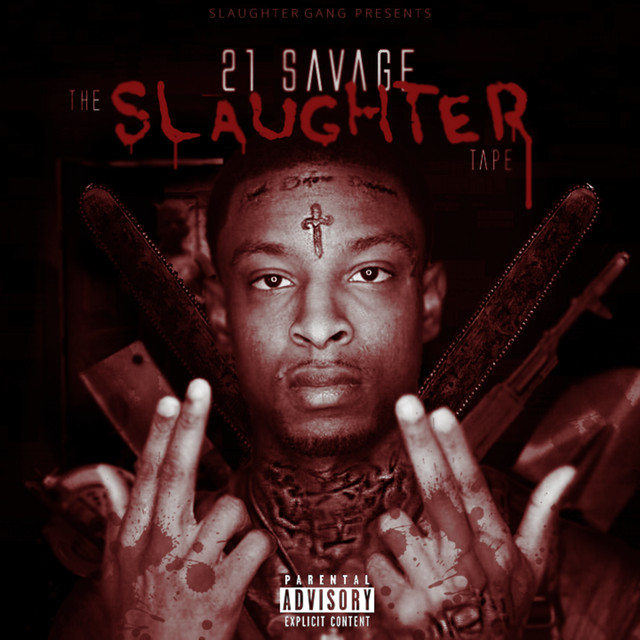
The Slaughter Tape
2016
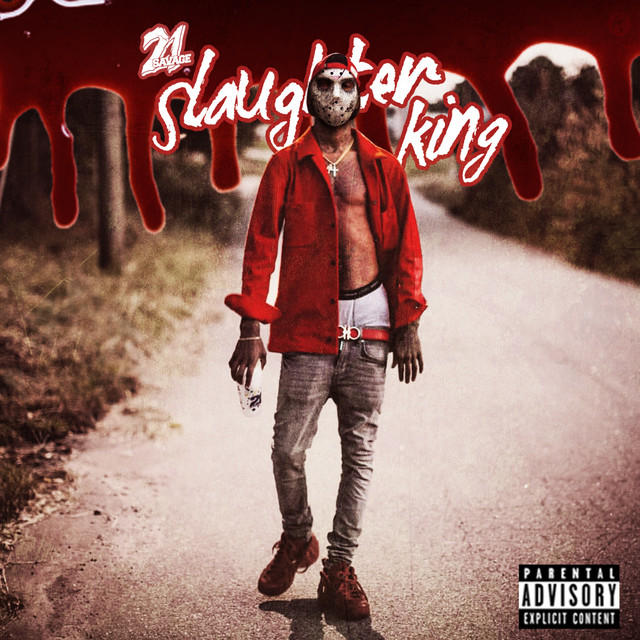
Slaughter King
2016
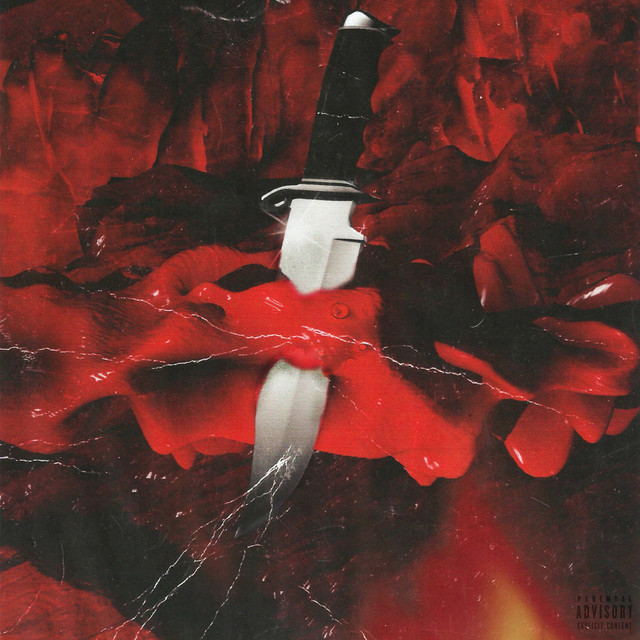
Savage Mode
2016
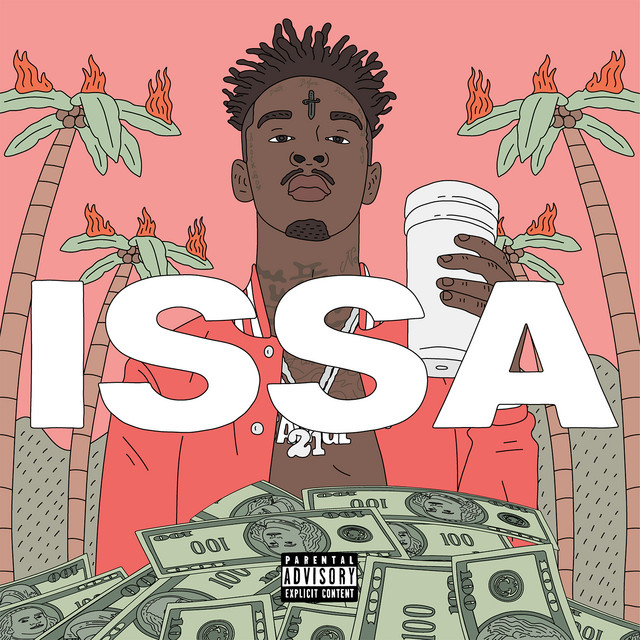
Issa Album
2017
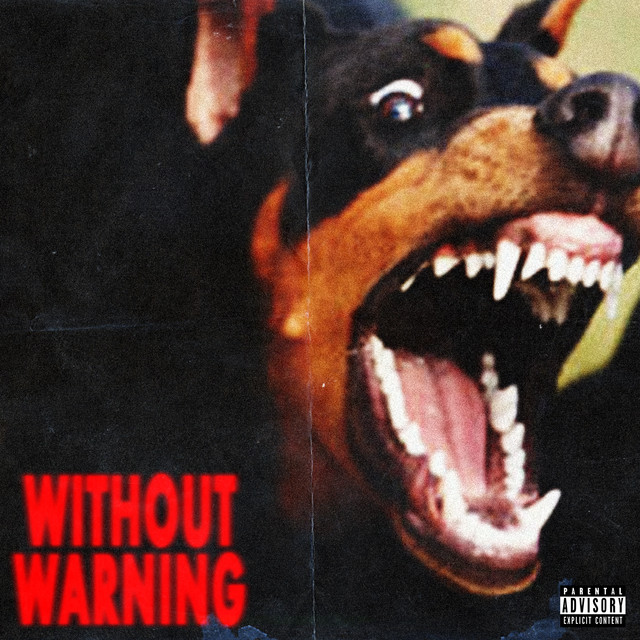
Without Warning
2017
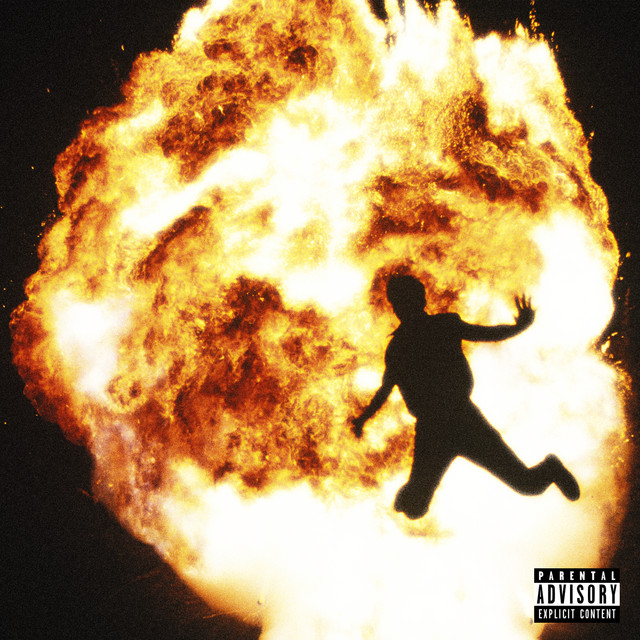
NOT ALL HEROES WEAR CAPES (Deluxe)
2018
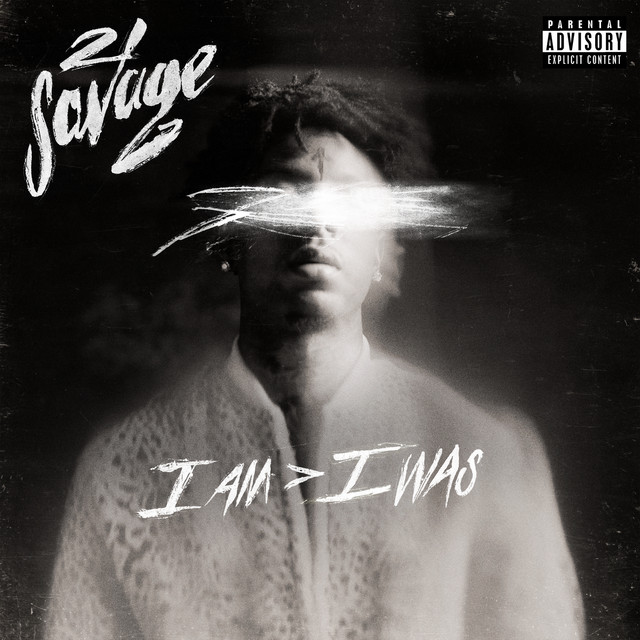
i am > i was
2018
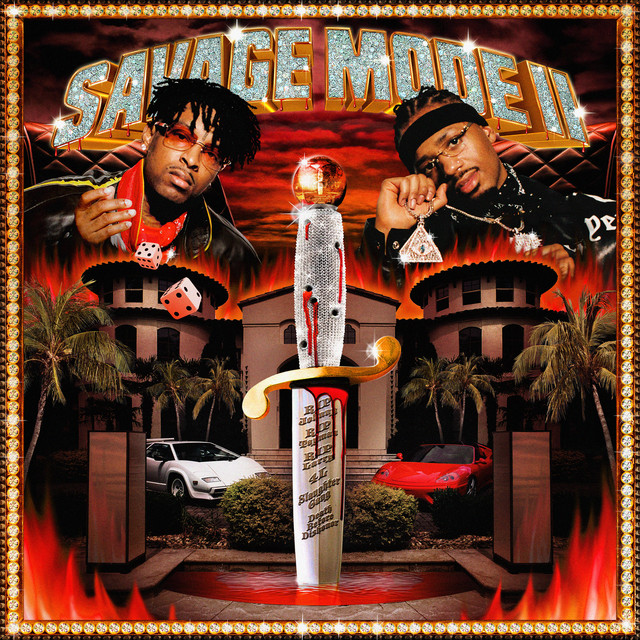
SAVAGE MODE II
2020
![SAVAGE MODE II [CHOPPED NOT SLOPPED] album cover](https://images.equipboard.com/uploads/album/image/465964/savage-mode-ii-chopped-not-slopped.jpg)
SAVAGE MODE II [CHOPPED NOT SLOPPED]
2020
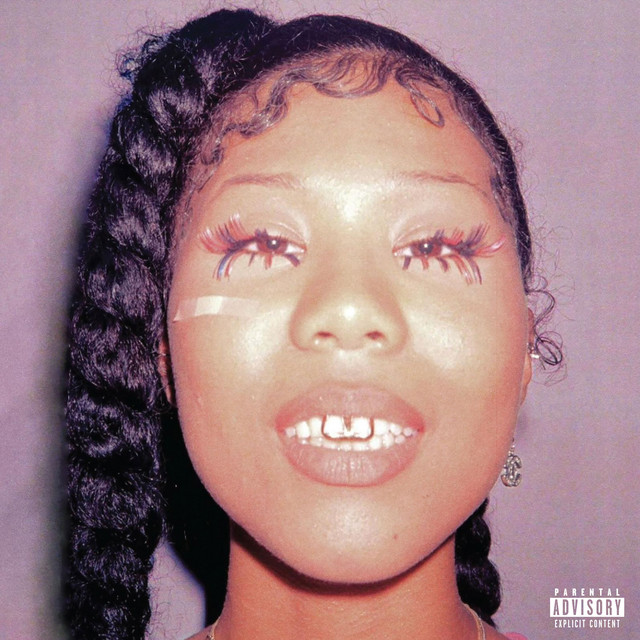
Her Loss
2022

american dream (nightcore version)
2024

american dream (slowed down)
2024
Album Credits
-
Metro Boomin & 21 Savage · 2016
Producer