Bootsy Collins
US funk musician & songwriter
Genre
Group
Genre
Group
Bootsy Collins' Studio Equipment


Visible throughout this November 15, 2011 video.
Find it on:


Featured in this November 23, 2017 Premier Guitar interview.
Find it on:

Visible in Twitter posts dated June 14, 2017 and February 27, 2018.
Find it on:

Specified on the official Millennia artist page.
Bootsy Collins (stereo STT-1 bass rig) Pix of Bootsy Collins with Millennia STT-1s
Find it on:


Featured in this November 23, 2017 Premier Guitar interview.
Find it on:

Featured in this November 23, 2017 Premier Guitar interview.
Find it on:

Visible in this photo from this November 23, 2017 Premier Guitar interview.
Find it on:

Visible in this photo from this November 23, 2017 Premier Guitar interview.
Find it on:

Two are visible in this January 21, 2018 Facebook post.
Find it on:

In a Facebook post dated January 21, 2018, Bootsy Collins is seen with a Manley Enhanced Pultech EQP-1A, highlighting his use of this effects processor in his studio setup.
Find it on:

Used with Parliament and Funkadelic, as mentioned by Collins in this excerpt from a 1979 Guitar Player interview as transcribed TalkBass here and here from a reprint in Bass Heroes: Styles, Stories & Secrets of 30 Great Bass Players.
What kind of amps do you use in your setup?
The entire system is divided into three different parts - high, mid, and low. But we're not just talking about amplification, we're talking about the effects in each part. On my highs I use a Big Muff fuzz, a Mu-tron III [envelope-following filter], an MXR digital delay, a Morley Fuzz/Wah, a Morley Power Wah, and an Eventide Harmonizer. The Harmonizer sits in a case that looks like R2D2 from Star Wars. It looks just like a little robot, so I call it R2FunkU. There's a sign hanging on it that says, "Can I Play?" Inside of it, there's also a keyboard for the Harmonizer that enables me to preset harmonized intervals to what I'm playing. That way I can play a note and have a fifth or a third coming out at the same time.
All of that equipment just for the highs?
Right. For the mids, I have a Big Muff fuzz, a Mu-tron III, and an MXR digital delay. On the lows, I use a Mu-tron Octave Divider, two Roland Space Echos, a Big Muff fuzz, and a Mu-tron III. I keep all my effects in one box called the Space Case. The highs and mids each have an Alembic preamp, two Crown DC-300A amps, and four Cerwin-Vega speaker cabinets.
What's in each cabinet?
The cabinets used for the highs are called V-32s. They have two 12s, one midrange horn, and two tweeters. The midrange cabinets are basically the same, except there's one 15" speaker instead of two 12s. Those are called V-34s. On the bottom end are three Acoustic 370 heads and six Cerwin-Vega cabinets. Two have one 18" speaker and one 12", two more have an 18 and a 10, and two have one 18" and an 8.
Isn't that a lot of equipment for onstage?
I don't play it that loud. I've just got it there so that I don't have to strain the equipment and everybody can hear. As a matter of fact, the whole stage is set up like that. The guitar player, the keyboard player, everybody is set up like that so there is no real strain.
Find it on:

Listed among Collins' gear in the May 1991 Musician interview "Bootsy Collins Effects the Funk" by Gene Santoro.
MUFFS 'N' MUTES
BOOTSY'S RIG is far from simple. "On the pedalboard I've got all the old stuff: three Mutrons, one Big Muff, a Yamaha distortion, an old rackmount digital MXR, the small Boss DD-3. I've got a few new Digi-Techs for rackmount: the Time Machine 4000, the Smartshift Bass Harmonizer, a stereo Rat, an FX-500B. I'm using Roland Space Echo — of course. I've only got two Electro-Harmonix Bass-micro synths left, and I can't find no more. At least I've got a million Mutrons and Big Muffs!
"My amps are the QSC 4000: They run my two sets of subwoofers, which are four 18"s in each cabinet. On the mids I've got four cabinets, each with two 15"s, two 12"s and a horn; the highs are four 12"s and a horn. All my speakers are Celestions. The amps running the mids and highs are two Yamaha 2000As and one QSC 4000. I'm still going with three old Alembic preamps, which gives me that warm, clean sound; they're running my highs, mids and lows. I use that for the Bootsy Rubber Band; for Deee-Lite I lighten up. Oh yeah — always the Space Bass. But I'm starting to get into five- and six-string basses, and even fretless, since I've been working with Bill Laswell."
Find it on:

Listed among Collins' gear in the May 1991 Musician interview "Bootsy Collins Effects the Funk" by Gene Santoro.
MUFFS 'N' MUTES
BOOTSY'S RIG is far from simple. "On the pedalboard I've got all the old stuff: three Mutrons, one Big Muff, a Yamaha distortion, an old rackmount digital MXR, the small Boss DD-3. I've got a few new Digi-Techs for rackmount: the Time Machine 4000, the Smartshift Bass Harmonizer, a stereo Rat, an FX-500B. I'm using Roland Space Echo — of course. I've only got two Electro-Harmonix Bass-micro synths left, and I can't find no more. At least I've got a million Mutrons and Big Muffs!
"My amps are the QSC 4000: They run my two sets of subwoofers, which are four 18"s in each cabinet. On the mids I've got four cabinets, each with two 15"s, two 12"s and a horn; the highs are four 12"s and a horn. All my speakers are Celestions. The amps running the mids and highs are two Yamaha 2000As and one QSC 4000. I'm still going with three old Alembic preamps, which gives me that warm, clean sound; they're running my highs, mids and lows. I use that for the Bootsy Rubber Band; for Deee-Lite I lighten up. Oh yeah — always the Space Bass. But I'm starting to get into five- and six-string basses, and even fretless, since I've been working with Bill Laswell."
Find it on:

Listed among Collins' gear in the May 1991 Musician interview "Bootsy Collins Effects the Funk" by Gene Santoro.
MUFFS 'N' MUTES
BOOTSY'S RIG is far from simple. "On the pedalboard I've got all the old stuff: three Mutrons, one Big Muff, a Yamaha distortion, an old rackmount digital MXR, the small Boss DD-3. I've got a few new Digi-Techs for rackmount: the Time Machine 4000, the Smartshift Bass Harmonizer, a stereo Rat, an FX-500B. I'm using Roland Space Echo — of course. I've only got two Electro-Harmonix Bass-micro synths left, and I can't find no more. At least I've got a million Mutrons and Big Muffs!
"My amps are the QSC 4000: They run my two sets of subwoofers, which are four 18"s in each cabinet. On the mids I've got four cabinets, each with two 15"s, two 12"s and a horn; the highs are four 12"s and a horn. All my speakers are Celestions. The amps running the mids and highs are two Yamaha 2000As and one QSC 4000. I'm still going with three old Alembic preamps, which gives me that warm, clean sound; they're running my highs, mids and lows. I use that for the Bootsy Rubber Band; for Deee-Lite I lighten up. Oh yeah — always the Space Bass. But I'm starting to get into five- and six-string basses, and even fretless, since I've been working with Bill Laswell."
Find it on:

Listed among Collins' gear in the May 1991 Musician interview "Bootsy Collins Effects the Funk" by Gene Santoro.
MUFFS 'N' MUTES
BOOTSY'S RIG is far from simple. "On the pedalboard I've got all the old stuff: three Mutrons, one Big Muff, a Yamaha distortion, an old rackmount digital MXR, the small Boss DD-3. I've got a few new Digi-Techs for rackmount: the Time Machine 4000, the Smartshift Bass Harmonizer, a stereo Rat, an FX-500B. I'm using Roland Space Echo — of course. I've only got two Electro-Harmonix Bass-micro synths left, and I can't find no more. At least I've got a million Mutrons and Big Muffs!
"My amps are the QSC 4000: They run my two sets of subwoofers, which are four 18"s in each cabinet. On the mids I've got four cabinets, each with two 15"s, two 12"s and a horn; the highs are four 12"s and a horn. All my speakers are Celestions. The amps running the mids and highs are two Yamaha 2000As and one QSC 4000. I'm still going with three old Alembic preamps, which gives me that warm, clean sound; they're running my highs, mids and lows. I use that for the Bootsy Rubber Band; for Deee-Lite I lighten up. Oh yeah — always the Space Bass. But I'm starting to get into five- and six-string basses, and even fretless, since I've been working with Bill Laswell."
Find it on:

Discussed in this 2014 TASCAM article, in which Collins specifies its use on Tha Funk Capital of the World.
You've been a TASCAM user since the beginning.
Yeah, for me and I would think a lot of us musicians, the TASCAM Portastudio [Model 144 - 1979] was our first introduction to having 4 good analog tracks to record your ideas too. It even got to the point that sometimes when you recorded on this machine it actually wound up on the 2 inch recording of the real record, simply because the performance you did on the 4 track was more authentic and felt better than when you had a chance to practice it and get good. But then you loose the passion and drive that you had in that moment with the 4 track. I loved this machine. Then the 8 track came out sometime in either the late 80's or early 90's, I recorded the whole album of "The Zillatron" and "Bucketheadland" on my then new 688 MidiStudio [1989] with MIDI and sync code. It was truly awesome. Then the DA-88's came out [1993], I made sure I had 24 tracks because I felt like this is going to be my core of recording at my home studio. Being replayed by its big brother the 24-bit DA-78HR. It’s what I have now as back ups for my TASCAM X-48, which works flawlessly with Pro Tools, and any of my other gear. I also have the TASCAM DM-4800 digital board. When TASCAM made their first DAT machines, you'd better believe that I had one and then the next newest one. Now I got the DV-RA1000 DVD Recorder which is amazing. I carry my new DP-008, which is the digital 8 track portable recorder. I have the new DR-05 stereo mic recorder for recording rehearsals and things on the fly.
As you can see, TASCAM gear has been a key for me. Just so you know, all of my old TASCAM gear I still got and it all sits at the ready when and if I need them. That should tell you something about my gear and how it was built to last, they all still work. The people at TASCAM customer support was always there for me and I stayed up on keeping my equipment ready to rock-funk & roll because you never know when that creative bug jumps on you. When you hear the horn blow, you'd better be ready to go your nearest TASCAM dealer and say, Bootsy said y'all can help funk me up!
You've just released a new album called THA FUNK CAPTIAL OF THE WORLD which I understand TASCAM played a small part in.
Actually TASCAM played a major part in recording of the album. I recorded about 75% of this album myself on my DA-78HR's and my X-48 hard disk recorder. This process works really good for me and the live performers that come to my studio to record. Artists that appear on the album include Dr. Cornel West, Musiq Soulchild, Samuel L. Jackson, Victor Wooten, Bela Fleck, Dennis Chambers, Steve Jordan, Rev. Al Sharpton, George Clinton, Sheila E, Buckethead and Bobby Womack.
Find it on:
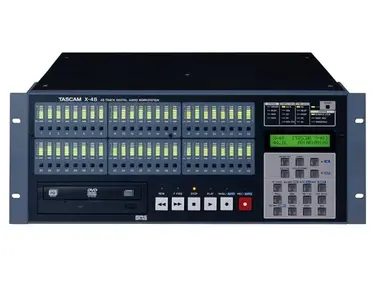
Discussed in this 2014 TASCAM article, in which Collins specifies its use on Tha Funk Capital of the World.
You've been a TASCAM user since the beginning.
Yeah, for me and I would think a lot of us musicians, the TASCAM Portastudio [Model 144 - 1979] was our first introduction to having 4 good analog tracks to record your ideas too. It even got to the point that sometimes when you recorded on this machine it actually wound up on the 2 inch recording of the real record, simply because the performance you did on the 4 track was more authentic and felt better than when you had a chance to practice it and get good. But then you loose the passion and drive that you had in that moment with the 4 track. I loved this machine. Then the 8 track came out sometime in either the late 80's or early 90's, I recorded the whole album of "The Zillatron" and "Bucketheadland" on my then new 688 MidiStudio [1989] with MIDI and sync code. It was truly awesome. Then the DA-88's came out [1993], I made sure I had 24 tracks because I felt like this is going to be my core of recording at my home studio. Being replayed by its big brother the 24-bit DA-78HR. It’s what I have now as back ups for my TASCAM X-48, which works flawlessly with Pro Tools, and any of my other gear. I also have the TASCAM DM-4800 digital board. When TASCAM made their first DAT machines, you'd better believe that I had one and then the next newest one. Now I got the DV-RA1000 DVD Recorder which is amazing. I carry my new DP-008, which is the digital 8 track portable recorder. I have the new DR-05 stereo mic recorder for recording rehearsals and things on the fly.
As you can see, TASCAM gear has been a key for me. Just so you know, all of my old TASCAM gear I still got and it all sits at the ready when and if I need them. That should tell you something about my gear and how it was built to last, they all still work. The people at TASCAM customer support was always there for me and I stayed up on keeping my equipment ready to rock-funk & roll because you never know when that creative bug jumps on you. When you hear the horn blow, you'd better be ready to go your nearest TASCAM dealer and say, Bootsy said y'all can help funk me up!
You've just released a new album called THA FUNK CAPTIAL OF THE WORLD which I understand TASCAM played a small part in.
Actually TASCAM played a major part in recording of the album. I recorded about 75% of this album myself on my DA-78HR's and my X-48 hard disk recorder. This process works really good for me and the live performers that come to my studio to record. Artists that appear on the album include Dr. Cornel West, Musiq Soulchild, Samuel L. Jackson, Victor Wooten, Bela Fleck, Dennis Chambers, Steve Jordan, Rev. Al Sharpton, George Clinton, Sheila E, Buckethead and Bobby Womack.
Find it on:

Discussed in this 2014 TASCAM article.
You've been a TASCAM user since the beginning.
Yeah, for me and I would think a lot of us musicians, the TASCAM Portastudio [Model 144 - 1979] was our first introduction to having 4 good analog tracks to record your ideas too. It even got to the point that sometimes when you recorded on this machine it actually wound up on the 2 inch recording of the real record, simply because the performance you did on the 4 track was more authentic and felt better than when you had a chance to practice it and get good. But then you loose the passion and drive that you had in that moment with the 4 track. I loved this machine. Then the 8 track came out sometime in either the late 80's or early 90's, I recorded the whole album of "The Zillatron" and "Bucketheadland" on my then new 688 MidiStudio [1989] with MIDI and sync code. It was truly awesome. Then the DA-88's came out [1993], I made sure I had 24 tracks because I felt like this is going to be my core of recording at my home studio. Being replayed by its big brother the 24-bit DA-78HR. It’s what I have now as back ups for my TASCAM X-48, which works flawlessly with Pro Tools, and any of my other gear. I also have the TASCAM DM-4800 digital board. When TASCAM made their first DAT machines, you'd better believe that I had one and then the next newest one. Now I got the DV-RA1000 DVD Recorder which is amazing. I carry my new DP-008, which is the digital 8 track portable recorder. I have the new DR-05 stereo mic recorder for recording rehearsals and things on the fly.
As you can see, TASCAM gear has been a key for me. Just so you know, all of my old TASCAM gear I still got and it all sits at the ready when and if I need them. That should tell you something about my gear and how it was built to last, they all still work. The people at TASCAM customer support was always there for me and I stayed up on keeping my equipment ready to rock-funk & roll because you never know when that creative bug jumps on you. When you hear the horn blow, you'd better be ready to go your nearest TASCAM dealer and say, Bootsy said y'all can help funk me up!
Find it on:

Discussed in this 2014 TASCAM article.
You've been a TASCAM user since the beginning.
Yeah, for me and I would think a lot of us musicians, the TASCAM Portastudio [Model 144 - 1979] was our first introduction to having 4 good analog tracks to record your ideas too. It even got to the point that sometimes when you recorded on this machine it actually wound up on the 2 inch recording of the real record, simply because the performance you did on the 4 track was more authentic and felt better than when you had a chance to practice it and get good. But then you loose the passion and drive that you had in that moment with the 4 track. I loved this machine. Then the 8 track came out sometime in either the late 80's or early 90's, I recorded the whole album of "The Zillatron" and "Bucketheadland" on my then new 688 MidiStudio [1989] with MIDI and sync code. It was truly awesome. Then the DA-88's came out [1993], I made sure I had 24 tracks because I felt like this is going to be my core of recording at my home studio. Being replayed by its big brother the 24-bit DA-78HR. It’s what I have now as back ups for my TASCAM X-48, which works flawlessly with Pro Tools, and any of my other gear. I also have the TASCAM DM-4800 digital board. When TASCAM made their first DAT machines, you'd better believe that I had one and then the next newest one. Now I got the DV-RA1000 DVD Recorder which is amazing. I carry my new DP-008, which is the digital 8 track portable recorder. I have the new DR-05 stereo mic recorder for recording rehearsals and things on the fly.
As you can see, TASCAM gear has been a key for me. Just so you know, all of my old TASCAM gear I still got and it all sits at the ready when and if I need them. That should tell you something about my gear and how it was built to last, they all still work. The people at TASCAM customer support was always there for me and I stayed up on keeping my equipment ready to rock-funk & roll because you never know when that creative bug jumps on you. When you hear the horn blow, you'd better be ready to go your nearest TASCAM dealer and say, Bootsy said y'all can help funk me up!
Find it on:

Discussed in this 2014 TASCAM article.
You've been a TASCAM user since the beginning.
Yeah, for me and I would think a lot of us musicians, the TASCAM Portastudio [Model 144 - 1979] was our first introduction to having 4 good analog tracks to record your ideas too. It even got to the point that sometimes when you recorded on this machine it actually wound up on the 2 inch recording of the real record, simply because the performance you did on the 4 track was more authentic and felt better than when you had a chance to practice it and get good. But then you loose the passion and drive that you had in that moment with the 4 track. I loved this machine. Then the 8 track came out sometime in either the late 80's or early 90's, I recorded the whole album of "The Zillatron" and "Bucketheadland" on my then new 688 MidiStudio [1989] with MIDI and sync code. It was truly awesome. Then the DA-88's came out [1993], I made sure I had 24 tracks because I felt like this is going to be my core of recording at my home studio. Being replayed by its big brother the 24-bit DA-78HR. It’s what I have now as back ups for my TASCAM X-48, which works flawlessly with Pro Tools, and any of my other gear. I also have the TASCAM DM-4800 digital board. When TASCAM made their first DAT machines, you'd better believe that I had one and then the next newest one. Now I got the DV-RA1000 DVD Recorder which is amazing. I carry my new DP-008, which is the digital 8 track portable recorder. I have the new DR-05 stereo mic recorder for recording rehearsals and things on the fly.
As you can see, TASCAM gear has been a key for me. Just so you know, all of my old TASCAM gear I still got and it all sits at the ready when and if I need them. That should tell you something about my gear and how it was built to last, they all still work. The people at TASCAM customer support was always there for me and I stayed up on keeping my equipment ready to rock-funk & roll because you never know when that creative bug jumps on you. When you hear the horn blow, you'd better be ready to go your nearest TASCAM dealer and say, Bootsy said y'all can help funk me up!
Find it on:

Discussed in this 2014 TASCAM article.
You've been a TASCAM user since the beginning.
Yeah, for me and I would think a lot of us musicians, the TASCAM Portastudio [Model 144 - 1979] was our first introduction to having 4 good analog tracks to record your ideas too. It even got to the point that sometimes when you recorded on this machine it actually wound up on the 2 inch recording of the real record, simply because the performance you did on the 4 track was more authentic and felt better than when you had a chance to practice it and get good. But then you loose the passion and drive that you had in that moment with the 4 track. I loved this machine. Then the 8 track came out sometime in either the late 80's or early 90's, I recorded the whole album of "The Zillatron" and "Bucketheadland" on my then new 688 MidiStudio [1989] with MIDI and sync code. It was truly awesome. Then the DA-88's came out [1993], I made sure I had 24 tracks because I felt like this is going to be my core of recording at my home studio. Being replayed by its big brother the 24-bit DA-78HR. It’s what I have now as back ups for my TASCAM X-48, which works flawlessly with Pro Tools, and any of my other gear. I also have the TASCAM DM-4800 digital board. When TASCAM made their first DAT machines, you'd better believe that I had one and then the next newest one. Now I got the DV-RA1000 DVD Recorder which is amazing. I carry my new DP-008, which is the digital 8 track portable recorder. I have the new DR-05 stereo mic recorder for recording rehearsals and things on the fly.
As you can see, TASCAM gear has been a key for me. Just so you know, all of my old TASCAM gear I still got and it all sits at the ready when and if I need them. That should tell you something about my gear and how it was built to last, they all still work. The people at TASCAM customer support was always there for me and I stayed up on keeping my equipment ready to rock-funk & roll because you never know when that creative bug jumps on you. When you hear the horn blow, you'd better be ready to go your nearest TASCAM dealer and say, Bootsy said y'all can help funk me up!
Find it on:

Discussed in this 2014 TASCAM article.
You've been a TASCAM user since the beginning.
Yeah, for me and I would think a lot of us musicians, the TASCAM Portastudio [Model 144 - 1979] was our first introduction to having 4 good analog tracks to record your ideas too. It even got to the point that sometimes when you recorded on this machine it actually wound up on the 2 inch recording of the real record, simply because the performance you did on the 4 track was more authentic and felt better than when you had a chance to practice it and get good. But then you loose the passion and drive that you had in that moment with the 4 track. I loved this machine. Then the 8 track came out sometime in either the late 80's or early 90's, I recorded the whole album of "The Zillatron" and "Bucketheadland" on my then new 688 MidiStudio [1989] with MIDI and sync code. It was truly awesome. Then the DA-88's came out [1993], I made sure I had 24 tracks because I felt like this is going to be my core of recording at my home studio. Being replayed by its big brother the 24-bit DA-78HR. It’s what I have now as back ups for my TASCAM X-48, which works flawlessly with Pro Tools, and any of my other gear. I also have the TASCAM DM-4800 digital board. When TASCAM made their first DAT machines, you'd better believe that I had one and then the next newest one. Now I got the DV-RA1000 DVD Recorder which is amazing. I carry my new DP-008, which is the digital 8 track portable recorder. I have the new DR-05 stereo mic recorder for recording rehearsals and things on the fly.
As you can see, TASCAM gear has been a key for me. Just so you know, all of my old TASCAM gear I still got and it all sits at the ready when and if I need them. That should tell you something about my gear and how it was built to last, they all still work. The people at TASCAM customer support was always there for me and I stayed up on keeping my equipment ready to rock-funk & roll because you never know when that creative bug jumps on you. When you hear the horn blow, you'd better be ready to go your nearest TASCAM dealer and say, Bootsy said y'all can help funk me up!
Find it on:

Used for Lord of the Harvest and Bucketheadland, as discussed in this 2014 TASCAM article.
You've been a TASCAM user since the beginning.
Yeah, for me and I would think a lot of us musicians, the TASCAM Portastudio [Model 144 - 1979] was our first introduction to having 4 good analog tracks to record your ideas too. It even got to the point that sometimes when you recorded on this machine it actually wound up on the 2 inch recording of the real record, simply because the performance you did on the 4 track was more authentic and felt better than when you had a chance to practice it and get good. But then you loose the passion and drive that you had in that moment with the 4 track. I loved this machine. Then the 8 track came out sometime in either the late 80's or early 90's, I recorded the whole album of "The Zillatron" and "Bucketheadland" on my then new 688 MidiStudio [1989] with MIDI and sync code. It was truly awesome. Then the DA-88's came out [1993], I made sure I had 24 tracks because I felt like this is going to be my core of recording at my home studio. Being replayed by its big brother the 24-bit DA-78HR. It’s what I have now as back ups for my TASCAM X-48, which works flawlessly with Pro Tools, and any of my other gear. I also have the TASCAM DM-4800 digital board. When TASCAM made their first DAT machines, you'd better believe that I had one and then the next newest one. Now I got the DV-RA1000 DVD Recorder which is amazing. I carry my new DP-008, which is the digital 8 track portable recorder. I have the new DR-05 stereo mic recorder for recording rehearsals and things on the fly.
As you can see, TASCAM gear has been a key for me. Just so you know, all of my old TASCAM gear I still got and it all sits at the ready when and if I need them. That should tell you something about my gear and how it was built to last, they all still work. The people at TASCAM customer support was always there for me and I stayed up on keeping my equipment ready to rock-funk & roll because you never know when that creative bug jumps on you. When you hear the horn blow, you'd better be ready to go your nearest TASCAM dealer and say, Bootsy said y'all can help funk me up!
Find it on:

Discussed in this 2014 TASCAM article.
You've been a TASCAM user since the beginning.
Yeah, for me and I would think a lot of us musicians, the TASCAM Portastudio [Model 144 - 1979] was our first introduction to having 4 good analog tracks to record your ideas too. It even got to the point that sometimes when you recorded on this machine it actually wound up on the 2 inch recording of the real record, simply because the performance you did on the 4 track was more authentic and felt better than when you had a chance to practice it and get good. But then you loose the passion and drive that you had in that moment with the 4 track. I loved this machine. Then the 8 track came out sometime in either the late 80's or early 90's, I recorded the whole album of "The Zillatron" and "Bucketheadland" on my then new 688 MidiStudio [1989] with MIDI and sync code. It was truly awesome. Then the DA-88's came out [1993], I made sure I had 24 tracks because I felt like this is going to be my core of recording at my home studio. Being replayed by its big brother the 24-bit DA-78HR. It’s what I have now as back ups for my TASCAM X-48, which works flawlessly with Pro Tools, and any of my other gear. I also have the TASCAM DM-4800 digital board. When TASCAM made their first DAT machines, you'd better believe that I had one and then the next newest one. Now I got the DV-RA1000 DVD Recorder which is amazing. I carry my new DP-008, which is the digital 8 track portable recorder. I have the new DR-05 stereo mic recorder for recording rehearsals and things on the fly.
As you can see, TASCAM gear has been a key for me. Just so you know, all of my old TASCAM gear I still got and it all sits at the ready when and if I need them. That should tell you something about my gear and how it was built to last, they all still work. The people at TASCAM customer support was always there for me and I stayed up on keeping my equipment ready to rock-funk & roll because you never know when that creative bug jumps on you. When you hear the horn blow, you'd better be ready to go your nearest TASCAM dealer and say, Bootsy said y'all can help funk me up!
Find it on:

In the YouTube video titled "Bootsy Collins Tours His Incredible Home Studio 'The Boot Cave,'" at timestamp 21:26, Bootsy Collins is seen demonstrating and discussing the Korg Rhythm 55 (KR-55) Drum Machine in detail. The video, provided by Reverb, showcases Bootsy's extensive collection of musical equipment in his home studio.
Find it on:

In the video "Bootsy Collins Tours His Incredible Home Studio 'The Boot Cave'" by Reverb on YouTube, Bootsy Collins is observed at 22:42 showcasing a Yamaha RY30 drum machine as part of his studio collection.
Find it on:

In the video titled "Bootsy Collins Tours His Incredible Home Studio 'The Boot Cave'" by Reverb on YouTube, Bootsy Collins is seen at the 23:00 mark displaying a Maestro Rhythm King MRK-2 in his studio setup.
Find it on:

In the video titled "Bootsy Collins Tours His Incredible Home Studio 'The Boot Cave'" by Reverb, at the 0:30 mark, a Furman Power Conditioner PL Pro 20 AMP can be seen in Bootsy Collins's studio, confirming its use by the artist.
Find it on:


At 11:32 in the YouTube video titled "Bootsy Collins Tours His Incredible Home Studio 'The Boot Cave'," a Mindprint En-Voice Voice Channel Signal Processor MKII is visibly stacked in a rack on the right side of the screen in Bootsy Collins’s live room. This video is provided by Reverb and showcases the gear used by Bootsy Collins in his home studio.
Find it on:

At 11:32 in the video titled "Bootsy Collins Tours His Incredible Home Studio 'The Boot Cave,'" a pair of Tascam DA-38 digital multitrack studio recorders is visible stacked in a rack on the right side of the screen in Bootsy Collins's live room, as documented by Reverb on YouTube.
Find it on:
This is a community-built gear list for Bootsy Collins.
- Find relevant music gear like Microphones, Bass Guitars, Amplifiers, Effects Pedals, and other instruments and add it to Bootsy Collins.
- The best places to look for gear usage are typically on the artist's social media, YouTube, live performance images, and interviews.
- To receive email updates when Bootsy Collins is seen with new gear, follow the artist.
-
Added to Equipboard on by
.jpg?v=1782968794) gchiaren
gchiarenGear IQ 37552
-
Updated
Discography
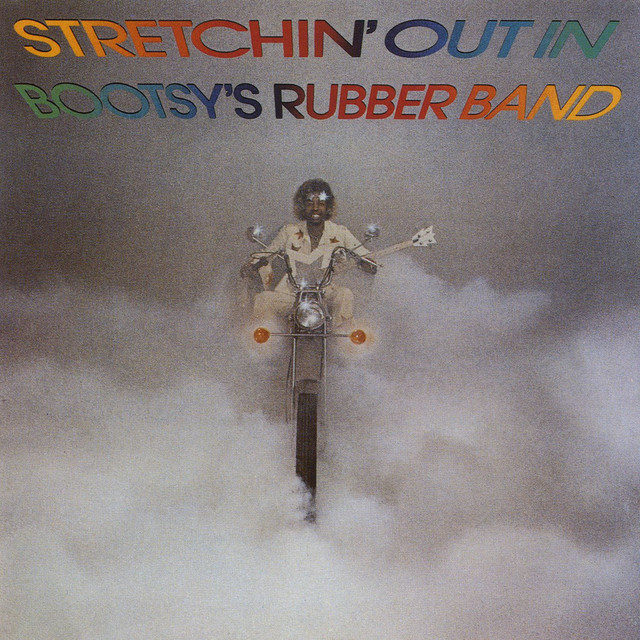
Stretchin' Out In Bootsy's Rubber Band
1976
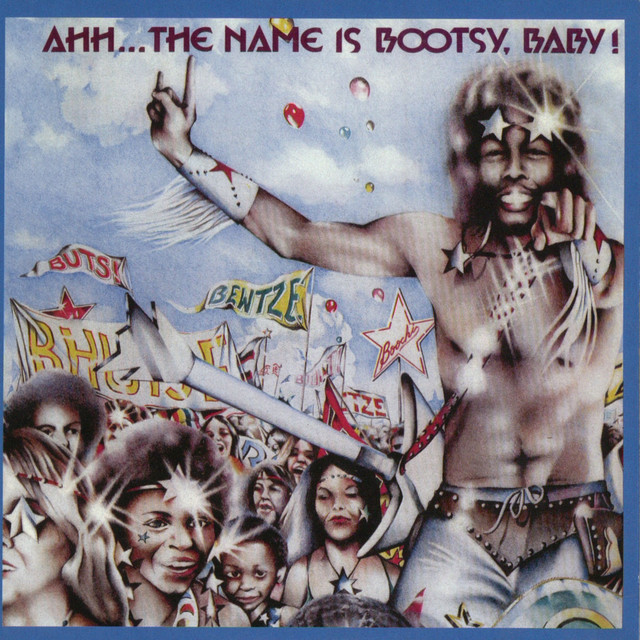
Ahh...The Name Is Bootsy, Baby!
1977
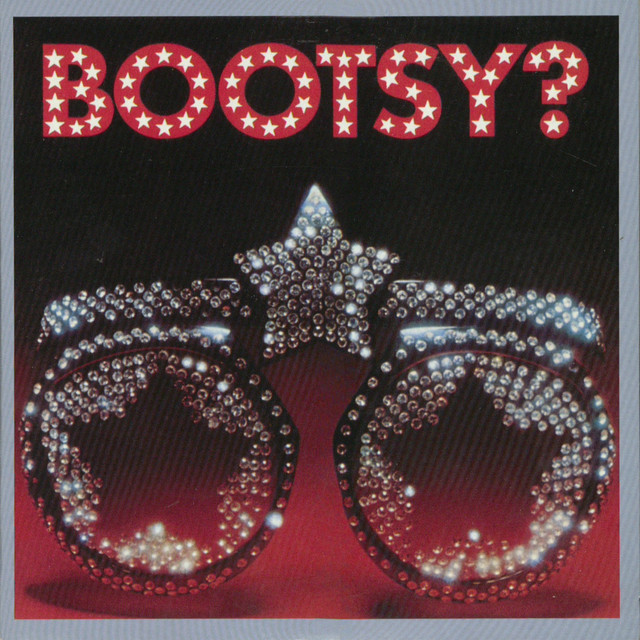
Bootsy? Player Of The Year
1978
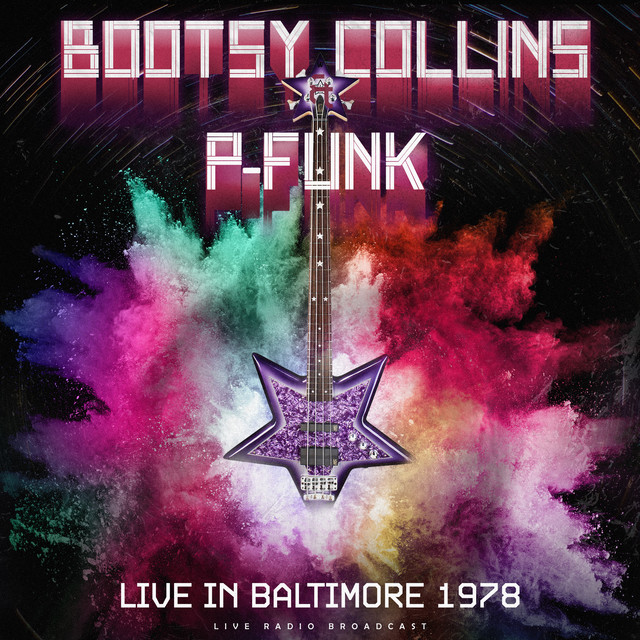
Live in Baltimore 1978 (live)
1978
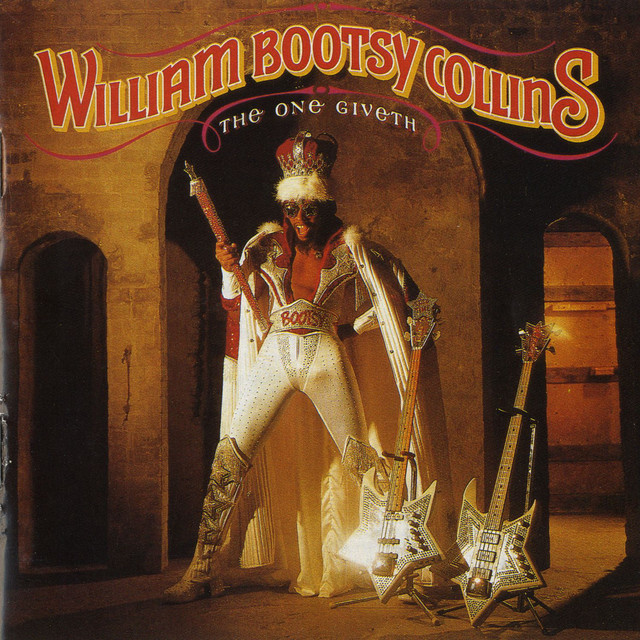
The One Giveth, The Count Taketh Away
1982
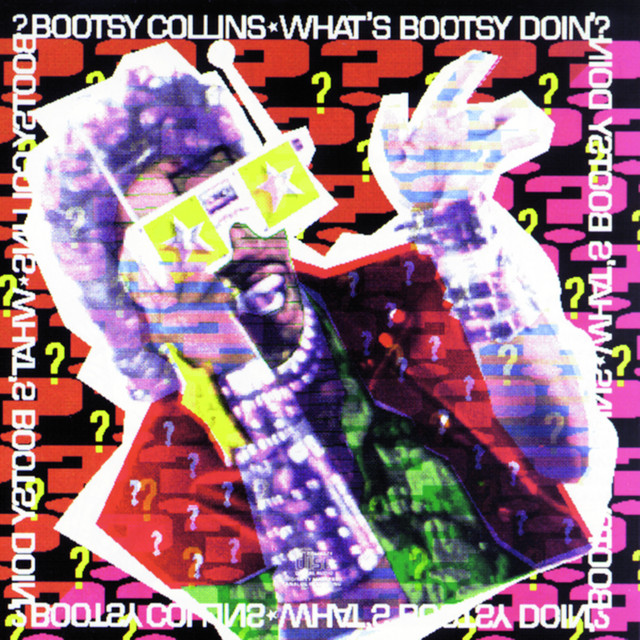
What's Bootsy Doin'?
1988
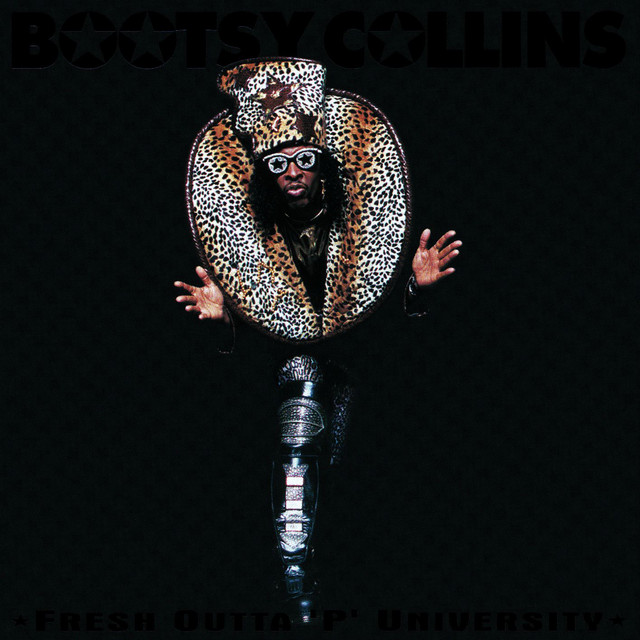
Fresh Outta "P" University
1997
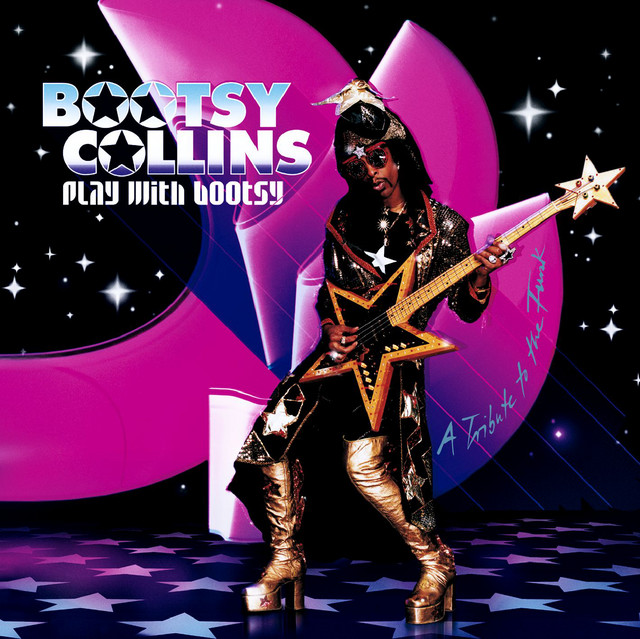
Play with Bootsy: A Tribute to the Funk
2002
Active Resonance
2007
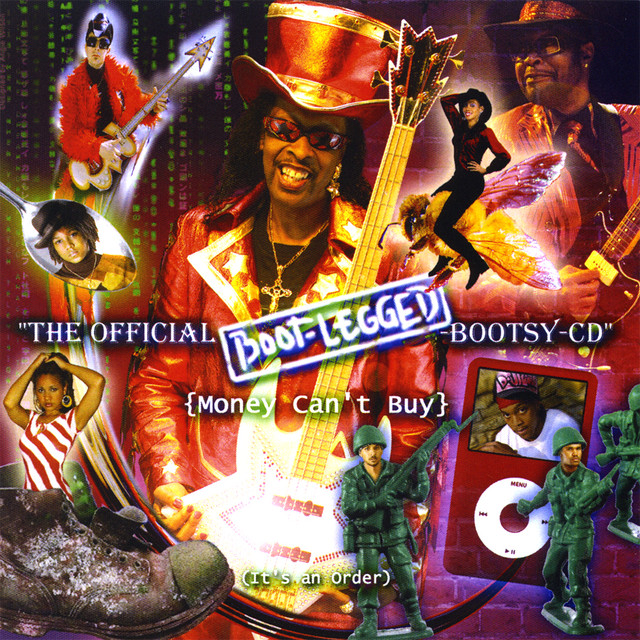
The-Official-Boot-Legged-Bootsy-CD
2008
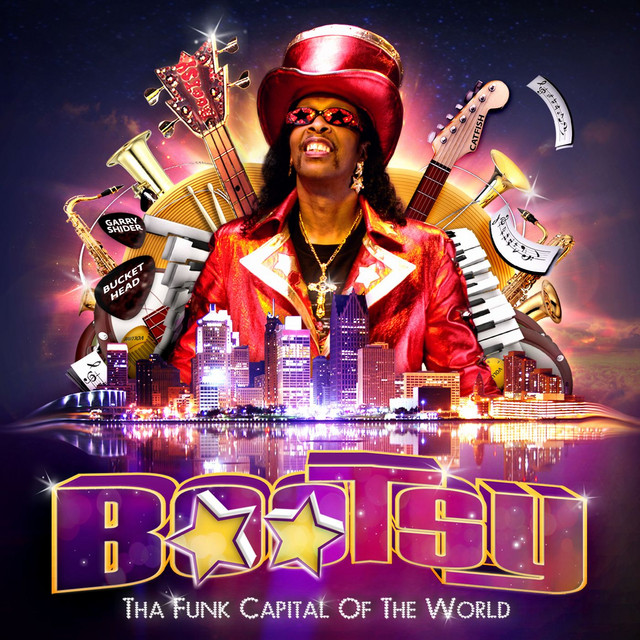
Tha Funk Capitol Of The World
2011
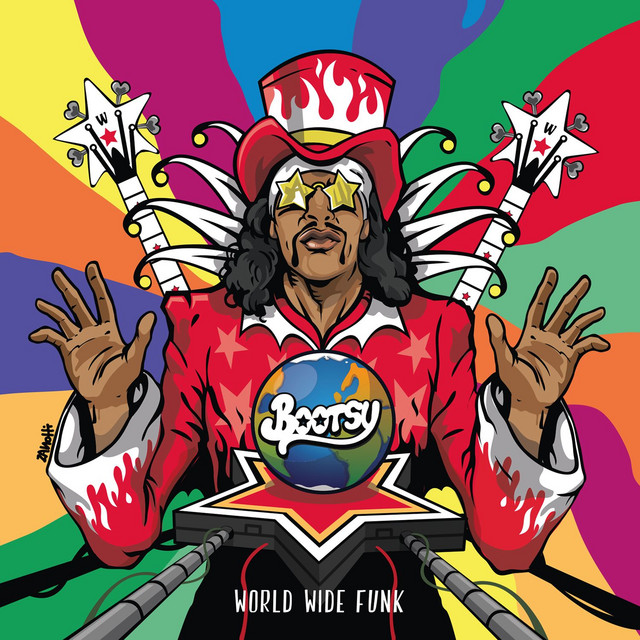
World Wide Funk
2017
Album Credits
-
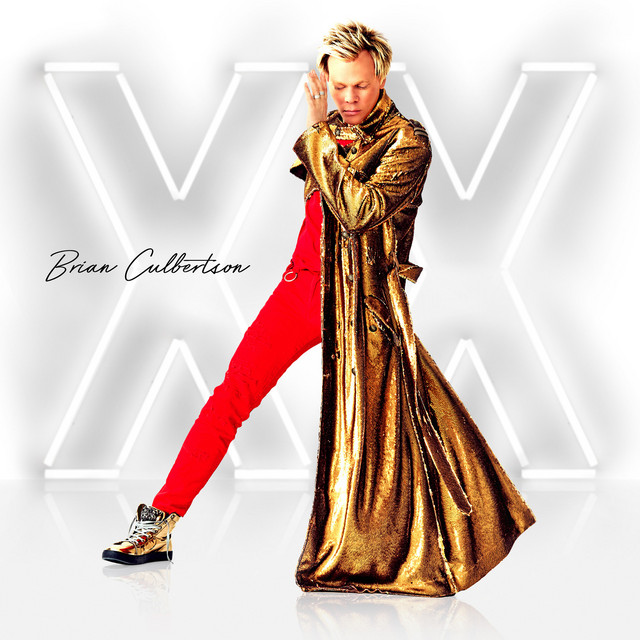
Brian Culbertson · 2020
Producer -
Zapp · 2018
Producer -
Brian Culbertson · 2008
Producer -
Zillatron · 2004
Producer -
Bootsy Collins & William Earl Collins · 1988
Producer -
George Clinton & George Clinton · 1982
Producer -
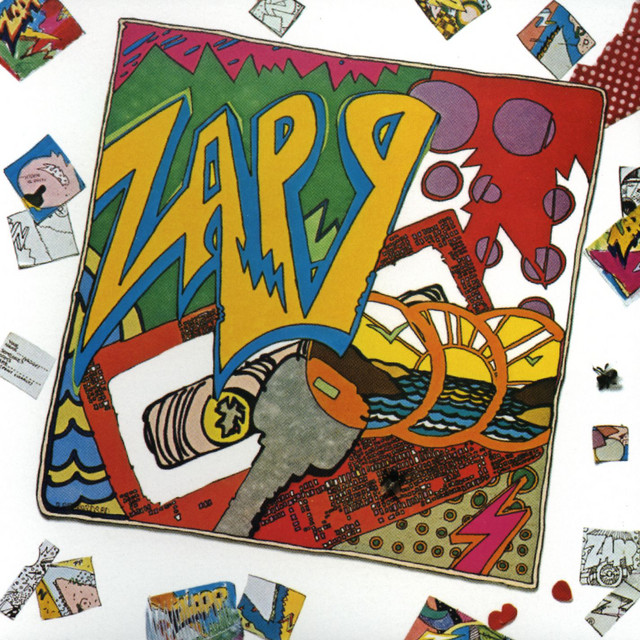
Zapp · 1980
Producer






.webp)