David Gilmour
Pink Floyd
David Gilmour's Studio Equipment



David is seen using the EMS Synthi Hi Fli. This was used primarily in "On The Run", although some sources indicates that the auto filter was used to emulate Leslie tones on "Any Colour You Like" also.
Find it on:


David's MXR Digital Delay rack mount is seen in this photograph from the '70's.
"We also have an old MXR DDL digital delay unit built into a rack unit. It has a digital readout, but it's really nowhere close to being accurate. Dave likes it because even though it's a digital unit, it still sounds a little dirty, like a tape unit." - Phil Taylor, David Gilmour's guitar tech.
Find it on:

Used live from 1968 to 1977, as researched by Bjorn Riis of Gilmourish. One unit was sold on Reverb.com in 2017 via London Vintage Guitars, with the listing revealing that the unit was an OEM "Sound City Echomaster 2".
Gilmourish, "Binson Echorec"
David used the Binson 2 model from 1968 up to the Animals tour in 1977 after which he replaced it with MXR digital units. He later recalled, “I was tired of cleaning it and needed something more reliable”. Although he probably traveled with several backups, the constant touring and not least the outdoor gigs must have been hell for the delicate Binson.
After years of absence, David’s old Binson made a brief cameo on the 2003 BBC Dark Side of the Moon documentary and Richard Wright again used one with his Farfisa organ on David’s last tour in 2006.
A Binson 2 is also featured in David’s new recording studio, Medina, located in Hove outside Brighton. Both Pink Floyd’s Endless River and David Gilmour’s Rattle That Lock was recorded in the studio but it’s not documented if the Binson is featured on the albums.
(...) Between 1968-73 David had a very basic setup layed out on the floor that consisted of a Fuzz Face, a wah wah pedal, DeArmond volume pedal and an on/off foot-switch for the Binson. Later, the 1973-75 board and the 1976 Cornish board had built in on/off switches for the Binson that was connected through send/returns.
David would mainly use the repeat mode for a classic delay sound. The Binson 2 had a maximum time setting around 300-310ms, which was David’s main setting for most Floyd songs (he used the Echo/slap back setting on live versions of the intro on Time). The level and swell were both adjusted for different songs.
One of David’s trademarks in the early days was the sustained violin effect on the intro of Echoes and many other songs. On the beginning of Echoes on Pompeii you can see David using the slide, rubbing it back and forth on the high E string to create this sustained violin effect. This is achieved by drenching the tone with echo and adjusting the guitar volume for a mild ovedrive from the Fuzz Face. The effect is used on countless early Floyd songs from 1968-1971.
2017 Reverb.com listing
We are happy to offer the following original Binson Echorec which was used , owned by one of the worlds most respected of all artists , that is “Pink Floyd” , please see full details , specifications as follows
- Binson / Sound City Echomaster 2
- 1969 ( Circa)
- Green Hammerite Casing
- Pink Floyd Stock Plaque to side
- Service Signature by Pete Cornish to side dated 1979
- Remnants of original Input / Output Labels - Notes
Verification
The above unit comes with the following verification
Original Pink Floyd Stock Number Plaque to side
Email Verification from Pete Cornish that verifies his Signature / Label and confirms that he serviced , checked the unit for Pink Floyd in 1979
Various Photographic Verification - The unit comes complete with various published photographic verification of David Gilmour using a Sound City Echomaster II that has the Pink Floyd Original Stock Serial Number Plate that is affixed in exact same location / position ( The Picture is taken from 1975 Wish You Were here tour)
Please See Picture 6 + 7 for Verification of Stock Label Position
Note - The above unit is a Key Factor in the sound and tone of Pink Floyd
Find it on:

Used for the tremolo on "Money", as stated in this March 9, 2012 Premier Guitar article and interview with Dark Side of the Moon sound engineer Alan Parsons. The use of the Kepex has also been supported by the research of Gilmour scholar Kit Rae, who states the following in this page from the David Gilmour Tone Building section of his website.
Gilmour used a similar gated tremolo effect for the sustained chords in the verse sections of Money, using the noise gate from an Allison Research Kepex (Keyable Program Expander) studio module, modulated with an external sine wave generator (according to engineer Alan Parsons).
The presence of the Kepex at Abbey Road, where Dark Side was recorded, is confirmed by Parsons in this June 1998 interview with Media&Marketing. Parsons states that the "heart beat" in "Speak to Me" was a bass drum gated by the Kepex.
The opening [heart beat] was just a gated bass drum. Kepex noise gates or expanders were quite a new technology at the time. It actually explains a lot about the sound of the album, since the Kepex had a sound of its own.
Find it on:

"He also uses a Lexicon PCM-70 to store the circular delay sounds you hear in songs like "Shine On" and "Time." Because it has a multi-tap function, it can pretty accurately duplicate the kind of echo Dave used to get from his old Binson echo unit. A t.c. electronic 2290 is his primary delay -- it's what he uses for most things." - Phil Taylor, David Gilmour's guitar tech.
Find it on:

According to Gilmourish website, Gilmour uses Skrydstrup MR10 Loop System rack unit.
Find it on:

"He also uses a Lexicon PCM-70 to store the circular delay sounds you hear in songs like "Shine On" and "Time." Because it has a multi-tap function, it can pretty accurately duplicate the kind of echo Dave used to get from his old Binson echo unit. A t.c. electronic 2290 is his primary delay -- it's what he uses for most things." - Phil Taylor, David Gilmour's guitar tech.
Find it on:



Used for Gilmour's vocals on On An Island, as mentioned by sound engineer Andy Jackson in this July 2006 Sound on Sound article.
"Actually, it's very straightforward — voice — nice microphone, nice mic amp, nice compressor. There you go. For reverbs I tend to be old-school and use an EMT plate. I had a couple of plates and a Lexicon Hall — that was our palette. The vocal chain starts with that Sony tube mic with the heatsink on the side, the C800G, and it is the most fantastic microphone. We have a couple of those, one in the studio and one for David to use at home, which is another reason his demos sounded so good. That feeds an old Neumann V72 mic preamp and then EAR EQs and compressors like the ones I use here in my mastering system. I would compress his voice but only fairly gently with a tickle of 2:1, then maybe do that again on the mix. That's with the exception of the rock songs of course, which were completely mashed in a Fairchild! The thing is, David makes my life easy — stick him on the phone and he sounds great! He is not a difficult person to record — great technique and a great voice."
Despite the EAR EQ model going unspecified, Tape Op #46 features an interview with Gilmour's guitar tech Phil Taylor about Astoria, where On An Island would be recorded, in which he mentions the 825Q.
Find it on:

David Gilmour used the MXR M-151 Delay System II in his 1994 Pink Floyd stage rig, as detailed on the Petecornish website.
Find it on:


In the article it states : "In the studio, David likes to tinker around and get his sound as quickly and as easily as possible. He plugs into a Boss CS-2 compressor, a T.C. 2290 for delay and a Yamaha SPX90 for stereo chorus. Then it's into a Gallien-Krueger 250Ml amplifier at an overdriven setting into a Fender Super Tube amp at a clean setting."
Find it on:
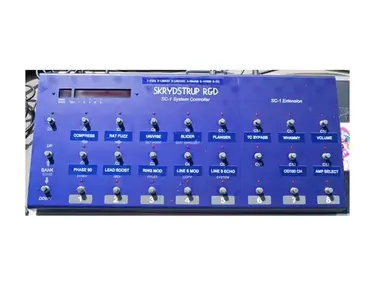
Used for Live at Pompeii.
Find it on:

In this YouTube video of "Take A Breath" (from "Live in Gdansk"), at 2:31, three Avalon U5 DI Preamplifiers can be seen in David Gilmour's effects rack. Another photo from Kit Rae's page "On an Island and 2006 Tour Lead Tones" shows two Avalon U5 units.
Find it on:




According to Gilmourish; "On several occasions during the Dark Side of the Moon tour in 1973-75 David is also seen using a Binson PE in addition to the Binson 2."
Find it on:

David Gilmour used the TC Electronic D-Two Delay during the 2015 recording sessions for his album "Rattle That Lock," as confirmed by Bjorn on Gilmourish.
Find it on:


David Gilmour used the MXR M-129 Pitch Transposer during the About Face tour, as confirmed by Bjorn on the website Gilmourish.
Find it on:

David Gilmour used a Roland SDE-3000 in his rack during his 2006 tour, as documented by Bjorn on Gilmourish. It was specifically utilized for the "Sound on Sound" effect.
Find it on:

David Gilmour used the Furman PL-8 Power Conditioner and Light Module during his 2006 tour, as confirmed by Bjorn on Gilmourish in the section titled "Royal Albert Hall and GdanskLive 2006".
Find it on:


David Gilmour used the Digitech IPS-33B Super Harmony Machine during his 2006 tour, as confirmed by Bjorn on Gilmourish.
Find it on:

David Gilmour used the Yamaha SPX90 II Digital Multi-Effects Processor during the Delicate Sound of Thunder tour, as documented by Bjorn on Gilmourish.
Find it on:

David Gilmour used a Korg DRV-3000 during the "Delicate Sound of Thunder" tour, as noted by Bjorn on Gilmourish.
Find it on:

From 1:30:58 to 1:36:09 in Rick Beato's epic studio interview with David Gilmour they discuss at length Dave's continued affection for his "ancient old Zooms" (he still owns and uses several) - In particular he talks about how he uses the Zoom 9030 to program tones and effects for demo tracks which sometimes subsequently end up on a final recording.
Find it on:
This is a community-built gear list for David Gilmour.
- Find relevant music gear like Guitars, Amplifiers, Effects Pedals, and other instruments and add it to David Gilmour.
- The best places to look for gear usage are typically on the artist's social media, YouTube, live performance images, and interviews.
- To receive email updates when David Gilmour is seen with new gear, follow the artist.
Discography
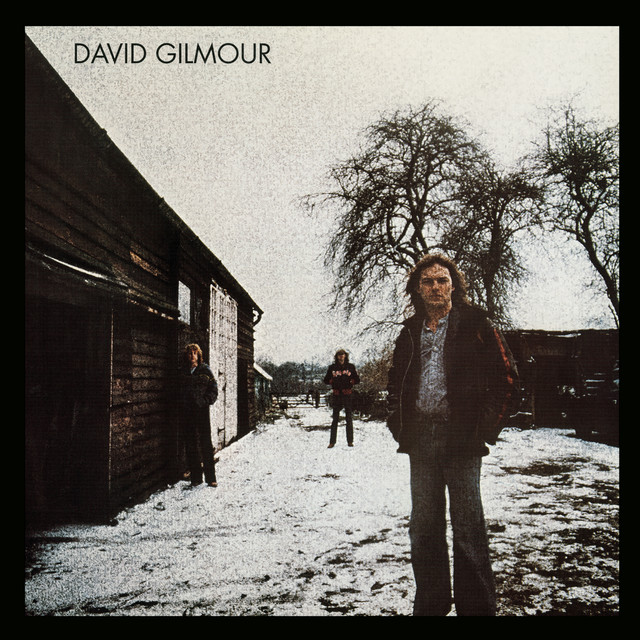

Album Credits
-

Between Two Points (Live from the Luck and Strange Concerts)
David Gilmour · 2025
Mixing Engineer Producer -

Wish You Were Here (Live from the Luck and Strange Concerts)
David Gilmour · 2025
Mixing Engineer Producer -

Luck and Strange (Live from the Luck and Strange Concerts)
David Gilmour · 2025
Mixing Engineer Producer -

Sorrow (Live from the Luck and Strange Concerts)
David Gilmour · 2025
Mixing Engineer Producer -

David Gilmour · 2025
Mixing Engineer Producer -
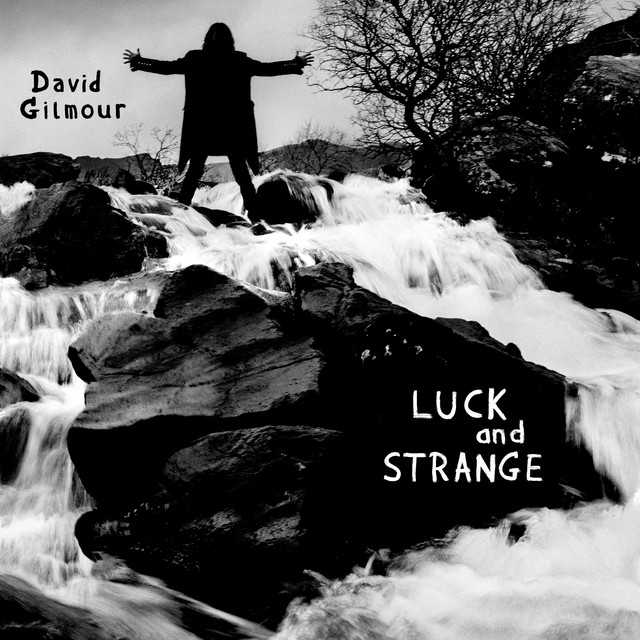
David Gilmour · 2024
Mixing Engineer Producer Programmer -
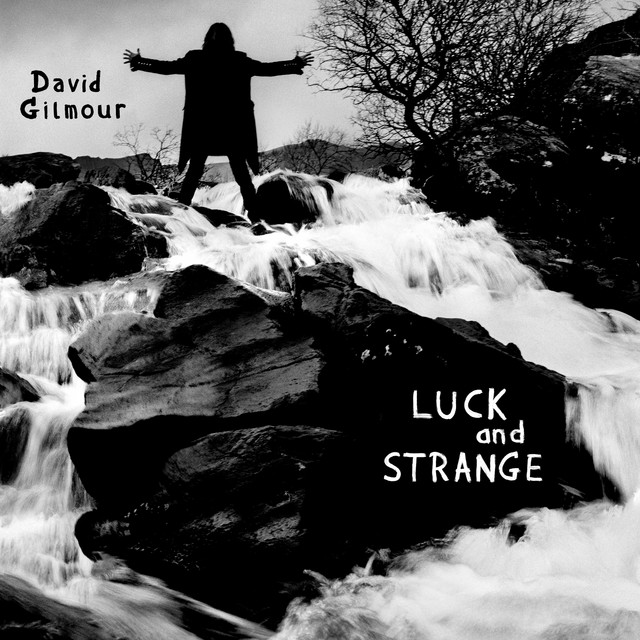
David Gilmour · 2024
Mixing Engineer Producer -
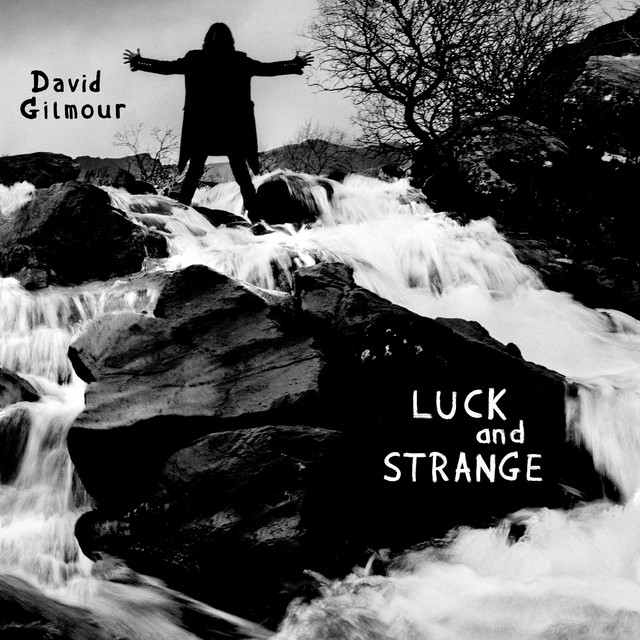
David Gilmour · 2024
Mixing Engineer Producer -
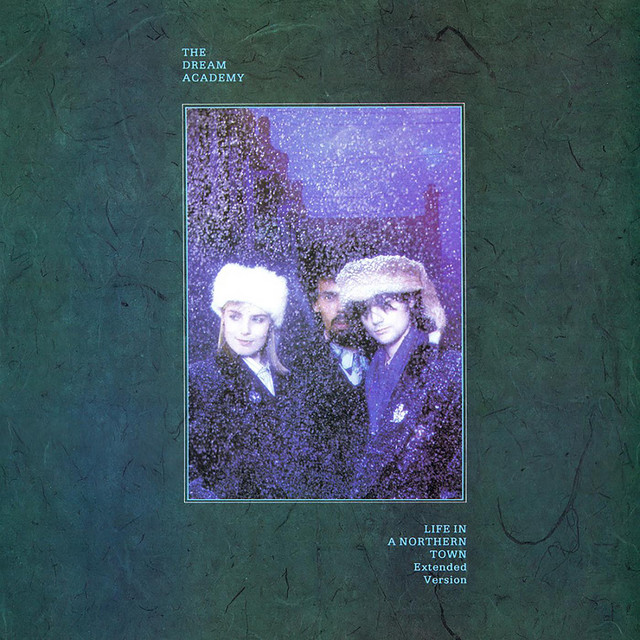
The Dream Academy · 2021
Producer -
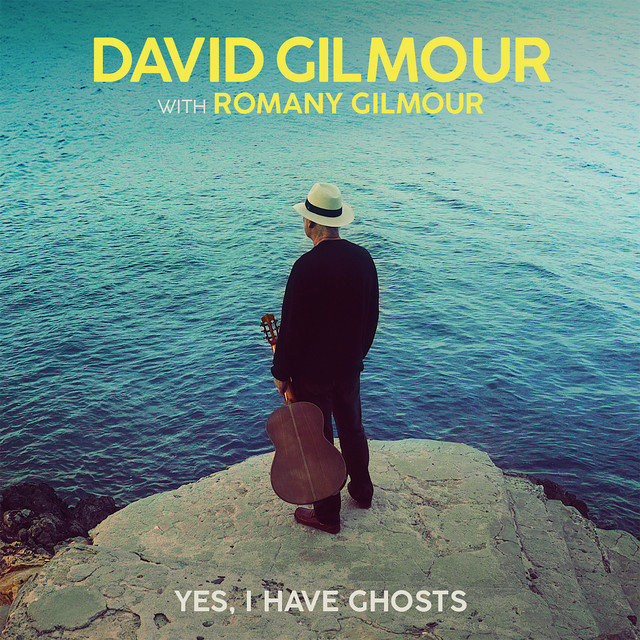
David Gilmour · 2020
Mixing Engineer Programmer -
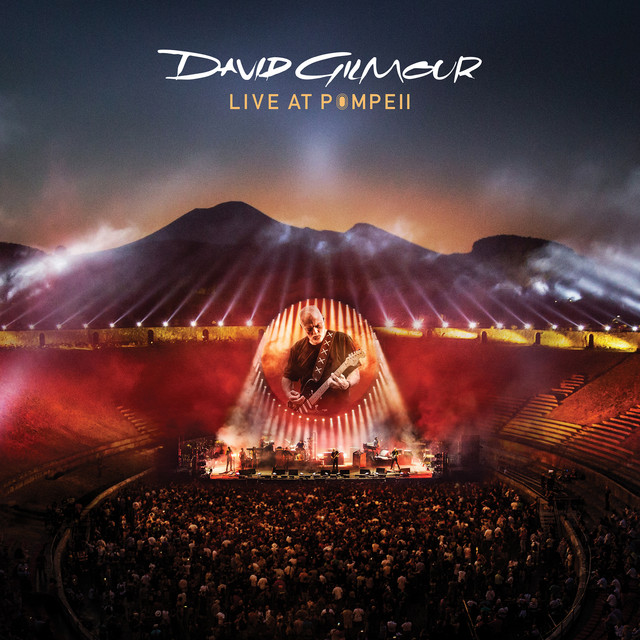
David Gilmour · 2017
Mixing Engineer Producer -
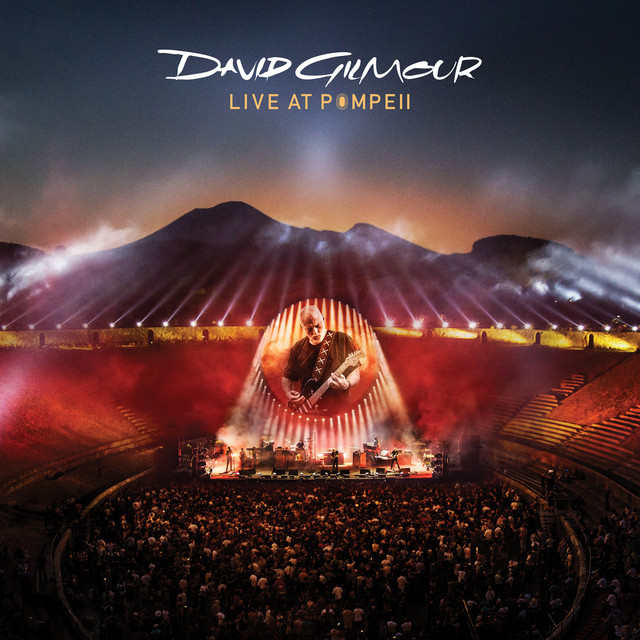
One of These Days (Live At Pompeii 2016)
David Gilmour · 2017
Mixing Engineer Producer
.jpeg?v=1783292592)

.jpeg?v=1783065966)





.webp)