Doja Cat's Gear



It's a Telefunken CU-29. I didn't even know that. It's a CU-29, that's the kinda mic I has.
Find it on:


-m.webp?v=1784546351)
As a suprise I got a midi keyboard, an Akai 249 MPK, and it just showed up at my door. It's because my boyfriend sent me it for Christmas.
Find it on:


Throughout the performance, we can see Doja using the White version of the Telefunken M80. I identified the item by looking at the logo and characteristics of the mic. At 0:28 and 3:33, you can see a logo similar to Telefunken's logo. At 0:50, you can that the mic has a small dent going along the side of the mic which is also present on the Telefunken M80. You can also see that the mic also has the "Telefunken" inscription written across the microphone grill.
Find it on:

In a YouTube video titled "KENNY BEATS & DOJA CAT FREESTYLE | The Cave: Episode 7," Doja Cat mentions using Apple Logic Pro for creating her beats.
Find it on:

Used for vocals on "Say So", as stated by mix engineer Clint Gibbs in this July 2020 Sound on Sound interview. An image of the settings can be found here.
"All vocal audio tracks have the same signal path: Metric Halo Channel Strip 3, Avid Bomb Factory BF-76, Avid Dyn-3 De-Esser and in the case of the lead vocals, the FabFilter Pro‑Q 3, all on the inserts, plus sends to the quarter- and eighth–note delays and reverb. These are all part of the recording template, and came from Kalani. I am familiar with the settings, because I worked on them, so I didn't change them. The Metric Halo is doing a high-pass, the BF-76 has all buttons in to give it that pop vocal sound. I added the Q 3, cutting 1dB at 279Hz and at 740Hz. I like to do tons of minimal EQ cuts with many plug‑ins.
"The lead vocal audio tracks also have a send called Voc SC, which goes to the side-chain input of the Waves F6 on the Keys bus. It helps make a little extra pocket for the vocal. It creates dynamic dips in the 900Hz and 2kHz range when she is singing. I also have this F6 on the 808 bus of the remix, doing the same thing. All lead vocal audio tracks go to the LD Vocal aux, which has another instance of the Q 3, taking out quite a bit of low end to make space for the bass, and the McDSP AE600 dynamic EQ, taking out problem areas only when they occur. I do a lot of vocal riding on the lead vocal bus, pushing up specific syllables.
"There's also a track called Echo FX Clean. When I have to mute a word, I will take the word before it and will delay it with some reverb to fill the empty space. The additional plug‑in by Vengeance, the VPS philta XL filter, is doing a high and a low cut to give it more of that radio sound. The other vocal tracks are treated in similar ways as the lead vocals, though the BG2 bus has the Valhalla Vintage Verb, with a 2.4s reverb, Mix at 18 percent. I think that came from Kalani, but I added the FabFilter Pro‑DS, because I wanted to take the 's' frequency out of the reverb. All vocals go to the Vocals bus, which has the UAD 1176, switched off, and the JSTClip for some level boosting. The Vocal Rear track is the parallel, with -20dB compression on the 1176. This is where I get my vocal loudness from.
Find it on:



Used for background vocals on "Say So", as stated by mix engineer Clint Gibbs in this July 2020 Sound on Sound interview.
"All vocal audio tracks have the same signal path: Metric Halo Channel Strip 3, Avid Bomb Factory BF-76, Avid Dyn-3 De-Esser and in the case of the lead vocals, the FabFilter Pro‑Q 3, all on the inserts, plus sends to the quarter- and eighth–note delays and reverb. These are all part of the recording template, and came from Kalani. I am familiar with the settings, because I worked on them, so I didn't change them. The Metric Halo is doing a high-pass, the BF-76 has all buttons in to give it that pop vocal sound. I added the Q 3, cutting 1dB at 279Hz and at 740Hz. I like to do tons of minimal EQ cuts with many plug‑ins.
"The lead vocal audio tracks also have a send called Voc SC, which goes to the side-chain input of the Waves F6 on the Keys bus. It helps make a little extra pocket for the vocal. It creates dynamic dips in the 900Hz and 2kHz range when she is singing. I also have this F6 on the 808 bus of the remix, doing the same thing. All lead vocal audio tracks go to the LD Vocal aux, which has another instance of the Q 3, taking out quite a bit of low end to make space for the bass, and the McDSP AE600 dynamic EQ, taking out problem areas only when they occur. I do a lot of vocal riding on the lead vocal bus, pushing up specific syllables.
"There's also a track called Echo FX Clean. When I have to mute a word, I will take the word before it and will delay it with some reverb to fill the empty space. The additional plug‑in by Vengeance, the VPS philta XL filter, is doing a high and a low cut to give it more of that radio sound. The other vocal tracks are treated in similar ways as the lead vocals, though the BG2 bus has the Valhalla Vintage Verb, with a 2.4s reverb, Mix at 18 percent. I think that came from Kalani, but I added the FabFilter Pro‑DS, because I wanted to take the 's' frequency out of the reverb. All vocals go to the Vocals bus, which has the UAD 1176, switched off, and the JSTClip for some level boosting. The Vocal Rear track is the parallel, with -20dB compression on the 1176. This is where I get my vocal loudness from.
Find it on:

Used for vocals on "Say So", as stated by mix engineer Clint Gibbs in this July 2020 Sound on Sound interview. An image of the settings can be found here.
"All vocal audio tracks have the same signal path: Metric Halo Channel Strip 3, Avid Bomb Factory BF-76, Avid Dyn-3 De-Esser and in the case of the lead vocals, the FabFilter Pro‑Q 3, all on the inserts, plus sends to the quarter- and eighth–note delays and reverb. These are all part of the recording template, and came from Kalani. I am familiar with the settings, because I worked on them, so I didn't change them. The Metric Halo is doing a high-pass, the BF-76 has all buttons in to give it that pop vocal sound. I added the Q 3, cutting 1dB at 279Hz and at 740Hz. I like to do tons of minimal EQ cuts with many plug‑ins.
"The lead vocal audio tracks also have a send called Voc SC, which goes to the side-chain input of the Waves F6 on the Keys bus. It helps make a little extra pocket for the vocal. It creates dynamic dips in the 900Hz and 2kHz range when she is singing. I also have this F6 on the 808 bus of the remix, doing the same thing. All lead vocal audio tracks go to the LD Vocal aux, which has another instance of the Q 3, taking out quite a bit of low end to make space for the bass, and the McDSP AE600 dynamic EQ, taking out problem areas only when they occur. I do a lot of vocal riding on the lead vocal bus, pushing up specific syllables.
"There's also a track called Echo FX Clean. When I have to mute a word, I will take the word before it and will delay it with some reverb to fill the empty space. The additional plug‑in by Vengeance, the VPS philta XL filter, is doing a high and a low cut to give it more of that radio sound. The other vocal tracks are treated in similar ways as the lead vocals, though the BG2 bus has the Valhalla Vintage Verb, with a 2.4s reverb, Mix at 18 percent. I think that came from Kalani, but I added the FabFilter Pro‑DS, because I wanted to take the 's' frequency out of the reverb. All vocals go to the Vocals bus, which has the UAD 1176, switched off, and the JSTClip for some level boosting. The Vocal Rear track is the parallel, with -20dB compression on the 1176. This is where I get my vocal loudness from.
Find it on:


Used for lead vocals on "Say So", as stated by mix engineer Clint Gibbs in this July 2020 Sound on Sound interview.
"All vocal audio tracks have the same signal path: Metric Halo Channel Strip 3, Avid Bomb Factory BF-76, Avid Dyn-3 De-Esser and in the case of the lead vocals, the FabFilter Pro‑Q 3, all on the inserts, plus sends to the quarter- and eighth–note delays and reverb. These are all part of the recording template, and came from Kalani. I am familiar with the settings, because I worked on them, so I didn't change them. The Metric Halo is doing a high-pass, the BF-76 has all buttons in to give it that pop vocal sound. I added the Q 3, cutting 1dB at 279Hz and at 740Hz. I like to do tons of minimal EQ cuts with many plug‑ins.
"The lead vocal audio tracks also have a send called Voc SC, which goes to the side-chain input of the Waves F6 on the Keys bus. It helps make a little extra pocket for the vocal. It creates dynamic dips in the 900Hz and 2kHz range when she is singing. I also have this F6 on the 808 bus of the remix, doing the same thing. All lead vocal audio tracks go to the LD Vocal aux, which has another instance of the Q 3, taking out quite a bit of low end to make space for the bass, and the McDSP AE600 dynamic EQ, taking out problem areas only when they occur. I do a lot of vocal riding on the lead vocal bus, pushing up specific syllables.
"There's also a track called Echo FX Clean. When I have to mute a word, I will take the word before it and will delay it with some reverb to fill the empty space. The additional plug‑in by Vengeance, the VPS philta XL filter, is doing a high and a low cut to give it more of that radio sound. The other vocal tracks are treated in similar ways as the lead vocals, though the BG2 bus has the Valhalla Vintage Verb, with a 2.4s reverb, Mix at 18 percent. I think that came from Kalani, but I added the FabFilter Pro‑DS, because I wanted to take the 's' frequency out of the reverb. All vocals go to the Vocals bus, which has the UAD 1176, switched off, and the JSTClip for some level boosting. The Vocal Rear track is the parallel, with -20dB compression on the 1176. This is where I get my vocal loudness from.
Find it on:

Used for vocals on "Say So", as stated by mix engineer Clint Gibbs in this July 2020 Sound on Sound interview. An image of the settings can be found here.
"All vocal audio tracks have the same signal path: Metric Halo Channel Strip 3, Avid Bomb Factory BF-76, Avid Dyn-3 De-Esser and in the case of the lead vocals, the FabFilter Pro‑Q 3, all on the inserts, plus sends to the quarter- and eighth–note delays and reverb. These are all part of the recording template, and came from Kalani. I am familiar with the settings, because I worked on them, so I didn't change them. The Metric Halo is doing a high-pass, the BF-76 has all buttons in to give it that pop vocal sound. I added the Q 3, cutting 1dB at 279Hz and at 740Hz. I like to do tons of minimal EQ cuts with many plug‑ins.
"The lead vocal audio tracks also have a send called Voc SC, which goes to the side-chain input of the Waves F6 on the Keys bus. It helps make a little extra pocket for the vocal. It creates dynamic dips in the 900Hz and 2kHz range when she is singing. I also have this F6 on the 808 bus of the remix, doing the same thing. All lead vocal audio tracks go to the LD Vocal aux, which has another instance of the Q 3, taking out quite a bit of low end to make space for the bass, and the McDSP AE600 dynamic EQ, taking out problem areas only when they occur. I do a lot of vocal riding on the lead vocal bus, pushing up specific syllables.
"There's also a track called Echo FX Clean. When I have to mute a word, I will take the word before it and will delay it with some reverb to fill the empty space. The additional plug‑in by Vengeance, the VPS philta XL filter, is doing a high and a low cut to give it more of that radio sound. The other vocal tracks are treated in similar ways as the lead vocals, though the BG2 bus has the Valhalla Vintage Verb, with a 2.4s reverb, Mix at 18 percent. I think that came from Kalani, but I added the FabFilter Pro‑DS, because I wanted to take the 's' frequency out of the reverb. All vocals go to the Vocals bus, which has the UAD 1176, switched off, and the JSTClip for some level boosting. The Vocal Rear track is the parallel, with -20dB compression on the 1176. This is where I get my vocal loudness from.
Find it on:

Used for lead vocals on "Say So", as stated by mix engineer Clint Gibbs in this July 2020 Sound on Sound interview.
"All vocal audio tracks have the same signal path: Metric Halo Channel Strip 3, Avid Bomb Factory BF-76, Avid Dyn-3 De-Esser and in the case of the lead vocals, the FabFilter Pro‑Q 3, all on the inserts, plus sends to the quarter- and eighth–note delays and reverb. These are all part of the recording template, and came from Kalani. I am familiar with the settings, because I worked on them, so I didn't change them. The Metric Halo is doing a high-pass, the BF-76 has all buttons in to give it that pop vocal sound. I added the Q 3, cutting 1dB at 279Hz and at 740Hz. I like to do tons of minimal EQ cuts with many plug‑ins.
"The lead vocal audio tracks also have a send called Voc SC, which goes to the side-chain input of the Waves F6 on the Keys bus. It helps make a little extra pocket for the vocal. It creates dynamic dips in the 900Hz and 2kHz range when she is singing. I also have this F6 on the 808 bus of the remix, doing the same thing. All lead vocal audio tracks go to the LD Vocal aux, which has another instance of the Q 3, taking out quite a bit of low end to make space for the bass, and the McDSP AE600 dynamic EQ, taking out problem areas only when they occur. I do a lot of vocal riding on the lead vocal bus, pushing up specific syllables.
"There's also a track called Echo FX Clean. When I have to mute a word, I will take the word before it and will delay it with some reverb to fill the empty space. The additional plug‑in by Vengeance, the VPS philta XL filter, is doing a high and a low cut to give it more of that radio sound. The other vocal tracks are treated in similar ways as the lead vocals, though the BG2 bus has the Valhalla Vintage Verb, with a 2.4s reverb, Mix at 18 percent. I think that came from Kalani, but I added the FabFilter Pro‑DS, because I wanted to take the 's' frequency out of the reverb. All vocals go to the Vocals bus, which has the UAD 1176, switched off, and the JSTClip for some level boosting. The Vocal Rear track is the parallel, with -20dB compression on the 1176. This is where I get my vocal loudness from.
Find it on:


-m.webp?v=1784612008)
Used on the vocal censor echoes for the clean edit of "Say So", as stated by mix engineer Clint Gibbs in this July 2020 Sound on Sound interview and as visible in this screenshot of the Pro Tools project. A larger version of the image can be downloaded here.
"There's also a track called Echo FX Clean. When I have to mute a word, I will take the word before it and will delay it with some reverb to fill the empty space. The additional plug‑in by Vengeance, the VPS philta XL filter, is doing a high and a low cut to give it more of that radio sound.
Find it on:


Used for lead vocals on "Say So", as stated by mix engineer Clint Gibbs in this July 2020 Sound on Sound interview.
"All vocal audio tracks have the same signal path: Metric Halo Channel Strip 3, Avid Bomb Factory BF-76, Avid Dyn-3 De-Esser and in the case of the lead vocals, the FabFilter Pro‑Q 3, all on the inserts, plus sends to the quarter- and eighth–note delays and reverb. These are all part of the recording template, and came from Kalani. I am familiar with the settings, because I worked on them, so I didn't change them. The Metric Halo is doing a high-pass, the BF-76 has all buttons in to give it that pop vocal sound. I added the Q 3, cutting 1dB at 279Hz and at 740Hz. I like to do tons of minimal EQ cuts with many plug‑ins.
"The lead vocal audio tracks also have a send called Voc SC, which goes to the side-chain input of the Waves F6 on the Keys bus. It helps make a little extra pocket for the vocal. It creates dynamic dips in the 900Hz and 2kHz range when she is singing. I also have this F6 on the 808 bus of the remix, doing the same thing. All lead vocal audio tracks go to the LD Vocal aux, which has another instance of the Q 3, taking out quite a bit of low end to make space for the bass, and the McDSP AE600 dynamic EQ, taking out problem areas only when they occur. I do a lot of vocal riding on the lead vocal bus, pushing up specific syllables.
"There's also a track called Echo FX Clean. When I have to mute a word, I will take the word before it and will delay it with some reverb to fill the empty space. The additional plug‑in by Vengeance, the VPS philta XL filter, is doing a high and a low cut to give it more of that radio sound. The other vocal tracks are treated in similar ways as the lead vocals, though the BG2 bus has the Valhalla Vintage Verb, with a 2.4s reverb, Mix at 18 percent. I think that came from Kalani, but I added the FabFilter Pro‑DS, because I wanted to take the 's' frequency out of the reverb. All vocals go to the Vocals bus, which has the UAD 1176, switched off, and the JSTClip for some level boosting. The Vocal Rear track is the parallel, with -20dB compression on the 1176. This is where I get my vocal loudness from.
Find it on:

Used on the vocal censor echoes for the clean edit of "Say So", as stated by mix engineer Clint Gibbs in this July 2020 Sound on Sound interview.
"There's also a track called Echo FX Clean. When I have to mute a word, I will take the word before it and will delay it with some reverb to fill the empty space. The additional plug‑in by Vengeance, the VPS philta XL filter, is doing a high and a low cut to give it more of that radio sound.
Find it on:

Used for the background vocals' reverb on "Say So", as stated by mix engineer Clint Gibbs in this July 2020 Sound on Sound interview.
"All vocal audio tracks have the same signal path: Metric Halo Channel Strip 3, Avid Bomb Factory BF-76, Avid Dyn-3 De-Esser and in the case of the lead vocals, the FabFilter Pro‑Q 3, all on the inserts, plus sends to the quarter- and eighth–note delays and reverb. These are all part of the recording template, and came from Kalani. I am familiar with the settings, because I worked on them, so I didn't change them. The Metric Halo is doing a high-pass, the BF-76 has all buttons in to give it that pop vocal sound. I added the Q 3, cutting 1dB at 279Hz and at 740Hz. I like to do tons of minimal EQ cuts with many plug‑ins.
"The lead vocal audio tracks also have a send called Voc SC, which goes to the side-chain input of the Waves F6 on the Keys bus. It helps make a little extra pocket for the vocal. It creates dynamic dips in the 900Hz and 2kHz range when she is singing. I also have this F6 on the 808 bus of the remix, doing the same thing. All lead vocal audio tracks go to the LD Vocal aux, which has another instance of the Q 3, taking out quite a bit of low end to make space for the bass, and the McDSP AE600 dynamic EQ, taking out problem areas only when they occur. I do a lot of vocal riding on the lead vocal bus, pushing up specific syllables.
"There's also a track called Echo FX Clean. When I have to mute a word, I will take the word before it and will delay it with some reverb to fill the empty space. The additional plug‑in by Vengeance, the VPS philta XL filter, is doing a high and a low cut to give it more of that radio sound. The other vocal tracks are treated in similar ways as the lead vocals, though the BG2 bus has the Valhalla Vintage Verb, with a 2.4s reverb, Mix at 18 percent. I think that came from Kalani, but I added the FabFilter Pro‑DS, because I wanted to take the 's' frequency out of the reverb. All vocals go to the Vocals bus, which has the UAD 1176, switched off, and the JSTClip for some level boosting. The Vocal Rear track is the parallel, with -20dB compression on the 1176. This is where I get my vocal loudness from.
Find it on:

The Rev E emulation was used without compression for vocals on "Say So", as stated by mix engineer Clint Gibbs in this July 2020 Sound on Sound interview and as visible in this screenshot of the Pro Tools project. A larger version of the image can be downloaded here.
"All vocal audio tracks have the same signal path: Metric Halo Channel Strip 3, Avid Bomb Factory BF-76, Avid Dyn-3 De-Esser and in the case of the lead vocals, the FabFilter Pro‑Q 3, all on the inserts, plus sends to the quarter- and eighth–note delays and reverb. These are all part of the recording template, and came from Kalani. I am familiar with the settings, because I worked on them, so I didn't change them. The Metric Halo is doing a high-pass, the BF-76 has all buttons in to give it that pop vocal sound. I added the Q 3, cutting 1dB at 279Hz and at 740Hz. I like to do tons of minimal EQ cuts with many plug‑ins.
"The lead vocal audio tracks also have a send called Voc SC, which goes to the side-chain input of the Waves F6 on the Keys bus. It helps make a little extra pocket for the vocal. It creates dynamic dips in the 900Hz and 2kHz range when she is singing. I also have this F6 on the 808 bus of the remix, doing the same thing. All lead vocal audio tracks go to the LD Vocal aux, which has another instance of the Q 3, taking out quite a bit of low end to make space for the bass, and the McDSP AE600 dynamic EQ, taking out problem areas only when they occur. I do a lot of vocal riding on the lead vocal bus, pushing up specific syllables.
"There's also a track called Echo FX Clean. When I have to mute a word, I will take the word before it and will delay it with some reverb to fill the empty space. The additional plug‑in by Vengeance, the VPS philta XL filter, is doing a high and a low cut to give it more of that radio sound. The other vocal tracks are treated in similar ways as the lead vocals, though the BG2 bus has the Valhalla Vintage Verb, with a 2.4s reverb, Mix at 18 percent. I think that came from Kalani, but I added the FabFilter Pro‑DS, because I wanted to take the 's' frequency out of the reverb. All vocals go to the Vocals bus, which has the UAD 1176, switched off, and the JSTClip for some level boosting. The Vocal Rear track is the parallel, with -20dB compression on the 1176. This is where I get my vocal loudness from.
Find it on:

Used for vocals on "Say So", as stated by mix engineer Clint Gibbs in this July 2020 Sound on Sound interview.
"All vocal audio tracks have the same signal path: Metric Halo Channel Strip 3, Avid Bomb Factory BF-76, Avid Dyn-3 De-Esser and in the case of the lead vocals, the FabFilter Pro‑Q 3, all on the inserts, plus sends to the quarter- and eighth–note delays and reverb. These are all part of the recording template, and came from Kalani. I am familiar with the settings, because I worked on them, so I didn't change them. The Metric Halo is doing a high-pass, the BF-76 has all buttons in to give it that pop vocal sound. I added the Q 3, cutting 1dB at 279Hz and at 740Hz. I like to do tons of minimal EQ cuts with many plug‑ins.
"The lead vocal audio tracks also have a send called Voc SC, which goes to the side-chain input of the Waves F6 on the Keys bus. It helps make a little extra pocket for the vocal. It creates dynamic dips in the 900Hz and 2kHz range when she is singing. I also have this F6 on the 808 bus of the remix, doing the same thing. All lead vocal audio tracks go to the LD Vocal aux, which has another instance of the Q 3, taking out quite a bit of low end to make space for the bass, and the McDSP AE600 dynamic EQ, taking out problem areas only when they occur. I do a lot of vocal riding on the lead vocal bus, pushing up specific syllables.
"There's also a track called Echo FX Clean. When I have to mute a word, I will take the word before it and will delay it with some reverb to fill the empty space. The additional plug‑in by Vengeance, the VPS philta XL filter, is doing a high and a low cut to give it more of that radio sound. The other vocal tracks are treated in similar ways as the lead vocals, though the BG2 bus has the Valhalla Vintage Verb, with a 2.4s reverb, Mix at 18 percent. I think that came from Kalani, but I added the FabFilter Pro‑DS, because I wanted to take the 's' frequency out of the reverb. All vocals go to the Vocals bus, which has the UAD 1176, switched off, and the JSTClip for some level boosting. The Vocal Rear track is the parallel, with -20dB compression on the 1176. This is where I get my vocal loudness from.
Find it on:

In This Short, Doja can be seen with a Telefunken U47.
Find it on:

In a video titled "Doja Cat creating music in her studio | IG LIVE | 11/26/22" posted by The Kittens Room on YouTube, Doja Cat is seen producing music during an Instagram live session, with the Shure SM7B microphone prominently positioned in front of her.
Find it on:

In an interview with Apple Music, Doja Cat mentions that she used Apple GarageBand when she began her music career.
Find it on:

In an Instagram Live from 2022, Doja Cat is seen using a Roland Juno-60, which is rested on her lap, as shown in the accompanying image.
Find it on:

Producer Rian Lewis confirmed on Instagram that the Lewitt LCT 240 PRO was used to record Doja Cat's track "Won't Bite." He noted, "I thought it sounded great and we cut the song 'Won’t Bite' on that mic that day," highlighting its effectiveness in the studio setting.
Find it on:
This is a community-built gear list for Doja Cat.
- Find relevant music gear like Microphones, Headphones, Studio Gear, and other instruments and add it to Doja Cat.
- The best places to look for gear usage are typically on the artist's social media, YouTube, live performance images, and interviews.
- To receive email updates when Doja Cat is seen with new gear, follow the artist.
-
Added to Equipboard on by
.jpg?v=1784607044) gchiaren
gchiarenGearIQ 37815
-
Updated
Discography
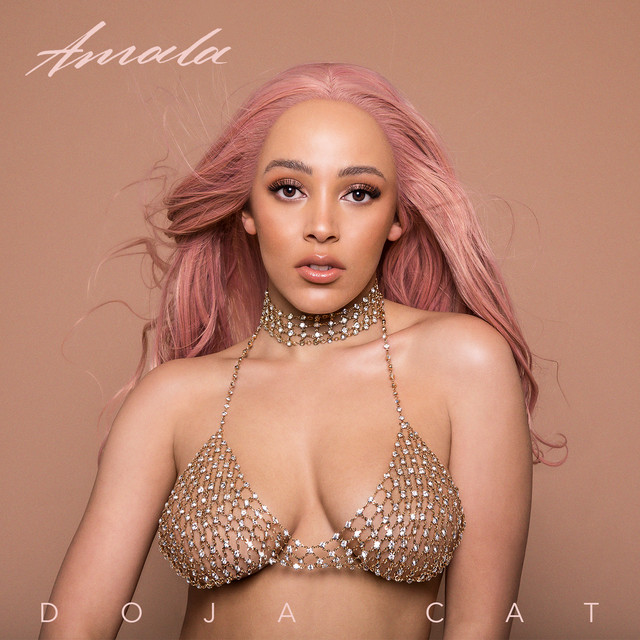
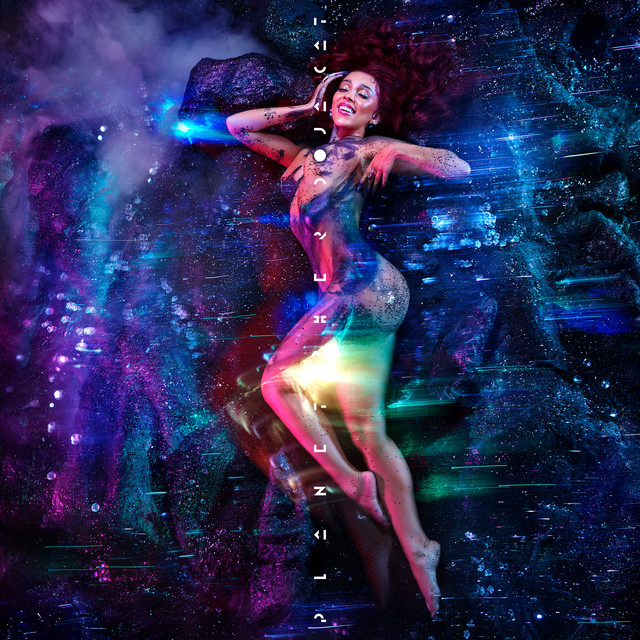
Album Credits
-
Doja Cat · 2019
Producer