Gary Numan
Role
Genre
Group
Credits
Role
Genre
Group
Credits
Gary Numan's Keyboards and Synthesizers


When recording “Cars,” arguably his most well-known track outside of “ME”, Numan deployed a Polymoog. First introduced in 1975, the Polymoog offered users presets for strings, organ, harpsichord, and other instruments in Moog’s distinct electronic sound. Numan eventually owned two 203a's and six 280a's, making great use of the Vox Humana preset a number of times.
On “Cars,” the Polymoog’s iconic string sounds can be heard throughout the song. It can also be seen in Numan’s evocative music video for the single. Numan used the synthesizer throughout the recording of The Pleasure Principle, particularly on “Films,” as well as on his 1980 album Telekon. It can also be seen on Numan’s 1979 Top of the Pops performance of “Cars,” just to the right of him, as well as on Old Grey Whistle Test.
Find it on:


Gary Numan can be seen playing his Roland SH-2000 right in front of him in this live tv performance, visible all the way through but best viewed around 3m10s. The SH-2000 was also used on the album Replicas.
Find it on:

“The cross between normal, original hardware and computers; the one that bridges the gap. A mixture of genius and nightmare — it came out with the most amazing sounds, but was very difficult to work. It started a massive leap forward in technology because it was the first of its generation.”
Find it on:

Gary Numan used the Arp Odyssey in the studio (Telekon album) and live in the early eighties.
Find it on:

Well I've got five JX8Ps,' he reflects, 'because very soon we'll be going on tour and I'm going to have two keyboard players each using two JX8Ps. I'm going to keep one spare as well because you can never be too safe even though everybody's telling me that they're the most reliable synths you can use. I really like the idea of that sort of uniformity on stage from an aesthetic point of view and from a sound point of view it's great because the JX8Ps sound brilliant when they are MIDI'd together.'
Find it on:

MT: In recent years, we’ve witnessed the return of the analogue synth with new models from the likes of Moog, Sequential, Oberheim, companies who provided you with your synths originally…
GN: “Well, I’m watching it, but I’m still deeply immersed in software. Omnisphere 2 is the best thing ever invented – more useful than the wheel! It’s an amazing bit of kit, so I think software is still very much the heart of it for me.
I’ve got a Moog Voyager XL, but you’ll see it leaning up against the side of the studio as I’ve not actually plugged it in yet. It’s a good bit of kit, though. I’ve also got a couple of Roland bits coming. I don’t have the names yet, but it’s a big red thing – the JD-XA…”
Find it on:


"There is quite a lot of synth on the album though, including the Roland JX-8P, the Yamaha DX7, some Emulator sounds sampled into the PPG, and even a Synclavier which we had for a short time."
Find it on:

"Although Numan writes all of his music on an aged upright piano, slowly adding effects, synth sounds and big beats, he also works with modern gear: Emagic Logic Audio Platinum and Digidesign Pro Tools on an Apple Mac G4 with two iZ Technology RADAR 24 digital recorders and a Mackie d8b desk. His synths are both soft and hard: Korg Wavestation, Alesis QuadraSynth, Korg M1, Roland D50 LA, GEM S2 Turbo and a Korg electric piano."
Find it on:

In an interview on bbc radio 6 Gary mentioned this as his desert island synth.
Find it on:

"Although Numan writes all of his music on an aged upright piano, slowly adding effects, synth sounds and big beats, he also works with modern gear: Emagic Logic Audio Platinum and Digidesign Pro Tools on an Apple Mac G4 with two iZ Technology RADAR 24 digital recorders and a Mackie d8b desk. His synths are both soft and hard: Korg Wavestation, Alesis QuadraSynth, Korg M1, Roland D50 LA, GEM S2 Turbo and a Korg electric piano."
Find it on:

Rrussel Bell : “I was the guitarist and I had five synths!! I had a Polymoog, two Minimoogs, Moog Taurus pedals, Synares and a Roland guitar synth !”
Source : Electricity Club
Find it on:

...my OBXa was amazing, the best of that generation by far. It could make sounds that were so useable and different to what was coming out of the other machines around at the time.
(from Gary's interview with Side-Line magazine, Dec 2015)
Find it on:

In the late 1970s, Gary Numan walked into a studio to record his first album with his punk band The Tubeway Army. Upon entering the control room, he noticed a synthesizer off in the corner. Numan walked up to it, plugged it in, and began fiddling around with it. It was Minimoog Model D. This unexpected encounter changed the entire course of Numan’s musical career, and indeed pop music history.
“I didn’t know how to set the Minimoog up, so I just pressed a key for whatever it was set on, and it made that famous Moog sound, that famous low growl and the room vibrated,” Numan recalled in an interview with The Quietus. “It was the most powerful thing. It was like an earthquake and I just loved it. And before the band was even finished setting up the gear I was in there working on changing the songs we’d arrived with into pseudo-electronic songs.”
Find it on:


Link to Gary's Official Facebook page where he is thanking Moog for his Voyager XL!
Find it on:

Here's Numan pictured using a Fender Rhodes Stage MK1 during the recording of Tubeway Army's Replicas album at Spaceward Studio ...
Find it on:


"Although Numan writes all of his music on an aged upright piano, slowly adding effects, synth sounds and big beats, he also works with modern gear: Emagic Logic Audio Platinum and Digidesign Pro Tools on an Apple Mac G4 with two iZ Technology RADAR 24 digital recorders and a Mackie d8b desk. His synths are both soft and hard: Korg Wavestation, Alesis QuadraSynth, Korg M1, Roland D50 LA, GEM S2 Turbo and a Korg electric piano."
Find it on:

"Although Numan writes all of his music on an aged upright piano, slowly adding effects, synth sounds and big beats, he also works with modern gear: Emagic Logic Audio Platinum and Digidesign Pro Tools on an Apple Mac G4 with two iZ Technology RADAR 24 digital recorders and a Mackie d8b desk. His synths are both soft and hard: Korg Wavestation, Alesis QuadraSynth, Korg M1, Roland D50 LA, GEM S2 Turbo and a Korg electric piano."
Find it on:

Used primarily on the Sacrifice and Exile albums (Absolution is almost entirely this synth) although it was also used on Pure, Jagged and Splinter.
Find it on:

Used extensively in the early years on pretty much everything from the Telekon album up to The Fury.
Find it on:

Looking back rather than forward, the main studio area of Rock City is equipped with a very nice Bosendorfer grand which unfortunately will have to be sold off. Gary also has a good selection of guitars and keyboards lying around, including a Linn LM-1 drum machine, Oberheim OBXa and the Wave Team's new Yamaha DX5.
Find it on:

Gary Numan is credited with Sequential Circuits Prophet 5 in the liner notes for Telekon.
Find it on:
-m.webp?v=1779983696)
Gary Numan is credited with Yamaha CP 30 in the liner notes for Telekon.
Find it on:

Gary Numan discusses the Roland System 100 on PledgeMusic, highlighting its status as a rare and desirable synthesizer from his early days.
Find it on:


"There is quite a lot of synth on the album though, including the Roland JX-8P, the Yamaha DX7, some Emulator sounds sampled into the PPG, and even a Synclavier which we had for a short time. It's a good machine, but it takes too long to get into and it's much too expensive. I'm interested in the idea of replacing the conventional studio with the 'tapeless studio', and if Synclavier get the long-term sampling onto hard disk working perfectly, you'll be able to do that even for the vocals. But the system best suits someone like Paul Hardcastle who's doing a lot of well-paid production work with it - my production work is done as a favour for the other bands on the label."
Find it on:

Gary Numan is credited with ARP Pro Soloist in the liner notes for Telekon.
Find it on:



Rrussel Bell : “I was the guitarist and I had five synths!! I had a Polymoog, two Minimoogs, Moog Taurus pedals, Synares and a Roland guitar synth !”
Source : Electricity Club
Find it on:

Used extensively in his Metal Rhythm/New Anger album and used every so often for the next several albums.
Find it on:

Gary Numan is credited with Roland Jupiter 4 in the liner notes for Telekon.
Find it on:


In the August 1986 issue of Sound on Sound magazine, Gary Numan discusses his use of the PPG System and PPG samples, which necessitates the use of a PPG Wave synthesizer and a PPG Waveterm B. He mentions, "Numan has been using a wide variety of sound sources on the upcoming album including a lot of PPG Wave samples."
Find it on:
This is a community-built gear list for Gary Numan.
- Find relevant music gear like Microphones, Guitars, Amplifiers, Effects Pedals, Pianos, Keyboards and Synthesizers, and other instruments and add it to Gary Numan.
- The best places to look for gear usage are typically on the artist's social media, YouTube, live performance images, and interviews.
- To receive email updates when Gary Numan is seen with new gear, follow the artist.
Discography
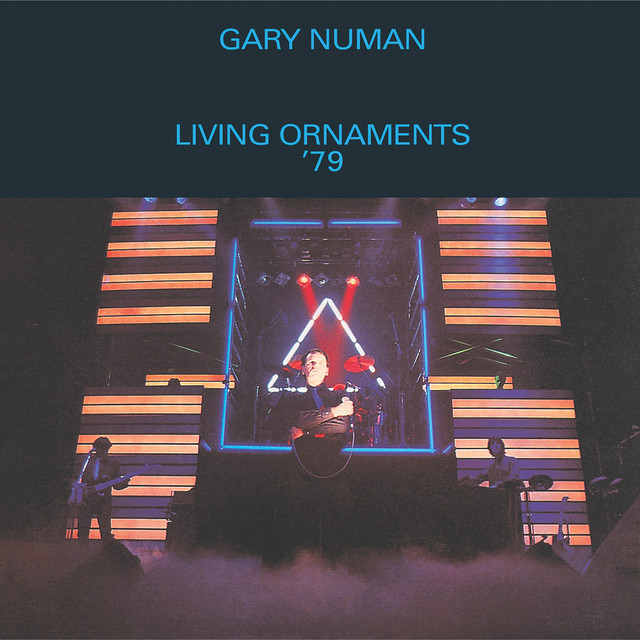
Living Ornaments '79 (Live)
1979
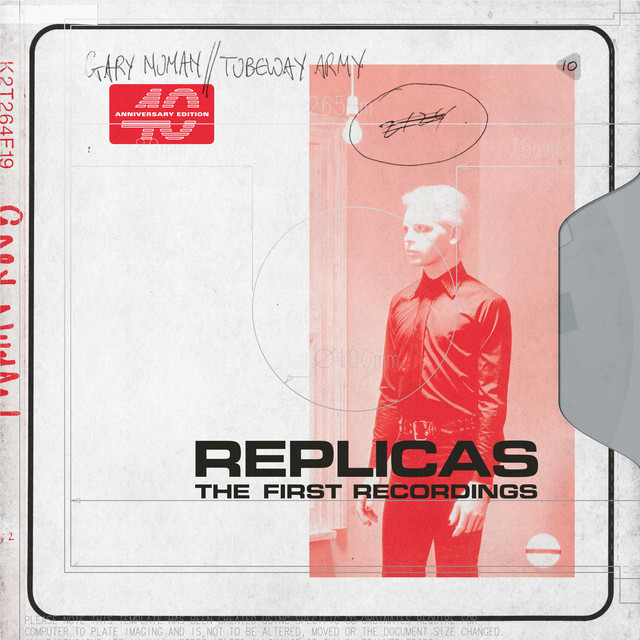
Replicas - The First Recordings
1979
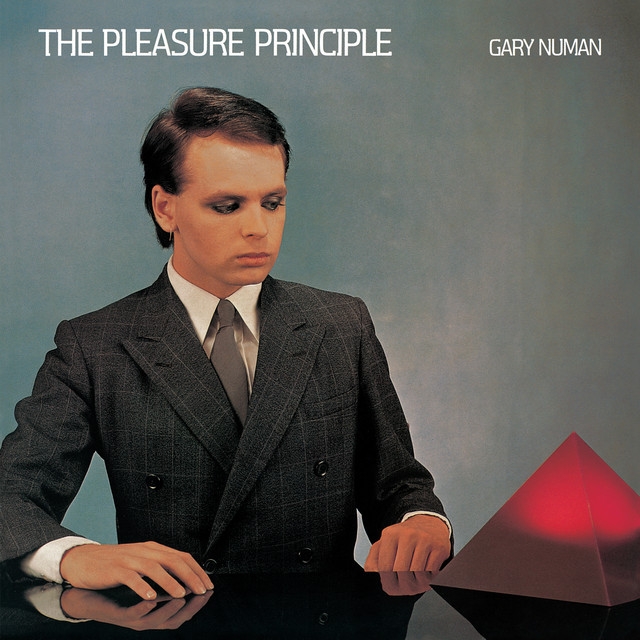
The Pleasure Principle
1979
The Pleasure Principle - The First Recordings
1979
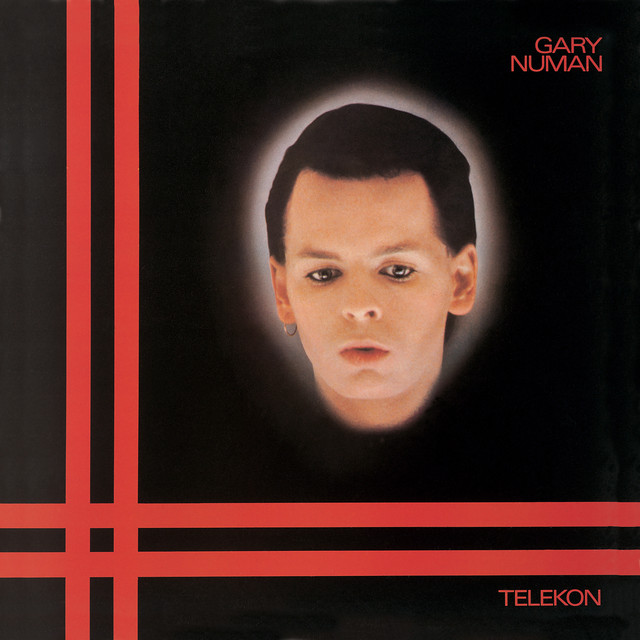
Telekon
1980
Living Ornaments '81
1981
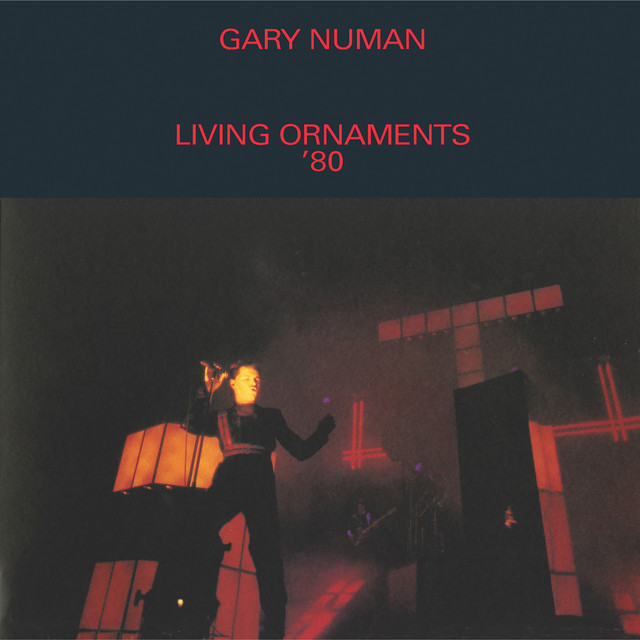
Living Ornaments '80
1981
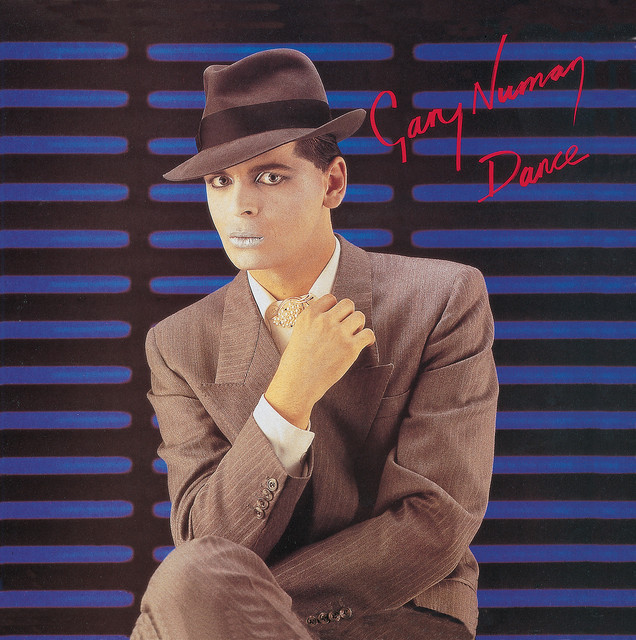
Dance
1981
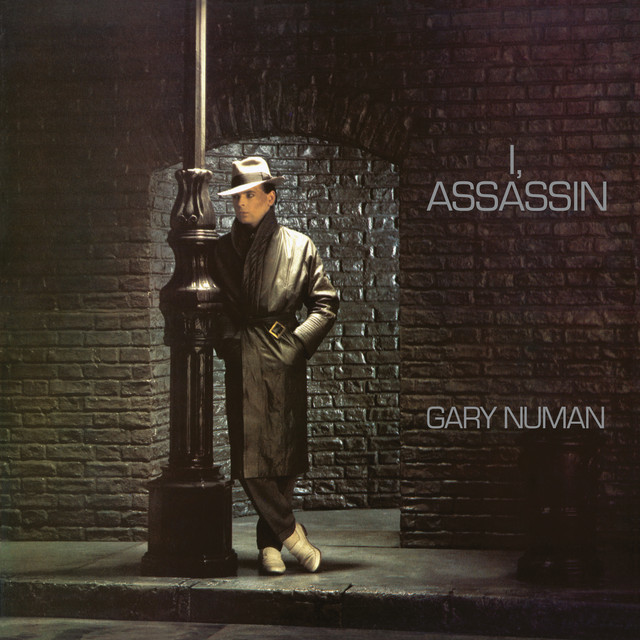
I, Assassin
1982
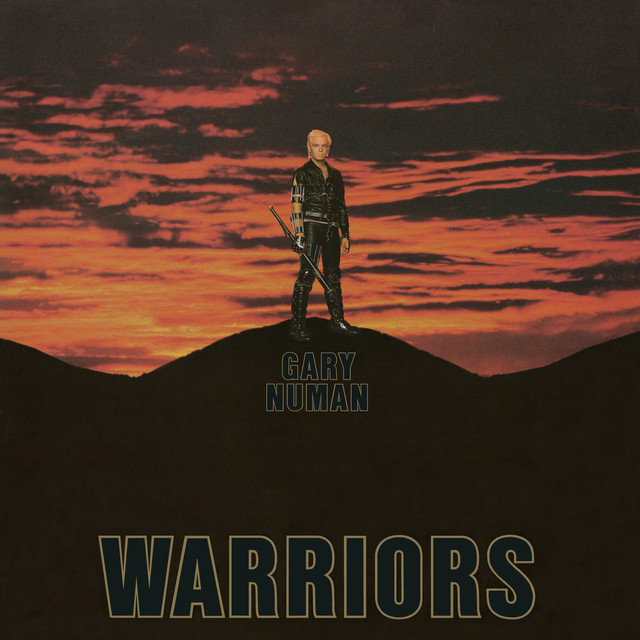
Warriors
1983
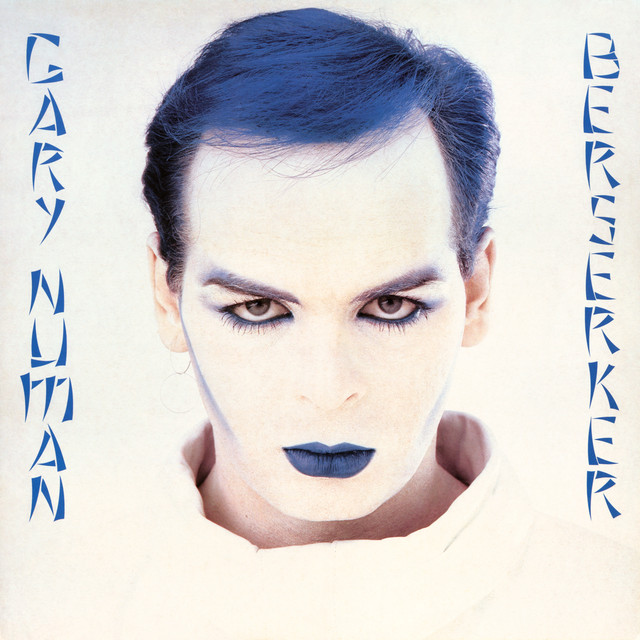
Berserker (2024 Remaster)
1984
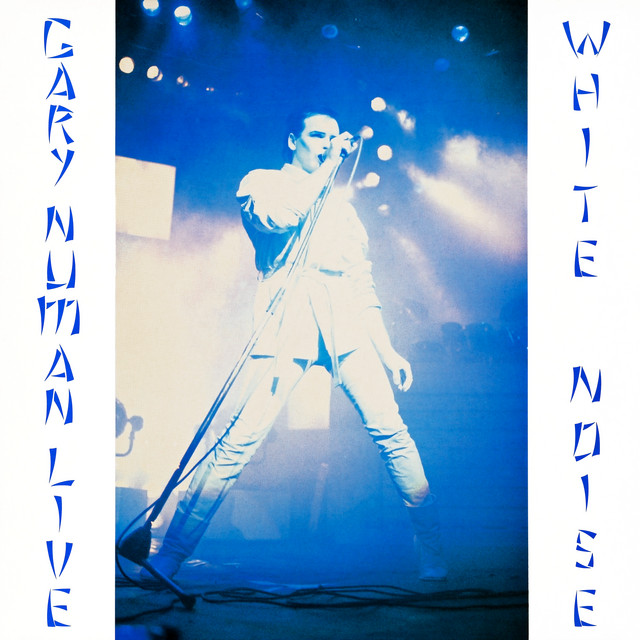
White Noise (Live)
1985
Album Credits
-
Gary Numan · 2009
Mixing Engineer Producer -
Gary Numan · 2000
Producer -
Gary Numan · 1997
Engineer Mixing Engineer Producer -
Gary Numan · 1991
Engineer Producer -
Gary Numan · 1983
Producer -
Gary Numan · 1982
Producer -
Gary Numan · 1981
Producer -
Gary Numan · 1980
Producer -
Gary Numan · 1980
Producer -
Gary Numan · 1980
Producer -
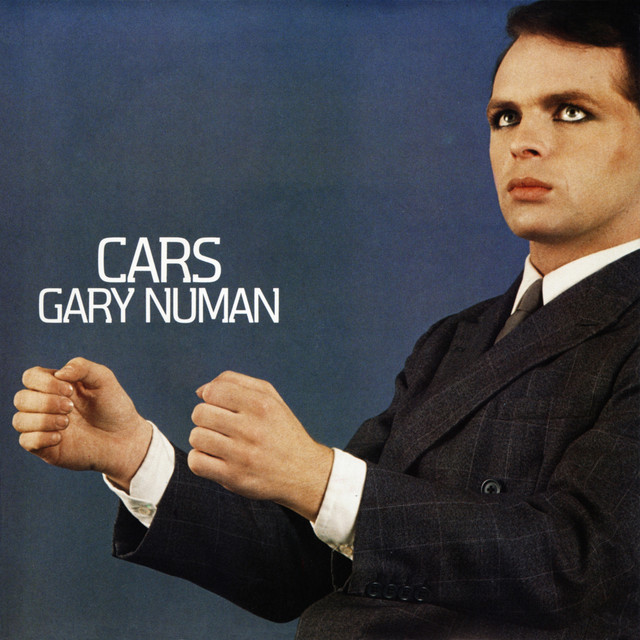
Gary Numan · 1979
Producer -
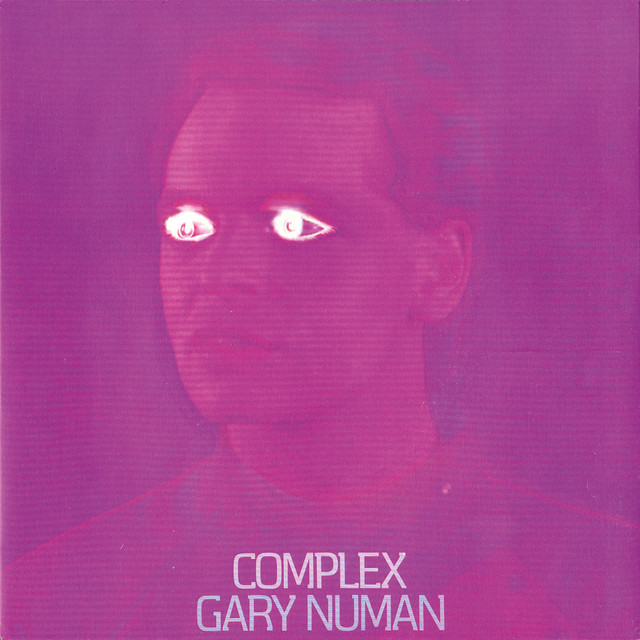
Gary Numan · 1979
Producer