Jonathan Davis
vocalist for Korn
Genre
Genre
Jonathan Davis' Gear


The Telefunken M251 and U-47 can be seen in the making of "A Different World".
Find it on:


Seen in his home studio in this JDevil interview from 2012.
Find it on:


In an Instagram post, Jonathan Davis is seen using the Aviom A-16II Personal Mixer, highlighting its role in his studio setup.
Find it on:


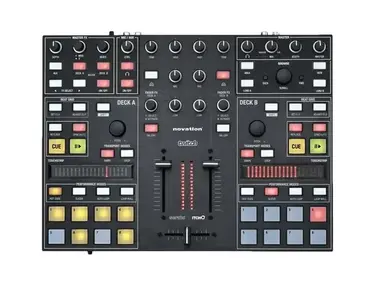
Was seen using a Novation Twitch controller for JDevil sets in 2011-2012.
Find it on:

My favorite plug-ins are FabFilter Pro-Q, Saturn, and Volcano 2. I love the fact that I can look at a spectrum analyzer that's built in - I can carve it out while I'm looking at it. It's amazing!
Find it on:


My favorite plug-ins are FabFilter Pro-Q, Saturn, and Volcano 2. I love the fact that I can look at a spectrum analyzer that's built in - I can carve it out while I'm looking at it. It's amazing!
Find it on:

Ozone, Trash and Spectron totally rock. When I sat down to do songs with [producer] Atticus [Ross], we used them a lot and they worked out great for us.
Find it on:

Ozone, Trash and Spectron totally rock. When I sat down to do songs with [producer] Atticus [Ross], we used them a lot and they worked out great for us.
Find it on:

Jonathan mentioned he uses Gigastudio in this 2007 gear interview at 0:42.
Find it on:

On the previous record, we used a Neumann M 49. On this one, we used a Sanken CU44X into a Tube-Tech MP 1A mic pre, then into the line-in of a Neve 1073 mic pre, for a little EQ tweak. Out of there, it went into an 1176 and a Massenberg EQ. From there into a dB [now Lavery Engineering] converter ahead of the R1.
Find it on:

On the previous record, we used a Neumann M 49. On this one, we used a Sanken CU44X into a Tube-Tech MP 1A mic pre, then into the line-in of a Neve 1073 mic pre, for a little EQ tweak. Out of there, it went into an 1176 and a Massenberg EQ. From there into a dB [now Lavery Engineering] converter ahead of the R1.
Find it on:

On the previous record, we used a Neumann M 49. On this one, we used a Sanken CU44X into a Tube-Tech MP 1A mic pre, then into the line-in of a Neve 1073 mic pre, for a little EQ tweak. Out of there, it went into an 1176 and a Massenberg EQ. From there into a dB [now Lavery Engineering] converter ahead of the R1.
Find it on:
-m.webp?v=1783177069)
Seen in the old Korn studio (from the late 2000's era) while recording Jonathan Davis' solo album Black Labyrinth at the 25:33 mark.
Find it on:

Used on "Did My Time", as stated by engineer Frank Filipetti in this transcribed March 2005 interview.
KORN
"I Did My Time"
Producer: Jonathan Davis of Korn
Engineer: Frank Filipetti
"It's about clarity," says Korn frontman/producer Jonathan Davis, "especially with my stuff cause there's so much low-end and sh-t going on. A lot of mixes can come out not really that clear, and that's one of the reasons I love Frank, because he records great vocals. So any vocals that I do or produce, it has to be about clarity. I have a couple mics that I really like to use; the Sanken is one of my main ones. It's all about not f--kin' with it - just a little bit of compression, that's it."
Signal Path: Tracking
"I was out on the road at the time writing the lyrics," says Jonathan. "I sang a verse in New Orleans and shipped it off to Frank on Pro Tools, so actually we used two different mics when I recorded that. The first was a [Neumann] U 47 with my chain, my preamp [Tube-Tech MP 1A], and the stuff I did at the house [ElemenTree Studios] with Frank was a different process. We used the Sanken [CMU-44]. But with Frank, he totally knows. I listen to it and I really don't have to say anything, 'cause Frank knows me."
"The vocal signal path I used for Jonathan is a Sanken CMU-44, into a TUBE-TECH MP-1A mic pre," adds Filipetti. "From there it went to a Neve 1073, then into the [Universal Audio] 1176, and from there to a GML EQ. Then I brought it into the tape monitor on the SSL 6000, then to the Euphonix R-1. We also used the DBX 160SL on the return on playback to vary the levels slightly, but we didn't record with it. That was part of the chain as well. It's about 85% of what we came up with on the last record with some slight modifications. It's a different console to begin with and a different microphone. The mic we used the last time was an M 49. We chose the Sanken because it just has the best overall combination of lows and highs.
"Jonathan has a very powerful voice," he continues, "especially when he starts to get into it. Some mics pick up the low level detail very well and some mics can hold themselves with screaming really well, but this seemed to have a good combination of both. We were able to get a nice quality between Jonathan singing softly and Jonathan screaming out full-bore. After comparing a lot of other mics, we ended up with the Sanken. In fact the top two mics were the Sanken and the [Audio-Technica] AT4060."
As for the other key components in the chain, Filipetti explains: "The Tube-Tech provides the presence. It has more presence than any other mic pre that I've used and it has an incredible midrange. The 1073 was there just to add a little bit of that Neve crunch - we ran it pretty hot. And I also used a tiny bit of the low frequency and the high frequency EQ. Then I went to the 1176; after trying out a bunch of compressors on Jonathan's voice, the 1176 worked out best. It just seemed to hit him properly. We used that real high-end stuff on the GML, which added that over-end air, which it does incredibly well, and then brought it into the console. On some tracks at the end of the chain we added a DBX 160SL. On a couple tracks that just added a punch that worked out really nicely."
Vocal Philosophy
"My objective with Jonathan is what it is with everybody," says Filipetti. "Basically, the song lives and dies with the vocal. I tend to gravitate toward and work with singers who have real personality. I'm not looking for dancers who are singers. My approach is to make sure that all of that personality comes out; I don't want anything to get lost. I'm looking for all the little quirks and the harmonic things in their voice that make them special, and I look to bring that out. Sometimes it's a matter of just putting the proper mic in front of them. Sometimes it's a matter of adding more things in the chain, but basically, like I do with everyone, I always listen in the room to the singer and then try to capture as much of that as I can through the vocal chain."
Find it on:

Used on "Did My Time", as stated by engineer Frank Filipetti in this transcribed March 2005 interview.
KORN
"I Did My Time"
Producer: Jonathan Davis of Korn
Engineer: Frank Filipetti
"It's about clarity," says Korn frontman/producer Jonathan Davis, "especially with my stuff cause there's so much low-end and sh-t going on. A lot of mixes can come out not really that clear, and that's one of the reasons I love Frank, because he records great vocals. So any vocals that I do or produce, it has to be about clarity. I have a couple mics that I really like to use; the Sanken is one of my main ones. It's all about not f--kin' with it - just a little bit of compression, that's it."
Signal Path: Tracking
"I was out on the road at the time writing the lyrics," says Jonathan. "I sang a verse in New Orleans and shipped it off to Frank on Pro Tools, so actually we used two different mics when I recorded that. The first was a [Neumann] U 47 with my chain, my preamp [Tube-Tech MP 1A], and the stuff I did at the house [ElemenTree Studios] with Frank was a different process. We used the Sanken [CMU-44]. But with Frank, he totally knows. I listen to it and I really don't have to say anything, 'cause Frank knows me."
"The vocal signal path I used for Jonathan is a Sanken CMU-44, into a TUBE-TECH MP-1A mic pre," adds Filipetti. "From there it went to a Neve 1073, then into the [Universal Audio] 1176, and from there to a GML EQ. Then I brought it into the tape monitor on the SSL 6000, then to the Euphonix R-1. We also used the DBX 160SL on the return on playback to vary the levels slightly, but we didn't record with it. That was part of the chain as well. It's about 85% of what we came up with on the last record with some slight modifications. It's a different console to begin with and a different microphone. The mic we used the last time was an M 49. We chose the Sanken because it just has the best overall combination of lows and highs.
"Jonathan has a very powerful voice," he continues, "especially when he starts to get into it. Some mics pick up the low level detail very well and some mics can hold themselves with screaming really well, but this seemed to have a good combination of both. We were able to get a nice quality between Jonathan singing softly and Jonathan screaming out full-bore. After comparing a lot of other mics, we ended up with the Sanken. In fact the top two mics were the Sanken and the [Audio-Technica] AT4060."
As for the other key components in the chain, Filipetti explains: "The Tube-Tech provides the presence. It has more presence than any other mic pre that I've used and it has an incredible midrange. The 1073 was there just to add a little bit of that Neve crunch - we ran it pretty hot. And I also used a tiny bit of the low frequency and the high frequency EQ. Then I went to the 1176; after trying out a bunch of compressors on Jonathan's voice, the 1176 worked out best. It just seemed to hit him properly. We used that real high-end stuff on the GML, which added that over-end air, which it does incredibly well, and then brought it into the console. On some tracks at the end of the chain we added a DBX 160SL. On a couple tracks that just added a punch that worked out really nicely."
Vocal Philosophy
"My objective with Jonathan is what it is with everybody," says Filipetti. "Basically, the song lives and dies with the vocal. I tend to gravitate toward and work with singers who have real personality. I'm not looking for dancers who are singers. My approach is to make sure that all of that personality comes out; I don't want anything to get lost. I'm looking for all the little quirks and the harmonic things in their voice that make them special, and I look to bring that out. Sometimes it's a matter of just putting the proper mic in front of them. Sometimes it's a matter of adding more things in the chain, but basically, like I do with everyone, I always listen in the room to the singer and then try to capture as much of that as I can through the vocal chain."
Find it on:

Used on Untouchables, as stated by engineer Frank Filipetti in this transcribed March 2005 interview.
KORN
"I Did My Time"
Producer: Jonathan Davis of Korn
Engineer: Frank Filipetti
"It's about clarity," says Korn frontman/producer Jonathan Davis, "especially with my stuff cause there's so much low-end and sh-t going on. A lot of mixes can come out not really that clear, and that's one of the reasons I love Frank, because he records great vocals. So any vocals that I do or produce, it has to be about clarity. I have a couple mics that I really like to use; the Sanken is one of my main ones. It's all about not f--kin' with it - just a little bit of compression, that's it."
Signal Path: Tracking
"I was out on the road at the time writing the lyrics," says Jonathan. "I sang a verse in New Orleans and shipped it off to Frank on Pro Tools, so actually we used two different mics when I recorded that. The first was a [Neumann] U 47 with my chain, my preamp [Tube-Tech MP 1A], and the stuff I did at the house [ElemenTree Studios] with Frank was a different process. We used the Sanken [CMU-44]. But with Frank, he totally knows. I listen to it and I really don't have to say anything, 'cause Frank knows me."
"The vocal signal path I used for Jonathan is a Sanken CMU-44, into a TUBE-TECH MP-1A mic pre," adds Filipetti. "From there it went to a Neve 1073, then into the [Universal Audio] 1176, and from there to a GML EQ. Then I brought it into the tape monitor on the SSL 6000, then to the Euphonix R-1. We also used the DBX 160SL on the return on playback to vary the levels slightly, but we didn't record with it. That was part of the chain as well. It's about 85% of what we came up with on the last record with some slight modifications. It's a different console to begin with and a different microphone. The mic we used the last time was an M 49. We chose the Sanken because it just has the best overall combination of lows and highs.
"Jonathan has a very powerful voice," he continues, "especially when he starts to get into it. Some mics pick up the low level detail very well and some mics can hold themselves with screaming really well, but this seemed to have a good combination of both. We were able to get a nice quality between Jonathan singing softly and Jonathan screaming out full-bore. After comparing a lot of other mics, we ended up with the Sanken. In fact the top two mics were the Sanken and the [Audio-Technica] AT4060."
As for the other key components in the chain, Filipetti explains: "The Tube-Tech provides the presence. It has more presence than any other mic pre that I've used and it has an incredible midrange. The 1073 was there just to add a little bit of that Neve crunch - we ran it pretty hot. And I also used a tiny bit of the low frequency and the high frequency EQ. Then I went to the 1176; after trying out a bunch of compressors on Jonathan's voice, the 1176 worked out best. It just seemed to hit him properly. We used that real high-end stuff on the GML, which added that over-end air, which it does incredibly well, and then brought it into the console. On some tracks at the end of the chain we added a DBX 160SL. On a couple tracks that just added a punch that worked out really nicely."
Vocal Philosophy
"My objective with Jonathan is what it is with everybody," says Filipetti. "Basically, the song lives and dies with the vocal. I tend to gravitate toward and work with singers who have real personality. I'm not looking for dancers who are singers. My approach is to make sure that all of that personality comes out; I don't want anything to get lost. I'm looking for all the little quirks and the harmonic things in their voice that make them special, and I look to bring that out. Sometimes it's a matter of just putting the proper mic in front of them. Sometimes it's a matter of adding more things in the chain, but basically, like I do with everyone, I always listen in the room to the singer and then try to capture as much of that as I can through the vocal chain."
Find it on:

Ozone, Trash and Spectron totally rock. When I sat down to do songs with [producer] Atticus [Ross], we used them a lot and they worked out great for us.
Find it on:


Jonathan Davis of Korn began using the Shure SM86 Wireless microphone during live performances around 1995-1997, as seen in the GIF on Tenor.
Find it on:

Ibanez Uv71p Steve Vai Signature Universe Premium Series 7-String Electric Guitar
Extended Range GuitarsIn the YouTube video titled "KoRn being korny (funny moments 2)" by holographiconsumer, Jonathan Davis is seen playing the Ibanez UV71P Steve Vai Signature Universe Premium Series 7-String Electric Guitar.
Find it on:
-m.webp?v=1782917906)
In this Instagram post regarding 1031s, the top comment is actually from Jonathan Davis saying that he still has his pair.
Find it on:

At 2:10 in the video "Limp Bizkit & Korn • All In The Family (Live at UNO Lakefront Arena, 1998) *Official Pro Shot," Jonathan Davis is seen using a Shure U2 SM58 microphone.
Find it on:

Seen in Buck Owen's studio (owned by Korn frontman Jonathan Davis since around 2010) at the 4:45 mark in this YouTube interview with Synergistic Research.
Find it on:

Seen in Buck Owen's studio (owned by Korn frontman Jonathan Davis since around 2010) at the 4:45 mark in this YouTube interview with Synergistic Research.
Find it on:
-m.webp?v=1783335839)
Seen in Buck Owen's studio (owned by Korn frontman Jonathan Davis since around 2010) at the 4:45 mark in this YouTube interview with Synergistic Research.
Find it on:



Seen in Buck Owen's studio (owned by Korn frontman Jonathan Davis since around 2010) at the 4:45 mark in this YouTube interview with Synergistic Research.
Find it on:

Seen in Buck Owen's studio (owned by Korn frontman Jonathan Davis since around 2010) at the 4:45 mark in this YouTube interview with Synergistic Research.
Find it on:

Seen in Buck Owen's studio (owned by Korn frontman Jonathan Davis since around 2010) at the 4:45 mark in this YouTube interview with Synergistic Research.
Find it on:

Seen in the old Korn studio (from the late 2000's era) while recording Jonathan Davis' solo album Black Labyrinth at the 25:33 mark.
Find it on:

Seen in the old Korn studio (from the late 2000's era) while recording Jonathan Davis' solo album Black Labyrinth at the 25:33 mark.
Find it on:
This is a community-built gear list for Jonathan Davis.
- Find relevant music gear like Microphones, Guitars, Amplifiers, Effects Pedals, Drum Sets, Cymbals, Snare Drums, Drumsticks, Studio Equipment, Software Plugins and VSTs, Headphones, and other instruments and add it to Jonathan Davis.
- The best places to look for gear usage are typically on the artist's social media, YouTube, live performance images, and interviews.
- To receive email updates when Jonathan Davis is seen with new gear, follow the artist.
Discography
![After The Dark (The Philosophers) [Original Motion Picture Soundtrack] album cover](https://images.equipboard.com/uploads/album/image/313812/after-the-dark-the-philosophers-original-motion-picture-soundtrack.jpg)
Album Credits
-
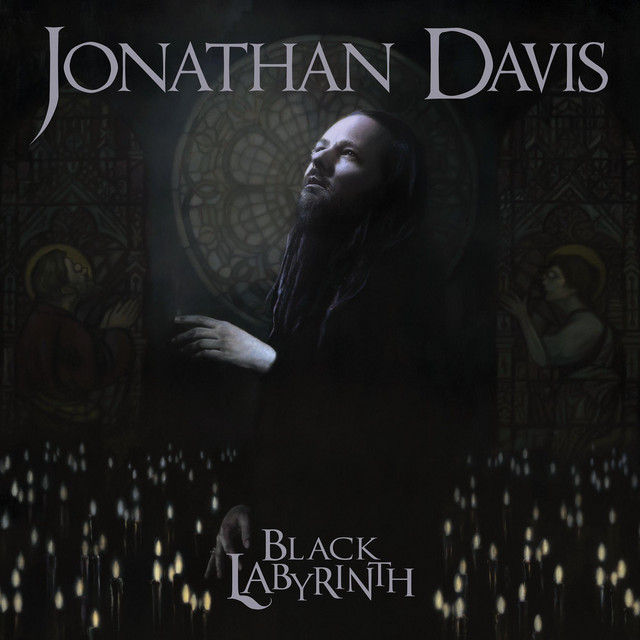
Jonathan Davis · 2018
Producer Programmer -

Jonathan Davis · 2018
Producer -

Asking Alexandria · 2017
Producer -

Asking Alexandria · 2017
Producer -
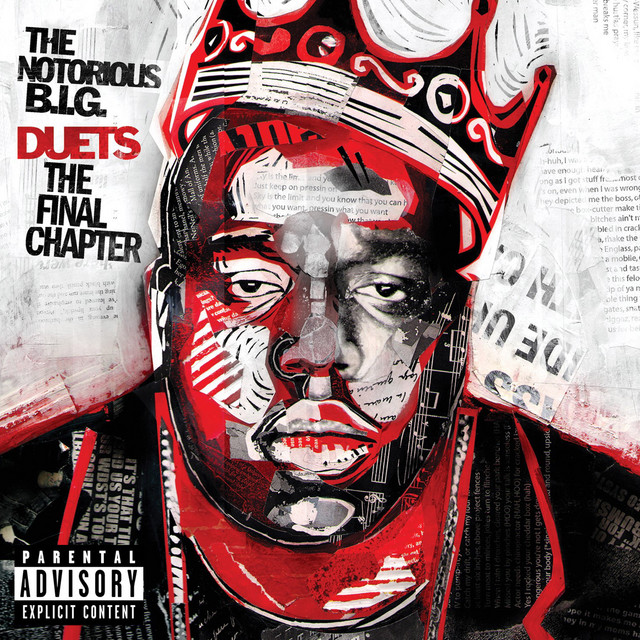
The Notorious B.I.G. · 2005
Producer -
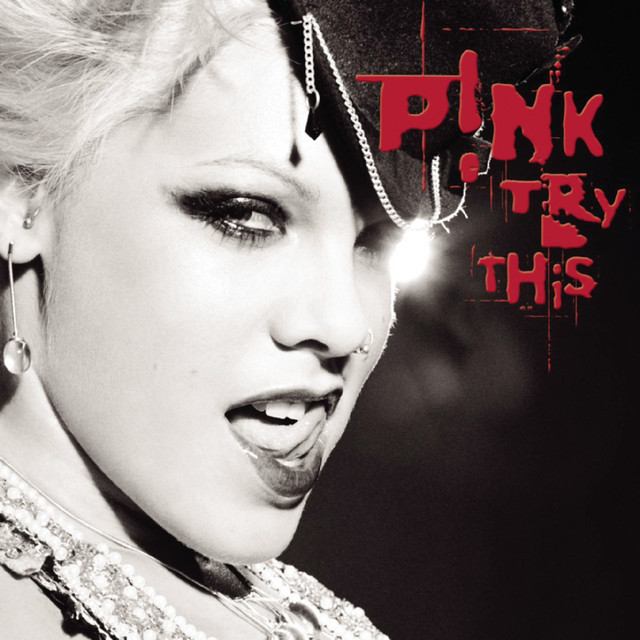
P!nk · 2003
Engineer Producer Programmer -
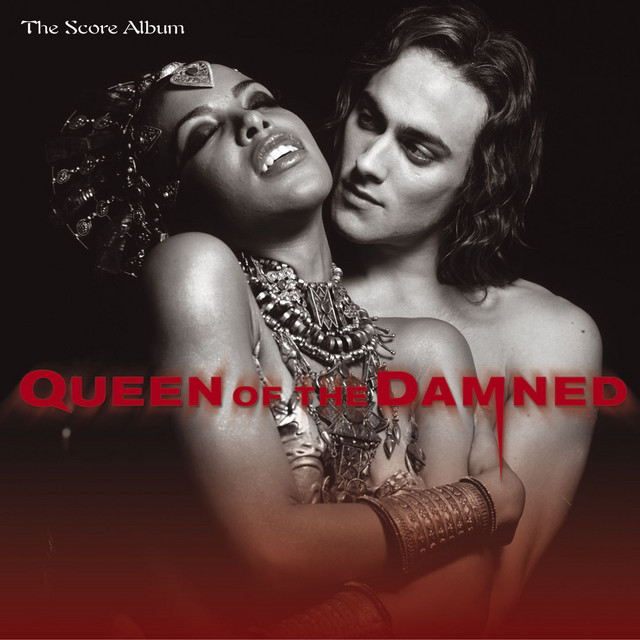
Queen Of The Damned - The Score Album
Jonathan Davis & Richard Gibbs · 2002
Producer