Rick Wakeman
Role
Genre
Group
Role
Genre
Group
Rick Wakeman's Synthesizers



In this video Rick plays most of this song on his K2500x. It's the first keyboard he plays in this song.
Find it on:


The Polymoog 203a can clearly be seen played by Wakeman at 6:52 during these sessions for the Tormato album by Yes. He also used the Polymoog on their previous album Going For The One (most notably for the solo in Wonderous Stories)
Find it on:


The Ensoniq VFX SD can be seen 1:37 in this video. Its June 2020 Reverb.com listing dates it to 1990.
Find it on:
-m.webp?v=1783436380)
A gift from a fan, as specified in its June 2020 Reverb.com listing.
Gifted to Rick by a Fan.
Find it on:

One from 1979 was listed on Reverb.com in June 2020, appearing as number three in Wakeman's top five synths in this July 14, 2020 Music Radar interview. It was purchased by Eric Hilton of Thievery Corporation.
“As well as becoming friends with Bob Moog, I developed a great relationship with Korg during the ‘70s. Back then, there was no such thing as sponsorship. If I wanted a synth, I had to buy it. But the Japanese companies were the first to realise the value of artist promotion. If people saw me playing a Korg synth and they liked the sound, they were going to buy one.
“I was flown out to Japan by the big boss of Korg, Kato San. What an amazing man! He said, ‘Rick, I want you to try all our keyboards. Take them on tour with you’. I was due to start a massive tour of South America and told him that spares might be a problem in the wilds of Argentina. ‘I’ll sort that,’ says Kato San. He flew three of every Korg machine out to South America for me. Ironically, none of them ever broke down.
“The Trident is another synth that’s been all over my music at one time or another, but I always layer it up with other sounds. I do that with all the synths. I don’t like the idea of someone listening to a track and thinking, ‘That’s preset C92’. I like to tweak and play around. The joystick was a useful function… pitch, vibrato and all that. Very plain sounds would suddenly take on a whole new character.”
Find it on:

On Wakeman's official site, it is stated that he uses a Korg MS2000R.
Find it on:
-m.webp?v=1783432829)
In this article, Wakeman was asked 'of the synths you no longer own, which one do you miss the most?' and he responds with the following: "Of synths I no longer own, the answer would probably be the [Sequential Circuits] Prophet-10, with the double-manual keyboard. It was initially misconstrued as just a dual-manual Prophet-5, but this wasn’t the case. It was a different instrument in its own right. I wish I still had mine."
Find it on:


Rick Wakeman writes on his homepage about his equipment. In the category keyboards is the Roland XV-88 Synthesizer. It was listed on Reverb.com in June 2020, which dates it to 1990.
Used with YES
Find it on:

The Kronos can be seen 4:28 into the video.
Find it on:


This is mentioned on rick's website. Two can also be seen in Rick's rig on the Yes DVD "Keys To Ascention".
Find it on:

One from 1970 was used on Tormato, Rick Wakeman's Criminal Record and White Rock, as specified in its June 2020 Reverb.com listing, its mirror listing on Vintage and Rare and the liner notes of Rick Wakeman's Criminal Record. Rick Wakeman used the RMI Keyboard Computer specifically to do realistic cathedral pipe organ sounds.
Used on YES 'Going for the One' and 'Tormato' as well as Rick Wakeman 'Criminal Record' and 'White Rock'
Find it on:

Mentioned in this July 1999 Sound on Sound interview, this November 1, 2013 interview with Astronauta Pinguim and this July 14, 2020 Music Radar interview. One from 1970 was listed on Reverb.com in June 2020.
Sound on Sound, July 1999,
"For touch‑sensitivity, I used the brand new Fatar keyboard. Close your eyes and it really is like playing a piano. All of the piano on the album is real piano [a Steinway 9‑foot]. For soloing, my favourite keyboard is the Minimoog. After the Minimoog, my second favourite is the Roland JD800, which I MIDI up with other instruments. It's interactive — I love being able to fiddle with the knobs as I play. (...)
I remarked that it was good to hear that Rick is still teamed up with his Minimoog, being that they go together like bangers and mash — but then their association goes back a long way. "I bought my first Minimoog from a guy who said it was broken", confides Rick. "He wanted 35 quid for it — and they were £1000 new. I got it back home, plugged it in and found it in perfect working order. I felt honour‑bound to call the guy and let him know I couldn't find anything wrong. He told me that it only played one note at a time! I explained that it was a monophonic synth and was only meant to play one note at a time. He said that that was no good to him, and told me to keep it! Even that amount of money was a lot to me at the time — I was on 20 quid a week with Yes".
Rick's trademark Minimoog sound obviously relies on some subtle use of effects — so what is the secret? "I have my own way of recording the Minimoog. It's all to do with delay. I'm not giving too much away here, but something I always encourage other people to do is to try bringing other effects in on delay repeats. I also use a lot of pre‑delay."
(...) And Rick's famous Minimoog has an amazing sound. It doesn't matter how much is going on in the mix, the Minimoog will cut through!
Astronauta Pinguim, November 1, 2013, "Seven questions to Rick Wakeman"
Rick got his first Minimoog in 1971 from actor Jack Wild (Oliver!), who, not knowing it was monophonic, though it was broken and sold it to Wakeman for half the price it originally costed. (...) I don't know the exact answer, but I think I have probably owned about 20 Minimoogs in my lifetime. I currently have 9. Finding good ones is extremely difficult. I have a very good man who repairs them for me and keeps them in good order. I cannot even imagine not having one."
Music Radar, July 14, 2020, "Rick Wakeman on his top 5 synths: 'I suddenly had an instrument that could give the guitar a run for its money'"
“When you’re making music, you are automatically limited by what you’re able to create. But also limited by what your imagination can conjure up. Does that make sense? It’s a bit like an artist saying, ‘I’m going to paint a picture with a colour blue that hasn’t been invented yet’. If you don’t know what that blue is and there’s no way of getting hold of it, you can’t really paint with it. Getting hold of the Minimoog in 1971 was like finding that colour blue. As well as reds, purples and millions of other colours you’d never thought possible. (...)
“It is and always will be number one for me. The first synth I owned and the one I’ve used most.
“They’re all over the Yes albums. The main theme on And You and I is a good example. Also, that shortish solo on the live version of Starship Trooper.
“The great thing about the Moog - this applied to a lot of those early synths - was that I suddenly had an instrument that could give the guitar a run for its money. I could do crazy solos and turn it up loud. VERY loud! Frequencies that you could never get from a guitar. There’s a specific setting I discovered that would literally rattle your teeth!
“I actually got my first Minimoog off Jack Wild - the former child star who played the Artful Dodger the 1968 film, Oliver! He bought it and thought something was wrong with it because it only played one note at a time. I explained that it was monophonic, but he said, ‘Ah, keep it’. I think I gave him 30 quid. Even if it hadn’t worked, I’d have bought it and had it on stage with me. Just because it looked so fantastic.
“I became good friends with Bob Moog and he invited me over to the offices in the early 70s. ‘There were huge No Smoking signs all over the place. Not very rock ‘n’ roll, I thought. I asked Bob about it and he explained that their place in Buffalo was an old munitions factory. He lit a match and threw it on the floor.
“Crackle-crackle-fizzle, all around our feet. All those lovely Moogs were surrounded by explosive dust!”
Reverb.com, June 2020, "Moog MiniMoog Model D owned & used by Rick Wakeman of YES 1970 Natural"
Used on Various Tours by Rick with Yes as well as on solo projects
Note - Rick is on of the worlds most prolific of all Mini Moog Users
Find it on:


On Wakeman's official site, it is stated that he uses a Korg Trinity.
Find it on:
-m.webp?v=1782831536)
On Wakeman's official site, it is stated that he uses a Korg Prophecy. Its June 2020 Reverb.com listing dates it to 1990.
Find it on:

Rick Wakeman, a long-time Roland user, recently used the Roland Fantom-X8 synthesizer for live performances, as noted by Starmus.
Find it on:

Rick Wakeman includes the Korg Karma, known for its distinctive red design, among his collection of keyboards, as noted on the RWCC website under YES Equipment.
Find it on:

On Rick Wakeman´s official website he writes that he uses the Roland RD-700 piano.
Find it on:


V Synth used underneath the Kronos in the ARW tour
Find it on:


Specified in this December 1, 2016 equipment overview video. It is also mentioned in this July 1999 Sound on Sound interview and this July 14, 2020 Music Radar interview covering Wakeman's top five synths.
Sound on Sound, July 1999, "Rick Wakeman - Recording Return To The Centre Of The Earth"
"For touch‑sensitivity, I used the brand new Fatar keyboard. Close your eyes and it really is like playing a piano. All of the piano on the album is real piano [a Steinway 9‑foot]. For soloing, my favourite keyboard is the Minimoog. After the Minimoog, my second favourite is the Roland JD800, which I MIDI up with other instruments. It's interactive — I love being able to fiddle with the knobs as I play. From Roland's point of view the machine was almost a total disaster. They brought it out at a time when people didn't want to play around with sound, but that's all changed. I have a sneaking suspicion that the JD800 will be discovered by some spotty little 19‑year old, who thinks 'this is great' — it'll appear on Top Of The Pops, and then we'll all be searching for JD800s! Other favourites include Korg's 01W ProX and X5DR."
Music Radar, July 14, 2020, "Rick Wakeman on his top 5 synths: 'I suddenly had an instrument that could give the guitar a run for its money'"
“I hope you’ll indulge me with one digital machine. By the time the ‘90s came around, synths were getting pretty boring. It was all about presets. Here you go, lots of lovely sounds that we’ve programmed for you. I didn’t want that. I wanted a synth that you could get your teeth into.
“This was the first digital one that reminded me of the early days… plenty of knobs and sliders to play with. And even though it was digital, it had some nice, analogue-y sounds.
Find it on:


This image shows Rick playing his Roland AX-7 keytar
Find it on:

Rick Wakeman utilizes the Korg Wavestation, as credited on his album "The Classical Connection," available on Discogs.
Find it on:

"Used live since 1976", as specified in its June 2020 Reverb.com listing. In this YouTube video (concert footage from 1981) Rick Wakeman plays the Korg Sigma, for example with a trumpet like lead sound (starting at 4:55).
Find it on:

Rick Wakeman of Yes owned and used a Korg DW-8000 synthesizer, as listed on Reverb.com in June 2020. The DW-8000 was integral to Yes's sound in the mid to late 1980s, and fans can even download a bank of Yes sounds for this synth from Pallium.
Find it on:
This is a community-built gear list for Rick Wakeman.
- Find relevant music gear like Pianos, Keyboards and Synthesizers, Microphones, and other instruments and add it to Rick Wakeman.
- The best places to look for gear usage are typically on the artist's social media, YouTube, live performance images, and interviews.
- To receive email updates when Rick Wakeman is seen with new gear, follow the artist.
Discography
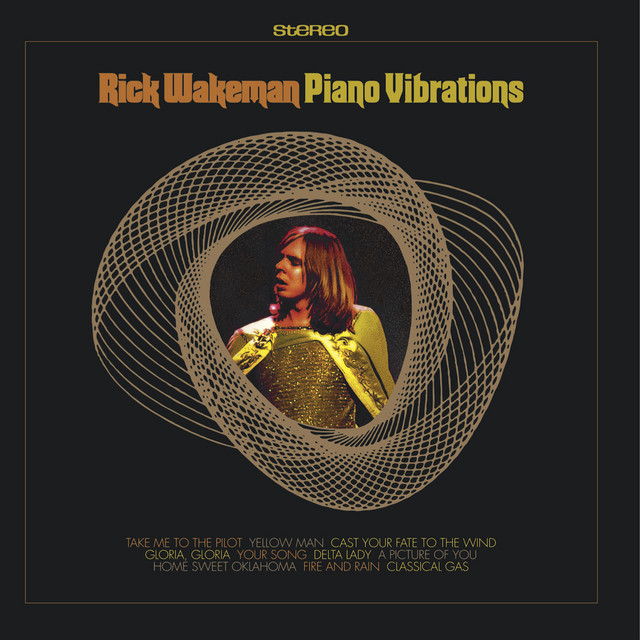
Piano Vibrations
1971
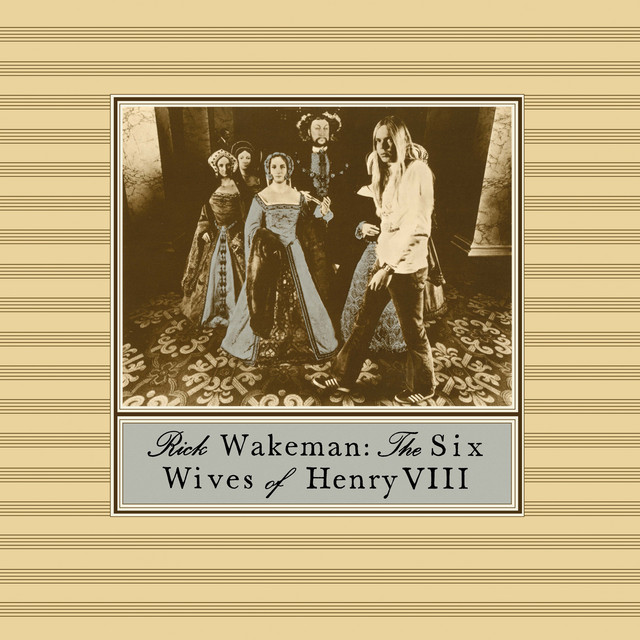
The Six Wives Of Henry VIII
1973
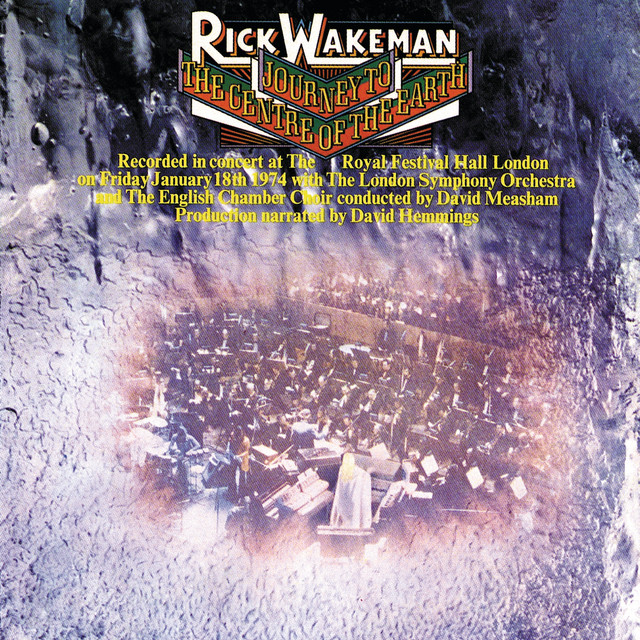
Journey To The Centre Of The Earth
1974
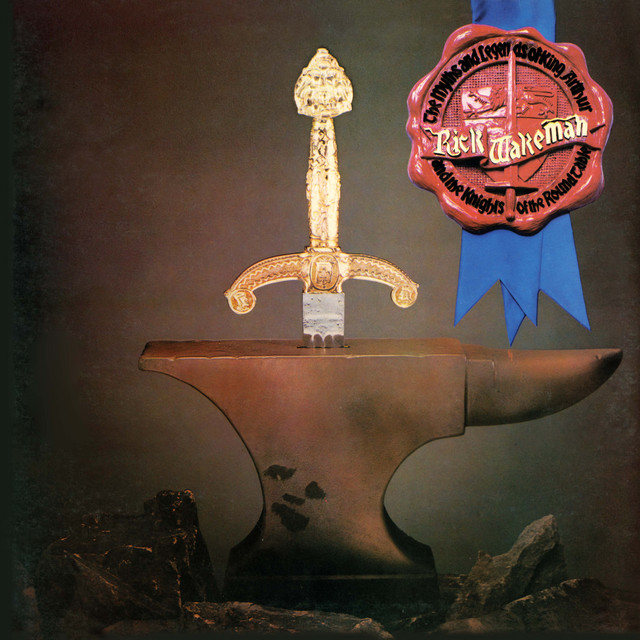
The Myths And Legends Of King Arthur And The Knights Of The Round Table
1975
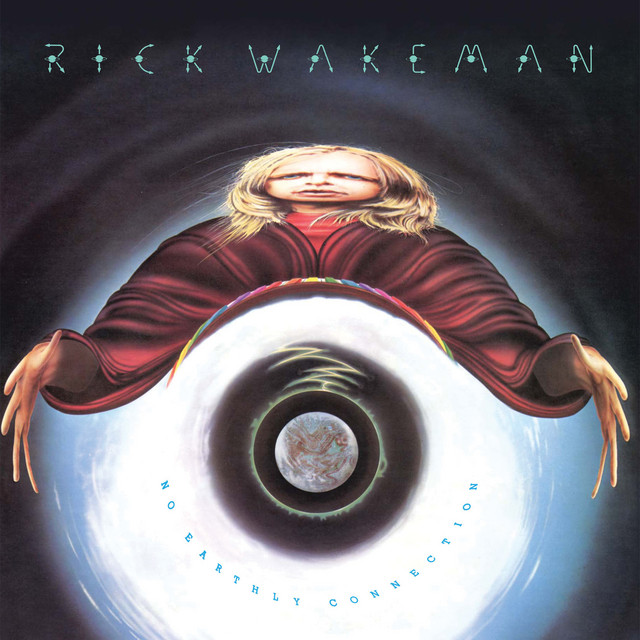
No Earthly Connection
1976
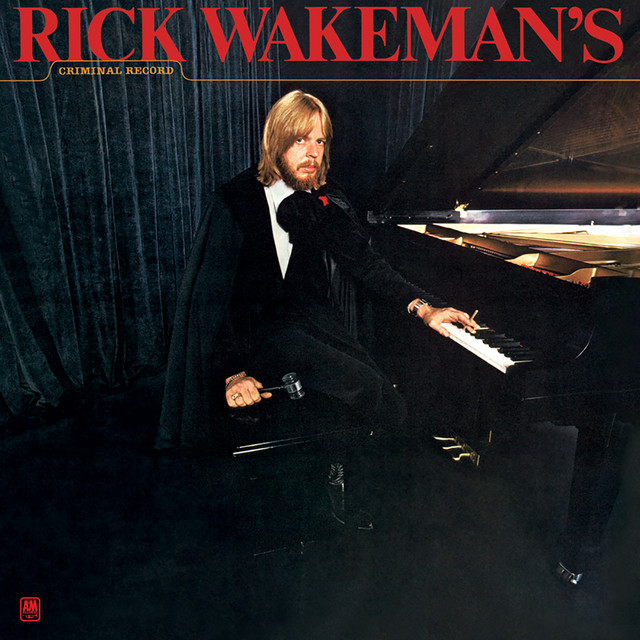
Criminal Record
1977
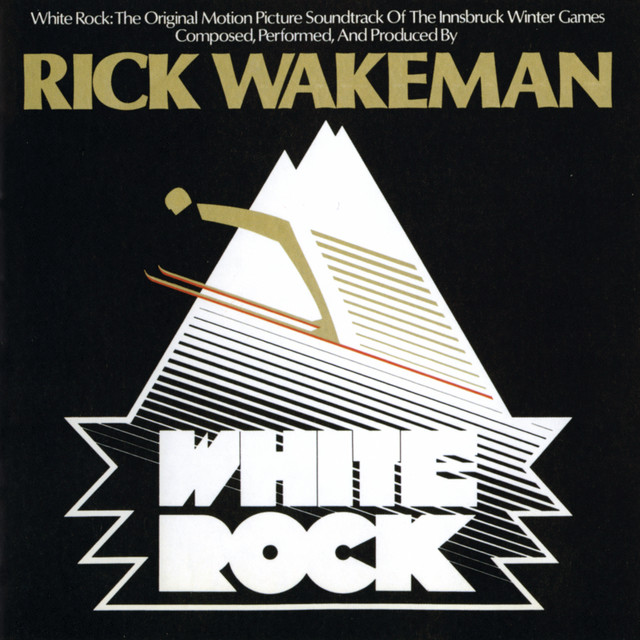
White Rock (Original Motion Picture Soundtrack)
1977
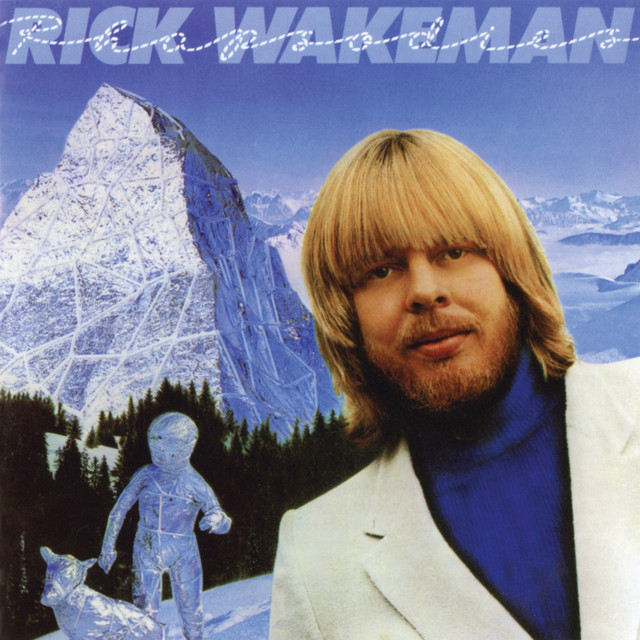
Rhapsodies
1979
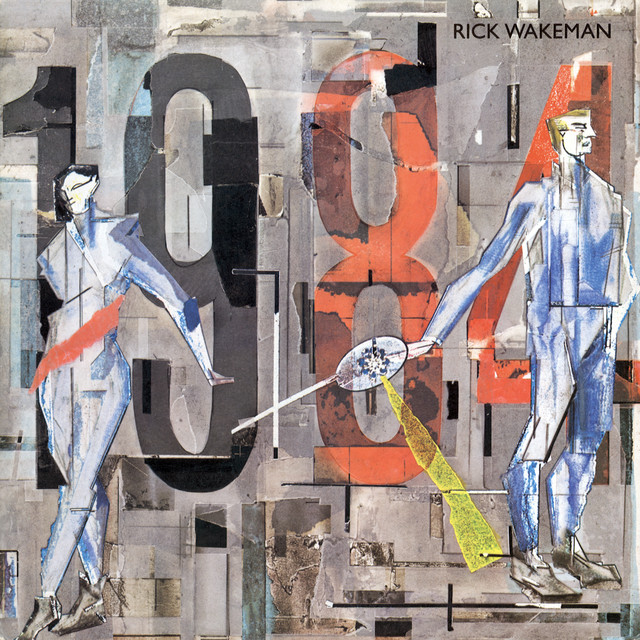
1984
1981
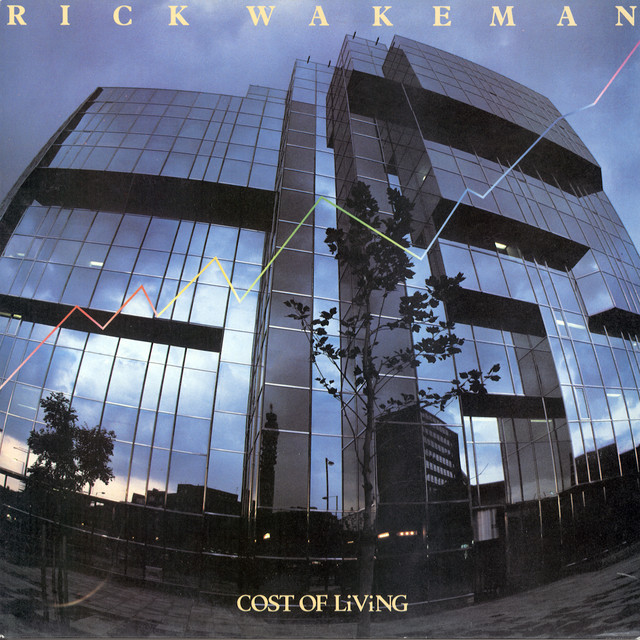
The Cost Of Living
1983
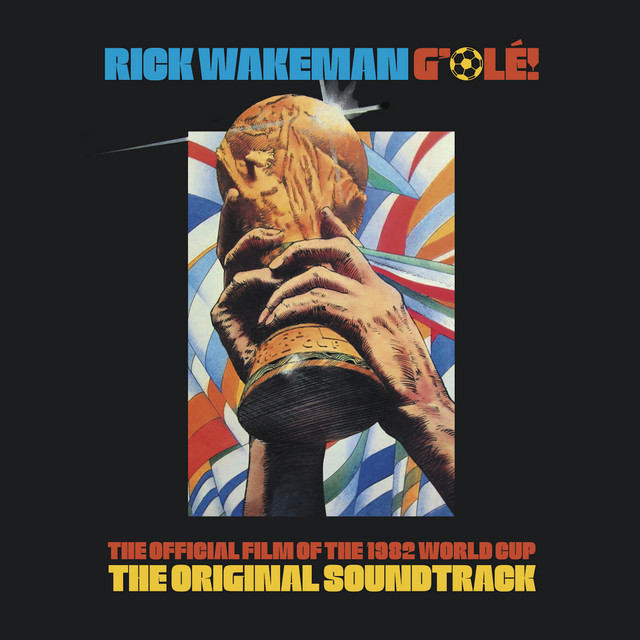
G'ole (Original Motion Picture Soundtrack)
1983
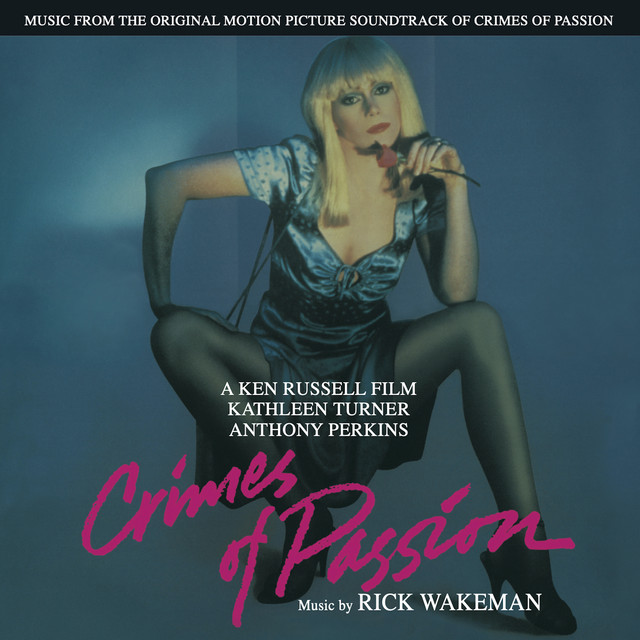
Crimes of Passion (Original Motion Picture Soundtrack)
1984
Album Credits
-
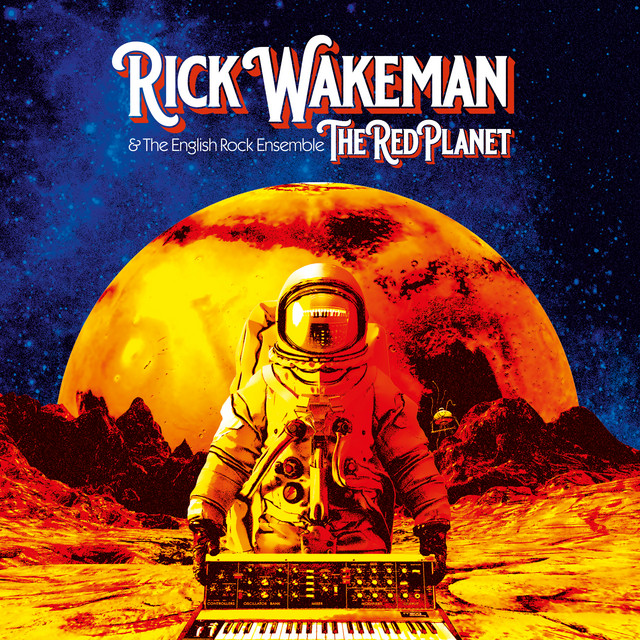
Rick Wakeman · 2020
Producer -
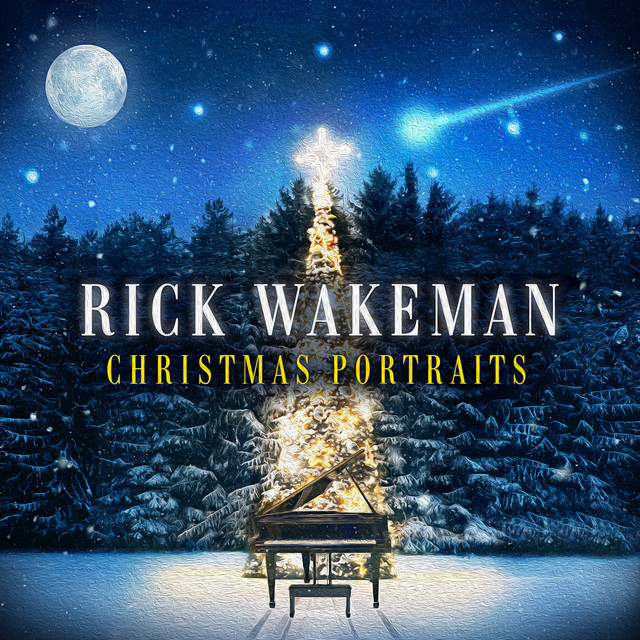
Rick Wakeman · 2019
Producer -
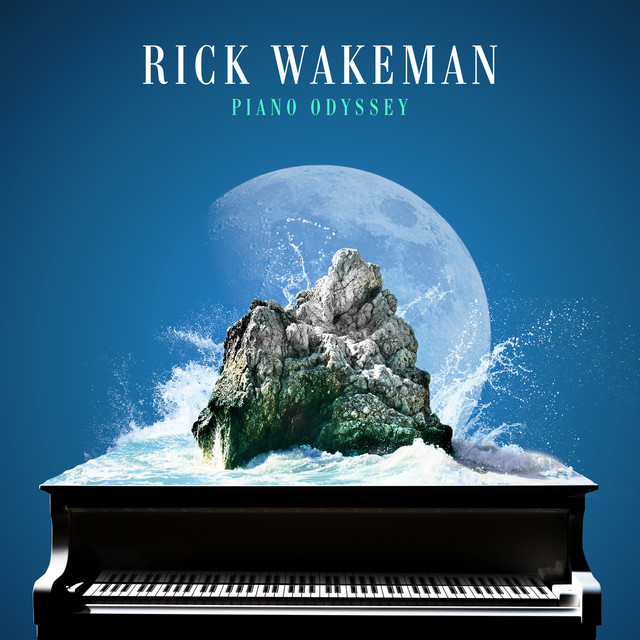
Rick Wakeman · 2018
Producer -
Rick Wakeman · 2017
Producer -
The Myths and Legends of King Arthur and the Knights of the Round Table
Rick Wakeman · 2016
Producer -
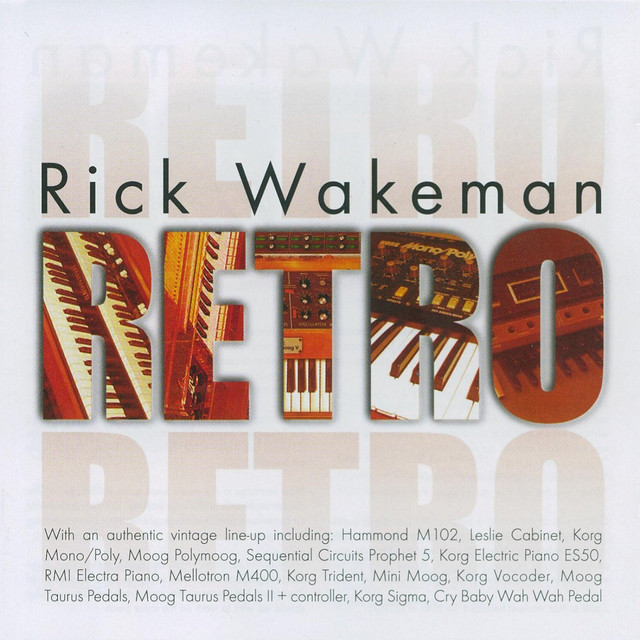
Rick Wakeman · 2006
Producer -
Rick Wakeman · 2003
Producer -
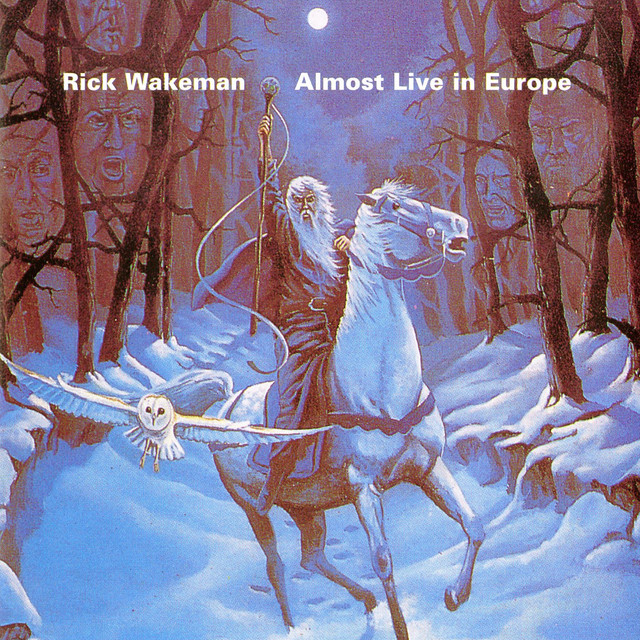
Rick Wakeman · 2002
Producer -
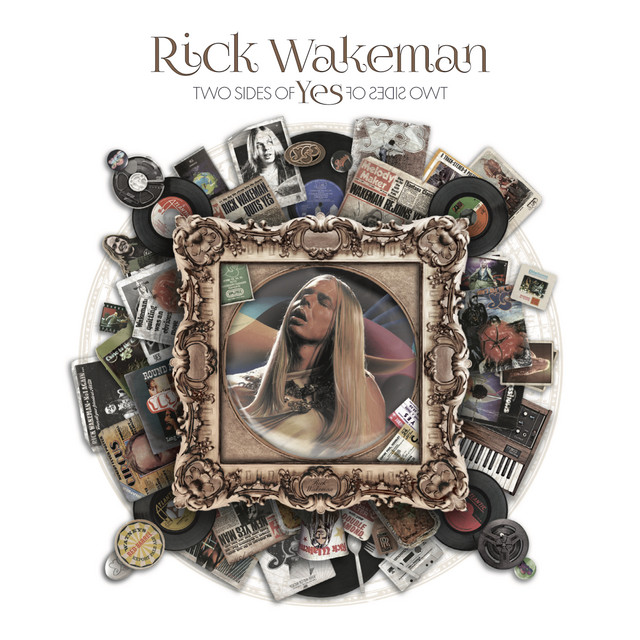
Rick Wakeman · 2001
Producer -
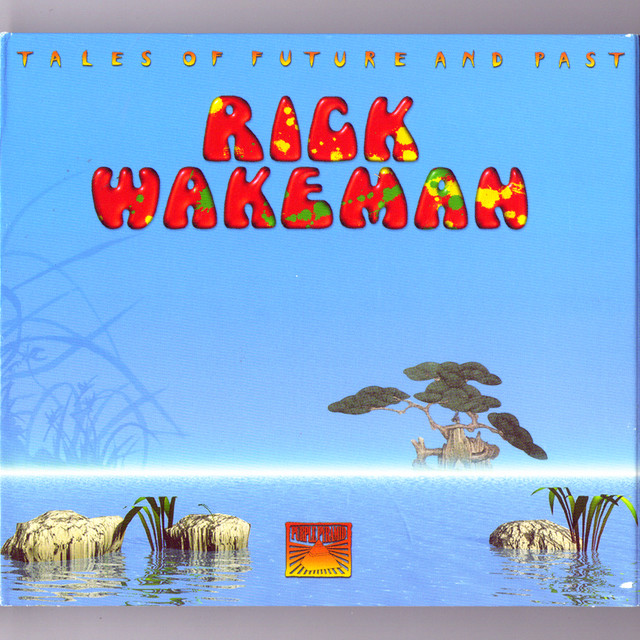
Rick Wakeman · 2001
Producer -
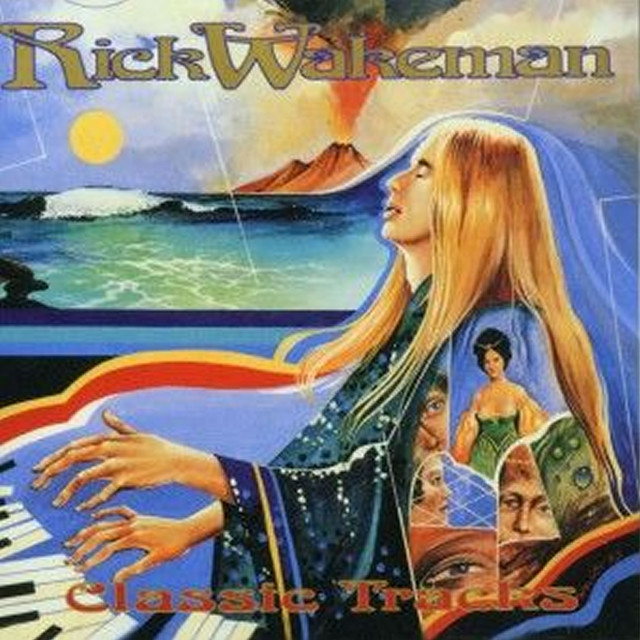
Rick Wakeman · 2001
Producer -
Rick Wakeman · 2000
Producer



.jpeg?v=1783065966)