Tony Visconti
Role
Genre
Group
Role
Genre
Group
Tony Visconti's Studio Equipment

-m.webp?v=1783238222)
Visconti states in this interview with Roland: "I first bought a Jupiter-8 in the ‘70s: I still have it and it still works fantastically well. My oldest son, Morgan, started playing on that thing when he was about ten. It’s been in the family for years and it still gets used on recordings. Since then, I’ve had most of the Roland keyboards and modules like the XP-80, Fantom, JV-1080, XV-5080 and even the M-GS64. Back in the ’80s, I was programming with the MC-4 for The Moody Blues and others."
Find it on:


In this Sound On Sound article, there is a photo of Visconti's gear, which includes an Alesis 3630.
Find it on:

Visconti says that the basic vocal chain on the album consisted of Bowie's own Manley Gold Reference Mic into an Avalon mic pre, into an LA-3A compressor and a Focusrite Red EQ, then into an Apogee 8000 A/D converter and a G4 Mac running Logic Audio. “I started recording vocals on analog, as I did with all of the drums [16-track at 15 ips with Dolby SR, or 30 ips with no noise reduction — I consider it to be the ultimate tape format,” Visconti says, but the lock-up became tedious, so we stayed in the digital realm — 24-bit, 44.1k]. On one song, ‘I Took a Trip on a Gemini Spacecraft,’ I used a Shure SM57 to get a rockier sound, but I later regretted that because the Manley spoiled me rotten. It's such a sweet mic, very musical in the midrange. The Manley mic vocals just leapt out of the mixes, whilst the 57 needed lots of EQ, compression and, ultimately, de-essing to get it above the mix.”
Find it on:

Tony Visconti talking about the Eventide H910 Harmonizer.
Find it on:

In this Sound On Sound article, there is a photo of Visconti's gear, which includes a Presonus ACP88.
Find it on:

"Since then, I’ve had most of the Roland keyboards and modules like the XP-80, Fantom, JV-1080, XV-5080 and even the M-GS64. Back in the ’80s, I was programming with the MC-4 for The Moody Blues and others."
Find it on:

"Since then, I’ve had most of the Roland keyboards and modules like the XP-80, Fantom, JV-1080, XV-5080 and even the M-GS64. Back in the ’80s, I was programming with the MC-4 for The Moody Blues and others."
Find it on:

Visconti says that the basic vocal chain on the album consisted of Bowie's own Manley Gold Reference Mic into an Avalon mic pre, into an LA-3A compressor and a Focusrite Red EQ, then into an Apogee 8000 A/D converter and a G4 Mac running Logic Audio. “I started recording vocals on analog, as I did with all of the drums [16-track at 15 ips with Dolby SR, or 30 ips with no noise reduction — I consider it to be the ultimate tape format,” Visconti says, but the lock-up became tedious, so we stayed in the digital realm — 24-bit, 44.1k]. On one song, ‘I Took a Trip on a Gemini Spacecraft,’ I used a Shure SM57 to get a rockier sound, but I later regretted that because the Manley spoiled me rotten. It's such a sweet mic, very musical in the midrange. The Manley mic vocals just leapt out of the mixes, whilst the 57 needed lots of EQ, compression and, ultimately, de-essing to get it above the mix.”
Find it on:

As producer, engineer and arranger to David Bowie classics The Man Who Sold the World, Diamond Dogs, Young Americans, Low, Heroes, Lodger and Scary Monsters, Tony Visconti’s contribution was a significant one, and he has been working on 5.1 remixes of selections from the Bowie catalog, including Stage and David Live. Those remixes allowed Visconti to revisit some of his early work, but and was the catalyst to update his studio at Philip Glass’ Looking Glass Studios in New York with a Yamaha DM2000 digital mixing console and MSP10 studio monitors, plus LOGIC 6.4.2 and Pro Tools 6.2 recording media.
Find it on:

'I've experimented with a Sony F1 for digital mastering and this is a good system if you want to run off lots of cassette copies as the master doesn't deteriorate. I don't really like the sound of digital recordings though because you miss all that tape compression that you've been used to all these years, so digital tends to sound a bit thin. It's a bit like the valve versus transistor argument all over again. A cassette copied from the F1 actually sounds better than the original due to tape saturation fattening up the sound.'
Find it on:

"For monitoring I've got a pair of little Akai speakers and I find the better Sony lightweight headphones good for monitoring in the presence of neighbours. As well as the odd few guitars and a sadly neglected sitar, there are a few synths including a Roland Jupiter 8 and a DX7 and of course a LinnDrum."
Find it on:

It is stated that: "Good Earth Studios boasted a floor space of 582 square feet and was L-shaped with two isolation booths and a Steinway grand piano. It was especially famous for its large, split-level control room, which was initially equipped with a Trident B-Range 24/16 desk and an MCI 16-track, augmented by a Trident Fleximix console."
Find it on:
This is a community-built gear list for Tony Visconti.
- Find relevant music gear like Studio Equipment, Software Plugins and VSTs, Headphones, and other instruments and add it to Tony Visconti.
- The best places to look for gear usage are typically on the artist's social media, YouTube, live performance images, and interviews.
- To receive email updates when Tony Visconti is seen with new gear, follow the artist.
-
Added to Equipboard on by
 haas123
Gear IQ 21966
-
Updated
Discography
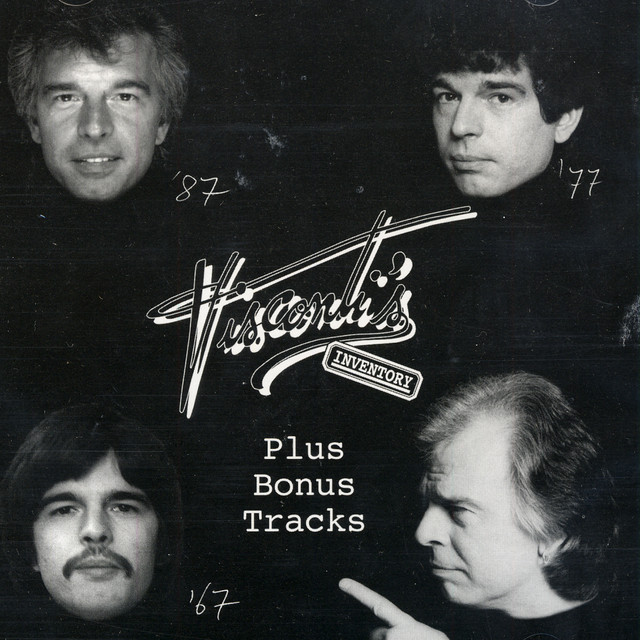
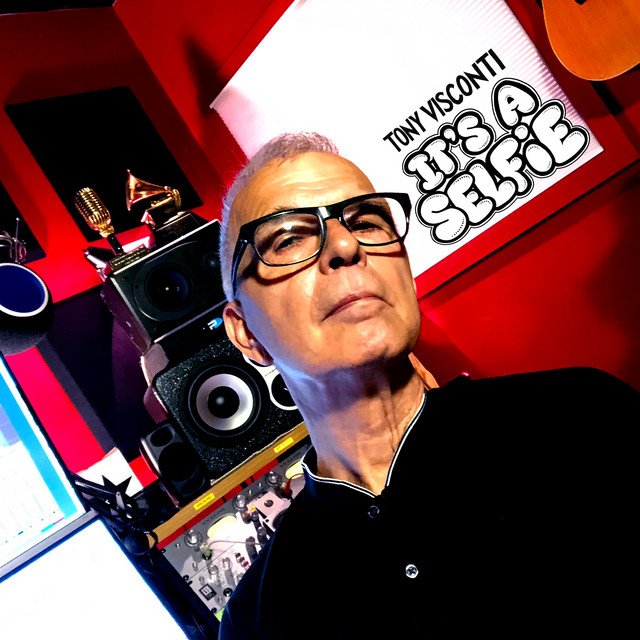
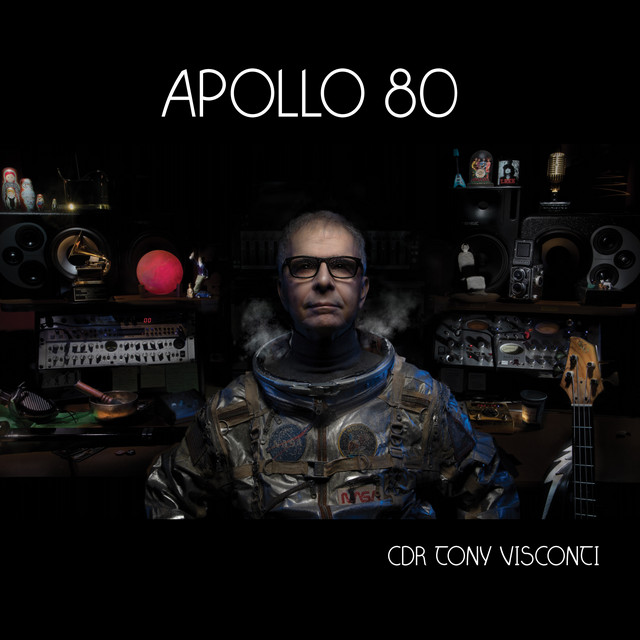
Album Credits
-
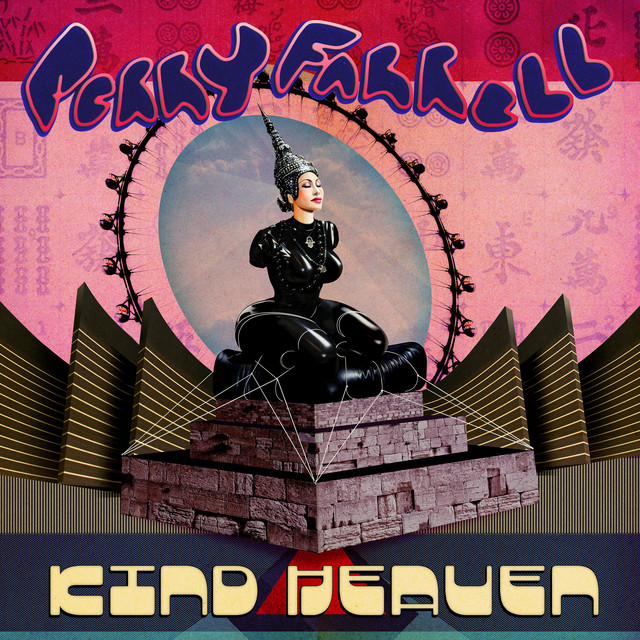
Perry Farrell · 2019
Engineer Producer -
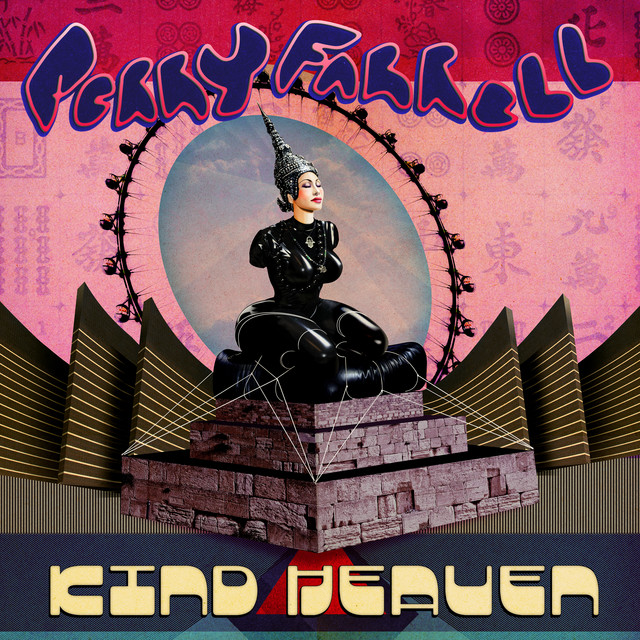
Perry Farrell · 2019
Engineer Producer -
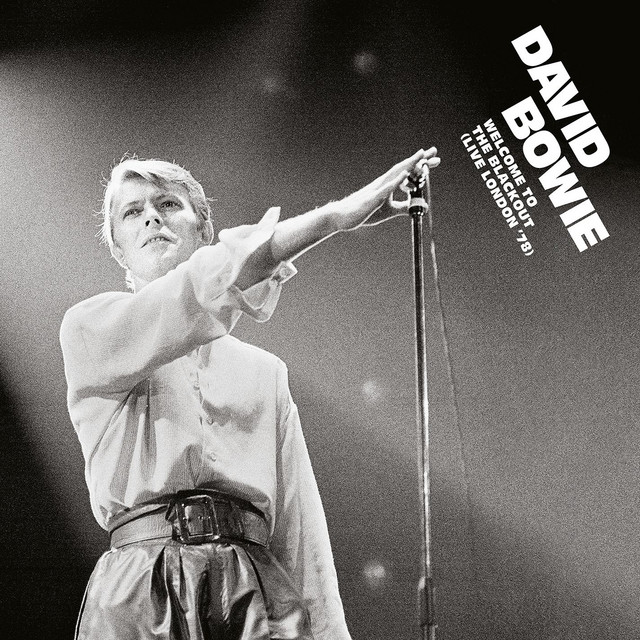
Welcome To The Blackout (Live London '78)
David Bowie · 2018
Recording Engineer -
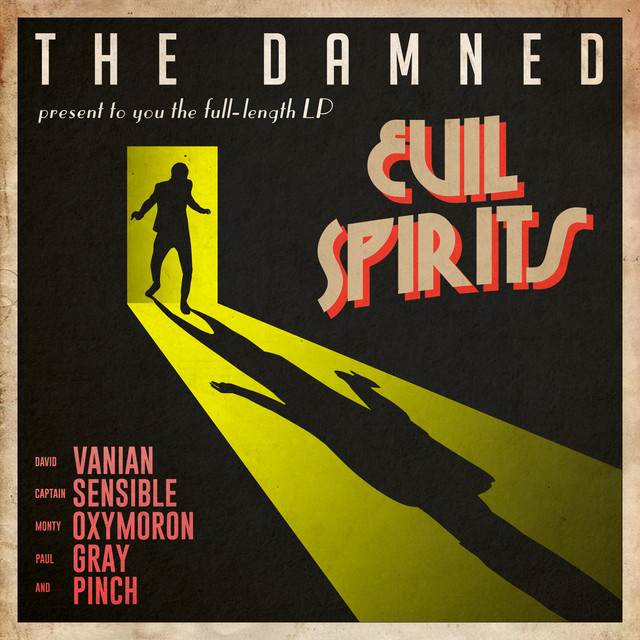
The Damned · 2018
Producer -

David Bowie · 2015
Engineer Mixing Engineer Producer -

David Bowie · 2015
Engineer Mixing Engineer Producer -

Annie Haslam · 2014
Producer -
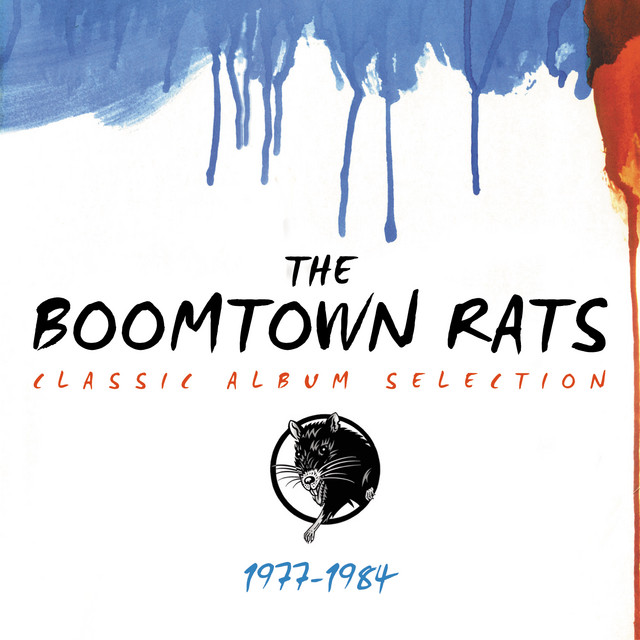
Classic Album Selection: Six Albums 1977-1984
The Boomtown Rats · 2013
Producer -
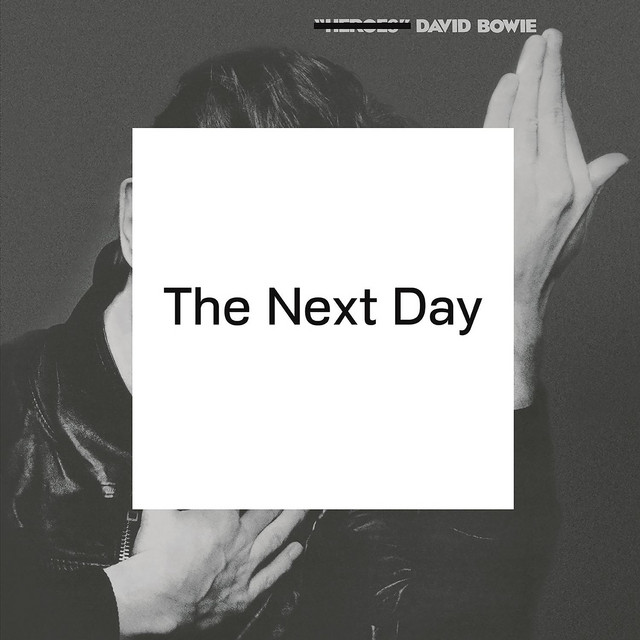
David Bowie · 2013
Engineer Mixing Engineer Producer -
David Bowie · 2013
Engineer Producer -

Alejandro Escovedo · 2012
Mixing Engineer Recording Engineer -
Alejandro Escovedo · 2010
Producer