This page about Roland MC-4 MicroComposer is a stub. You can help improve it:

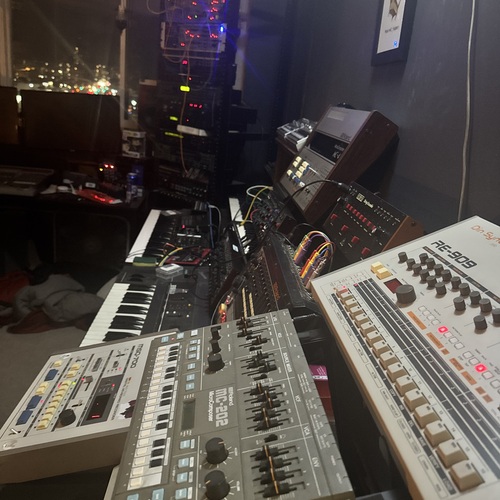

Pricing and availability




* Product prices and availability are updated by Equipboard every 24hrs and are subject to change. Equipboard may receive compensation for purchases made at participating retailers linked on this site. This compensation does not affect what products or prices are displayed, or the order of prices listed. For more information, please refer to our affiliate disclosure.
Description
Step into the world of classic electronic music production with the Roland MC-4 MicroComposer, a vintage gem that has earned its place in audio sequencing history. Originally released in the early 1980s, this iconic sequencer was pivotal in shaping the sound of contemporary music. Known for its robust and precise control, the MC-4 offers a hands-on approach to sequencing, enabling musicians and DJs to craft intricate compositions with ease.
The MC-4's powerful features include multi-track sequencing capabilities, allowing users to program complex rhythms and melodies. Its compatibility with a wide range of synthesizers and drum machines via CV/Gate outputs makes it an essential tool for any serious music producer looking to integrate a vintage touch into their setup. The sequencer's intuitive interface facilitates meticulous editing and programming, providing a clear path from creative idea to musical reality.
While its technology hails from the early days of electronic music, the Roland MC-4 remains a coveted piece of gear for those who appreciate its historical significance and the unique sound it can bring to modern productions. Whether you're a seasoned electronic musician or a DJ looking to explore new sonic territories, the MC-4 invites you to experiment and innovate with timeless precision.
Key Features:
- Multi-track sequencing capability
- CV/Gate outputs for integrating with vintage and modern synths
- Intuitive interface for detailed programming
- Historically significant in electronic music production
- Ideal for DJs and producers seeking vintage sound integration
Videos

Alex Ball
Roland MC-4: The 1981 Music Computer
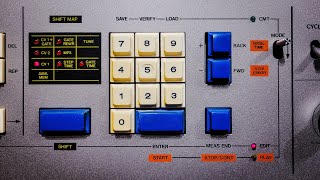
Roland MC-4: The 1981 Music Computer
Alex Ball
<解説3>MC-4 Digital Sequencer (Roland)

Genius Anz’s movie vault / Retro and Latest tech!
Roland MC4 - my first sequence!

Analogue Solutions
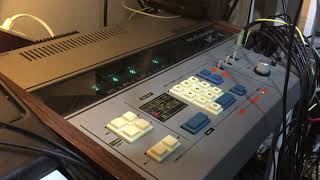
Demo of a Roland MC-4 playing a Juno-6

ringroad
MC-4 Electro Jam

ALM TV
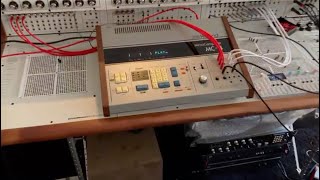
Vivaldi "Four Seasons" on the Colossus Synthesizer and Roland MC-4
Analogue Solutions
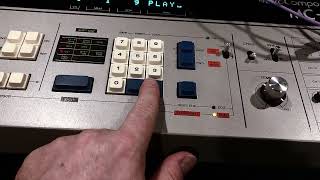
benge MC4

Memetune Studio
Reviews
Owner Insights
We analyzed real musician discussions from forums and Reddit to find what players love, question, and tweak about Roland MC-4 MicroComposer.
Features and functionality
-
The Roland MC-4 is known for its cumbersome data input method, often compared to using a 1970s accounting machine, making it challenging for quick music creation.
Source -
The MC-202's filter accent can mimic TB-303-like effects, adding significant character to sequences but is often overlooked due to its complex sequencer.
Source
Comparisons
-
Users frequently cite the MC-4's sequencer as being inferior to others, even ranking it below the much-criticized TB-303 sequencer.
Source -
The MC-4 is often compared unfavorably to the Cirklon, which is seen as a more modern, versatile sequencer option available in the market.
Source -
Despite sharing internals with the SH-101, the MC-202 is noted for a thinner sound, making it more suited to lead sounds rather than bass-heavy applications.
Source
Value and pricing
-
Despite its cumbersome interface, the MC-4 is a sought-after item, with original units fetching prices around $4000, indicating high collector interest.
Source
User experience
Use cases and applications
-
The MC-202 excels at programming swing-type grooves, though it requires meticulous pre-planning due to the sequencer's complexity.
Source
5.0 out of 5
Based on 0 Reviews and 1 Rating
Artist usage
Add artist

From an interview with Clash Music:
CLASH MUSIC: You say you often change your set-up and the way you do things, what did you change and get into for the Analord series?
APHEX TWIN: Most of it was sequenced on an MC4 and other analogue sequencers.

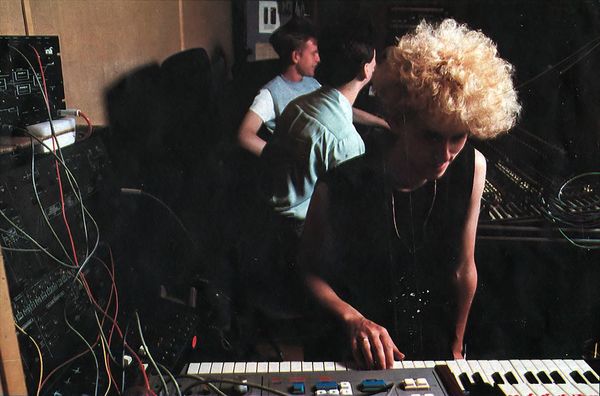
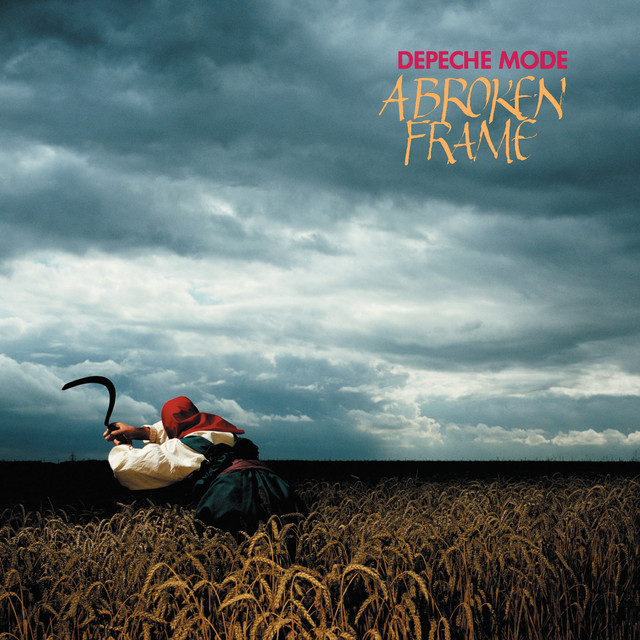
Martin Gore used a Roland MC-4 sequencer in the production of A Broken Frame. It is just visible at the bottom of the image.
From One Two Testing magazine, November 1982 (also the source of the image, http://www.muzines.co.uk/articles/when-the-wave-forms/4617#):
Time to change the subject. What's been the greatest advance in the studio?
Martin: 'I think probably the Roland MC4, that was a big breakthrough.'
The MC4 is the second in Roland's series of Microcomposers — very sophisticated computer-based sequencers that are able to control several synthesisers at once. Information is fed into them via a keypad on the front and with the right numbers you can dictate timing, pitch, duration and dynamics of each note, rub out the ones you don't want or rearrange whole sections to make up a song.
'We use it in the studio to run sequences and Danny has an old Roland SH-1 synth where each key has a number written on it in red. That's the number you put into the MC4 to get that note. It's also useful because I can take it home and work on a song, then bring it to the studio and play it back. Even if you don't use any of the riffs or sequences you've still got the length of the song programmed in.
'One of the disadvantages is that it won't run the PPG.'
'Yea,' continues an irate Andy. 'It's annoying that different synthesiser makers won't put in the right clocks and gates so you can use their equipment with someone else's. They all want you to carry on buying their gear, but every firm is good at some things and not at others so you'll always want to swap around.'
It's true that PPG are planning to bring out their own computer to operate the Wave, but right now, in Blackwing studio, that's no great help. Depeche did consider using the MC4 for live work, either alongside or possibly in place of the Teac tape. But it's the fear of road failure that keeps them off the idea.
'We have to be our own roadies at the airports. We each get a trolley,' explains Dave, 'and we see how the stuff comes down the chute: CRASH! I don't think the MC4 could stand it. If that went wrong on stage, you've had it. At least with a tape you can rewind and start again.'


Sakamoto uses the MC-4 circa 1982.

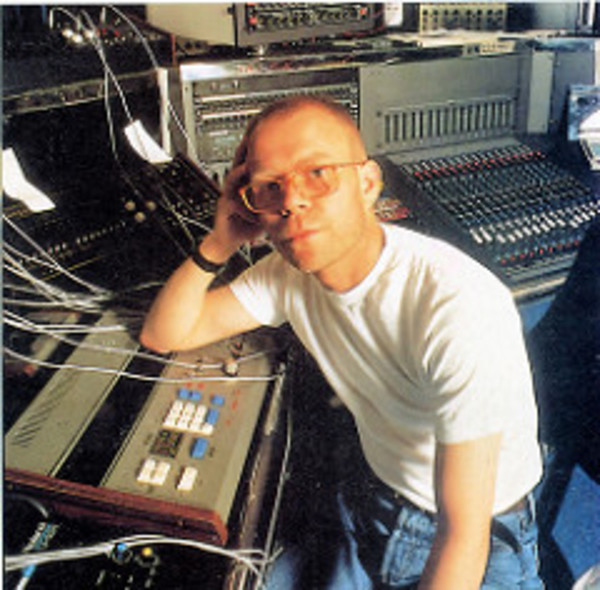
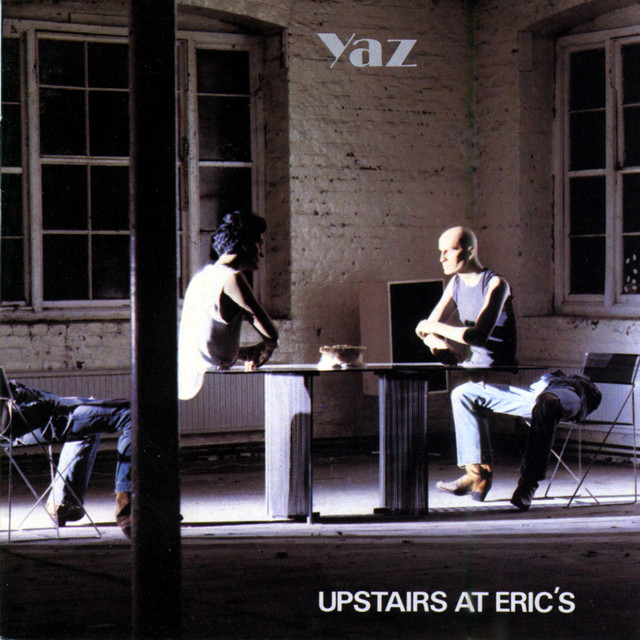
Vince Clarke using the MC-4 - Vince Clarke began using the MC-4 on Yazoo's debut album Upstairs at Eric's in 1982.

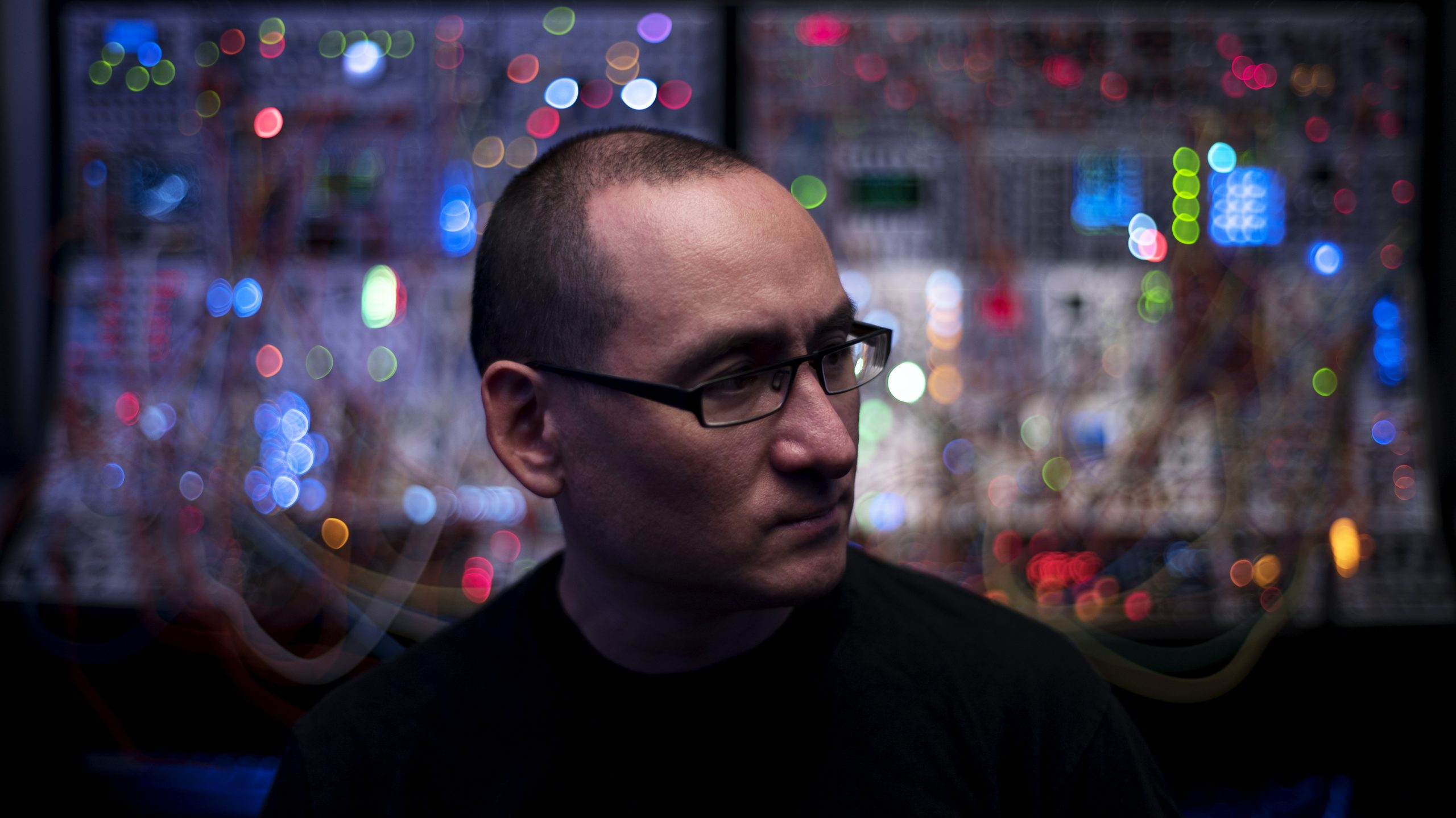
"Sometimes, I’d sample them and then use them on a track along with other sequencers. With this gear, I started building up my first studio tracks. I also acquired a Roland MC-4 sequencer that I used with my Roland Jupiter-4 and MC-202."


the Roland MC-4 can be seen behind Svein throughout this TOTP performance


In the March 1983 issue of EMM, Roland Orzabal discusses the utility of the Roland MC-4 MicroComposer for creating multi-layered sequences.

In an undated interview with Steelberry Clones, Daniel B. of Front 242 discussed his progression through music technology. Paraphrasing/translating for Daniel, the interviewer wrote:
Personally Daniel did not want to learn any instrument, although started as a drummer, so he ventured into the field of synthesizers. actually his first synthesizer was a Roland System 101 back in the 70’s. Things like the Fairlight was far too expensive, but the fact that Daniel got a job in a music shop allowed him to explore a lot of the new gear that came about, e.g. the Roland MC4 Micro Composer. (The MC-4 MicroComposer was an early microprocessor-based music sequencer released by the Roland Corporation. It could be programmed using the ten key numeric keyboard or a synthesizer keyboard using the keyboards control voltage and gate outputs.) So in summary Daniel says that his biggest influence was through the love of machines.

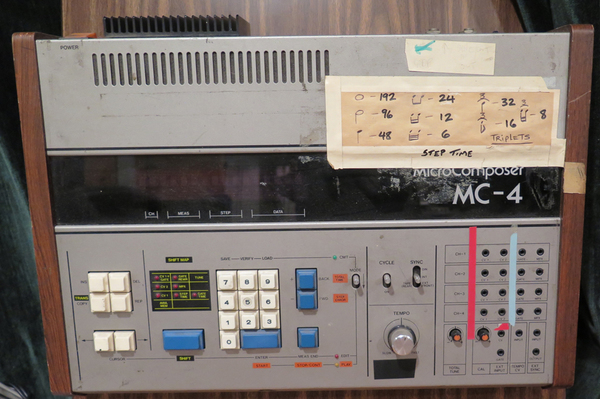
Here’s a photo of Steve Porcaro’s microcomposer sourced from an interview with KVR audio. He used the microcomposer on Michael Jackson’s Thriller. For example, the ostinato pattern in Human Nature, which he sequenced with the Jupiter-8.


In this profile from the May 1982 issue of Electronics & Music Maker magazine, Keith states that he used an MC-4.

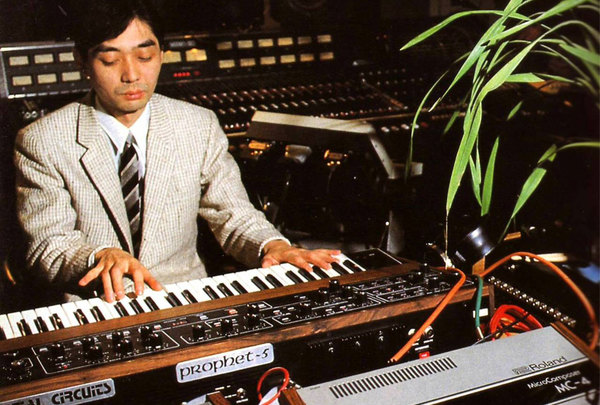
MC4 is visible in the lower right corner.


Album Usage
The Roland MC-4 MicroComposer has been featured on the following albums:
Genre Usage
Based on how artists on Equipboard use this gear, it is most commonly found in the following genres.
Used With
Based on how musicians on Equipboard use Roland MC-4 MicroComposer, it is most commonly used with the following gear.
-s.webp?v=1784331669)


-s.webp?v=1784331777)


Community setups
Show yoursMore Roland Audio Sequencers

$388.57 - $1,100.00
in Audio Sequencers Rank


$299.00
in Audio Sequencers Rank


$140.00
in Audio Sequencers Rank


$2,300.00
in Audio Sequencers Rank


$105.00
in Audio Sequencers Rank


$175.00
in Audio Sequencers Rank


$169.00
in Audio Sequencers Rank


$650.00
in Audio Sequencers Rank


$65.00
in Audio Sequencers Rank


$235.00
in Audio Sequencers Rank


$135.00
in Audio Sequencers Rank


$99.00 - $273.00
in Audio Sequencers Rank


$103.25 - $149.99
in Audio Sequencers Rank


$83.00 - $99.00
in Audio Sequencers Rank


$477.00 - $612.99
in Audio Sequencers Rank


$1,495.00
in Audio Sequencers Rank


$633.67
in Audio Sequencers Rank


$299.00
in Audio Sequencers Rank


$211.00 - $329.99
in Audio Sequencers Rank


$1,495.00
in Audio Sequencers Rank


$1,434.73
in Audio Sequencers Rank

-m.webp?v=1784336460)
$1,222.00 - $1,313.98
in Audio Sequencers Rank


$83.00 - $99.00
in Audio Sequencers Rank

$195.00 - $368.46
in Audio Sequencers Rank


$199.99 - $430.55
in Audio Sequencers Rank


$25.00 - $119.95
in Audio Sequencers Rank


$621.72 - $1,199.00
in Audio Sequencers Rank


$546.99
in Audio Sequencers Rank


$499.00 - $525.00
in Audio Sequencers Rank


$1,290.00
in Audio Sequencers Rank


-m.webp?v=1784332394)


$298.90
in Audio Sequencers Rank


$105.00
in Audio Sequencers Rank

Similar


Gear Guides





Most Popular Audio Sequencers
Most Popular Brands
-
Added to Equipboard on by
 simfonik
GearIQ 2532
-


