Ric Ocasek
Role
Genre
Group
Role
Genre
Group
Ric Ocasek's Gear


Ric Ocasek of The Cars used a Dean Cadillac Electric Guitar, which was reportedly ordered for him by bandmate Elliot Easton when Easton received his Dean endorsement in 1979. This guitar, initially a white Dean Elite, was first used during The Cars' debut album tour. Notably, it was thrown across the stage during a show on the Panorama tour and may have been modified into a three-pickup "Japanese Flag Graphic" design, as seen in a 1981 performance on "Fridays" supporting the "Shake It Up" album. In an interview with Musician Magazine, Ocasek mentioned using the Dean guitar in concerts, although not in studio recordings, as he found its sound too bright. He preferred a 1955 Les Paul double-cutaway, an SG, and a regular Les Paul for studio work. His setup also included D'Addario medium strings and an Ampeg V-4 amp for its adjustable midrange. This Dean guitar was possibly the only one Ocasek owned.
Find it on:


Some details on this guitar. It started off as a bone-stock sunburst 1974 Fender Jazzmaster, which Ric used on an early promo in that format for My Best Friend's Girl in 1977/early 1978. Sometime after the first album took off, it was sent off and repainted and returned to The Cars touring Europe sometime before the Musikladen gig.
Around 1980-1981, The Jazzmaster was fitted with a Gibson Harmonica or Ibanez Gilbitrar bridge, and possibly also refretted and fretboard leveled to fit with the new bridge. The anecdote provided below was right after this was done, and Ric used the Jazzmaster a lot on the Shake It Up era tunes, including the title track.
The guitar continued to be used and toured with Ric Ocasek through his career. It did get loaned out to one of the Schwartzman bros in Rooney for awhile for a gig at CBGB's in the early-mid 2000's, but it was eventually returned. Also, it seems Ric Ocasek let's people use this guitar in the studio when he's producing as pictures of it have turned up online being used in the studio.
From Musician Magazine 1982 when they had finished recording "Shake It Up" and were touring for it.
http://dailyeventsbookpagethree.blogspot.com/2007/04/cars-musician-magazine-shake-it-up-1982.html
Ocasek's guitar line-up is much simpler. His favorite guitar is an eight-year old Fender Jazzmaster, painted pink. "I used it on this record a lot, and I use it on every record, all the time," he said. But he didn't use it on the last tour. Instead, he took an old Fender Jaguar Easton found for him in a hock-shop. It cost $80. "I think it was just the idea of it being old and beat up," he said. "So I used that on the tour. I should have used the other one, because it sounds cleaner."
Find it on:


Ric Ocasek of The Cars is seen playing a Gibson SG Original in a 1978 performance on "The Midnight Special." Initially, he used an early 1970s SG, likely a '72 or '73 model, in heritage cherry with aftermarket DiMarzio pickups and a blind spot mirror on the body. This guitar was repainted to black with red pinstripes between their first album and "Panorama." Ocasek continued to use this guitar throughout his career, including during The Cars' "Move Like This" tour in 2011-2012.
Additionally, Ocasek frequently played a red 1962 SG, notable for a sticker near the bottom strap button. He began using this guitar around 1980, especially during his early solo work and "Heartbeat City." This model retained stock pickups and might be an '80s reissue.
Find it on:

This guitar was found for Ric by lead guitarist Elliot Easton at a hock shop for $80 in 1980 (Fender Jaguars and Jazzmasters were VERY cheap back then, considered "old surf guitars"). See the excript from the 1981 Musician Magazine interview regarding his Jazzmaster and THIS guitar.
MUSICIAN MAGAZINE 1981 "Gear Used on Shake It Up" http://dailyeventsbookpagethree.blogspot.com/2007/04/cars-musician-magazine-shake-it-up-1982.html
"Ocasek's guitar line-up is much simpler. His favorite guitar is an eight-year old Fender Jazzmaster, painted pink. "I used it on this record a lot, and I use it on every record, all the time," he said. But he didn't use it on the last tour. Instead, he took an old Fender Jaguar Easton found for him in a hock-shop. It cost $80. "I think it was just the idea of it being old and beat up," he said. "So I used that on the tour. I should have used the other one, because it sounds cleaner.""
The guitar continued to tour with The Cars despite not being as clean sounding though. It can be seen (along side several of Ric's guitars) sitting on the backline during a Door to Door tour (1987) era soundcheck along with the Jazzmaster.
Another notable use of this instrument was not by Ric Ocasek, but by Weezer, as Ric was producing Weezer's debut "Blue Album" and offered several of his guitars (many used with The Cars) for the band to use during recording of the album. Rivers Cuomo used the Jag on "Say It Ain't So" for the clean parts per multiple sources online and a Guitar World interview from 1995. - The dailyeventsbookblog that has a lot of Cars related gear info still has a post on this - http://dailyeventsbookpagethree.blogspot.com/2006/02/rics-guitars-used-on-weezers-blue.html
Ric still has the Jaguar and the last time it was seen used by him was on the Stephen Colbert show in 2011 in support of "Move Like This" - he used it on "My Best Friend's Girl" - which used to be on the site, is searchable, but currently is not availble for some reason. Probably was used because Rooney may have still had the Jazzmaster at that point.
Here's a link to the video despite it not currently being availble....as it looks like the site is changing a bit..... http://www.cc.com/video-clips/myof3i/the-colbert-report-exclusive---the-cars----my-best-friend-s-girl-
Find it on:


Thinking back to the tone Ric had on those early Cars records, I listened to a few Marshalls myself and the one that sounds the closest to what Ric was using at that time to my ears is the Marshall JMP 2230 50 watt JCM800 - which was amongst the most popular amplifiers in use by most professional rock groups of the period.
"Guitars? My favorite ones are always Gibsons. Fenders like the Jaguar I'll use on stuff like 'My Best Friend's Girl.' clicky stuff where I'm lust playing eighth notes. The Gibsons I like for more distorted, bigger, raw kinds of sounds." One of them is a '54 Fretless Wonder; the others arc mostly late 50s and early 60s Les Paul' TV models he picked up on various Cars tours. Curiously, Ocasek's guitars all come in red, white or black finishes except for a lone acoustic Martin. "I can't use a guitar with a natural finish. I don't like the look of wood guitars." Whatever their color, they all go through a 50-watt Marshall amp. Everything else is plugged straight into the board.
Find it on:

The Daily Event's Blog posted an entire article from the "Shake IT Up" album era talking about The Cars gear
http://dailyeventsbookpagethree.blogspot.com/2007/04/cars-musician-magazine-shake-it-up-1982.html
"He has a Dean guitar that he uses in concert, but not in the studio "because I think it's too bright." He has a 55 Les Paul double-cutaway that he uses a lot, and also an SG and a regular Les Paul, but "not a heavy one, because I can't hold 'em up. I'm too skinny." His strings are D'Addario mediums, and his amp is an Ampeg V-4, "because I can twist the midrange up a lot. I like midrange in a guitar.""
Find it on:

Sometime toward the later end of The Cars initial album tour, Ric Ocasek and Elliot Easton got some B.C. Rich guitars, Elliot got a left-handed Mockingbird, and Ric this right handed 10-string Bich model.
The guitar was used from the later part of the 1st album tour, and the recording of Candy-O and Panorama in 1980. It's easy to tell what songs the Bich 10-string is used on because Ric Ocasek rarely, if almost never, uses any pedals in his sound, so songs with the B.C. Rich on them sound like there is a chorus or a 12-string guitar when he hits the higher strings. "Since I Held You" off of Candy-O, both here and on the Musikladen performance, has this sound to it.
Supposedly and Eventually the guitar was repainted black, turned into a six string (maybe), and eventually found it's way to a Hard Rock Cafe in an airport in India. Ric stopped using the B.C. Rich around the time of Shake It Up at the latest. A picture of this guitar in it's present state was availible on Hard Rock Cafe's website under memoribelia.
Find it on:


Ric Ocasek started using the Gibson Les Paul Special (Double Cutaway) variants sometime around 1979-1980, and continued to use them off and on through the rest of The Cars career and on through his solo career up through the 1990's. Ric owns several of these including a Cherry one (Panorama tour), a Gray One (the provided Viva Variety Clip), and a TV yellow one (Drive Music video).
Ric said he like's Les Pauls but never a Heavy one, per the interview below.....mostly it focuses on Greg Hawkes - Ric's "Right Hand Man", but it does mention gear... see quote below link... http://dailyeventsbookpagethree.blogspot.com/2006/03/rics-right-hand-man-greg-hawkes.html
Ric Ocasek is a Gibson guitar man, playing mostly a '55 Les Paul Jr or an SG. Occasionally, he'll switch to a Fender guitar, usually his pink Jazzmaster. All are sent through Marshall amps with a minimum of treatment.
Find it on:
-m.webp?v=1784617758)
In addition to his Jazzmaster, Ric owned several other Fender guitars, one of which was a butterscotch blonde mid 50's Telecaster with a white pickguard. It was not seen being played by him very often, but he did use it. It may have also been outfitted with a Bigsby at some point as it was seen in some photos of Ric Ocasek's guitar stash he loaned to Weezer while recording their 1995 debut "blue album".
Find it on:


the nigh-brow Brookline section of Boston. Since he has no use for a chauffeur (the previous owners apparently did), Ocasek has instead cluttered the room with a surprisingly modest collection-at least given his income-of electronic toys and studio curios with which he has recorded Cars song demos and most of Beatitude. He can't tell you much about his guitars except whether they are Gibsons or Fenders-the former for leads and core rifts, the latter for rhythms. In addition to using a Roland Space Echo, he is fond of the slap back he gets in the adjacent bathroom by filling the bathtub with varying amounts of water. And he absolutely refuses to move from 8-track up to 16.
Find it on:

The "Fretless Wonder" of which Ric Referrs to in the interview is better known as the Gibson Les Paul Custom in guitar circles.
"Guitars? My favorite ones are always Gibsons. Fenders like the Jaguar I'll use on stuff like 'My Best Friend's Girl.' clicky stuff where I'm lust playing eighth notes. The Gibsons I like for more distorted, bigger, raw kinds of sounds." One of them is a '54 Fretless Wonder; the others arc mostly late 50s and early 60s Les Paul' TV models he picked up on various Cars tours. Curiously, Ocasek's guitars all come in red, white or black finishes except for a lone acoustic Martin. "I can't use a guitar with a natural finish. I don't like the look of wood guitars." Whatever their color, they all go through a 50-watt Marshall amp. Everything else is plugged straight into the board.
Find it on:

On the 1979 Candy-O tour, Ric started using a 55' Les Paul Jr. on some songs, most known appearance of this guitar being on "Dangerous Type" off the same album.
It was referenced in a 1984 Musician Magazine interview posted in the Daily Event's Book blog..... http://dailyeventsbookpagethree.blogspot.com/2006/03/rics-right-hand-man-greg-hawkes.html
Ric Ocasek is a Gibson guitar man, playing mostly a '55 Les Paul Jr or an SG. Occasionally, he'll switch to a Fender guitar, usually his pink Jazzmaster. All are sent through Marshall amps with a minimum of treatment.
Find it on:

"'Jimmy Jimmy' was an 8-track tape I used to listen to while I would ride around in my car. And I liked listening to it in the car I always thought, 'God, I'm just going to keep it just like this. And that was one track done." "Jimmy Jimmy" started life as a bass line played on a Korg and the tick-took of the LinnDrum machine. Ocasek says he tried adding drums to the song later, discovering instead that the monotonous click of the Linn highlighted the sparseness of the arrangement and forced more attention to the lyrics Over the Korg and Linn he next laid his vocal, followed by synth strings swelling up from his Roland Jupiter 8 synthesizer.
Find it on:

"I like all the new stuff that's out," he explains, "but there's really only a few things I need. Like, eighty percent of all effects work on some sort of delay system, whether it's flanged or phased or whatever. Even harmonizers work on delay principles. Then there's your synthesized keyboards. The most refined seem to be the Prophet and the Jupiter 8. I'm not into the Fairlight or the Synclavier, which are basically 16-track tape recorders and that's eight more than I need.
Find it on:


These days Ocasek busies himself while at home with a TEAC 88 8-track tape machine connected to a Sound Workshop 1280 B board in turn hooked up with two Orban 622B equalizers (the board is also equipped with its own parametric equalizers. For keyboards he swears by his Prophets and Roland Jupiter 8. using a Korg Lambda for orchestral coloring and often calling in an assortment of little Casiotones for reinforcement. He probably has more drum machines than anything else-both the old Linn LM-1 Drum Computer and the new LinnDrum. a Korg KR 55, five Roland units (including a TR808. CR8000 and a Dr. Rhythm), some old Univox rhythm gizmos and a drum machine yanked out of a Hammond organ "that has the Liverpool beat." the kind of insect clicking you hear in organ shops in suburban shopping malls.
https://www.facebook.com/isatellite/photos/a.10150800858677024/10151517577152024/?type=3 This post features an LM-1 that is described as having been previously owned by Ric. It appears to be a very early model.
Find it on:

In a live performance of "Heartbeat City" by The Cars, Ric Ocasek can be seen playing a black Gibson ES-335. Notably, he began using this semi-hollowbody electric guitar around 1985, incorporating it into various songs and his solo album work.
Find it on:



In the clip Ric is playing either an origina 1954 or a reissue 1954 Stratocaster (either would make sense, The Cars were HUGE when/after Heartbeat City came out, so Ric would have the money for a 54' Strat, but also it could have been another Elliot Easton thing as Elliot was working with the early Fender custom shop off/on at the time, before they were even called that).
Ric owned at least 2 other strats, a black on black 1977-1979 model, and a Black & White one that was smashed in the "True To You" video from his solo career. Also, Ric Ocasek has cited Buddy Holly as an influence so the fact he plays a Strat every so often is not that surprising.
Find it on:

These days Ocasek busies himself while at home with a TEAC 88 8-track tape machine connected to a Sound Workshop 1280 B board in turn hooked up with two Orban 622B equalizers (the board is also equipped with its own parametric equalizers. For keyboards he swears by his Prophets and Roland Jupiter 8. using a Korg Lambda for orchestral coloring and often calling in an assortment of little Casiotones for reinforcement. He probably has more drum machines than anything else-both the old Linn LM-1 Drum Computer and the new LinnDrum. a Korg KR 55, five Roland units (including a TR808. CR8000 and a Dr. Rhythm), some old Univox rhythm gizmos and a drum machine yanked out of a Hammond organ "that has the Liverpool beat." the kind of insect clicking you hear in organ shops in suburban shopping malls.
Find it on:

These days Ocasek busies himself while at home with a TEAC 88 8-track tape machine connected to a Sound Workshop 1280 B board in turn hooked up with two Orban 622B equalizers (the board is also equipped with its own parametric equalizers. For keyboards he swears by his Prophets and Roland Jupiter 8. using a Korg Lambda for orchestral coloring and often calling in an assortment of little Casiotones for reinforcement. He probably has more drum machines than anything else-both the old Linn LM-1 Drum Computer and the new LinnDrum. a Korg KR 55, five Roland units (including a TR808. CR8000 and a Dr. Rhythm), some old Univox rhythm gizmos and a drum machine yanked out of a Hammond organ "that has the Liverpool beat." the kind of insect clicking you hear in organ shops in suburban shopping malls.
Find it on:

(More guitar gab: he doesn't usually play it, but Ocasek is really in love with a bizarre orange Gretsch model outfitted with leather binding and little bows and arrows and guns inlaid in the wood in a rockabilly cowboy motif. For a time he' played a Dean Elite onstage and Elliot Easton also designed a black-and-white Dean for him that came with tiny light-emitting diodes in the fretboard so that on a pitch-black stage "you can tell exactly where your hands should go for the next chord.")
Find it on:

"'Jimmy Jimmy' was an 8-track tape I used to listen to while I would ride around in my car. And I liked listening to it in the car I always thought, 'God, I'm just going to keep it just like this. And that was one track done." "Jimmy Jimmy" started life as a bass line played on a Korg and the tick-took of the LinnDrum machine. Ocasek says he tried adding drums to the song later, discovering instead that the monotonous click of the Linn highlighted the sparseness of the arrangement and forced more attention to the lyrics Over the Korg and Linn he next laid his vocal, followed by synth strings swelling up from his Roland Jupiter 8 synthesizer.
Find it on:

These days Ocasek busies himself while at home with a TEAC 88 8-track tape machine connected to a Sound Workshop 1280 B board in turn hooked up with two Orban 622B equalizers (the board is also equipped with its own parametric equalizers. For keyboards he swears by his Prophets and Roland Jupiter 8. using a Korg Lambda for orchestral coloring and often calling in an assortment of little Casiotones for reinforcement. He probably has more drum machines than anything else-both the old Linn LM-1 Drum Computer and the new LinnDrum. a Korg KR 55, five Roland units (including a TR808. CR8000 and a Dr. Rhythm), some old Univox rhythm gizmos and a drum machine yanked out of a Hammond organ "that has the Liverpool beat." the kind of insect clicking you hear in organ shops in suburban shopping malls.
Please note that this transcirbed interview was not corrected - 80-8 sounds like 88 - I made the correction here with my tech sleuthing.
Find it on:
-m.webp?v=1784337926)
These days Ocasek busies himself while at home with a TEAC 88 8-track tape machine connected to a Sound Workshop 1280 B board in turn hooked up with two Orban 622B equalizers (the board is also equipped with its own parametric equalizers. For keyboards he swears by his Prophets and Roland Jupiter 8. using a Korg Lambda for orchestral coloring and often calling in an assortment of little Casiotones for reinforcement. He probably has more drum machines than anything else-both the old Linn LM-1 Drum Computer and the new LinnDrum. a Korg KR 55, five Roland units (including a TR808. CR8000 and a Dr. Rhythm), some old Univox rhythm gizmos and a drum machine yanked out of a Hammond organ "that has the Liverpool beat." the kind of insect clicking you hear in organ shops in suburban shopping malls.
Find it on:

These days Ocasek busies himself while at home with a TEAC 88 8-track tape machine connected to a Sound Workshop 1280 B board in turn hooked up with two Orban 622B equalizers (the board is also equipped with its own parametric equalizers. For keyboards he swears by his Prophets and Roland Jupiter 8. using a Korg Lambda for orchestral coloring and often calling in an assortment of little Casiotones for reinforcement. He probably has more drum machines than anything else-both the old Linn LM-1 Drum Computer and the new LinnDrum. a Korg KR 55, five Roland units (including a TR808. CR8000 and a Dr. Rhythm), some old Univox rhythm gizmos and a drum machine yanked out of a Hammond organ "that has the Liverpool beat." the kind of insect clicking you hear in organ shops in suburban shopping malls.
Find it on:
-m.webp?v=1784559385)
These days Ocasek busies himself while at home with a TEAC 88 8-track tape machine connected to a Sound Workshop 1280 B board in turn hooked up with two Orban 622B equalizers (the board is also equipped with its own parametric equalizers. For keyboards he swears by his Prophets and Roland Jupiter 8. using a Korg Lambda for orchestral coloring and often calling in an assortment of little Casiotones for reinforcement. He probably has more drum machines than anything else-both the old Linn LM-1 Drum Computer and the new LinnDrum. a Korg KR 55, five Roland units (including a TR808. CR8000 and a Dr. Rhythm), some old Univox rhythm gizmos and a drum machine yanked out of a Hammond organ "that has the Liverpool beat." the kind of insect clicking you hear in organ shops in suburban shopping malls.
Find it on:

These days Ocasek busies himself while at home with a TEAC 88 8-track tape machine connected to a Sound Workshop 1280 B board in turn hooked up with two Orban 622B equalizers (the board is also equipped with its own parametric equalizers. For keyboards he swears by his Prophets and Roland Jupiter 8. using a Korg Lambda for orchestral coloring and often calling in an assortment of little Casiotones for reinforcement. He probably has more drum machines than anything else-both the old Linn LM-1 Drum Computer and the new LinnDrum. a Korg KR 55, five Roland units (including a TR808. CR8000 and a Dr. Rhythm), some old Univox rhythm gizmos and a drum machine yanked out of a Hammond organ "that has the Liverpool beat." the kind of insect clicking you hear in organ shops in suburban shopping malls.
Find it on:

Outboard gear consists of the Roland Space Echo, the Eventide 949 harmonizer, a Lexicon Prime Time, a digital reverb by Ursa Major called the Space Station and an MXR digital delay, "which is great for putting drum machines through, turning it out of phase so it makes swishy sounds in the background." Speakers are a mixed bag of Ureis, JBLs and Auratones while Ocasek can't even remember what microphones he's got. "I generally just end up using the same mike for everything. And," he laughs, "a compressor over easy. There's a couple of noise gates, an Otari half-track, and"-he pauses thoughtfully-a mood. And away I go."
Find it on:
-m.webp?v=1784333964)
Outboard gear consists of the Roland Space Echo, the Eventide 949 harmonizer, a Lexicon Prime Time, a digital reverb by Ursa Major called the Space Station and an MXR digital delay, "which is great for putting drum machines through, turning it out of phase so it makes swishy sounds in the background." Speakers are a mixed bag of Ureis, JBLs and Auratones while Ocasek can't even remember what microphones he's got. "I generally just end up using the same mike for everything. And," he laughs, "a compressor over easy. There's a couple of noise gates, an Otari half-track, and"-he pauses thoughtfully-a mood. And away I go."
Find it on:

At home, he uses a LinnDrum supplemented by 'a lot of cheap drum machines, which I love. I even have an old Hammond organ that has the 'Mersey Beat' on it." His keyboards are Prophet synthesizers, the Roland Jupiter B and the Memorymoog. He tapes. onto an 80M TEAC, through a Sound Workshops board with outboard processing gear that includes Roland Space Echoes, Even tide harmonizers, Marshall time modulators and the Lexicon 224 delay.
Find it on:

Ric used the CMI Fairlight on Heartbeat City as well as Greg Hawkes for some parts
Greg Hawkes Both Greg and Ric used the Fairlight CMI extensively on Heartbeat City, but also used the Roland Jupiter B and Vocoder, the Memorymoog, the Yamaha DX7 and DX9, the Mini-Korg, a Prophet 5 and a PPG 3.2 Wave synthesizer.
Find it on:
This is a community-built gear list for Ric Ocasek.
- Find relevant music gear like Microphones, Guitars, Amplifiers, Effects Pedals, Pianos, Keyboards and Synthesizers, Software Plugins and VSTs, Instruments, Studio Equipment, Headphones, and other instruments and add it to Ric Ocasek.
- The best places to look for gear usage are typically on the artist's social media, YouTube, live performance images, and interviews.
- To receive email updates when Ric Ocasek is seen with new gear, follow the artist.
Discography
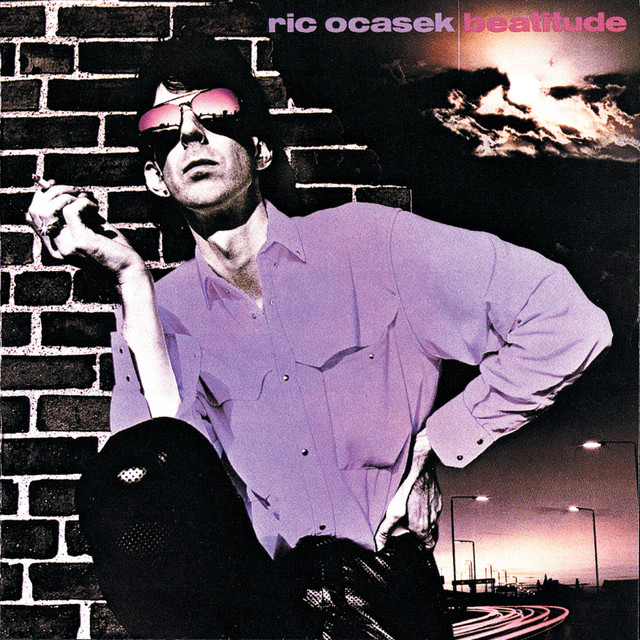
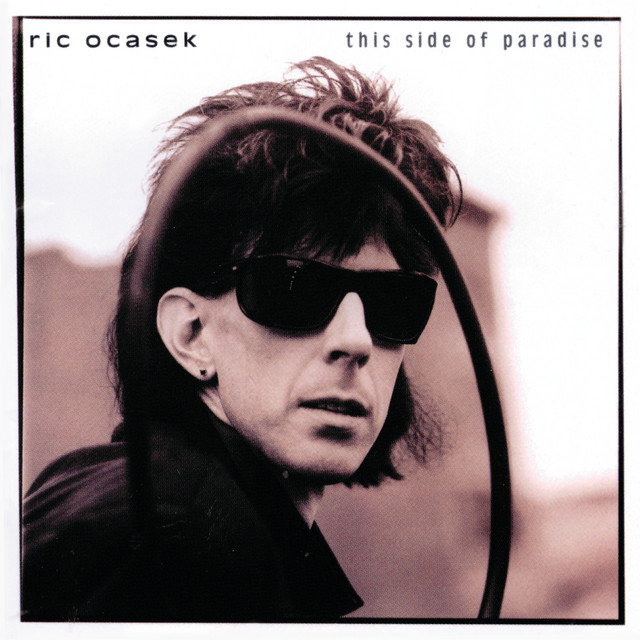
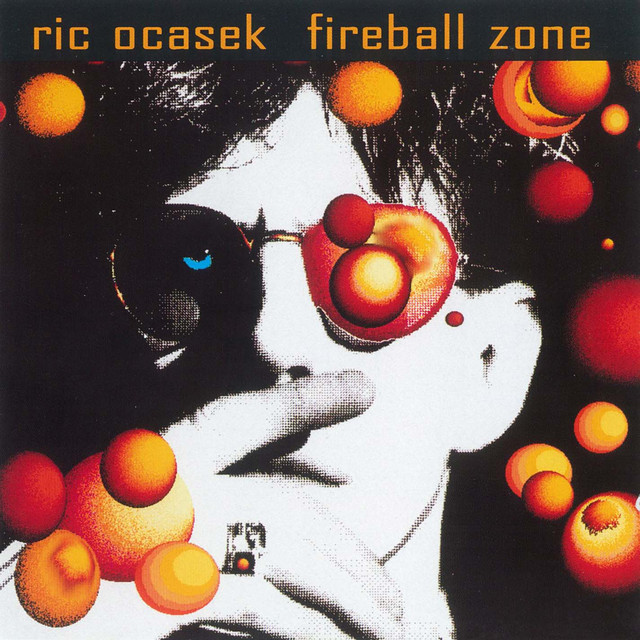
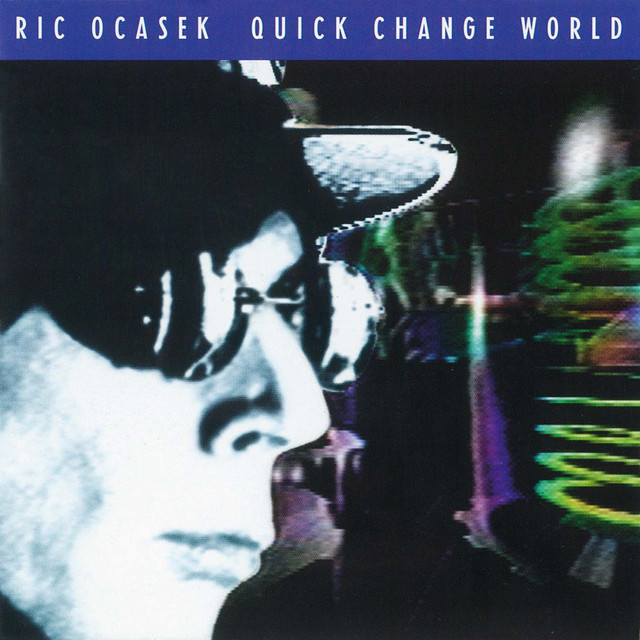
Album Credits
-
Suicide · 2019
Producer -
The Cribs · 2015
Producer -

Everything Will Be Alright In The End
Weezer · 2014
Producer -
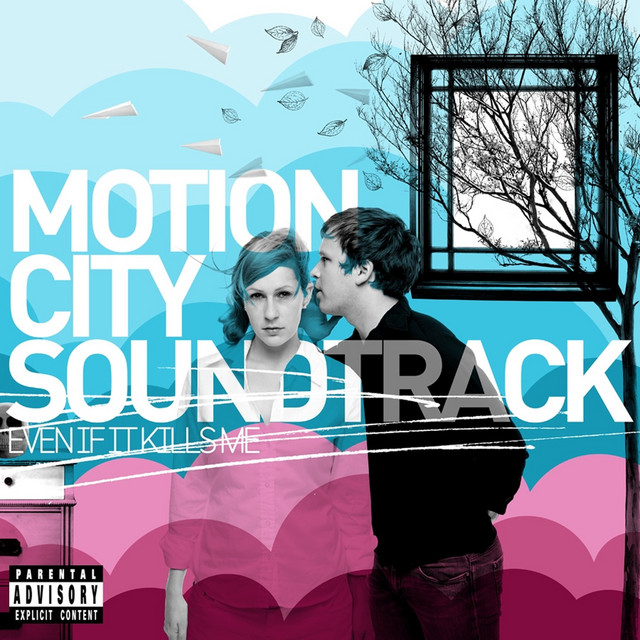
Motion City Soundtrack · 2008
Producer -
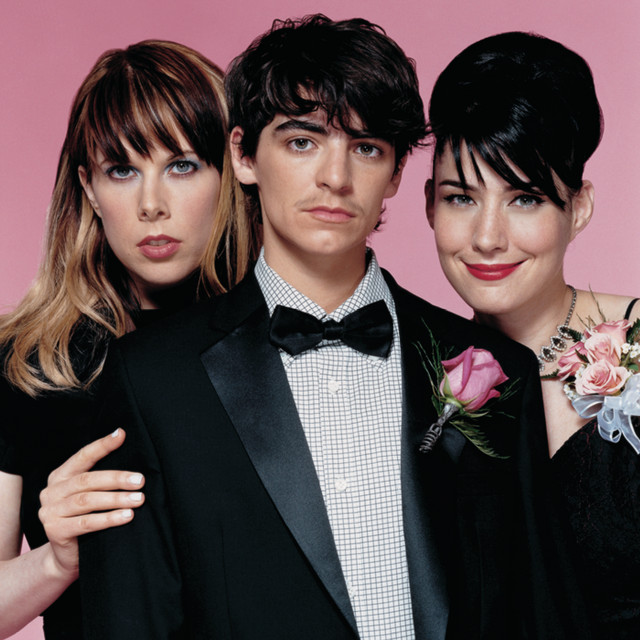
Le Tigre · 2004
Producer -
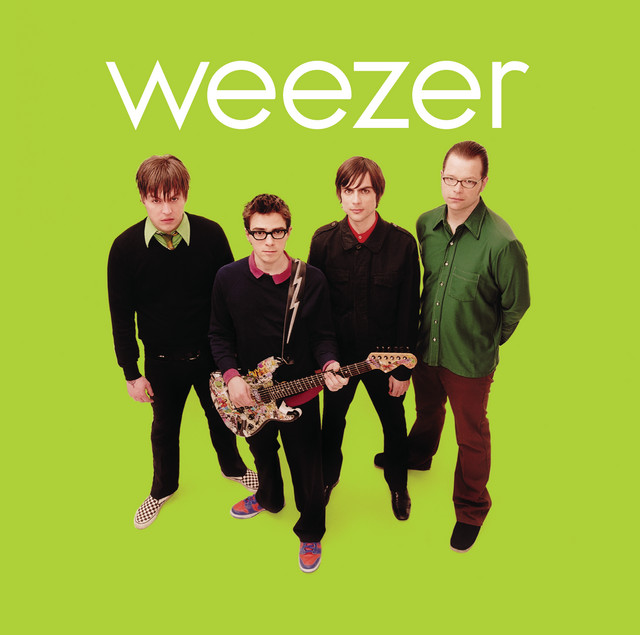
Weezer · 2001
Producer -

Guided by Voices · 1999
Mixing Engineer Producer Recording Engineer -
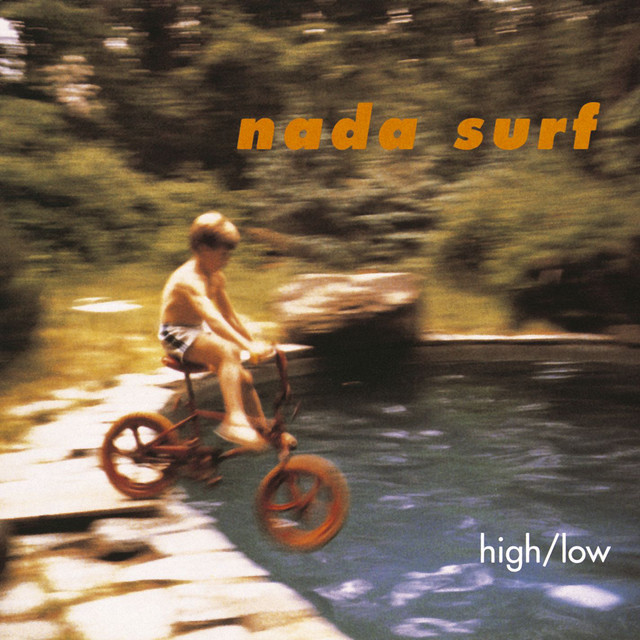
Nada Surf · 1996
Producer -
Bad Religion · 1996
Producer -

Bad Religion · 1996
Producer -
Black 47 · 1993
Producer -

Romeo Void · 1992
Producer