Robert Fripp
Role
Genre
Role
Genre
Robert Fripp's Gear


"Robert seems to favour this Fernandes Goldtop Custom, which was built for him in Japan in about 1995.
"Most of his guitars have generally got the same system: a built-in MIDI pickup, a humbucker and a Sustainer. The toggle switches mean they're totally flexible, so he can switch everything in and out."
Find it on:


This photo shows Robert Fripp playing a Les Paul Custom guitar.
Find it on:


Renowned for his unique guitar work with King Crimson since 1969, Robert Fripp is pictured using a Roland G-808 Guitar Synthesizer, as seen in a user-uploaded photo on Rolling Stone.
Find it on:

In this 1972 video of King Crimson live at the beat club, one can see Robert Fripp plugged into a Hiwatt DR103 100 Watt Head amp, at 0:35.
Find it on:

Fender Champ serial # A32016 (1971-72)
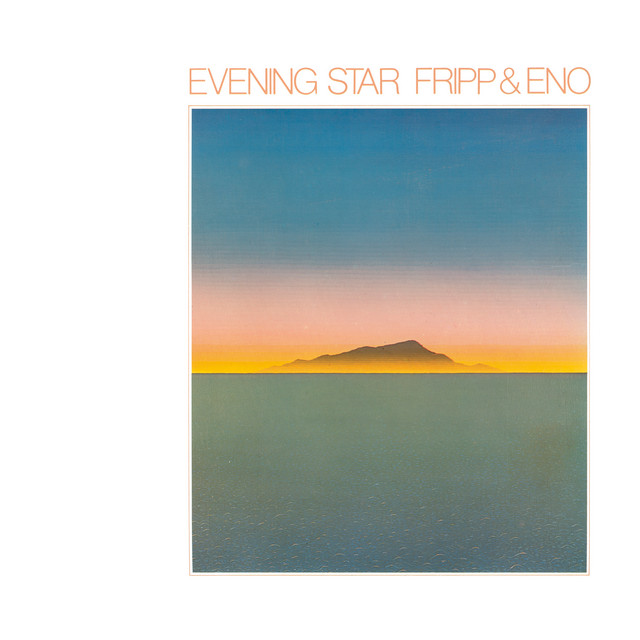
Used for the solo of EVENING STAR (Fripp & Eno), the speaker was blown during this session (after all it was a very hot solo!) and later replaced by Tony Arnold of Arny's Shack Studio. One tube was also replaced, by Bev Strike of Don Strike's Instruments. It's in top condition. It was also RF's backstage and practice amp during KC/FF/SOATW tours.
Find it on:


I still use the Roland guitar synthesizer. The hexaphonic pickup in on a Tokai Les Paul copy, which has been modified for me by a man in England called Ted Lees. He put in a coil-tap and phase-reverse switch for each pickup and a Kahler tremelo arm. So I have a one-and-only unique guitar. The synthesizer side of it is useful but it's very poor for racking.
Find it on:

This Burny guitar was given to Robert by Jakko Jakszyk and is well used as a rehearsal instrument.
Find it on:
-m.webp?v=1784645985)
Robert Fripp used a Roland JC-120 Jazz Chorus, originally belonging to Andy Summers, during the early 1980s for the "Summers & Fripp" collaboration, as noted in the Guitarcraftguitars source.
Find it on:

Pedals: Big Muff (Russian), Pro Co The Rat, Fender Blender (vintage), Robotalk (envelope follower/filter), MXR Dynacomp & Dunlop Crybaby.
Find it on:

Used live with King Crimson, as can be seen on page 16 of the March 1982 issue of Guitar World and as specified on page 17.
ROBERT FRIPP—
Clockwise from left
a—Roland GR-300 control panel
b—Foxx Tone Machine
c—Pete Cornish pedalboard with vintage Electro-Harmonix Big Muff, volume, and Cry Baby Wah
d—A/DA Harmony Synthesizer
e—Proprietary pedalboard with Roland FX (SP-1, DS-1, CE-1)
Find it on:

Originally green refinished to pink salmon by Ted Lees (Manchester). Maple neck (bird's eyes), rosewood fretboard. All original parts. Original case. Owned by John Wetton until 1973-74.
Find it on:

Pedals: Big Muff (Russian), Pro Co The Rat, Fender Blender (vintage), Robotalk (envelope follower/filter), MXR Dynacomp & Dunlop Crybaby.
Find it on:

Robert Fripp owns a Chapman Stick, acquired around 1987. This instrument, previously owned by John Glascock of Jethro Tull, was used by Trey Gunn to explore new musical directions. The information is detailed on the Guitarcraftguitars website under "Robert Fripp's Gear."
Find it on:

"A 13-pin cable comes out of the guitar and goes into this [AB/Y] splitter, which goes to the Roland GR-1 Guitar Synth and to the Axon AX100 [rack-mounted guitar-to-MIDI controller]."
"A standard jack then runs out the back of the GR-1 to the Axe-FX II XLs at the top of the rack."
Find it on:

RF writes: Attached to one is the first volume pedal I used & my only effect with KC live in 1969 (in the studio, I used fuzz as well). The volume pedal was fitted to the first Cornish pedalboard in 1970, along with fuzz & wah-wah. My contribution to the technology was to fit a by-pass switch for the effects when not in use: too much tone was lost going through pedals that were not in go mode. On top of the other board is the Univibe given to me by pal Robin Trower in 1975
Find it on:

And then I can put it through a Harmonizer and a Roland Space Echo. On the Harmonizer I bring in the octave above, and on the Roland Space Echo I can add sound on sound.
Find it on:

In the video upon here you can see a few frames of Fripp using this guitar starting from 1:26. Usually this guitar has been used by Robert with its original synth system (GR300), but occasionally it can also be seen plugged in and used through some roland synths along Robert Fripp himself during a few concerts in the 80s. He's been using this guitar from 1980 to 1984/85, maybe even 1993, before upgrading to his main instrument which still uses today.
Find it on:

I have a very fine '57 sunburst Fender Strat given to me by Robin Trower in 1975 – a very kind, very generous gift.
Find it on:


Two are mentioned in this May 1974 Guitar Player interview, transcribed to the Elephant Talk wiki on November 11, 1997.
What type of volume pedal is it?
It's the cheapest one I found, and the only one I could afford at the time that seemed any good. I think it's a Farfisa [by C.M.I.] pedal. It's still the finest volume pedal I've found anywhere. It's the only one that goes off and still has a wide movement. It's quite incredible. On stage I use three pedals on a pedal board: A volume pedal, fuzz-tone, and wah-wah. The fuzz-tone and wah-wah are pretty rubbishy. I'm not sure what type of wah-wah it is. The best fuzz-box to use is a Burn's Buzz-around which they discontinued making in England about six years ago. I have two of them, but they're not at the moment attached to my pedal board. The more pedals you go through, the longer leads you need, and in turn the less volume you get. You lose gain along the way. To lessen that, the wah-wah and the fuzz are on the knock-off circuit. In other words, when I'm playing, all the time I'm going through the volume, but when I'm using either fuzz or wah-wah, I knock a different pedal which brings in a different circuit for the fuzz and the wah-wah. When I'm not using them I press a button and knock them out of the circuit so that the circuit shortens, and I keep up my gain. I also use a Watkins Kopy Kat echo unit. It's all right, but it's not particularly good. It suffices for what I want, which is not really a lot of echo effects but just a slight edge, because the sound on stage is very dead in a lot of halls I play in. It really doesn't matter what kind of fuzz box you use. It has more to do with the state of mind.
But if somebody wanted to obtain the same sound you got, wouldn't it be important to know what type of fuzz you were using?
No. I can get that same sound with every kind of fuzz box I've ever used. It's not a question of equipment.
Find it on:

The Guitarcraftguitars page documents Robert Fripp's use of the Gibson J-45 acoustic guitar.
Find it on:

Mentioned in the January 1986 issue of Guitar Player and the June 1987 issue of Electronic Musician.
Guitar Player, January 1986
GP – When did Frippertronics originate?
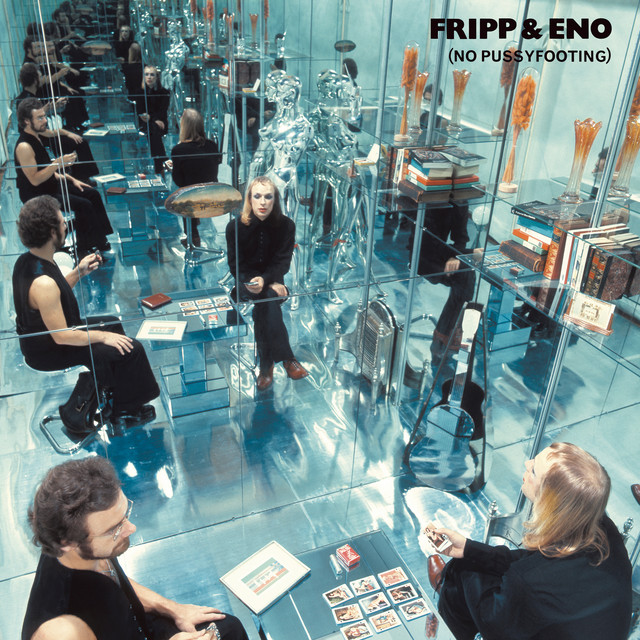
RF – Originally, the system was introduced to me by Brian Eno. I worked with him on it for the piece of music that became No Pussyfooting, which was recorded in July 1972 and released I 1973. I began working on it on my own in June and July 1977, when I was living in New York. Frippertronics as such went public for the first time in February 1978 at The Kitchen [a New York arts and performance gallery], where I was giving a solo concert. I needed a name for it, so I came up with "Frippertronics" because it was silly. Then it went very, very public in 1979 with a four-month solo tour – two months in Europe and two in America. And it was there, actually in front of people – in record shops, pizza parlors, record offices, small cinemas, museums, all matter of places – that I began to learn to work with it pretty well. I would run the tape back and improvise on top of it. The original form was with two Revox tape recorders, but now I'm working with the Electro-Harmonix 16 second Digital Delay. It was advertised as a Fripp In The Box. It's far smaller, quicker, and easier to set up than two Revoxes. Although, the sounds one gets are quite different. The quality I nowhere near the same as the two Revoxes.
Electronic Musician, June 1987
In 1972, Fripp began working with a tape-loop system he learned from Brian Eno, but which had also been used earlier by composers such as Terry Riley. His albums with Eno, No Pussyfooting and Evening Star are inner meditations, soul-searing inroads into the musical psyche of Fripp. The sound-generating system was dubbed "Frippertronics" and he took it on the road in the late '70s. He currently uses an Electro-Harmonix 16-second digital delay for a similar effect, played in conjunction with a Roland Space Echo, fuzz boxes, wah-wah and volume pedal, and occasionally an Ibanez digital delay.
(...) And now you you've replaced the tape-loop system with the Electro-Harmonix box.
No! With 208 guitarists. Regarding the Electro-Harmonix, we read this advert for the Electro-Harmonix 16-second digital delay with this phrase in it, and the quote is "A Fripp in the box." So we got in the touch with them and said, you know, Fripp would like one for nothing. And they said no. So I bought one. You can't get them anymore.
Yeah I have a lot of fun with it. What I would do at the David Sylvian sessions, for example, is I'd set the equipment up and just for fun punch something in to the "Fripp in the box," and leave it playing in the studio. I did it on some Crimson sessions too, walk out and come back some three or four hours later and there it was still going except the sound had changed in the three or four hours in between. And with Sylvian, he really liked what was coming out so he recorded lots and lots and lots of these little soundscape pieces and they're all over his Gone to Earth album.
Find it on:

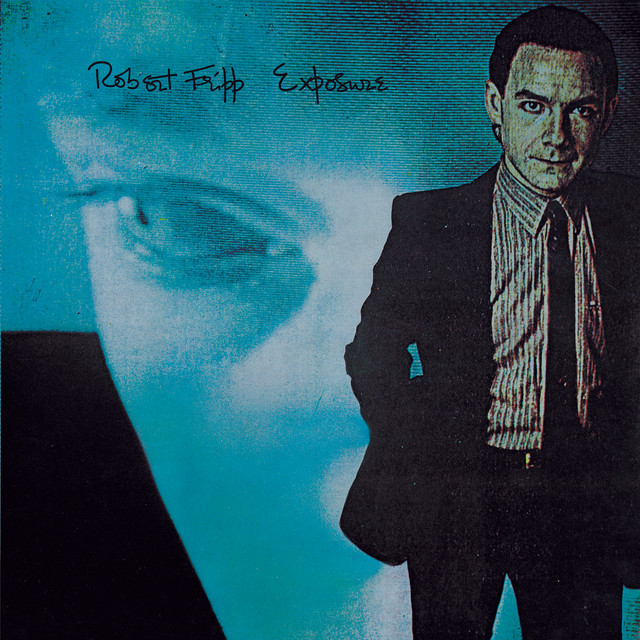
Used on EXPOSURE & US recordings & touring after mid-1978. Fear Of Music (Talking Heads 1980), live with Blondie at CBGB's February 1978.
Find it on:

Robert Fripp's laptop can be seen in this photo. The model number is difficult to read, but it appears to be a Dell Latitude E6510.
Find it on:

Mentioned in this January 1986 Guitar Player interview (transcribed on the website of interviewer Tom Mulhern) and visible on page 16 of the March 1982 issue of Guitar World. It is specified on page 17.
Guitar Player January 1981. "Frippertronics - A mini-interview with Robert Fripp"
I generally use a small pedalboard with a volume, wah-wah and fuzz. It never really mattered what types they were, except the volume pedal I used was the cheapest one, the first one I ever bought, in 1967. And until Roland out volume pedals in 1981, which are now the best I've found, I had to use the original one, which had a good on/off sweep. The Roland volume pedals let you adjust the on and off range. All of my electronic equipment is built into rack mounted modules by Tony Arnold of Arny's Shack. It's all custom equipment. He takes a small effect, builds it into a rack-mounting module, and slots it in. Besides the Roland Space Echo, I also have am Ibanez digital delay. The specific kinds of fuzz boxes I've used are Electro-Harmonix Big Muffs and Foxey Ladys, which were good – the old ones. You can't get fuzz boxes like that anymore; I've tried. All you can come up with, if you're lucky, are the old ones. Tony Arnold is planning to take a number of old buzz box circuits and put them all in one module with a switching rank, so you can switch around to any one of five or six traditional, old circuits. You can then go to Big Muff to Foxey Lady to Burns Buzzaround to Color-Sound and so on.
Guitar World, March 1982, "The Gear of the Crimson King"
ROBERT FRIPP—
Clockwise from left
a—Roland GR-300 control panel
b—Foxx Tone Machine
c—Pete Cornish pedalboard with vintage Electro-Harmonix Big Muff, volume, and Cry Baby Wah
d—A/DA Harmony Synthesizer
e—Proprietary pedalboard with Roland FX (SP-1, DS-1, CE-1)
Find it on:

For "Easter Sunday, " which was recorded on Easter Sunday, 1983, in Toronto, Fripp improvised with a Roland GR-700 synthesizer, and soloed on top of that with a Takamine acoustic, followed by a Les Paul with a fuzz box played through a Fender Princeton amp.
Find it on:

""Generally we're setting it up with a Hi-Watt style 'Hi-Power' head, through a 4x12 cab setting and a Master Fuzz [based on the Maestro FZ-1 Fuzztone]."
Find it on:

In this picture fripp, is holding the legend. You can tell it's the 1985 Ovation 1669 Custom Legend because of the inlays and the rosette.
Find it on:


This image from Pinterest shows Robert Fripp’s stage setup from 1999.
Find it on:
This is a community-built gear list for Robert Fripp.
- Find relevant music gear like Guitars, Amplifiers, Effects Pedals, Pianos, Keyboards and Synthesizers, Microphones, and other instruments and add it to Robert Fripp.
- The best places to look for gear usage are typically on the artist's social media, YouTube, live performance images, and interviews.
- To receive email updates when Robert Fripp is seen with new gear, follow the artist.
-
Added to Equipboard on by
 michael
GearIQ 43227
-
Updated
Discography
No Pussyfooting
1973
Evening Star
1975
Exposure
1979
I Advance Masked
1982
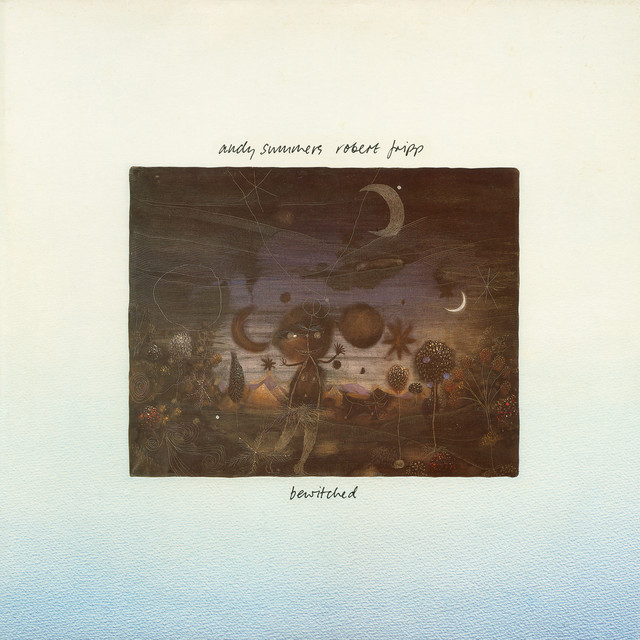
Bewitched
1984
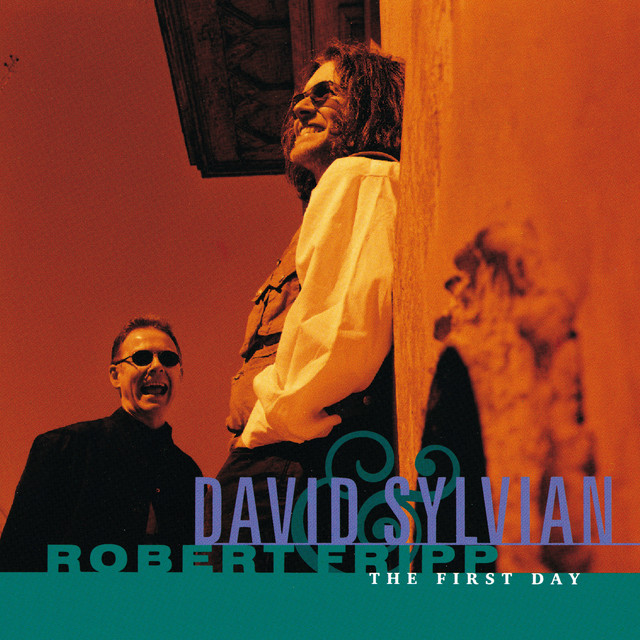
The First Day
1993
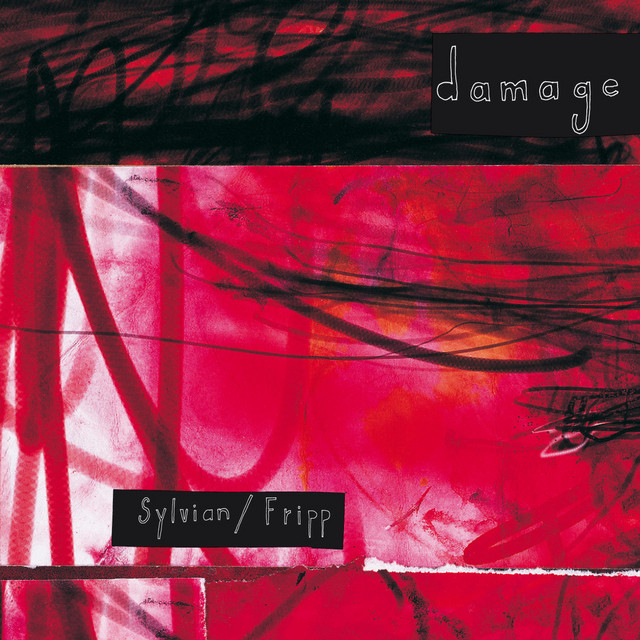
Damage
1994
![1999 (Soundscapes - Live In Argentina) [Expanded Edition] album cover](https://images.equipboard.com/uploads/album/image/342445/1999-soundscapes-live-in-argentina-expanded-edition.jpg)
1999 (Soundscapes - Live In Argentina) [Expanded Edition]
1994
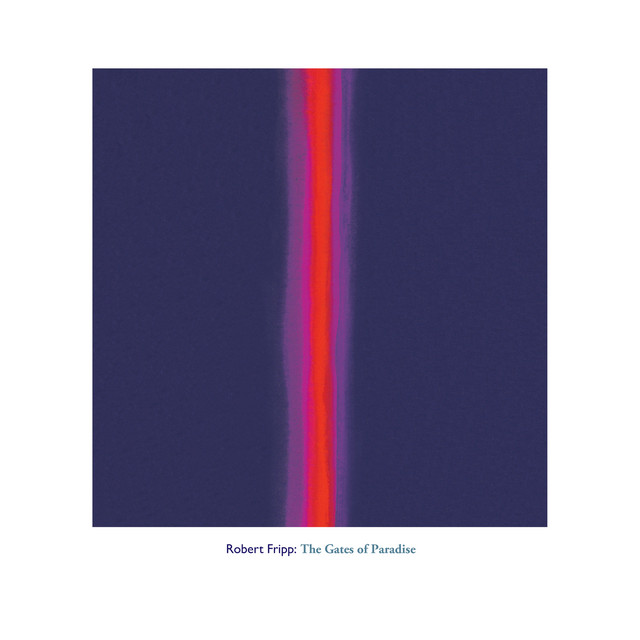
The Gates Of Paradise
1998
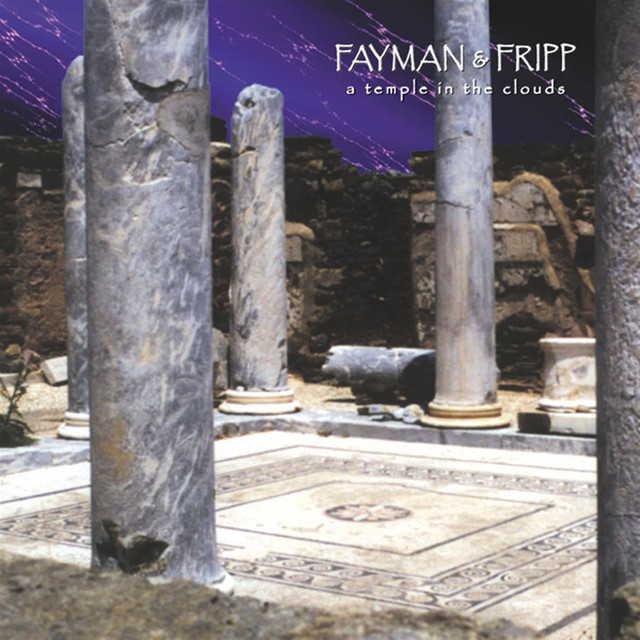
A Temple In The Clouds
2000
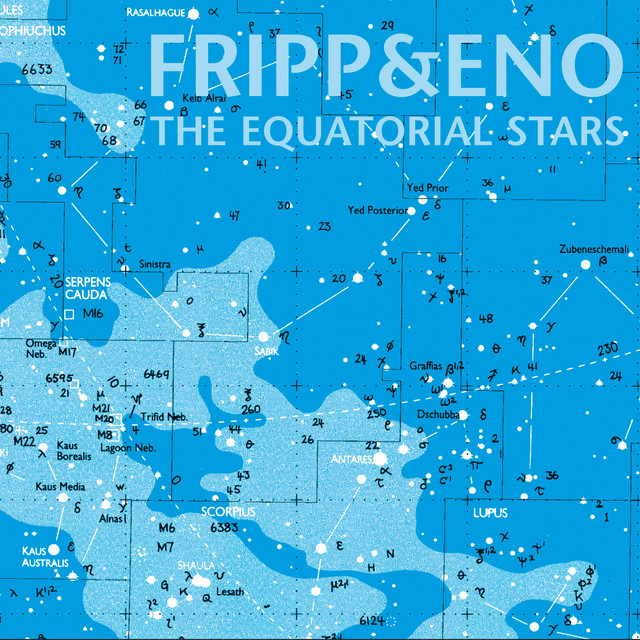
The Equatorial Stars
2005
Love Cannot Bear: Soundscapes (Live In The USA)
2005
Album Credits
-
Daryl Hall · 2022
Producer -
Love Cannot Bear: Soundscapes (Live In The USA)
Robert Fripp · 2005
Producer -
Robert Fripp · 2000
Producer -
Robert Fripp & David Sylvian · 1994
Mixing Engineer Producer -
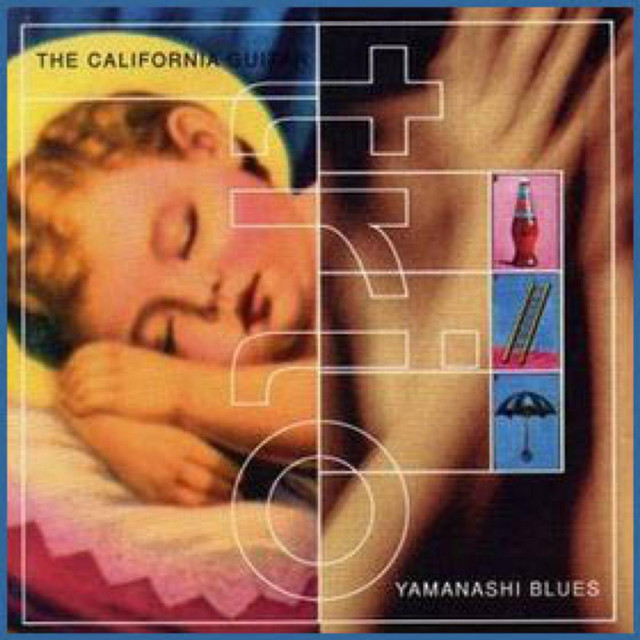
California Guitar Trio · 1993
Mastering Engineer -
Robert Fripp & David Sylvian · 1993
Producer -
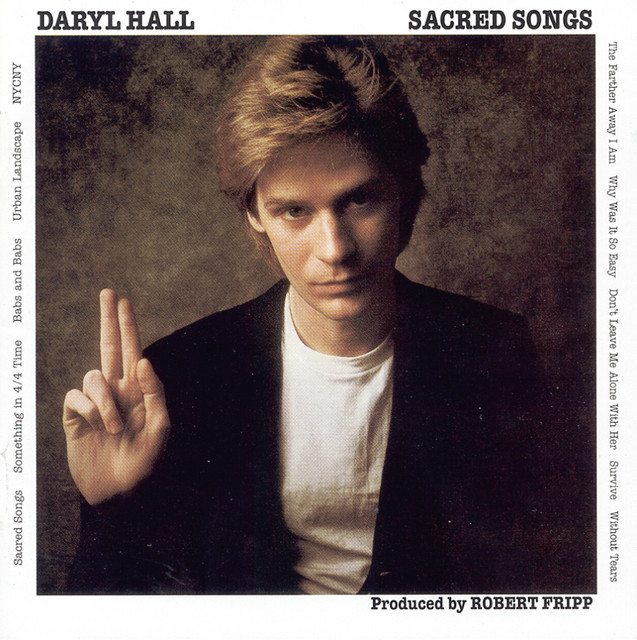
Daryl Hall · 1980
Producer -
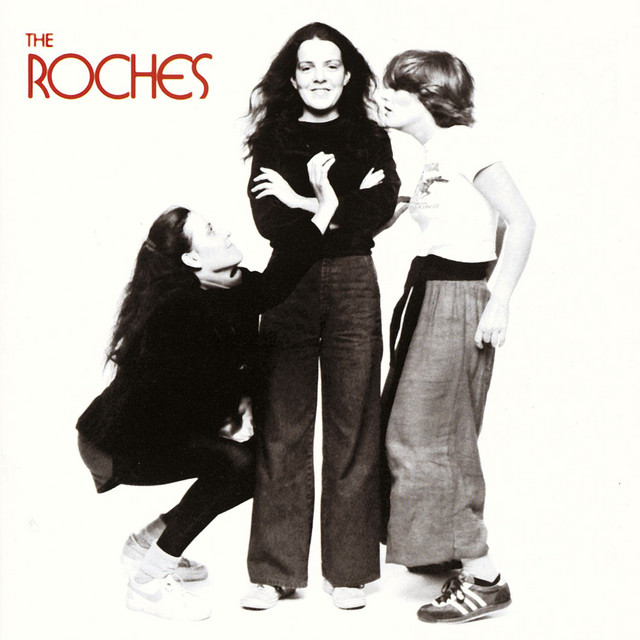
The Roches · 1979
Producer -
Robert Fripp · 1979
Producer