bart_van_zon's Electronic Studio Setup

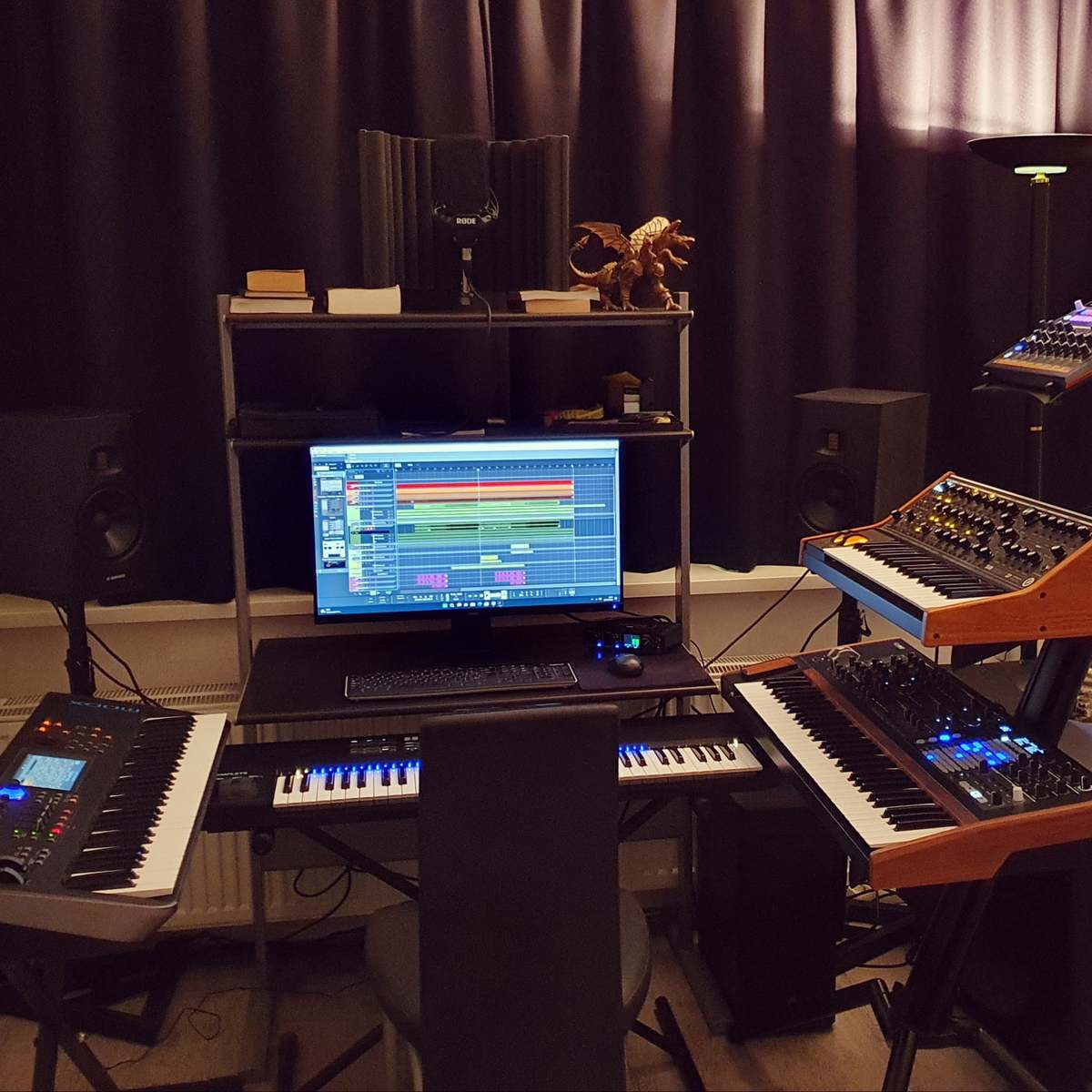
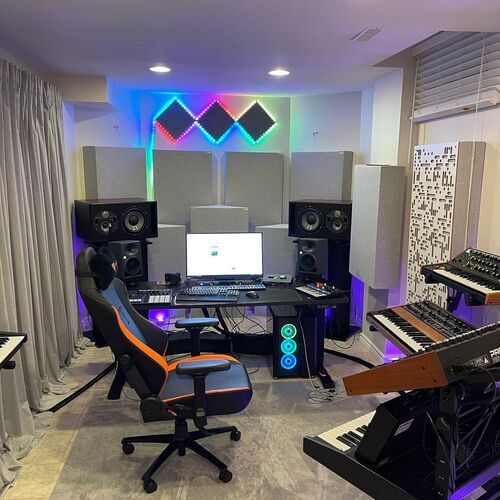
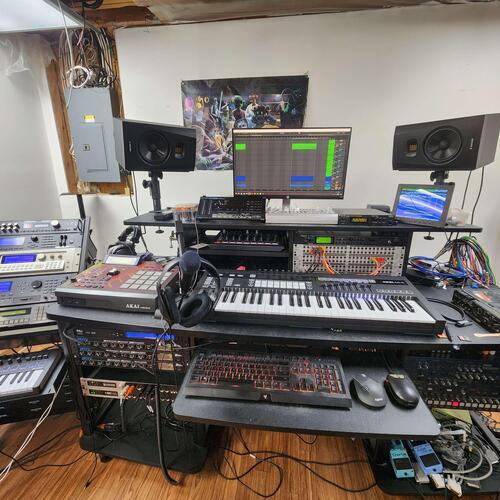
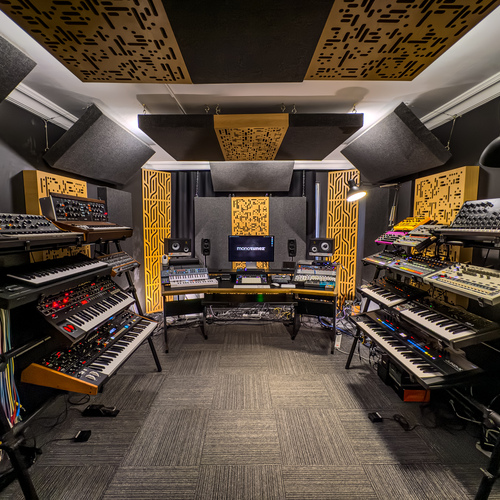
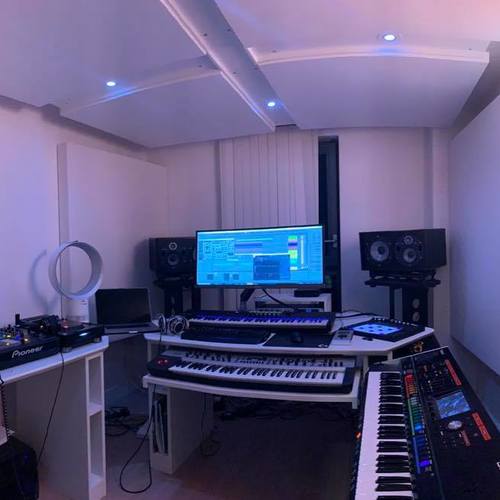
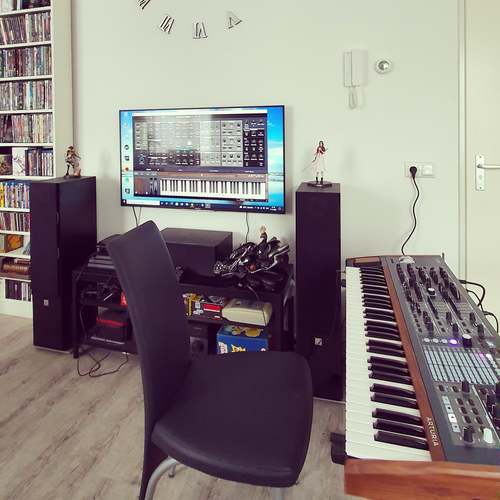
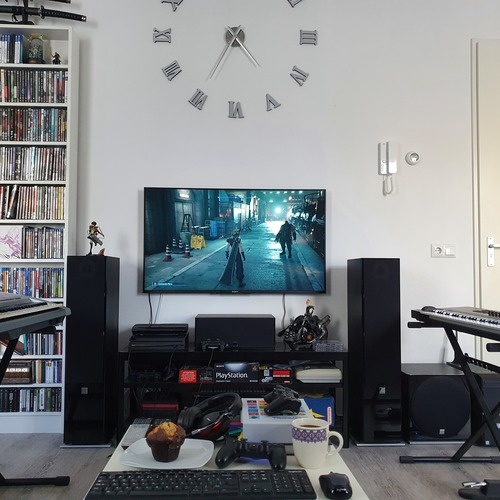
Home studio setup 2023.
More gear photos from bart_van_zon
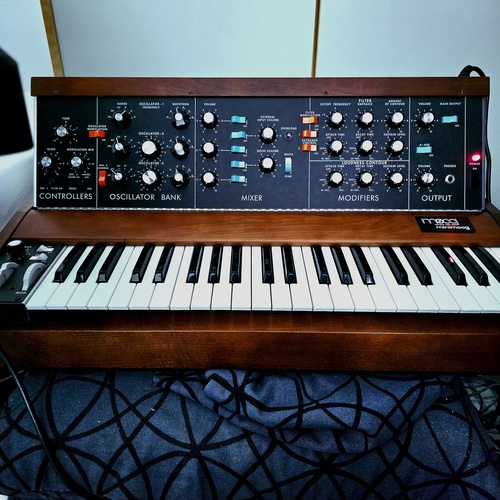
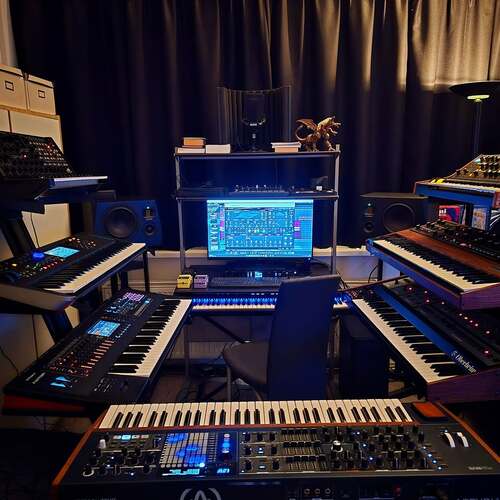
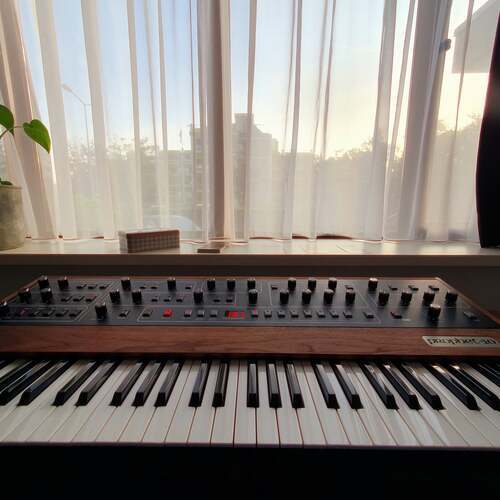
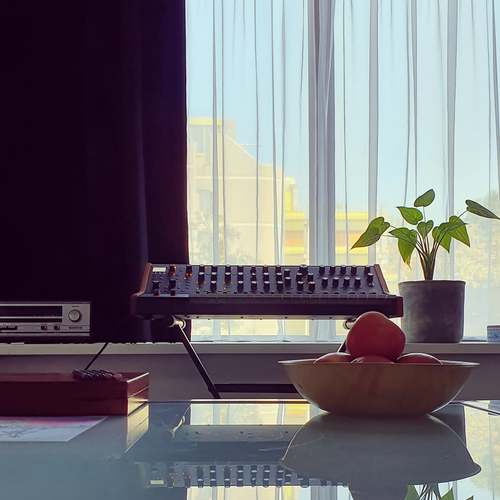

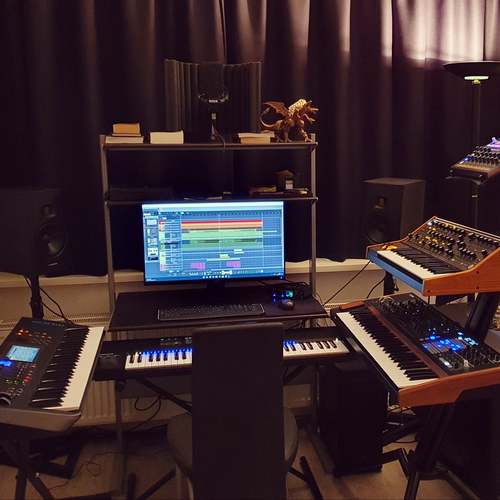
Gear in this photo
This rig
~$8,585
Value by category
- Keyboards and Synthesizers 67.9%
- Studio Equipment 15.0%
- Studio Monitors 9.1%
- DAWs 5.3%
- Microphones 2.8%
Price mix
Mix of standard and high-end
-m.webp?v=1784905682)
Boldest pick: Arturia DrumBrute Impact
Only 9 pro artists on Equipboard own it, but it's ranked #18 in Drum Machines.

Avg price: $2,689.65


Fantastic analogue synth with vintage character but modern capabilities.
Arturia started out 30 years ago as a creator of software emulations of classic synthesizers. They've gained quite a bit of experience in that time, and have applied that in their creation of hardware synthesizers. They don't have the arrogance of bigger older companies that live on old fame and release classic synthesizers with limited capabilities at inflated prices. Arturia on the other hand, built the Polybrute from the ground up. They looked at what made the classic synthesizers that great, took the best aspects of each and designed hardware around that with the most intuitive UI that would be most affordable to produce in present day.
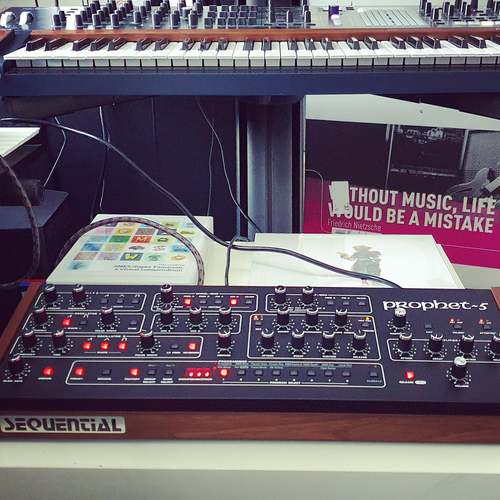
The Polybrute is an absolutely fabulous analogue synthesizer. A pleasant vintage sound comparable to old synthesizers that cost many times more (like the Prophet 5 and OB-Xa), but with a lot more possibilities to fine-tune your sounds and get something really interesting. All of that whilst the interface remains easy to understand. On top of that, it has a lot of modern effects and features to get sounds that you only get from modern synths.
Arturia also gives you a free VST editor, so you can connect the Polybrute to your computer via USB, and load the VST into your DAW that you operate with the Polybrute, or you can operate the Polybrute with the VST. The boundaries between hardware and software disappear. With my Sequential Prophet 5 and Oberheim OB-X8 which are much more expensive, I had to buy the VST editors separately for $160 each, and they didn't work nearly as well as Arturia one for the Polybrute. Moog also offers free VST editors, but I also have more problems with those than with the Polybrute. Arturia also releases frequent firmware updates that never gave me any trouble and helped make the instrument even better. Arturia released tons of great free presets.
The Polybute is solidly built. Metal housing with wooden side panels, sturdy metal and plastic pods and rubber buttons with multicoloured LEDs inside. The look is timeless. It combines 1960s teal and wood, with 1980s rubber buttons with LEDs in them and deep black and pure white keys and knobs that are very modern. The most beautiful synth I've ever seen. In terms of sound it's right up there with my Prophet 5, OB-X8 and Subsequent 37. Different character but at least as good.

Avg price: $1,776.76
Ballsy yet refined
This was my first mono analogue synth. I always liked the Minimoog Model-D but didn't believe buying an old synthesizer would be the best investment. My first analogue synth the Polybrute taught me modern analogue synths could be great yet affordable compared to vintage or re-issued synths. The Subsequent 37 isn't that expensive compared to a Minimoog, but it's still a real Moog and has a full high quality sound. The Polybrute also looks great and the Subsequent 37 as well. They're both designed by Axel Hartmann and look great together.
Some people say the Subsequent 37 has a vintage sound. I suppose that's because of the roll off at the high frequencies. That makes it can sound a bit "muffled" and makes it best suited for sounds that don't need to sound bright like most leads. On the other hand it sounds really dry and direct which makes it sound modern. Many other synths sound a little more woolly, like it's coming from further away. The Subsequent 37 sounds pure unfiltered. The Moog Minitaur which has a similar raw sound, but can get a little unpleasant, while the Subsequent delivers the same sound in a more refined way. It's very powerful and punchy with a lot of energy in the mids, from mid low to mid high. This makes it great for basses, sequences, some leads that sound really in your face and don't need a lot of high frequencies. It can also do some really Interesting effecty type sounds. It's generally an easy to grasp instrument that's very cool to play and create sounds with.
Avg price: $281.28
Most affordable usable analogue drumcomputer
Very affordable way to get a good quality analogue drum sound.
I like old analogue drum computers. Mostly the Roland TR808 and TR909. Those are quite expensive to get second hand though, even though they weren't that expensive back in the day. There are virtual analogue hardware re-issues by Roland, or real analogue clones by other brands. Neither are the real deal though.
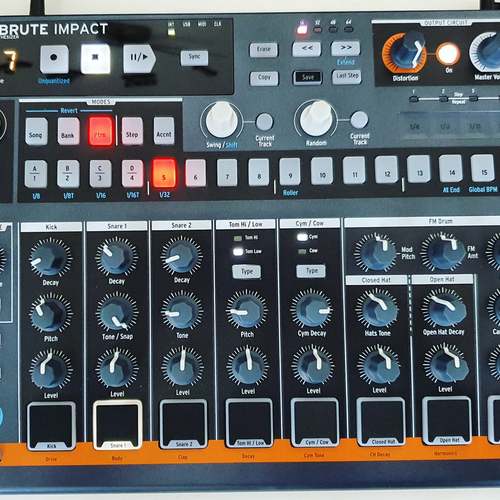
Instead I chose the Arturia Drumbrute Impact. It's a real analogue drumcomputer with an original sound. It's not a TR808 or 909 clone but it has a similar sound that's equally usable but more unique. Not every song has to be the same old 80's sounds after all. It's very affordably priced.
It can't do a lot of sounds, just the basics stuff; kick, two snares, hihats, toms, crashes, cowbell and a strange FM effect. No interesting stuff like congas, claves or other unusual percussion. The sounds it can create are usable. It only has five analogue output, so if you are a bit limited in how you can mix it.
It looks and feels okay. Plastic and rubber, but solid. Not the most beautiful instrument ever, but better looking than most. Nice multicoloured LEDs.

Native Instruments Komplete Kontrol S61 MK2
Avg price: $767.61


bart_van_zon's rating:

Avg price: $1,362.69
Lots of digital goodness at an affordable price.
I'll have to admit I don't use this synthesizer often. I have a lot of analogue hardware and digital music software. This synthesizer is fully digital. Most things it can do, you can do better or more easily on a computer. Having said that, there's nothing inherently wrong with the instrument and I must respect it. It sounds particularly good for the price. Good for live performances, or in the studio for a backlog of sounds.
I bought this instrument for live usages, so next to my hardware analogue synths I can get it digital synth sounds and samples, without having a computer on stage. It's a stripped down version of the Montage line, which are Yamaha's flagship synthesizers. It has the exact same sound but in a cheaper casing. Plastic instead of aluminium, less buttons and sliders, and a lower quality key bed. The MODX6 cost's 4x less than the Montage8, but has the same sound (only halve the polyphony with the FM engine though). It looks and feels like a toy keyboard only one 3rd the the price, but sounds like a synthesizer 3 times the price. If you buy it just for the sound, it's a bargain.
It can do authentic FM synthesis like the old-skool DX7. You can load in all patches from the DX7. But it has an FM-X engine that has 8 part FM synthesis instead of just the 6 part of the DX7, and it has more wave forms that the sine of the DX7 and a polyphony of 64 instead of 16.
On top of the FM-X engine, the MODX6 also has a wavetable engine that lets you do all of the classic sounds from the Motif series and many more. It's obviously not as realistic as high quality Kontakt libraries, but you get a lot of sounds for relatively little money and they're actually reasonably good. It's a good thing to have an extensive library of sounds at hand for if you need them. For example I once needed a solo jazz flute, but all I had were these classical orchestral Kontakt library flutes from OrchestralTools - Berlin Woodwinds Solo. I used the legato and runs from the Berlin Woodwinds, but the thrills and overblown jazzy sounds from a MODX6 presets. I Frankensteined the two together, and in the mix it sounded like a quite acceptable jazz flute solo. Most of these wavetable sounds are very upfront and overproduced. Sometimes I use the MODX6 for snare samples that cut a little clearer through the mix than most high quality drum samples. It can be nice to pit the overproduced Yamaha samples against your more realistic Kontakt libraries. Let them grow towards each other. You can dirty up the Yamaha samples to liven them up, and mix the Kontakt samples in such a way they can stand their ground against the very in-your-face Yamaha samples. This way you get a really energetic mix. You'd need some less aggressive sounds to fill the back ground though. The MODX samples work best for instruments that aren't supposed to be too realistic, but have that classic digital synthesizer sound. Those sound actually pretty nice and interesting. Not too clean. You can use the super knob to change the character as you play, to create evolving sounds. It can do cool granular sounding pads. For granular synthesis I prefer to use software though, because it makes it easier to see what I'm doing and it feels like it gives me more control.
If you're thinking about getting a vintage DX7 or Motif, you're better of getting a MODX6 that's the same price as each of them, but does what both of them do, only better. It can even combine FM synthesis with wavetable.
On top of that, you've got some great build in effects to make your sounds complete. You can use these effects on an external signal.
The MODX6 is very lightweight so it's easy to take along to gigs.
The AD converter isn't as good as that of the Montage. In the studio it doesn't matter, since you can use the USB for digital audio out with no compromise. For live gigs it may be a problem.


-m.webp?v=1784455238)

About this setup
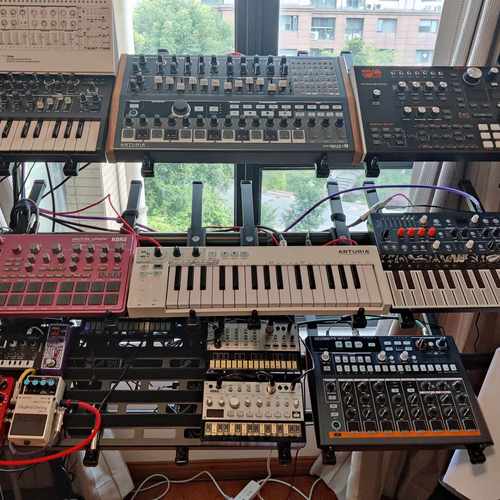
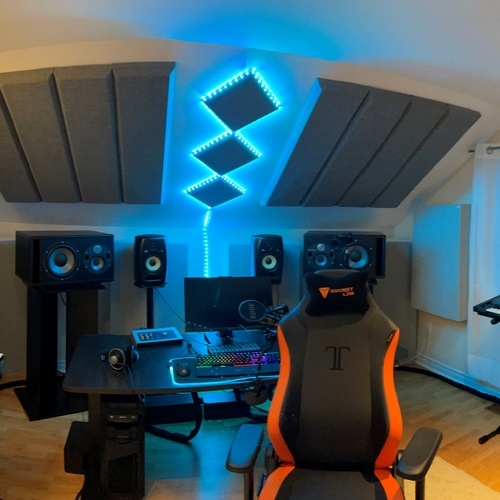
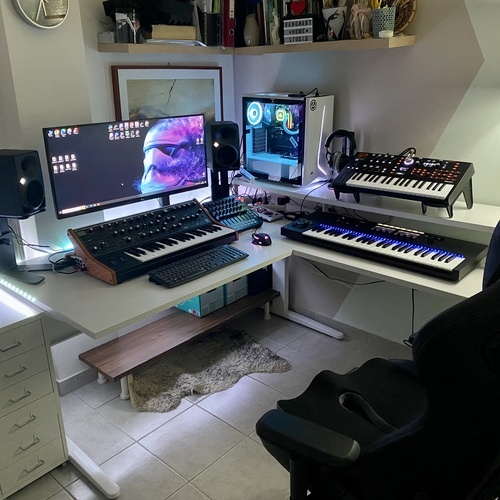
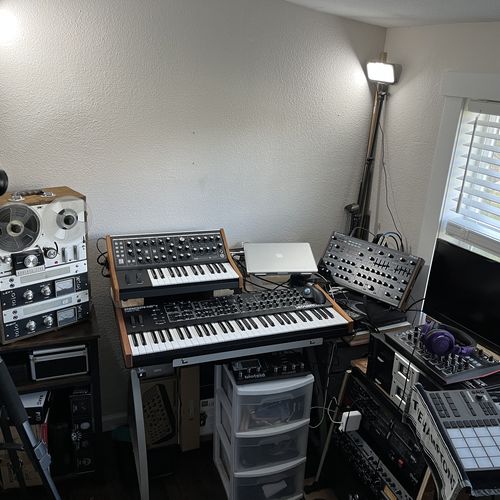
This gear photo by bart_van_zon features 10 pieces of gear, including Arturia PolyBrute, Moog Subsequent 37, and Arturia DrumBrute Impact. The setup spans Keyboards and Synthesizers, Studio Equipment, and Studio Monitors, with a mix of standard and high-end pieces. Artists with this kind of gear are most often found in the Electronic, Pop, and Rock scenes. Notable artists with overlapping gear include Andrew Huang, Richard Devine, and Virtual Riot.
Similar Artist Setups
Pro artists whose gear list overlaps with this photo.