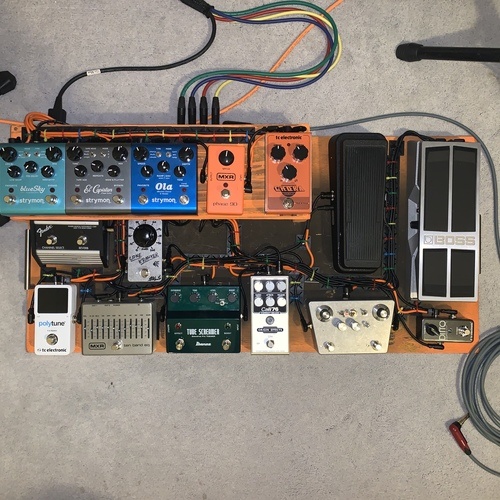
creepingnet's Pedalboard

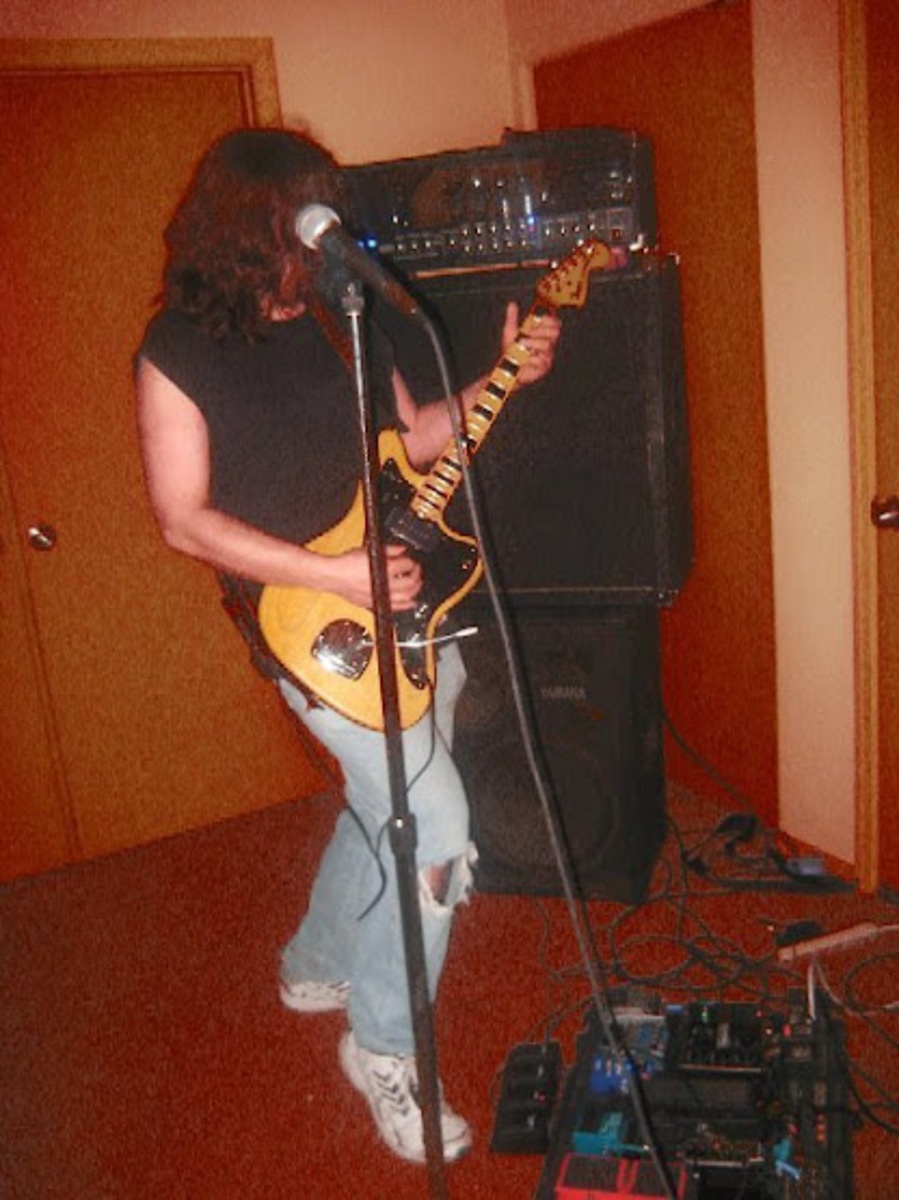
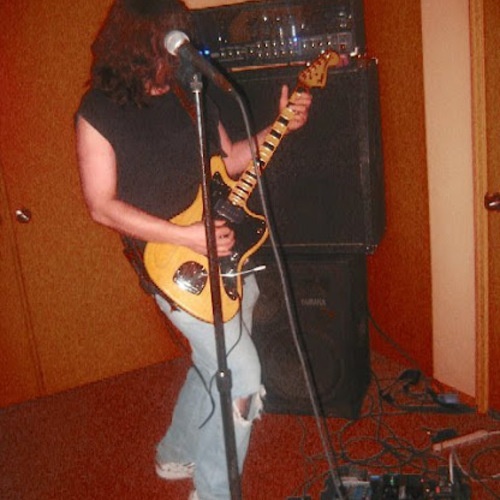
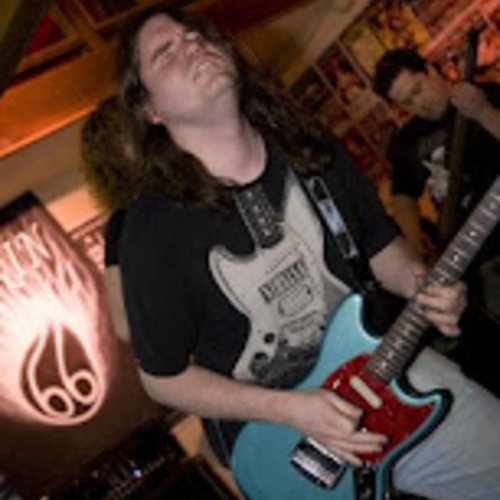
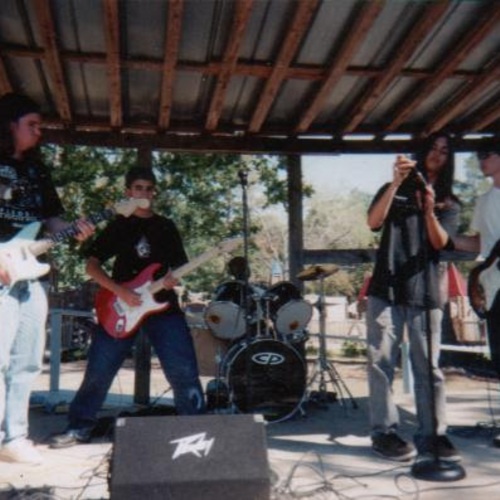
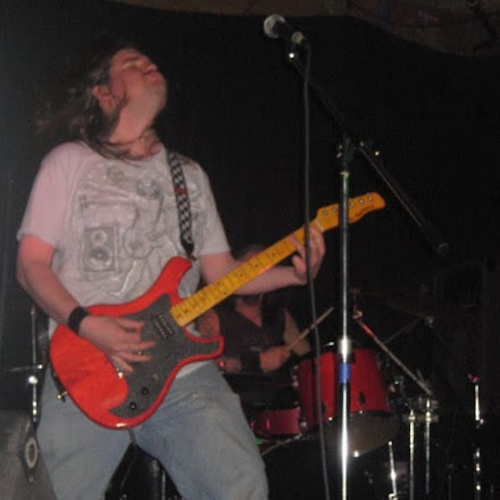
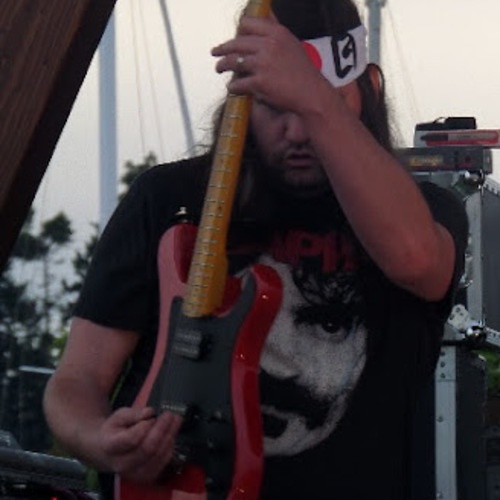
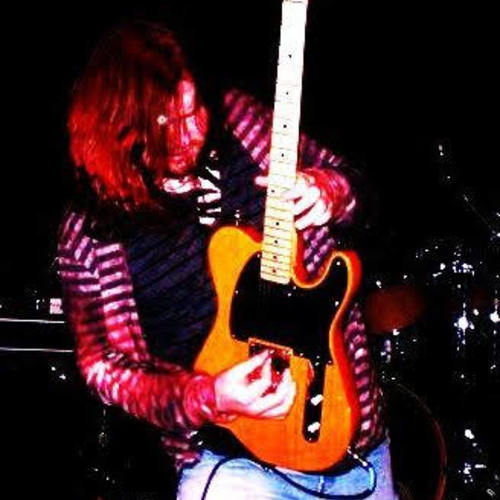
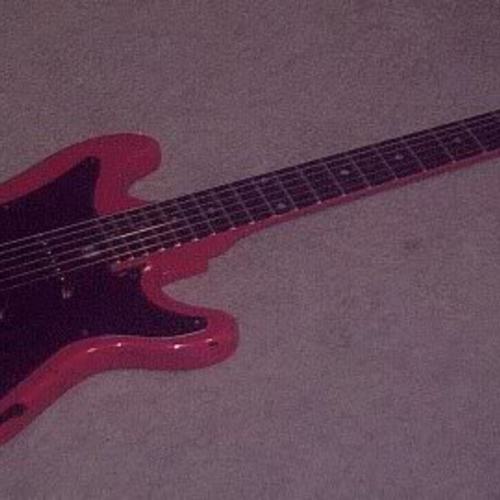
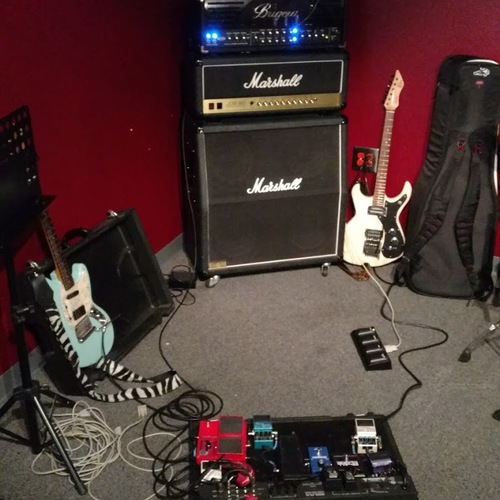
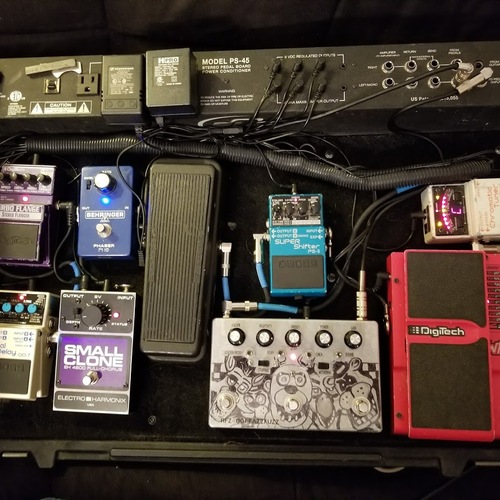
Deliciously Infectious rehearsal 2010 - with the Jazzmaster newly built (first rehearsal with the final neck on it) - with the Bugera 333XL and my Pedalboard.
More gear photos from creepingnet

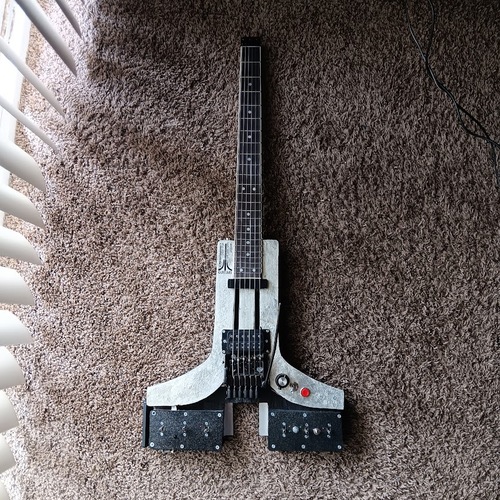


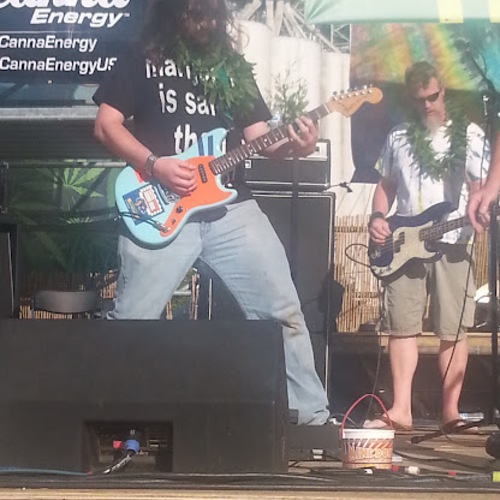

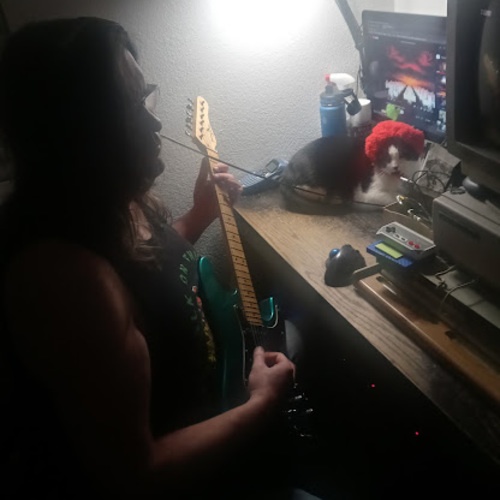
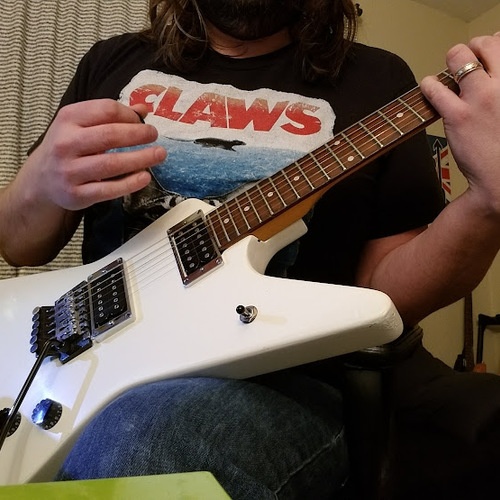












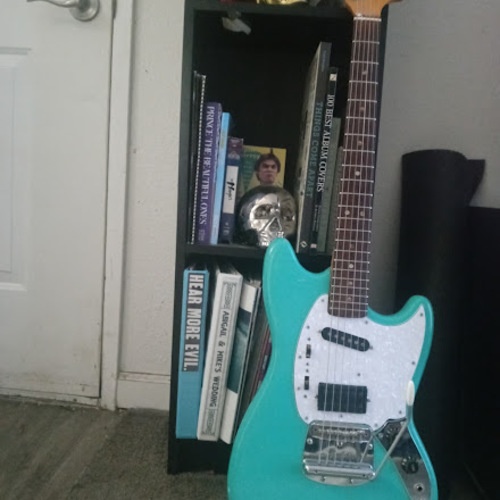
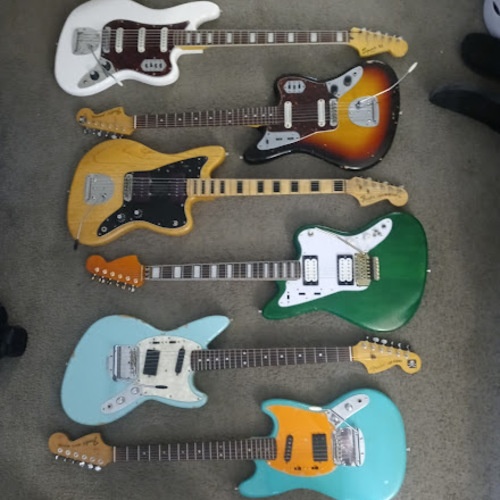
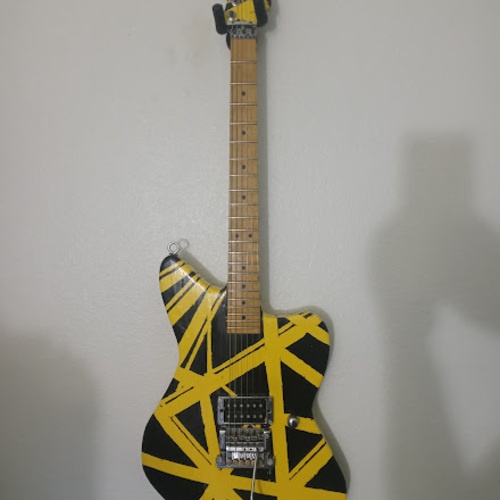
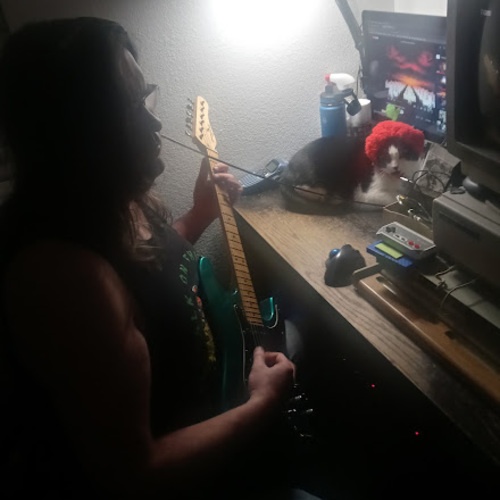

Gear in this photo
This rig
~$2,172
Value by category
- Effects Pedals 59.0%
- Amplifiers 41.0%
Price mix
A wide range of price points


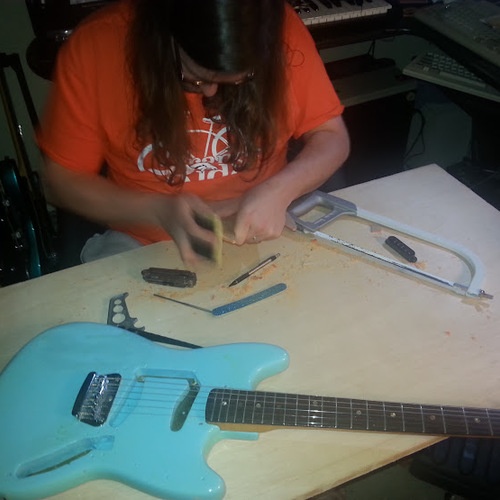
A Luthiery Self Assessment
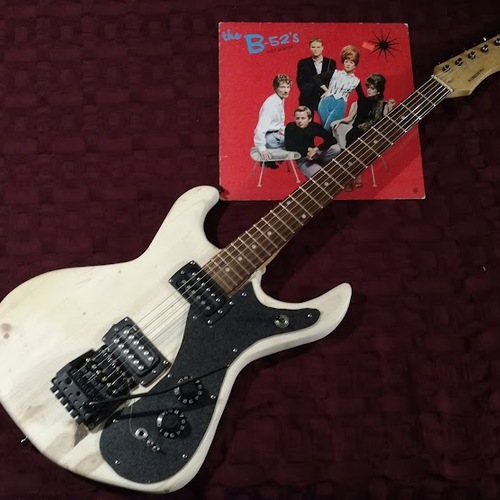
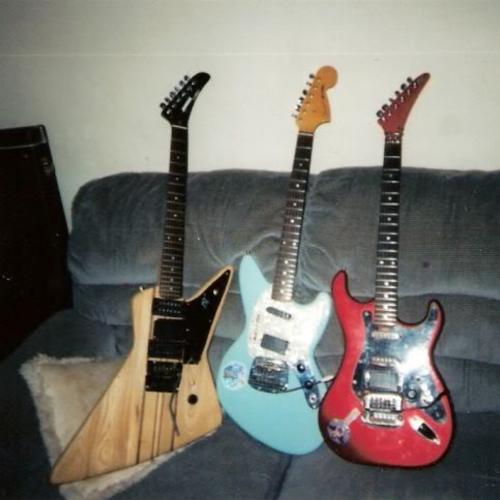
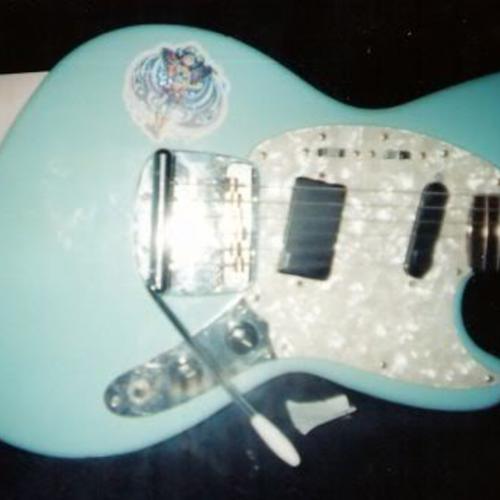
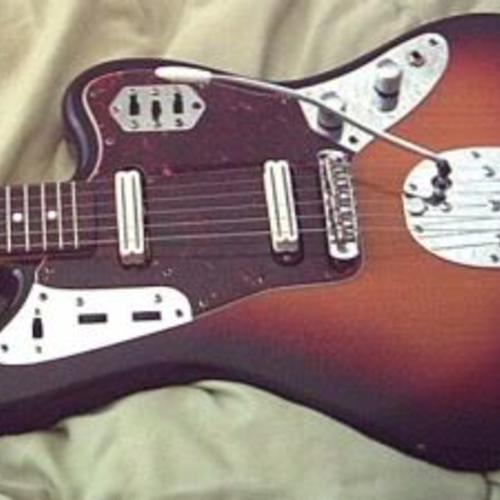
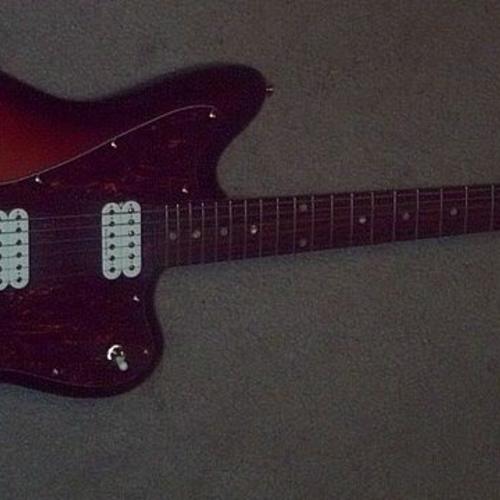
It was 2009, Hipster-dom was riding high, and Jazzmasters were starting to go for a premium. and I wanted one because I always loved the Jazzmaster since playing a Foto Flame 1994 MIJ model with Seymour Duncan pickups. When the only Jazzmaster you can find costs at least $800 - why spend it all at once when you can spend it gradually over time.
But Jazzmasters had some things with them that I did not like, in particular, only 21 frets, out of the box the bridge usually needs some work, the fretboard radius is a bit too round for the scale length, the tuners are flimsy on some of hte reissues, and the bridge pickups on every Jazzmaster I ever played were anemic and/or imbalanced to the neck (ie, the hotter pickup always was in the neck for some reason).
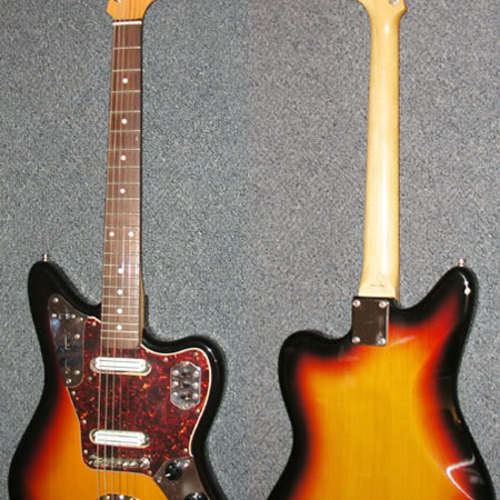
So this was my attempt to tweak the Jazzmaster into what I think a modern Jazzmaster should be. A Jazzmaster that can rock out with the best of them but not lose any of the unique traits that made the Jazzmaster such a special sounding, playing, and feeling guitar.
I started off with a Swamp Ash body, so as to have a pretty finish, light weight, and some dampening for the high frequencies - basically to absorb some of the "Ice Picky-ness" of the Jazzmaster but not lose the highs so much it sounds less like a Jazzmaster and more generic.
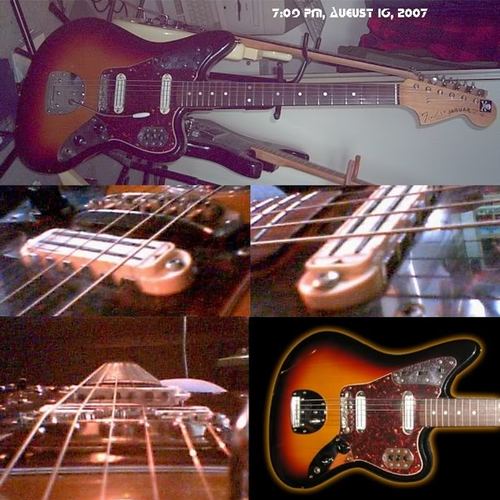
The next thing addressed were the electronics, in particular, the pickups. In the bridge is a Alnico 2 10% overwound Pickup Wizards Jazzmaster pickup, measuring in at 8.8K Ohms resistance, with a Alnico V AVRI 62' Jazzmaster pickup in the neck to add a little more spank and sparkle to the neck position whilst keeping that signature Jazzmaster sound to it. The pickups are NOT RWRP as Fender and Pickup Wizards seemed to have done it differently.
These two are wired into a standard Jazzmaster wiring harness wired with cloth wire - 50's style - with no alteration from the standard Jazzmaster schematic at all. The Jazzmaster is rather versitile to begin with so no need to fix what's not broken to begin with. When you play one, you have to think with a bit of inverse logic of other guitars though - on the lead circuit, you want to turn the volume DOWN to warm things up and increase the gain, not the tone, and turn it up if you want to clean things up and gain more twang. The sweet spot is around 7 - gives it a very P-90-like output, flat out sounds like a Pissed off Telecaster on steroids with more bass and naturally scooped mids.
I forewent a vibrato unit with the Trem Lock both for budget reasons and that I've never had to use that feature on any offset I've ever used with this vibrato, and I use my own special setup that increases the vibrato range, bringing it into first album Van-Halen territory - that's right, I use this guitar to dive bomb - people said it could not be done, so I looked at the mechanics, figured it out, and did it!
I used the much maligned stock bridge, one of the import variants. I did the same mod to it I did to my Jaguar, 2 thicker springs on the outer E saddles to box the middle ones in, and angled the Low E saddle upward to lock the low E string in place and prevent it from jumping. Works just as great, and it increases sustain from both the scale length and the "3rd bridge" behind the bridge - which is like having a whole second instrument there - either that or a built in reverb tank made of sympathetic vibrations - one of my favorite features of the Jaguar/Jazzmaster vibrato setup. The main problem with these bridges has almost always been part tolerances rather than breakover angle.
The Neck was the other major upgrade to the design - I wanted something skinny, with a flat radius, 22 frets, and something that looked late 70's/early 80's - so what I wound up with is a Tommy's Custom Bodies and Necks 22 Fret Maple neck with maple fretboard and a CBS Fender headstock. I put a CBS Fender Decal on it just to see how many people would think this was a custom shop build, LOL. I'm planning to remove it in the future and put my own waterslide on there (just a sponge away from that). The flat 12" Radius and bi-directional truss rod has allowed this guitar to be probably one of the fastest playing Jazzmasters ever made - J.Mascius would HATE this thing I'm sure, strung up with .009's and only something like a 10th of an inch between the 22nd fret and the strings with little to no buzzing if you play light and fast like a metal player. The added 22nd Fret means I can do some mondo bends up to F#-A on the high E at the 22nd fret, effectively pushing the guitar's overall pitch range up a little bit too.
That said I have had some improvements to make to it. The original selector switch I used was a tad junky, had to re-bend the leafs inside the switch to keep contact. Switched to a Gibson switch and the problem went away. Have been toying with installing a "Super Switch" on it at some point to add even more tonal options like series/parallel/phase reversal. Another change soon coming is Kluson Revolution tuners because I found the Kluson Tone Pros I originally used are a bit too flimsy for frequent gigging as I played this guitar out a lot and found those tuners made the tuning stability a bit of a crap shoot - but I've been testing the Revolutions and they sound better as they add a little more mass to the headstock, and also are a LOT more stable, less drifting, and no play in the keys.
Either way, I've toyed with building small batches of hand-built guitars and I consider this a prototype to my own tribute to the original Jazzmaster. Sort of the Caroll Shelby Jazzmaster if you will - looks like a production guitar because at it's core, it is, but has all the right tweaks in the right places to make it play fast, stay in tune, and be versitile enough to not be limited to just being a Grungy Fuzzer and a Surfy Plinker. It's just as at home growling out UFO and Scorpions songs as it is getting fuzzed up for some Bush, Sonic Youth, and Dinosaur Jr, or dripping in reverb and taking the classic Ventures route, or the wacky B-52's route.

Avg price: $890.11

A great amp.......with some debugging.......no pun intended.
The Bugera 333XL is a creation of Behringer corporation in the late 2000's to cash in on the desire for decent Tube Amplifiers at an accessible cost. The original lineup consisted mostly of copies of Peavey's most popular models such as the 5150/6505, the JSX (this one, the 333XL), and the XXX (333). These amplifiers were designed to fit into the lower-mid priced price bracket.
These amps started to ship in late 2007 and within 5 or so months, the issues with these amps started to come to light.
I bought my 333XL in this 5 month period in March of 2008, for just shy of $1000 w/ Bugera 4X12 cabinet. The main draw was that the head itself had 3 channels, decent reverb, a noise gate, had amazing tone (especially considering the price), and was exactly what I wanted for cheaper - as I was not ready to fork $3000+ for a Marshall TSL JCM2000 setup.
However, problems became apparent quickly. The main problems with these amps were....
The high power input transformer that supplies power to the tubes is connected via a nylon molex connector not up to the job of supplying such a voltage for the duration of many gigs and rehearsals. What happened was the Molex connector gets hot from shoving 120 Watts of 120VAC 60 Hz current into a quartet of EL34s (or 6L6's) and a quartet of 12AX7's, eventually reaching the nylon melting point, severing the connector from it's pins, cutting power to all tubes, and creating the problem where you turn on the amp, the tubes don't light up, you get no sound. This was resolved by me desoldering the original pin connector and then soldering lengths of wire down the traces on the other side of the board to make sure the solder could not get hot enough to cut-connection to the tubes.
The next problem is footswitches, especially now. The FSB104B footswitch does NOT have a modular cable. The cable is a proprietary mini-Din 5 pin connector with a L-shaped key so it only fits the right way. The cable is not up to the task for gigging for over 2 years and can break. Since it's not removable from the footswitch, it the cable is bad, you either have to replace the whole pedal, or go through a specialty electronics shop to buy the proper connector, then buy your own 5-6-wire cable to cobble your own setup. Once I could no longer replace these pedals - as Bugera I spose' expects us all to go throw $500+ down on a new Infineum model of this amp - I took matters into my own hands, and rewired it for D-SUB 9 pin Serial port connectors and use Serial port extension cables - so now I can go 31' away from the amp live with the footswitch, or scale it down for smaller stages, reducing tripping hazards - now THAT is a solution.
The input jacks can break under frequent use. When I first bought this amp - I was playing 3-5 shows a week with an original rock band and relied on this amplifier to work every night. That meant a LOT of cable installation and removal. Eventually the plastic anchors that hold the connectors to the chassis broke off, and I had to replace them. Ultimatley, my other main tonal Behringer product - a V-Amp Pro I bought in 2004, at 11 years old, blew up, and so I had some OEM replacement parts to cannibalize from that.
Since then, the amp has not been any trouble thankfully. I'm looking at buying up one or two more dead 333XL's to fix up as backups.
That said, the sound it makes makes all this trouble worth it. Some amps just have a "magic" about them, and this amp has some kind of sonic magic to it.
Cleans have very high headroom - I have put this thing on 12 before, and it does NOT break up even with a set of EMG actives pounding the shit out of the preamp. Very Fendery, even with EL34s. Bright top end sparkle. I think the Tone Stack was designed to appeal to those of us who like Fender Twin Reverb-like cleans.
The Crunch channel is classic Marshall. Nice midrange and upper mid spike, with a bit of a lay-back on the lows. With the XL switch engaged it gives a nice wider bass boost to things giving a slight Van-Haleny effect to the down. It can get pretty distorted, most of the time I run this around 5.
The Lead Channel is much like Crunch, but with a lot more saturation. It does have a "slight" fizz to it if you manipulate the tone stack too much with the active EQ. I don't actually use this for a lead channel so much as to push the gain up on my single-coil guitars.
The biggest feature though to me - for leads - is the FX loop - which also works as a volume boost for solos. This is perfect for my style since when I play solos I don't like my tone to change at all, just get about 3 or so db louder so that I can be heard. This takes a load of work off the Soundman, and takes a load of worry off myself because how do you expect your average sound guy at a dive bar to know exactly when your guitar break is if this is the first time he's heard you.
Since addressing these issues, it's become a rather reliable amp and I've not needed a backup for over 2-3 years, including a period of about 2 years where I was gigging 3-5 shows a week again after all repairs. My ex-bandmates Egnater was more trouble than this amp.


Harmonizer & Octave Effects Pedals

DigiTech WH-4 Whammy (4th Gen)
Avg price: $210.88
creepingnet's rating:


Electro-Harmonix EH-7700 Polychorus
Avg price: $593.75

-m.webp?v=1784871031)


Avg price: $17.71
A Bloody Steal at $35
Ah, Behringer, best known for their plastic effects devices that sound great but have the structural integrity of an overly moist birthday cake.
But not this one....
This one has a metal enclosure, it's built like a tank, and it's been a mainstay on my pedalboard since 2009. I bought it when my sister gave me $50.00 for X-mas and told me to buy something I want on Amazon with it - so I did - this was it.
What I was looking for in a phaser was that Van-Halen MXR Phase 90 sound, not too overbearing, just adds some background movement to the sound. Well, THIS gets that tone for 1/4 or less than what an EVH Dunlop MXR Phase 90 would cost, and it has a bit more to it.
The upsides of this unit is that it has a durable plastic casing, the switch adds further versitility to it, and the range of Phaser goes from that Van-Halen modulation thing like he does on his solos, all the way up to a nice, warbly, thick 1970's style phaser perfect for running a Rhoads Piano through for those late 70's sitcom sound moments. Also, I've had it for eight years and it has yet to fail - which is kind of shocking considering some elements of the design, how long and hard I've used it for, and how much I paid for it new.
The downsides to this Phaser is it does eat batteries quite a bit, also, everything INSIDE the box is an SMD device, including the potentiometer, which does not make for the best internal durability. Also, the footswitch got noisy for awhile. But other than that, this thing is a bloody STEAL for $35.00.
About this setup
This gear photo by creepingnet features 10 pieces of gear, including 2010 Jacobsen/Robedeau "Fender" Jazzmaster/Panther LS Prototype, Bugera 333XL, and Peavey 412 (Straight/Vintage). The setup spans Effects Pedals and Amplifiers, with a wide range of price points. Artists with this kind of gear are most often found in the Rock, Pop, and Electronic scenes. Notable artists with overlapping gear include Omar Rodríguez-López, Syu, and Jesse Lacey.
Similar Artist Setups
Pro artists whose gear list overlaps with this photo.












.jpeg?v=1784290155)

