Meat Beat Manifesto
Role
Genre
Credits
Role
Genre
Credits
Meat Beat Manifesto's Gear


"We've got an RY30, but we never use it to program beats. We might use the bass drum off it, or the tambourines, but that's all - just to add to a loop, to beef it up. "
Find it on:


""We always over-compress the drums, to get that kind of sucking effect, and we use this really simple 1-dial unit, the dbx 118. That's brilliant, it's just up/down, fast/slow. If you over-compress it gives such a warmth. I've used it right across a few mixes - including a Shamen remix. Micky Mann, who does our sound, has also worked with The Shamen, and they picked up on the same effect. The rate of compression we've always used, and still do, really appealed to him, and it's just this dbx - such a good unit, it kills anything."
Find it on:

"Then I added synth from the studio’s Roland JX-3P. And the vocal hiccup sound was a bit of trapped audio in the Neve AMS. Every ’80s studio seemed to have one."
Find it on:

"This was the first single. It’s all about being paranoid. The drum machine was the [Roland TR] 606, I think. I’d use the percussion and distort it. It was a sound that would fill out the track."
Find it on:

"“There’s so much new stuff, you can’t keep up with it all. All the software, it’s impossible. So, I’m definitely more of a vintage person, but I’ve been using logic since it came out, and I’m pretty good at using that program with some Elektron things like the Machine Drum and Analog Four."
Find it on:

"This one is based around the Kawai R-100 drum machine, triggering the gate. It’s basically all Kawai, and me doing stuff through the noise gate, and the odd sample here and there, with my vocals and some sax."
Find it on:

"Out of the studio and on to the stage, the emphasis falls on sampling. A fully-expanded Akai S1000 does most of the hard work (Dangers calls it "the brain") in conjunction with a pair of Octapads. Additionally there's a Korg M1, a Yamaha RX5 for certain drum duties, and a Roland MC500 MkII sequencer."
Find it on:

"Out of the studio and on to the stage, the emphasis falls on sampling. A fully-expanded Akai S1000 does most of the hard work (Dangers calls it "the brain") in conjunction with a pair of Octapads. Additionally there's a Korg M1, a Yamaha RX5 for certain drum duties, and a Roland MC500 MkII sequencer."
Find it on:

"Out of the studio and on to the stage, the emphasis falls on sampling. A fully-expanded Akai S1000 does most of the hard work (Dangers calls it "the brain") in conjunction with a pair of Octapads. Additionally there's a Korg M1, a Yamaha RX5 for certain drum duties, and a Roland MC500 MkII sequencer."
Find it on:
-m.webp?v=1784991545)
"We bought the first 12-bit Emax, and you can go down so low on it, the quality is like a photocopy. It gives it that graininess, a quality you can get from no other sampler. You can go down all the way on the Akai, and the quality is nowhere near as grainy as the Emax. So photocopying, imaging and repetition - it's the same as looping a sample. And you're taking it from a commercially available source."
Find it on:

Can be clearly seen at 4:26 in the video. All the synths you can see are from Jack Dangers' personal collection.
Find it on:

Appears from 4:55 in the video. This particular System 100m was originally owned by the Human League.
Find it on:


“Because it’s based around Ableton Live, all the music is on different tracks, so you can mute things like that or send them to effects."
Find it on:


"Yeah, it’s the equipment we use as well, like the EMS, the Synthi ATS and the Synthi 100 has a sound which I suppose gives a British sound because it was in the year that British synthesizer / modular manufacturers back then would just support bands to use their gear through the years."
Find it on:

"There’s so much new stuff, you can’t keep up with it all. All the software, it’s impossible. So, I’m definitely more of a vintage person, but I’ve been using Logic since it came out, and I’m pretty good at using that program with some Elektron things like the Machine Drum and Analog Four."
Find it on:

"The vocals on this are going through the Roland VP-330 Vocoder, which was a rackmounted version they had in the studio we used in Yorkshire called The Slaughterhouse. It really added something."
Find it on:
-m.webp?v=1784991531)
"Then I added synth from the studio’s Roland JX-3P. And the vocal hiccup sound was a bit of trapped audio in the Neve AMS. Every ’80s studio seemed to have one."
Find it on:

"Out of the studio and on to the stage, the emphasis falls on sampling. A fully-expanded Akai S1000 does most of the hard work (Dangers calls it "the brain") in conjunction with a pair of Octapads. Additionally there's a Korg M1, a Yamaha RX5 for certain drum duties, and a Roland MC500 MkII sequencer."
Find it on:

"Out of the studio and on to the stage, the emphasis falls on sampling. A fully-expanded Akai S1000 does most of the hard work (Dangers calls it "the brain") in conjunction with a pair of Octapads. Additionally there's a Korg M1, a Yamaha RX5 for certain drum duties, and a Roland MC500 MkII sequencer."
Find it on:


"We've got a digital synthesiser, the Korg Wavestation, but we don't really listen to it. There are obviously more permutations to what you can do with something like a Wavestation, but if you're working in real time it's not so user-friendly."
"We spent a day learning how to use the Wavestation," says Jonny, "and we've never actually used one of the sounds. "
Find it on:
-m.webp?v=1784332429)
"We tend to start with bass sounds - analogue synths, or the really good dub bass you can get with this Aria Pro II..." He reaches for a living, breathing guitar.
Find it on:


This is a community-built gear list for Meat Beat Manifesto.
- Find relevant music gear like Studio Equipment, Software Plugins and VSTs, Headphones, and other instruments and add it to Meat Beat Manifesto.
- The best places to look for gear usage are typically on the artist's social media, YouTube, live performance images, and interviews.
- To receive email updates when Meat Beat Manifesto is seen with new gear, follow the artist.
Discography
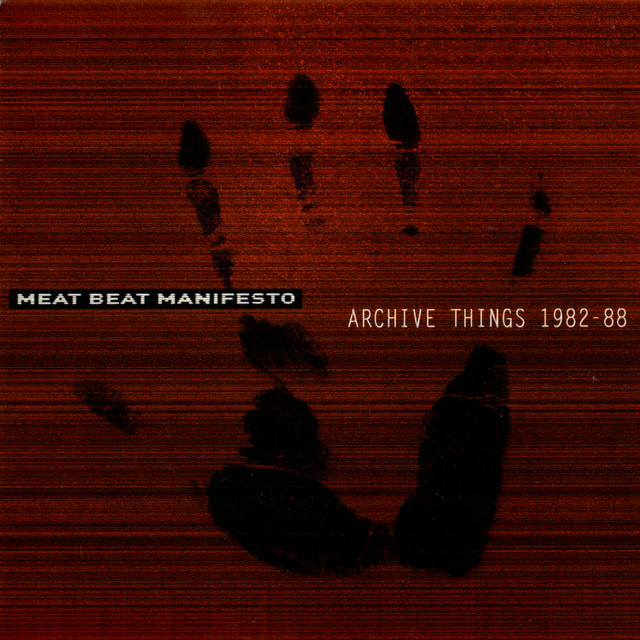
Album Credits
-
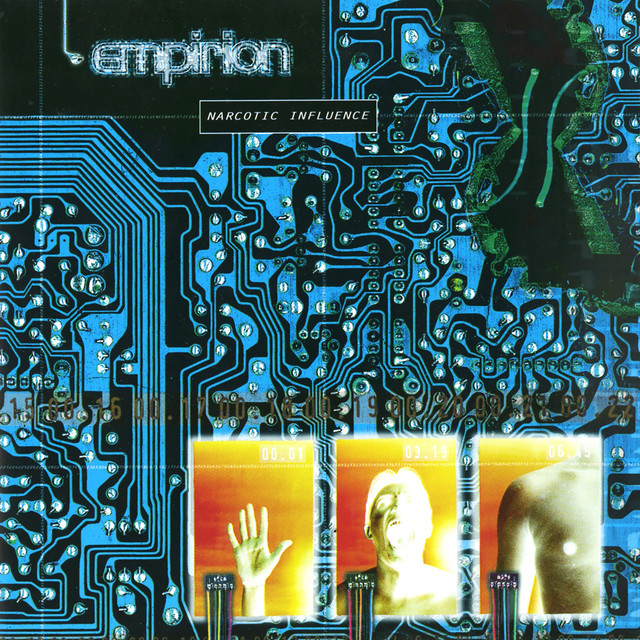
Empirion · 1997
Producer -
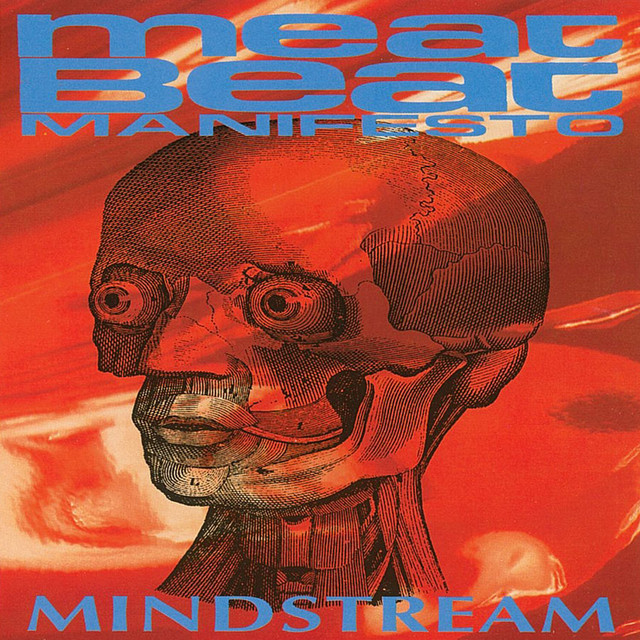
Meat Beat Manifesto · 1993
Engineer Producer -
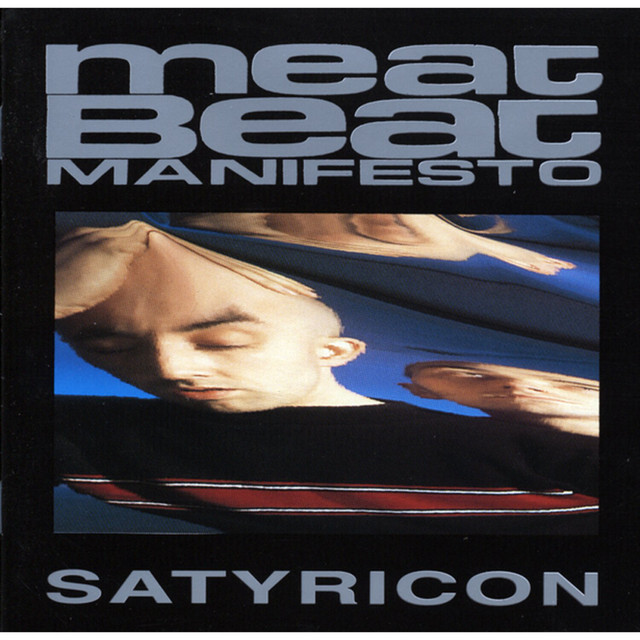
Meat Beat Manifesto · 1992
Engineer Mixing Engineer Producer -
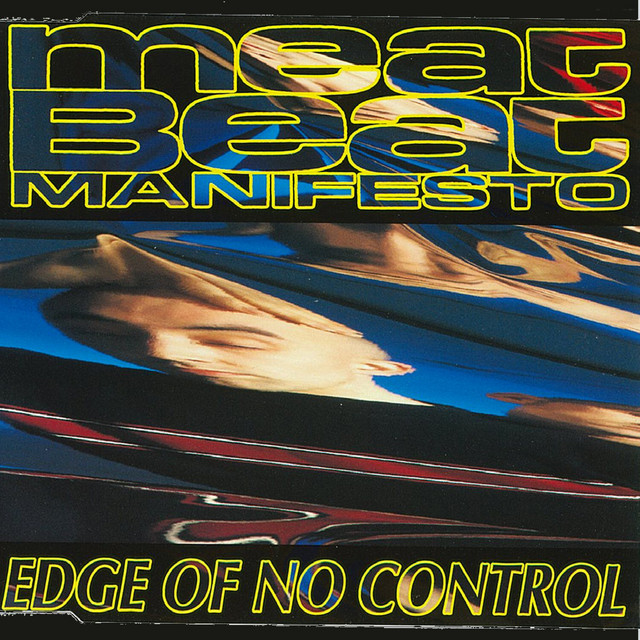
Meat Beat Manifesto · 1992
Engineer Mixing Engineer -
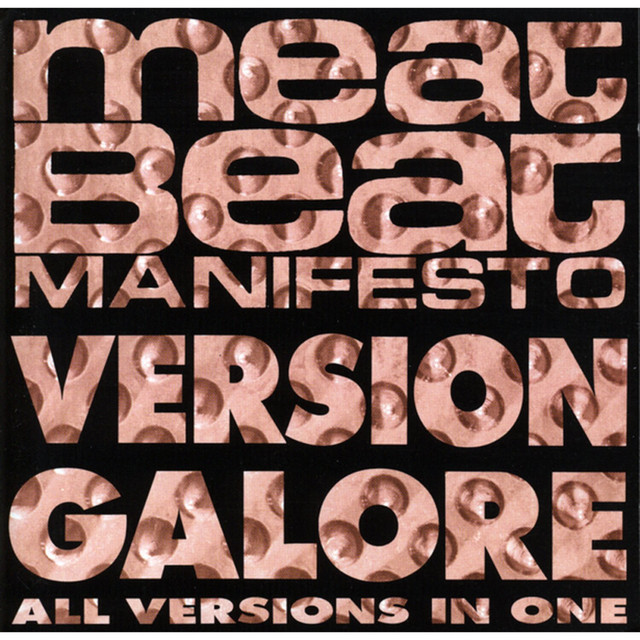
Meat Beat Manifesto · 1991
Producer -
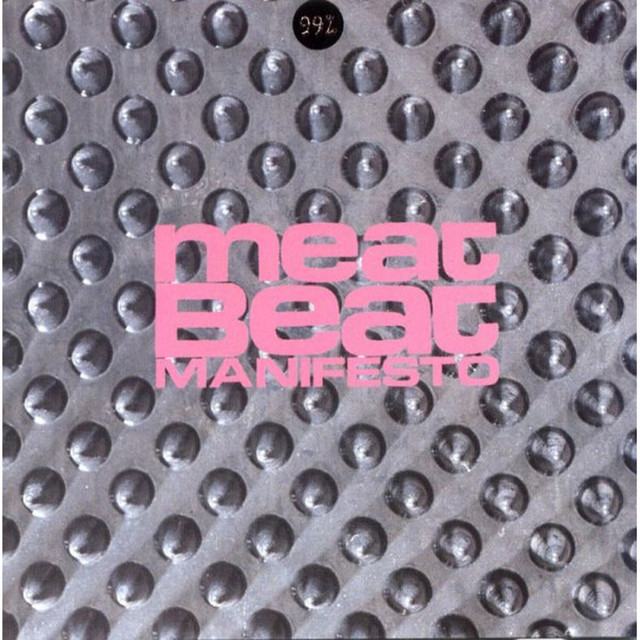
Meat Beat Manifesto · 1990
Producer