Alan Howarth
Alan Howarth's Gear

-m.webp?v=1784332501)
In this video interview with Alan, he discusses some of his current gear, which includes an Arp Avatar, a Minimoog Model D, a Kurzweil K2661, an M-Audio Keystation, an Arturia Spark, and an Arturia keyboard, presumably a KeyStep.
Find it on:


Alan Howarth, known for his collaborations with John Carpenter, used the ARP Quadra synthesizer, as evidenced by a user-uploaded photo on Fbcdn.
Find it on:



In an interview image from Prosoundeffects, Alan Howarth is shown using the ARP Avatar synthesizer. He frequently used the same synthesizers as his collaborator, John Carpenter.
Find it on:


In the video "How the Escape From New York music was made," Alan Howarth is shown using the Roland CSQ-600, a sequencer he frequently employed alongside John Carpenter during their collaborations.
Find it on:

"Phase 2 began with Big Trouble In Little China. I had a new house and built a studio in the garage out back, which I called Electric Melody Studios, and where I had an Ampex MM1100 24-track instead of the Stephens. I added a Kurzweil 250 synth and a Prophet VS, both of which became main pieces, and also got the Linn Drum LM2 and an E-mu SP12 Drumulator. I started getting into computer-based sequencers as well. The first one I got was MOTU Performer on the Mac Plus. But the crown jewel which we got in 1986 was a Synclavier system. It was so expensive that I bought it on payments, it was like buying a house! I decided to go for the Synclavier rather than the Fairlight because it had added a Macintosh as its interface."
Find it on:

In this video interview with Alan, he discusses some of his current gear, which includes an Arp Avatar, a Minimoog Model D, a Kurzweil K2661, an M-Audio Keystation, an Arturia Spark, and an Arturia keyboard, presumably a KeyStep.
Find it on:


In this video interview with Alan, he discusses some of his current gear, which includes an Arp Avatar, a Minimoog Model D, a Kurzweil K2661, an M-Audio Keystation, an Arturia Spark, and an Arturia keyboard, presumably a KeyStep.
Find it on:





“Phase 2 began with Big Trouble In Little China. I had a new house and built a studio in the garage out back, which I called Electric Melody Studios, and where I had an Ampex MM1100 24-track instead of the Stephens. I added a Kurzweil 250 synth and a Prophet VS, both of which became main pieces, and also got the Linn Drum LM2 and an E-mu SP12 Drumulator. I started getting into computer-based sequencers as well. The first one I got was MOTU Performer on the Mac Plus. But the crown jewel which we got in 1986 was a Synclavier system. It was so expensive that I bought it on payments, it was like buying a house! I decided to go for the Synclavier rather than the Fairlight because it had added a Macintosh as its interface."
Find it on:

Alan Howarth, known for his collaborations with John Carpenter, is pictured using the Sequential Circuits Prophet-5 synthesizer, a staple in their shared sound design work.
Find it on:

Alan Howarth, known for his collaborations with John Carpenter, uses the E-mu Drumulator drum machine. This is evidenced by a user-uploaded photo showing Howarth with the equipment.
Find it on:


Alan Howarth, known for his collaborations with John Carpenter, uses the Linn Electronics LM-1 Drum Computer, as evidenced by a user-uploaded photo.
Find it on:

In the Prosoundeffects interview, Alan Howarth discusses using the ARP 1623 Sequencer, a piece of gear he often shared with his collaborator John Carpenter.
Find it on:

"My studio was called Pi West, and the initial bank of keyboards there when John and I started out working together were the Sequential Circuits Prophet 5 Rev3, a Prophet 10, an early ARP Quadra and two ARP Avatars — one Avatar was integrated with a Sequential Circuits Model 700 programmer — an ARP Sequencer, an Oberheim Four Voice, and an Emulator 1 sampler."
Find it on:

"Phase 2 began with Big Trouble In Little China. I had a new house and built a studio in the garage out back, which I called Electric Melody Studios, and where I had an Ampex MM1100 24-track instead of the Stephens. I added a Kurzweil 250 synth and a Prophet VS, both of which became main pieces, and also got the Linn Drum LM2 and an E-mu SP12 Drumulator. I started getting into computer-based sequencers as well. The first one I got was MOTU Performer on the Mac Plus. But the crown jewel which we got in 1986 was a Synclavier system. It was so expensive that I bought it on payments, it was like buying a house! I decided to go for the Synclavier rather than the Fairlight because it had added a Macintosh as its interface."
Find it on:

“Phase 2 began with Big Trouble In Little China. I had a new house and built a studio in the garage out back, which I called Electric Melody Studios, and where I had an Ampex MM1100 24-track instead of the Stephens. I added a Kurzweil 250 synth and a Prophet VS, both of which became main pieces, and also got the Linn Drum LM2 and an E-mu SP12 Drumulator. I started getting into computer-based sequencers as well. The first one I got was MOTU Performer on the Mac Plus. But the crown jewel which we got in 1986 was a Synclavier system. It was so expensive that I bought it on payments, it was like buying a house! I decided to go for the Synclavier rather than the Fairlight because it had added a Macintosh as its interface."
Find it on:

"My studio was called Pi West, and the initial bank of keyboards there when John and I started out working together were the Sequential Circuits Prophet 5 Rev3, a Prophet 10, an early ARP Quadra and two ARP Avatars — one Avatar was integrated with a Sequential Circuits Model 700 programmer — an ARP Sequencer, an Oberheim Four Voice, and an Emulator 1 sampler. I also had the Linn LM1 drum machine, which drove our main arpeggiator, the ARP Sequencer, using clock pulses. I later got an Emulator 2, which became one of our main pieces and had a very musical arpeggiator on its own."
Find it on:
-m.webp?v=1784353126)
"My studio was called Pi West, and the initial bank of keyboards there when John and I started out working together were the Sequential Circuits Prophet 5 Rev3, a Prophet 10, an early ARP Quadra and two ARP Avatars — one Avatar was integrated with a Sequential Circuits Model 700 programmer — an ARP Sequencer, an Oberheim Four Voice, and an Emulator 1 sampler."
Find it on:

"My studio was called Pi West, and the initial bank of keyboards there when John and I started out working together were the Sequential Circuits Prophet 5 Rev3, a Prophet 10, an early ARP Quadra and two ARP Avatars — one Avatar was integrated with a Sequential Circuits Model 700 programmer — an ARP Sequencer, an Oberheim Four Voice, and an Emulator 1 sampler."
Find it on:

“Phase 2 began with Big Trouble In Little China. I had a new house and built a studio in the garage out back, which I called Electric Melody Studios, and where I had an Ampex MM1100 24-track instead of the Stephens. I added a Kurzweil 250 synth and a Prophet VS, both of which became main pieces, and also got the Linn Drum LM2 and an E-mu SP12 Drumulator. I started getting into computer-based sequencers as well. The first one I got was MOTU Performer on the Mac Plus. But the crown jewel which we got in 1986 was a Synclavier system. It was so expensive that I bought it on payments, it was like buying a house! I decided to go for the Synclavier rather than the Fairlight because it had added a Macintosh as its interface."
Find it on:

In this video interview with Alan, he discusses some of his current gear, which includes an Arp Avatar, a Minimoog Model D, a Kurzweil K2661, an M-Audio Keystation, an Arturia Spark, and an Arturia keyboard, presumably a KeyStep.
Find it on:

In this video interview with Alan, he discusses some of his current gear, which includes an Arp Avatar, a Minimoog Model D, a Kurzweil K2661, an M-Audio Keystation, an Arturia Spark, and an Arturia keyboard, presumably a KeyStep.
Find it on:
This is a community-built gear list for Alan Howarth.
- Find relevant music gear like Pianos, Keyboards and Synthesizers, Microphones, Software Plugins and VSTs, Instruments, Studio Equipment, Headphones, and other instruments and add it to Alan Howarth.
- The best places to look for gear usage are typically on the artist's social media, YouTube, live performance images, and interviews.
- To receive email updates when Alan Howarth is seen with new gear, follow the artist.
-
Added to Equipboard on by
 deepdream
GearIQ 2430
-
Updated
Discography
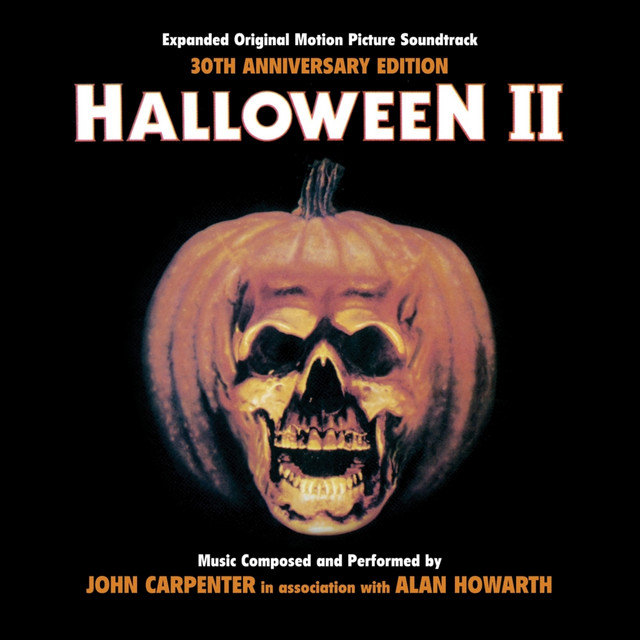
Halloween II - 30th Anniversary Expanded Original Motion Picture Soundtrack
1981
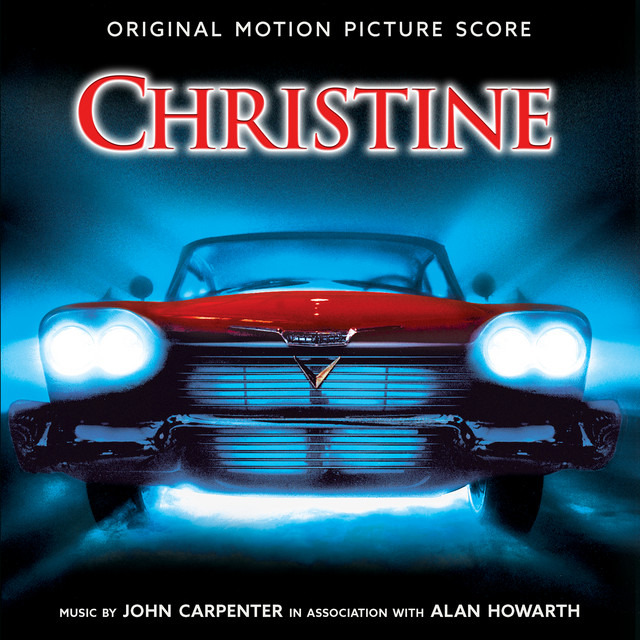
Christine (Original Motion Picture Score)
1983
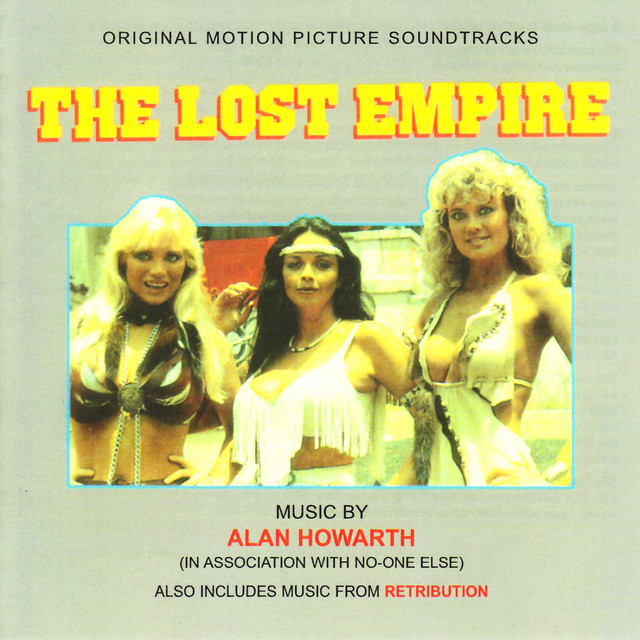
The Lost Empire and Retribution
1983
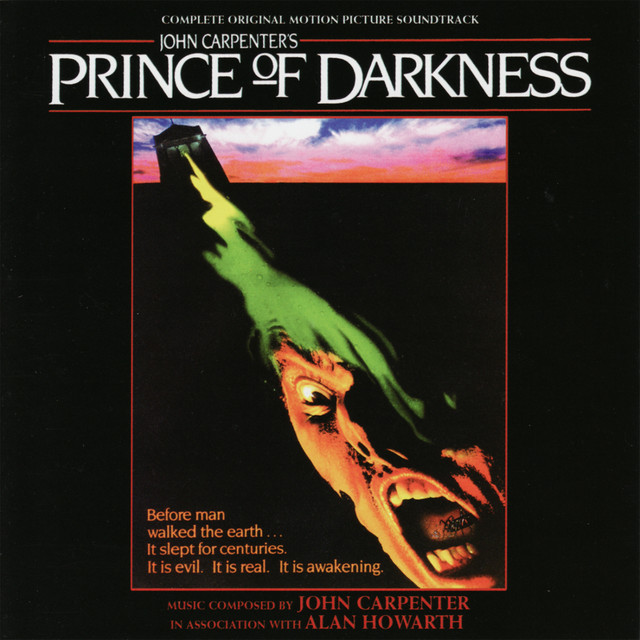
Prince of Darkness - Complete Original Motion Picture Soundtrack
1988
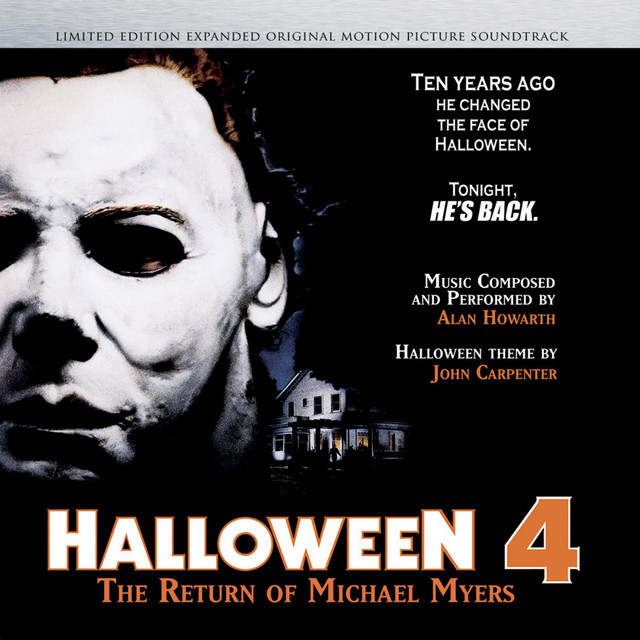
Hallowen 4: The Return of Michael Myers (Original Motion Picture Soundtrack)
1988
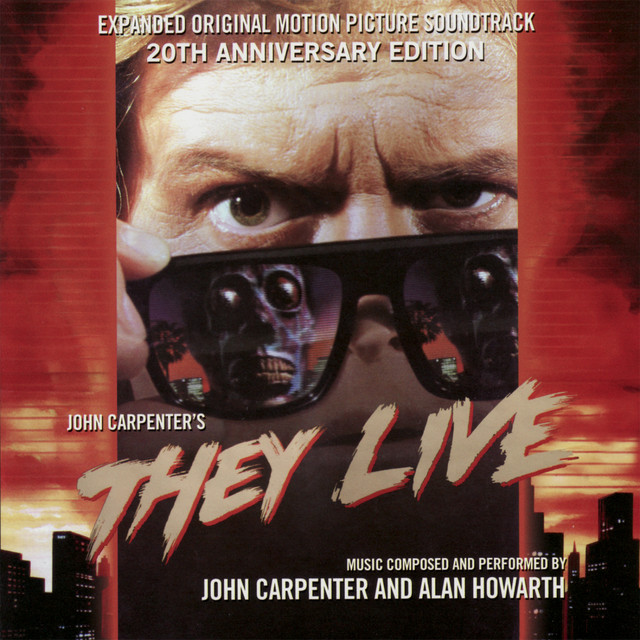
They Live - Expanded Original Motion Picture Soundtrack 20th Anniversary Edition
1989
Real Hollywood Sound Effects
1997
Paradise Within - Meditation and RA Music
2001
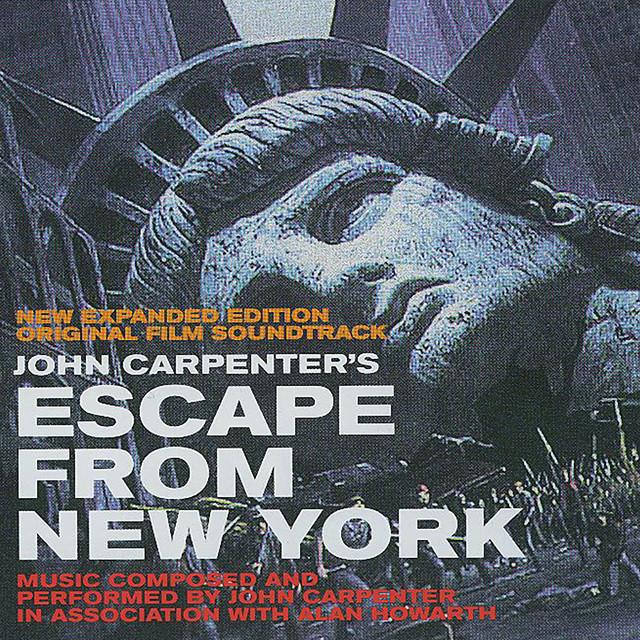
Escape from New York (Original Motion Picture Soundtrack)
2005
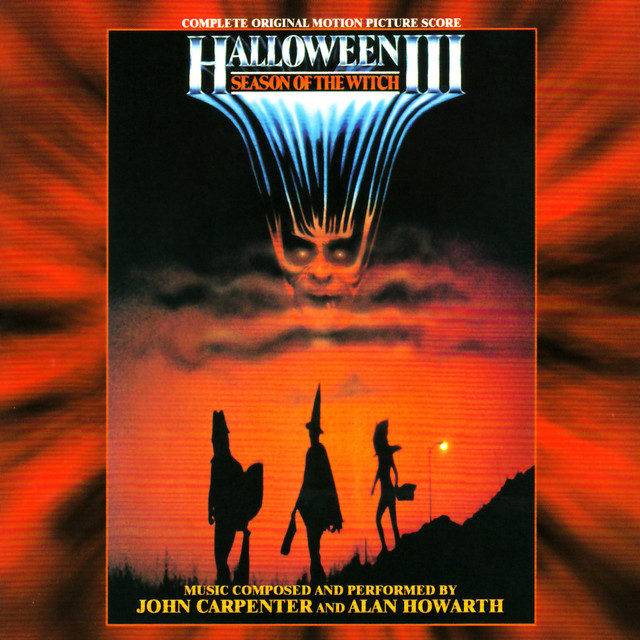
Halloween III: Complete Original Motion Picture Score
2007
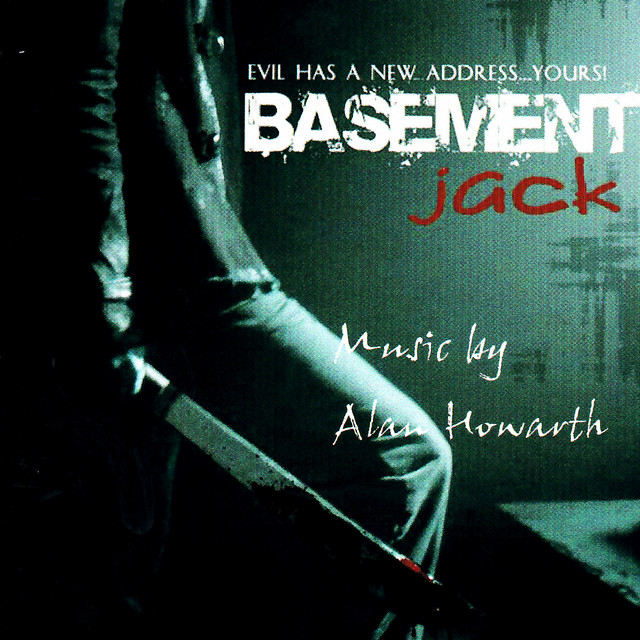
Basement Jack
2008
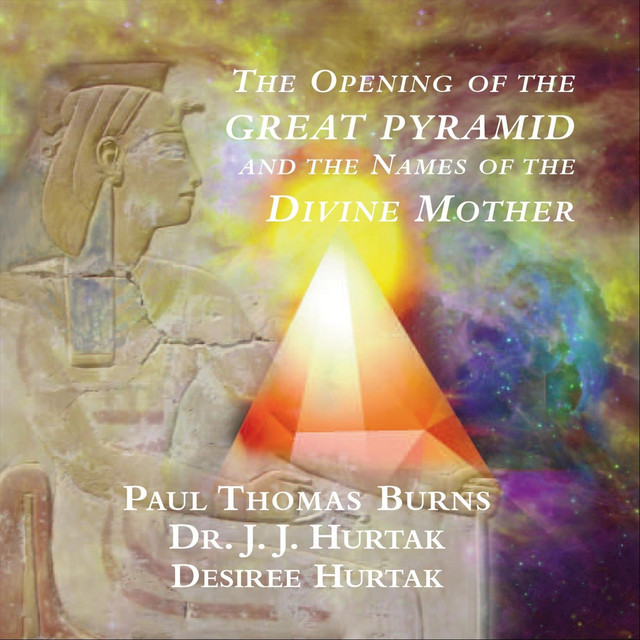
The Opening of the Great Pyramid and the Names of the Divine Mother
2009
Album Credits
-
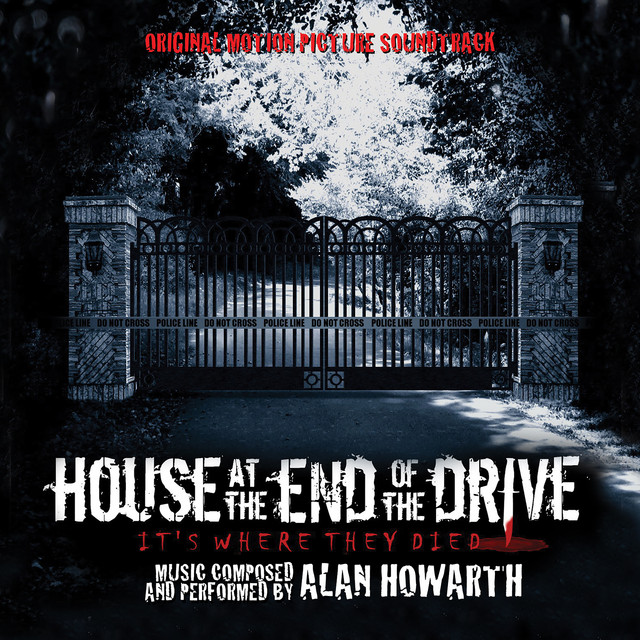
House at the End of the Drive (Original Motion Picture Soundtrack)
Alan Howarth · 2024
Producer -
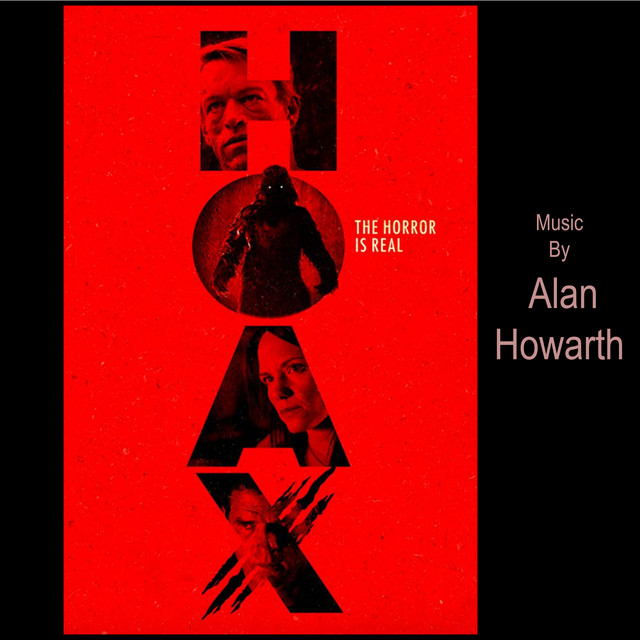
Hoax - Original Movie Soundtrack
Alan Howarth · 2019
Producer -
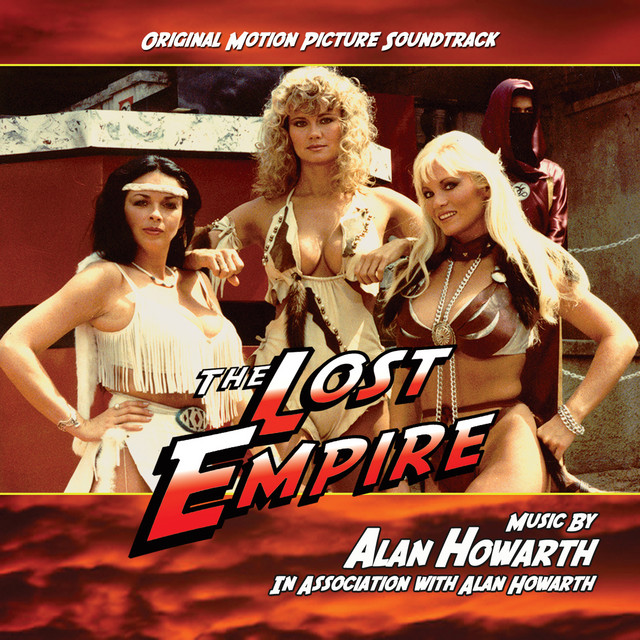
Alan Howarth · 2015
Mixing Engineer Producer -
Alan Howarth · 2008
Producer -
Alan Howarth · 1997
Engineer Producer