This page about Apple Macintosh Plus is a stub. You can help improve it:


Pricing and availability




* Product prices and availability are updated by Equipboard every 24hrs and are subject to change. Equipboard may receive compensation for purchases made at participating retailers linked on this site. This compensation does not affect what products or prices are displayed, or the order of prices listed. For more information, please refer to our affiliate disclosure.
Description
The Apple Macintosh Plus, a legendary member of the Macintosh family, is a timeless piece celebrated for its pivotal role in both computing and music production history. Initially introduced in 1986, this classic computer has found a unique place in the hearts of musicians and producers who appreciate its Motorola 68000 processor and compact design, which made it a staple in early digital music setups.
With its user-friendly interface and compatibility with music software from its era, the Macintosh Plus remains a beloved tool for those looking to recreate the authentic sounds of the late '80s and early '90s. Its single-button mouse and 9-inch monochrome display evoke a sense of nostalgia, while its sturdy build ensures reliability. For musicians and tech enthusiasts alike, the Macintosh Plus is more than just a computer—it's a piece of musical heritage.
Whether you're a vintage gear collector or a musician looking to experiment with retro sounds, the Macintosh Plus offers a unique experience. Its classic design and historical significance continue to inspire creativity and innovation.
Key Features:
- Motorola 68000 processor running at 8 MHz
- 1 MB of RAM, expandable to 4 MB
- 9-inch monochrome display
- Single-button mouse for intuitive navigation
- Compatible with early music software
- 3.5-inch floppy disk drive for software and file storage
- Known for its role in early digital music production setups
Videos

Adrian's Digital Basement
Macintosh Plus power supply troubleshooting and repair
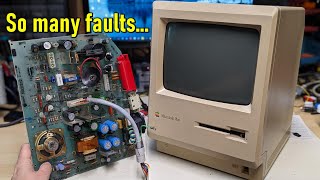
Macintosh Plus power supply troubleshooting and repair
Adrian's Digital Basement
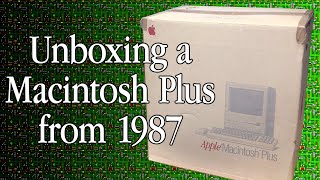
Mac84: Unboxing a Vintage Apple Macintosh Plus from 1987

Mac84
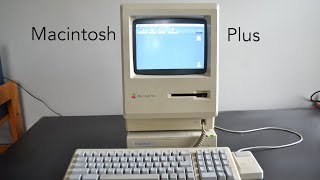
Apple Macintosh Plus | Tour and Software Showcase

Seamus MacDonald
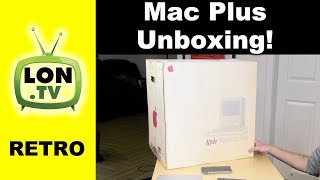
Retro Review: Mac Plus Unboxing and Emulation!

Lon.TV
Macintosh Plus Repair

Retro Hack Shack
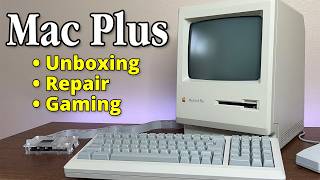
I bought a 1980's Macintosh Plus on eBay... Will it work?

Classic Mac Gaming
Reviews
Owner Insights
We analyzed real musician discussions from forums and Reddit to find what players love, question, and tweak about Apple Macintosh Plus.
Software and compatibility
-
The Macintosh Plus requires 800k double density floppies, not the more common 1.44MB format, which are increasingly rare in working condition.
Source -
For those interested in networking, BlueSCSI version 2 allows limited online access, suitable for BBS or FTP, although not for modern web browsing.
Source -
System 6.0.8 is recommended for optimal performance and compatibility on the Macintosh Plus, especially when using floppy disks.
Source -
System 7.1 provides broader software support but is noticeably slower on the Macintosh Plus, requiring at least 1.1 MB of RAM.
Source -
System 7.0 has a known disk OS bug leading to potential HDD crashes, making 7.1 a more stable choice for users needing newer software features.
Source
Mods and upgrades
-
BlueSCSI, particularly the DB25 external model, is recommended for modern storage solutions using micro SD cards, providing broader software access beyond just a System 6 startup disk.
Source
Setup and maintenance
-
Opening the Macintosh Plus requires a special screwdriver that costs under $15, necessary to check for battery damage and other internal issues.
Source
Use cases and applications
-
With 4MB of RAM, users can utilize a "Ramdisk" for storing applications and documents temporarily, offering a silent and quick experience true to the period.
Source -
For a vintage computing experience with better performance, System 6.0.8 is preferred over System 7, especially when using modern storage solutions.
Source
Features and functionality
Value and pricing
Build quality
-
The Macintosh Plus is renowned for its durability, with fewer capacitor failures compared to later models, contributing to their longevity.
Source
Based on 0 Reviews and 0 Ratings
Artist usage
Add artist
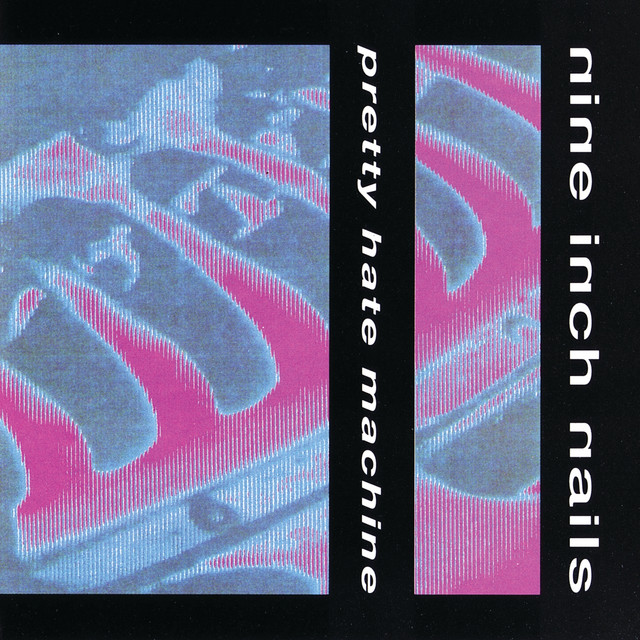
"At the time of Pretty Hate Machine, I had a Mac Plus. I did all the sequencing of that record on that."

:format(jpeg):mode_rgb():quality(90)/discogs-images/R-1066164-1198952326.jpeg.jpg)
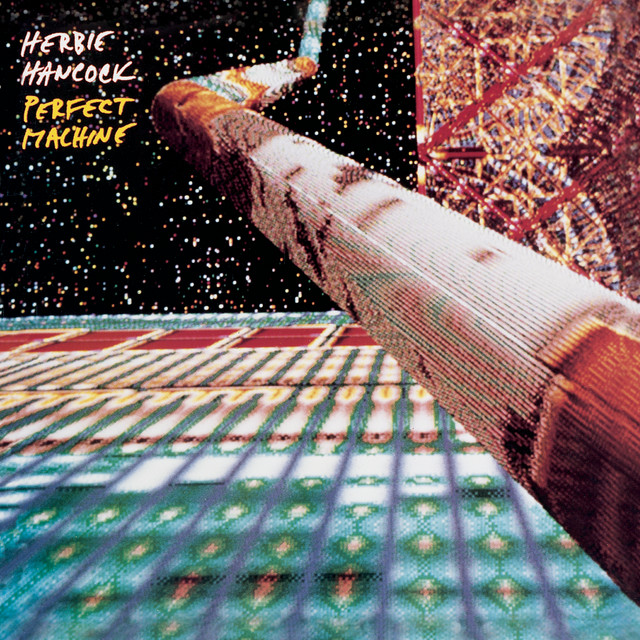
Herbie Hancock is credited with Mac Plus in the liner notes for Perfect Machine.


"I was living in Toronto at the time and had bought my first Mac computer and set up a recording studio in my apartment so in early 1988 I started writing songs with The Cure in mind. It was my first studio in a long time and my first studio which centred around a computer based system. I was recording using software called Performer which ran on a Mac Plus computer and synced up to a multi track cassette recorder which I had forgotten about until I wrote that so I could add real recorded instruments like guitar. I presented about an hours worth of music to the band when we had our first listening session at Boris’ house in Devon, England. I took my songs on a DAT tape which was the first consumer digital tape format."


"Around the time we were making our second album, Lincoln, I bought a used Mac Plus. It probably had about one meg of memory. I had that little TV set-shaped thing on my desk for a number of years. We used that and some really simple keyboards for sequencing."


“Phase 2 began with Big Trouble In Little China. I had a new house and built a studio in the garage out back, which I called Electric Melody Studios, and where I had an Ampex MM1100 24-track instead of the Stephens. I added a Kurzweil 250 synth and a Prophet VS, both of which became main pieces, and also got the Linn Drum LM2 and an E-mu SP12 Drumulator. I started getting into computer-based sequencers as well. The first one I got was MOTU Performer on the Mac Plus. But the crown jewel which we got in 1986 was a Synclavier system. It was so expensive that I bought it on payments, it was like buying a house! I decided to go for the Synclavier rather than the Fairlight because it had added a Macintosh as its interface."


Album Usage
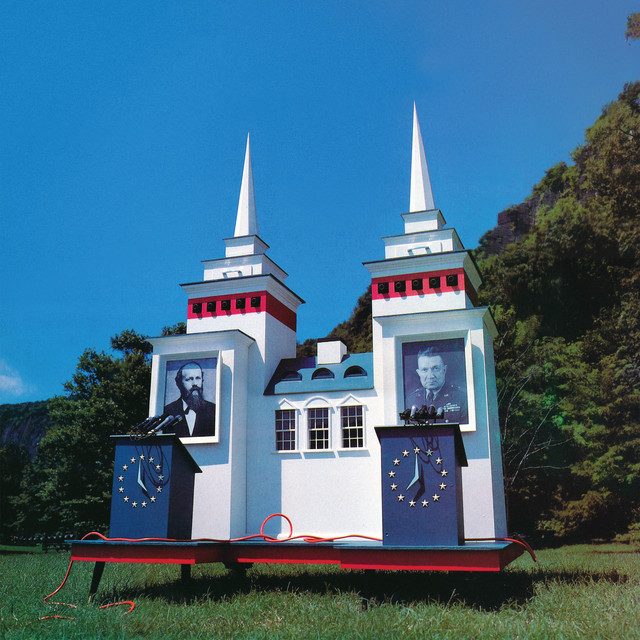
The Apple Macintosh Plus has been featured on the following albums:
Genre Usage
Based on how artists on Equipboard use this gear, it is most commonly found in the following genres.
Used With
Based on how musicians on Equipboard use Apple Macintosh Plus, it is most commonly used with the following gear.



More Apple Computers & Peripherals

$1,319.55
in Computers & Peripherals Rank


$69.59 - $79.00
in Computers & Peripherals Rank


$54.99
in Computers & Peripherals Rank


$579.99 - $799.00
in Computers & Peripherals Rank


$83.83 - $99.00
in Computers & Peripherals Rank


$109.99 - $129.99
in Computers & Peripherals Rank


$1,299.00
in Computers & Peripherals Rank


$116.47
in Computers & Peripherals Rank


$1,488.71 - $1,999.00
in Computers & Peripherals Rank


$87.00 - $199.00
in Computers & Peripherals Rank


$1,399.00 - $1,599.00
in Computers & Peripherals Rank


$449.94
in Computers & Peripherals Rank
.png?v=1784293637)


$22.00
in Computers & Peripherals Rank


$334.00 - $334.99
in Computers & Peripherals Rank

$4,699.00 - $4,999.00
in Computers & Peripherals Rank


$999.00 - $1,151.81
in Computers & Peripherals Rank


$277.19
in Computers & Peripherals Rank


$1,382.45 - $1,599.00


-m.webp?v=1784335371)


Community setups


Similar


Gear Guides







Most Popular Computers & Peripherals
Most Popular Brands


