

Pricing and availability




* Product prices and availability are updated by Equipboard every 24hrs and are subject to change. Equipboard may receive compensation for purchases made at participating retailers linked on this site. This compensation does not affect what products or prices are displayed, or the order of prices listed. For more information, please refer to our affiliate disclosure.
Description
Step into the world of classic computing with the Apple Macintosh SE/30, a beloved relic now making waves in the musical community for its retro charm and robust functionality. Introduced in 1989, this iconic computer originally served as a powerhouse for business professionals but has since gained a cult following among musicians and tech enthusiasts alike. Powered by the Motorola 68030 processor, the SE/30 offers reliable performance for vintage software and MIDI-based applications, making it an excellent choice for those who appreciate the fusion of technology and creativity.
The Macintosh SE/30 is celebrated for its compact all-in-one design, housing a 9-inch monochrome CRT display that delivers crisp visuals for its era. While modern computers overshadow it in terms of raw power, the SE/30 excels in its ability to run classic music software, offering a unique opportunity to explore the history of digital composition. Its architecture supports up to 128 MB of RAM, impressive for its time, allowing for smooth multitasking and efficient handling of music production tasks.
Key Features:
- Motorola 68030 processor for efficient performance
- All-in-one compact design with a 9-inch monochrome CRT display
- Compatible with vintage MIDI applications
- Supports up to 128 MB of RAM
- Offers a unique vintage computing experience for music enthusiasts
- Ideal for running classic music software and exploring digital composition history
Videos

Jason's Macintosh Museum
Apple Macintosh SE/30 (1989) Full Tour, Start Up and Demonstration
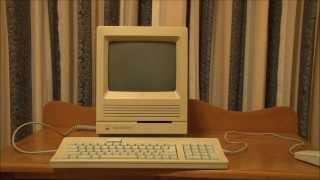
Apple Macintosh SE/30 (1989) Full Tour, Start Up and Demonstration
Jason's Macintosh Museum
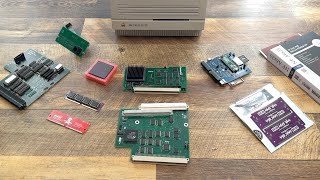
Pushing the Limits: Ultimate Upgrade Journey of a Macintosh SE/30

polymatt
Macintosh SE/30 - Living Up to a Legend | The Computer Hall of Fame

Userlandia
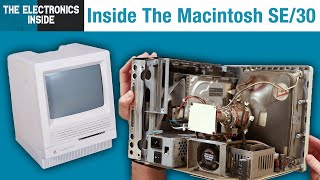
Macintosh SE/30 Teardown - The Electronics Inside

element14 presents
Building a Brand New Macintosh SE/30 Logic Board!

Odd & Obsolete
Reviews
Owner Insights
We analyzed real musician discussions from forums and Reddit to find what players love, question, and tweak about Apple Macintosh SE/30.
Software and compatibility
-
To read/write HFS formatted floppies on a PC, HFS Explorer is recommended for compatibility with Mac floppy disks.
Source -
Early Mac games may not perform perfectly on the SE/30 due to processor speed assumptions, unlike the SE which handles them more consistently.
Source -
While the SE can run System 6 comfortably, the SE/30 can handle System 7 efficiently, offering more software compatibility and versatility.
Source -
The SE excels in running older Mac software from the 80s, including System 1.1g, unlike the SE/30, which can't boot pre-System 6 software.
Source
Use cases and applications
-
The SE/30, with a 32-bit clean ROM, offers an optimal upgrade path for enthusiasts looking to expand RAM to 128MB for more demanding tasks.
Source
Comparisons
-
The SE/30's full 32-bit data path significantly boosts its performance over the Classic II, which operates on a 16-bit path, effectively halving its capability.
Source -
PDS Ethernet cards are rare, but alternatives like serial cable bridging to Linux machines offer networking solutions, despite being complex to set up.
Source -
The SE/30 is considered the pinnacle of compact Macs, superior to the SE in performance and expandability, but the SE is praised for its build reliability.
Source
Setup and maintenance
-
Recapping is often necessary for SE/30s due to leaky capacitors, and it involves surface-mounted components, likely requiring professional service.
Source -
The SE/30 can use 1.44M floppies, enabling file transfers through a modern USB FDD, but a BlueSCSI simplifies this process significantly.
Source -
BlueSCSI and SCSI2SD are recommended for replacing failing hard drives, allowing use of microSD cards for modern data transfer and storage solutions.
Source -
SE/30s are known for leaky capacitors, which can be resolved with a dishwasher cycle and recapping, though the battery is removable to prevent damage.
Source
Features and functionality
-
The SE/30 has an integrated FPU, unlike the SE, enhancing performance for applications requiring floating-point calculations.
Source -
ClarisWorks includes a serial program capable of StuffIt file handling, aiding in data transfer and resource fork preservation on the SE/30.
Source -
The SE/30 has a PDS slot supporting video, Ethernet, and accelerator cards, and can run Apple's A/UX operating system, offering twice the speed of some alternatives.
Source
User experience
-
Retrobriting is discouraged due to temporary results and potential oxidation, with natural patina preferred by some owners for aesthetic longevity.
Source -
Owners have found using virtual memory on the Classic II helpful against its 10MB RAM limit, highlighting the SE/30's advantage with 128MB RAM capacity.
Source
Mods and upgrades
-
Installing a BWOW ROM allows 128MB RAM use, enhancing performance and functionality beyond the factory limits without replacing the original ROM.
Source
5.0 out of 5
Based on 0 Reviews and 2 Ratings
Artist usage
Add artist

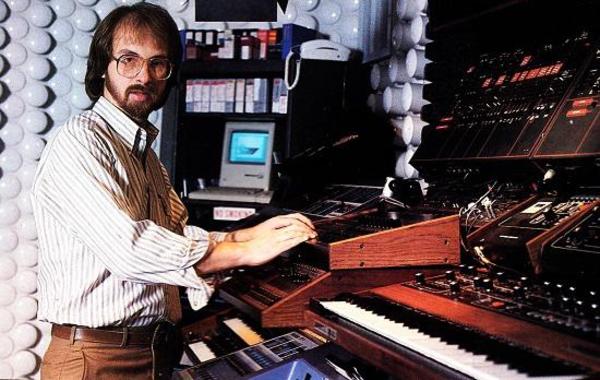
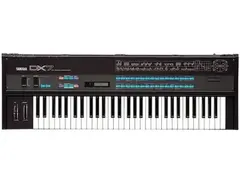
Studio buffs tend to forget that modern recording studios are imposing and disorientating places for the average lay person. The technology seems to be surpassed in complexity only by military and space hardware, and Mark King's 'home' studio is certainly state of the art, as the above listing indicates. There's also a Macintosh SE30 with Performer software, an SRC SMPTE-to-MIDI convertor, Adams Smith Zeta 3, NS 10 and Tannoy DTM8 monitors, and two Otari MTR90 24-track recorders with 48 tracks of Dolby SR. Sound sources include a DX7, Roland D110 and 550, Yamaha TX816, Juno 60, Emu III and Emax, Casio CZ101, plus an Akai-Linn MPC60 workstation and a DDrum 2 drum sampler.


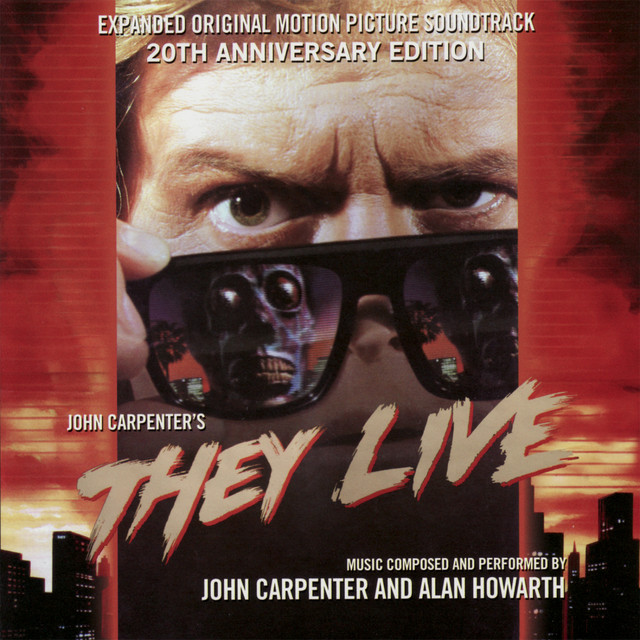
According to John Carpenter's website, a Macintosh SE was used on the soundtrack for "They Live."

Butch worked with Duke and Steve to produce a new sound using Akai samplers, a Kurzweil keyboard and a Mac SE.


"On 'Blackwater' I decided I wasn't happy with the original brush part", says Jansen. "The studio time had finished, so I had time to go away and think about it and I really didn't like what I'd done. I had taken samples of the sounds at the time so I took a SMPTE mix of the track home to our E16 and started to duplicate what I'd played using an Akai S1000 and the Macintosh. I used a variety of samples and literally compiled them on top of the original - slowing down where it slowed down and so on. Hopefully it doesn't sound too bad. I was surprised at the quality of the Akai; it was the first time I'd used one." The equipment list specifies that the Macintosh is the SE model.

:format(jpeg):mode_rgb():quality(90)/discogs-images/R-3089190-1374902675-4218.jpeg.jpg)
Macintosh SE is included in list of instruments played by Suzanne Ciani.


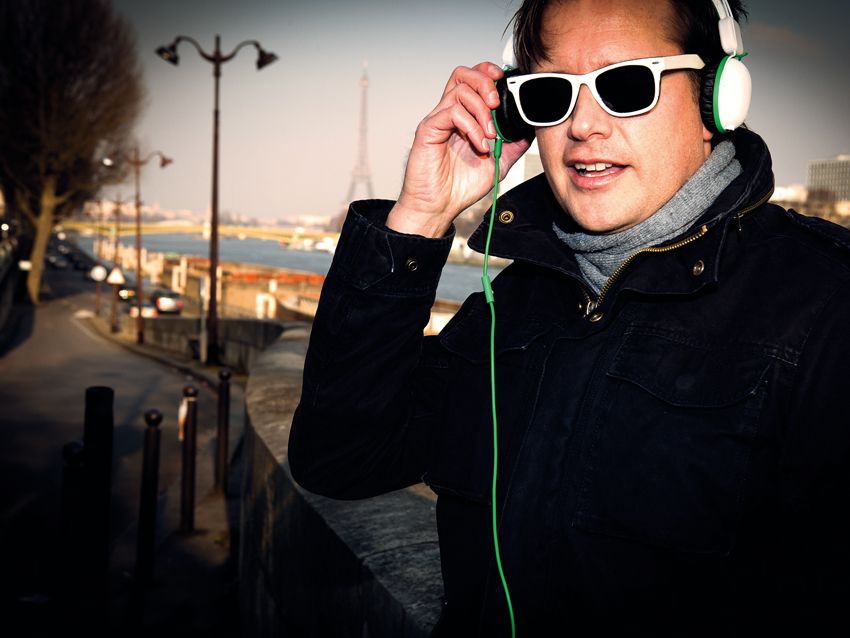
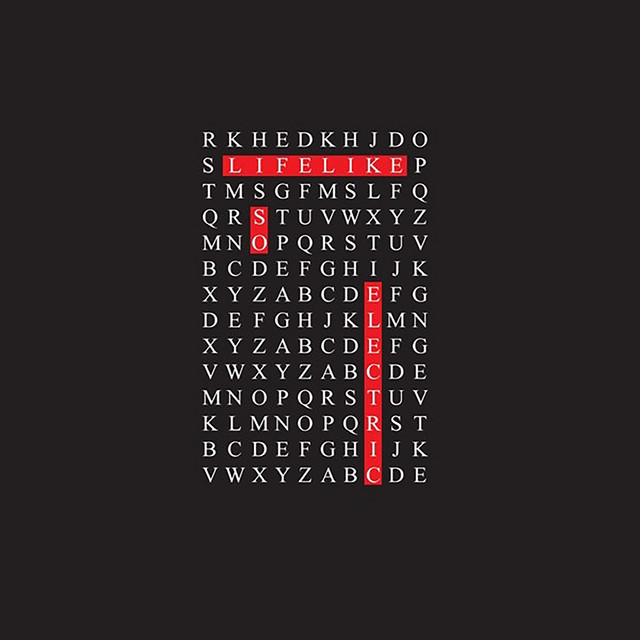
In an interview with Future Music, featured on MusicRadar, Lifelike discusses using the Apple Macintosh SE/30 in his Paris studio while creating the track "So Electric."


The Siouxsie material was rehearsed and recorded by the band on sequencers, allowing Hague to make extensive use of his computer music gear (based around a Mac SE30 and a Mac IIci; see box) was put to intensive use.

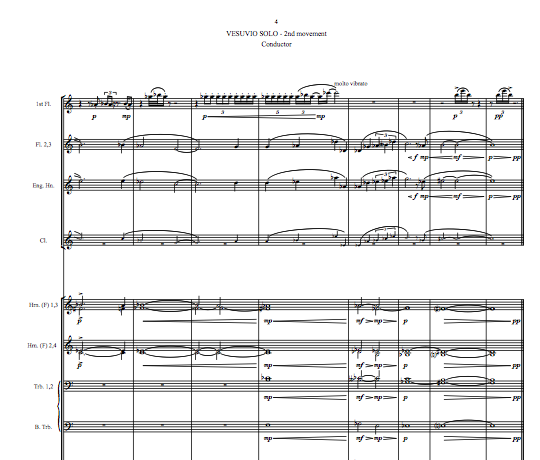
"It involved a New England Digital’s Synclavier II PSMT system, and early MOTU’s Performer sequencer running on Apple Macintosh SE-30, both controlling an impressive array of tone modules via MIDI exclusively. All synths were mixed through an Allen & Heath Brenell 20-channel desk directly to a Sony PCM-F1 digital stereo system, no tape machine in between, and absolutely no sampling involved (neither Digital Performer, nor ProTools existed yet)."


In the YouTube video titled "A Day with Oliver Crosby," produced by Ableton, a vintage Apple Macintosh SE/30 is visible at the 0:22 mark in Oliver Crosby's studio, positioned beside a Commodore 1702 CRT monitor.


Album Usage
The Apple Macintosh SE/30 has been featured on the following albums:
Genre Usage
Based on how artists on Equipboard use this gear, it is most commonly found in the following genres.
Used With
Based on how musicians on Equipboard use Apple Macintosh SE/30, it is most commonly used with the following gear.




More Apple Computers & Peripherals

$1,319.55
in Computers & Peripherals Rank


$69.59 - $79.00
in Computers & Peripherals Rank


$54.99
in Computers & Peripherals Rank


$579.99 - $799.00
in Computers & Peripherals Rank


$83.83 - $99.00
in Computers & Peripherals Rank


$109.99 - $129.99
in Computers & Peripherals Rank


$1,299.00
in Computers & Peripherals Rank


$116.47
in Computers & Peripherals Rank


$1,488.71 - $1,999.00
in Computers & Peripherals Rank


$87.00 - $199.00
in Computers & Peripherals Rank


$1,399.00 - $1,699.00
in Computers & Peripherals Rank


$449.94
in Computers & Peripherals Rank
.png?v=1783787053)


$23.00
in Computers & Peripherals Rank


$334.00 - $334.99
in Computers & Peripherals Rank

$4,699.00 - $4,999.00
in Computers & Peripherals Rank


$999.00 - $1,151.81
in Computers & Peripherals Rank


$277.19
in Computers & Peripherals Rank


$1,382.45 - $1,599.00


-m.webp?v=1783777404)


Community setups


Similar


Gear Guides







Most Popular Computers & Peripherals
Most Popular Brands
-
Added to Equipboard on by
 lesmaisondeux
GearIQ 3294
-


