.jpeg?v=1783110491)
Bob Dylan
Role
Genre
Role
Genre
Bob Dylan's Gear


Buck Owens gifted this guitar on 11 March 2005, Portland
Find it on:


"1981 tour.....with a Takamine F455s.....since 1978 and through the 80s the japanese acoustic guitars were the ones on stage (Yamaha,Takamine)...you can tell in this beautiful F455s that the logo on the headstock reminds a lot to the Martin guitars logo...more than a lot the american brand wished for sure...
The Takamine F455S was used as the one & only acoustic guitar in Europe 1981. Apart from Verona 1984 this Takamine was one of only two acoustics used in Europe 1984 (the other was a Washburn Monterrey).
thanks to Frank Witt"
Find it on:


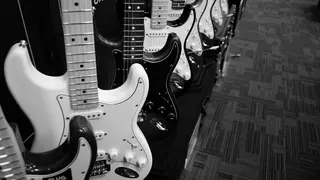
Bob Dylan owns a 1993 Fender Custom Stratocaster, one of the earliest aluminum models. Original shipping documents to Dylan's guitar tech, Cesar Diaz, verify this. A similar model is owned by Dave Stewart. Additional details can be found on Bobdylansgear.
Find it on:

Bob Dylan's 1999 album, Love and Theft, was recorded on a Neve 8068 Mixing Console, according to this article.
Find it on:

A Studer A827 was used to record Bob Dylan's 1999 album, Love and Theft, according to this article by E-Musician.
Find it on:

This article says, "Shaw then compensates by adding some additional low end and a little airy EQ around 12kHz, then heavily compressing the signal through an Empirical Labs EL8 Distressor. 'I drive it untill the red lights don’t blink anymore,' he says. 'You can hear all the bleed from the band into the vocal microphone pumping under the compression and it adds a cool thickness to the sound.'"
Find it on:


Shaw, Dylan's sound engineer, uses a Neumann KM 84 mic on the snare, while recording Dylan's albums, according to this article by E-Musican.
Find it on:

si r
es r su R ar
ra s ra s ra sa r sa rs arass r sa rs ar as ra sa r sa rs ar as ra sa r s ra s ra sa rs ar as ra sa Rs ar as ra sa Rs ar as ra sa rs ar as ra sa rs ar as ra sa rsa ar as ra sa rs ar as ra sa rsa ar as ra sara ras ra sar as ra s ra sas ra saction r
Find it on:

According to Fishman's website Dylan is using this pickup system.
Find it on:





Producer Steve Hoffman has stated his use of the LA-2A for Dylan.
My Teletronix LA-2A, ganged for stereo or mono reproduction via the handy toggle switch in the center of the two units. (...) I've used it on countless projects, Nat "King" Cole, Frank Sinatra, Beach Boys, Doors, Eagles, Ringo, McCartney, Fleetwood Mac, Bob Dylan, Ray Charles, Peggy Lee, Jethro Tull, Chuck Berry, Creedence Clearwater Revival, Van Morrison, White Stripes, Tom Petty, Red Hot Chili Peppers, Ella Fitzgerald, Yes, Sonny Rollins, John Coltrane, Steely Dan, Steppenwolf, Bad Company, Jim Croce, Elvis Presley, Billie Holiday, Judy Garland, Dave Mason, Paul Simon, America, The Band, Crosby, Stills & Nash, The Cars, ZZ Top, James Taylor, Art Pepper, Steve Miller Band, Queen, Rod Stewart, Duke Ellington, John Lee Hooker, Al Jolson, Roy Orbison, Bing Crosby, Sammy Davis, Jr., The Who, Lightnin' Hopkins, Bill Haley & his Comets, Miles Davis, Mamas and Papas, Blue Öyster Cult, The Byrds, Eric Clapton, Bill Evans Trio, Blood, Sweat & Tears, Phil Collins, Alice Cooper, Deep Purple, Jeff Beck, Doobie Bros., Faces, Grand Funk, Heart, Billy Joel, Linda Ronstadt, Ten Years After, Grant Green, Wes Montgomery, Pat Benetar, Elton John, Leon Russell, Metallica. etc.
Find it on:

Used for Dylan's vocals on Love and Theft, as mentioned by sound engineer Chris Shaw in this December 31, 2008 Electronic Musician article. The article erroneously mentiones the preamp as an "HD3D".
One collateral issue is what happens on the relatively rare occasions where Dylan needs to punch in a line on a vocal—not only is there a lot of band leakage on the vocal track, but Dylan dislikes headphones and won’t use a floor monitor. With neither, how could he be cued in to sing at the right moment and on pitch? Shaw’s solution, which he devised during Love and Theft, is quintessentially Dylanesque.
“I have the band play along with the track at a lower volume while wearing headphones, and I have Charlie Sexton sing the lead vocal he’s hearing in the headphone and Bob follows along in the room,” he explains. “Then I punch in for the line. It gets the same spillover from the band on the punched part of the vocal track.” As a back up for the ambience, Shaw also sets up a second SM7 about two feet in front of Dylan’s vocal microphone and pointed in the same direction. “Just in case he has to do a punch without the band in the room, because when the ambient sound disappears, you really notice that it’s gone.”
Shaw further tempers Dylan’s vocal sound by running the SM7 through a Millennium HD3D mic pre. Dylan asks Shaw to crank the midrange on his voice, which he does by adding a couple of dB between 2kHz and 3kHz on a Neve 1073 module. Shaw then compensates by adding some additional low end and a little airy EQ around 12kHz, then heavily compressing the signal through an Empirical Labs EL8 Distressor. “I drive it untill the red lights don’t blink anymore,” he says. “You can hear all the bleed from the band into the vocal microphone pumping under the compression and it adds a cool thickness to the sound.”
Find it on:

Bob Dylan used this guitar in the late 1980's He played Washburn EA 20 with Grateful Dead in 1987
Find it on:

Used to record the acoustic guitar on "Someday Baby", as mentioned by sound engineer Chris Shaw in this December 31, 2008 Electronic Musician article.
Bob Dylan won the GRAMMY Award for Best Solo Rock Vocal Performance in 2006 for the song “Someday Baby,” from the Modern Times LP, which itself garnered a GRAMMY for Best Contemporary Folk/American Album. Chris Shaw was looking for a dense, Muddy Waters-like sound for the track. He placed a Neumann KM 84 microphone on the bottom of a snare drum purposely selected for its “crappy” sound, with a Shure Bullet microphone on the top on a stand over the kick drum, and rounded the center of the kit off with a Shure SM57 on the rack tom. Dylan’s Gibson Everly Brothers model acoustic guitar is usually recorded using one B&K 4011 pointed at the 12th fret. The distant-sounding slide guitar, played by Larry Campbell, is mixed hard left and owes its spooky allure to the Neumann U87 room microphones.
Find it on:



Bob Dylan used this microphone on vocals for his albums Blood On The Tracks and Desire
Find it on:

Dylan played Martin D-35 and Gibson J-200 In Concert At The Isle Of Wight Festival 1969.
Find it on:

Dylan can be seen playing a Fender Precision Bass in this photo.
Find it on:


Bob Dylan has played a Yamaha Grand Piano since a 2012 outdoor concert in Kent, England, as evidenced by an image from the event.
Find it on:

Find it on:

"Bob Dylan performs on a Silvertone Thin Twin Model 1369L guitar, Station Square Ampitheatre, Pittsburgh, 1991."
Find it on:

According to Joey Lusterman in the article "Bob Dylan’s Acoustic Guitars" on Acoustic Guitar, Bob Dylan used a Yamaha L-6 acoustic guitar during his 1978 Budokan World Tour.
Find it on:

In February at Hong Kong Airport, Bob Dylan was observed playing a Yamaha L-51 Custom guitar, which he had recently purchased in Japan, as documented on the blog titled "YAMAHA L-51 CUSTOM 1978."
Find it on:

Bob Dylan used the Yamaha L-52 Acoustic Guitar, which he purchased in Japan specifically for his 1978 shows. A photograph documenting this can be seen from his performance at Budokan.
Find it on:

Bob Dylan was confirmed to use a Yamaha FG-1500 guitar during a 1986 performance in Australia, where he played alongside Tom Petty. This information is supported by TC楽器 (TCGAKKI) in their documentation of "YAMAHA LEGEND HISTORY."
Find it on:

In the 2021 concert film "Shadow Kingdom," Bob Dylan can be seen playing a Gibson L-48 guitar during his performance of "To Be Alone With You," as documented in a video by Front Row Music on YouTube.
Find it on:
This is a community-built gear list for Bob Dylan.
- Find relevant music gear like Microphones, Guitars, Amplifiers, Effects Pedals, Pianos, Keyboards and Synthesizers, Software Plugins and VSTs, Instruments, and other instruments and add it to Bob Dylan.
- The best places to look for gear usage are typically on the artist's social media, YouTube, live performance images, and interviews.
- To receive email updates when Bob Dylan is seen with new gear, follow the artist.
Discography
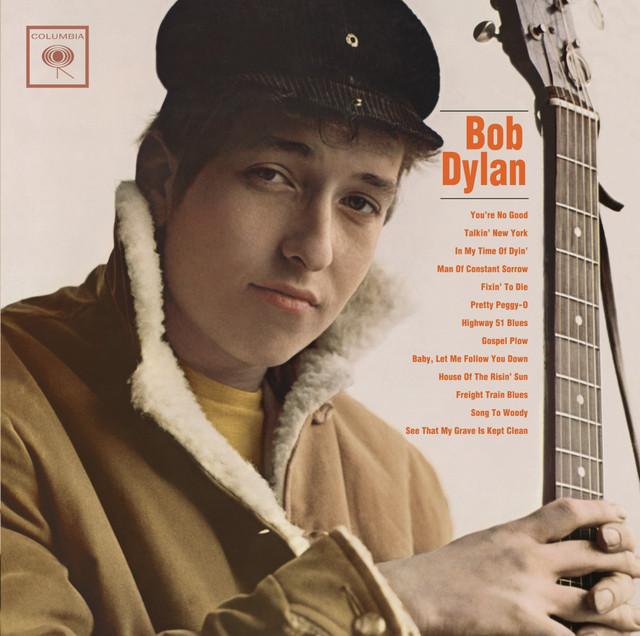
Bob Dylan
1962
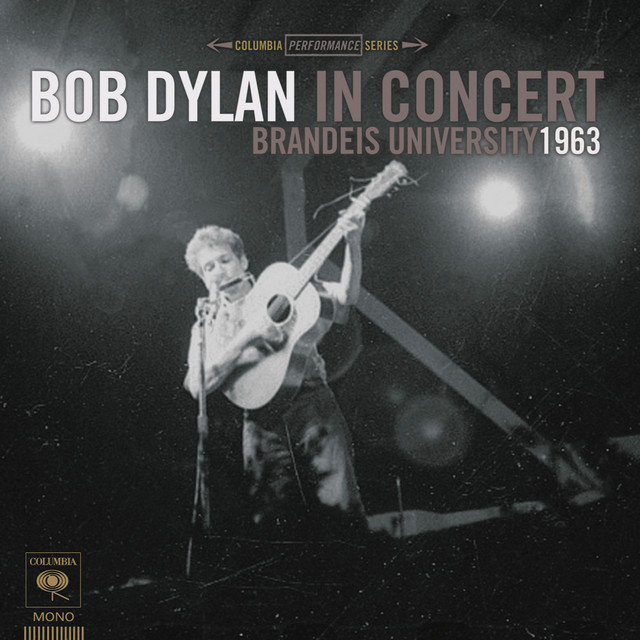
Bob Dylan In Concert: Brandeis University 1963 (Live)
1963
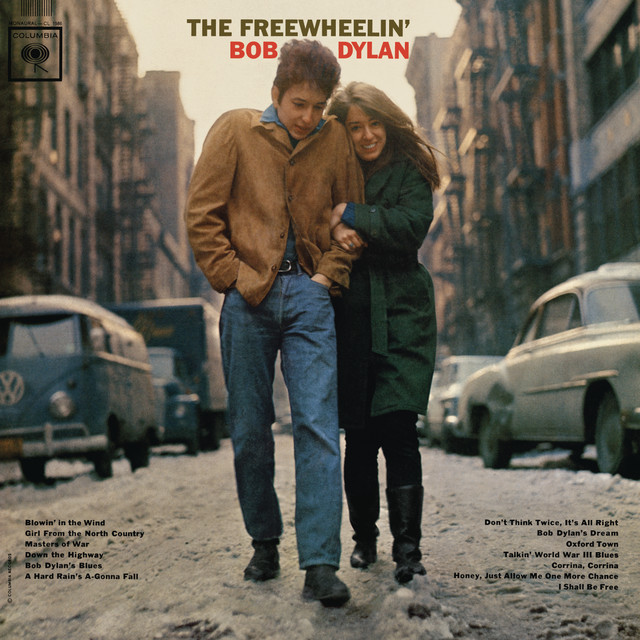
The Freewheelin' Bob Dylan
1963
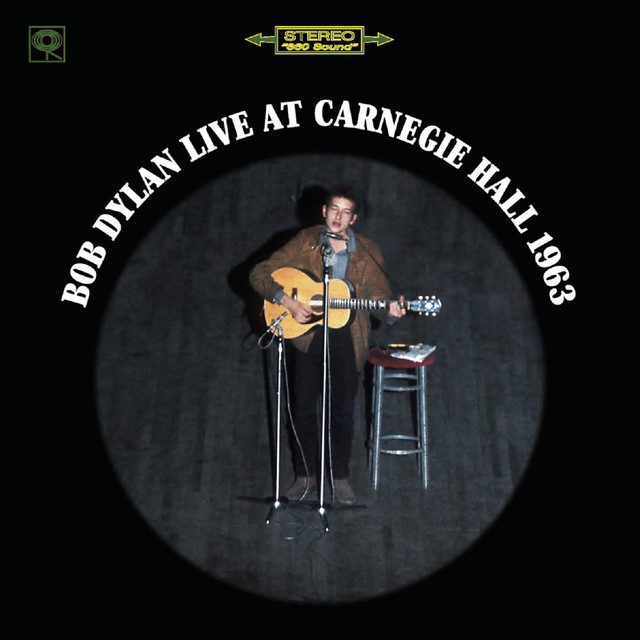
Bob Dylan Live At Carnegie Hall 1963
1963
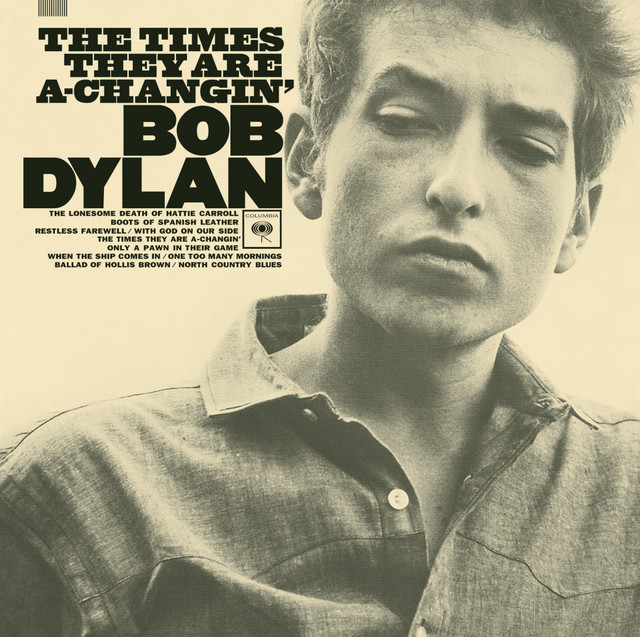
The Times They Are A-Changin'
1964
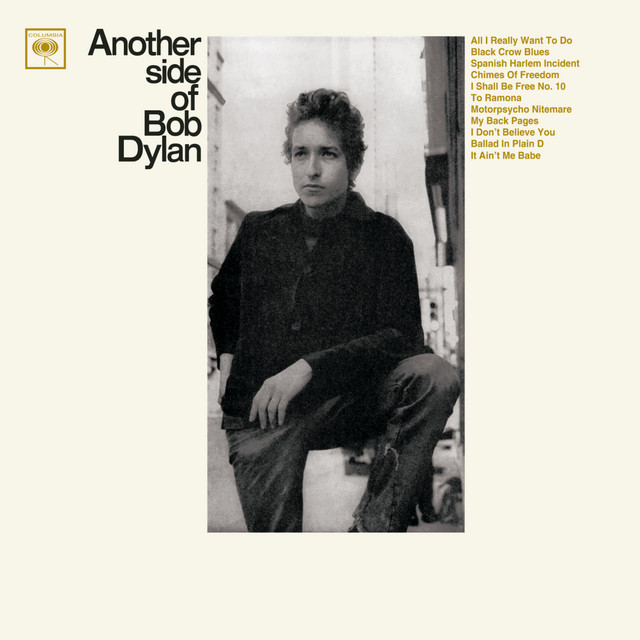
Another Side Of Bob Dylan
1964
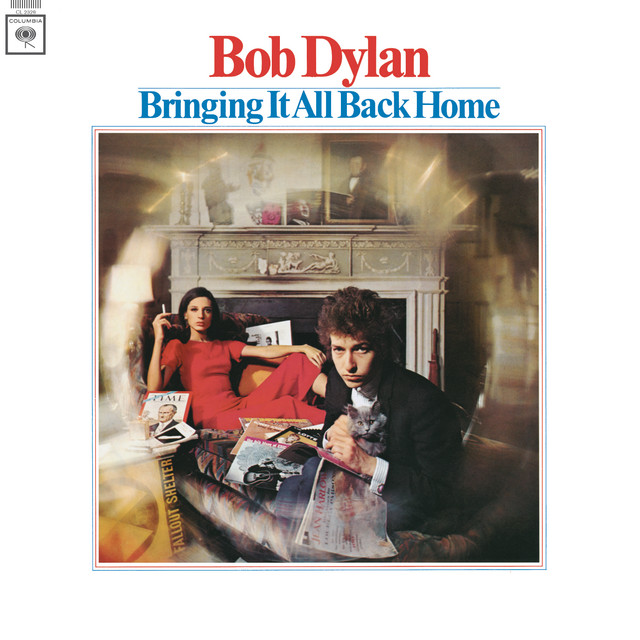
Bringing It All Back Home
1965
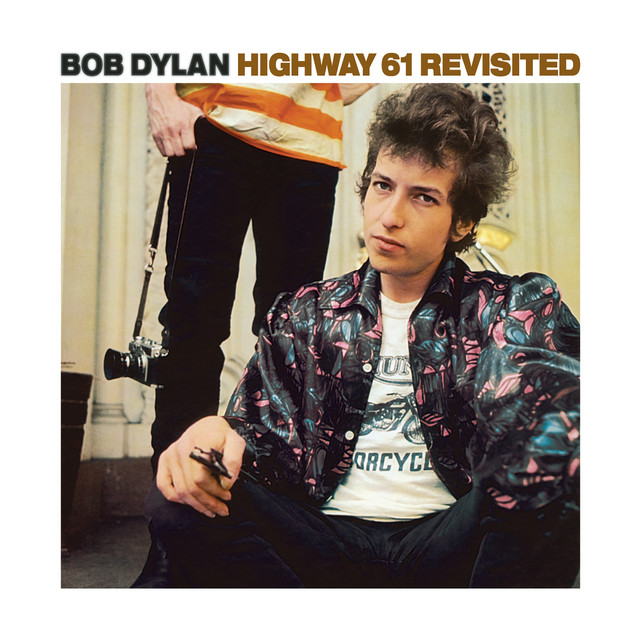
Highway 61 Revisited
1965
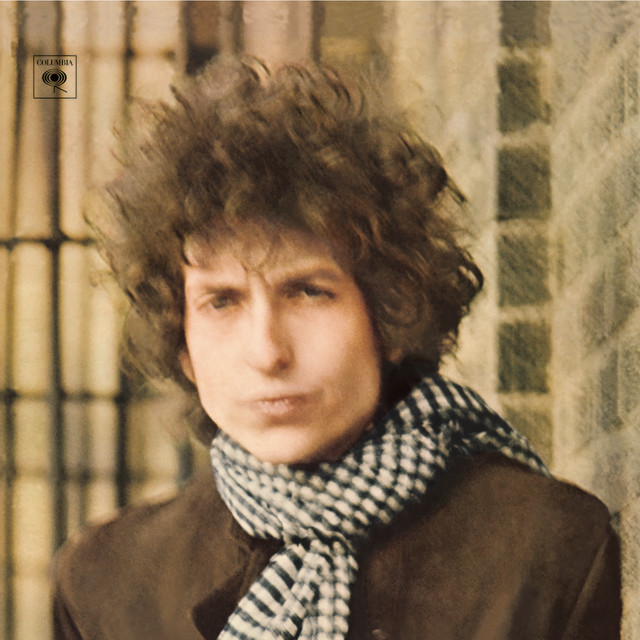
Blonde On Blonde
1966
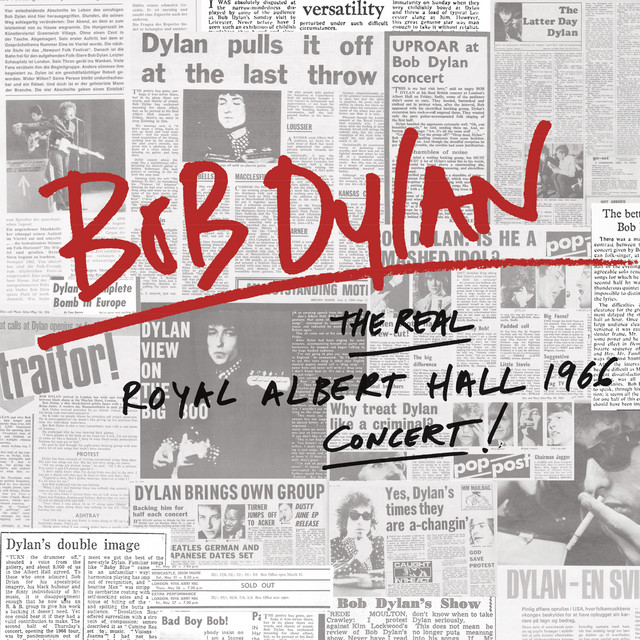
The Real Royal Albert Hall 1966 Concert (Live)
1966
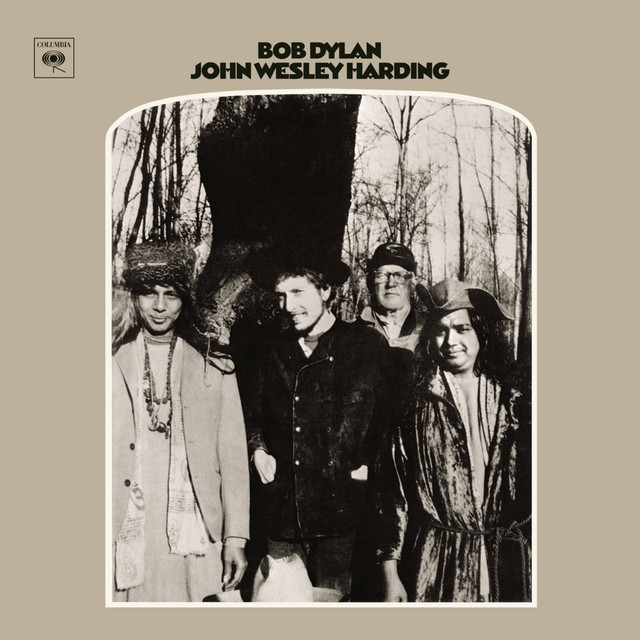
John Wesley Harding
1967
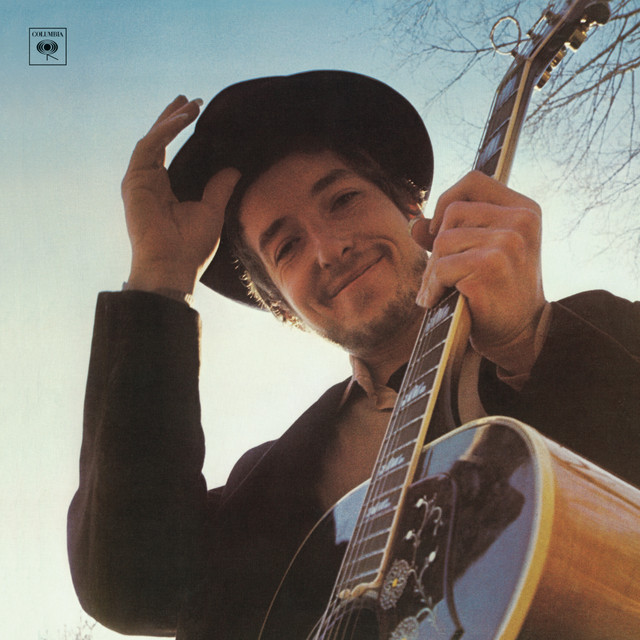
Nashville Skyline
1969
Album Credits
-
Bob Dylan & Robert Zimmerman · 2017
Producer -
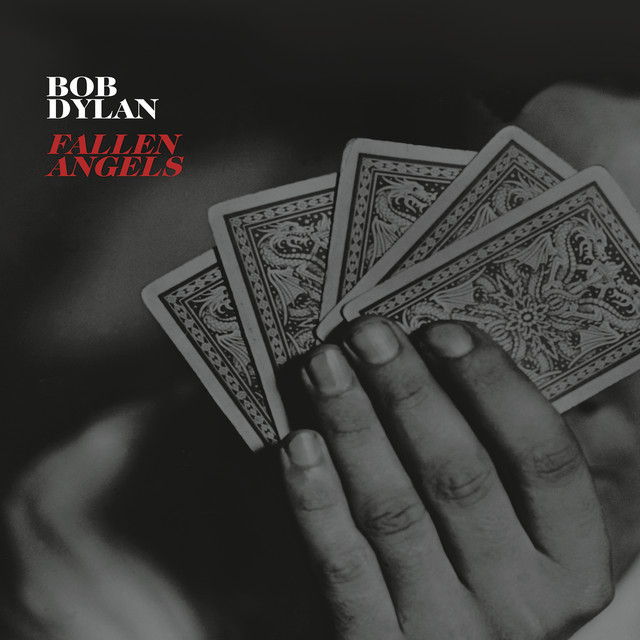
Bob Dylan & Robert Zimmerman · 2016
Producer -
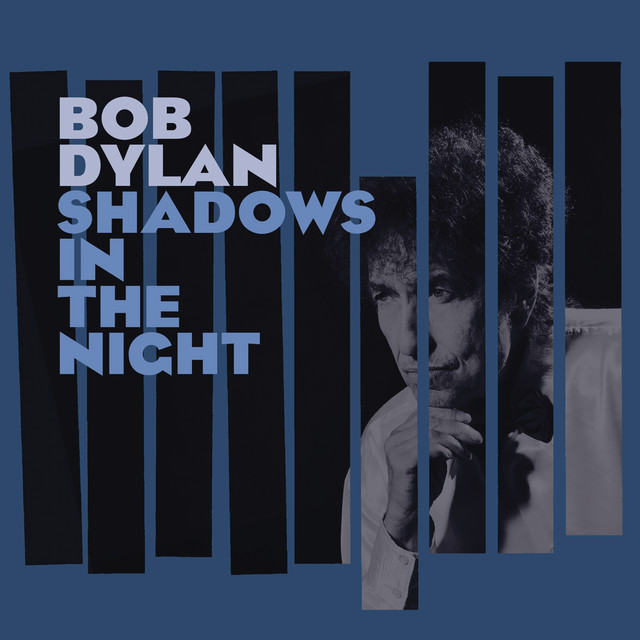
Bob Dylan & Robert Zimmerman · 2015
Producer -
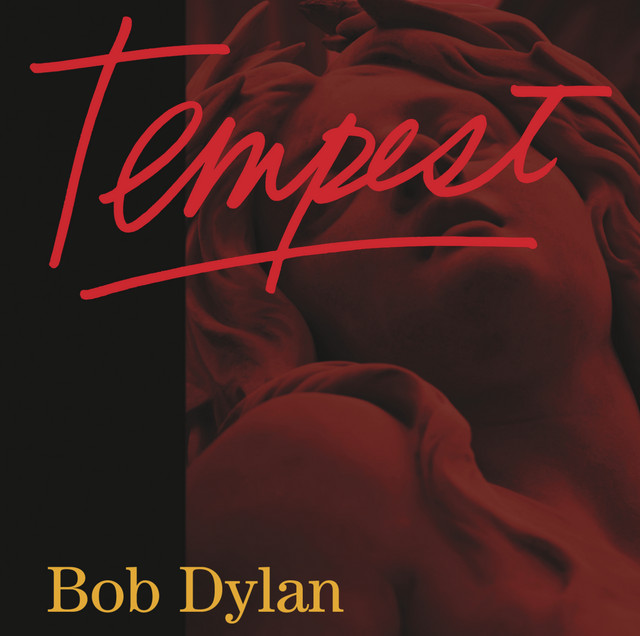
Bob Dylan & Robert Zimmerman · 2012
Producer -
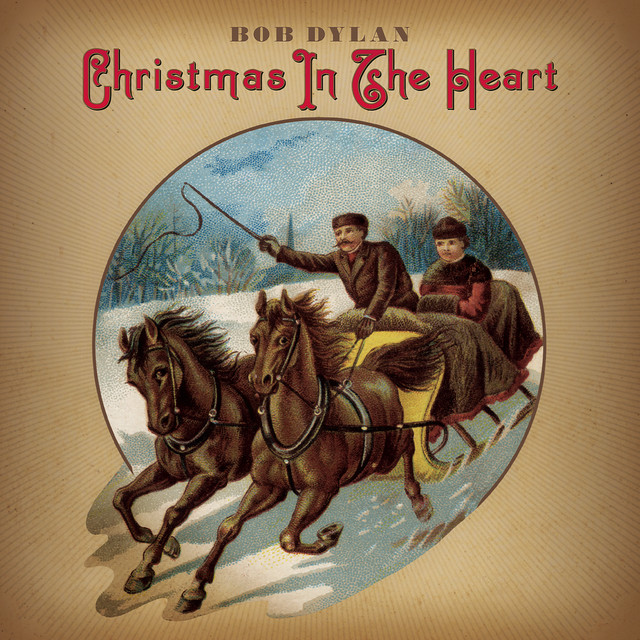
Bob Dylan & Robert Zimmerman · 2009
Producer -
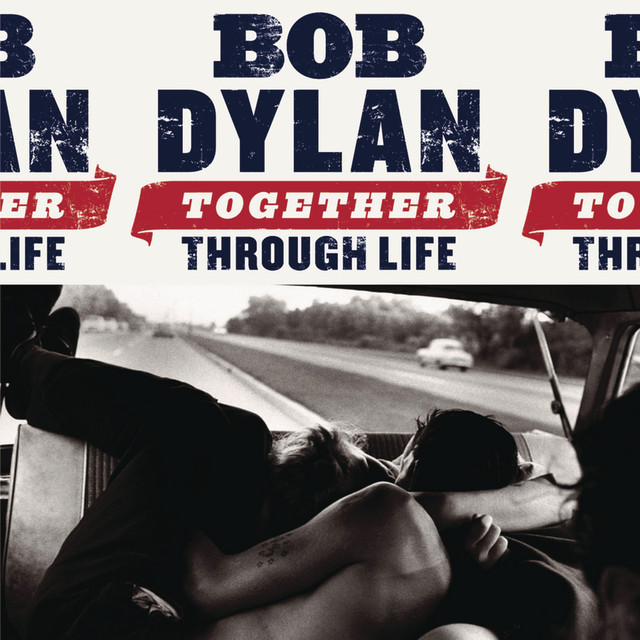
Bob Dylan & Robert Zimmerman · 2009
Producer -
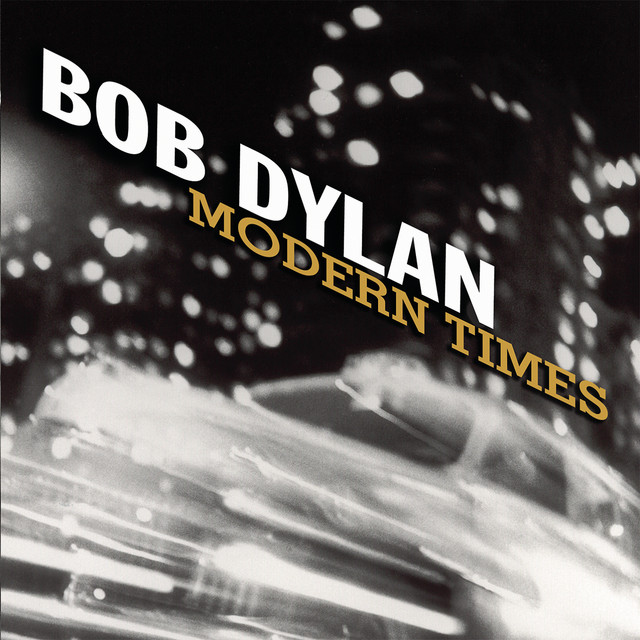
Bob Dylan & Robert Zimmerman · 2006
Producer -
The Band · 2005
Producer -
Bob Dylan & Robert Zimmerman · 2001
Producer -
Bob Dylan & Robert Zimmerman · 1993
Producer -
Bob Dylan & Robert Zimmerman · 1990
Producer -
Bob Dylan & Robert Zimmerman · 1986
Producer







.webp)