Charlie Clouser
Charlie Clouser's Gear


Charlie Clouser is listed as a user of the Jomox XBase 09 drum machine on the Jomox website.
Find it on:


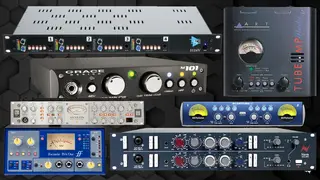
I do all my main composition, recording, and mixing inside Logic X on a Mac Pro cylinder, and output the results to as many as eight 5.1 stems which are routed via MADI over to a second Mac Pro running Pro Tools HD-Native, which is acting as a basic layback recorder. A third computer, a Mac Mini, is slaved to Logic via MTC and is running Video Slave software that I helped to develop. This takes the video playback load off of the main Logic machine and simplifies things a bit. I use MOTU 112d and 1248 AVB interfaces, along with a UAD Octo, on the Logic machine, and Avid MADI and SyncHD interfaces on the Pro Tools stem recorder. I repurposed a couple of older Mac Pro towers as orchestral slaves running Vienna Ensemble Pro, although I use these pretty rarely, and I do a fair bit of sound design and rhythm programming in Ableton Live and Reason which run as ReWire slaves behind Logic. Tons of plugins, as you'd expect, ranging from the amazing UAD stuff to more out-there stuff like Sinevibes and Audio Damage.
Find it on:
-m.webp?v=1783152138)
I do all my main composition, recording, and mixing inside Logic X on a Mac Pro cylinder, and output the results to as many as eight 5.1 stems which are routed via MADI over to a second Mac Pro running Pro Tools HD-Native, which is acting as a basic layback recorder. A third computer, a Mac Mini, is slaved to Logic via MTC and is running Video Slave software that I helped to develop. This takes the video playback load off of the main Logic machine and simplifies things a bit. I use MOTU 112d and 1248 AVB interfaces, along with a UAD Octo, on the Logic machine, and Avid MADI and SyncHD interfaces on the Pro Tools stem recorder. I repurposed a couple of older Mac Pro towers as orchestral slaves running Vienna Ensemble Pro, although I use these pretty rarely, and I do a fair bit of sound design and rhythm programming in Ableton Live and Reason which run as ReWire slaves behind Logic. Tons of plugins, as you'd expect, ranging from the amazing UAD stuff to more out-there stuff like Sinevibes and Audio Damage.
Find it on:

I do all my main composition, recording, and mixing inside Logic X on a Mac Pro cylinder, and output the results to as many as eight 5.1 stems which are routed via MADI over to a second Mac Pro running Pro Tools HD-Native, which is acting as a basic layback recorder. A third computer, a Mac Mini, is slaved to Logic via MTC and is running Video Slave software that I helped to develop. This takes the video playback load off of the main Logic machine and simplifies things a bit. I use MOTU 112d and 1248 AVB interfaces, along with a UAD Octo, on the Logic machine, and Avid MADI and SyncHD interfaces on the Pro Tools stem recorder. I repurposed a couple of older Mac Pro towers as orchestral slaves running Vienna Ensemble Pro, although I use these pretty rarely, and I do a fair bit of sound design and rhythm programming in Ableton Live and Reason which run as ReWire slaves behind Logic. Tons of plugins, as you'd expect, ranging from the amazing UAD stuff to more out-there stuff like Sinevibes and Audio Damage.
Find it on:




I do all my main composition, recording, and mixing inside Logic X on a Mac Pro cylinder, and output the results to as many as eight 5.1 stems which are routed via MADI over to a second Mac Pro running Pro Tools HD-Native, which is acting as a basic layback recorder. A third computer, a Mac Mini, is slaved to Logic via MTC and is running Video Slave software that I helped to develop. This takes the video playback load off of the main Logic machine and simplifies things a bit. I use MOTU 112d and 1248 AVB interfaces, along with a UAD Octo, on the Logic machine, and Avid MADI and SyncHD interfaces on the Pro Tools stem recorder. I repurposed a couple of older Mac Pro towers as orchestral slaves running Vienna Ensemble Pro, although I use these pretty rarely, and I do a fair bit of sound design and rhythm programming in Ableton Live and Reason which run as ReWire slaves behind Logic. Tons of plugins, as you'd expect, ranging from the amazing UAD stuff to more out-there stuff like Sinevibes and Audio Damage.
Find it on:

I do all my main composition, recording, and mixing inside Logic X on a Mac Pro cylinder, and output the results to as many as eight 5.1 stems which are routed via MADI over to a second Mac Pro running Pro Tools HD-Native, which is acting as a basic layback recorder. A third computer, a Mac Mini, is slaved to Logic via MTC and is running Video Slave software that I helped to develop. This takes the video playback load off of the main Logic machine and simplifies things a bit. I use MOTU 112d and 1248 AVB interfaces, along with a UAD Octo, on the Logic machine, and Avid MADI and SyncHD interfaces on the Pro Tools stem recorder. I repurposed a couple of older Mac Pro towers as orchestral slaves running Vienna Ensemble Pro, although I use these pretty rarely, and I do a fair bit of sound design and rhythm programming in Ableton Live and Reason which run as ReWire slaves behind Logic. Tons of plugins, as you'd expect, ranging from the amazing UAD stuff to more out-there stuff like Sinevibes and Audio Damage.
Find it on:


-m.webp?v=1782900039)
I do all my main composition, recording, and mixing inside Logic X on a Mac Pro cylinder, and output the results to as many as eight 5.1 stems which are routed via MADI over to a second Mac Pro running Pro Tools HD-Native, which is acting as a basic layback recorder. A third computer, a Mac Mini, is slaved to Logic via MTC and is running Video Slave software that I helped to develop. This takes the video playback load off of the main Logic machine and simplifies things a bit. I use MOTU 112d and 1248 AVB interfaces, along with a UAD Octo, on the Logic machine, and Avid MADI and SyncHD interfaces on the Pro Tools stem recorder. I repurposed a couple of older Mac Pro towers as orchestral slaves running Vienna Ensemble Pro, although I use these pretty rarely, and I do a fair bit of sound design and rhythm programming in Ableton Live and Reason which run as ReWire slaves behind Logic. Tons of plugins, as you'd expect, ranging from the amazing UAD stuff to more out-there stuff like Sinevibes and Audio Damage.
Find it on:

"For me, the essential gear is anything that can really put the hurt on a signal, like my UBK Fatso and lots of guitar pedals, especially the Electro-Harmonix stuff. Their SuperEgo, Freeze, POG2 and Pitch Fork are recent favorites, and I still get a lot of use out of my Zvex pedals, MXR/Dunlop Hendrix fuzz, and of course the green Line6 delays, both pedal and rack."
Find it on:

"For me, the essential gear is anything that can really put the hurt on a signal, like my UBK Fatso and lots of guitar pedals, especially the Electro-Harmonix stuff. Their SuperEgo, Freeze, POG2 and Pitch Fork are recent favorites, and I still get a lot of use out of my Zvex pedals, MXR/Dunlop Hendrix fuzz, and of course the green Line6 delays, both pedal and rack."
Find it on:


-m.webp?v=1783289847)
"For me, the essential gear is anything that can really put the hurt on a signal, like my UBK Fatso and lots of guitar pedals, especially the Electro-Harmonix stuff. Their SuperEgo, Freeze, POG2 and Pitch Fork are recent favorites, and I still get a lot of use out of my Zvex pedals, MXR/Dunlop Hendrix fuzz, and of course the green Line6 delays, both pedal and rack."
Find it on:

"For me, the essential gear is anything that can really put the hurt on a signal, like my UBK Fatso and lots of guitar pedals, especially the Electro-Harmonix stuff. Their SuperEgo, Freeze, POG2 and Pitch Fork are recent favorites, and I still get a lot of use out of my Zvex pedals, MXR/Dunlop Hendrix fuzz, and of course the green Line6 delays, both pedal and rack."
Find it on:

"For me, the essential gear is anything that can really put the hurt on a signal, like my UBK Fatso and lots of guitar pedals, especially the Electro-Harmonix stuff. Their SuperEgo, Freeze, POG2 and Pitch Fork are recent favorites, and I still get a lot of use out of my Zvex pedals, MXR/Dunlop Hendrix fuzz, and of course the green Line6 delays, both pedal and rack."
Find it on:

"I then rebuilt and expanded his original track, replacing some elements and adding others, like the acoustic bass part, hoping to capture the grotesque charm of his original demo while updating the sonics and giving us the flexibility to mix individual elements and deliver stems. César told me that those noise blasts are actually based on a recording of throwing a handful of wire coat hangers into a tiled bathroom, with the resulting recordings then time-stretched by absurd amounts using early and crude-sounding algorithms in Cool Edit Pro. I tried to replicate that grungy, chainsaw-like tone using modern technology but could never get it to sound as "awesomely awful" as the original, so in the end I just grabbed those sounds from his original mixes and tried to clean them up as best I could."
Find it on:

"I'm a huge fan of bowed metal sounds, so a $40 cello bow, some rosin, and a trip to the thrift store or scrap yard is a good first step. Whether it's a lovely Zildjian gong or a $15 serving tray from Ikea, any flat sheet of metal that you can attack with a bow is fair game. While I do have some beautiful (and expensive!) metal instruments like Waterphones and some custom made pieces by Chas Smith, I still use a lot of sounds I made using cheap mixing bowls, cracked cymbals, and random off-cuts from Industrial Metal Supply out in Sunland. That's a whole universe of sound, but another world I like to explore involves lap steel guitars, an E-Bow, pitch shifters and lots of delay. Throw an EHX SuperEgo pedal on that mess and you're guaranteed to have some ominous drones in no time."
Find it on:

"I actually haven't gotten too far into that style really. I still have most of the tools of the trade, from lots of modular synths to old favorites like the Prophet-VS and Jupiter-8 synths, except when I bought them they weren't considered vintage because they were brand new and had just come out! For a long time, it seemed like using that stuff to get the John Carpenter sound would have been sort of a tongue-in-cheek, retro-styled in-joke, and I stayed well clear of doing so for that reason. Plus, I spent so many years doing heavily synth-based records that when I got back into scoring I wanted to explore the kinds of sounds that I was never able to use in an album or remix context, like atonal and dissonant orchestral effects, organic-sounding drones, and all the bowed metal stuff I mentioned earlier. Lately, it seems like the retro-synth-wave style is well and truly back, so if the right project comes along my synth collection is well-stocked."
Find it on:



"I actually haven't gotten too far into that style really. I still have most of the tools of the trade, from lots of modular synths to old favorites like the Prophet-VS and Jupiter-8 synths, except when I bought them they weren't considered vintage because they were brand new and had just come out! For a long time, it seemed like using that stuff to get the John Carpenter sound would have been sort of a tongue-in-cheek, retro-styled in-joke, and I stayed well clear of doing so for that reason. Plus, I spent so many years doing heavily synth-based records that when I got back into scoring I wanted to explore the kinds of sounds that I was never able to use in an album or remix context, like atonal and dissonant orchestral effects, organic-sounding drones, and all the bowed metal stuff I mentioned earlier. Lately, it seems like the retro-synth-wave style is well and truly back, so if the right project comes along my synth collection is well-stocked."
Find it on:

At 6:44 in the YouTube video titled "Nine Inch Nails - Terrible Lie & Sin Live AATCHB," uploaded by 750GSXR2002, Charlie Clouser can be seen playing a Theremin. This is identifiable by the unique playing technique and the presence of the instrument's characteristic antenna.
Find it on:

Charlie Clouser confirmed that a Fender Blender pedal was potentially used to create the 808 sound on the track "Starfuckers Inc" by Nine Inch Nails, as mentioned in a discussion on the Gearspace forum.
Find it on:


In a video by Spitfire Audio titled "Creative Cribs - Charlie Clouser (Saw)," Charlie Clouser demonstrates his custom painted grey Waldorf microWAVE XTk at the 1:31 mark.
Find it on:

Charlie Clouser used the Yamaha DX7 synthesizer during every concert of the Fragility tour, as seen at the 8:11 timestamp in a video by Retro Vids titled "Nine Inch Nails - And All That Could Have Been (Part 1, Full HD)" on YouTube. The synthesizer was placed on a custom-made swinging stand for Clouser, similar to the one used for Trent Reznor's DX7 during the Self-Destruct tour. At the end of the tour, the synthesizer showed signs of wear, likely due to various antics by the band members.
Find it on:
This is a community-built gear list for Charlie Clouser.
- Find relevant music gear like Pianos, Keyboards and Synthesizers, Microphones, Software Plugins and VSTs, Instruments, Studio Equipment, Headphones, and other instruments and add it to Charlie Clouser.
- The best places to look for gear usage are typically on the artist's social media, YouTube, live performance images, and interviews.
- To receive email updates when Charlie Clouser is seen with new gear, follow the artist.
Discography

Resident Evil: Extinction (Original Motion Picture Score)
2007
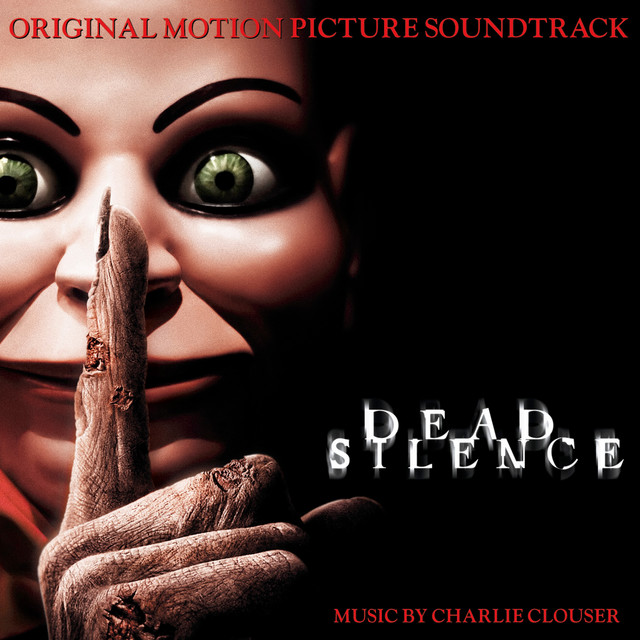
Dead Silence (Original Motion Picture Soundtrack)
2007
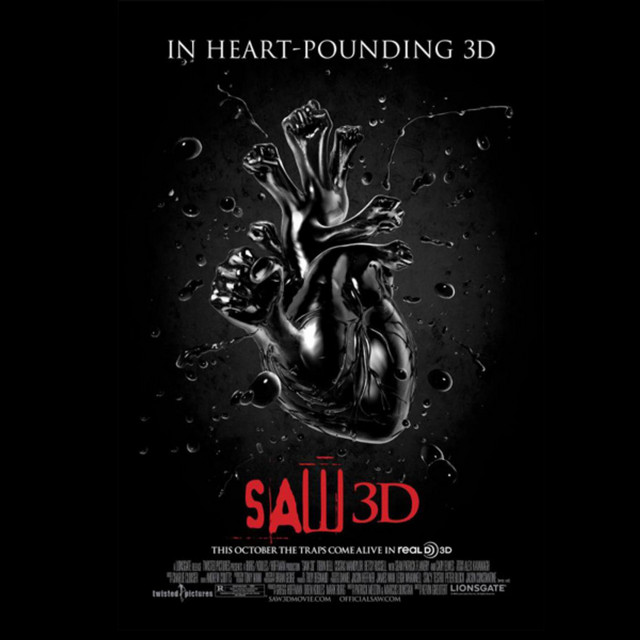
Saw 3d (Original Score Soundtrack)
2010
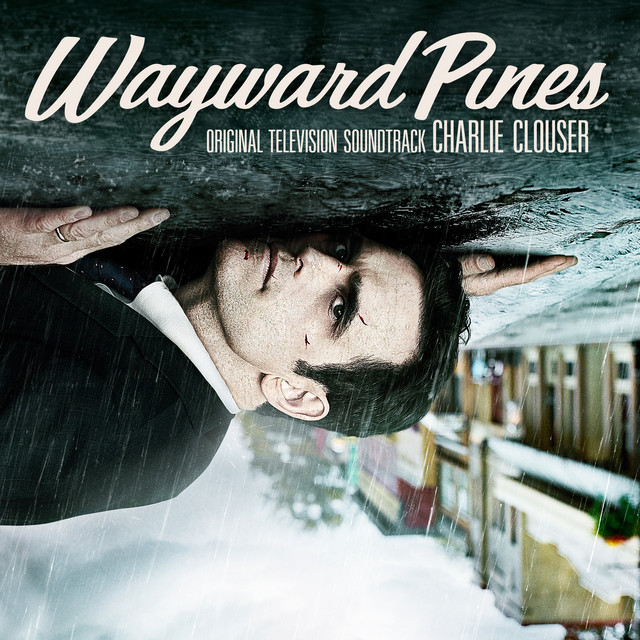
Wayward Pines (Original Television Soundtrack)
2015
![Childhood's End (Deluxe Edition) [Original Mini-Series Soundtrack] album cover](https://images.equipboard.com/uploads/album/image/280296/childhood-s-end-deluxe-edition-original-mini-series-soundtrack.jpg)
Childhood's End (Deluxe Edition) [Original Mini-Series Soundtrack]
2016
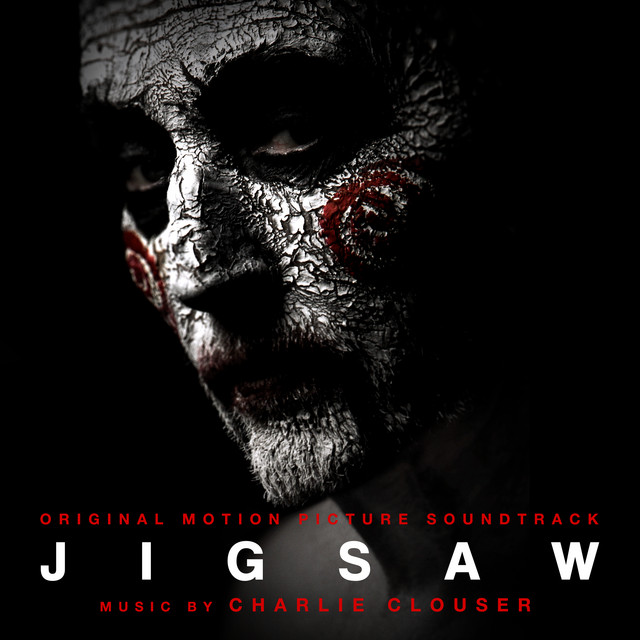
Jigsaw (Original Motion Picture Soundtrack)
2017

Saw Anthology, Vol. 2 (Original Motion Picture Score)
2017

Saw Anthology, Vol. 1 (Original Motion Picture Score)
2017
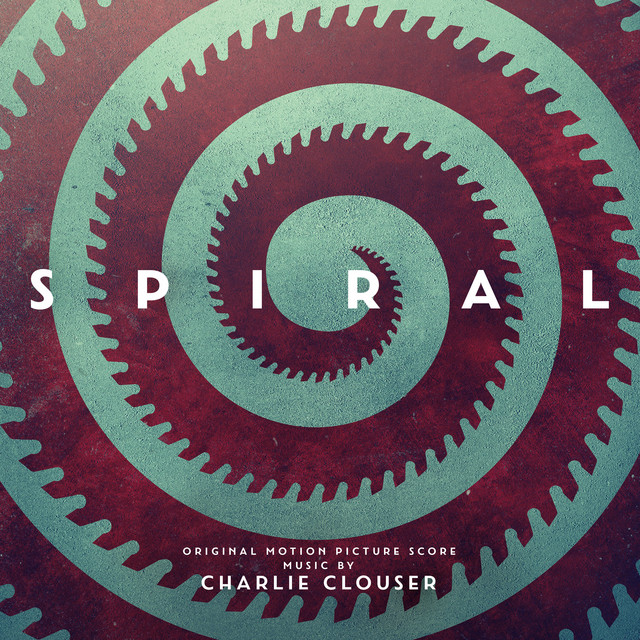
Spiral (Original Motion Picture Score)
2021
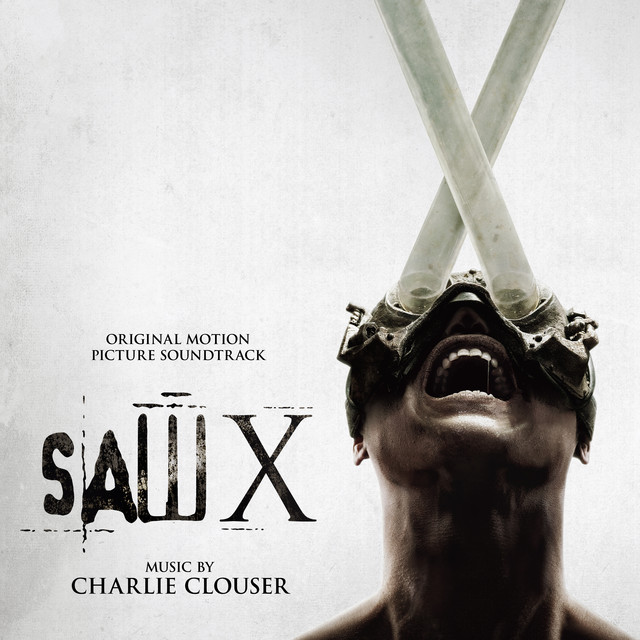
Saw X (Original Motion Picture Soundtrack)
2023
Album Credits
-
Wayward Pines (Original Television Soundtrack)
Charlie Clouser · 2015
Mixing Engineer -
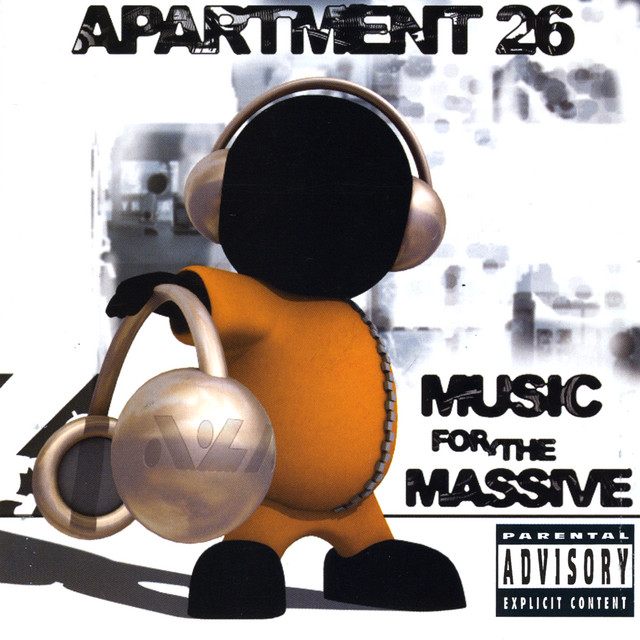
Apartment 26 · 2009
Engineer Producer -
Resident Evil: Extinction (Original Motion Picture Score)
Charlie Clouser · 2007
Mixing Engineer -
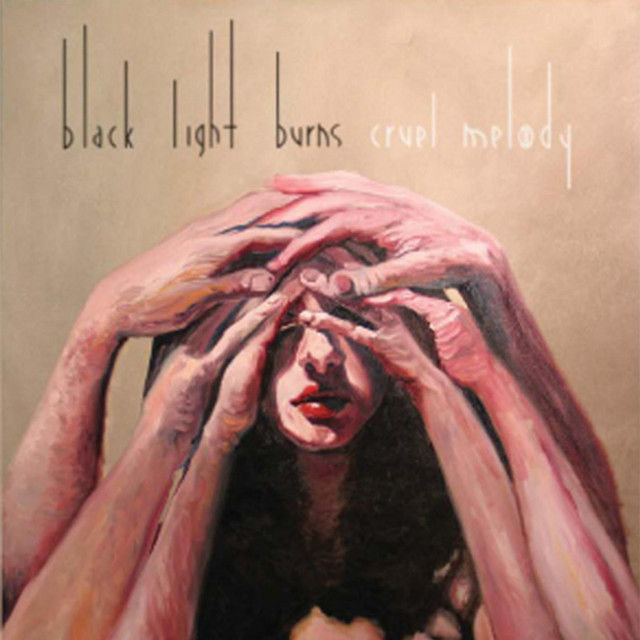
Black Light Burns · 2007
Programmer -
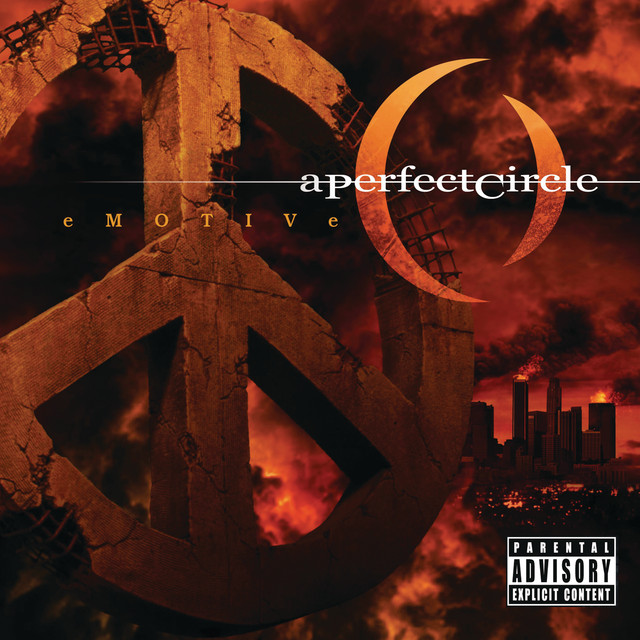
A Perfect Circle · 2004
Programmer -
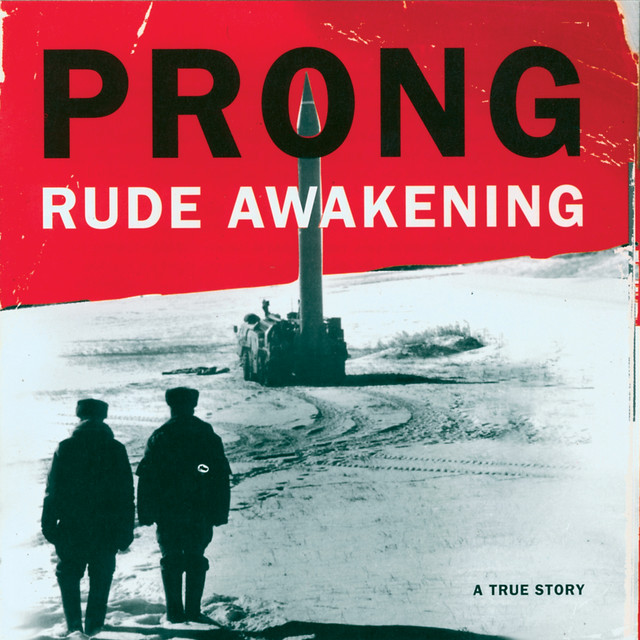
Prong · 1996
Programmer -
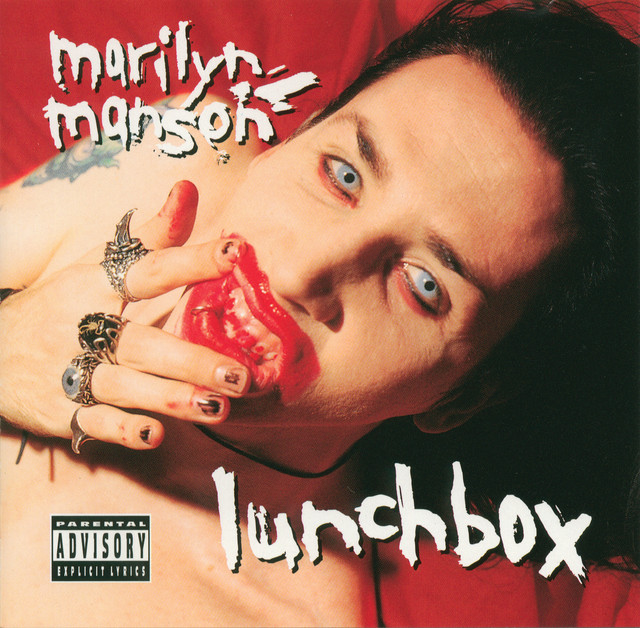
Marilyn Manson · 1995
Programmer -
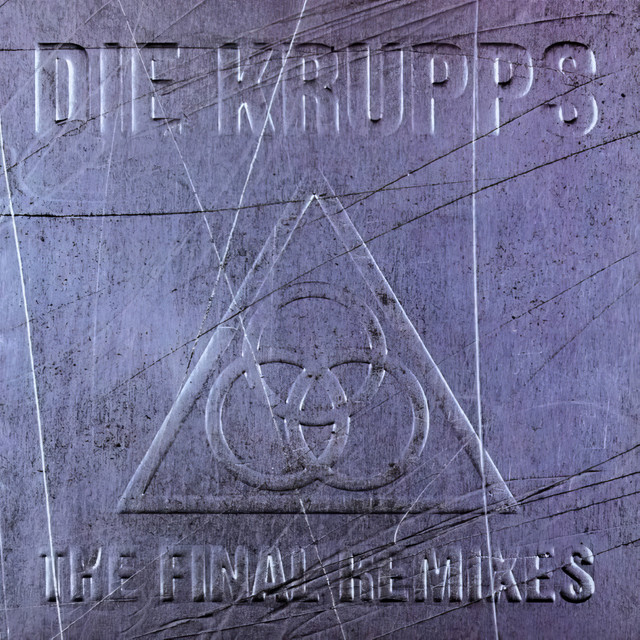
Die Krupps · 1994
Mixing Engineer Programmer -
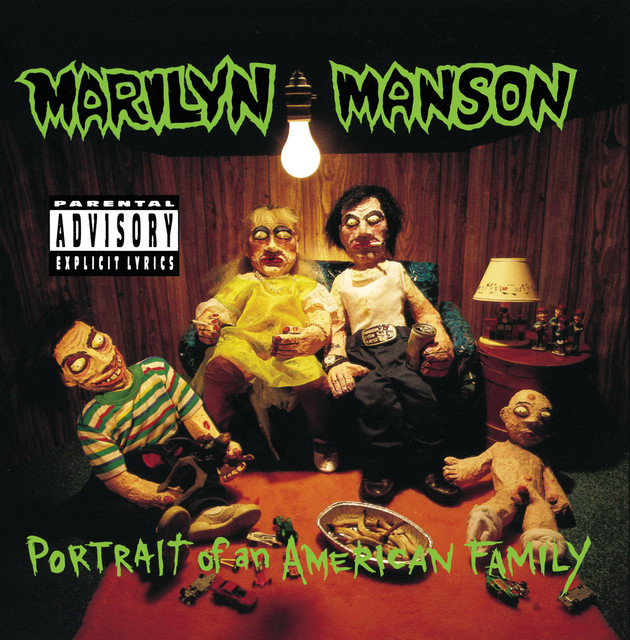
Portrait Of An American Family
Marilyn Manson · 1994
Programmer -
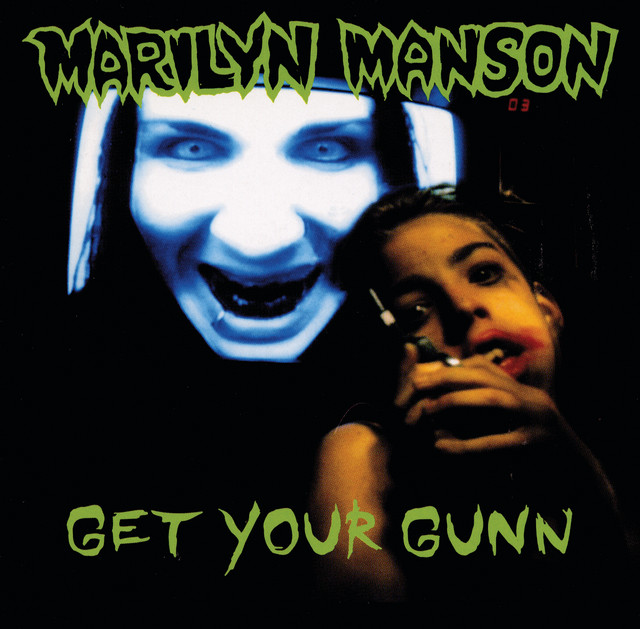
Marilyn Manson · 1994
Programmer