Gustavo Cerati
Genre
Group
Credits
Genre
Group
Credits
Gustavo Cerati's Gear


pedal used in the Last Concert Tour with Soda Stereo in the year 1997.
Find it on:


Trabajaron en esas condiciones durante dos meses, hasta que recibieron un adelanto de regalías de CBS (10.000 dólares) y un aporte personal de "Ohanian Producciones" (5.000 dólares), y en enero Gustavo y Zeta viajaron a Nueva York y compraron una guitarra "Jackson" azul, un bajo "Guild" del misco color, una guitarra "Schecter" negra, una "Linn 9000" y la batería electrónica de Charly, una "Roland" gris.
"Soda Stereo, La Biografía" (Pagina 65.) Marcelo Fernandez Bitar, Editorial El Juglar, noviembre 1988.
Cuando en 2007 Soda Stereo puso en marcha el operativo regreso y comenzó a ensayar en su sala, Gustavo Cerati buscó que las canciones sonaran como en el comienzo, y le encargó a su asistente Eduardo Barakus Iencenella que le consiguiera esta guitarra Jackson Soloist SL 1 azul: la misma con la que se había afianzado como guitarrista en la etapa de Signos. "Estaba arrumbada en un galpón", dijo Barakus, que la recató en muy mal estado y comenzó un proceso de restauración que le llevó 20 días. "Tenía los trastes oxidados, las prensas rotas y el circuito eléctrico dañado. Estaba todo mal. Entonces decidí desarmarla y empezar de cero".
Barakus pulió los trastes, cambió los microafinadores y morsas, pero cuando Cerati la probó enseguida se quejó de que se desafinaba sola. "El problema era que cuando hacía las rítmicas, Gustavo apoyaba la mano sobre los microafinadores. Tuve que diseñar un protector de metal liviano, y mandarlo a hacer a medida por un luthier".
"La historia detrás de la mítica guitarra que Cerati usó en el regreso de Soda Stereo" (Párrafo 1.) Bruno Larocca, La Nacion, 4 septiembre 2018.
Find it on:


-m.webp?v=1785156686)
On Gustavo Cerati's official site, he has a gear page where the Roland Jazz Chorus-120 is listed under his Amplifiers.
Find it on:


In the source, which is a tour gear abridgment, it's seen that he uses the Guild F4CE acoustic guitar.
Find it on:

Gustavo Cerati can be seen using the Vox combo amplifier in this 1996 MTV Unplugged performance at 2:05.
Find it on:

In a 1992 performance on "Tato de América," Gustavo Cerati used the Akai MPC60, an electronic instrument known for its innovative use of MIDI sampling. This device, popular among early '90s hip hop artists in the United States, allowed for advanced sound manipulation, highlighting Cerati's forward-thinking approach to music production.
Find it on:

This photo of Gustavo Cerati, of Soda Stereo, performing live shows his Gibson ES-335 hollow body electric guitar with Bigsby tremolo system.
Find it on:

As can be seen in the touring rig of 2009 source, Gustavo Cerati used the Pigtronix Polysaturator.
Find it on:

Guitarra cabecera en la grabación y gira de Doble Vida - Languis (1988/1990). Luego pasó a ser la guitarra backup de su PRS (1990 a 1996). Para el último Concierto fue utilizada por Alejandro Terán y también parte del set de guitarras para la gira Siempre es Hoy (la usó para tocar Casa y también cumplía de backup de la G&L Asat)
Find it on:

The Legendary Jackson San Dimas was genuinely Cerati's quintessential guitar in his early years with Soda Stereo. The essential sound of the album Nada Personal. He was seen bringing her back to Me Verás Volver 2007.
Find it on:

¿Cómo trabajaste el sonido de guitarra? "Fue absolutamente genial la sincronización que se logró, podía no haberse producido. Definitivamente el héroe de mi sonido es el equipo Vox que conseguí cuando llegué allá (Miami), un AC-50. No tiene baffles, lo usé con baffles Marshall. Lo estoy usando también en gira, a pesar de que todo el mundo me dice que no lo haga, porque tiene un sonido genial y es difícil de conseguir y todos tienen miedo de que se rompa, pero no puedo evitarlo. Son antiguos, pero los hacían bien. Hay un mito que me saqué ahora, porque yo creía que los equipos antiguos, como el Marshall en su buena época, o el Vox, o los Hiwatt, que tienen un sonido espectacular, sonaban así porque eran viejos, creía que era producto de la vejez o el añejamiento. Y descubrí que no, que suenan mejor porque están mejor hechos, no porque sean viejos. Yo siempre usé equipos valvulares, y el Vox por ejemplo es un circuito clase A, que no se hace ahora, y vos la bandeja de las válvulas la sacás para afuera, o sea que está hecho además para que el técnico trabaje. Yo pensaba que eran bazofias que sonaban bien y nadie sabía bien por qué. Lo que te decía con respecto al disco, fue porque me encontré con ese Vox a través de alquilar. Me iba a comprar un Boogie Simulclass, que había leído que era buenísimo, es un equipo de 400 Watts, una brutalidad gigantesca, yo estaba desesperado porque el Marshall no me funcionaba como me gustaba. Lo probé y me pareció espantoso, lo devolví porque no podía soportar el sonido. Yo en mi casa, haciendo los demos, había logrado un sonido de guitarra que me resultaba cómodo, similar al que luego conseguí con el Vox con muchísimo más resto, usando un par de Marshall con pedales, compresores y aparatos. Cuando devuelvo el Boogie me traen el Vox éste, y me dicen que no lo venden. Yo lo vi nada más y dije “¡acá está!”. Lo escuché, lo puse al mango y dije se acabó, graben. Y cuando el tipo me vio tan entusiasmado me lo cobró muy caro. Pero me lo vendió."
Find it on:

Gustavo Cerati, one of Latin America’s most celebrated musicians used a PRS Paul Reed Smith Multifoil. He played a stock PRS Standard Multifoil for many years as his main recording & stage guitar. This guitar is painted in the style of the Multimetal/foil guitar used by Gustavo. It is the same PRS retro design with a modern PRS flare (square pickups instead of round squabbins). The electronics are the same: HFS/Vintage bass pickups, Volume, Sweet-switch, 5 way rotary.
Find it on:

In the source, which is a tour gear abridgment, it's seen that he uses the Zvex Box of Rock.
Find it on:


At :38s in this video, Gustavo can be seen playing a black on black Fender Stratocaster.
Find it on:

As seen on this Facebook post, his guitar tech (Eduardo Barakus Iencenella) posted a pic of the latest tour. 2 bogner shiva's can be seen. He then answers a fan asking wether the amps used 6l6 or el34. His answer is EL34.
Find it on:


Mítica guitarra que gustavo utilizo por su carrera con soda stereo. y se utilizo por ultima vez en la gira MVV 2007.
Find it on:


On Gustavo Cerati's official website, an EBS Multicomp Compressor pedal is listed among Cerati's pedals.
Find it on:

No es una 335 común, más allá del doble pickguard, también posee un back pad como las Gretsch para tener mejor acceso a la electrónica.
Find it on:

In this youtube video, from minute 11:32 you can see a Shure SM7B used by Cerati for the vocals in "Amor Sin Rodeos"
Find it on:

As can be seen in the touring rig of 2009 source, Gustavo Cerati used the AER Compact 60 III acoustic amp.
Find it on:

In a tour gear overview featured on Facebook, Gustavo Cerati is shown using the TC Electronic G-System, which he employs to control his guitar effects from the front of the stage.
Find it on:

Gustavo used this guitar with soda prominently in the band's last concert at River Plate Stadium in 1997.
Find it on:

This video shows Gustavo playing this guitar.
Find it on:


59' original Jazzmaster, used to record "Me quedo aquí" and also played in "Spinetta y las bandas eternas".
Find it on:


As can be seen in the touring rig of 2009 source, Gustavo Cerati used the Line 6 POD XT Live.
Find it on:

Entrevista a Barakus (el gutiar tech de Gustavo cerati). en el minuto 4:25 cuenta que el usaba la pedalera Roland GP-8. "Ahi estaban todos los sonidos de Soda".
Find it on:

On Gustavo Cerati's official website, an Eventide Ultraharmonizer H3000-D/SX is listed among his rack gear.
Find it on:

Cerati can be seen playing a Mosrite Double Neck guitar in this photo..
Find it on:

Gustavo used this pedal to play live along with Spinetta in 2010.
Find it on:

This image shows Gustavo Cerati playing a G&L ASAT Classic with a Candy Apple Red finish.
Find it on:
This is a community-built gear list for Gustavo Cerati.
- Find relevant music gear like Microphones, Guitars, Amplifiers, Effects Pedals, Software Plugins and VSTs, Keyboards and Synthesizers, Instruments, DJ Setup, Headphones, and other instruments and add it to Gustavo Cerati.
- The best places to look for gear usage are typically on the artist's social media, YouTube, live performance images, and interviews.
- To receive email updates when Gustavo Cerati is seen with new gear, follow the artist.
Discography
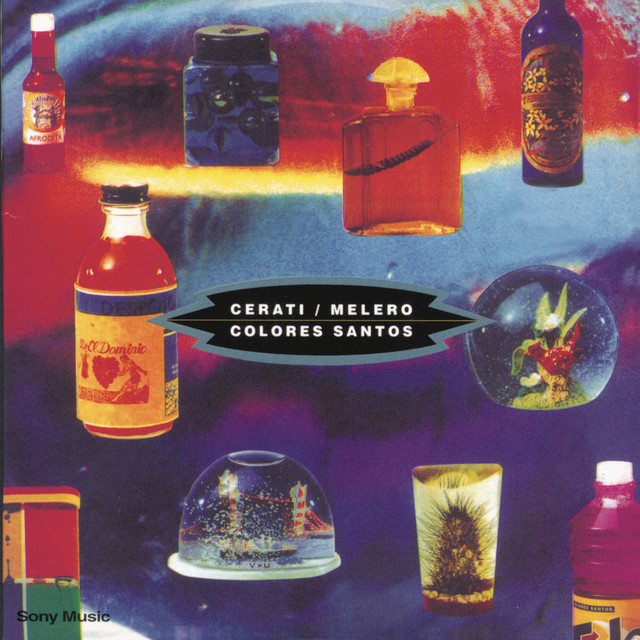
Colores Santos
1992

Amor Amarillo
1993
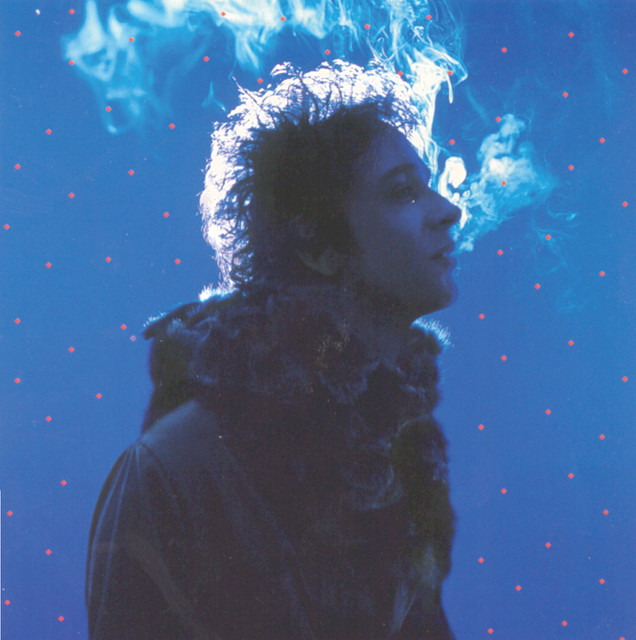
Bocanada
1999
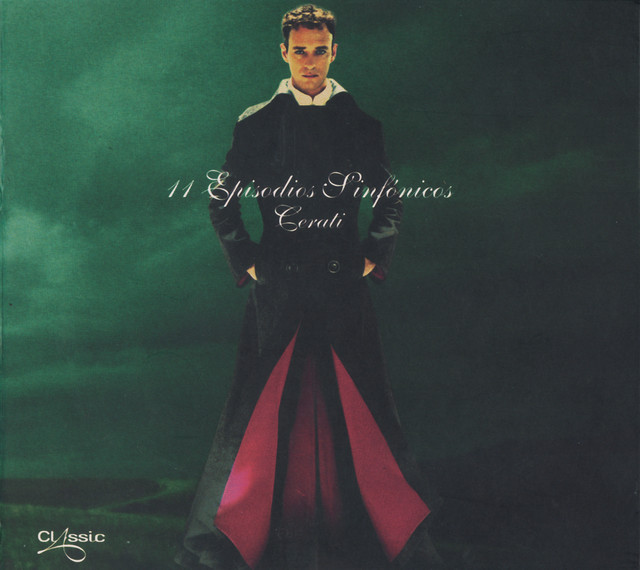
11 Episodios Sinfónicos
2001

+ Bien
2001
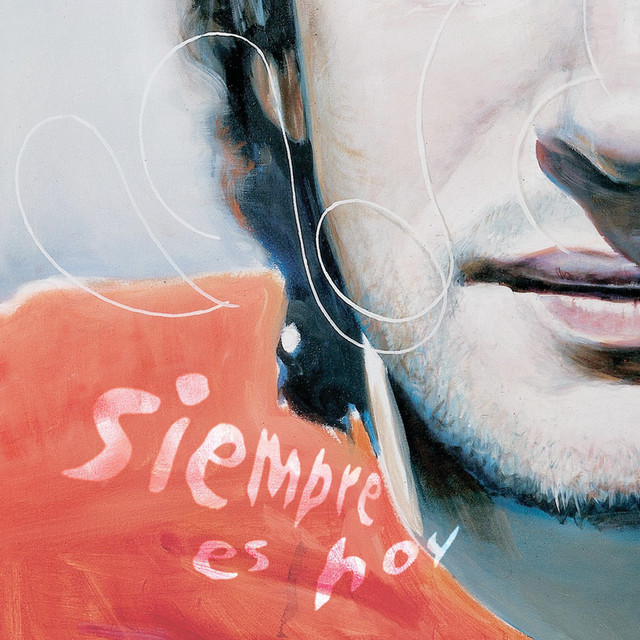
Siempre Es Hoy
2002
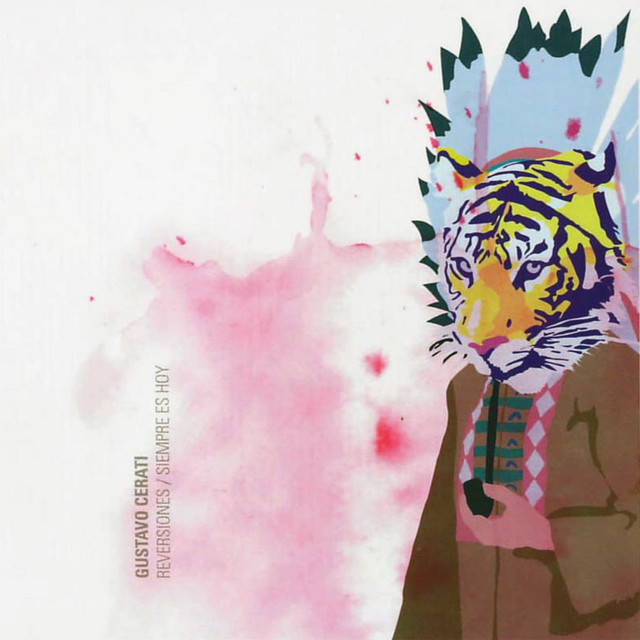
Siempre Es Hoy/Reversiones
2003

Ahí Vamos
2006
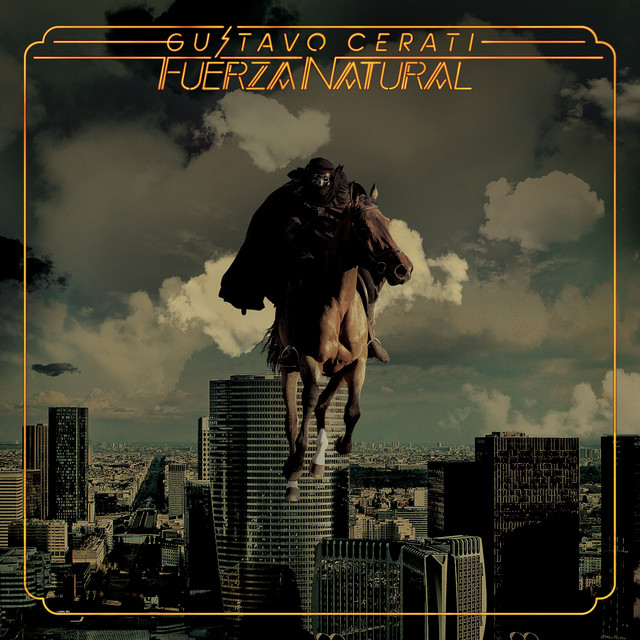
Fuerza Natural
2009
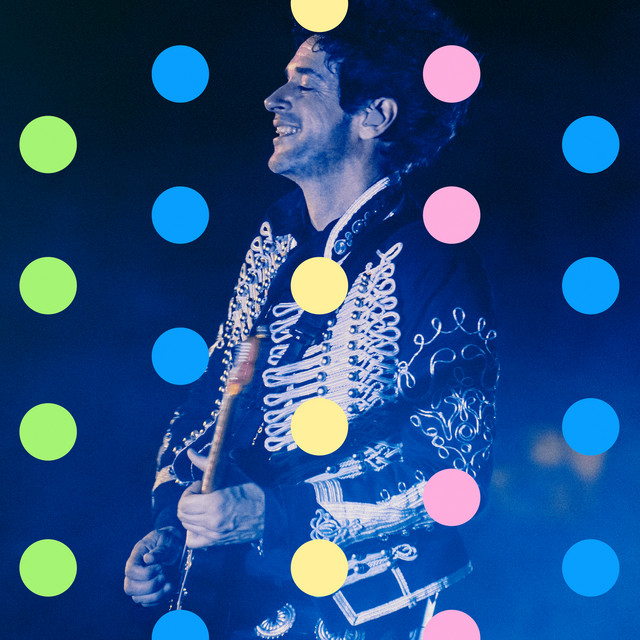
Fuerza Natural Tour, en vivo en Monterrey, MX, 2009
2019
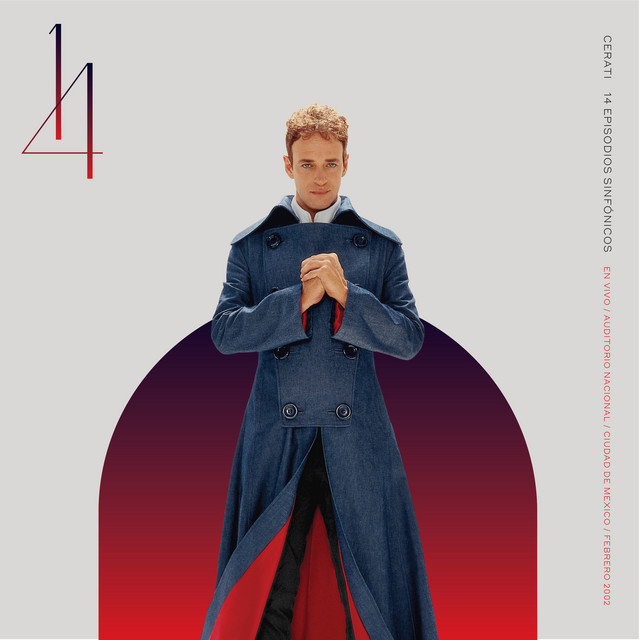
14 Episodios Sinfónicos / En Vivo / Auditorio Nacional de México / Febrero 2002
2022
Album Credits
-
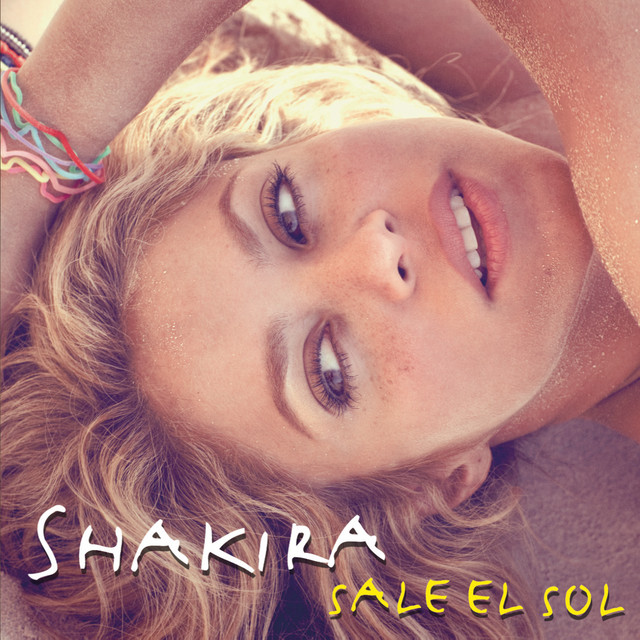
Shakira · 2010
Producer -
Gustavo Cerati · 2006
Producer